v2.webp)
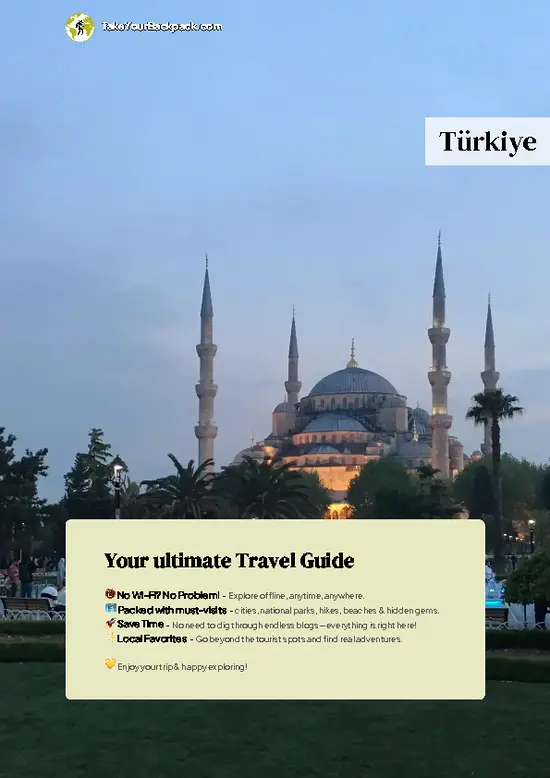
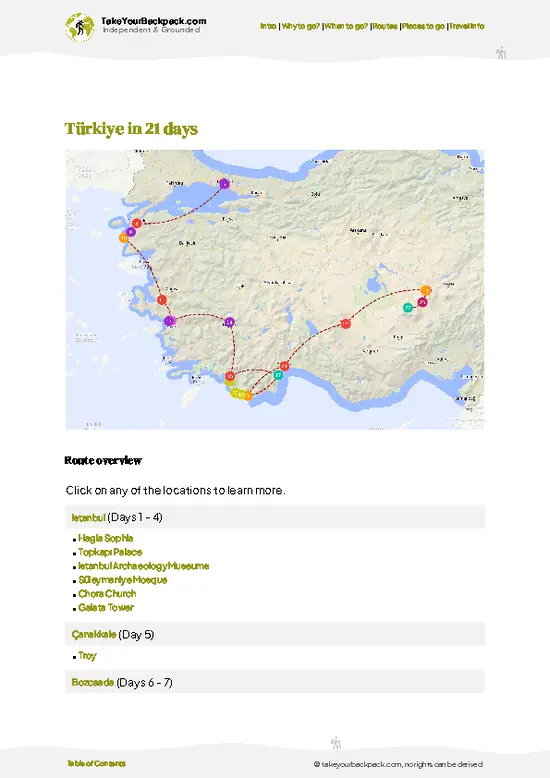
- Mimar Sinan’s masterpiece and historical context — The mosque is the architect’s declared “crowning work,” built for Sultan Selim II in the 16th century; knowing that a single architect designed the whole vision gives the building a coherence you can actually feel as you walk around.
- The soaring central dome — A huge, uninterrupted dome dominates the interior and feels almost weightless thanks to Sinan’s clever support system; standing beneath it gives a real sense of his structural daring and why this building is studied even today. (Personal favorite.)
- The four towering minarets — Extremely slim, elegant minarets frame the mosque and create an instantly recognizable skyline; their height and rhythm of balconies are uniquely dramatic from both near and far.
- Iznik tiles and calligraphic
- Mimar Sinan’s masterpiece and historical context — The mosque is the architect’s declared “crowning work,” built for Sultan Selim II in the 16th century; knowing that a single architect designed the whole vision gives the building a coherence you can actually feel as you walk around.
- The soaring central dome — A huge, uninterrupted dome dominates the interior and feels almost weightless thanks to Sinan’s clever support system; standing beneath it gives a real sense of his structural daring and why this building is studied even today. (Personal favorite.)
- The four towering minarets — Extremely slim, elegant minarets frame the mosque and create an instantly recognizable skyline; their height and rhythm of balconies are uniquely dramatic from both near and far.
- Iznik tiles and calligraphic panels — The interior is lined with rich blue-and-turquoise tiles and finely cut calligraphy that reward a slow look—small details pop up in corners and arches that you’ll miss if you rush.
- Light, windows, and acoustics — A ring of windows around the dome and dozens more lower down flood the prayer hall with diffuse light; the way sound carries here makes sermons and chanting feel immersive rather than echoey.
- The courtyard and ablution fountain — The marble courtyard with its central fountain is a calm, photogenic space to sit, watch foot traffic and local life, and frame the mosque’s facades and minarets for photos.
- The külliye and Selimiye complex — Don’t miss the attached complex: madrasas, tombs, and other Ottoman social buildings that explain how the mosque functioned as a community center; it’s a reminder this was more than a single monument.
Spotted a mistake or missing something? Contact us.

 Best Backpacking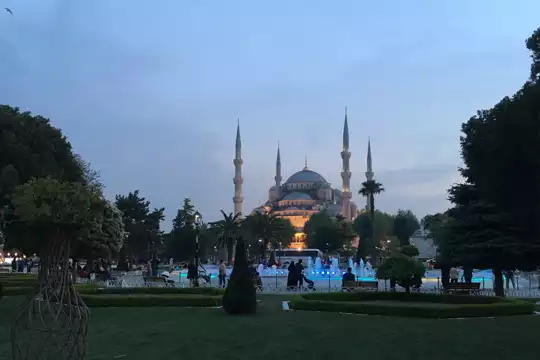
.jpg) Hi, I’m Johan (Netherlands 🇳🇱), the creator of TakeYourBackpack. Over the past 3 decades, I’ve backpacked through 90+ countries across six continents, gaining extensive experience with independent travel, long-term trips, and overland routes.
Hi, I’m Johan (Netherlands 🇳🇱), the creator of TakeYourBackpack. Over the past 3 decades, I’ve backpacked through 90+ countries across six continents, gaining extensive experience with independent travel, long-term trips, and overland routes.