v2.webp)
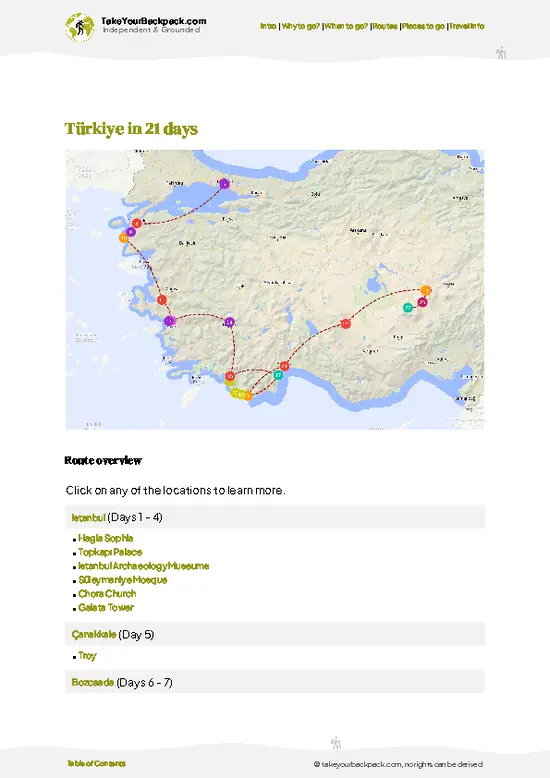
- Temple of Apollo — The dramatic column ruins sitting on Side’s little peninsula are the town’s postcard: walk right up to the cliff, watch the sun slip into the sea framed by ancient pillars, and feel why this spot has drawn people for millennia.
- Ancient Theatre — A huge Roman theatre carved into the hillside with great acoustics and sea views; you can still climb through its tiers, imagine packed crowds, and often catch small concerts or reenactments on site.
- Temple of Athena — Smaller than Apollo but intimate and atmospheric, this temple’s ruins and nearby reliefs reward a slower look and give a different angle on Side’s Greco-Roman religious life.
- Side Museum (in the Roman Baths) — Compact but rich: beautifully preserved mosaics, statues and everyday objects housed inside restored
- Temple of Apollo — The dramatic column ruins sitting on Side’s little peninsula are the town’s postcard: walk right up to the cliff, watch the sun slip into the sea framed by ancient pillars, and feel why this spot has drawn people for millennia.
- Ancient Theatre — A huge Roman theatre carved into the hillside with great acoustics and sea views; you can still climb through its tiers, imagine packed crowds, and often catch small concerts or reenactments on site.
- Temple of Athena — Smaller than Apollo but intimate and atmospheric, this temple’s ruins and nearby reliefs reward a slower look and give a different angle on Side’s Greco-Roman religious life.
- Side Museum (in the Roman Baths) — Compact but rich: beautifully preserved mosaics, statues and everyday objects housed inside restored bath ruins, so you see finds in roughly the spot where they were used or buried.
- The Agora and Colonnaded Street — Walk the old marketplace where shops once lined a marble-paved street; the surviving columns and shop fronts make it easy to picture ancient Side’s commerce and street life.
- Necropolis (the ancient cemetery) — A large, eerie-beautiful spread of sarcophagi and monumental tombs east of town; it’s quieter than the main ruins and gives a real sense of ancient funerary art and scale.
- Monumental Fountain (Nymphaeum) — An ornately carved fountain that once marked a civic center; the facade and decorative details are worth stopping for, and it’s a handy photo spot near the main site cluster.
- Old Harbour and Waterfront — Fishermen, wooden boats and a strip of fish restaurants and cafés: perfect for a slow evening, watching sunsets, or booking short coastal boat trips that launch right from town.
- Side Old Town (narrow streets and bazaars) — Behind the ruins are intimate lanes with Ottoman-style houses, small craft shops and little cafés — less archaeological, more local flavour and a good place to eat and wander.
- Local Pazar / Weekly Market — Not a ruin, but a real cultural window: vendors selling fresh produce, spices, textiles and local snacks. It’s where you meet residents, taste regional food, and bargain without the tourist gloss.
Spotted a mistake or missing something? Contact us.

2 Hour's Sunset Boat Tour in Side

Private Boat Tour İn Side

Rafting Canyoning and Zipline Best Outdoor Activity from Antalya

Blau Laguna Boat Tour incl. Transfer and Lunch from Side

Alanya Pirate Boat Foam Party Tour with Lunch Included

Side Manavgat Boat Trip with Lunch and Soft Drinks

Side Jeep Safari with Green Lake Boat Cruise and Lunch

Dolphin Boat Blue Laguna With Rivertrip

Adventure Combo with Rafting Buggy Safari Zipline and Lunch


 Best Backpacking
.jpg) Hi, I’m Johan (Netherlands 🇳🇱), the creator of TakeYourBackpack. Over the past 3 decades, I’ve backpacked through 90+ countries across six continents, gaining extensive experience with independent travel, long-term trips, and overland routes.
Hi, I’m Johan (Netherlands 🇳🇱), the creator of TakeYourBackpack. Over the past 3 decades, I’ve backpacked through 90+ countries across six continents, gaining extensive experience with independent travel, long-term trips, and overland routes.