×

Turkmenistan🇹🇲 | citiesAshgabatwhite marble, grand monuments, wide boulevards | things to do and best time to go

Explore Turkmenbashi BeachExplore Balkanabat

Backpacking in Ashgabat
🏆 Top pickcity ranked #1
By Johan Kruseman 🇳🇱 | Updated September 23, 2026

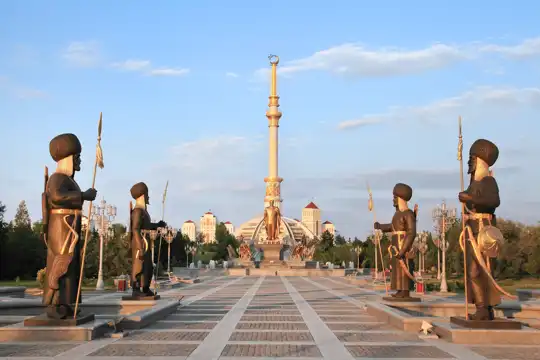
Ashgabat used to feel like a rumor: half-empty boulevards, surreal white marble, almost no tourists, and a sense that you’d slipped into a parallel Soviet-Gulf mashup no one talked about. Today it’s still surreal, but more controlled, more polished, and a bit less wild around the edges. The city sits in southern Turkmenistan, close to the Iranian border, stretched along the Kopet Dag mountains and the Karakum desert. For backpackers, it’s a high-friction, high-reward stop: visually outrageous architecture, choreographed fountains, the Neutrality Monument, and museums that are more about state narrative than raw history. It’s safe, but heavily policed; cheap once you’re inside, but expensive and bureaucratic to access. Nightlife is muted and meeting other travelers is hard compared with Mary or Dashoguz, where shared hardship bonds people faster. The vibe is controlled spectacle: part ghost city, part stage set, fascinating if you enjoy decoding systems.

Discover everything you want to know in the 📖 Turkmenistan Travel Guide.


Loading the map 🌍
CLICK TO FILTER
cities
towns
landmarks
national parks
hikes
beaches
attractions
festivals
regions
SHOW COUNTRY’S BESTSHOW ALL

✨ Why go?
Ranked #1 city in Turkmenistan
Reasons people choose to visit here

Ashgabat is a unique stop on your backpacking journey through Central Asia, offering a blend of highlights and practical advantages. The city is a basecamp for day trips into the surrounding desert, making it a strategic choice for those looking to explore beyond the urban landscape. You’ll find a range of hostels that cater to budget travelers, providing a social atmosphere where you can swap stories with fellow adventurers.

The food scene is surprisingly diverse, with local eateries serving up hearty dishes that won’t break the bank. Plus, the city is incredibly walkable, allowing you to soak in its surreal architecture and quirky monuments without the hassle of public transport.

When the sun sets, the nightlife is low-key but lively, with a few bars and cafes where you can unwind after … read more 👉
Ashgabat is a unique stop on your backpacking journey through Central Asia, offering a blend of highlights and practical advantages. The city is a basecamp for day trips into the surrounding desert, making it a strategic choice for those looking to explore beyond the urban landscape. You’ll find a range of hostels that cater to budget travelers, providing a social atmosphere where you can swap stories with fellow adventurers.

The food scene is surprisingly diverse, with local eateries serving up hearty dishes that won’t break the bank. Plus, the city is incredibly walkable, allowing you to soak in its surreal architecture and quirky monuments without the hassle of public transport.

When the sun sets, the nightlife is low-key but lively, with a few bars and cafes where you can unwind after a day of exploration. Ashgabat also serves as a convenient hub for onward travel to other destinations in Turkmenistan and beyond, making it easy to keep your adventure rolling.

In short, if you’re after a mix of culture, convenience, and camaraderie, Ashgabat is worth more than just a fleeting visit.

💡 HighlightsDon't-miss highlights and experiences

  1. Independence Monument (Galkynysh Monument) — The big white-marble complex in the city center: dramatic columns, a museum and landscaped gardens. It’s where the state’s story is staged, and the viewing plaza makes for good photos and people-watching.
  2. Arch of Neutrality (Neutrality Monument) — That gleaming arch and plaza with the gold-topped monument is pure Ashgabat postcard: odd, over-the-top, and oddly photogenic. Walk around the base to see the fountains, mosaics and the urban symmetry up close.
  3. Turkmen Carpet Museum — Hands-down one of the best places to understand Turkmen identity. Massive carpets, explanations of tribal patterns, and live-weaving demos if you time it right. It’s practical culture rather than museum-ish formality.
  4. National Museum of Turkmenistan (State Museum) —
… read more 👉
  1. Independence Monument (Galkynysh Monument) — The big white-marble complex in the city center: dramatic columns, a museum and landscaped gardens. It’s where the state’s story is staged, and the viewing plaza makes for good photos and people-watching.
  2. Arch of Neutrality (Neutrality Monument) — That gleaming arch and plaza with the gold-topped monument is pure Ashgabat postcard: odd, over-the-top, and oddly photogenic. Walk around the base to see the fountains, mosaics and the urban symmetry up close.
  3. Turkmen Carpet Museum — Hands-down one of the best places to understand Turkmen identity. Massive carpets, explanations of tribal patterns, and live-weaving demos if you time it right. It’s practical culture rather than museum-ish formality.
  4. National Museum of Turkmenistan (State Museum) — Archaeology, ethnography, and plenty of Soviet-era and contemporary Turkmen exhibits. If you want context for the city’s marble facades and national symbols, this is where they’re explained.
  5. Tolkuchka (Old) Bazaar — The real, noisy, colorful market: carpets, livestock, spices, household goods and the kind of bargaining that shows you the country’s texture. Don’t expect polished tourism — expect genuine local life.
  6. Alem Cultural and Entertainment Center (the Glass Globe) — A bizarre and fun modern landmark: a giant glass globe with an indoor entertainment complex and observation levels. Kitsch and skyline views — surprisingly memorable.
  7. Palace of Happiness (Wedding Palace) — Over-the-top wedding architecture and ornate interiors (when open for visits). Even if you can’t get inside, the ornate exterior and surrounding fountains are worth a stroll and photos.
  8. Holy Transfiguration (Russian Orthodox) Cathedral — A calm, colorful counterpoint to the marble city. The icons, frescos and quiet interior give a sense of the city’s religious and cultural layers beyond state pageantry.
  9. Akhal-Teke horse monuments and the equestrian displays — You’ll see statues and small displays celebrating Turkmenistan’s famous horse breed around the city; some stables and equestrian centers host viewing or short visits. Great for anyone who likes animals and national lore.
  10. Monument to the Constitution and Flag Square — A striking civic space where you can see the scale of Ashgabat’s public architecture up close. The fountains, flagpole and surrounding buildings make it an easy stop to feel how the city stages itself.
For day trips just outside Ashgabat, consider the Parthian ruins of Old Nisa, the underground warm lake at Kow-Ata Cave, and the Turkmenbashi mausoleum area in nearby Gypjak — all visitable in a few hours to a day from the city (Darvaza’s fire crater is also famous but needs a longer off-road trip or overnight).
Spotted a mistake or missing something? Contact us.

🏘️ NeighborhoodsUnderstanding the local layout

Ashgabat, the capital of Turkmenistan, is a city of contrasts. It’s a blend of modernity and tradition, where the gleaming white marble buildings meet the dusty streets of local life. Here’s how to navigate its neighborhoods for the best backpacking experience.

City Center: This is the heart of Ashgabat, where you’ll find the iconic Neutrality Monument and sprawling parks. The vibe is bustling yet organized, perfect for short stays. Expect higher prices here, but the walkability is excellent. Transport options abound, making it easy to explore. Nightlife is limited, but cafes and restaurants offer a taste of local cuisine.

Old Town: A stark contrast to the modern center, Old Town showcases the traditional side of Turkmen culture. The streets are quieter, ideal for those seeking a more laid-back … read more 👉
Ashgabat, the capital of Turkmenistan, is a city of contrasts. It’s a blend of modernity and tradition, where the gleaming white marble buildings meet the dusty streets of local life. Here’s how to navigate its neighborhoods for the best backpacking experience.

City Center: This is the heart of Ashgabat, where you’ll find the iconic Neutrality Monument and sprawling parks. The vibe is bustling yet organized, perfect for short stays. Expect higher prices here, but the walkability is excellent. Transport options abound, making it easy to explore. Nightlife is limited, but cafes and restaurants offer a taste of local cuisine.

Old Town: A stark contrast to the modern center, Old Town showcases the traditional side of Turkmen culture. The streets are quieter, ideal for those seeking a more laid-back experience. Prices are lower, and you can easily wander through local markets. It’s less accessible by public transport, but the charm makes it worth the trek. Perfect for longer stays if you want to immerse yourself in local life.

Gypjak: Located a bit outside the main city, Gypjak is home to the impressive Turkmenbashi Mosque. This area is quieter and offers a glimpse into rural Turkmenistan. It’s less walkable, so plan for transport. Costs are reasonable, and it’s a great spot for those wanting to escape the city hustle for a day.

Archabil: This upscale neighborhood is known for its luxury hotels and modern amenities. While it’s pricier, the comfort level is high. Walkability is decent, but you’ll need transport for deeper exploration. Nightlife is more subdued, making it suitable for a restful stay. Ideal for those who want a taste of luxury without straying too far from the action.

⌛️ 1 dayWhat you can realistically do in a day

Ashgabat, the capital of Turkmenistan, is a city that feels like a living museum. With its gleaming white marble buildings, grand monuments, and a sprinkle of quirky charm, it’s a place where the past and present collide in unexpected ways. You’ll find a mix of Soviet-era architecture and modern designs, all set against a backdrop of the Karakum Desert.

Start your day in the bustling neighborhood of Gypjak. Here, you can visit the impressive Turkmenbashi Mosque, one of the largest mosques in Central Asia. The intricate tile work and soaring minarets are a feast for the eyes. After soaking in the spiritual ambiance, grab a traditional breakfast at a nearby café. Try the plov, a hearty rice dish, paired with sweet tea.

In the afternoon, head towards the city center, where the monumental … read more 👉
Ashgabat, the capital of Turkmenistan, is a city that feels like a living museum. With its gleaming white marble buildings, grand monuments, and a sprinkle of quirky charm, it’s a place where the past and present collide in unexpected ways. You’ll find a mix of Soviet-era architecture and modern designs, all set against a backdrop of the Karakum Desert.

Start your day in the bustling neighborhood of Gypjak. Here, you can visit the impressive Turkmenbashi Mosque, one of the largest mosques in Central Asia. The intricate tile work and soaring minarets are a feast for the eyes. After soaking in the spiritual ambiance, grab a traditional breakfast at a nearby café. Try the plov, a hearty rice dish, paired with sweet tea.

In the afternoon, head towards the city center, where the monumental Arch of Neutrality stands tall. This iconic structure is a symbol of the country’s independence and offers panoramic views from the top. The nearby Independence Monument is another must-see, surrounded by lush gardens perfect for a leisurely stroll.

For a taste of local life, venture to the Tolkuchka Bazaar. This vibrant market is often overlooked by tourists but is a treasure trove of handmade crafts, spices, and local delicacies. Engage with the friendly vendors and perhaps pick up a colorful carpet or some dried fruits as souvenirs.

As evening approaches, make your way to the serene Lake Altyn Asyr. It’s a bit off the beaten path, but the sunset views are worth it. The shimmering water reflects the colors of the sky, creating a peaceful end to your day.

Wrap up your adventure with dinner at a local restaurant, where you can savor more Turkmen cuisine. This day in Ashgabat will leave you with a deeper appreciation for its unique blend of history and modernity, making it a high-value experience you won’t forget.

🌤️ When to go?Seasonal considerations and timing

  • Weather: Ashgabat’s desert climate means scorching summers and chilly winters. From June to August, expect highs around 40-45°C (104-113°F), which can drain your energy fast. Spring (April-May) and autumn (September-October) offer milder, more manageable temperatures, usually between 20-30°C (68-86°F).
  • Temperature: Winter nights can dip below freezing, around -2 to 5°C (28-41°F), so if you’re not into bundling up, avoid December through February. The shoulder seasons balance warmth and coolness, making them ideal for daytime exploration without overheating or freezing.
  • Daylight Hours: Longer days in summer mean more hiking and sightseeing time, but the heat often limits activity to early mornings or late afternoons. In winter, shorter days (around 9-10 hours) compress your window for outdoor
… read more 👉
  • Weather: Ashgabat’s desert climate means scorching summers and chilly winters. From June to August, expect highs around 40-45°C (104-113°F), which can drain your energy fast. Spring (April-May) and autumn (September-October) offer milder, more manageable temperatures, usually between 20-30°C (68-86°F).
  • Temperature: Winter nights can dip below freezing, around -2 to 5°C (28-41°F), so if you’re not into bundling up, avoid December through February. The shoulder seasons balance warmth and coolness, making them ideal for daytime exploration without overheating or freezing.
  • Daylight Hours: Longer days in summer mean more hiking and sightseeing time, but the heat often limits activity to early mornings or late afternoons. In winter, shorter days (around 9-10 hours) compress your window for outdoor adventures.
  • Crowds: Ashgabat isn’t a backpacker hotspot, so crowds are generally low year-round. However, national holidays and festivals can spike local visitors, especially in spring and autumn.
  • Seasonal Activities: Spring and autumn bring outdoor festivals and cultural events, making these seasons rich for immersive experiences. Summer’s heat limits outdoor activities, while winter’s cold discourages long excursions.
  • Price Fluctuations: Accommodation and transport prices peak slightly during spring and autumn due to better weather and local events. Winter and summer see lower prices but come with uncomfortable extremes in temperature.
Pro-tip: Target April-May or September-October to maximize comfort, daylight, and cultural engagement while avoiding price spikes and weather extremes.


source: climatestotravel.comJANJanuary: fair for travelingFEBFebruary: fair for travelingMARMarch: good for travelingAPRApril: excellent for travelingMAYMay: excellent for travelingJUNJune: fair for travelingJULJuly: below average for travelingAUGAugust: below average for travelingSEPSeptember: excellent for travelingOCTOctober: excellent for travelingNOVNovember: good for travelingDECDecember: fair for traveling
when-to-go

✈️ The backpacker research shortcutTurkmenistan Travel Guide

An offline-friendly backpacking guide with optimized travel routes, ranked highlights, transport advice, and the best areas to stay.
example page 0 from our offline Travel Guide for Turkmenistan
example page 1 from our offline Travel Guide for Turkmenistan
example page 2 from our offline Travel Guide for Turkmenistan
example page 3 from our offline Travel Guide for Turkmenistan
example page 4 from our offline Travel Guide for Turkmenistan
example page 5 from our offline Travel Guide for Turkmenistan
example page 6 from our offline Travel Guide for Turkmenistan
example page 7 from our offline Travel Guide for Turkmenistan
The digital guide (193 pages) contains:
✅ 49 highlights, ranked by travel appeal
✅ Optimized 5, 10 & 15-day travel routes
✅ Cities, national parks, landmarks, beaches
✅ How to get around
✅ Offline-friendly for travel without Wi-Fi
👉 Click to see all 30+ guide features

📅 Plan smarter in minutes, not weeks
✅ Month by month travel advice
✅ Festivals & national holidays
✅ Budget expectations

🗺️ Go to the right places, skip the overrated ones
✅ Honest pros & cons of destinations
✅ Top hikes, parks & viewpoints
✅ Lesser-known places most travelers miss
✅ Clear “worth it vs skip it” guidance

🛏️ Travel smoothly without rookie mistakes
✅ Best areas to stay
✅ Transport systems explained simply
✅ Common scams & safety advice
✅ SIM cards, money & practical tips

🌍 Understand the country, not just visit it
✅ Culture & traditions
✅ 52 Essential phrases & customs
✅ Festivals worth planning around
✅ Traveler-friendly historical context
✅ Insights that make places more meaningful

📱 Built for real travel conditions
✅ Fully downloadable PDF
✅ Works completely offline
✅ Optimized for phone use
✅ Useful in remote areas & buses
✅ Everything in one place
Save weeks of stressful planning
Get instant access to your full guide. 30‑day money-back guarantee.
+ Add another guide for just

By proceeding you agree to our terms.
Sent to your inbox immediately after payment • 100% Secure Checkout
Best Backpacking Travel Advisor 2025 tourism awardBest Backpacking
Travel Advisor
2025
What others say about Take Your Backpack Guides:
⭐⭐⭐⭐⭐
Fantastic, amazing amount of information!
⭐⭐⭐⭐⭐
My goodness this is amazing, it's what I've been looking for hats off too you!
⭐⭐⭐⭐⭐
I think this is absolutely BRILLIANT
⭐⭐⭐⭐
Very complete and informative. It's still missing places, but I gotta to commend you
⭐⭐⭐⭐⭐
This is truly amazing, thank you, can't wait to explore it with my kids!
⭐⭐⭐⭐⭐
Awesome resource, thank you!
⭐⭐⭐⭐⭐
This is amazing! Can't wait to explore the ones I haven't seen
⭐⭐⭐⭐
I love this! Well done, great idea.
⭐⭐⭐⭐⭐
Thanks for taking the time to make this gem!
⭐⭐⭐⭐⭐
This might be the best website I've ever seen.
⭐⭐⭐⭐⭐
Congratulations, and thank you so much for your work; it's incredibly valuable.
⭐⭐⭐⭐
In all seriousness I think you did a great job pointing out the important spots
⭐⭐⭐⭐⭐
10/10 very good
⭐⭐⭐⭐⭐
As someone who's only just starting to visit regularly this is awesome, thank you.
⭐⭐⭐⭐
Thank you very much! I'm going to visit my dad, it's going to be very useful!
⭐⭐⭐⭐⭐
This is really cool! We'll be travelling for the first time and this definitely come in handy.
⭐⭐⭐⭐⭐
You are now our minister of culture, congratulations 👨‍💼
⭐⭐⭐⭐⭐
Just wanted to tell you that this is a pearl! Going to follow your recommendations.
⭐⭐⭐⭐⭐
This is so cool. I'll definitely be using the resource for my travels soon.
⭐⭐⭐⭐⭐
This is very impressive! Good work.
⭐⭐⭐⭐⭐
This is an amazing and informative site. Very well done!

🛏️ Where to stay?Choosing the right base

Ashgabat’s urban layout is a study in contrasts, and where you choose to stay can shape your entire experience. For backpackers, the sweet spot lies in the central districts around the city’s core—specifically the areas near the Independence Park and the Old City quarter. These neighborhoods strike a balance between safety, social opportunities, and budget-friendly options, which is rare in a city known for its grandiose government buildings and sprawling marble facades.

Here, you’ll find the handful of hostels and guesthouses that cater to solo travelers and budget-conscious visitors. The vibe … read more 👉
Ashgabat’s urban layout is a study in contrasts, and where you choose to stay can shape your entire experience. For backpackers, the sweet spot lies in the central districts around the city’s core—specifically the areas near the Independence Park and the Old City quarter. These neighborhoods strike a balance between safety, social opportunities, and budget-friendly options, which is rare in a city known for its grandiose government buildings and sprawling marble facades.

Here, you’ll find the handful of hostels and guesthouses that cater to solo travelers and budget-conscious visitors. The vibe is low-key but welcoming, with enough foot traffic and local cafes to make striking up conversations easy. It’s not a party hub, but it’s social enough to avoid the isolation that can come from staying in more remote or upscale districts. Compared to the newer, more sterile parts of Ashgabat—where luxury hotels dominate and prices skyrocket—this central zone offers a more authentic slice of city life without sacrificing security.

Venturing outside this core means trading convenience and social access for quieter streets and higher costs. The outskirts are less practical for backpackers due to limited public transport and fewer budget accommodations. So, if you want to maximize your time and energy, stay where the city’s pulse is palpable but not overwhelming—right in the heart of Ashgabat’s lived-in, approachable center.

🚌 Getting aroundGetting around like a local

Ashgabat moves at its own rhythm—part Soviet precision, part desert spontaneity. The city’s pulse is a curious blend of strict timetables and a laid-back attitude that lets you slide into the flow or push against it. Here, time isn’t just measured by clocks but by the sun’s arc over white marble and the occasional honk of a shared taxi weaving through wide, empty avenues. If you want to master Ashgabat’s transit game, you need to understand what you’re trading off: speed for comfort, money for convenience, or patience for autonomy. This is where the real fun begins—decoding the city’s transport puzzle to maximize your experience without getting stuck in a tourist trap or a traffic jam.
  • Walking: Ashgabat’s compact center is surprisingly walkable, especially around the main squares and parks.
… read more 👉
Ashgabat moves at its own rhythm—part Soviet precision, part desert spontaneity. The city’s pulse is a curious blend of strict timetables and a laid-back attitude that lets you slide into the flow or push against it. Here, time isn’t just measured by clocks but by the sun’s arc over white marble and the occasional honk of a shared taxi weaving through wide, empty avenues. If you want to master Ashgabat’s transit game, you need to understand what you’re trading off: speed for comfort, money for convenience, or patience for autonomy. This is where the real fun begins—decoding the city’s transport puzzle to maximize your experience without getting stuck in a tourist trap or a traffic jam.
  • Walking: Ashgabat’s compact center is surprisingly walkable, especially around the main squares and parks. It costs nothing, offers the best way to soak in the city’s surreal white marble architecture, and gives you total control over your pace. The trade-off? It’s slow and can be brutally hot in summer, so plan accordingly.
  • Shared Taxis (Marshrutkas): These minibuses are the backbone of budget transit here. They run roughly from 6:00 AM to 10:00 PM, cost a fraction of a taxi ride (around 1-2 manat), and cover most of the city. They’re fast if you catch one going your way but can get crowded and uncomfortable during rush hours. You sacrifice personal space and a fixed schedule but gain unbeatable value and local flavor.
  • Regular Taxis: Metered taxis are more comfortable and faster than marshrutkas but come at a higher price—expect to pay about 10-15 manat for a typical city ride. They operate 24/7, which is a plus if you’re out late or have heavy luggage. The trade-off here is money for comfort and flexibility, especially useful if you’re tight on time or traveling in a group.
  • Bicycles: Not a widespread option but worth considering if you’re an adventurous budget traveler. Renting a bike costs around 5-10 manat per day. It’s faster than walking and gives you freedom without the expense of taxis. The downside is Ashgabat’s intense summer heat and limited dedicated bike lanes, so it’s best for spring or autumn outings.
  • Intercity Buses: If you’re planning to explore beyond Ashgabat, these buses connect to nearby towns and cost very little (under 5 manat). They run on fixed schedules but can be unpredictable in punctuality. The trade-off is clear: low cost and decent coverage versus slower travel and less comfort.

Understanding these options means you’re not just moving through Ashgabat—you’re navigating its unique tempo. Choose your trade-offs wisely, and you’ll turn transit from a chore into a strategic advantage that shapes your entire trip.

👛 Costs (as of 23 September 2026)Travel costs and budget guide for Ashgabat

Backpacking in Ashgabat, Turkmenistan, demands a clear-eyed view of what your money buys in terms of comfort, convenience, and local flavor. Here’s the breakdown to help you play the budget game smartly:
  • Dorm Accommodation (High Season): Expect to pay around $15 to $25 per night. High season drives prices up due to limited options and increased demand, especially in centrally located hostels or guesthouses.
  • Dorm Accommodation (Off-Season): Prices drop to about $10 to $15 per night. Fewer tourists mean better deals, but some places may close or reduce services, so weigh savings against availability.
  • Meals: Local eateries offer filling meals for $3 to $7. Street food and small cafes are your best bet for authentic flavors without the tourist markup. Western-style or upscale dining pushes
… read more 👉
Backpacking in Ashgabat, Turkmenistan, demands a clear-eyed view of what your money buys in terms of comfort, convenience, and local flavor. Here’s the breakdown to help you play the budget game smartly:
  • Dorm Accommodation (High Season): Expect to pay around $15 to $25 per night. High season drives prices up due to limited options and increased demand, especially in centrally located hostels or guesthouses.
  • Dorm Accommodation (Off-Season): Prices drop to about $10 to $15 per night. Fewer tourists mean better deals, but some places may close or reduce services, so weigh savings against availability.
  • Meals: Local eateries offer filling meals for $3 to $7. Street food and small cafes are your best bet for authentic flavors without the tourist markup. Western-style or upscale dining pushes costs higher, around $10 to $20 per meal.
  • Local Transport: Shared taxis and minibuses cost roughly $0.20 to $0.50 per ride. They’re frequent but can be confusing without some local language skills. A practical choice if you want to stretch your budget.
  • City Transport Pass: Ashgabat doesn’t have a unified city transport pass system like bigger metropolises. Budget around $5 to $10 if you plan to use taxis or private rides extensively over several days.
  • Basic Activities/Entry Fees: Museums and cultural sites charge between $2 and $5. Some government buildings or landmarks might have higher fees or require permits, so factor in occasional surprises.
  • Miscellaneous Expenses: This covers bottled water, snacks, SIM cards, and small tips. Allocate about $3 to $7 daily to avoid pinch points.

Total daily costs for backpacking in Ashgabat hover between $25 and $50, depending on season and your comfort threshold. You’re trading off between modest comfort and authentic immersion, with the city’s unique vibe rewarding those who navigate its quirks wisely.


source: turkmenistan.gov.tm
⚠️ Prices can change and everyone travels differently, so take this as a rough guide. Hope it helps you plan your adventure!

🚌 Day tripsShort trips worth adding

Ashgabat, Turkmenistan, is a strategic launchpad for some truly captivating day trips. With its surreal architecture and unique culture, it’s a perfect base for exploring the surrounding wonders. Here are some standout options.

Darvaza Gas Crater
This fiery pit, often dubbed the ”Door to Hell,” is a must-see. Just a 3-4 hour drive from Ashgabat, it’s best visited at night when the flames dance against the dark sky. The experience is surreal, with the heat radiating and the crackling sounds creating an otherworldly atmosphere. Expect to spend around $20 on transport and a few bucks for snacks. A common mistake? Arriving too late to catch the full spectacle.
👉 Explore Darvaza Gas Crater

Nisa Ruins
A UNESCO World Heritage site, the ancient city of Nisa is only about 30 minutes from Ashgabat. … read more 👉
Ashgabat, Turkmenistan, is a strategic launchpad for some truly captivating day trips. With its surreal architecture and unique culture, it’s a perfect base for exploring the surrounding wonders. Here are some standout options.

Darvaza Gas Crater
This fiery pit, often dubbed the ”Door to Hell,” is a must-see. Just a 3-4 hour drive from Ashgabat, it’s best visited at night when the flames dance against the dark sky. The experience is surreal, with the heat radiating and the crackling sounds creating an otherworldly atmosphere. Expect to spend around $20 on transport and a few bucks for snacks. A common mistake? Arriving too late to catch the full spectacle.
👉 Explore Darvaza Gas Crater

Nisa Ruins
A UNESCO World Heritage site, the ancient city of Nisa is only about 30 minutes from Ashgabat. This site offers a glimpse into the Parthian Empire, with impressive ruins and a serene landscape. Entry is usually around $5, and you can easily explore the site in a couple of hours. The best time to visit is in the cooler months, as summer heat can be intense. Don’t forget to bring water; it’s easy to underestimate how much you’ll need while wandering the ruins.


Kow Ata Underground Lake
This hidden gem is about an hour’s drive from the city. Descending into the cave, you’ll find a warm, mineral-rich lake that’s perfect for a refreshing dip. The entrance fee is around $10, and you can easily spend half a day here. The best time to visit is early morning to avoid crowds. A common pitfall for first-timers is forgetting to bring a swimsuit; you’ll want to take a dip!


Gokdepe Market
For a taste of local life, head to Gokdepe Market, just 30 minutes from Ashgabat. This bustling bazaar is where you can find everything from spices to traditional carpets. It’s a sensory overload, with vibrant colors and enticing smells. You can easily spend a few hours here, and it won’t cost more than $5 for transport. The best time to visit is early morning when the market is at its liveliest. A rookie mistake? Not bargaining; it’s part of the experience!


Bakharden Cave
Located about an hour from the city, this cave system is a fascinating natural wonder. The tour takes you through stunning rock formations and ancient petroglyphs. Expect to pay around $10 for the tour. The best time to visit is in spring or fall when the weather is mild. Many first-timers miss the chance to explore the deeper sections of the cave, so don’t hesitate to ask your guide for the full experience.

🍲 FoodLocal Cuisine & Drinks

In Ashgabat, the culinary scene is a delightful blend of tradition and simplicity. Start with plov, the national dish, a hearty mix of rice, meat, and carrots, often cooked in a large, communal pot. The aroma wafts through the air, drawing you in. Pair it with manti, steamed dumplings filled with spiced meat, which are a must-try.

For a quick bite, hit the local markets. Vendors serve up samsa, flaky pastries stuffed with meat or pumpkin, fresh from the oven. The bustling atmosphere is infectious, with locals chatting and sharing stories over their meals. Street food here is not just sustenance; it’s a social experience.

When it comes to drinks, don’t miss chai (tea), served in small cups, often accompanied by sweets. It’s a ritual, a moment to pause and connect. You might also encounter … read more 👉
In Ashgabat, the culinary scene is a delightful blend of tradition and simplicity. Start with plov, the national dish, a hearty mix of rice, meat, and carrots, often cooked in a large, communal pot. The aroma wafts through the air, drawing you in. Pair it with manti, steamed dumplings filled with spiced meat, which are a must-try.

For a quick bite, hit the local markets. Vendors serve up samsa, flaky pastries stuffed with meat or pumpkin, fresh from the oven. The bustling atmosphere is infectious, with locals chatting and sharing stories over their meals. Street food here is not just sustenance; it’s a social experience.

When it comes to drinks, don’t miss chai (tea), served in small cups, often accompanied by sweets. It’s a ritual, a moment to pause and connect. You might also encounter kefir, a tangy yogurt drink that’s refreshing after a long day of exploring.

Etiquette is straightforward: share your food and drink. It’s common to offer a taste to those around you. This communal spirit enhances the experience, making every meal a chance to bond. In Ashgabat, food is more than just fuel; it’s a gateway to understanding the culture.

🛡️ SafetyStaying Safe: What Travelers Should Know

Ashgabat is generally safe for backpackers, but a few nuances can enhance your experience. The city’s layout is straightforward, yet it’s wise to stay aware in crowded areas like the markets. Here, pickpocketing can occur, so keep your valuables close and your bag zipped.

If you’re traveling solo, especially at night, stick to well-lit streets and avoid wandering too far from main areas. The locals are friendly, but it’s best to maintain a confident demeanor.

Scams are rare, but be cautious of overly eager taxi drivers. Agree on a fare before you hop in; otherwise, you might face inflated prices. Also, be prepared for the occasional annoyance of bureaucratic delays, especially if you’re trying to visit government buildings or museums. Patience is key here.

Overall, Ashgabat offers a unique … read more 👉
Ashgabat is generally safe for backpackers, but a few nuances can enhance your experience. The city’s layout is straightforward, yet it’s wise to stay aware in crowded areas like the markets. Here, pickpocketing can occur, so keep your valuables close and your bag zipped.

If you’re traveling solo, especially at night, stick to well-lit streets and avoid wandering too far from main areas. The locals are friendly, but it’s best to maintain a confident demeanor.

Scams are rare, but be cautious of overly eager taxi drivers. Agree on a fare before you hop in; otherwise, you might face inflated prices. Also, be prepared for the occasional annoyance of bureaucratic delays, especially if you’re trying to visit government buildings or museums. Patience is key here.

Overall, Ashgabat offers a unique experience without the heavy risks found in many other cities. Stay aware, be smart, and you’ll enjoy the quirks this city has to offer.

FAQCommon questions from travelers

2 to 3 days are sufficient to explore Ashgabat's main attractions, including the National Museum, the Turkmen Carpet Museum, and the impressive marble architecture. This allows time for a day trip to the nearby Kopet Dag mountains as well.
Yes, Ashgabat is generally safe for solo backpackers, with low crime rates and a strong police presence. However, travelers should respect local customs and dress modestly, especially in public and religious sites.
Ashgabat is known for its extensive use of white marble in buildings, making it one of the most uniquely designed cities in the world. It also features grand monuments, large parks, and is recognized for its strict urban planning and cleanliness.
⚠️ Things can change over time, so always validate details locally before you go.

Other Turkmen cities near Ashgabat

Explore more nearby:

  • Balkanabat—oil industry, arid hills, regional hub| 387 km away
  • Dashoguz—market squares, Uzbek border, flat farmlands| 453 km away
  • Turkmenabat—Amu Darya river, transport junction, leafy avenues| 471 km away

💡 Not sure where to go next?
Create a personalized itinerary for Turkmenistan including Ashgabat and the places that fit your trip.

Generate my itinerary

👉 Discover all cities

Or checkout all Turkmenistan has to offer (think cities, towns, villages, national parks, hikes, beaches, festivals)
Country photo of Turkmenistan

We 💚 feedbackFinal thoughts on visiting Ashgabat

Ashgabat is a wild card. The gleaming white marble buildings and bizarre monuments create a surreal vibe, like stepping into a sci-fi movie. The best surprise? The warmth of the locals. They’re curious and welcoming, eager to share their culture. Just a heads-up: the city can feel a bit empty, especially on weekends. Embrace the quiet; it gives you space to soak in the odd beauty. Don’t rush—let the city’s peculiar charm unfold at its own pace.

✍️ Help improve this page!
The information on this page is based on in-depth research, insights shared by experienced travelers, and feedback from the local travel community in Turkmenistan. While every effort is made to keep the information accurate and current, conditions can change — so if you spot anything incorrect or outdated, please get in touch.


🙋‍♂️ Give feedback

👋 Meet the founderWho’s Behind Take Your Backpack?

Johan, backpacker and founder of TakeYourBackpackHi, I’m Johan (Netherlands 🇳🇱), the creator of TakeYourBackpack. Over the past 3 decades, I’ve backpacked through 90+ countries across six continents, gaining extensive experience with independent travel, long-term trips, and overland routes.

This site is built on a combination of firsthand travel experience and carefully curated insights from other backpackers. Many guides are based on places I’ve personally visited, while others bring together tips, observations, and practical advice shared by trusted travelers I’ve met along the way.

The goal is to provide realistic, experience-driven guidance — not generic itineraries — so you can explore destinations with better context, clearer expectations, and more confidence.