v2.webp)
- Dashoguz Regional Museum (Museum of Local Lore) — The best single place to get the city’s story: archaeology, traditional Turkmen dress and everyday objects, plus Soviet-era displays that explain how the region changed in the 20th century. Small but full of local detail.
- Main City Bazaar (Central Market) — A working market is where Dashoguz feels alive: fresh produce, dried fruits and nuts, stalls selling carpets and textiles, and plenty of chances to talk to vendors. Great for inexpensive meals and people-watching.
- Central Juma/Friday Mosque — The city’s principal mosque is worth visiting for quiet observation of local religious life and for its restrained local architecture. Non-Muslim visitors can usually view the courtyard; dress respectfully.
- Independence/Central Park — The green
- Dashoguz Regional Museum (Museum of Local Lore) — The best single place to get the city’s story: archaeology, traditional Turkmen dress and everyday objects, plus Soviet-era displays that explain how the region changed in the 20th century. Small but full of local detail.
- Main City Bazaar (Central Market) — A working market is where Dashoguz feels alive: fresh produce, dried fruits and nuts, stalls selling carpets and textiles, and plenty of chances to talk to vendors. Great for inexpensive meals and people-watching.
- Central Juma/Friday Mosque — The city’s principal mosque is worth visiting for quiet observation of local religious life and for its restrained local architecture. Non-Muslim visitors can usually view the courtyard; dress respectfully.
- Independence/Central Park — The green heart of the city where locals gather in evenings: a mix of Soviet-era monuments, playgrounds, teahouses and promenades. Easy spot for a slow walk and to absorb everyday Dashoguz rhythms.
- Dashoguz Drama Theatre (House of Culture) — Smaller regional theatres in Turkmenistan often stage plays, music and folk performances that reveal culture you won’t see on glossy tourist brochures. Even if you don’t catch a show, the building and its noticeboard are interesting.
- Carpet-weaving workshops and cooperatives — Dashoguz province is part of Turkmenistan’s carpet tradition; find small workshops and state showrooms in town where you can see weavers at work, learn about patterns, and compare real pieces without the Ashgabat markup.
- Railway station and Soviet-era architecture along the main boulevards — The station building and surrounding government blocks give a feel for the city’s Soviet planning. Walk the wide avenues to see tilework, old apartment blocks and public squares that tell a lot about Dashoguz’s 20th-century history.
- Local art gallery / exhibition spaces — Small municipal galleries and rotating exhibits (often in the House of Culture or museum annexes) show regional painters, photographers and applied arts — a good way to catch contemporary local voices.
- War/memorial complex and city monuments — Monuments to WWII and local heroes are focal points for civic memory; they’re straightforward to visit and useful for understanding local pride, commemorative traditions and public ceremonies.
- Neighborhood streets and the old Tashauz quarter — The real highlight here is strolling ordinary neighborhoods: tea houses, roadside bakeries, courtyards, and small workshops. The textures of daily life — language, food, street trade — are what give Dashoguz its character.
Spotted a mistake or missing something? Contact us.






 Best Backpacking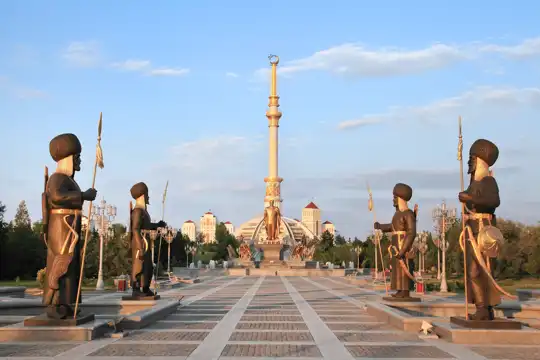
.jpg) Hi, I’m Johan (Netherlands 🇳🇱), the creator of TakeYourBackpack. Over the past 3 decades, I’ve backpacked through 90+ countries across six continents, gaining extensive experience with independent travel, long-term trips, and overland routes.
Hi, I’m Johan (Netherlands 🇳🇱), the creator of TakeYourBackpack. Over the past 3 decades, I’ve backpacked through 90+ countries across six continents, gaining extensive experience with independent travel, long-term trips, and overland routes.