×

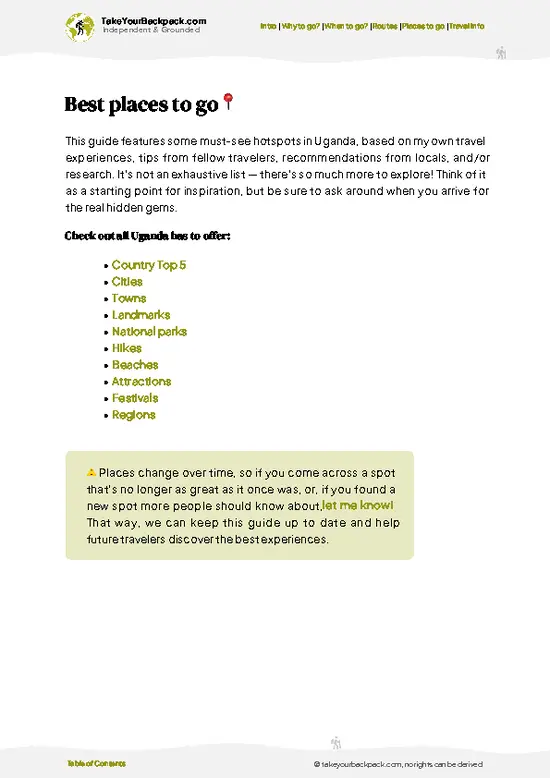
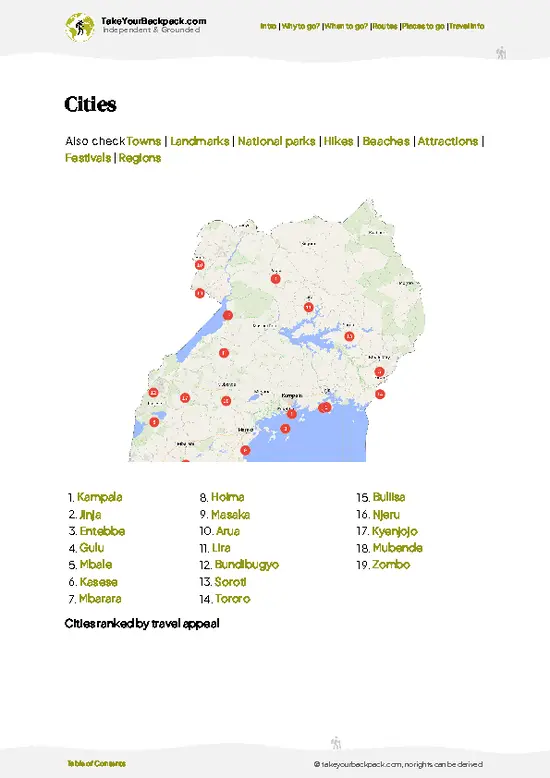
Uganda🇺🇬 | citiesMasakaLake Victoria access, roadside produce stalls, regional crossroads | things to do and best time to go

Explore MbaleExplore Arua

Backpacking in Masaka
👍 Recommendedcity ranked #10
By Johan Kruseman 🇳🇱 | Updated June 10, 2026

If you’re chasing Uganda’s wildest nightlife, or expect a conveyor belt of hostels and backpacker bars, Masaka will frustrate you. But here’s the twist: that’s exactly why it works for the traveler who wants to see how Uganda ticks outside the capital’s shadow. Masaka sits southwest of Kampala, a few hours by bus, and feels like a crossroads—part market town, part launchpad for Lake Victoria’s islands and the chimpanzee forests of Kalinzu. The city’s not pretty in a postcard sense, but it’s honest: busy markets, faded colonial-era buildings, and a main square where boda-bodas swarm like bees. It’s cheap, safe by Ugandan standards, and easy to navigate, but you’ll need to work a little to meet fellow travelers—most pass through quickly. Compared to Entebbe or Jinja, Masaka is less polished, more real, and that’s its charm.

Discover everything you want to know in the 📖 Uganda Travel Guide.
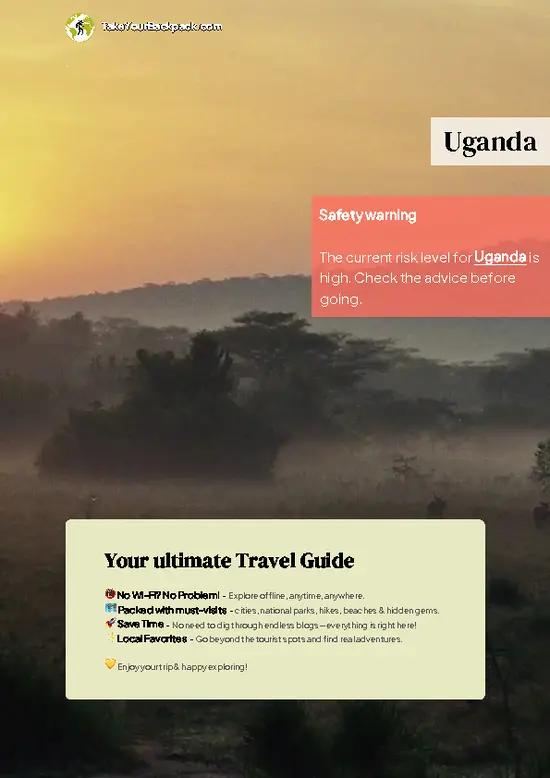
Safety warning

The current risk level for Uganda is high. Check the advice before going.


Get your Uganda guide
109 ranked highlights, routes & tips, works offline (422 pages)
Loading the map 🌍
CLICK TO FILTER
cities
towns
landmarks
national parks
hikes
beaches
attractions
festivals
regions
SHOW COUNTRY’S BESTSHOW ALL

✨ Why go?
Ranked #10 city in Uganda
The unique appeal for travelers

Masaka is a strategic hub for backpackers navigating Uganda. It offers a blend of affordability and convenience that makes it a solid basecamp. The hostels here are friendly and budget-friendly, perfect for meeting fellow travelers. You’ll find a variety of local food options that won’t break the bank, from street vendors to cozy eateries. The city is walkable, allowing you to soak in the local vibe without the hassle of transport. While nightlife isn’t wild, there are enough spots to unwind after a day of exploring. Plus, Masaka serves as a launchpad for day trips to nearby attractions, making it easy to dive deeper into Uganda’s beauty. If you’re looking for a place to recharge and plan your next adventure, Masaka fits the bill perfectly.
Want to include Masaka in your Uganda route?
Create a personalized Uganda itinerary that includes Masaka and the places that fit your trip — based on your travel style, budget, and available time. Get your route in seconds.

Generate my trip

💡 HighlightsMust-see experiences and standout moments

  • Masaka Central Market — The beating heart of the city: a chaotic, colourful market where you can taste street food, buy fresh produce, local fabrics and watch everyday Masaka life unfold. Best for photos, cheap eats and a crash course in local commerce.
  • Kitovu Catholic Shrine & St. Henry’s College Kitovu — A major pilgrimage site and historic hilltop campus just inside Masaka. The shrine and the college grounds give a strong sense of the city’s religious and educational heritage and are visually striking from below.
  • Masaka Railway Station (old station area) — The old station and rail precinct are tangible reminders of Uganda’s colonial transport era; the site is good for photography and for sensing the city’s role as a regional hub over the last century.
  • Masaka Golf Club — A surprisingly
read more 👉
  • Masaka Central Market — The beating heart of the city: a chaotic, colourful market where you can taste street food, buy fresh produce, local fabrics and watch everyday Masaka life unfold. Best for photos, cheap eats and a crash course in local commerce.
  • Kitovu Catholic Shrine & St. Henry’s College Kitovu — A major pilgrimage site and historic hilltop campus just inside Masaka. The shrine and the college grounds give a strong sense of the city’s religious and educational heritage and are visually striking from below.
  • Masaka Railway Station (old station area) — The old station and rail precinct are tangible reminders of Uganda’s colonial transport era; the site is good for photography and for sensing the city’s role as a regional hub over the last century.
  • Masaka Golf Club — A surprisingly pleasant green space and local social hub where you can play a round, meet residents, or just enjoy a quieter side of town away from the market bustle.
  • Masaka Recreation Grounds / City Stadium — Catching a local football match here gives genuine street-level cultural experience: loud supporters, local vendors and the city’s sporting pulse in a compact, friendly setting.
For day trips from Masaka check out nearby Lake Nabugabo (my personal favorite), the wildlife at Lake Mburo National Park, and the lakeshore communities toward Lake Victoria — all reachable as manageable day excursions.
Spotted a mistake or missing something? Contact us.
🏘️ NeighborhoodsNeighborhood guide to Masaka

Masaka offers a vibrant mix of local culture and accessibility, making it a strategic base for backpackers exploring Uganda. Here’s how the neighborhoods stack up:

Central Masaka: This is the heartbeat of the city. You’ll find bustling markets and local eateries. It’s walkable, with plenty of transport options. Ideal for short stays, the nightlife buzzes with local music, but it can get noisy.

Nyendo: A bit quieter, Nyendo is perfect for those seeking a more laid-back vibe. It’s still close to the action, with easy access to public transport. Affordable guesthouses make it suitable for longer stays, and you can enjoy peaceful evenings after a day of exploring.

Masaka Hill: For stunning views and a cooler climate, head to Masaka Hill. It’s less crowded, offering a serene atmosphere. While … read more 👉
Masaka offers a vibrant mix of local culture and accessibility, making it a strategic base for backpackers exploring Uganda. Here’s how the neighborhoods stack up:

Central Masaka: This is the heartbeat of the city. You’ll find bustling markets and local eateries. It’s walkable, with plenty of transport options. Ideal for short stays, the nightlife buzzes with local music, but it can get noisy.

Nyendo: A bit quieter, Nyendo is perfect for those seeking a more laid-back vibe. It’s still close to the action, with easy access to public transport. Affordable guesthouses make it suitable for longer stays, and you can enjoy peaceful evenings after a day of exploring.

Masaka Hill: For stunning views and a cooler climate, head to Masaka Hill. It’s less crowded, offering a serene atmosphere. While it’s a bit farther from the city center, the tranquility is worth it. Great for longer stays if you want to recharge.

Katwe-Butego: This area is known for its local charm and community feel. It’s affordable and walkable, with a mix of quiet streets and lively spots. Perfect for backpackers who want to immerse themselves in local life.

⌛️ 1 dayWhat you can realistically do in a day

Masaka, Uganda, is a vibrant hub that pulses with local life, offering a refreshing break from the more trodden tourist paths. Nestled between the shores of Lake Victoria and the rolling hills of central Uganda, it’s a place where you can experience authentic Ugandan culture without the overwhelming crowds.

Start your day in the bustling Nyendo neighborhood. Grab a breakfast of fresh mandazi (fried doughnuts) and a cup of strong Ugandan coffee from a local café. The aroma of roasting coffee beans fills the air, setting the perfect tone for your adventure. After fueling up, take a stroll through the lively market, where vendors sell everything from fresh produce to handmade crafts. Engage with the locals; their warmth is contagious.

In the afternoon, head towards the serene shores of Lake … read more 👉
Masaka, Uganda, is a vibrant hub that pulses with local life, offering a refreshing break from the more trodden tourist paths. Nestled between the shores of Lake Victoria and the rolling hills of central Uganda, it’s a place where you can experience authentic Ugandan culture without the overwhelming crowds.

Start your day in the bustling Nyendo neighborhood. Grab a breakfast of fresh mandazi (fried doughnuts) and a cup of strong Ugandan coffee from a local café. The aroma of roasting coffee beans fills the air, setting the perfect tone for your adventure. After fueling up, take a stroll through the lively market, where vendors sell everything from fresh produce to handmade crafts. Engage with the locals; their warmth is contagious.

In the afternoon, head towards the serene shores of Lake Victoria. Rent a canoe for a couple of hours and paddle out to explore the tranquil waters. This isn’t just a scenic outing; it’s a chance to connect with local fishermen and learn about their daily lives. If you’re feeling adventurous, visit the nearby Kyanja Hill for panoramic views of the city and the lake.

As the sun sets, make your way to the less-traveled area of Kitovu. Here, you’ll find a local eatery serving traditional Ugandan dishes. Try the matoke (steamed plantains) paired with groundnut sauce. It’s a meal that embodies the heart of Ugandan cuisine.

End your day with a leisurely walk back through the vibrant streets, soaking in the sounds and sights of a city that feels alive. You’ve not just visited Masaka; you’ve woven yourself into its fabric, creating memories that linger long after you leave.
Turn your Masaka visit into an Uganda adventure
Build a complete Uganda route with Masaka, hidden gems, must-see destinations, and realistic travel times included.

Generate my trip

🌤️ When to go?Best time to visit Masaka


  • Topic: Weather – Masaka experiences a tropical climate with two rainy seasons: March to May and September to November. These months bring heavy showers that can turn trails muddy and slow travel, so avoid if you want dry, reliable hiking conditions.

  • Topic: Temperature – Daytime temps hover around 24-28°C (75-82°F) year-round, with nights cooling to 15-18°C (59-64°F). The variation is mild, so temperature alone won’t dictate your timing.

  • Topic: Daylight Hours – Near the equator, daylight is consistent, roughly 12 hours daily, so no need to juggle early sunsets or short days.

  • Topic: Crowds – Peak tourist influx aligns with dry seasons (June-August and December-February), meaning more fellow travelers but also better infrastructure and services.

  • Topic: Seasonal Activities – Wildlife
read more 👉

  • Topic: Weather – Masaka experiences a tropical climate with two rainy seasons: March to May and September to November. These months bring heavy showers that can turn trails muddy and slow travel, so avoid if you want dry, reliable hiking conditions.

  • Topic: Temperature – Daytime temps hover around 24-28°C (75-82°F) year-round, with nights cooling to 15-18°C (59-64°F). The variation is mild, so temperature alone won’t dictate your timing.

  • Topic: Daylight Hours – Near the equator, daylight is consistent, roughly 12 hours daily, so no need to juggle early sunsets or short days.

  • Topic: Crowds – Peak tourist influx aligns with dry seasons (June-August and December-February), meaning more fellow travelers but also better infrastructure and services.

  • Topic: Seasonal Activities – Wildlife viewing peaks in the dry months when animals congregate around water sources, enhancing safari chances near Masaka.

  • Topic: Price Fluctuations – Expect higher accommodation and tour prices during dry, peak months; the rainy season offers bargains but at the cost of comfort and accessibility.


Pro-tip: Aim for the shoulder months—late May or early December—to balance fewer crowds, decent weather, and better prices, turning timing into your secret weapon.


source: climatestotravel.comJANJanuary: excellent for travelingFEBFebruary: excellent for travelingMARMarch: fair for travelingAPRApril: below average for travelingMAYMay: good for travelingJUNJune: excellent for travelingJULJuly: excellent for travelingAUGAugust: excellent for travelingSEPSeptember: fair for travelingOCTOctober: below average for travelingNOVNovember: fair for travelingDECDecember: highly recommended for traveling
when-to-go

✈️ The backpacker research shortcutUganda Travel Guide

An offline-friendly backpacking guide with optimized travel routes, ranked highlights, transport advice, and the best areas to stay.
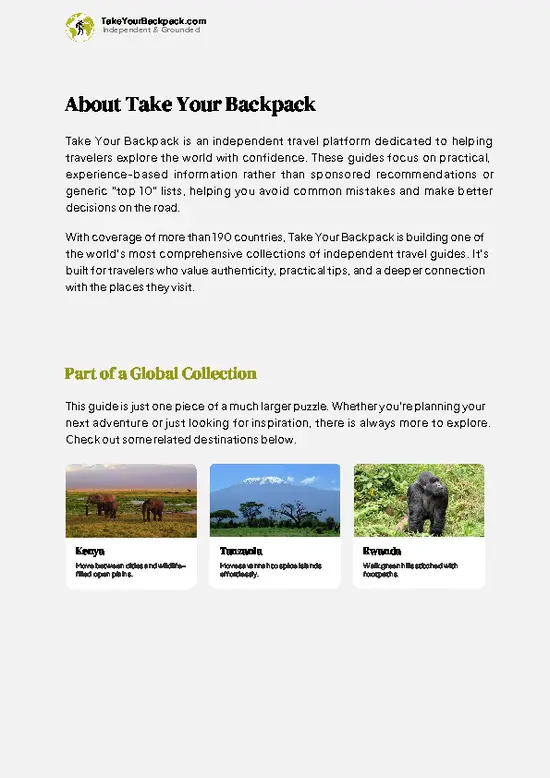
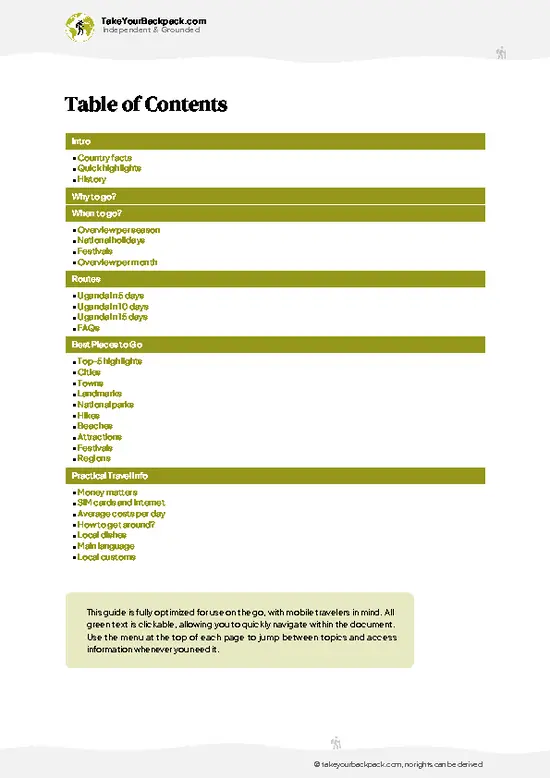
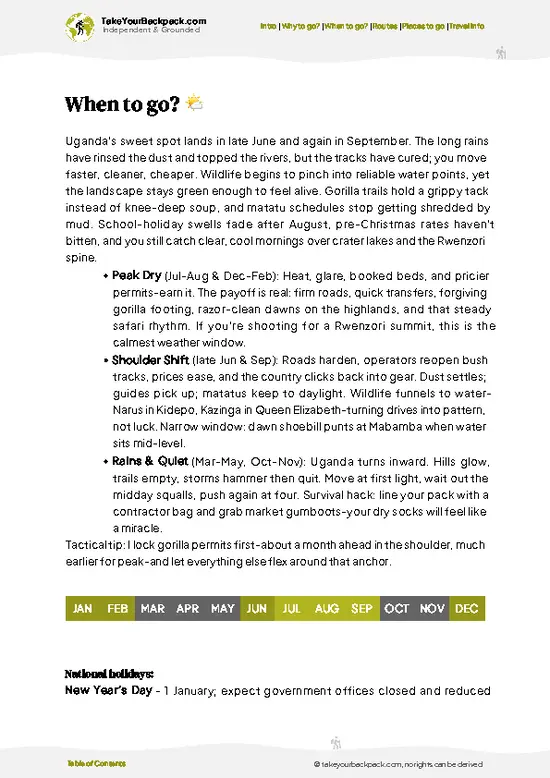
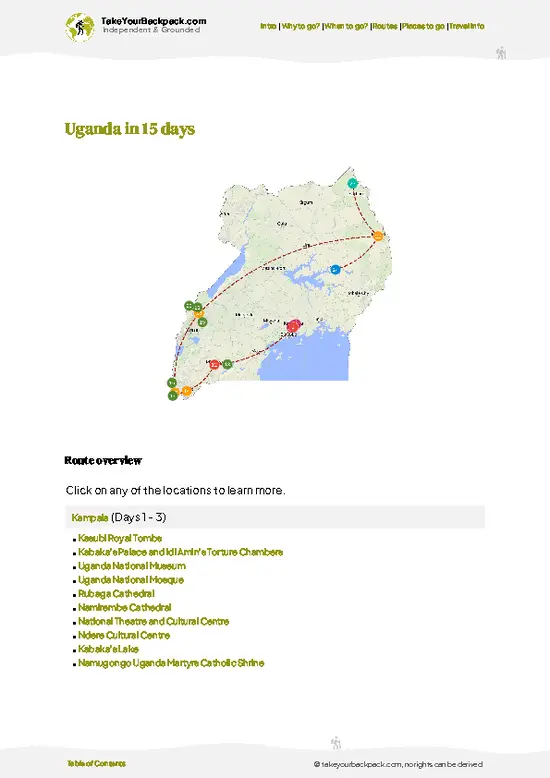
example page 0 from our offline Travel Guide for Uganda
example page 1 from our offline Travel Guide for Uganda
example page 2 from our offline Travel Guide for Uganda
example page 3 from our offline Travel Guide for Uganda
example page 4 from our offline Travel Guide for Uganda
example page 5 from our offline Travel Guide for Uganda
example page 6 from our offline Travel Guide for Uganda
example page 7 from our offline Travel Guide for Uganda
The digital guide (422 pages) contains:
109 highlights, ranked by travel appeal
Optimized 5, 10 & 15-day travel routes
Cities, national parks, landmarks, beaches
How to get around
Offline-friendly for travel without Wi-Fi
👉 Click to see all 30+ guide features

📅 Plan smarter in minutes, not weeks
Month by month travel advice
Festivals & national holidays
Budget expectations

🗺️ Go to the right places, skip the overrated ones
Honest pros & cons of destinations
Top hikes, parks & viewpoints
Lesser-known places most travelers miss
Clear “worth it vs skip it” guidance

🛏️ Travel smoothly without rookie mistakes
Best areas to stay
Transport systems explained simply
Common scams & safety advice
SIM cards, money & practical tips

🌍 Understand the country, not just visit it
Culture & traditions
52 Essential phrases & customs
Festivals worth planning around
Traveler-friendly historical context
Insights that make places more meaningful

📱 Built for real travel conditions
Fully downloadable PDF
Works completely offline
Optimized for phone use
Useful in remote areas & buses
Everything in one place
Save weeks of stressful planning
Get instant access to your full guide. 30‑day money-back guarantee.


By proceeding you agree to our terms.
Sent to your inbox immediately after payment • 100% Secure Checkout
Best Backpacking Travel Advisor 2025 tourism awardBest Backpacking
Travel Advisor
2025
What others say about Take Your Backpack Guides:
⭐⭐⭐⭐⭐
Fantastic, amazing amount of information!
⭐⭐⭐⭐⭐
My goodness this is amazing, it's what I've been looking for hats off too you!
⭐⭐⭐⭐⭐
I think this is absolutely BRILLIANT
⭐⭐⭐⭐
Very complete and informative. It's still missing places, but I gotta to commend you
⭐⭐⭐⭐⭐
This is truly amazing, thank you, can't wait to explore it with my kids!
⭐⭐⭐⭐⭐
Awesome resource, thank you!
⭐⭐⭐⭐⭐
This is amazing! Can't wait to explore the ones I haven't seen
⭐⭐⭐⭐
I love this! Well done, great idea.
⭐⭐⭐⭐⭐
Thanks for taking the time to make this gem!
⭐⭐⭐⭐⭐
This might be the best website I've ever seen.
⭐⭐⭐⭐⭐
Congratulations, and thank you so much for your work; it's incredibly valuable.
⭐⭐⭐⭐
In all seriousness I think you did a great job pointing out the important spots
⭐⭐⭐⭐⭐
10/10 very good
⭐⭐⭐⭐⭐
As someone who's only just starting to visit regularly this is awesome, thank you.
⭐⭐⭐⭐
Thank you very much! I'm going to visit my dad, it's going to be very useful!
⭐⭐⭐⭐⭐
This is really cool! We'll be travelling for the first time and this definitely come in handy.
⭐⭐⭐⭐⭐
You are now our minister of culture, congratulations 👨‍💼
⭐⭐⭐⭐⭐
Just wanted to tell you that this is a pearl! Going to follow your recommendations.
⭐⭐⭐⭐⭐
This is so cool. I'll definitely be using the resource for my travels soon.
⭐⭐⭐⭐⭐
This is very impressive! Good work.
⭐⭐⭐⭐⭐
This is an amazing and informative site. Very well done!

🛏️ Where to stay?Choosing the right base

Masaka’s backpacker sweet spot is the central business district (CBD) and its immediate surroundings. This area nails the balance between safety, social buzz, and budget-friendly options. It’s where you’ll find the most hostels, guesthouses, and informal lodgings catering to solo travelers and those watching their wallets. The vibe here is practical but lively—street vendors, local eateries, and a steady flow of fellow travelers create a low-key social scene without the chaos of a big city.

Compared to the quieter, more residential neighborhoods on the outskirts, the CBD keeps you plugged into … read more 👉
Masaka’s backpacker sweet spot is the central business district (CBD) and its immediate surroundings. This area nails the balance between safety, social buzz, and budget-friendly options. It’s where you’ll find the most hostels, guesthouses, and informal lodgings catering to solo travelers and those watching their wallets. The vibe here is practical but lively—street vendors, local eateries, and a steady flow of fellow travelers create a low-key social scene without the chaos of a big city.

Compared to the quieter, more residential neighborhoods on the outskirts, the CBD keeps you plugged into the pulse of Masaka. You’re close to transport hubs, markets, and essential services, which means less time and money spent on taxis or confusing routes. While it’s not a luxury zone, the trade-off is clear: you gain convenience and community at the cost of some noise and hustle. For backpackers, that’s a winning formula—comfort in connection, not in plush surroundings.

🚌 Getting aroundMoving around without the hassle

Masaka moves with a pulse that’s part clockwork, part improvisation. The city’s rhythm isn’t dictated by strict timetables but by a blend of local habits and the ebb and flow of daily life. You’ll find that schedules exist more as guidelines than ironclad rules, especially for public transport. This means your time, money, and comfort are constantly in a delicate dance—sometimes you pay with extra minutes waiting, sometimes with a tighter squeeze in a crowded matatu, and sometimes with a bit more cash for a smoother ride. Understanding this dynamic is your key to mastering Masaka’s transit game.


  • Walking: The most reliable and cost-free way to get around, especially in the town center. It’s slow but gives you full control over your time and zero expense. Ideal for short hops and soaking
read more 👉
Masaka moves with a pulse that’s part clockwork, part improvisation. The city’s rhythm isn’t dictated by strict timetables but by a blend of local habits and the ebb and flow of daily life. You’ll find that schedules exist more as guidelines than ironclad rules, especially for public transport. This means your time, money, and comfort are constantly in a delicate dance—sometimes you pay with extra minutes waiting, sometimes with a tighter squeeze in a crowded matatu, and sometimes with a bit more cash for a smoother ride. Understanding this dynamic is your key to mastering Masaka’s transit game.


  • Walking: The most reliable and cost-free way to get around, especially in the town center. It’s slow but gives you full control over your time and zero expense. Ideal for short hops and soaking in the local vibe, but not practical for longer distances or during midday heat.


  • Matatus (Minibuses): The backbone of Masaka’s public transit. They run roughly from 6 AM to 8 PM, with fares around 500-1,000 UGX depending on distance. They’re fast compared to walking but can be cramped and unpredictable on timing. Comfort is minimal, but they’re unbeatable for budget travelers who want to cover ground quickly.


  • Boda Bodas (Motorcycle Taxis): Available 24/7 and perfect for short to medium distances when you’re pressed for time. Prices vary widely, usually 2,000-5,000 UGX, negotiable. They offer speed and door-to-door convenience but sacrifice safety and comfort. Great for when time is your priority and you can handle a bit of risk.


  • Shared Taxis: Less common but available for longer routes out of Masaka. They run on a semi-flexible schedule, leaving once full. Fares are higher than matatus, around 10,000 UGX or more, but the ride is more comfortable and faster. Best when you want to balance speed and comfort without breaking the bank.


  • Private Car Hire: The luxury option for those who want full control over timing and comfort. Rates start around 100,000 UGX per day. This is a clear trade-off: you pay a premium for convenience and privacy, freeing you from the unpredictability of public transit but at a steep cost.

👛 Costs (as of 16 May 2026)What things cost and how to budget

Backpacking in Masaka, Uganda, is a balancing act between stretching your budget and soaking in the local vibe without unnecessary fluff. Here’s how the daily costs break down for an independent traveler aiming to get the most out of their stay.
  • Dorm Accommodation (High Season): Expect to pay around $8 to $12 per night. High season drives prices up slightly due to demand, but dorms remain basic—think simple beds, shared bathrooms, and a no-frills atmosphere.
  • Dorm Accommodation (Off-Season): Prices dip to about $5 to $8 per night. Off-season means fewer tourists, so you can snag a bed for less, though some places might have limited services or occasional power outages.
  • Meals: Local eateries serve filling meals for $2 to $4 each. Street food is your best bet for authentic flavors and savings—matoke,
read more 👉
Backpacking in Masaka, Uganda, is a balancing act between stretching your budget and soaking in the local vibe without unnecessary fluff. Here’s how the daily costs break down for an independent traveler aiming to get the most out of their stay.
  • Dorm Accommodation (High Season): Expect to pay around $8 to $12 per night. High season drives prices up slightly due to demand, but dorms remain basic—think simple beds, shared bathrooms, and a no-frills atmosphere.
  • Dorm Accommodation (Off-Season): Prices dip to about $5 to $8 per night. Off-season means fewer tourists, so you can snag a bed for less, though some places might have limited services or occasional power outages.
  • Meals: Local eateries serve filling meals for $2 to $4 each. Street food is your best bet for authentic flavors and savings—matoke, grilled meats, and chapati are staples. If you opt for a more tourist-oriented spot, expect to pay closer to $5 or $6.
  • Local Transport: Boda-bodas (motorcycle taxis) dominate short trips, costing around $0.50 to $1 per ride within the city. For longer distances or more comfort, shared taxis run about $1 to $2.
  • City Transport Pass: Masaka doesn’t have a formal city transport pass system. Instead, budgeting $2 to $3 daily for multiple rides on boda-bodas or shared taxis covers most movement around town.
  • Basic Activities/Entry Fees: Most local attractions and markets have minimal or no entry fees. Budget around $1 to $3 for occasional guided tours or cultural experiences.
  • Miscellaneous Expenses: This includes bottled water, snacks, phone credit, and small tips—set aside about $2 to $4 daily. Water safety is a concern, so bottled water is non-negotiable.

All told, a realistic daily budget for backpacking in Masaka hovers between $15 and $25. You’re trading off some comfort and convenience for authenticity and savings, but that’s the sweet spot where you get to experience the city’s pulse without breaking the bank.


source: visituganda.com
⚠️ Prices can change and everyone travels differently, so take this as a rough guide. Hope it helps you plan your adventure!

🚌 Day tripsEasy escapes and nearby places

Masaka, Uganda, is a fantastic base for day trips that blend adventure with cultural immersion. Here are some standout options that make the most of your time, money, and comfort.

Lake Mburo National Park
Just a 1.5-hour drive from Masaka, Lake Mburo offers a chance to see wildlife without the crowds of larger parks. You can spot zebras, impalas, and even the elusive eland while enjoying a scenic boat ride on the lake. Expect to spend around $30 for park entry and a boat trip. The best time to visit is during the dry season from June to August, when animals are more active. A common mistake is underestimating the time needed for the drive; leave early to maximize your experience.
👉 Explore Lake Mburo National Park

Kampala City
A quick 1-hour bus ride takes you to Uganda’s bustling … read more 👉
Masaka, Uganda, is a fantastic base for day trips that blend adventure with cultural immersion. Here are some standout options that make the most of your time, money, and comfort.

Lake Mburo National Park
Just a 1.5-hour drive from Masaka, Lake Mburo offers a chance to see wildlife without the crowds of larger parks. You can spot zebras, impalas, and even the elusive eland while enjoying a scenic boat ride on the lake. Expect to spend around $30 for park entry and a boat trip. The best time to visit is during the dry season from June to August, when animals are more active. A common mistake is underestimating the time needed for the drive; leave early to maximize your experience.
👉 Explore Lake Mburo National Park

Kampala City
A quick 1-hour bus ride takes you to Uganda’s bustling capital. Explore the vibrant markets, visit the Uganda Museum, and savor local street food like Rolex (a chapati rolled with eggs and veggies). Budget around $10 for transport and food. Weekdays can be hectic, so aim for a Saturday when the city feels more relaxed. Many first-timers miss the local crafts at the markets, so keep your eyes peeled for unique souvenirs.


Ssezibwa Falls
Only about 30 minutes from Masaka, Ssezibwa Falls is a serene escape. The falls are surrounded by lush vegetation, making it a great spot for a picnic or a short hike. Entry is typically around $5, and you can easily spend a few hours soaking in the beauty. The rainy season can make the trails slippery, so wear sturdy shoes. First-timers often overlook the cultural significance of the site; take a moment to learn about its history.


Jinja
A 2-hour trip will land you in Jinja, the adventure capital of Uganda. Here, you can try white-water rafting on the Nile or simply enjoy the riverside vibe. Expect to spend around $50 for a rafting experience, but it’s worth every penny for the adrenaline rush. The best time for rafting is during the dry season, when the water levels are ideal. Many backpackers miss the chance to explore the local craft breweries, so don’t skip that!
👉 Explore Jinja
Want to know what more Uganda offers?
The Uganda Travel Guide describes 109 highlights, from cities to national parks, from beaches to hikes

Get the Travel Guide -

🍲 FoodLocal Cuisine & Drinks

In Masaka, the food scene is a vibrant tapestry of flavors that beckons you to dive in. Start with matoke, a staple dish made from steamed green bananas, often served with a rich groundnut sauce. Pair it with posho, a comforting maize porridge, and you’ve got a meal that’s both filling and authentic.

Street food is where the magic happens. Vendors line the streets, sizzling samosas and skewering nyama choma (grilled meat) that fills the air with mouthwatering aromas. Don’t miss the local ugali, a dense, doughy side that complements almost any dish.

As for drinks, try a local malwa, a fermented brew made from millet, often enjoyed in social settings. Etiquette here leans toward sharing; it’s common to pass around a drink or dish, fostering a sense of community. Embrace the lively atmosphere, … read more 👉
In Masaka, the food scene is a vibrant tapestry of flavors that beckons you to dive in. Start with matoke, a staple dish made from steamed green bananas, often served with a rich groundnut sauce. Pair it with posho, a comforting maize porridge, and you’ve got a meal that’s both filling and authentic.

Street food is where the magic happens. Vendors line the streets, sizzling samosas and skewering nyama choma (grilled meat) that fills the air with mouthwatering aromas. Don’t miss the local ugali, a dense, doughy side that complements almost any dish.

As for drinks, try a local malwa, a fermented brew made from millet, often enjoyed in social settings. Etiquette here leans toward sharing; it’s common to pass around a drink or dish, fostering a sense of community. Embrace the lively atmosphere, and you’ll find that every bite and sip tells a story.

🛡️ SafetyScams, Hazards, and Annoyances

Masaka is generally safe for backpackers, but a few smart moves can enhance your experience. Stay aware in crowded markets like the central one; pickpockets can be a nuisance. If you’re solo, avoid wandering too far after dark. Stick to well-lit areas and keep your phone handy for navigation.

Common scams include overly friendly locals offering unsolicited help, often with a hidden agenda. Politely decline and trust your instincts. Everyday annoyances might include aggressive taxi drivers; agree on fares beforehand to avoid surprises. Carry yourself confidently, engage with locals, and you’ll find Masaka welcoming rather than daunting. Enjoy the journey, and let your curiosity lead the way!

Other Ugandan cities near Masaka

Explore more nearby:

  • Entebbe—international airport, botanical gardens, Lake Victoria beaches| 92 km away
  • Mubende—hilltop fort, central crossroads, coffee farms| 107 km away
  • Kampala—hilltop views, nightlife districts, national museums| 119 km away

💡 Not sure where to go next?
Create a personalized itinerary for Uganda including Masaka and the places that fit your trip.

Generate my itinerary

👉 Discover all cities

Or checkout all Uganda has to offer (think cities, towns, villages, national parks, hikes, beaches, festivals)
Country photo of Uganda

We 💚 feedbackKey takeaways before you go

Masaka offers a vibrant local culture that feels refreshingly authentic. You can dive into bustling markets and share smiles with locals, making every moment feel alive. But be ready for the infrastructure—roads can be rough, and public transport is a test of patience. Embrace the chaos; it’s all part of the adventure. You’ll leave with stories that matter.

✈️ When did I visit Uganda?
In September 2019 I have done a backpacking trip through Uganda. Seeing gorilla’s in the wild from up close was a pure unexpected highlight!

✍️ Help improve this page!
The information on this page is based on my own backpacking experience in Uganda, supplemented with up-to-date research and feedback from other travelers. Travel details can change, so if you notice anything outdated or incomplete, feel free to let me know.


🙋‍♂️ Give feedback

👋 Meet the founderWho’s Behind Take Your Backpack?

Johan, backpacker and founder of TakeYourBackpackHi, I’m Johan (Netherlands 🇳🇱), the creator of TakeYourBackpack. Over the past decade, I’ve backpacked through 80+ countries across six continents, gaining extensive experience with independent travel, long-term trips, and overland routes.

This site is built on a combination of firsthand travel experience and carefully curated insights from other backpackers. Many guides are based on places I’ve personally visited, while others bring together tips, observations, and practical advice shared by trusted travelers I’ve met along the way.

The goal is to provide realistic, experience-driven guidance — not generic itineraries — so you can explore destinations with better context, clearer expectations, and more confidence.

Get full Uganda guide •
Instant download • 109 highlights • Full Offline guide