×

Uganda🇺🇬 | citiesAruaborder market, West Nile hub, Congolese influences | things to do and best time to go

Explore MasakaExplore Soroti

Backpacking in Arua
🌟 Highlightcity ranked #6
By Johan Kruseman 🇳🇱 | Updated June 11, 2026

Everyone talks about Arua as the gateway to the Democratic Republic of Congo and South Sudan, but that border-town brag is just a headline—most travelers never cross. What actually matters is how Arua feels: a sun-baked crossroads in Uganda’s far northwest, where red dust swirls through open-air markets and the air hums with the promise of movement. For backpackers, Arua isn’t a destination you circle on a map for its sights; it’s a practical, low-key launchpad for the wild West Nile region, Murchison Falls safaris, or a breather before the long haul to Gulu or Kampala. The town itself is more functional than charming—think busy markets, a few solid chapati stands, and a pace that slows after dark. It’s easy to reach by bus, but you’ll need a boda-boda for anything beyond the center. Hostels are rare, so expect more solo evenings than rowdy hostel nights. Compared to Gulu, Arua is quieter, less touristy, and more about the journey than the stop. Costs are low, and safety is generally solid, but the real reward is the sense of being far from the obvious route—earning your stripes, one dusty step at a time.

Discover everything you want to know in the 📖 Uganda Travel Guide.
Safety warning

The current risk level for Uganda is high. Check the advice before going.


Get your Uganda guide
109 ranked highlights, routes & tips, works offline (422 pages)
Loading the map 🌍
CLICK TO FILTER
cities
towns
landmarks
national parks
hikes
beaches
attractions
festivals
regions
SHOW COUNTRY’S BESTSHOW ALL

✨ Why go?
Ranked #6 city in Uganda
The unique appeal for travelers

Arua is a gateway for backpackers seeking a blend of adventure and culture. Nestled in the northwest, it’s a convenient stop for those heading to the nearby Murchison Falls National Park or the Zoka Forest, where the trails are alive with the sounds of nature. The local food scene is a treat; you can savor ugali and matoke at small eateries, where the aroma of spices fills the air, inviting you to linger.

The streets are walkable, making it easy to explore and connect with locals. You’ll find a mix of small-scale hostels and guesthouses that cater to budget travelers, fostering a friendly social atmosphere. Here, you can swap stories with fellow backpackers or enjoy a quiet evening after a day of hiking.

Most travelers stay for a few days, soaking in the laid-back vibe. It’s perfect for … read more 👉
Arua is a gateway for backpackers seeking a blend of adventure and culture. Nestled in the northwest, it’s a convenient stop for those heading to the nearby Murchison Falls National Park or the Zoka Forest, where the trails are alive with the sounds of nature. The local food scene is a treat; you can savor ugali and matoke at small eateries, where the aroma of spices fills the air, inviting you to linger.

The streets are walkable, making it easy to explore and connect with locals. You’ll find a mix of small-scale hostels and guesthouses that cater to budget travelers, fostering a friendly social atmosphere. Here, you can swap stories with fellow backpackers or enjoy a quiet evening after a day of hiking.

Most travelers stay for a few days, soaking in the laid-back vibe. It’s perfect for slow travelers and solo adventurers who appreciate a place that feels both welcoming and authentic. If you’re looking for a quick stop, you might miss the charm; linger a bit, and you’ll find Arua’s true essence.
Want to include Arua in your Uganda route?
Create a personalized Uganda itinerary that includes Arua and the places that fit your trip — based on your travel style, budget, and available time. Get your route in seconds.

Generate my trip

💡 HighlightsKey sights and experiences for travelers

  1. Arua Central Market — The beating heart of the town: thick with cross-border trade, fresh produce, fish and goat meat stalls, colorful fabric and second-hand clothes; great for people-watching, bargaining practice, and eating honest street food.
  2. Barifa Central Forest Reserve — A green pocket inside the town where locals walk, birders poke around, and you can escape the heat for an easy trail or picnic; good for sunset views over Arua and casual nature time without leaving town.
  3. Barifa Stadium (Arua Municipal Stadium) — Catch a football match here to feel real West Nile energy; local clubs bring loud crowds, cheap food vendors, and one of the best ways to experience everyday Arua culture.
  4. Muni University (Arua Campus) — A compact, active campus where you can see student life, use the library
read more 👉
  1. Arua Central Market — The beating heart of the town: thick with cross-border trade, fresh produce, fish and goat meat stalls, colorful fabric and second-hand clothes; great for people-watching, bargaining practice, and eating honest street food.
  2. Barifa Central Forest Reserve — A green pocket inside the town where locals walk, birders poke around, and you can escape the heat for an easy trail or picnic; good for sunset views over Arua and casual nature time without leaving town.
  3. Barifa Stadium (Arua Municipal Stadium) — Catch a football match here to feel real West Nile energy; local clubs bring loud crowds, cheap food vendors, and one of the best ways to experience everyday Arua culture.
  4. Muni University (Arua Campus) — A compact, active campus where you can see student life, use the library space, and hang out at inexpensive cafés; useful for understanding modern youth culture and town rhythms.
Day trips nearby include Ajai Wildlife Reserve (my personal favorite), Koboko (visit local markets and the area where Idi Amin was born), and Murchison Falls National Park — all reachable from Arua for a full-day outing.
Spotted a mistake or missing something? Contact us.

🏘️ NeighborhoodsHow different areas shape the experience

Arua is a vibrant hub in Uganda, blending local culture with a laid-back atmosphere. Here’s how to navigate its neighborhoods for the best backpacking experience.

Central Arua: This is the heartbeat of the town. You’ll find bustling markets, street vendors, and a mix of local eateries. It’s walkable, making it easy to explore on foot. Prices are generally low, perfect for budget travelers. The nightlife is lively but not overwhelming, with a few bars where you can unwind after a day of exploring. Ideal for short stays, as everything is within reach.

Nyadri: A quieter area, Nyadri offers a more residential vibe. It’s less touristy, giving you a chance to connect with locals. The cost of accommodation is slightly lower here, and you can find cozy guesthouses. Walkability is decent, but you … read more 👉
Arua is a vibrant hub in Uganda, blending local culture with a laid-back atmosphere. Here’s how to navigate its neighborhoods for the best backpacking experience.

Central Arua: This is the heartbeat of the town. You’ll find bustling markets, street vendors, and a mix of local eateries. It’s walkable, making it easy to explore on foot. Prices are generally low, perfect for budget travelers. The nightlife is lively but not overwhelming, with a few bars where you can unwind after a day of exploring. Ideal for short stays, as everything is within reach.

Nyadri: A quieter area, Nyadri offers a more residential vibe. It’s less touristy, giving you a chance to connect with locals. The cost of accommodation is slightly lower here, and you can find cozy guesthouses. Walkability is decent, but you might need to rely on boda-bodas (motorcycle taxis) for longer distances. Great for longer stays if you want to immerse yourself in daily life.

Odramachabia: This neighborhood is a bit off the beaten path, but it’s worth the trek. It’s known for its lush greenery and peaceful atmosphere. Accommodations are affordable, and you’ll find fewer tourists. Transport options are limited, so plan ahead. Perfect for those seeking solitude or a longer retreat from the hustle and bustle.

⌛️ 1 dayHow to make the most of one day

Arua, Uganda, is a lively town that pulses with the energy of its people and the rich tapestry of cultures. Nestled near the border with South Sudan, it’s a hub of trade and a melting pot of languages and traditions. The air is filled with the scent of street food—grilled meats, fresh vegetables, and the occasional waft of roasted coffee.

Start your morning at the bustling Arua Market. The vibrant colors of fruits and vegetables are a feast for the eyes. Engage with local vendors; their stories are as rich as the produce they sell. Grab a fresh mandazi (a sweet fried dough) and a cup of strong Ugandan coffee to fuel your day.

In the afternoon, head to the nearby Muni University. The campus is a peaceful retreat, where you can stroll through lush gardens and soak in the atmosphere. If you’re … read more 👉
Arua, Uganda, is a lively town that pulses with the energy of its people and the rich tapestry of cultures. Nestled near the border with South Sudan, it’s a hub of trade and a melting pot of languages and traditions. The air is filled with the scent of street food—grilled meats, fresh vegetables, and the occasional waft of roasted coffee.

Start your morning at the bustling Arua Market. The vibrant colors of fruits and vegetables are a feast for the eyes. Engage with local vendors; their stories are as rich as the produce they sell. Grab a fresh mandazi (a sweet fried dough) and a cup of strong Ugandan coffee to fuel your day.

In the afternoon, head to the nearby Muni University. The campus is a peaceful retreat, where you can stroll through lush gardens and soak in the atmosphere. If you’re feeling adventurous, visit the less-traveled neighborhood of Anyafio. Here, you’ll find local artisans crafting beautiful handmade goods. It’s a chance to support the community while picking up unique souvenirs.

As the sun begins to set, make your way to the Arua Hill. The view from the top is breathtaking, offering a panoramic look at the town and surrounding landscapes. It’s a perfect spot to reflect on your day.

For dinner, seek out a local eatery like the popular Mama K’s. The ambiance is casual, and the food is authentic. Try the posho with beans, a staple that’s both filling and delicious.

A day in Arua is not just about ticking boxes; it’s about immersing yourself in the rhythm of life here. Each moment, from the market buzz to the quiet hilltop, adds depth to your experience.
Turn your Arua visit into an Uganda adventure
Build a complete Uganda route with Arua, hidden gems, must-see destinations, and realistic travel times included.

Generate my trip

🌤️ When to go?Seasonal considerations and timing


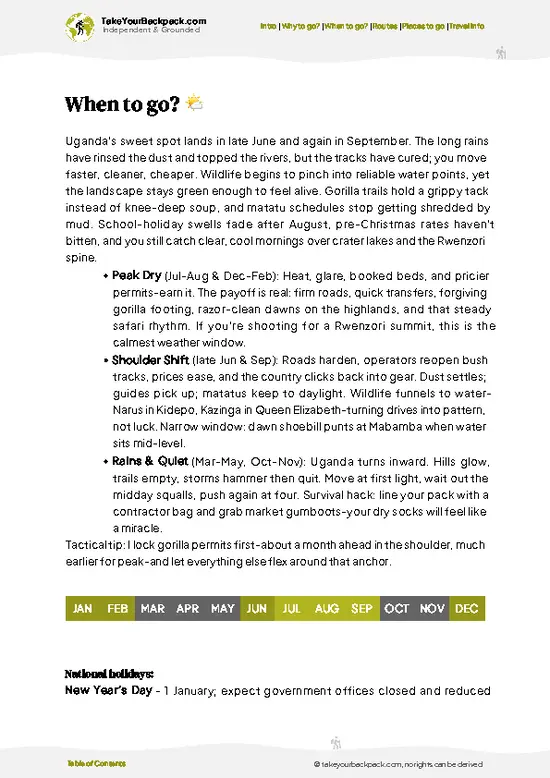
  • Weather: Arua’s climate swings between wet and dry seasons. The dry months from December to February and June to August offer dusty trails and clearer skies, making trekking and exploring the town’s markets more pleasant. The rainy seasons, especially March to May, bring heavy downpours that can turn dirt roads into mud traps, slowing you down and soaking your gear.

  • Temperature: Expect daytime highs around 28–32°C (82–90°F) year-round, with nights cooling to 18–22°C (64–72°F). The dry season feels warmer but less humid, which means you can move faster without the sticky exhaustion that comes with the rains.

  • Daylight Hours: Near the equator, Arua enjoys roughly 12 hours of daylight year-round, so your hiking and sightseeing windows stay consistent. Early mornings and late afternoons
read more 👉

  • Weather: Arua’s climate swings between wet and dry seasons. The dry months from December to February and June to August offer dusty trails and clearer skies, making trekking and exploring the town’s markets more pleasant. The rainy seasons, especially March to May, bring heavy downpours that can turn dirt roads into mud traps, slowing you down and soaking your gear.

  • Temperature: Expect daytime highs around 28–32°C (82–90°F) year-round, with nights cooling to 18–22°C (64–72°F). The dry season feels warmer but less humid, which means you can move faster without the sticky exhaustion that comes with the rains.

  • Daylight Hours: Near the equator, Arua enjoys roughly 12 hours of daylight year-round, so your hiking and sightseeing windows stay consistent. Early mornings and late afternoons bring softer light, perfect for photos and cooler walks.

  • Crowds: Tourist traffic is low year-round, but the dry season sees a slight uptick as regional travelers avoid the mud. This means more lively markets and open guesthouses without the crush of high-season prices.

  • Seasonal Activities: Dry months coincide with local festivals and outdoor markets, where you can catch traditional dances and crafts. The rains bring lush greenery but limit outdoor events and can close some trails.

  • Price Fluctuations: Accommodation and transport costs dip during the rainy season due to lower demand, but the trade-off is dealing with unpredictable weather and less reliable road conditions.


Pro-tip: Aim for the shoulder months of June and September—less rain, manageable crowds, and a vibrant local scene that feels like you’ve caught Arua waking up from a slow season.


source: climatestotravel.comJANJanuary: excellent for travelingFEBFebruary: excellent for travelingMARMarch: fair for travelingAPRApril: fair for travelingMAYMay: fair for travelingJUNJune: highly recommended for travelingJULJuly: excellent for travelingAUGAugust: excellent for travelingSEPSeptember: highly recommended for travelingOCTOctober: good for travelingNOVNovember: good for travelingDECDecember: excellent for traveling
when-to-go

✈️ The backpacker research shortcutUganda Travel Guide

An offline-friendly backpacking guide with optimized travel routes, ranked highlights, transport advice, and the best areas to stay.
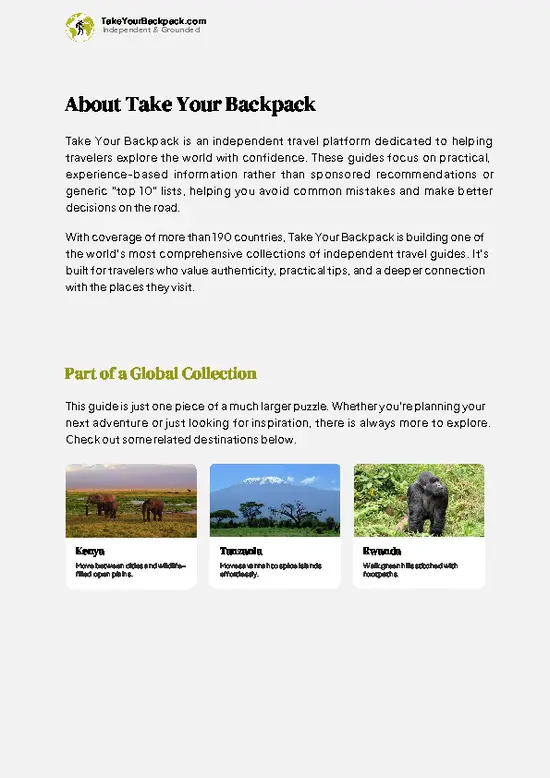
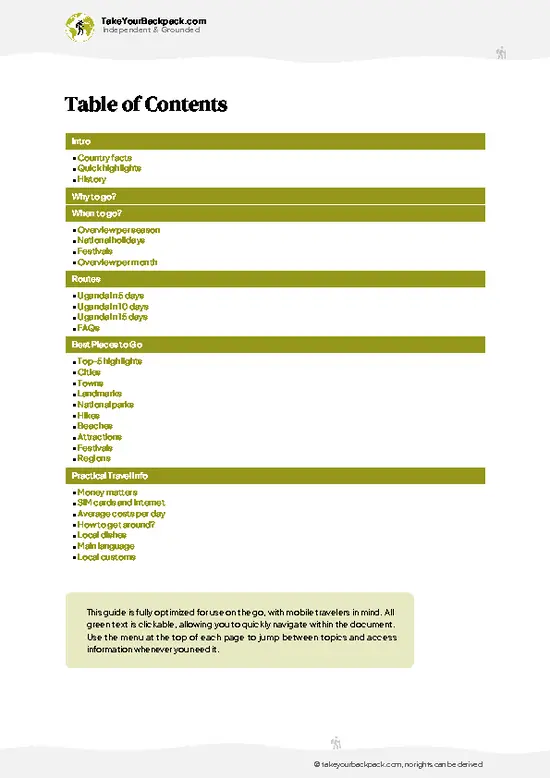
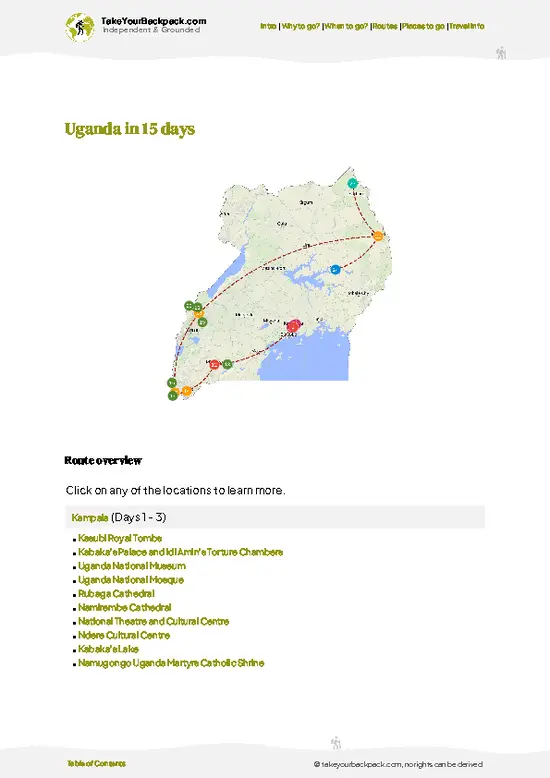
example page 0 from our offline Travel Guide for Uganda
example page 1 from our offline Travel Guide for Uganda
example page 2 from our offline Travel Guide for Uganda
example page 3 from our offline Travel Guide for Uganda
example page 4 from our offline Travel Guide for Uganda
example page 5 from our offline Travel Guide for Uganda
example page 6 from our offline Travel Guide for Uganda
example page 7 from our offline Travel Guide for Uganda
The digital guide (422 pages) contains:
109 highlights, ranked by travel appeal
Optimized 5, 10 & 15-day travel routes
Cities, national parks, landmarks, beaches
How to get around
Offline-friendly for travel without Wi-Fi
👉 Click to see all 30+ guide features

📅 Plan smarter in minutes, not weeks
Month by month travel advice
Festivals & national holidays
Budget expectations

🗺️ Go to the right places, skip the overrated ones
Honest pros & cons of destinations
Top hikes, parks & viewpoints
Lesser-known places most travelers miss
Clear “worth it vs skip it” guidance

🛏️ Travel smoothly without rookie mistakes
Best areas to stay
Transport systems explained simply
Common scams & safety advice
SIM cards, money & practical tips

🌍 Understand the country, not just visit it
Culture & traditions
52 Essential phrases & customs
Festivals worth planning around
Traveler-friendly historical context
Insights that make places more meaningful

📱 Built for real travel conditions
Fully downloadable PDF
Works completely offline
Optimized for phone use
Useful in remote areas & buses
Everything in one place
Save weeks of stressful planning
Get instant access to your full guide. 30‑day money-back guarantee.


By proceeding you agree to our terms.
Sent to your inbox immediately after payment • 100% Secure Checkout
Best Backpacking Travel Advisor 2025 tourism awardBest Backpacking
Travel Advisor
2025
What others say about Take Your Backpack Guides:
⭐⭐⭐⭐⭐
Fantastic, amazing amount of information!
⭐⭐⭐⭐⭐
My goodness this is amazing, it's what I've been looking for hats off too you!
⭐⭐⭐⭐⭐
I think this is absolutely BRILLIANT
⭐⭐⭐⭐
Very complete and informative. It's still missing places, but I gotta to commend you
⭐⭐⭐⭐⭐
This is truly amazing, thank you, can't wait to explore it with my kids!
⭐⭐⭐⭐⭐
Awesome resource, thank you!
⭐⭐⭐⭐⭐
This is amazing! Can't wait to explore the ones I haven't seen
⭐⭐⭐⭐
I love this! Well done, great idea.
⭐⭐⭐⭐⭐
Thanks for taking the time to make this gem!
⭐⭐⭐⭐⭐
This might be the best website I've ever seen.
⭐⭐⭐⭐⭐
Congratulations, and thank you so much for your work; it's incredibly valuable.
⭐⭐⭐⭐
In all seriousness I think you did a great job pointing out the important spots
⭐⭐⭐⭐⭐
10/10 very good
⭐⭐⭐⭐⭐
As someone who's only just starting to visit regularly this is awesome, thank you.
⭐⭐⭐⭐
Thank you very much! I'm going to visit my dad, it's going to be very useful!
⭐⭐⭐⭐⭐
This is really cool! We'll be travelling for the first time and this definitely come in handy.
⭐⭐⭐⭐⭐
You are now our minister of culture, congratulations 👨‍💼
⭐⭐⭐⭐⭐
Just wanted to tell you that this is a pearl! Going to follow your recommendations.
⭐⭐⭐⭐⭐
This is so cool. I'll definitely be using the resource for my travels soon.
⭐⭐⭐⭐⭐
This is very impressive! Good work.
⭐⭐⭐⭐⭐
This is an amazing and informative site. Very well done!

🛏️ Where to stay?Best areas and accommodation options

Arua’s heartbeat for backpackers pulses strongest around the town center and the nearby neighborhoods just east of it. This area is where you’ll find the best mix of safety, social buzz, and budget-friendly options. The streets here hum with local markets, street food stalls, and small cafés where you can strike up conversations with fellow travelers and locals alike. The light in the late afternoon filters through acacia trees, casting long shadows that soften the urban edges, making it easier to unwind after a day on the road.

Compared to the quieter, more residential outskirts, staying near … read more 👉
Arua’s heartbeat for backpackers pulses strongest around the town center and the nearby neighborhoods just east of it. This area is where you’ll find the best mix of safety, social buzz, and budget-friendly options. The streets here hum with local markets, street food stalls, and small cafés where you can strike up conversations with fellow travelers and locals alike. The light in the late afternoon filters through acacia trees, casting long shadows that soften the urban edges, making it easier to unwind after a day on the road.

Compared to the quieter, more residential outskirts, staying near the center means you’re never far from the pulse of daily life—shops, transport hubs, and informal meeting spots. Hostels and guesthouses cluster here, offering dorm beds and shared spaces that naturally invite interaction. The vibe is relaxed but lively, with a steady flow of other backpackers swapping stories over a cold drink or planning their next move.

Choosing this area isn’t just about convenience; it’s about plugging into Arua’s rhythm. You avoid the isolation of distant suburbs and the unpredictability of less-traveled zones. Instead, you get a base that’s both a launchpad and a landing spot, where safety and social ease come standard.

🚌 Getting aroundGetting around like a local

Arua moves at its own rhythm—less a clockwork town and more a pulse you feel in the dust and chatter. The sun hits hard by mid-morning, baking the red earth and sharpening shadows under acacia trees. People don’t rush here; they navigate by a mix of routine and gut feeling, where schedules blur and the day’s flow is dictated by the heat, the market’s buzz, and the slow crawl of boda bodas weaving through traffic. This isn’t a place where you’ll find rigid timetables posted on walls. Instead, you learn to read the cues—the honk of a matatu, the call of a vendor, the pause of a driver waiting for the right moment to dart forward. Understanding this flow means you don’t just get from A to B—you move with the town’s heartbeat, making your travel feel like part of the local rhythm rather than a … read more 👉
Arua moves at its own rhythm—less a clockwork town and more a pulse you feel in the dust and chatter. The sun hits hard by mid-morning, baking the red earth and sharpening shadows under acacia trees. People don’t rush here; they navigate by a mix of routine and gut feeling, where schedules blur and the day’s flow is dictated by the heat, the market’s buzz, and the slow crawl of boda bodas weaving through traffic. This isn’t a place where you’ll find rigid timetables posted on walls. Instead, you learn to read the cues—the honk of a matatu, the call of a vendor, the pause of a driver waiting for the right moment to dart forward. Understanding this flow means you don’t just get from A to B—you move with the town’s heartbeat, making your travel feel like part of the local rhythm rather than a forced interruption.


  • Walking: The most straightforward and immersive way to get around, especially within the town center. The streets are dusty but manageable, and walking lets you catch the scent of roasting maize and the sound of children playing. It’s free, flexible, and perfect for short hops between markets, shops, and eateries.


  • Boda Bodas (Motorcycle Taxis): The lifeblood of Arua’s transit, these motorcycles dart through traffic with surprising agility. Expect to negotiate fares upfront—usually between 1,000 and 3,000 UGX for short rides. They run from dawn until dusk, but after dark, safety and availability drop sharply. Speedy and cheap, but hold on tight and keep your wits about you.


  • Matatus (Shared Minibuses): These are your go-to for longer distances within and just outside Arua. They don’t run on strict schedules but leave when full, which means waiting times can vary. Fares hover around 2,000 to 5,000 UGX depending on distance. They’re bumpy and noisy but offer a genuine slice of local life and a chance to chat with fellow passengers.


  • Taxi Cars: Less common and pricier, taxis offer more comfort and speed but at a premium—expect to pay 10,000 UGX or more for short trips. They’re best if you’re traveling with luggage or want to avoid the dust and noise of other options. Availability can be spotty, so arrange rides through your accommodation when possible.


  • Bicycle Rentals: A quieter, more controlled way to explore beyond the center. Rentals are affordable, around 5,000 UGX per day, and perfect for early mornings or late afternoons when the sun softens. The terrain is mostly flat but watch for potholes and loose gravel. This option gives you freedom without the chaos of motor traffic.

👛 Costs (as of 18 May 2026)Travel costs and budget guide for Arua

Backpacking in Arua, Uganda, means embracing a pace where every dollar stretches and every experience feels grounded in the local rhythm. Here’s what your daily costs typically look like:
  • Dorm Accommodation: Expect to pay around $5 to $10 per night for a bed in a basic guesthouse dorm. These places are simple but clean, often with a fan and shared bathroom. It’s not luxury, but it’s enough to recharge after a day exploring.
  • Meals: Local meals are affordable and filling. Street food or small eateries serve dishes like matoke, beans, or grilled meat for $1 to $3 per meal. If you opt for a slightly more tourist-friendly restaurant, budget $3 to $6. Fresh fruit and snacks are even cheaper, perfect for quick energy boosts.
  • Local Transport: Boda-bodas (motorcycle taxis) are the go-to for getting
read more 👉
Backpacking in Arua, Uganda, means embracing a pace where every dollar stretches and every experience feels grounded in the local rhythm. Here’s what your daily costs typically look like:
  • Dorm Accommodation: Expect to pay around $5 to $10 per night for a bed in a basic guesthouse dorm. These places are simple but clean, often with a fan and shared bathroom. It’s not luxury, but it’s enough to recharge after a day exploring.
  • Meals: Local meals are affordable and filling. Street food or small eateries serve dishes like matoke, beans, or grilled meat for $1 to $3 per meal. If you opt for a slightly more tourist-friendly restaurant, budget $3 to $6. Fresh fruit and snacks are even cheaper, perfect for quick energy boosts.
  • Local Transport: Boda-bodas (motorcycle taxis) are the go-to for getting around town and nearby areas. Rides typically cost between $0.50 and $1.50 depending on distance. For longer trips or shared taxis, expect to pay $2 to $5. Walking is also a solid option if you want to soak in the street life.
  • Basic Activities/Entry Fees: Arua isn’t packed with pricey tourist traps. Entry fees for local attractions or cultural sites usually range from $1 to $5. Guided tours or special experiences might push that up to $10 or $15, but these are optional and often worth it for the insight.
  • Miscellaneous Expenses: Think bottled water, occasional snacks, or small souvenirs. Budget around $1 to $3 daily. Keep in mind that bottled water is essential due to local water quality, so it’s a non-negotiable cost.

All told, you’re looking at roughly $10 to $25 per day to cover the essentials in Arua. This range lets you stay comfortable without cutting corners, giving you the freedom to explore without constant money stress. The key is to lean into local options—they’re not just cheaper, they’re the real deal.


source: visituganda.com
⚠️ Prices can change and everyone travels differently, so take this as a rough guide. Hope it helps you plan your adventure!

🚌 Day tripsEasy escapes and nearby places

Arua, Uganda, is a backpacker’s dream base for day trips, offering a blend of culture, nature, and adventure. The town itself buzzes with life, from the scent of fresh matoke in local markets to the vibrant chatter of friendly locals. Here are some standout day trips that make the most of your time here.

Murchison Falls National Park
Just a few hours from Arua, Murchison Falls is a must-see. The roar of the Nile as it squeezes through a narrow gorge is something you’ll never forget. A day trip typically costs around $50, including transport and park fees. Aim for an early start to catch the sunrise over the falls, which paints the landscape in golden hues. Many first-timers underestimate the time needed for the drive; plan for about 3 hours each way. The park is best visited during the … read more 👉
Arua, Uganda, is a backpacker’s dream base for day trips, offering a blend of culture, nature, and adventure. The town itself buzzes with life, from the scent of fresh matoke in local markets to the vibrant chatter of friendly locals. Here are some standout day trips that make the most of your time here.

Murchison Falls National Park
Just a few hours from Arua, Murchison Falls is a must-see. The roar of the Nile as it squeezes through a narrow gorge is something you’ll never forget. A day trip typically costs around $50, including transport and park fees. Aim for an early start to catch the sunrise over the falls, which paints the landscape in golden hues. Many first-timers underestimate the time needed for the drive; plan for about 3 hours each way. The park is best visited during the dry season from December to February, when wildlife is easier to spot.
👉 Explore Murchison Falls National Park

Kidepo Valley National Park
While a bit further afield, Kidepo is worth the trek. The park is home to stunning landscapes and diverse wildlife, including elephants and cheetahs. Expect to spend about 5 hours on the road, so leave early. Total costs can run around $70, factoring in transport and entry fees. The best time to visit is during the dry months, when the animals gather around water sources. A common mistake is trying to rush through the park; take your time to soak in the beauty.
👉 Explore Kidepo Valley National Park

Lira Town
For a taste of local life, head to Lira, just a couple of hours away. The town is known for its vibrant markets and rich cultural heritage. You can easily spend the day exploring local crafts and enjoying traditional Ugandan dishes for under $20. The best time to visit is during market days, typically Wednesdays and Saturdays. First-timers often miss the chance to engage with locals; don’t hesitate to ask questions and share stories.


River Nile Boat Trip
For something more relaxed, consider a boat trip on the Nile. Just an hour from Arua, this adventure costs around $30 and offers a unique perspective of the river’s beauty. The best time is early morning when the water is calm and the wildlife is active. Many backpackers overlook this option, thinking it’s just a tourist trap, but the tranquility and stunning views make it worthwhile.
Want to know what more Uganda offers?
The Uganda Travel Guide describes 109 highlights, from cities to national parks, from beaches to hikes

Get the Travel Guide -

🍲 FoodEating & Drinking in Arua

In Arua, food isn’t just fuel—it’s a lively conversation with the culture. Start with posho, a staple maize porridge that’s the backbone of many meals, often paired with nyama (grilled meat) or matoke (steamed plantains). These dishes are simple but pack a punch of earthy, hearty flavors that stick with you long after the last bite. For drinks, waragi, a local gin distilled from bananas or millet, offers a sharp, warming kick—best enjoyed slowly in the company of locals who’ll share stories as freely as the drinks.

Backpackers find their groove in bustling markets and street stalls where the air is thick with the scent of frying fish and spicy sauces. These spots are where you taste the city’s pulse—no menus, just the rhythm of daily life and the chance to haggle for a plate that’s fresh, … read more 👉
In Arua, food isn’t just fuel—it’s a lively conversation with the culture. Start with posho, a staple maize porridge that’s the backbone of many meals, often paired with nyama (grilled meat) or matoke (steamed plantains). These dishes are simple but pack a punch of earthy, hearty flavors that stick with you long after the last bite. For drinks, waragi, a local gin distilled from bananas or millet, offers a sharp, warming kick—best enjoyed slowly in the company of locals who’ll share stories as freely as the drinks.

Backpackers find their groove in bustling markets and street stalls where the air is thick with the scent of frying fish and spicy sauces. These spots are where you taste the city’s pulse—no menus, just the rhythm of daily life and the chance to haggle for a plate that’s fresh, fiery, and real. Casual eateries and roadside cafés offer a break from the heat with sweet, milky tea or freshly squeezed sugarcane juice, perfect for recharging between adventures.

Eating here is communal; sharing plates and passing around food is the norm, so don’t be shy about digging in with your hands. Respect the pace—meals aren’t rushed, and the best conversations happen over seconds. In Arua, food and drink are your ticket to the city’s soul, if you’re willing to savor every bite and sip.

🛡️ SafetyScams, Hazards, and Annoyances

Arua is generally safe, but like any place, a little awareness goes a long way. Stick to well-lit areas after dark, especially if you’re solo. The streets can feel quiet, and while that’s often peaceful, it’s wise to keep your wits about you.

Watch for common scams, like overly friendly locals offering unsolicited help that leads to a request for money. Politely decline and keep moving.

Street vendors can be persistent, but a friendly smile and a firm “no, thank you” usually do the trick. Carry cash in small denominations to avoid awkward haggling over change.

When you’re out and about, blend in. Dress modestly and avoid flashy accessories. This helps you connect with the local vibe while keeping you off the radar for opportunists. Enjoy the warmth of Arua, but stay grounded in your surroundings.

Other Ugandan cities near Arua

Explore more nearby:

  • Zombo—Alur highlands, coffee farms, Congo border| 57 km away
  • Adjumani—refugee settlements, Nile ferry, remote trading post| 105 km away
  • Buliisa—oil exploration, Lake Albert shore, fishing villages| 116 km away

💡 Not sure where to go next?
Create a personalized itinerary for Uganda including Arua and the places that fit your trip.

Generate my itinerary

👉 Discover all cities

Or checkout all Uganda has to offer (think cities, towns, villages, national parks, hikes, beaches, festivals)
Country photo of Uganda

We 💚 feedbackIs it worth it?

Arua’s charm lies in its vibrant local markets, where the air is thick with the scent of fresh produce and spices, and the laughter of vendors fills the streets. But be ready for the realities of travel here: the roads can be rough, and public transport is a test of patience. Embrace the chaos; it’s part of the experience. The rewards? Genuine connections and stories that linger long after you leave.

✈️ When did I visit Uganda?
In September 2019 I have done a backpacking trip through Uganda. Seeing gorilla’s in the wild from up close was a pure unexpected highlight!

✍️ Help improve this page!
The information on this page is based on my own backpacking experience in Uganda, supplemented with up-to-date research and feedback from other travelers. Travel details can change, so if you notice anything outdated or incomplete, feel free to let me know.


🙋‍♂️ Give feedback

👋 Meet the founderWho’s Behind Take Your Backpack?

Johan, backpacker and founder of TakeYourBackpackHi, I’m Johan (Netherlands 🇳🇱), the creator of TakeYourBackpack. Over the past decade, I’ve backpacked through 80+ countries across six continents, gaining extensive experience with independent travel, long-term trips, and overland routes.

This site is built on a combination of firsthand travel experience and carefully curated insights from other backpackers. Many guides are based on places I’ve personally visited, while others bring together tips, observations, and practical advice shared by trusted travelers I’ve met along the way.

The goal is to provide realistic, experience-driven guidance — not generic itineraries — so you can explore destinations with better context, clearer expectations, and more confidence.

Get full Uganda guide •
Instant download • 109 highlights • Full Offline guide