v2.webp)
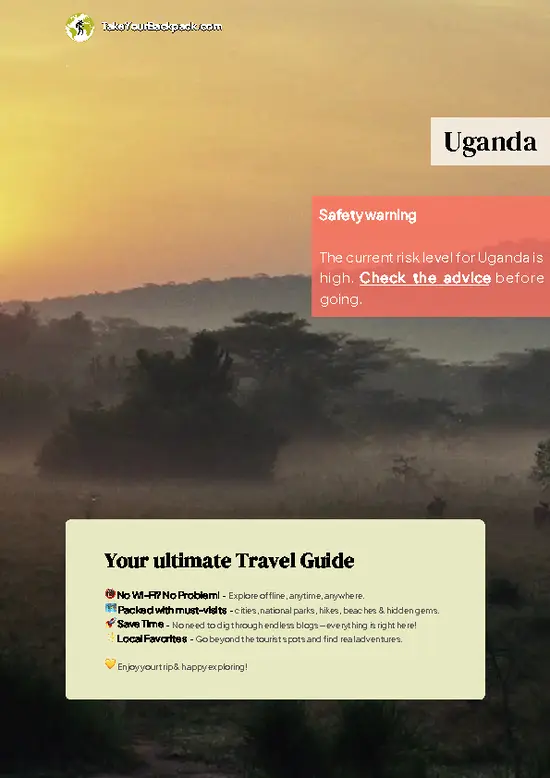
- Rolling acacia savanna and wide-open plains — The moment you step out here you get that huge east-Ugandan sky and endless grassland feeling. It’s simple but powerful: great for sunrise/sunset light, long views of grazing herds, and photos that actually look like postcards without needing a filter.
- Wildlife drives for antelope, predators and shy megafauna — Guided drives are the best way to find Uganda kob, oribi and hartebeest, plus warthogs, jackals and the occasional hyena. Sightings of elephants or buffalo happen but aren’t guaranteed, which makes each drive a low-cost, high-reward gamble if you like surprises.
- Birdwatching hotspots — Pian Upe is dry-country bird heaven: raptors circling thermal columns, bushbirds and migrants that turn up after the rains. Bring binoculars and a basic
- Rolling acacia savanna and wide-open plains — The moment you step out here you get that huge east-Ugandan sky and endless grassland feeling. It’s simple but powerful: great for sunrise/sunset light, long views of grazing herds, and photos that actually look like postcards without needing a filter.
- Wildlife drives for antelope, predators and shy megafauna — Guided drives are the best way to find Uganda kob, oribi and hartebeest, plus warthogs, jackals and the occasional hyena. Sightings of elephants or buffalo happen but aren’t guaranteed, which makes each drive a low-cost, high-reward gamble if you like surprises.
- Birdwatching hotspots — Pian Upe is dry-country bird heaven: raptors circling thermal columns, bushbirds and migrants that turn up after the rains. Bring binoculars and a basic field guide; even short stops at pans or trees can rack up a long list of species.
- Kopjes and granite outcrops — panoramic viewpoints — Small rocky hills break the flat landscape and offer short, rewarding scrambles with big views over the reserve. I’ll admit this is my personal favorite: you get quiet, a breeze, and one of the best places to watch light sweep the plains.
- Seasonal pans and salt flats — When the rains come these temporary wetlands fill and attract waterbirds and concentrations of grazing mammals, plus salt-lick sites that wildlife rely on year-round. Timing your visit around the wet season ups the drama and the diversity you’ll see.
- Walking trails and guided bushwalks — Short hikes with an armed ranger get you closer to tracks, grasses, insects and smaller wildlife that you miss from a vehicle. Trails are rugged so pack water, sturdy shoes and patience — the payoff is a totally different feel for the place.
- Karamojong landscape and cultural encounters — The park sits in Karamoja country, so visiting local villages or markets adds human context to the landscape: pastoralism, crafts and stories about living with the reserve. It’s not a wildlife sighting, but it deepens the trip and costs very little if you bargain fairly.
Spotted a mistake or missing something? Contact us.



 Best Backpacking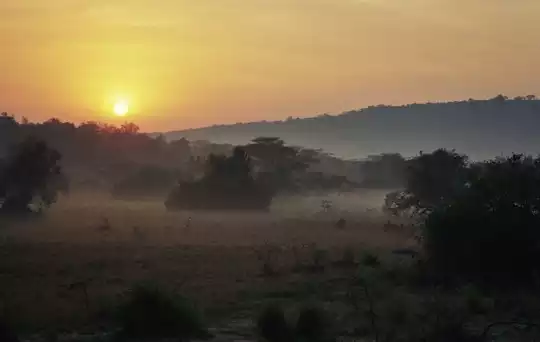
.jpg) Hi, I’m Johan (Netherlands 🇳🇱), the creator of TakeYourBackpack. Over the past decade, I’ve backpacked through 80+ countries across six continents, gaining extensive experience with independent travel, long-term trips, and overland routes.
Hi, I’m Johan (Netherlands 🇳🇱), the creator of TakeYourBackpack. Over the past decade, I’ve backpacked through 80+ countries across six continents, gaining extensive experience with independent travel, long-term trips, and overland routes.