×

Uganda🇺🇬 | attractionsSsemagulu Royal MuseumBuganda regalia, historical displays, royal portraits | things to do and best time to go

Explore Mparo Royal TombsExplore Kabaka’s Lake

Backpacking in Ssemagulu Royal Museum
👀 For curious travelersattraction ranked #18
By Johan Kruseman 🇳🇱 | Updated May 25, 2026

A drumbeat thuds through the floorboards, and you feel it in your chest before you see the old royal regalia—spears, barkcloth, a throne that looks like it’s seen more secrets than any Instagram feed could handle. The air smells faintly of dust and wood polish, and a guide’s voice cuts through the quiet, telling stories that don’t make it into glossy travel brochures.

Ssemagulu Royal Museum sits in Mutundwe, a residential patch on the outskirts of Kampala, Uganda’s capital. Here’s the straight talk: Ssemagulu isn’t the kind of place that draws busloads of tourists or selfie-stick armies. You won’t find the crowds of Murchison Falls or the adrenaline of gorilla trekking. What you get instead is raw, unfiltered Buganda history—sometimes delivered with a side of awkward silences or a guide who’s more passionate than polished. The entry fee is pocket change compared to Uganda’s headline attractions, and the vibe is intimate, sometimes almost too quiet. But if you want to feel the pulse of a kingdom that shaped Uganda, this is where the real magic happens—no filter, no hype, just stories that stick.

Discover everything you want to know in the 📖 Uganda Travel Guide.
Safety warning

The current risk level for Uganda is high. Check the advice before going.


Get your Uganda guide
109 ranked highlights, routes & tips, works offline (422 pages)
Loading the map 🌍
CLICK TO FILTER
cities
towns
landmarks
national parks
hikes
beaches
attractions
festivals
regions
SHOW COUNTRY’S BESTSHOW ALL

✨ Why go?
Ranked #18 attraction in Uganda
Reasons people choose to visit here

The Ssemagulu Royal Museum in Uganda is not your typical tourist checkbox. Yes, it draws crowds, especially during peak seasons, and the entry fee isn’t exactly pocket change for a backpacker. But here’s the real deal: this place is a heavyweight in cultural significance and historical depth. It’s the living archive of the Buganda Kingdom, one of Africa’s most influential traditional monarchies. You’re not just looking at artifacts; you’re stepping into a narrative that shaped Uganda’s identity.

Forget the polished, Instagram-filtered shots. The museum’s charm lies in its raw authenticity—the worn royal regalia, the stories etched into every exhibit, and the palpable sense of legacy that hits you harder than any guidebook hype. For backpackers trekking through Uganda, it’s a major milestone, … read more 👉
The Ssemagulu Royal Museum in Uganda is not your typical tourist checkbox. Yes, it draws crowds, especially during peak seasons, and the entry fee isn’t exactly pocket change for a backpacker. But here’s the real deal: this place is a heavyweight in cultural significance and historical depth. It’s the living archive of the Buganda Kingdom, one of Africa’s most influential traditional monarchies. You’re not just looking at artifacts; you’re stepping into a narrative that shaped Uganda’s identity.

Forget the polished, Instagram-filtered shots. The museum’s charm lies in its raw authenticity—the worn royal regalia, the stories etched into every exhibit, and the palpable sense of legacy that hits you harder than any guidebook hype. For backpackers trekking through Uganda, it’s a major milestone, a moment to pause and connect with the country’s soul beyond the savannah and gorilla treks.

The effort-to-reward ratio is solid. It’s an accessible cultural deep dive that balances well against the adrenaline highs of Uganda’s wild side. If you want to understand the country’s past and present, skipping Ssemagulu means missing the backbone of Uganda’s story. It’s not just a museum; it’s a rite of passage.
Want to include Ssemagulu Royal Museum in your Uganda route?
Create a personalized Uganda itinerary that includes Ssemagulu Royal Museum and the places that fit your trip — based on your travel style, budget, and available time. Get your route in seconds.

Generate my trip

💡 HighlightsKey sights and experiences for travelers

The Royal Regalia Room
Forget the glass cases and velvet ropes of European palaces—here, you’re up close with the actual thrones, drums, and ceremonial spears used by Buganda kings. These aren’t replicas. The weight of history is literal; you can see the wear on the wood, the dents in the shields. It’s a crash course in power, tradition, and the kind of craftsmanship that outlasts empires. If you want to understand what royalty means in Uganda, this is the room that spells it out, artifact by artifact.


The Presidential Car Collection
This is not your average car museum. The Ssemagulu Royal Museum’s garage is a time capsule of Uganda’s political drama, featuring the actual vehicles used by presidents and Kabakas (kings). You’ll see the Mercedes that ferried Milton Obote, the Peugeots that … read more 👉
The Royal Regalia Room
Forget the glass cases and velvet ropes of European palaces—here, you’re up close with the actual thrones, drums, and ceremonial spears used by Buganda kings. These aren’t replicas. The weight of history is literal; you can see the wear on the wood, the dents in the shields. It’s a crash course in power, tradition, and the kind of craftsmanship that outlasts empires. If you want to understand what royalty means in Uganda, this is the room that spells it out, artifact by artifact.


The Presidential Car Collection
This is not your average car museum. The Ssemagulu Royal Museum’s garage is a time capsule of Uganda’s political drama, featuring the actual vehicles used by presidents and Kabakas (kings). You’ll see the Mercedes that ferried Milton Obote, the Peugeots that survived coups, and the Land Rovers that carried royal processions. Each car comes with a story—some tragic, some absurd, all deeply human. It’s a rare, tactile way to trace Uganda’s modern history through the windshields of its leaders.


Traditional Music and Dance Performances
This isn’t a sanitized tourist show. The museum regularly hosts live performances by local troupes who treat the drum as a living, breathing thing. The rhythms are raw, the dancers are fierce, and the energy in the courtyard is contagious. If you’re lucky enough to catch a performance, you’ll feel the pulse of Buganda culture in your bones. It’s not background entertainment—it’s the main event, and it’s impossible to stand still.


The Storytelling Sessions
Here’s where the museum breaks the fourth wall. Elders and guides don’t just recite facts—they spin tales, debate legends, and invite you to question what you think you know about Uganda. You’ll hear about the cunning of Kabaka Mwanga, the colonial intrigues, and the everyday heroes who shaped the kingdom. It’s living history, delivered with wit and a healthy dose of skepticism. This is my personal favorite: nothing beats hearing a 90-year-old recount a royal scandal with a twinkle in his eye.


The Buganda Kingdom Timeline Exhibit
Most museums drown you in dates and names. Here, the timeline is a visual journey—murals, artifacts, and interactive displays that actually make sense of centuries of succession, conflict, and cultural evolution. You’ll walk away with a mental map of Buganda’s rise, fall, and resilience, and you’ll finally understand why the kingdom still matters in modern Uganda.


The Royal Attire Collection
Robes, crowns, and ceremonial garb that look like they belong in a fantasy epic, but every stitch is real. The detail is outrageous—beads, bark cloth, and embroidery that tell stories of status, war, and peace. You get a sense of how identity and power are woven (literally) into every layer. It’s a reminder that fashion has always been political, and here, it’s also art.
Spotted a mistake or missing something? Contact us.

Things to do near Ssemagulu Royal Museum

Ratings based on Tripadvisor reviews. When you book through this link, you support our work at no extra cost to you.

🌤️ When to go?When to go for the best experience


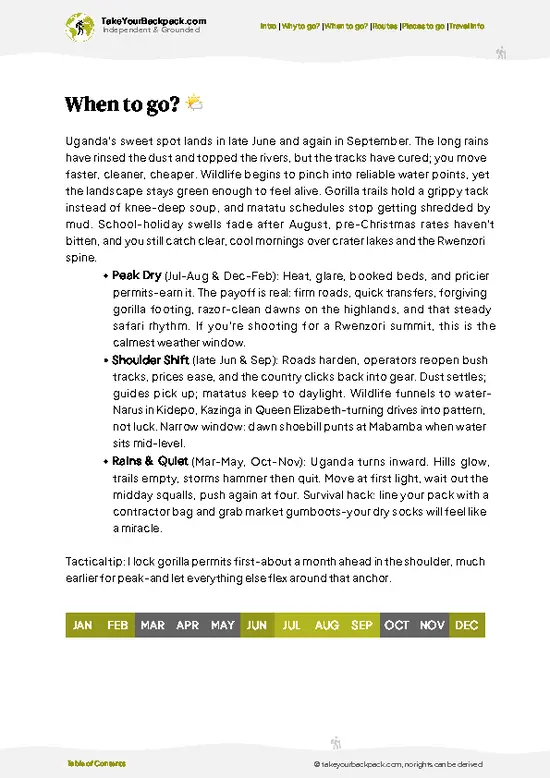
  • Weather: The best time to visit Ssemagulu Royal Museum is during Uganda’s dry seasons, mainly from June to August and December to February. Expect less rain, which means easier trekking and less mud. The wet seasons (March to May and September to November) bring heavy rains that can turn paths slippery and dampen your experience.

  • Temperature: Daytime temperatures hover around 22-26°C (72-79°F) during the dry months, making it comfortable for exploring without overheating. Nights can dip to 15°C (59°F), so pack a light jacket. The rainy season is cooler but more humid, which can feel sticky and uncomfortable.

  • Daylight Hours: Uganda sits near the equator, so daylight is steady year-round—about 12 hours daily. This means you don’t have to rush; you’ll have plenty of daylight to soak in
read more 👉

  • Weather: The best time to visit Ssemagulu Royal Museum is during Uganda’s dry seasons, mainly from June to August and December to February. Expect less rain, which means easier trekking and less mud. The wet seasons (March to May and September to November) bring heavy rains that can turn paths slippery and dampen your experience.

  • Temperature: Daytime temperatures hover around 22-26°C (72-79°F) during the dry months, making it comfortable for exploring without overheating. Nights can dip to 15°C (59°F), so pack a light jacket. The rainy season is cooler but more humid, which can feel sticky and uncomfortable.

  • Daylight Hours: Uganda sits near the equator, so daylight is steady year-round—about 12 hours daily. This means you don’t have to rush; you’ll have plenty of daylight to soak in the museum and its surroundings no matter when you go.

  • Crowds: Tourist traffic peaks during the dry months, especially July and December holidays. The museum can get busy, but it’s never overwhelming. Visiting in the shoulder months of June or February offers a quieter, more intimate experience.

  • Seasonal Activities: Dry seasons align with cultural festivals and local events, adding layers to your visit beyond the museum itself. Rainy seasons limit outdoor activities but can offer lush, green landscapes if you don’t mind the wet.

  • Price Fluctuations: Expect higher prices for accommodation and tours during peak dry months and holidays. Visiting just before or after these periods can save you money without sacrificing much on weather or experience.


Pro-tip: Aim for June or February—dry enough to avoid mud, fewer crowds, and better prices. You’ll get the museum’s soul without the Instagram crowd stampede.


source: climatestotravel.comJANJanuary: highly recommended for travelingFEBFebruary: excellent for travelingMARMarch: fair for travelingAPRApril: fair for travelingMAYMay: fair for travelingJUNJune: excellent for travelingJULJuly: highly recommended for travelingAUGAugust: highly recommended for travelingSEPSeptember: fair for travelingOCTOctober: fair for travelingNOVNovember: fair for travelingDECDecember: highly recommended for traveling
when-to-go

✈️ The backpacker research shortcutUganda Travel Guide

An offline-friendly backpacking guide with optimized travel routes, ranked highlights, transport advice, and the best areas to stay.
example page 0 from our offline Travel Guide for Uganda
example page 1 from our offline Travel Guide for Uganda
example page 2 from our offline Travel Guide for Uganda
example page 3 from our offline Travel Guide for Uganda
example page 4 from our offline Travel Guide for Uganda
example page 5 from our offline Travel Guide for Uganda
example page 6 from our offline Travel Guide for Uganda
example page 7 from our offline Travel Guide for Uganda
The digital guide (422 pages) contains:
109 highlights, ranked by travel appeal
Optimized 5, 10 & 15-day travel routes
Cities, national parks, landmarks, beaches
How to get around
Offline-friendly for travel without Wi-Fi
👉 Click to see all 30+ guide features

📅 Plan smarter in minutes, not weeks
Month by month travel advice
Festivals & national holidays
Budget expectations

🗺️ Go to the right places, skip the overrated ones
Honest pros & cons of destinations
Top hikes, parks & viewpoints
Lesser-known places most travelers miss
Clear “worth it vs skip it” guidance

🛏️ Travel smoothly without rookie mistakes
Best areas to stay
Transport systems explained simply
Common scams & safety advice
SIM cards, money & practical tips

🌍 Understand the country, not just visit it
Culture & traditions
52 Essential phrases & customs
Festivals worth planning around
Traveler-friendly historical context
Insights that make places more meaningful

📱 Built for real travel conditions
Fully downloadable PDF
Works completely offline
Optimized for phone use
Useful in remote areas & buses
Everything in one place
Save weeks of stressful planning
Get instant access to your full guide. 30‑day money-back guarantee.


By proceeding you agree to our terms.
Sent to your inbox immediately after payment • 100% Secure Checkout
Best Backpacking Travel Advisor 2025 tourism awardBest Backpacking
Travel Advisor
2025
What others say about Take Your Backpack Guides:
⭐⭐⭐⭐⭐
Fantastic, amazing amount of information!
⭐⭐⭐⭐⭐
My goodness this is amazing, it's what I've been looking for hats off too you!
⭐⭐⭐⭐⭐
I think this is absolutely BRILLIANT
⭐⭐⭐⭐
Very complete and informative. It's still missing places, but I gotta to commend you
⭐⭐⭐⭐⭐
This is truly amazing, thank you, can't wait to explore it with my kids!
⭐⭐⭐⭐⭐
Awesome resource, thank you!
⭐⭐⭐⭐⭐
This is amazing! Can't wait to explore the ones I haven't seen
⭐⭐⭐⭐
I love this! Well done, great idea.
⭐⭐⭐⭐⭐
Thanks for taking the time to make this gem!
⭐⭐⭐⭐⭐
This might be the best website I've ever seen.
⭐⭐⭐⭐⭐
Congratulations, and thank you so much for your work; it's incredibly valuable.
⭐⭐⭐⭐
In all seriousness I think you did a great job pointing out the important spots
⭐⭐⭐⭐⭐
10/10 very good
⭐⭐⭐⭐⭐
As someone who's only just starting to visit regularly this is awesome, thank you.
⭐⭐⭐⭐
Thank you very much! I'm going to visit my dad, it's going to be very useful!
⭐⭐⭐⭐⭐
This is really cool! We'll be travelling for the first time and this definitely come in handy.
⭐⭐⭐⭐⭐
You are now our minister of culture, congratulations 👨‍💼
⭐⭐⭐⭐⭐
Just wanted to tell you that this is a pearl! Going to follow your recommendations.
⭐⭐⭐⭐⭐
This is so cool. I'll definitely be using the resource for my travels soon.
⭐⭐⭐⭐⭐
This is very impressive! Good work.
⭐⭐⭐⭐⭐
This is an amazing and informative site. Very well done!

🛏️ Where to stay?How to pick the right area

If you’re heading to the Ssemagulu Royal Museum in Uganda, brace yourself: this isn’t a polished tourist trap with endless Instagrammable moments. The crowds can be hit-or-miss, and the entry fees aren’t exactly pocket change for a backpacker. But here’s the kicker—the real magic isn’t just in the exhibits; it’s in the neighborhood vibe and the people you meet along the way.

The best places to stay aren’t right on the museum’s doorstep but in the nearby districts where the pulse of local life beats strongest. Look toward areas that blend safety with a social atmosphere—places where you can swap … read more 👉
If you’re heading to the Ssemagulu Royal Museum in Uganda, brace yourself: this isn’t a polished tourist trap with endless Instagrammable moments. The crowds can be hit-or-miss, and the entry fees aren’t exactly pocket change for a backpacker. But here’s the kicker—the real magic isn’t just in the exhibits; it’s in the neighborhood vibe and the people you meet along the way.

The best places to stay aren’t right on the museum’s doorstep but in the nearby districts where the pulse of local life beats strongest. Look toward areas that blend safety with a social atmosphere—places where you can swap stories with fellow travelers, share a meal with locals, and soak in the raw, unfiltered energy of Ugandan culture. These neighborhoods have a reputation for being budget-friendly without sacrificing security, which is crucial when you’re solo and carrying all your gear.

You’ll find that these areas are hubs for backpackers who want more than just a quick museum visit. They offer a gateway to authentic experiences—street food stalls that serve up real Ugandan flavors, markets where you can haggle like a pro, and community spaces where music and laughter spill into the night. Staying here means you’re not just passing through; you’re stepping into the story behind the artifacts at Ssemagulu. That’s the kind of travel that sticks with you.

👛 Costs (as of 30 April 2026)Travel costs and budget guide for Ssemagulu Royal Museum

As of the latest available information, the Ssemagulu Royal Museum in Uganda charges an entrance fee of approximately €40 to €60 for foreign non-residents. Additional costs may include guided tours or special exhibitions, which can vary. For the most accurate and current pricing, it's advisable to contact the museum directly or consult the official Uganda Wildlife Authority tariff.

source: ugandawildlife.org
⚠️ Prices can change and everyone travels differently, so take this as a rough guide. Hope it helps you plan your adventure!

Other Ugandan attractions near Ssemagulu Royal Museum

Explore more nearby:


💡 Not sure where to go next?
Create a personalized itinerary for Uganda including Ssemagulu Royal Museum and the places that fit your trip.

Generate my itinerary

👉 Discover all attractions

Or checkout all Uganda has to offer (think cities, towns, villages, national parks, hikes, beaches, festivals)
Country photo of Uganda

We 💚 feedbackKey takeaways before you go

The Ssemagulu Royal Museum isn’t some polished, touristy shrine—it’s raw history, packed with artifacts that tell Uganda’s royal story in a way no glossy brochure can. But heads up: it’s not always easy to navigate, and the crowds can feel like a local school field trip on steroids. Still, if you want to connect with Uganda’s past beyond the usual, this place hits a nerve you didn’t know you had.

✈️ When did I visit Uganda?
In September 2019 I have done a backpacking trip through Uganda. Seeing gorilla’s in the wild from up close was a pure unexpected highlight!

✍️ Help improve this page!
The information on this page is based on my own backpacking experience in Uganda, supplemented with up-to-date research and feedback from other travelers. Travel details can change, so if you notice anything outdated or incomplete, feel free to let me know.


🙋‍♂️ Give feedback

👋 Meet the founderWho’s Behind Take Your Backpack?

Johan, backpacker and founder of TakeYourBackpackHi, I’m Johan (Netherlands 🇳🇱), the creator of TakeYourBackpack. Over the past decade, I’ve backpacked through 80+ countries across six continents, gaining extensive experience with independent travel, long-term trips, and overland routes.

This site is built on a combination of firsthand travel experience and carefully curated insights from other backpackers. Many guides are based on places I’ve personally visited, while others bring together tips, observations, and practical advice shared by trusted travelers I’ve met along the way.

The goal is to provide realistic, experience-driven guidance — not generic itineraries — so you can explore destinations with better context, clearer expectations, and more confidence.

Get full Uganda guide •
Instant download • 109 highlights • Full Offline guide