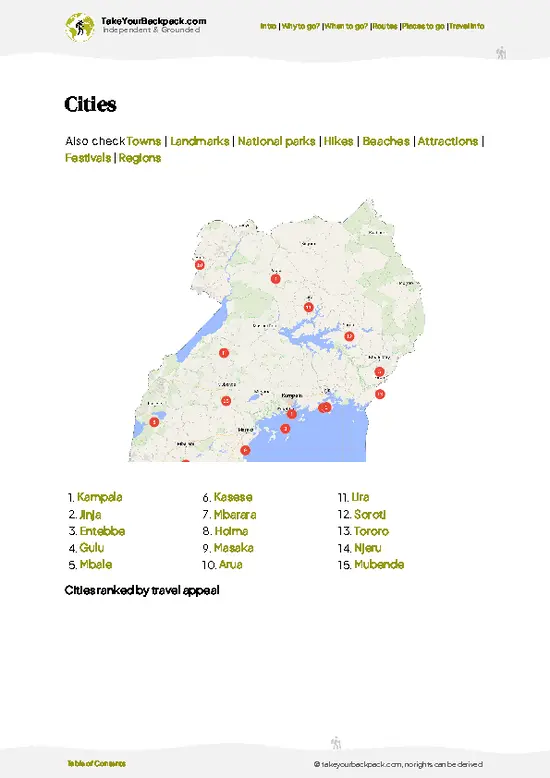
A decade ago, Zombo was a sleepy crossroads where the red dust settled on everything and travelers passed through without a second glance. Now, it’s still off the main tourist radar, but you’ll notice a gentle hum—market chatter, the scent of roasting maize, and the green ridges of the West Nile region pressing close. Tucked in northwest Uganda near the Congo border, Zombo is more staging post than destination: a practical base for hikes into the hills or a pause between Arua and Goli. Don’t expect hostels or nightlife; you’ll find simple guesthouses, a few local eateries, and evenings that end early. It’s quieter and less polished than Arua, but friendlier and more scenic than most border towns. Transport is mostly by matatu or boda, and you’ll need patience for schedules. Costs are low, safety is typical for rural Uganda, and you’ll likely be the only backpacker in sight—making every conversation count.
✨ Why go? Ranked #39 city in UgandaWhat sets this place apart
Zombo is a gateway for backpackers seeking authentic experiences in Uganda. Its walkable streets make it easy to explore local markets and sample street food that bursts with flavor. Many travelers use Zombo as a base for nearby hikes, with lush landscapes just a short ride away. The small-scale hostels and guesthouses foster a friendly atmosphere, perfect for solo travelers or small groups looking to connect. Most visitors stay a couple of days, soaking in the cultural vibe before moving on. If you appreciate a slower pace and genuine interactions, Zombo is a worthwhile stop on your journey.
Want to include Zombo in your Uganda route? Create a personalized Uganda itinerary that includes Zombo and the places that fit your trip — based on your travel style, budget, and available time. Get your route in seconds.
Zombo Central Market — The real heartbeat of the town: a packed, colorful market where you’ll see local Alur foodstuffs, charcoal, second-hand clothes, and everyday trade; great for people-watching, fresh produce, cheap street food, and picking up simple local crafts.
Nearby day trips worth doing: Mount Wati (my personal favorite), the bustling market and border atmosphere in nearby Paidha, and the hill and escarpment scenery around Zombo District.
Spotted a mistake or missing something? Contact us.
🏘️ NeighborhoodsWhere things are and how it's laid out
Zombo, Uganda, is a vibrant town that offers a unique blend of local culture and natural beauty, perfect for backpackers seeking an authentic experience.
Central Zombo: This area buzzes with energy. It’s walkable, with local markets and eateries just a stone’s throw away. Costs are low, making it ideal for budget travelers. Nightlife is modest but lively, with a few bars where you can mingle with locals.
Nyapea: A quieter neighborhood, perfect for longer stays. The atmosphere is relaxed, with lush surroundings. Transport options are limited, but the peace makes it worth it. Great for those wanting to recharge after a day of exploration.
Olujju: A bit off the beaten path, this area offers a more rural vibe. It’s less walkable, but the scenery is stunning. Ideal for short stays if you want to immerse yourself in nature and local life.
⌛️ 1 dayA smart one-day plan
Zombo, Uganda, is a vibrant town where the pulse of local life beats strong. It’s a place where you can feel the warmth of the community and the rich tapestry of culture. Start your morning at the bustling Zombo Market. The air is thick with the scent of fresh produce and spices, and the chatter of vendors creates a lively backdrop. Grab a local breakfast of posho and beans from a street vendor; it’s filling and authentic.
In the afternoon, head to the nearby Okwang River. The gentle flow and the rustle of leaves provide a serene escape. Take a moment to soak in the beauty, perhaps even dip your toes in the cool water. This spot is often overlooked by tourists, but it’s a slice of local life that’s worth experiencing.
As evening falls, wander through the streets of the Nyapea neighborhood. … read more 👉
Zombo, Uganda, is a vibrant town where the pulse of local life beats strong. It’s a place where you can feel the warmth of the community and the rich tapestry of culture. Start your morning at the bustling Zombo Market. The air is thick with the scent of fresh produce and spices, and the chatter of vendors creates a lively backdrop. Grab a local breakfast of posho and beans from a street vendor; it’s filling and authentic.
In the afternoon, head to the nearby Okwang River. The gentle flow and the rustle of leaves provide a serene escape. Take a moment to soak in the beauty, perhaps even dip your toes in the cool water. This spot is often overlooked by tourists, but it’s a slice of local life that’s worth experiencing.
As evening falls, wander through the streets of the Nyapea neighborhood. The golden light casts long shadows, and the laughter of children playing fills the air. Stop by a local eatery for a taste of grilled tilapia, seasoned to perfection. This day in Zombo isn’t just about sights; it’s about connecting with the heart of Uganda.
Turn your Zombo visit into an Uganda adventure Build a complete Uganda route with Zombo, hidden gems, must-see destinations, and realistic travel times included.
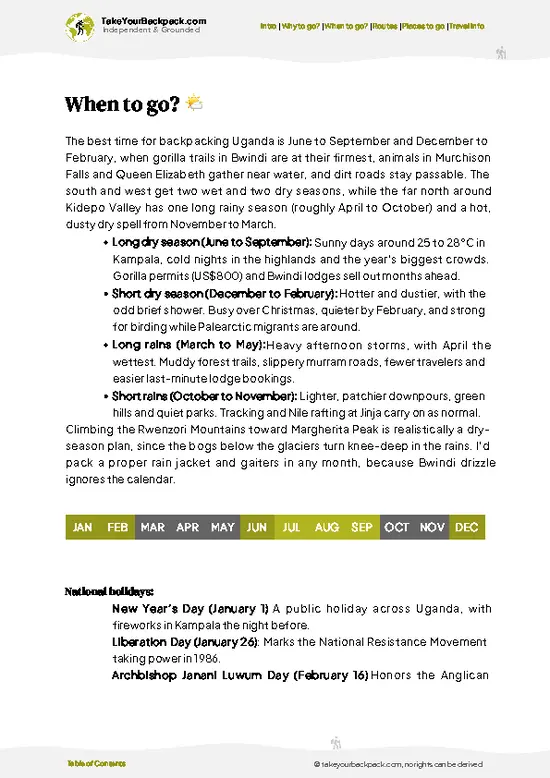
Weather: Zombo’s dry season, from December to February and June to August, offers clear skies and manageable humidity, making trails less slippery and the air easier to breathe.
Temperature: Expect daytime highs around 25-28°C (77-82°F) during dry months, cooling to 15-18°C (59-64°F) at night—perfect for layering without overheating.
Daylight Hours: Roughly 12 hours year-round, but the dry season’s consistent light means you can plan early starts and late finishes without surprise downpours.
Crowds: Tourist flow peaks in July and December; visiting just before or after these months means quieter trails and more authentic local interactions.
Seasonal Activities: Dry months align with local festivals and market days, offering a richer cultural experience beyond the usual hiking and
Weather: Zombo’s dry season, from December to February and June to August, offers clear skies and manageable humidity, making trails less slippery and the air easier to breathe.
Temperature: Expect daytime highs around 25-28°C (77-82°F) during dry months, cooling to 15-18°C (59-64°F) at night—perfect for layering without overheating.
Daylight Hours: Roughly 12 hours year-round, but the dry season’s consistent light means you can plan early starts and late finishes without surprise downpours.
Crowds: Tourist flow peaks in July and December; visiting just before or after these months means quieter trails and more authentic local interactions.
Seasonal Activities: Dry months align with local festivals and market days, offering a richer cultural experience beyond the usual hiking and wildlife spotting.
Price Fluctuations: Accommodation and transport costs spike during peak dry season; shoulder months provide better deals without sacrificing comfort or access.
Pro-tip: Aim for late August or early November—dry enough for adventure, light crowds, and a wallet-friendly vibe that lets you soak in Zombo’s rhythm without rush.
source: climatestotravel.comJANJanuary: excellent for travelingFEBFebruary: excellent for travelingMARMarch: fair for travelingAPRApril: below average for travelingMAYMay: fair for travelingJUNJune: excellent for travelingJULJuly: highly recommended for travelingAUGAugust: highly recommended for travelingSEPSeptember: good for travelingOCTOctober: good for travelingNOVNovember: highly recommended for travelingDECDecember: excellent for traveling
✈️ The backpacker research shortcutUganda Travel Guide
An offline-friendly backpacking guide with optimized travel routes, ranked highlights, transport advice, and the best areas to stay.
The digital guide (422 pages) contains: ✅ 109 highlights, ranked by travel appeal ✅ Optimized 5, 10 & 15-day travel routes ✅ Cities, national parks, landmarks, beaches ✅ How to get around ✅ Offline-friendly for travel without Wi-Fi 👉 Click to see all 30+ guide features
📅 Plan smarter in minutes, not weeks ✅ Month by month travel advice ✅ Festivals & national holidays ✅ Budget expectations
🗺️ Go to the right places, skip the overrated ones ✅ Honest pros & cons of destinations ✅ Top hikes, parks & viewpoints ✅ Lesser-known places most travelers miss ✅ Clear “worth it vs skip it” guidance
🛏️ Travel smoothly without rookie mistakes ✅ Best areas to stay ✅ Transport systems explained simply ✅ Common scams & safety advice ✅ SIM cards, money & practical tips
🌍 Understand the country, not just visit it ✅ Culture & traditions ✅ 52 Essential phrases & customs ✅ Festivals worth planning around ✅ Traveler-friendly historical context ✅ Insights that make places more meaningful
📱 Built for real travel conditions ✅ Fully downloadable PDF ✅ Works completely offline ✅ Optimized for phone use ✅ Useful in remote areas & buses ✅ Everything in one place
My goodness this is amazing, it's what I've been looking for hats off too you!
⭐⭐⭐⭐⭐
I think this is absolutely BRILLIANT
⭐⭐⭐⭐
Very complete and informative. It's still missing places, but I gotta to commend you
⭐⭐⭐⭐⭐
This is truly amazing, thank you, can't wait to explore it with my kids!
⭐⭐⭐⭐⭐
Awesome resource, thank you!
⭐⭐⭐⭐⭐
This is amazing! Can't wait to explore the ones I haven't seen
⭐⭐⭐⭐
I love this! Well done, great idea.
⭐⭐⭐⭐⭐
Thanks for taking the time to make this gem!
⭐⭐⭐⭐⭐
This might be the best website I've ever seen.
⭐⭐⭐⭐⭐
Congratulations, and thank you so much for your work; it's incredibly valuable.
⭐⭐⭐⭐
In all seriousness I think you did a great job pointing out the important spots
⭐⭐⭐⭐⭐
10/10 very good
⭐⭐⭐⭐⭐
As someone who's only just starting to visit regularly this is awesome, thank you.
⭐⭐⭐⭐
Thank you very much! I'm going to visit my dad, it's going to be very useful!
⭐⭐⭐⭐⭐
This is really cool! We'll be travelling for the first time and this definitely come in handy.
⭐⭐⭐⭐⭐
You are now our minister of culture, congratulations 👨💼
⭐⭐⭐⭐⭐
Just wanted to tell you that this is a pearl! Going to follow your recommendations.
⭐⭐⭐⭐⭐
This is so cool. I'll definitely be using the resource for my travels soon.
⭐⭐⭐⭐⭐
This is very impressive! Good work.
⭐⭐⭐⭐⭐
This is an amazing and informative site. Very well done!
🛏️ Where to stay?Best areas to stay in Uganda
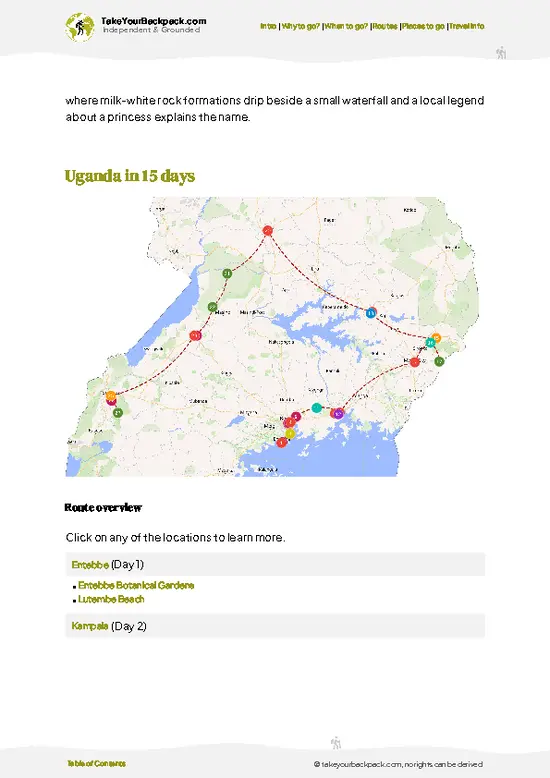
In Zombo, the best spot for backpackers is the town center near the main market. It’s where the pulse of daily life hums—vendors shouting, the scent of fresh cassava mingling with earth after rain. This area is safe by local standards, with plenty of budget hostels that double as social hubs, perfect for solo travelers looking to swap stories over a shared meal or a cold soda. Compared to the quieter outskirts, staying here means you’re steps from transport links and local eateries, cutting down on time and hassle. It’s not polished, but that raw, lived-in vibe is exactly what makes Zombo feel real.
🚌 Getting aroundTransportation options and practical tips
Zombo moves at its own rhythm—less clockwork, more pulse. The sun hits the dusty streets in sharp angles by mid-morning, and that’s when the town wakes up, not before. You won’t find strict timetables here; instead, expect a dance of improvisation where locals and travelers alike read the air and the light to catch their rides. The scent of roasting maize and fresh earth hangs heavy, and the chatter at the bus stops is as much about timing as it is about gossip. This isn’t a place for rigid schedules but for tuned-in intuition, where knowing when to move means blending patience with a readiness to jump on the next available ride.
Shared Minibuses: These are the backbone of Zombo’s transit—cheap (around $0.50), frequent from 7 a.m. to 6 p.m., and packed tight. They run on a loose schedule,
Zombo moves at its own rhythm—less clockwork, more pulse. The sun hits the dusty streets in sharp angles by mid-morning, and that’s when the town wakes up, not before. You won’t find strict timetables here; instead, expect a dance of improvisation where locals and travelers alike read the air and the light to catch their rides. The scent of roasting maize and fresh earth hangs heavy, and the chatter at the bus stops is as much about timing as it is about gossip. This isn’t a place for rigid schedules but for tuned-in intuition, where knowing when to move means blending patience with a readiness to jump on the next available ride.
Shared Minibuses: These are the backbone of Zombo’s transit—cheap (around $0.50), frequent from 7 a.m. to 6 p.m., and packed tight. They run on a loose schedule, leaving when full, so be ready to squeeze in and hold on.
Motorcycle Taxis (Boda Bodas): The fastest way to navigate narrow lanes and rough patches, available 24/7. Expect to negotiate fares upfront, usually $1–$2 for short hops. They’re noisy, bumpy, but unbeatable for quick trips.
Walking: The heart of Zombo’s experience. Streets are compact and best explored on foot, especially early morning or late afternoon when the light softens and the town hums with life. Walking lets you catch the smells, sounds, and spontaneous moments missed from a vehicle.
Local Bicycle Rentals: For the budget traveler wanting speed without noise, rentals run about $3 per day. Bikes handle the dusty roads well but watch for sudden potholes and livestock crossing.
👛 Costs (as of 17 May 2026)How expensive it really is
Backpacking in Zombo, Uganda, offers a raw, authentic experience where every dollar stretches further than you might expect, but knowing the local cost rhythm helps you move through the town with ease and confidence.
Dorm Accommodation: Expect to pay around $5 to $10 per night for a basic dorm bed. These are simple, often fan-cooled rooms with shared bathrooms. The lighting is usually soft and warm, casting a calm glow after a day in the sun. Booking ahead isn’t always necessary, but arriving early helps you snag the best spot.
Meals: Local meals run about $2 to $4 each. Think hearty plates of posho (maize porridge) with beans or fresh greens, served with a side of the earthy aroma of freshly cooked food. Street food stalls and small eateries dominate, offering filling, no-frills meals that
Backpacking in Zombo, Uganda, offers a raw, authentic experience where every dollar stretches further than you might expect, but knowing the local cost rhythm helps you move through the town with ease and confidence.
Dorm Accommodation: Expect to pay around $5 to $10 per night for a basic dorm bed. These are simple, often fan-cooled rooms with shared bathrooms. The lighting is usually soft and warm, casting a calm glow after a day in the sun. Booking ahead isn’t always necessary, but arriving early helps you snag the best spot.
Meals: Local meals run about $2 to $4 each. Think hearty plates of posho (maize porridge) with beans or fresh greens, served with a side of the earthy aroma of freshly cooked food. Street food stalls and small eateries dominate, offering filling, no-frills meals that fuel your day without breaking the bank.
Local Transport: Boda-bodas (motorcycle taxis) are the go-to, costing roughly $0.50 to $1 for short rides within town. The scent of dust and gasoline hangs in the air, and the wind hits your face as you zip through narrow streets. Walking is also a solid option if you want to soak in the atmosphere and save cash.
Basic Activities/Entry Fees: Most local attractions, like community markets or natural spots, have little to no entry fee, usually under $1. Guided tours or cultural experiences might cost $5 to $10, often arranged through your accommodation or local contacts. These fees support the community and deepen your connection to the place.
Miscellaneous Expenses: Budget around $1 to $3 for essentials like bottled water, snacks, or phone credit. The heat makes hydration non-negotiable, and local SIM cards are cheap and reliable, keeping you connected without hassle.
All told, you’re looking at roughly $10 to $20 per day to cover the essentials in Zombo. This range lets you move comfortably without cutting corners on the experience. The town’s pace is unhurried, and the modest costs reflect a place where the real value is in the people and the pace, not flashy tourist setups.
⚠️ Prices can change and everyone travels differently, so take this as a rough guide. Hope it helps you plan your adventure!
🚌 Day tripsShort trips worth adding
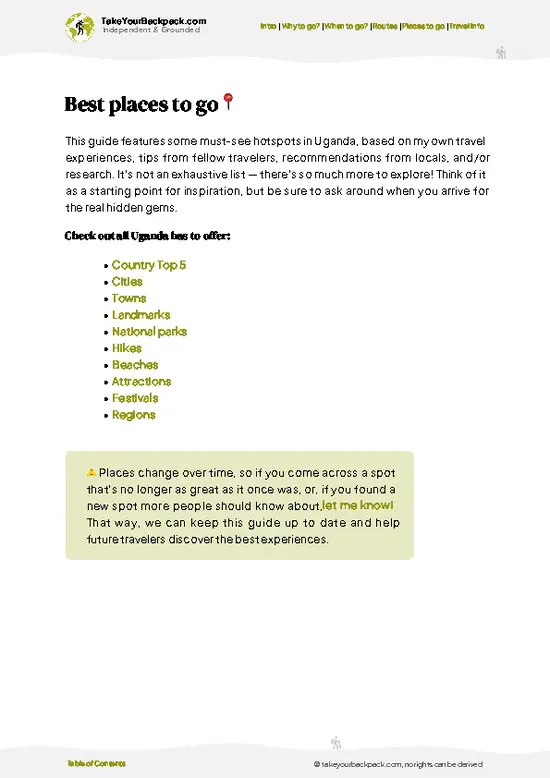
Zombo, Uganda, is a backpacker’s dream base for day trips, offering rich experiences without the hassle of overnight stays.
Murchison Falls National Park Just a few hours from Zombo, Murchison Falls is a must-see. The roar of the Nile as it squeezes through a narrow gorge is something you’ll never forget. Expect to pay around $40 for entry and transport. The best time to visit is during the dry season, when wildlife is more active. A common mistake? Skipping the boat ride to the base of the falls; it’s a fantastic way to spot hippos and crocodiles. 👉 Explore Murchison Falls National Park
Ziwa Rhino Sanctuary Only about an hour away, Ziwa is your chance to see rhinos in the wild. A guided trek costs around $50, but the thrill of walking among these majestic creatures is priceless. … read more 👉
Zombo, Uganda, is a backpacker’s dream base for day trips, offering rich experiences without the hassle of overnight stays.
Murchison Falls National Park Just a few hours from Zombo, Murchison Falls is a must-see. The roar of the Nile as it squeezes through a narrow gorge is something you’ll never forget. Expect to pay around $40 for entry and transport. The best time to visit is during the dry season, when wildlife is more active. A common mistake? Skipping the boat ride to the base of the falls; it’s a fantastic way to spot hippos and crocodiles. 👉 Explore Murchison Falls National Park
Ziwa Rhino Sanctuary Only about an hour away, Ziwa is your chance to see rhinos in the wild. A guided trek costs around $50, but the thrill of walking among these majestic creatures is priceless. The sanctuary is open year-round, but early mornings are best for cooler weather and active wildlife. Many first-timers underestimate the emotional impact of seeing these animals up close; it’s a powerful experience. 👉 Explore Ziwa Rhino Sanctuary
Arua Town Arua is a vibrant market town just an hour from Zombo. Immerse yourself in local culture by exploring the bustling stalls filled with fresh produce and handmade crafts. Budget around $10 for transport and snacks. The best time to visit is on market days, typically Wednesdays and Saturdays. Don’t miss the chance to try street food; just be cautious with spicy options if you’re not used to it.
Want to know what more Uganda offers? The Uganda Travel Guide describes 109 highlights, from cities to national parks, from beaches to hikes
In Zombo, the food scene is a lively puzzle of bold flavors and simple, hearty ingredients. Don’t miss the chance to try matoke, a staple of steamed green bananas mashed with ground peanuts or beans—comfort food with a local twist. The air buzzes around street food stalls, where grilled fish and spicy rolex (chapati rolled with eggs and veggies) fuel the city’s rhythm. Backpackers dive into bustling markets for fresh fruit and roasted maize, soaking in the chatter and clatter. Drinking here is casual but social—sharing a cold local beer or sweet millet brew often sparks conversations. Expect a relaxed vibe; eating with hands is normal, and offering to share food is a warm gesture that opens doors.
🛡️ SafetyStaying Safe: What Travelers Should Know
Zombo, Uganda, is generally safe, but a few practical tips can enhance your experience. Stay aware in crowded markets; pickpockets can be crafty. If you’re solo, avoid wandering too far after dark—stick to well-lit areas and travel in groups when possible.
Common scams are rare, but be cautious of overly friendly locals offering unsolicited help; they might expect a tip. Carry yourself confidently, and don’t hesitate to ask locals for advice. Their warmth is genuine, but a little street smarts goes a long way.
Zombo’s charm lies in its raw, unfiltered connection to local culture. The laughter of children playing, the aroma of street food wafting through the air—it’s alive. But be ready for the infrastructure; roads can be rough, and services are basic. Embrace the challenge; it’s part of the adventure.
✈️ When did I visit Uganda? In September 2019 I have done a backpacking trip through Uganda. Seeing gorilla’s in the wild from up close was a pure unexpected highlight!
✍️ Help improve this page! The information on this page is based on my own backpacking experience in Uganda, supplemented with up-to-date research and feedback from other travelers. Travel details can change, so if you notice anything outdated or incomplete, feel free to let me know.
👋 Meet the founderWho’s Behind Take Your Backpack?
Hi, I’m Johan (Netherlands 🇳🇱), the creator of TakeYourBackpack. Over the past decade, I’ve backpacked through 80+ countries across six continents, gaining extensive experience with independent travel, long-term trips, and overland routes.
This site is built on a combination of firsthand travel experience and carefully curated insights from other backpackers. Many guides are based on places I’ve personally visited, while others bring together tips, observations, and practical advice shared by trusted travelers I’ve met along the way.
The goal is to provide realistic, experience-driven guidance — not generic itineraries — so you can explore destinations with better context, clearer expectations, and more confidence.