Geographic Diversity
Ukraine’s landscape is a patchwork of contrasts. From the rolling hills of the west to the flat plains of the east, each region tells a different story. The Carpathians offer rugged beauty, perfect for those who crave the outdoors. Here, you can hike through dense forests and encounter traditional villages that feel untouched by time. In contrast, the southern coast along the Black Sea boasts sandy beaches and a more laid-back vibe.
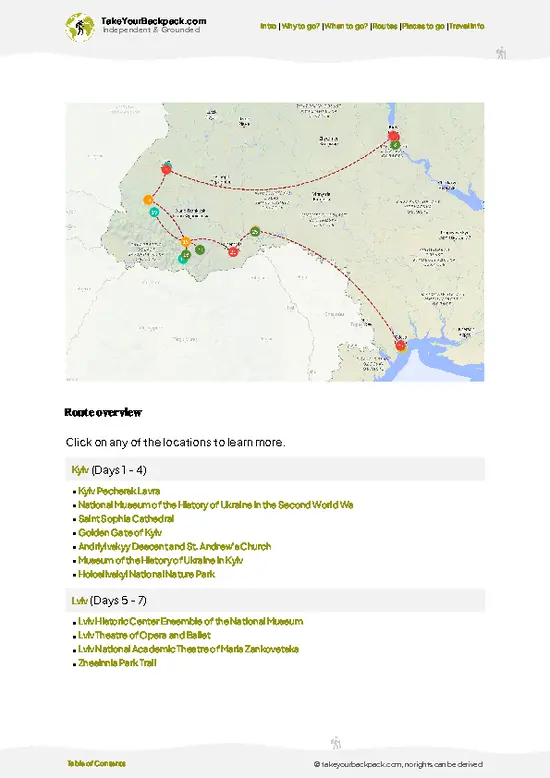
Traveling between these regions can be a mixed bag. Trains and buses connect major hubs, but schedules can be erratic. Expect delays, especially in rural areas. If you’re short on time, prioritize regions that are geographically close. For example, a trip from Lviv to Ivano-Frankivsk is manageable, while venturing from the Carpathians to Odesa requires more planning and time.
Transport Between Regions
Getting around Ukraine is a lesson in patience and adaptability. The rail network is extensive, but not always punctual. Trains can be a great way to see the countryside, but be prepared for long journeys. Buses are often faster, though they can be cramped. Rideshare apps are also gaining traction in urban areas, providing a more comfortable option for short distances.
Consider your travel style when planning. If you prefer a leisurely pace, allow for extra time between regions. If you’re on a tighter schedule, focus on clusters of regions that are easily accessible. This approach minimizes travel time and maximizes your experience.
Cultural Variation
Cultural experiences vary widely across Ukraine. The west is known for its rich folk traditions, vibrant festivals, and hearty cuisine. Here, you’ll find locals eager to share their customs, from traditional music to handmade crafts. The east, however, has a more industrial vibe, shaped by its history and proximity to Russia.
This cultural dichotomy can be both a blessing and a challenge. In the west, you might find it easier to connect with locals, while in the east, language barriers can be more pronounced. If you’re keen on immersing yourself in local culture, consider spending more time in the west, where hospitality is a point of pride.
Pacing Trade-Offs
When planning your itinerary, think about pacing. It’s tempting to try to see everything, but this can lead to burnout. Aim for three to four regions to get a well-rounded experience without feeling rushed. Each region has its own rhythm, and you’ll want time to soak it all in.
For instance, spending a few days in the Carpathians allows you to hike, relax, and engage with local culture. Then, a couple of days in Lviv can offer a stark contrast with its coffee culture and historical architecture. But if you try to squeeze in too many places, you risk missing the nuances that make each region unique.
Safety & Cultural Considerations
Safety is a crucial aspect of travel in Ukraine. While many areas are safe for tourists, it’s wise to stay informed about current events. The eastern regions, particularly near conflict zones, may present risks. Always check travel advisories and be aware of your surroundings.
Culturally, respect is paramount. Ukrainians are proud of their heritage, and understanding local customs can go a long way. Simple gestures, like greeting locals in Ukrainian, can open doors. However, be mindful of regional differences. In the west, you might encounter a more open and welcoming attitude, while in the east, interactions may be more reserved.
Planning and Prioritizing Regions
When it comes to planning your trip, prioritize regions based on your interests. If you’re drawn to nature, the Carpathians and the Polissya region are must-sees. For history and architecture, focus on cities like Lviv and Kyiv.
Budget also plays a role. While Ukraine is generally affordable, costs can vary by region. Major cities tend to be pricier, especially for accommodations and dining. In rural areas, you’ll find more budget-friendly options, but amenities may be limited.
Ultimately, the key is to balance your interests with practical considerations. Allow flexibility in your schedule to adapt to local conditions. This approach not only enhances your experience but also respects the rhythm of the regions you’re exploring.
v2.webp)





 Best Backpacking
.jpg) Hi, I’m Johan (Netherlands 🇳🇱), the creator of TakeYourBackpack. Over the past decade, I’ve backpacked through 80+ countries across six continents, gaining extensive experience with independent travel, long-term trips, and overland routes.
Hi, I’m Johan (Netherlands 🇳🇱), the creator of TakeYourBackpack. Over the past decade, I’ve backpacked through 80+ countries across six continents, gaining extensive experience with independent travel, long-term trips, and overland routes.