v2.webp)
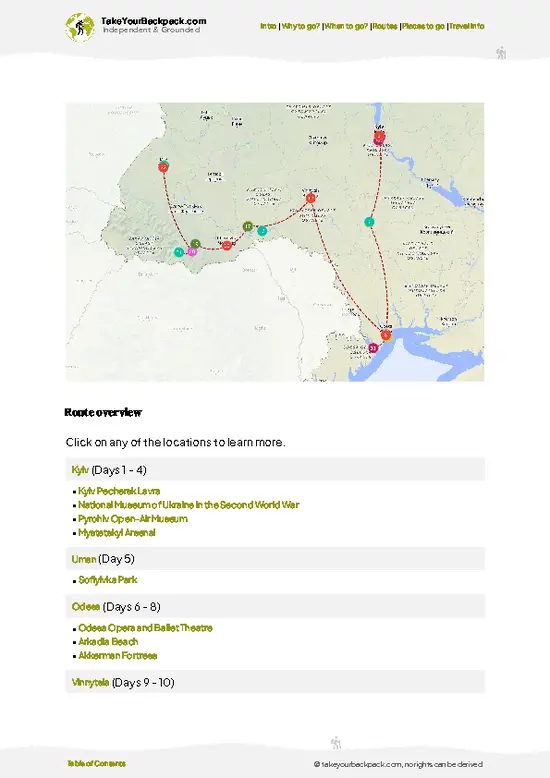

- Desna River floodplain: The park is built around the wide, slow-moving Desna — braided channels, shifting sandbars and tree-lined islands. Seasonal floods create constantly changing scenery and make it a top spot for photography and quiet canoeing.
- Oxbow lakes and marsh mosaic: Dozens of oxbows, reedbeds and shallow lakes sit like natural ponds off the main river. They’re hotspots for waterfowl, reflective sunsets, and easy wildlife viewing from the shore or a canoe.
- Old floodplain forests: Big oak, ash and willow stands survive here, some with impressive girth and a richly layered understory. These woods are worth wandering for fungi, spring wildflowers and the feeling of proper, quiet forest.
- Migratory bird concentrations and raptors: The park is on major migration routes — herons,
- Desna River floodplain: The park is built around the wide, slow-moving Desna — braided channels, shifting sandbars and tree-lined islands. Seasonal floods create constantly changing scenery and make it a top spot for photography and quiet canoeing.
- Oxbow lakes and marsh mosaic: Dozens of oxbows, reedbeds and shallow lakes sit like natural ponds off the main river. They’re hotspots for waterfowl, reflective sunsets, and easy wildlife viewing from the shore or a canoe.
- Old floodplain forests: Big oak, ash and willow stands survive here, some with impressive girth and a richly layered understory. These woods are worth wandering for fungi, spring wildflowers and the feeling of proper, quiet forest.
- Migratory bird concentrations and raptors: The park is on major migration routes — herons, ducks and terns gather in season, and you can often see large raptors (including white-tailed eagles) patrolling the river corridors.
- Beaver country and freshwater engineering: Beavers are active here; look for lodges, gnawed trunks and changed channels. Their work creates new marshy habitat that attracts frogs, waders and dragonflies.
- Peat bogs and specialized flora: Patches of fen and peat host plants you won’t find in ordinary meadows — cotton-grass, sundews and other bog specialists — giving a sharp contrast to the river forests.
- Canoe and hiking routes through untouched nature: There are simple marked trails and river routes that let you combine a day hike with paddling between islands. It’s low-key, remote-feeling nature — great for slow travel and sleeping under the stars if you’re prepared.
Spotted a mistake or missing something? Contact us.

 Best Backpacking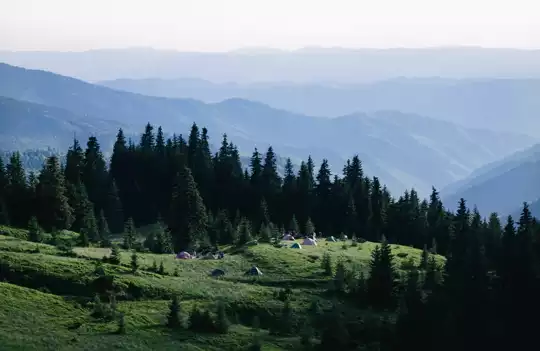
.jpg) Hi, I’m Johan (Netherlands 🇳🇱), the creator of TakeYourBackpack. Over the past 3 decades, I’ve backpacked through 90+ countries across six continents, gaining extensive experience with independent travel, long-term trips, and overland routes.
Hi, I’m Johan (Netherlands 🇳🇱), the creator of TakeYourBackpack. Over the past 3 decades, I’ve backpacked through 90+ countries across six continents, gaining extensive experience with independent travel, long-term trips, and overland routes.