v2.webp)
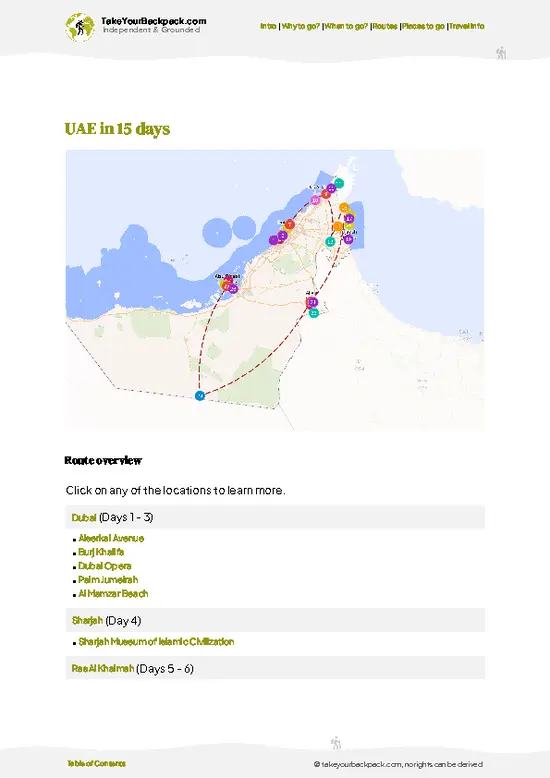
- Cluster of wind-tower houses (barjeel quarter) — One of the clearest things you’ll notice walking the lanes: intact and semi-ruined houses with traditional wind towers. They’re a rare, hands-on example of vernacular cooling technology and make for great close-up photos of coral and gypsum construction.
- Coral-stone courtyard houses — The compact courtyard homes show how families lived: narrow alleys, thick walls, small rooms opening onto a shaded central court. You can still see original doorways, carved wooden window screens and built-in benches that tell the story of everyday life here.
- The village mosque (ruined/active remains) — A simple but evocative prayer space with remnants of a minaret and prayer hall. Visiting gives a sense of the village’s religious life and is one of the most
- Cluster of wind-tower houses (barjeel quarter) — One of the clearest things you’ll notice walking the lanes: intact and semi-ruined houses with traditional wind towers. They’re a rare, hands-on example of vernacular cooling technology and make for great close-up photos of coral and gypsum construction.
- Coral-stone courtyard houses — The compact courtyard homes show how families lived: narrow alleys, thick walls, small rooms opening onto a shaded central court. You can still see original doorways, carved wooden window screens and built-in benches that tell the story of everyday life here.
- The village mosque (ruined/active remains) — A simple but evocative prayer space with remnants of a minaret and prayer hall. Visiting gives a sense of the village’s religious life and is one of the most atmospheric spots at dusk.
- Main street / old souq stretch — The narrow market street where traders and pearl merchants once worked. It’s mostly silent now, but the layout, shopfronts and storage niches reveal the commercial heart of the community and are easy to explore on foot.
- Seafront and old dhow slipway — The shoreline where dhows were launched and serviced. You’ll find building scars, small boatyards and the remains of facilities tied to fishing and pearling — essential to understanding the village’s economy.
- Coastal watchtowers and defensive ruins — Scattered towers and fragmentary walls show how the settlement defended itself and monitored the coast. Climbing the low towers gives decent views over the village and the tidal flats.
- Village cemetery — Weathered grave markers and simple family plots sit just off the lanes. The inscriptions and styles vary and offer a quiet, tangible link to the people who lived here for generations.
- Falaj channels and date-palm plots — Small irrigation channels and remaining palm groves demonstrate local water management and subsistence agriculture. They’re subtle features but important for understanding how the settlement sustained itself.
- Pearling-era storerooms and workshops — Little rows of storage rooms and workspaces where pearl gear, tools and fish processing happened. These cramped spaces give a real sense of the hard, seasonal work of the pearling industry.
- Larger family compounds / notable residences — A few bigger compounds stand out from the rest: two-courtyard plans, finer plasterwork and wider facades that point to wealthier merchant or ruling families. They’re helpful for contrasting social levels within the village.
Spotted a mistake or missing something? Contact us.

Desert Safari Adventure Dubai

Jet Ski Ride

Sunrise Hot Air Balloon Flight - Ras Al Khaimah, UAE

Half Day Dubai City Tour

Dubai Private Modern Tour From Ras Al-Khaimah

Dubai VIP Desert Safari & Sunset , Camel Ride, Premium dinner

Private Donut Ride Experience in Ras al Khaimah

Dubai City Tour From Ras al khaimah With Hotal Pick & Drop

Dubai Half Day Tour By Private Car


 Best Backpacking
.jpg) Hi, I’m Johan (Netherlands 🇳🇱), the creator of TakeYourBackpack. Over the past 3 decades, I’ve backpacked through 90+ countries across six continents, gaining extensive experience with independent travel, long-term trips, and overland routes.
Hi, I’m Johan (Netherlands 🇳🇱), the creator of TakeYourBackpack. Over the past 3 decades, I’ve backpacked through 90+ countries across six continents, gaining extensive experience with independent travel, long-term trips, and overland routes.