v2.webp)
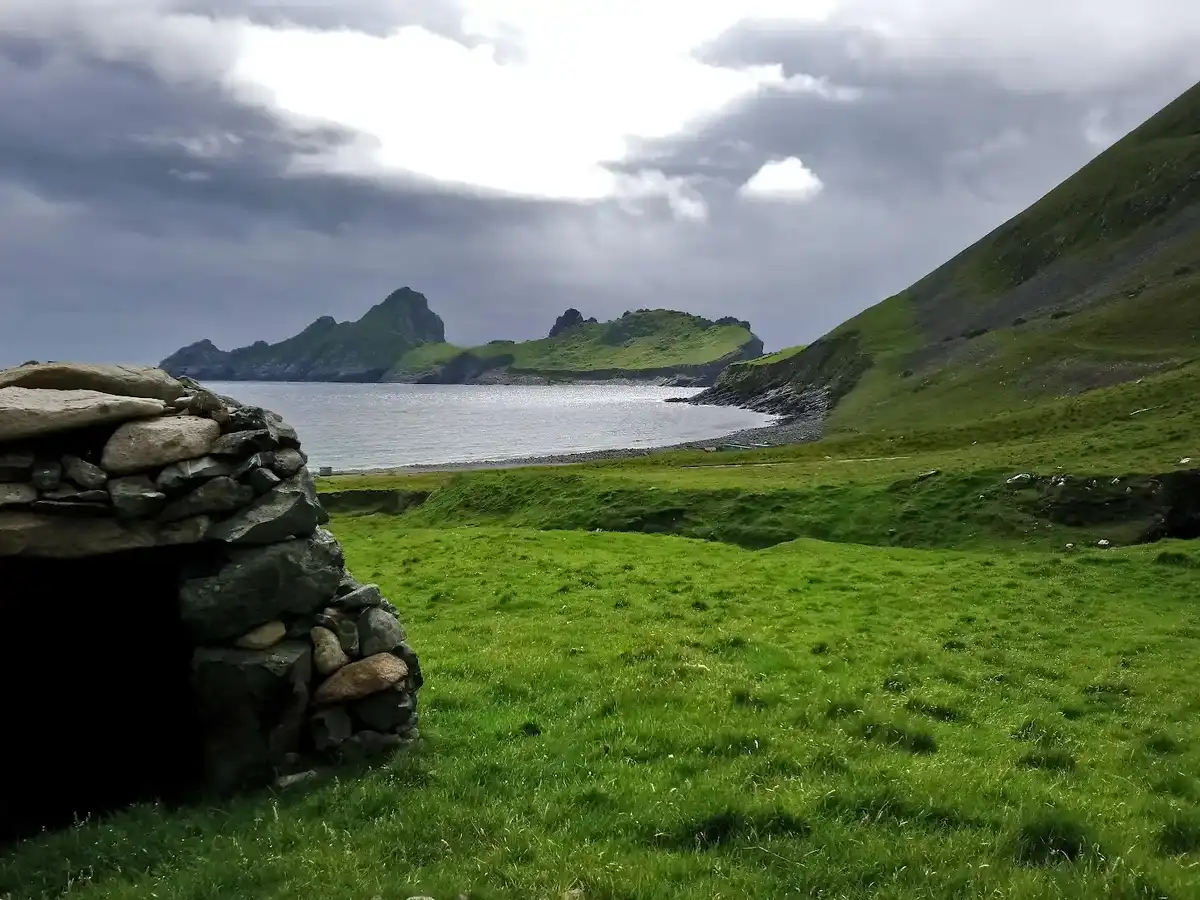
Village BayThis is the heart of St Kilda—an abandoned stone village that feels like the set of a post-apocalyptic film, only real. Walk the turf-roofed blackhouses and peer into the communal storehouses. You’ll feel the wind, the salt, and the weight of centuries of survival. The bay’s amphitheater shape is a natural windbreak, but don’t expect comfort: the hike in is exposed, and the weather is famously wild. Worth it for the raw, unfiltered sense of place.
Hirta CliffsThe highest sea cliffs in the UK. Stand at the edge (literally—there’s no fence) and watch seabirds ride the updrafts. The drop is dizzying, the Atlantic is relentless, and you’ll never forget the sound of wind howling past your ears. Getting here means a steep climb, but the payoff is a view that makes you feel like you’re … read more 👉
Hirta CliffsThe highest sea cliffs in the UK. Stand at the edge (literally—there’s no fence) and watch seabirds ride the updrafts. The drop is dizzying, the Atlantic is relentless, and you’ll never forget the sound of wind howling past your ears. Getting here means a steep climb, but the payoff is a view that makes you feel like you’re … read more 👉
Village BayThis is the heart of St Kilda—an abandoned stone village that feels like the set of a post-apocalyptic film, only real. Walk the turf-roofed blackhouses and peer into the communal storehouses. You’ll feel the wind, the salt, and the weight of centuries of survival. The bay’s amphitheater shape is a natural windbreak, but don’t expect comfort: the hike in is exposed, and the weather is famously wild. Worth it for the raw, unfiltered sense of place.
Hirta CliffsThe highest sea cliffs in the UK. Stand at the edge (literally—there’s no fence) and watch seabirds ride the updrafts. The drop is dizzying, the Atlantic is relentless, and you’ll never forget the sound of wind howling past your ears. Getting here means a steep climb, but the payoff is a view that makes you feel like you’re at the edge of the world.
The CleitsScattered across the island, these dry-stone storage huts look like Hobbit homes. Locals once used them to store everything from peat to puffins. They’re everywhere, but the best ones are off the main path—duck behind the village and you’ll find clusters with lichen-covered stones and a sense of secret history. This is a hidden gem: most visitors snap a photo and move on, but if you linger, you’ll see how the islanders engineered survival.
DùnA separate sea stack, accessible only at low tide or by boat (and only if you’re lucky with the swell). It’s a puffin metropolis in summer. If you’re a birder or just want to see nature’s comedy troupe up close, this is the spot. The crossing is not for the faint-hearted—expect to get wet.
Stac LeeThis vertical sea stack is the Everest of the North Atlantic for climbers and birders. Gannets nest here in their tens of thousands. You can’t land without special permission, but a boat trip around it is a must. The scale is humbling, and the air is thick with birds.
Oiseval HillA short, sharp hike from Village Bay, but the view is pure drama: cliffs, stacks, and the endless Atlantic. It’s quieter than the main routes, and you’ll likely have the summit to yourself. Bring a windproof jacket and a flask—this is my personal favorite for a contemplative moment above the chaos.
St Kilda MailboatA quirky tradition: locals used to send messages in waterproof containers, tossed into the sea and carried by currents to the mainland. You can still spot replicas and, if you’re lucky, join in. It’s a slice of eccentric island ingenuity you won’t find anywhere else.
Soay SheepThese ancient, wild sheep roam freely and are direct descendants of Bronze Age stock. Spotting them is like time travel—no fences, no herders, just sheep doing their thing on the windswept hills. Most tourists overlook them, but locals know their story is pure St Kilda. Hidden gem status, for sure.
St Kilda Field StationNot a museum, but a working research outpost. If you catch a scientist on a break, you might get a story about seabird tracking or weather extremes. It’s a rare peek into the ongoing life of the island.
Hirta CliffsThe highest sea cliffs in the UK. Stand at the edge (literally—there’s no fence) and watch seabirds ride the updrafts. The drop is dizzying, the Atlantic is relentless, and you’ll never forget the sound of wind howling past your ears. Getting here means a steep climb, but the payoff is a view that makes you feel like you’re at the edge of the world.
The CleitsScattered across the island, these dry-stone storage huts look like Hobbit homes. Locals once used them to store everything from peat to puffins. They’re everywhere, but the best ones are off the main path—duck behind the village and you’ll find clusters with lichen-covered stones and a sense of secret history. This is a hidden gem: most visitors snap a photo and move on, but if you linger, you’ll see how the islanders engineered survival.
DùnA separate sea stack, accessible only at low tide or by boat (and only if you’re lucky with the swell). It’s a puffin metropolis in summer. If you’re a birder or just want to see nature’s comedy troupe up close, this is the spot. The crossing is not for the faint-hearted—expect to get wet.
Stac LeeThis vertical sea stack is the Everest of the North Atlantic for climbers and birders. Gannets nest here in their tens of thousands. You can’t land without special permission, but a boat trip around it is a must. The scale is humbling, and the air is thick with birds.
Oiseval HillA short, sharp hike from Village Bay, but the view is pure drama: cliffs, stacks, and the endless Atlantic. It’s quieter than the main routes, and you’ll likely have the summit to yourself. Bring a windproof jacket and a flask—this is my personal favorite for a contemplative moment above the chaos.
St Kilda MailboatA quirky tradition: locals used to send messages in waterproof containers, tossed into the sea and carried by currents to the mainland. You can still spot replicas and, if you’re lucky, join in. It’s a slice of eccentric island ingenuity you won’t find anywhere else.
Soay SheepThese ancient, wild sheep roam freely and are direct descendants of Bronze Age stock. Spotting them is like time travel—no fences, no herders, just sheep doing their thing on the windswept hills. Most tourists overlook them, but locals know their story is pure St Kilda. Hidden gem status, for sure.
St Kilda Field StationNot a museum, but a working research outpost. If you catch a scientist on a break, you might get a story about seabird tracking or weather extremes. It’s a rare peek into the ongoing life of the island.
Spotted a mistake or missing something? Contact us.
 Best Backpacking
.jpg) Hi, I’m Johan (Netherlands 🇳🇱), the creator of TakeYourBackpack. Over the past 3 decades, I’ve backpacked through 90+ countries across six continents, gaining extensive experience with independent travel, long-term trips, and overland routes.
Hi, I’m Johan (Netherlands 🇳🇱), the creator of TakeYourBackpack. Over the past 3 decades, I’ve backpacked through 90+ countries across six continents, gaining extensive experience with independent travel, long-term trips, and overland routes.