v2.webp)
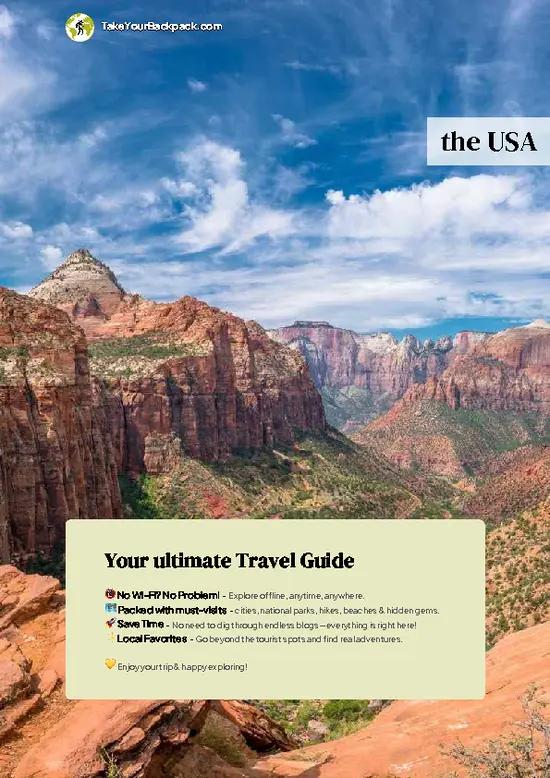
- Grand Canyon South Rim: The sight everyone searches for, with the rim trail free to walk and the park entry around US$35 per vehicle. Go early for quiet overlooks.
- Antelope Canyon: Light-carved sandstone near Page, visited only on Navajo-led tours.
- Horseshoe Bend: A short walk to a cliff edge above a tight Colorado River curve.
- Sedona’s Cathedral Rock: A steep, short scramble with red-rock views over Oak Creek.
- Monument Valley: Mesas and buttes on Navajo Tribal Park land, with a rough loop drive and local guides.
- Saguaro National Park: Forests of giant cacti beside Tucson, best for sunset walks.
- Canyon de Chelly: A living Navajo canyon with cliff dwellings, seen by guided tour or from rim overlooks, and often quieter than the famous canyons.
- Petrified Forest National Park: Colorful logs turned to
- Grand Canyon South Rim: The sight everyone searches for, with the rim trail free to walk and the park entry around US$35 per vehicle. Go early for quiet overlooks.
- Antelope Canyon: Light-carved sandstone near Page, visited only on Navajo-led tours.
- Horseshoe Bend: A short walk to a cliff edge above a tight Colorado River curve.
- Sedona’s Cathedral Rock: A steep, short scramble with red-rock views over Oak Creek.
- Monument Valley: Mesas and buttes on Navajo Tribal Park land, with a rough loop drive and local guides.
- Saguaro National Park: Forests of giant cacti beside Tucson, best for sunset walks.
- Canyon de Chelly: A living Navajo canyon with cliff dwellings, seen by guided tour or from rim overlooks, and often quieter than the famous canyons.
- Petrified Forest National Park: Colorful logs turned to stone and painted badlands, easy to drive through and rarely crowded.
- Tombstone: The Old West town of the O.K. Corral, touristy but fun for an hour.
- Chiricahua National Monument: Balanced rock pillars in the southeast, with quiet trails few tourists reach.
Spotted a mistake or missing something? Contact us.

Epic Camelback Mountain Guided Hiking Adventure in Phoenix, Arizona

2 Hr Private Jeep Tour Old Bisbee Open Pits Lowell - Local Guide

Private Grand Canyon Hike and Sightseeing Tour

Canyoneering Adventure in Phoenix

2 Hour Sonoran Desert Private Guided Mountain Bike Tour

Grand Canyon Sunset Hiking Adventure Deep Below The South Rim

The Sedona Experience - Hiking, Lunch and Wine Tasting (Private Tour)

Emerald Cave Kayak Rental | Willow Beach Colorado River Las Vegas

Private White Pocket Expedition: A Journey into Vermilion Cliffs


 Best Backpacking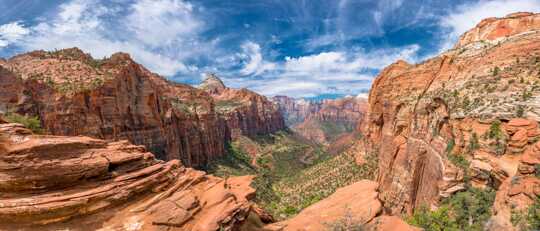
.jpg) Hi, I’m Johan (Netherlands 🇳🇱), the creator of TakeYourBackpack. Over the past 3 decades, I’ve backpacked through 90+ countries across six continents, gaining extensive experience with independent travel, long-term trips, and overland routes.
Hi, I’m Johan (Netherlands 🇳🇱), the creator of TakeYourBackpack. Over the past 3 decades, I’ve backpacked through 90+ countries across six continents, gaining extensive experience with independent travel, long-term trips, and overland routes.