×

United States🇺🇸 | best regionsBest 10 regions in the USA

In the United States (USA), the landscape is as diverse as its people, and choosing the right region can make or break your backpacking adventure. Each area offers a unique blend of climate, landscapes, and cultural character that shapes your experience. From the sun-soaked beaches of California to the rugged mountains of Colorado, the USA is a patchwork of environments that cater to different travel styles and budgets.

Regions vary not just in scenery but also in seasonal nuances. For instance, the Pacific Northwest is a lush paradise in summer but can be a soggy mess in winter. Meanwhile, the Southwest bakes under the sun, making it ideal for winter escapes but sweltering in summer. Understanding these patterns is crucial for independent travelers looking to maximize their experience.

Your choice of region impacts everything: the vibe of your trip, your safety, and even your ease of travel. Some areas are backpacker-friendly, with well-marked trails and affordable hostels, while others may require a bit more planning and cash. Ultimately, the right region not only enhances your cultural immersion but also helps you navigate the absurdities of travel with a bit more grace. Choose wisely, and let the adventure unfold.

By Johan Kruseman 🇳🇱 | Updated June 30, 2026
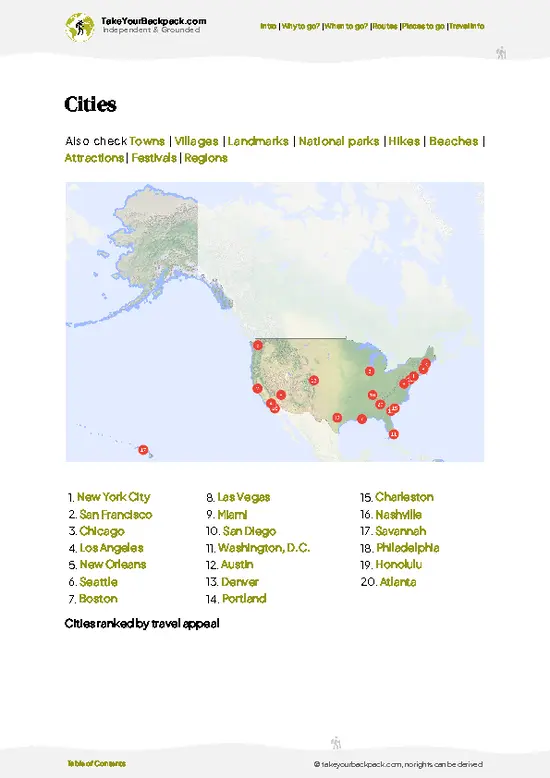
Explore the best cities in the USA

Why go?Why Travelers Love These Spots

The USA is a vast tapestry of climatic diversity, cultural character, and stunning landscapes, making it a unique playground for travelers. From the sun-soaked beaches of California to the snow-capped peaks of the Rockies, the geographical variety is staggering. This diversity means that a single trip can offer everything from desert hikes to lush forest trails, but it also presents a classic travel dilemma: how to balance time, money, and comfort.

Traveling across the USA often requires significant time investment. The distances between regions can be daunting. A drive from New York to Los Angeles is a cross-country odyssey, while a flight can be pricey and time-consuming. This trade-off means that while you can experience a breadth of landscapes and cultures, you may sacrifice depth in … read more 👉
The USA is a vast tapestry of climatic diversity, cultural character, and stunning landscapes, making it a unique playground for travelers. From the sun-soaked beaches of California to the snow-capped peaks of the Rockies, the geographical variety is staggering. This diversity means that a single trip can offer everything from desert hikes to lush forest trails, but it also presents a classic travel dilemma: how to balance time, money, and comfort.

Traveling across the USA often requires significant time investment. The distances between regions can be daunting. A drive from New York to Los Angeles is a cross-country odyssey, while a flight can be pricey and time-consuming. This trade-off means that while you can experience a breadth of landscapes and cultures, you may sacrifice depth in each region. Spending a week in one area allows for immersion in local customs and traditions, but hopping from coast to coast in a week leaves little room for meaningful exploration.

Culturally, the USA is a melting pot, shaped by waves of immigration and historical events. Each region boasts its own unique identity, from the jazz-infused streets of New Orleans to the tech-driven culture of Silicon Valley. However, this cultural richness can sometimes feel superficial if travelers rush through. The infrastructure is generally robust, with a well-connected network of highways and airports, but the experience can be diluted if one doesn’t take the time to engage with local communities.

Climatic factors also play a crucial role in travel planning. The USA experiences everything from tropical storms in Florida to blizzards in the Northeast. Understanding these patterns can help travelers choose the best times to visit specific regions, but it also means that some areas may be less accessible during certain seasons. For example, winter sports enthusiasts flock to the Rockies, but summer travelers may find the heat in the Southwest unbearable.

Ultimately, the USA is well-suited for those who appreciate variety and are willing to navigate its complexities. The trade-offs are clear: a whirlwind tour offers a taste of many experiences, but a slower pace allows for deeper connections and richer memories. Travelers should weigh their priorities carefully, considering how much time they can dedicate to each region versus the breadth of experiences they wish to encounter. The journey through the USA is as much about the choices made as it is about the destinations reached.
How the List Was Created
The list of best regions in the USA is created based on landscapes, local culture, attractions, vibes, and overall appeal. If you feel a region is missing in this list, please let us know.

When to go?Seasonal Guide to Visiting

Climate Variation

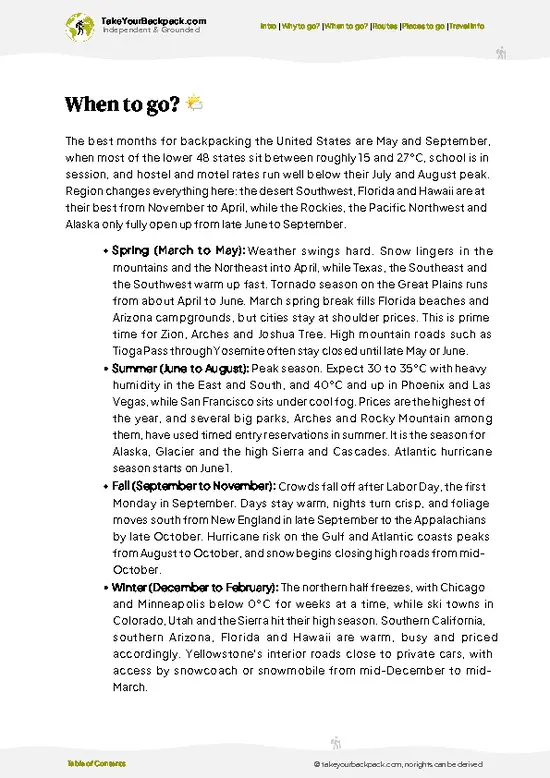
The USA is a vast patchwork of climates. From the sweltering deserts to the frigid tundras, understanding seasonal variations is crucial. Winter can blanket the northern regions in snow, while the south basks in mild temperatures. This means that timing your visit can significantly affect comfort and experience.

Optimal Months

Spring and fall are often the sweet spots for many regions. During these shoulder seasons, the weather is generally pleasant, and crowds are thinner. This translates to lower costs and a more relaxed experience. Summer, while vibrant, can bring sweltering heat in some areas and a flood of tourists in others. Conversely, winter offers unique experiences, but the cold can be a deterrent for those seeking comfort.

Shoulder Seasons

Traveling during … read more 👉

Climate Variation

The USA is a vast patchwork of climates. From the sweltering deserts to the frigid tundras, understanding seasonal variations is crucial. Winter can blanket the northern regions in snow, while the south basks in mild temperatures. This means that timing your visit can significantly affect comfort and experience.

Optimal Months

Spring and fall are often the sweet spots for many regions. During these shoulder seasons, the weather is generally pleasant, and crowds are thinner. This translates to lower costs and a more relaxed experience. Summer, while vibrant, can bring sweltering heat in some areas and a flood of tourists in others. Conversely, winter offers unique experiences, but the cold can be a deterrent for those seeking comfort.

Shoulder Seasons

Traveling during shoulder seasons can be a savvy choice. Expect fewer crowds and better deals on accommodations. However, be prepared for unpredictable weather. Spring might surprise with a late snow, while fall could bring early chills. The trade-off here is between comfort and the chance to explore without the hustle of peak season.

Peak Periods

Certain times of year draw massive crowds, particularly around holidays and major events. These peak periods can lead to inflated prices and long lines. If the goal is to experience the local culture, timing your visit to avoid these peaks can enhance the experience. However, some festivals and events are worth braving the crowds for, as they offer a unique glimpse into regional traditions.

Seasonal Constraints

Travelers should also consider seasonal constraints. Some attractions may close in winter, while summer heat can limit outdoor activities. Rainy seasons can dampen plans in certain areas, while others may be prone to hurricanes. Understanding these factors can help in planning a trip that maximizes enjoyment while minimizing discomfort.

Trade-Offs

Ultimately, the decision boils down to balancing comfort, experience, and timing. Choosing to visit during peak season might mean sacrificing comfort for vibrant experiences, while off-peak travel can provide a more relaxed atmosphere but at the risk of less favorable weather. Each choice carries its own set of rewards and challenges, making it essential to weigh the options carefully.

region hoppingOptimizing Your Multi-Stop Itinerary

Combining Regions in the USA


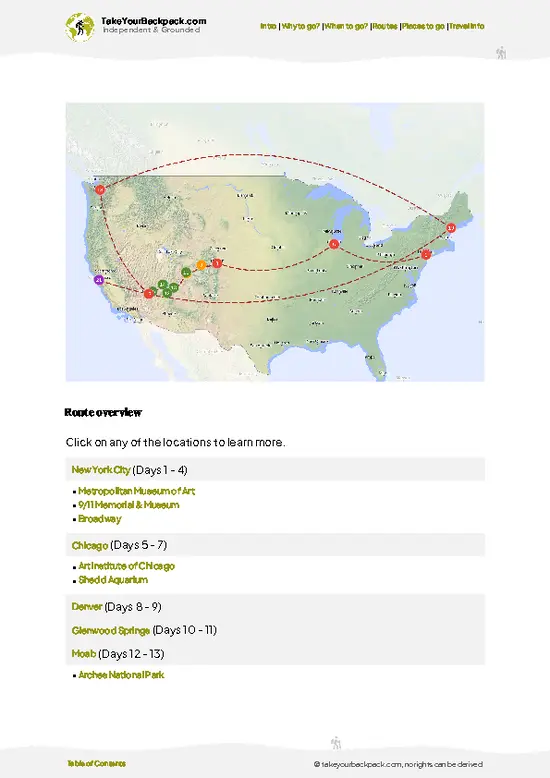
Traveling across the USA can feel like a game of Tetris, where you’re trying to fit in as many regions as possible without losing your sanity. The key is to cluster regions that make sense geographically. Start with the East Coast, then head south, or kick off in the Pacific Northwest and work your way down the coast. This reduces backtracking, which is a surefire way to waste time and fuel—unless you enjoy the thrill of watching your budget evaporate.

Routing Logic


Consider the natural flow of the landscape. For instance, if you’re starting in New York, a logical route might take you through the Mid-Atlantic, then down to the Southeast. This way, you can soak in the history of Philadelphia, the charm of Charleston, and the vibrant culture of New Orleans without … read more 👉

Combining Regions in the USA


Traveling across the USA can feel like a game of Tetris, where you’re trying to fit in as many regions as possible without losing your sanity. The key is to cluster regions that make sense geographically. Start with the East Coast, then head south, or kick off in the Pacific Northwest and work your way down the coast. This reduces backtracking, which is a surefire way to waste time and fuel—unless you enjoy the thrill of watching your budget evaporate.

Routing Logic


Consider the natural flow of the landscape. For instance, if you’re starting in New York, a logical route might take you through the Mid-Atlantic, then down to the Southeast. This way, you can soak in the history of Philadelphia, the charm of Charleston, and the vibrant culture of New Orleans without zigzagging across the map like a confused chicken. Aim for a mix of urban and natural attractions to keep things fresh.

Time Management


Typical time spent at each stop should be around two to three days for cities and a bit longer for national parks. This pacing allows for exploration without feeling like you’re on a forced march. Remember, the USA is vast, and driving from one region to another can take a chunk of your day. Factor in travel time when planning your itinerary.

Common Mistakes


One common pitfall is trying to see too much too quickly. It’s tempting to cram in every iconic landmark, but this often leads to burnout. Instead, prioritize experiences that resonate with your interests. If you’re a foodie, spend extra time in regions known for their culinary scenes. If you’re a nature lover, focus on national parks and scenic routes.

Trade-Offs


Every choice comes with trade-offs. Speed versus depth is a classic dilemma. Rushing through regions might save time but will likely leave you with a hollow experience. On the flip side, lingering in one area can lead to higher costs, especially in tourist-heavy spots. Budget versus comfort is another balancing act. Sometimes, spending a bit more on a cozy place to stay can recharge your batteries for the next leg of your journey.

Flexibility is crucial. Plans can change, and that’s part of the adventure. Embrace the unexpected detours; they often lead to the most memorable experiences. In the end, it’s about crafting a trip that feels right for you, blending the thrill of exploration with the joy of discovery.

The ListThe Best regions of the USA

1 California

Pacific coast, Sierra peaks, wine valleys

Drive winding coastal highways, trek among ancient forests, and sample produce from fertile valleys that feed both cities and travelers.

united-states-region-california
© Google | Saeed Ullah

2 Hawaii

Volcanic peaks, black sand beaches, rainforests

Swim in warm Pacific waters, hike through lush valleys, and witness landscapes shaped by ongoing volcanic activity.

3 New York

Skyscrapers, Adirondack wilderness, Finger Lakes

Move from dense urban neighborhoods to remote forests, exploring both world-class culture and quiet natural escapes.

4 Florida

Everglades, coral reefs, subtropical islands

Paddle through wetlands, snorkel vibrant marine habitats, and experience a blend of cultures shaped by sun and sea.

united-states-region-florida
© Google | Delvisd

5 Alaska

Glaciers, remote wilderness, northern lights

Venture into vast landscapes where wildlife outnumbers people, ice fields dominate the horizon, and the sky glows with auroras in winter.

united-states-region-alaska
© Google | Neha Kankar

6 Arizona

Desert canyons, red rock, saguaro country

Hike through sculpted sandstone, experience the stark beauty of the Sonoran desert, and watch sunsets ignite the horizon.

united-states-region-arizona
© Google | Neha Kankar

7 Colorado

Rocky Mountains, alpine lakes, mining towns

Ascend high passes, explore historic settlements, and breathe thin air where outdoor adventure and mountain culture meet.

united-states-region-colorado
© Google | Annette Beede

8 Utah

Red rock arches, salt flats, alpine plateaus

Scramble through canyons, camp beneath star-filled skies, and explore a state defined by dramatic geology and open space.

united-states-region-utah
© Google | Jordan Johnson

9 Washington

Rainforests, volcanic peaks, Puget Sound

Hike mossy trails, watch orcas from ferries, and explore a region where wild landscapes meet innovative cities.

10 Oregon

Cascades, rugged coast, craft breweries

Hike volcanic peaks, watch waves crash on basalt cliffs, and sample local food and drink in creative small towns.

11 Montana

Big sky, prairies, Glacier peaks

Drive open highways, spot wildlife in vast parks, and hike among mountains that rise abruptly from rolling grasslands.

united-states-region-montana
© Google | Neha Kankar

12 Nevada

Mojave desert, casino cities, ghost towns

Cross arid basins, explore abandoned mining camps, and experience stark contrasts between wilderness and neon-lit streets.

united-states-region-nevada
© Google | Neha Kankar

13 Wyoming

Yellowstone, high plains, cowboy towns

Watch geysers erupt, hike open ranges, and experience a landscape where wildlife and western culture still define daily life.

14 Glacier Bay

Tidewater glaciers, fjords, humpback whales

Cruise icy inlets, watch glaciers calve into the sea, and spot marine mammals in a remote, protected wilderness.

united-states-region-glacier-bay
© Google | Denyse Morin

15 Texas

Hill Country, Gulf plains, borderlands

Drive endless highways, experience diverse food scenes, and explore landscapes that shift from desert to pine forest.

united-states-region-texas
© Google |

16 Massachusetts

Cape Cod beaches, Ivy League, Revolutionary sites

Tour historic battlefields, wander university towns, and relax on sandy spits that stretch into the Atlantic.

17 Illinois

Great Lakes shore, prairies, urban skyline

Experience the energy of a major city, then escape to quiet plains and lakeside parks that offer a different pace.

18 Louisiana

Bayous, Creole cuisine, French Quarter

Listen to live music, paddle through cypress swamps, and experience a blend of cultures found nowhere else in the country.

united-states-region-louisiana
© Google | Tunisha Sharma

19 Tennessee

Smoky Mountains, music halls, whiskey distilleries

Hike misty ridges, listen to live performances, and sample local spirits in a region with deep musical roots.

20 South Carolina

Sea islands, live oaks, plantation gardens

Wander shaded avenues, visit preserved estates, and explore a coastline shaped by tides and centuries of layered history.

21 North Carolina

Blue Ridge, Outer Banks, barbecue pits

Drive mountain parkways, walk wild beaches, and sample regional food traditions rooted in both land and sea.

22 Maine

Rocky coast, pine forests, lobster boats

Walk windswept shorelines, eat fresh seafood at working harbors, and explore lighthouses perched above the Atlantic.

united-states-region-maine
© Google | Michael Timpson

23 Vermont

Green Mountains, maple groves, covered bridges

Cycle quiet backroads, hike wooded slopes, and visit small towns known for local food and seasonal color.

united-states-region-vermont
© Google | Randolfo Santos

24 New Mexico

High desert, adobe villages, ancient ruins

Wander through pueblos, hike red rock canyons, and experience a blend of Native, Hispanic, and frontier influences.

25 Georgia

Peach orchards, barrier islands, antebellum towns

Sample regional cuisine, wander moss-draped streets, and explore coastal marshes teeming with wildlife.

united-states-region-georgia
© Google | Randolfo Santos

26 Michigan

Great Lakes, sand dunes, auto heritage

Swim in freshwater, hike forested trails along the shore, and explore cities shaped by industry and innovation.

united-states-region-michigan
© Google | Neha Kankar

27 Minnesota

Boundary waters, northern forests, lake country

Paddle remote waterways, fish in clear lakes, and experience a landscape defined by water and changing seasons.

28 Pennsylvania

Appalachian ridges, Amish farms, steel towns

Walk forested trails, tour rural markets, and explore cities that reflect both industrial heritage and colonial history.

united-states-region-pennsylvania
© Google | Manav Suresh

29 Virginia

Blue Ridge Parkway, colonial sites, Chesapeake inlets

Drive scenic mountain routes, tour historic towns, and paddle tidal waterways that connect the past to the present.

30 Maryland

Chesapeake Bay, crab shacks, colonial ports

Kayak tidal inlets, sample local seafood, and visit towns shaped by maritime history and the rhythms of the bay.

united-states-region-maryland
© Google | Neha Kankar

31 South Dakota

Black Hills, Badlands, prairie grasslands

Climb granite spires, watch bison roam, and explore landscapes marked by both natural wonders and monumental sculptures.

united-states-region-south-dakota
© Google | Cory Bowe

32 Idaho

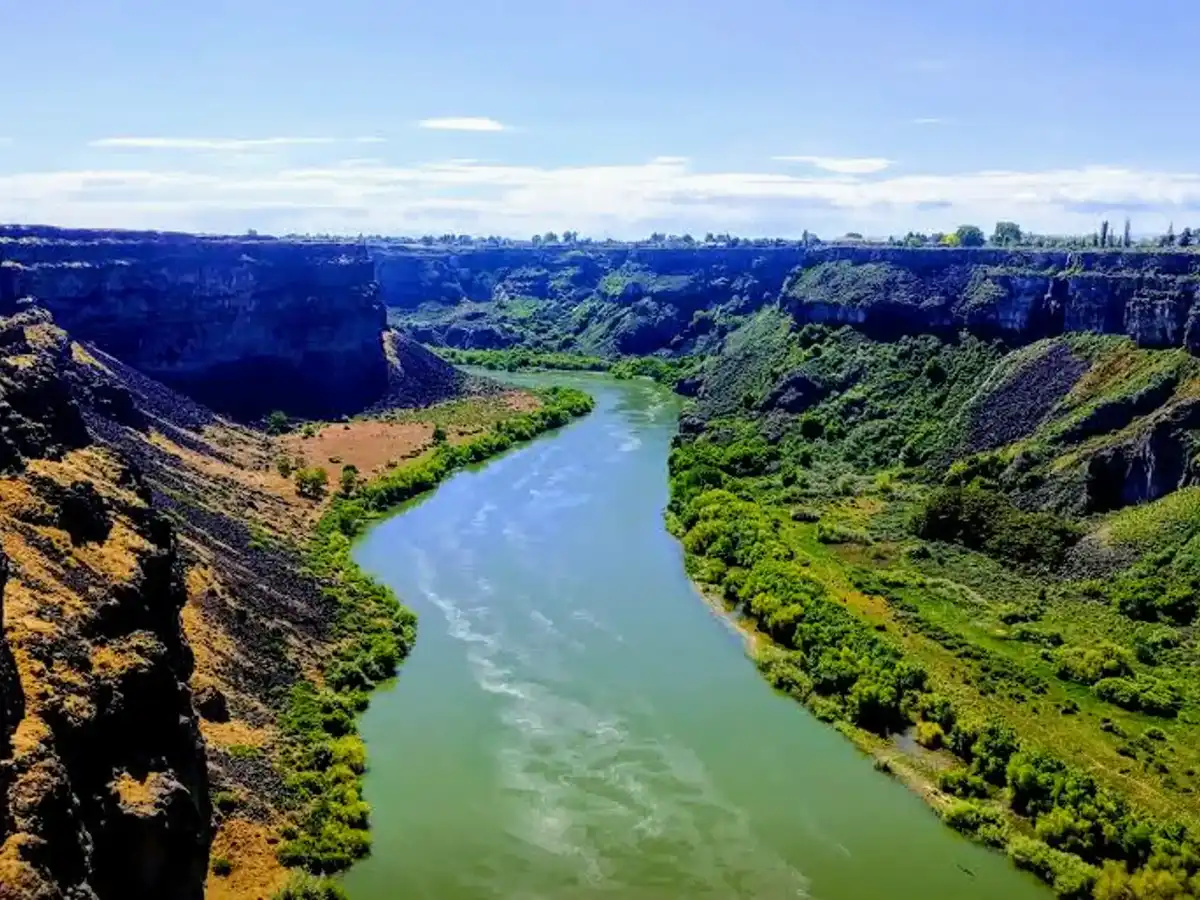
Sawtooth mountains, river canyons, potato fields

Raft wild rivers, camp beneath rugged peaks, and travel through agricultural heartlands dotted with small towns.

united-states-region-idaho
© Google | Jon Chiyeg

33 Wisconsin

Driftless hills, dairy farms, Northwoods lakes

Paddle quiet waters, sample local cheeses, and explore rolling countryside dotted with barns and small communities.

34 Kentucky

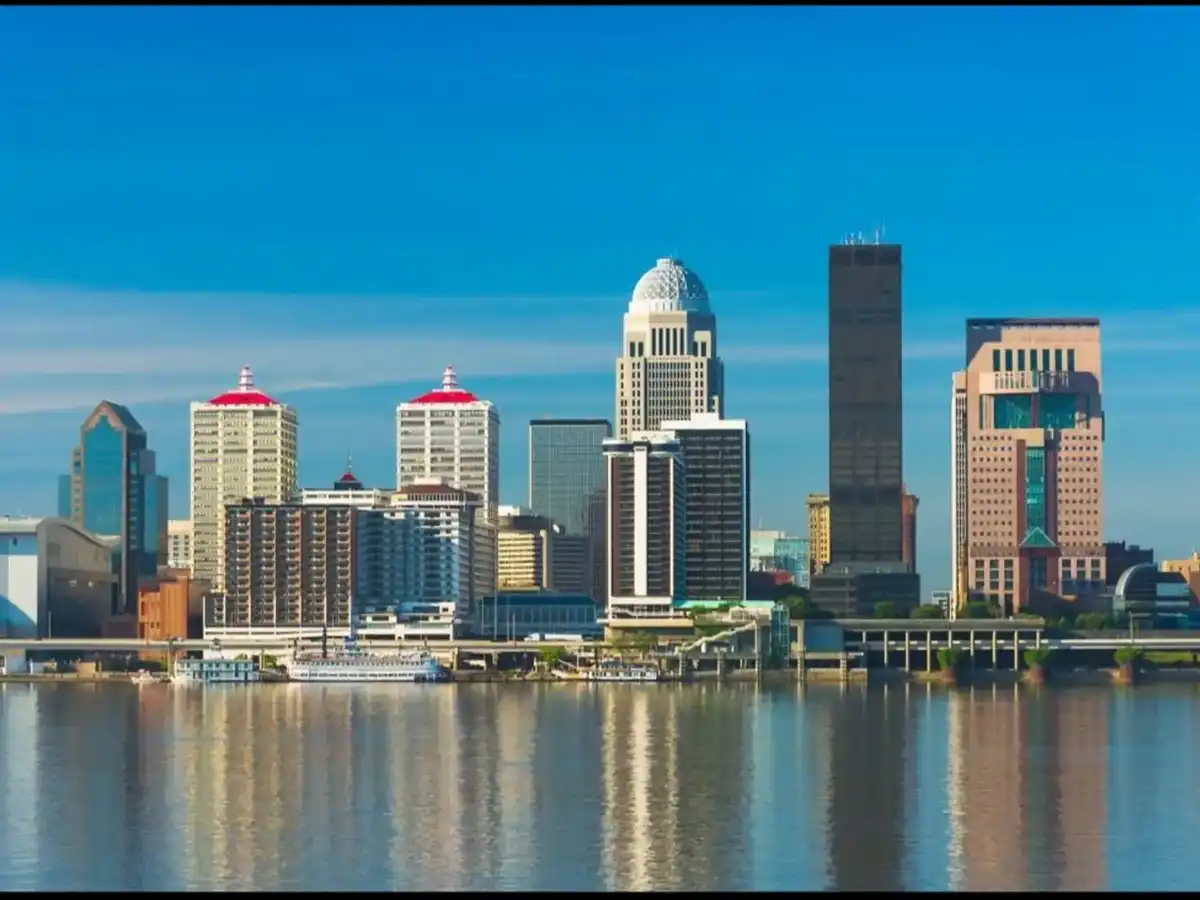
Bluegrass hills, bourbon distilleries, horse farms

Tour working stables, sample local spirits, and hike through rolling countryside known for its music and traditions.

united-states-region-kentucky
© Google | Neha Kankar

35 Rhode Island

Gilded mansions, sailing harbors, rocky coves

Tour historic estates, kayak sheltered bays, and enjoy a compact coastline dotted with seafood shacks and quiet beaches.

united-states-region-rhode-island
© Google | Neha Kankar

36 Connecticut

Colonial villages, maritime towns, rolling hills

Stroll through centuries-old streets, visit quiet harbors, and enjoy a landscape shaped by rivers and New England traditions.

united-states-region-connecticut
© Google | Neha Kankar

37 New Jersey

Boardwalks, Pine Barrens, suburban sprawl

Stroll lively beaches, hike through dense forests, and navigate a patchwork of towns between major urban centers.

38 Missouri

Ozark mountains, river caves, barbecue joints

Canoe spring-fed streams, tour underground caverns, and sample regional food in towns with deep musical roots.

39 Indiana

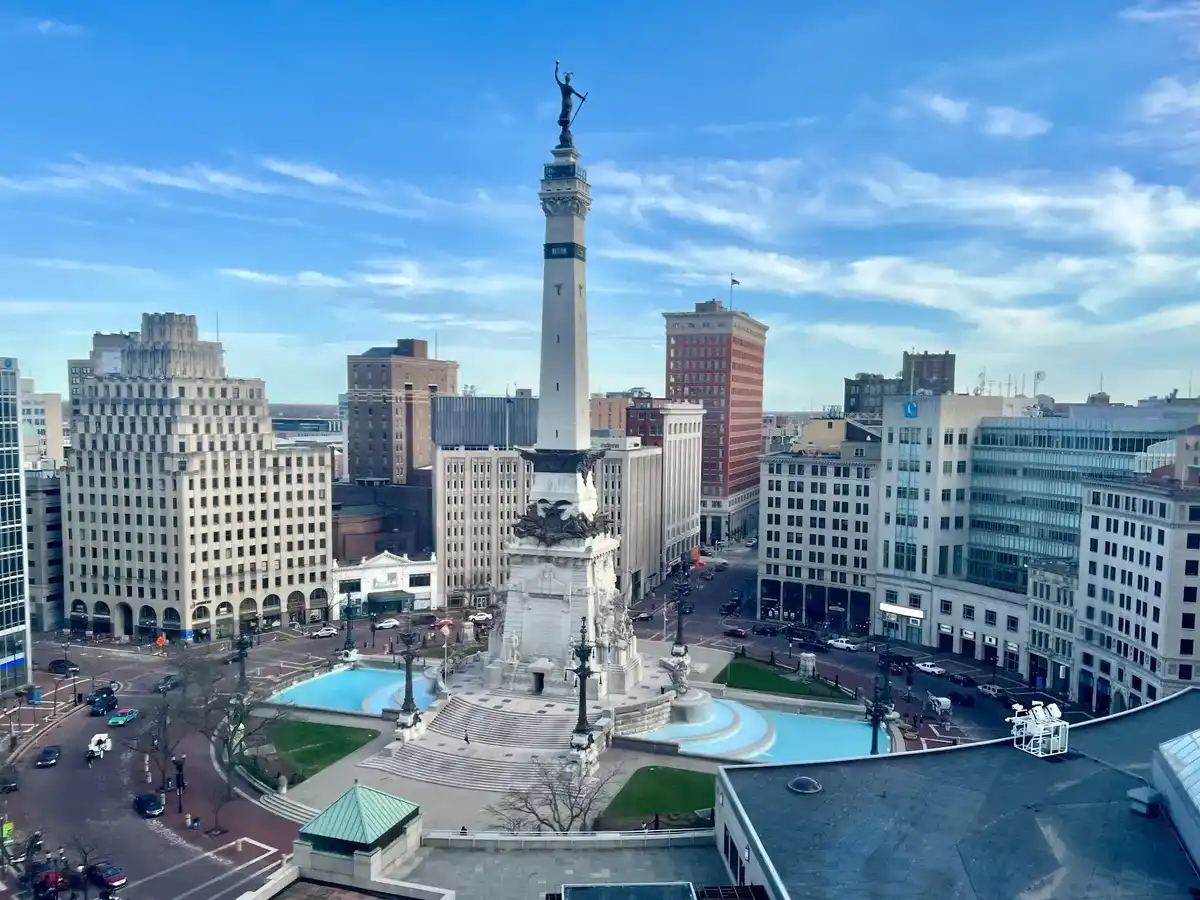
Covered bridges, cornfields, limestone quarries

Drive scenic byways, attend local fairs, and explore small towns rooted in agricultural and industrial heritage.

united-states-region-indiana
© Google | Alex Giles

40 Ohio

Lake Erie shore, Amish country, industrial cities

Tour rural landscapes by bike, visit vibrant neighborhoods, and explore a state shaped by both agriculture and manufacturing.

41 West Virginia

Appalachian hollows, coal heritage, whitewater rivers

Raft fast-moving streams, hike forested ridges, and visit towns shaped by mining and mountain traditions.

42 Arkansas

Ozark hills, hot springs, diamond fields

Discover forested trails, soak in thermal waters, and try your luck searching for natural gems in a state shaped by rivers and ridges.

united-states-region-arkansas
© Google | Tim Parker

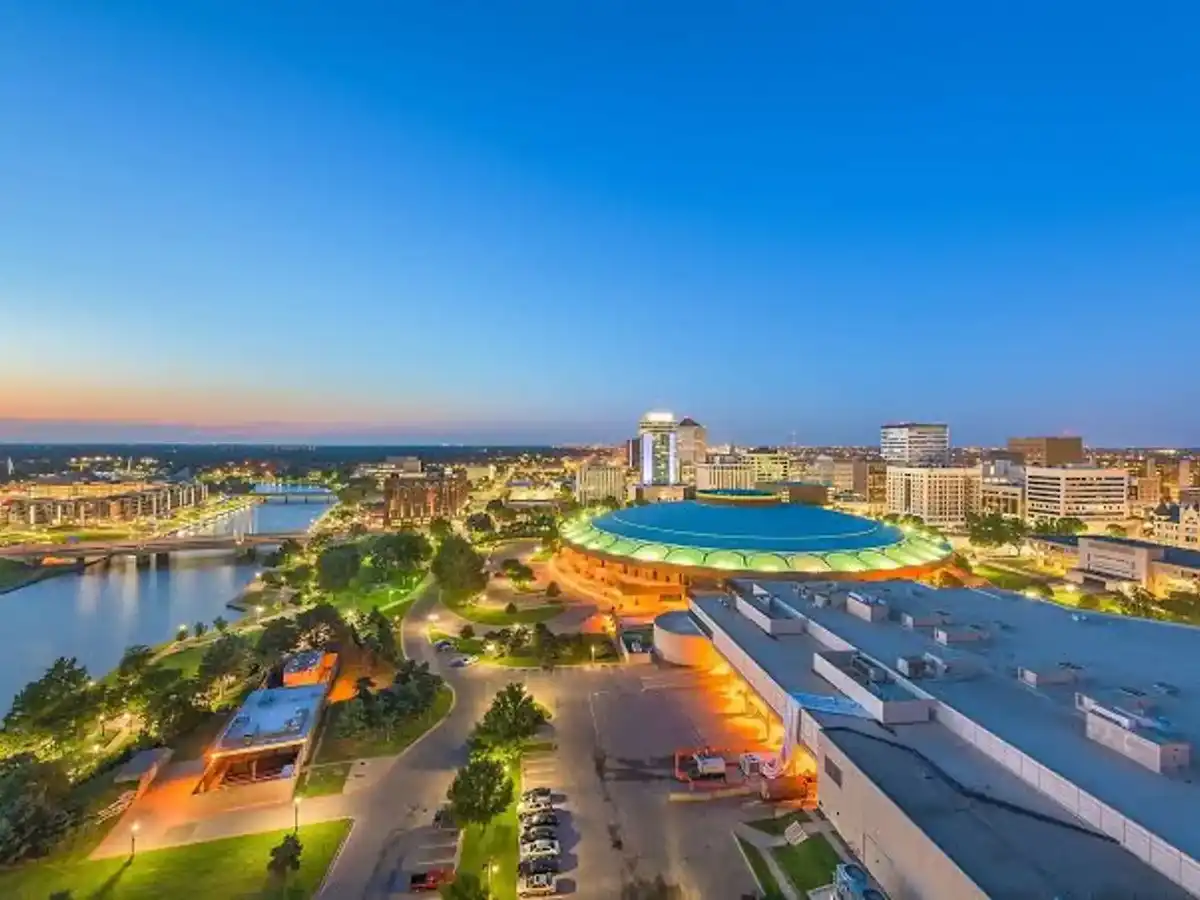
43 Oklahoma

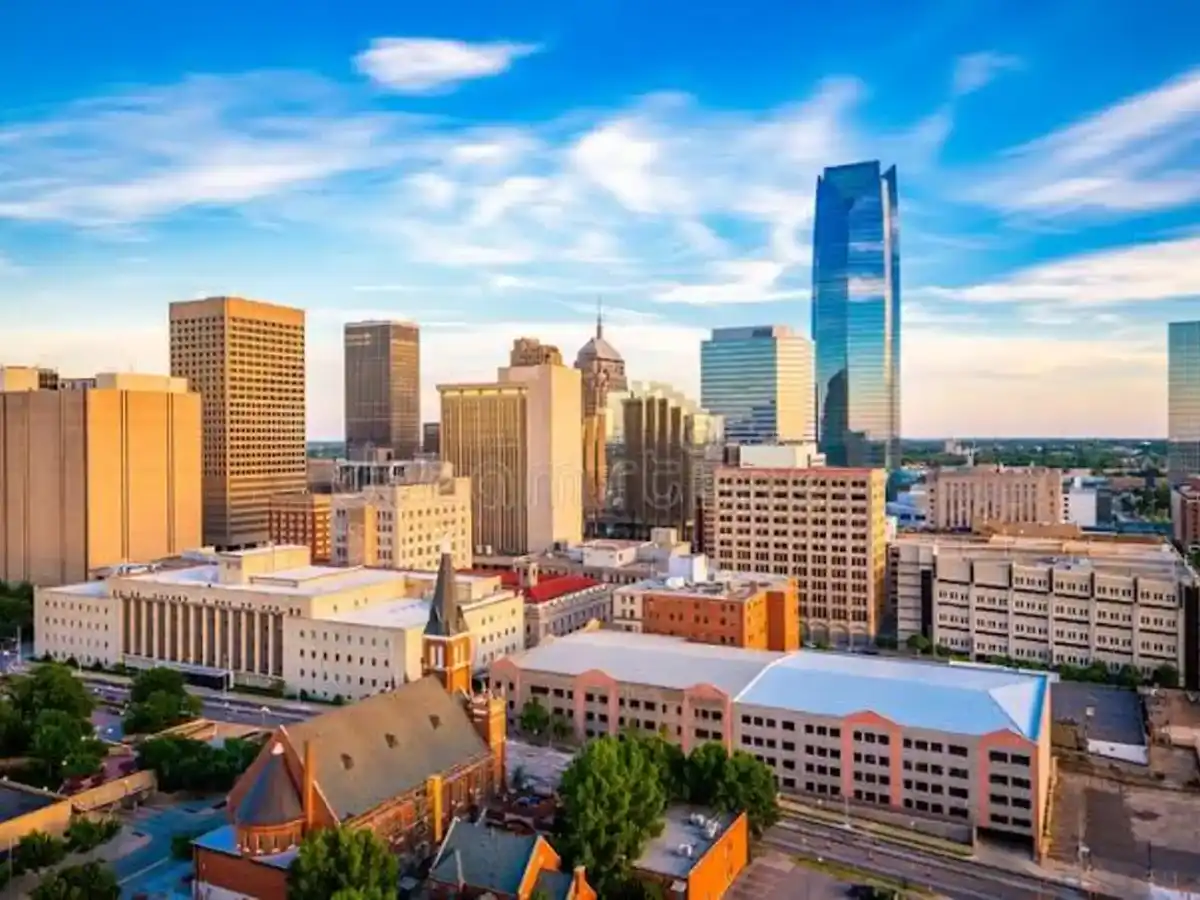
Tallgrass prairie, Route 66, Native nations

Drive historic highways, visit tribal museums, and experience landscapes that shift from rolling grasslands to red earth.

united-states-region-oklahoma
© Google | Neha Kankar

44 Iowa

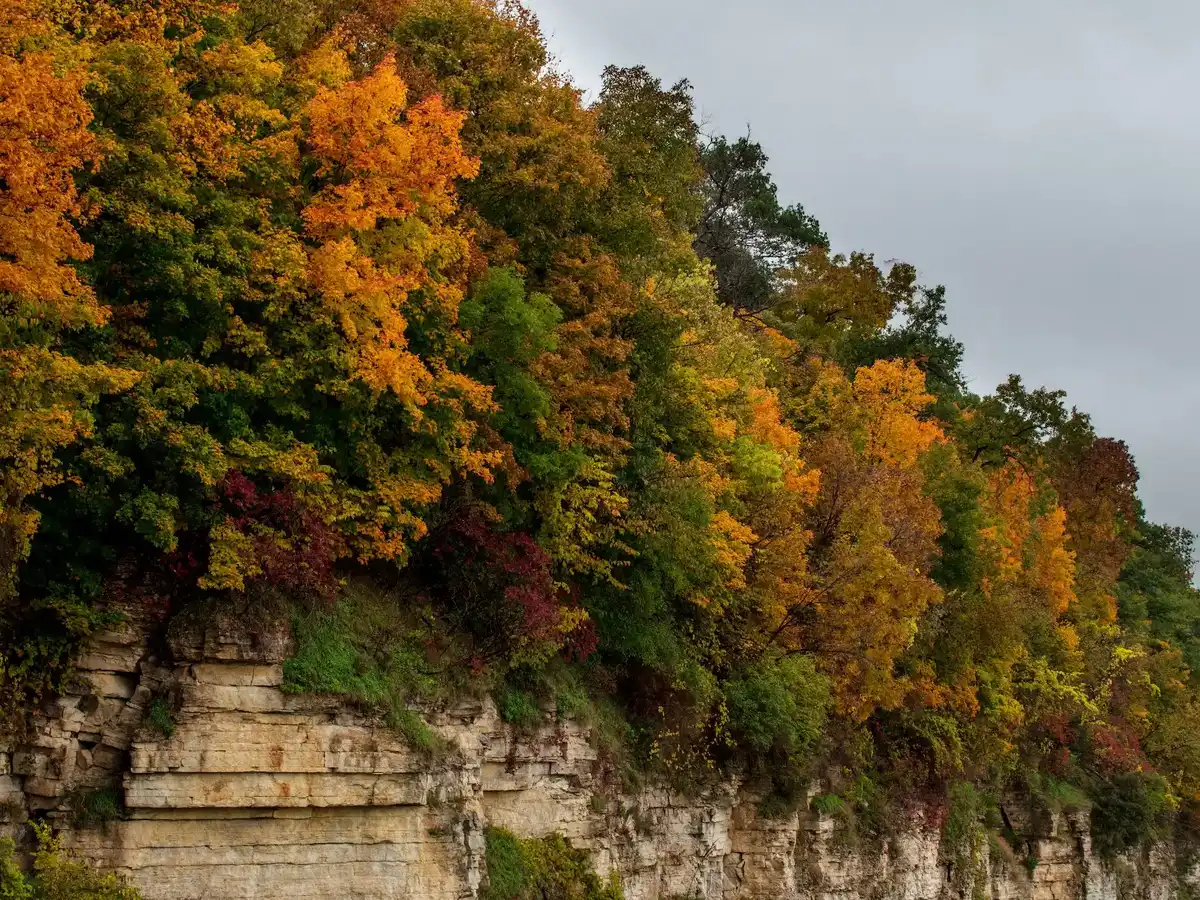
Rolling farmland, river bluffs, county fairs

Cycle rural roads, visit historic river towns, and experience a landscape shaped by agriculture and seasonal festivals.

united-states-region-iowa
© Google | Paul Herold

45 Nebraska

Sandhills, Platte River, pioneer trails

Watch migrating cranes, camp under wide skies, and trace the routes of westward expansion through quiet countryside.

united-states-region-nebraska
© Google | Tunisha Sharma

46 Kansas

Tallgrass prairie, windmills, small towns

Watch endless skies over open plains, explore preserved grasslands, and find quiet communities along historic trails.

united-states-region-kansas
© Google | Neha Kankar

47 North Dakota

Badlands, prairie potholes, frontier forts

Hike rugged hills, watch migrating birds, and visit sites that recall the region’s indigenous and pioneer past.

48 Mississippi

Delta blues, river towns, antebellum homes

Follow the roots of American music, visit historic plantations, and explore landscapes shaped by the mighty river.

49 Delaware

Atlantic beaches, historic estates, tax-free shopping

Relax on sandy shores, tour preserved mansions, and take advantage of easy access to urban centers without the crowds.

united-states-region-delaware
© Google | Moises Almosny

Think you know the USA?

Prove you’re a true local — uncover 39 lesser-known regions in the USA that locals tend to keep to themselves.
Loading the map 🌍

Expert viewWhat You Should Know

Regions to Explore
The USA is a vast playground, and while it’s tempting to try to see it all, I’d recommend focusing on three to five regions. This allows you to dive deeper into each area’s unique culture, food, and vibe. Think of it as savoring a fine wine rather than chugging it down. Each region has its own flavor, and rushing through them is like skipping the best parts of a good story.

Time Trade-Offs
Time is your most precious currency. If you’re planning to hop from coast to coast, expect to spend a good chunk of your trip in transit. Flights can be quick, but don’t forget about the time spent in airports, security lines, and potential delays. If you’re driving, well, that’s a whole different adventure. The open road is calling, but it’s also a time sink. A cross-country drive … read more 👉
Regions to Explore
The USA is a vast playground, and while it’s tempting to try to see it all, I’d recommend focusing on three to five regions. This allows you to dive deeper into each area’s unique culture, food, and vibe. Think of it as savoring a fine wine rather than chugging it down. Each region has its own flavor, and rushing through them is like skipping the best parts of a good story.

Time Trade-Offs
Time is your most precious currency. If you’re planning to hop from coast to coast, expect to spend a good chunk of your trip in transit. Flights can be quick, but don’t forget about the time spent in airports, security lines, and potential delays. If you’re driving, well, that’s a whole different adventure. The open road is calling, but it’s also a time sink. A cross-country drive can take weeks if you want to enjoy the scenery, so plan accordingly.

If you’re short on time, consider focusing on regions that are geographically close. The Northeast and the Mid-Atlantic, for example, are packed with history and culture, and you can easily hit multiple states in a week. On the flip side, the Pacific Northwest and the Southwest are more spread out, so you’ll need to budget more time to really appreciate what they offer.

Budget Considerations
Money can be a tricky beast. The USA has a wide range of costs depending on where you are. Big cities tend to drain your wallet faster than a leaky faucet. Accommodations, meals, and activities can add up quickly. If you’re looking to stretch your dollars, consider visiting smaller towns or rural areas. You’ll find local diners serving up hearty meals at a fraction of the price of trendy city spots.

However, don’t skimp on experiences that truly resonate. For instance, a guided tour through a national park might seem pricey, but the knowledge and access you gain can be worth every penny. Think of it as investing in a memory rather than just spending money.

Comfort vs. Adventure
Comfort is a double-edged sword. Sure, staying in a plush hotel with all the amenities sounds great, but it can also insulate you from the local culture. If you’re willing to sacrifice a bit of comfort, you might find yourself in a cozy bed-and-breakfast run by locals who can share stories and insights that no guidebook ever will.

On the other hand, if you’re camping under the stars in a national park, you’ll be trading in your king-size bed for a sleeping bag. But the trade-off is worth it when you wake up to the sound of nature and the sight of a breathtaking sunrise. Just remember to pack the essentials—like bug spray and a good sleeping pad.

Cultural Variation
The cultural tapestry of the USA is as diverse as its landscapes. Each region has its own traditions, food, and way of life. The South is known for its hospitality and soul food, while the West Coast leans into health-conscious cuisine and a laid-back vibe. The Midwest is all about hearty meals and friendly faces, while the Northeast boasts a fast-paced lifestyle with rich historical roots.

When planning your trip, consider how much you want to immerse yourself in local culture. If you’re looking for authentic experiences, seek out local festivals, farmers’ markets, or community events. These are often free or low-cost and provide a genuine taste of the region. Just be aware of cultural norms—what’s acceptable in one area might raise eyebrows in another.

Infrastructure and Accessibility
Transportation can be a mixed bag. Major cities have robust public transit systems, but once you venture into rural areas, options can dwindle. Renting a car is often the best way to explore, especially in regions where public transport is sparse. Just keep in mind that gas prices can vary widely, and some areas might have limited services, so plan your refueling stops wisely.

If you’re considering flying, be prepared for the airport shuffle. Domestic flights can be convenient, but they also come with the hassle of security checks and potential delays. If you can, opt for early morning flights to avoid the crowds.

Safety Considerations
Safety is paramount, and it varies by region. Urban areas may have higher crime rates, while rural spots can feel like a different world altogether. Always stay aware of your surroundings and trust your instincts. Research local customs and laws; what’s acceptable in one state may not be in another.

In national parks, wildlife encounters can be thrilling but also dangerous. Keep a safe distance from animals and follow park guidelines. It’s all part of the adventure, but a little caution goes a long way.

Final Thoughts
Traveling through the USA is a balancing act of time, money, and comfort. Each choice you make will shape your experience. Embrace the absurdities of travel—like waiting in line for a famous donut or getting lost on a scenic route. These moments often become the stories you tell long after the trip is over.

So, as you plan your journey, remember that the best experiences often come from the trade-offs you make. Whether you’re camping under the stars or indulging in a city’s culinary delights, each choice adds a layer to your adventure. Embrace the grind, chase the gold, and enjoy every moment of the ride.

✈️ The backpacker research shortcutthe USA Travel Guide

An offline-friendly backpacking guide with optimized travel routes, ranked highlights, transport advice, and the best areas to stay.
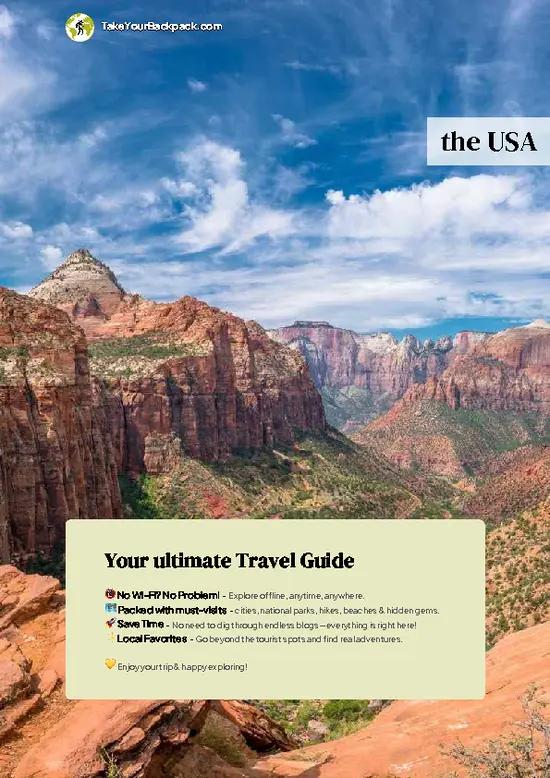
example page 0 from our offline Travel Guide for United States
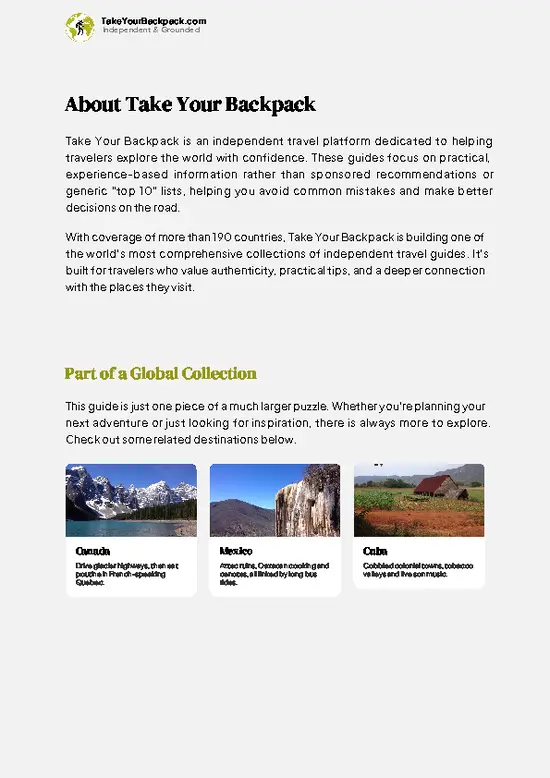
example page 1 from our offline Travel Guide for United States
example page 2 from our offline Travel Guide for United States
example page 3 from our offline Travel Guide for United States
example page 4 from our offline Travel Guide for United States
example page 5 from our offline Travel Guide for United States
example page 6 from our offline Travel Guide for United States
example page 7 from our offline Travel Guide for United States
The digital guide (586 pages) contains:
161 highlights, ranked by travel appeal
Optimized 14, 21 & 30-day travel routes
Cities, national parks, landmarks, beaches
How to get around
Offline-friendly for travel without Wi-Fi
👉 Click to see all 30+ guide features

📅 Plan smarter in minutes, not weeks
Month by month travel advice
Festivals & national holidays
Budget expectations

🗺️ Go to the right places, skip the overrated ones
Honest pros & cons of destinations
Top hikes, parks & viewpoints
Lesser-known places most travelers miss
Clear “worth it vs skip it” guidance

🛏️ Travel smoothly without rookie mistakes
Best areas to stay
Transport systems explained simply
Common scams & safety advice
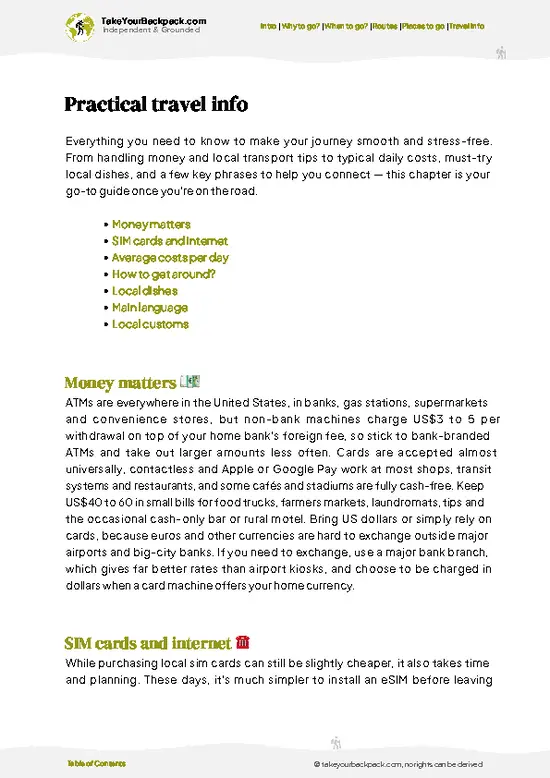
SIM cards, money & practical tips

🌍 Understand the country, not just visit it
Culture & traditions
Local customs
Festivals worth planning around
Traveler-friendly historical context
Insights that make places more meaningful

📱 Built for real travel conditions
Fully downloadable PDF
Works completely offline
Optimized for phone use
Useful in remote areas & buses
Everything in one place
Save weeks of stressful planning
Get instant access to your full guide. 30‑day money-back guarantee.
+ Add another guide for just US$7.80

By proceeding you agree to our terms.
Sent to your inbox immediately after payment • 100% Secure Checkout
Best Backpacking Travel Advisor 2025 tourism awardBest Backpacking
Travel Advisor
2025
What others say about Take Your Backpack Guides:
⭐⭐⭐⭐⭐
Fantastic, amazing amount of information!
⭐⭐⭐⭐⭐
My goodness this is amazing, it's what I've been looking for hats off too you!
⭐⭐⭐⭐⭐
I think this is absolutely BRILLIANT
⭐⭐⭐⭐
Very complete and informative. It's still missing places, but I gotta to commend you
⭐⭐⭐⭐⭐
This is truly amazing, thank you, can't wait to explore it with my kids!
⭐⭐⭐⭐⭐
Awesome resource, thank you!
⭐⭐⭐⭐⭐
This is amazing! Can't wait to explore the ones I haven't seen
⭐⭐⭐⭐
I love this! Well done, great idea.
⭐⭐⭐⭐⭐
Thanks for taking the time to make this gem!
⭐⭐⭐⭐⭐
This might be the best website I've ever seen.
⭐⭐⭐⭐⭐
Congratulations, and thank you so much for your work; it's incredibly valuable.
⭐⭐⭐⭐
In all seriousness I think you did a great job pointing out the important spots
⭐⭐⭐⭐⭐
10/10 very good
⭐⭐⭐⭐⭐
As someone who's only just starting to visit regularly this is awesome, thank you.
⭐⭐⭐⭐
Thank you very much! I'm going to visit my dad, it's going to be very useful!
⭐⭐⭐⭐⭐
This is really cool! We'll be travelling for the first time and this definitely come in handy.
⭐⭐⭐⭐⭐
You are now our minister of culture, congratulations 👨‍💼
⭐⭐⭐⭐⭐
Just wanted to tell you that this is a pearl! Going to follow your recommendations.
⭐⭐⭐⭐⭐
This is so cool. I'll definitely be using the resource for my travels soon.
⭐⭐⭐⭐⭐
This is very impressive! Good work.
⭐⭐⭐⭐⭐
This is an amazing and informative site. Very well done!

🛏️ Where to stay?Top Areas to Stay

Yes—hostels and basic budget accommodation are common across the USA in major cities, college towns and near transit hubs; expect dorm rooms, shared facilities and big price swings by season and neighborhood.
New York (Lower East Side, Brooklyn)—easy transit and nonstop nightlife but noisy and often pricier; San Francisco (SoMa, Mission)—close to attractions and transit but expensive and hilly; Los Angeles (Downtown, Hollywood)—affordable beds and transport links but spread-out and variable safety at night; Chicago (River North, Wicker Park)—central, walkable and lively but busy on weekends; Seattle (Capitol Hill)—good nightlife and transit access but can be loud; Miami (South Beach)—beach … read more 👉
Yes—hostels and basic budget accommodation are common across the USA in major cities, college towns and near transit hubs; expect dorm rooms, shared facilities and big price swings by season and neighborhood.
New York (Lower East Side, Brooklyn)—easy transit and nonstop nightlife but noisy and often pricier; San Francisco (SoMa, Mission)—close to attractions and transit but expensive and hilly; Los Angeles (Downtown, Hollywood)—affordable beds and transport links but spread-out and variable safety at night; Chicago (River North, Wicker Park)—central, walkable and lively but busy on weekends; Seattle (Capitol Hill)—good nightlife and transit access but can be loud; Miami (South Beach)—beach access and party scene but touristy and costly; Boston (Back Bay, Fenway)—compact and walkable near sights and universities but small rooms and higher rates.

If you enjoy meeting fellow travelers, consider choosing hostels with high ratings for atmosphere. On the other hand, if you prefer having your own space, a hotel might be a better option.

the USADiscover the Country

👋 Meet the founderWho’s Behind Take Your Backpack?

Johan, backpacker and founder of TakeYourBackpackHi, I’m Johan (Netherlands 🇳🇱), the creator of TakeYourBackpack. Over the past decade, I’ve backpacked through 80+ countries across six continents, gaining extensive experience with independent travel, long-term trips, and overland routes.

This site is built on a combination of firsthand travel experience and carefully curated insights from other backpackers. Many guides are based on places I’ve personally visited, while others bring together tips, observations, and practical advice shared by trusted travelers I’ve met along the way.

The goal is to provide realistic, experience-driven guidance — not generic itineraries — so you can explore destinations with better context, clearer expectations, and more confidence.

Get full USA guide •
Instant download • 161 highlights • Full Offline guide