×

the USA🇺🇸 | national parksGlacier Bay National ParkTidewater glaciers, Margerie Glacier, Bartlett Cove, kayak channels | things to do and best time to go

Explore Zion National ParkExplore Adirondack Mountains

Backpacking in Glacier Bay
UNESCO World Heritage site
👍 Recommendednational park ranked #14
By Johan Kruseman 🇳🇱 | Updated October 22, 2026

Glacier Bay has no road in or out, so travelers who expect to drive up and hike straight from a parking lot end up stranded in Gustavus with a plan that doesn’t work. The park sits in southeast Alaska, in the north of the United States, west of Juneau. Backcountry is open but trail-free, crowds are thin, and big cruise ships do the sightseeing for most visitors. I assumed the silence would be total, then a calving glacier fired off a crack like artillery, a full two seconds before the wave arrived. Book lodge, ferry and campground permits early. Your first day can be a campground check-in, a bear safety talk, and a slow walk along the Forest Loop.

Discover everything you want to know in the 📖 the USA Travel Guide.


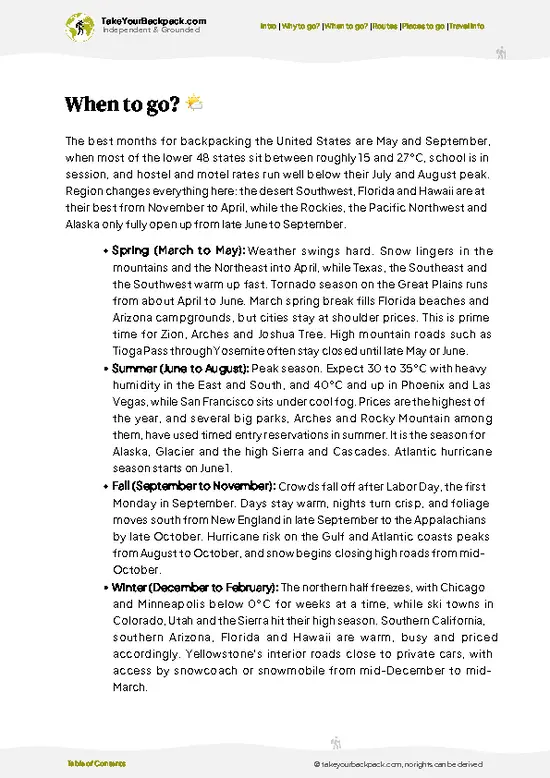
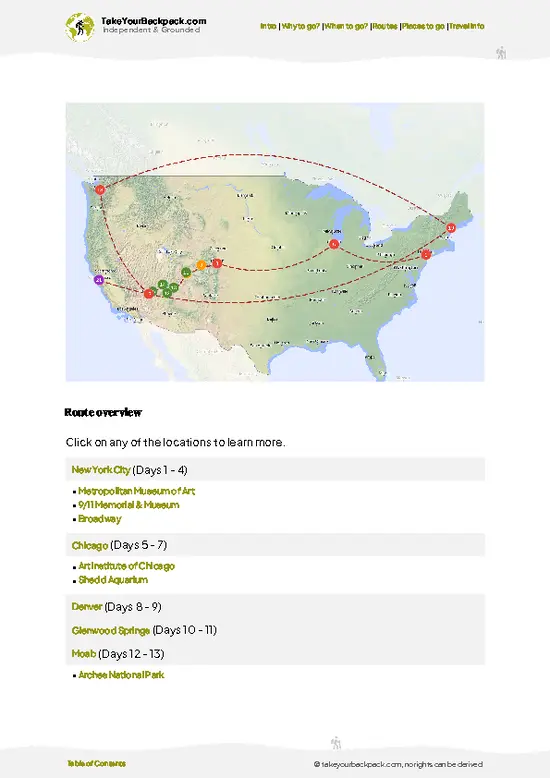
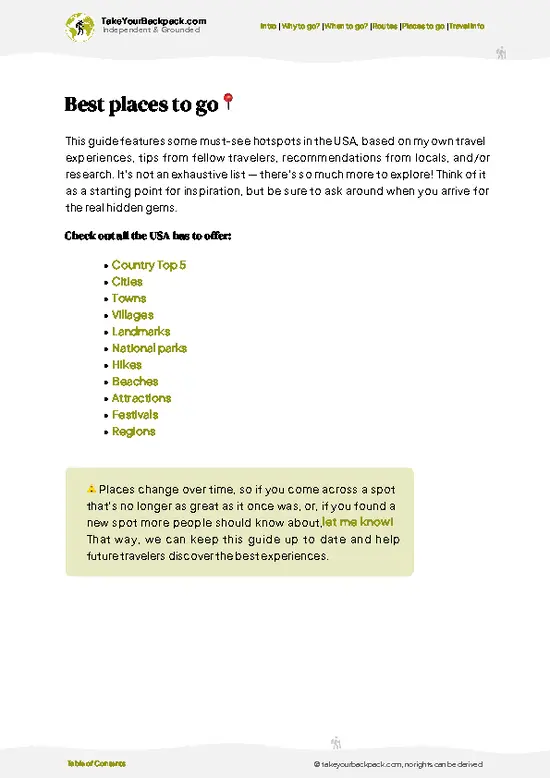
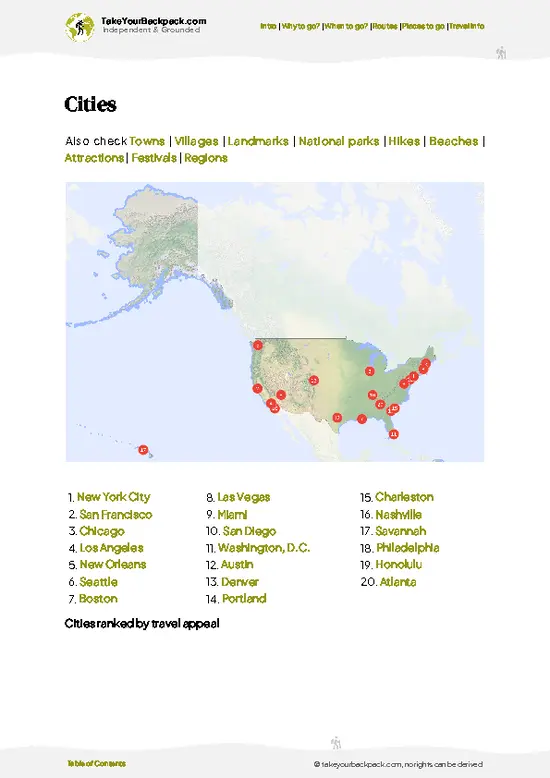
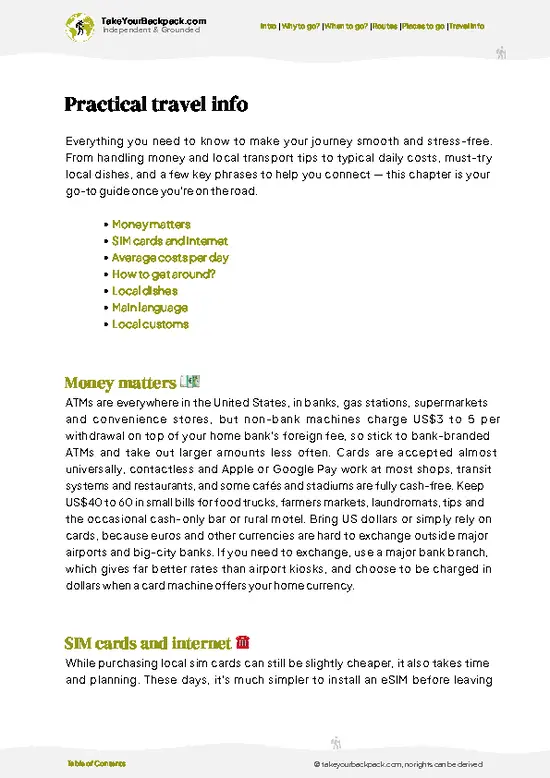
example page 0 from our offline Travel Guide for United States
example page 1 from our offline Travel Guide for United States
example page 2 from our offline Travel Guide for United States
example page 3 from our offline Travel Guide for United States
example page 4 from our offline Travel Guide for United States
example page 5 from our offline Travel Guide for United States
example page 6 from our offline Travel Guide for United States
example page 7 from our offline Travel Guide for United States
Loading the map 🌍
CLICK TO FILTER
cities
towns
villages
landmarks
national parks
hikes
beaches
attractions
festivals
regions
SHOW COUNTRY’S BESTSHOW ALL

✨ Why go?
Ranked #14 national park in the USA
Why Glacier Bay should be on your travel list

Glacier Bay National Park suits self-guided travelers who like their wilderness unscripted. Almost the whole park is trail-free, so you choose your own route by kayak or on foot, camping on beaches with tidewater glaciers for neighbors. The one developed campground at Bartlett Cove is free to use, and a permit plus a short orientation covers the backcountry. Paddlers can have the Beardslee Islands nearly to themselves, with sea otters, harbor seals and humpback whales passing by. Those who want to see the Margerie Glacier up close, deep in the bay, have to take a boat. Tours help there, but everything else is yours to plan.

💡 HighlightsMust-see experiences and standout moments

  1. Margerie Glacier: A tidewater glacier in the Tarr Inlet whose blue face stands about 250 feet above the water and calves often. Reach it by tour boat or cruise ship.
  2. Grand Pacific Glacier: Next to Margerie, a dark, rubble-covered river of ice that crosses into Canada.
  3. Bartlett Cove: The park’s only developed spot, with the campground, lodge, visitor center and rainforest trails.
  4. Beardslee Islands: A maze of calm channels and small islands that suits kayakers, with campsites on quiet beaches.
  5. Johns Hopkins Glacier: Steep ice walls rising out of a fjord, where harbor seals rest on floating bergs in summer.
  6. Marble Islands: Rocky islets in the bay with Steller sea lions, nesting seabirds and puffins.
  7. Forest Loop Trail: A short rainforest walk of moss, spruce and hemlock from Bartlett Cove, with a good
… read more 👉
  1. Margerie Glacier: A tidewater glacier in the Tarr Inlet whose blue face stands about 250 feet above the water and calves often. Reach it by tour boat or cruise ship.
  2. Grand Pacific Glacier: Next to Margerie, a dark, rubble-covered river of ice that crosses into Canada.
  3. Bartlett Cove: The park’s only developed spot, with the campground, lodge, visitor center and rainforest trails.
  4. Beardslee Islands: A maze of calm channels and small islands that suits kayakers, with campsites on quiet beaches.
  5. Johns Hopkins Glacier: Steep ice walls rising out of a fjord, where harbor seals rest on floating bergs in summer.
  6. Marble Islands: Rocky islets in the bay with Steller sea lions, nesting seabirds and puffins.
  7. Forest Loop Trail: A short rainforest walk of moss, spruce and hemlock from Bartlett Cove, with a good chance of birds.
Glacier Bay National Park offers a tidy day pairing: walk the Forest Loop Trail in the morning, then spend the afternoon paddling in the Beardslee Islands.
Spotted a mistake or missing something? Contact us.

⌛️ 1 day1-day itinerary for Glacier Bay

Day 1: Juneau
Start in Juneau, the gateway to Glacier Bay. You’ll want to acclimate here, soaking in the local vibe. Explore the historic downtown, grab some crab legs, and prepare for the adventure ahead. The ferry system is your lifeline; it connects you to the park and is a scenic ride in itself.

Day 2: Glacier Bay National Park
Catch an early ferry to Glacier Bay. This is where the magic happens. The park’s vastness is best experienced on a boat tour. You’ll see calving glaciers and maybe even some whales. The timing is crucial; book ahead to secure your spot.

Day 3: Bartlett Cove
Spend the night at Bartlett Cove. This is your base for hiking and exploring. The trails here are less crowded, giving you a chance to connect with nature. The visitor center offers insights into the ecosystem, … read more 👉
Day 1: Juneau
Start in Juneau, the gateway to Glacier Bay. You’ll want to acclimate here, soaking in the local vibe. Explore the historic downtown, grab some crab legs, and prepare for the adventure ahead. The ferry system is your lifeline; it connects you to the park and is a scenic ride in itself.

Day 2: Glacier Bay National Park
Catch an early ferry to Glacier Bay. This is where the magic happens. The park’s vastness is best experienced on a boat tour. You’ll see calving glaciers and maybe even some whales. The timing is crucial; book ahead to secure your spot.

Day 3: Bartlett Cove
Spend the night at Bartlett Cove. This is your base for hiking and exploring. The trails here are less crowded, giving you a chance to connect with nature. The visitor center offers insights into the ecosystem, enhancing your experience.

Day 4: Hoonah
Take a detour to Hoonah, a charming Tlingit village. It’s a short ferry ride from Glacier Bay. Here, you can experience local culture and enjoy some of the best views of the bay.

Day 5: Return to Juneau
Wrap up your trip by returning to Juneau. Reflect on your journey and maybe squeeze in a last-minute hike or visit a local brewery.

The must-do day? Day 2 in Glacier Bay. It’s the heart of the experience, where the landscape will leave you breathless and the memories will last a lifetime.

🌤️ When to go?Best time to explore Glacier Bay

June through August is the window for Glacier Bay National Park, with daytime highs of 13 to 18°C (55 to 65°F) and the park’s lodge, ferry and tour boats all running.
  • Summer (June to August): Long daylight, frequent drizzle, whale activity and peak crowds. Lodge rooms and cruise-ship days book out months ahead.
  • Shoulder (May and September): Highs of 8 to 13°C (46 to 55°F), fewer people, and services opening or closing. Fall brings more rain.
  • Winter (October to April): Lows near -7°C (20°F), short days, and nearly everything closed. Only experienced, self-sufficient visitors come.
Book Bartlett Cove lodging and the day boat by February for a July trip.

source: climatestotravel.comJANJanuary: below average for travelingFEBFebruary: below average for travelingMARMarch: below average for travelingAPRApril: fair for travelingMAYMay: good for travelingJUNJune: excellent for travelingJULJuly: highly recommended for travelingAUGAugust: highly recommended for travelingSEPSeptember: good for travelingOCTOctober: fair for travelingNOVNovember: below average for travelingDECDecember: below average for traveling
united-states-national-park-glacier-bay-national-park
© Google | Denyse Morin

✈️ The backpacker research shortcutthe USA Travel Guide

An offline-friendly backpacking guide with optimized travel routes, ranked highlights, transport advice, and the best areas to stay.
example page 0 from our offline Travel Guide for United States
example page 1 from our offline Travel Guide for United States
example page 2 from our offline Travel Guide for United States
example page 3 from our offline Travel Guide for United States
example page 4 from our offline Travel Guide for United States
example page 5 from our offline Travel Guide for United States
example page 6 from our offline Travel Guide for United States
example page 7 from our offline Travel Guide for United States
The digital guide (451 pages) contains:
✅ 159 highlights, ranked by travel appeal
✅ Optimized 14, 21 & 30-day travel routes
✅ Cities, national parks, landmarks, beaches
✅ How to get around
✅ Offline-friendly for travel without Wi-Fi
👉 Click to see all 30+ guide features

📅 Plan smarter in minutes, not weeks
✅ Month by month travel advice
✅ Festivals & national holidays
✅ Budget expectations

🗺️ Go to the right places, skip the overrated ones
✅ Honest pros & cons of destinations
✅ Top hikes, parks & viewpoints
✅ Lesser-known places most travelers miss
✅ Clear “worth it vs skip it” guidance

🛏️ Travel smoothly without rookie mistakes
✅ Best areas to stay
✅ Transport systems explained simply
✅ Common scams & safety advice
✅ SIM cards, money & practical tips

🌍 Understand the country, not just visit it
✅ Culture & traditions
✅ Local customs
✅ Festivals worth planning around
✅ Traveler-friendly historical context
✅ Insights that make places more meaningful

📱 Built for real travel conditions
✅ Fully downloadable PDF
✅ Works completely offline
✅ Optimized for phone use
✅ Useful in remote areas & buses
✅ Everything in one place
Stop searching, start planning
Get instant access to your full guide. 30‑day money-back guarantee.
+ Add another guide for just

By proceeding you agree to our terms.
Sent to your inbox immediately after payment • 100% Secure Checkout
Best Backpacking Travel Advisor 2025 tourism awardBest Backpacking
Travel Advisor
2025
What others say about Take Your Backpack Guides:
⭐⭐⭐⭐⭐
Fantastic, amazing amount of information!
⭐⭐⭐⭐⭐
My goodness this is amazing, it's what I've been looking for hats off too you!
⭐⭐⭐⭐⭐
I think this is absolutely BRILLIANT
⭐⭐⭐⭐
Very complete and informative. It's still missing places, but I gotta to commend you
⭐⭐⭐⭐⭐
This is truly amazing, thank you, can't wait to explore it with my kids!
⭐⭐⭐⭐⭐
Awesome resource, thank you!
⭐⭐⭐⭐⭐
This is amazing! Can't wait to explore the ones I haven't seen
⭐⭐⭐⭐
I love this! Well done, great idea.
⭐⭐⭐⭐⭐
Thanks for taking the time to make this gem!
⭐⭐⭐⭐⭐
This might be the best website I've ever seen.
⭐⭐⭐⭐⭐
Congratulations, and thank you so much for your work; it's incredibly valuable.
⭐⭐⭐⭐
In all seriousness I think you did a great job pointing out the important spots
⭐⭐⭐⭐⭐
10/10 very good
⭐⭐⭐⭐⭐
As someone who's only just starting to visit regularly this is awesome, thank you.
⭐⭐⭐⭐
Thank you very much! I'm going to visit my dad, it's going to be very useful!
⭐⭐⭐⭐⭐
This is really cool! We'll be travelling for the first time and this definitely come in handy.
⭐⭐⭐⭐⭐
You are now our minister of culture, congratulations 👨‍💼
⭐⭐⭐⭐⭐
Just wanted to tell you that this is a pearl! Going to follow your recommendations.
⭐⭐⭐⭐⭐
This is so cool. I'll definitely be using the resource for my travels soon.
⭐⭐⭐⭐⭐
This is very impressive! Good work.
⭐⭐⭐⭐⭐
This is an amazing and informative site. Very well done!

🛏️ Where to stay?Best areas to stay in the USA

The only lodging inside Glacier Bay National Park is Glacier Bay Lodge at Bartlett Cove, with rooms from roughly US$250 to 300 a night in summer. Backpackers do better at the free Bartlett Cove Campground, a walk-in site a short stroll from the dock, with a food cache, bear-proof storage and firewood on the beach. Permits are free but required, and you pick them up at the visitor center. Backcountry camping elsewhere in the park is allowed with a free permit and orientation. Outside the park, Gustavus, about 15 km (9 miles) away, has small inns, B&Bs and cabins from about US$120 to 250, plus a … read more 👉
The only lodging inside Glacier Bay National Park is Glacier Bay Lodge at Bartlett Cove, with rooms from roughly US$250 to 300 a night in summer. Backpackers do better at the free Bartlett Cove Campground, a walk-in site a short stroll from the dock, with a food cache, bear-proof storage and firewood on the beach. Permits are free but required, and you pick them up at the visitor center. Backcountry camping elsewhere in the park is allowed with a free permit and orientation. Outside the park, Gustavus, about 15 km (9 miles) away, has small inns, B&Bs and cabins from about US$120 to 250, plus a few vacation rentals. Juneau is the larger hub for budget hostels and hotels, and you reach Gustavus from there by small plane or Alaska Marine Highway ferry.

🚌 Getting aroundHow to get from A to B

Glacier Bay is a wild symphony of nature, where rigid schedules dissolve into the rhythm of the tides and the whispers of the wind. Here, you’re not just a traveler; you’re part of the landscape, moving with the ebb and flow of the environment. The transport options reflect this spirit—some are punctual, while others invite you to embrace spontaneity. You’ll find yourself navigating a blend of organized routes and the occasional serendipitous detour, making every journey feel like an adventure.
  • Alaska Marine Highway ferry: The state ferry sails from Juneau to Gustavus about twice a week in summer, a trip of 4 to 6 hours.
  • Glacier Bay Lodge shuttle: The lodge runs a shuttle on the only road, the 10 miles between Bartlett Cove and the Gustavus airport or ferry dock, for its guests. Taxis cover
… read more 👉
Glacier Bay is a wild symphony of nature, where rigid schedules dissolve into the rhythm of the tides and the whispers of the wind. Here, you’re not just a traveler; you’re part of the landscape, moving with the ebb and flow of the environment. The transport options reflect this spirit—some are punctual, while others invite you to embrace spontaneity. You’ll find yourself navigating a blend of organized routes and the occasional serendipitous detour, making every journey feel like an adventure.
  • Alaska Marine Highway ferry: The state ferry sails from Juneau to Gustavus about twice a week in summer, a trip of 4 to 6 hours.
  • Glacier Bay Lodge shuttle: The lodge runs a shuttle on the only road, the 10 miles between Bartlett Cove and the Gustavus airport or ferry dock, for its guests. Taxis cover the same road on request.
  • Rental Bikes: For the adventurous spirit, renting a bike in Gustavus costs about $30 per day. It’s a leisurely way to explore the area, but be prepared for some hills and unpredictable weather.
  • Guided Kayak Tours: A unique way to experience the bay, these tours range from $100 to $200 depending on length. They typically last 3-5 hours and offer a close-up view of glaciers and wildlife.

To navigate efficiently, book your ferry in advance and align your shuttle times with your planned activities. This way, you maximize your time exploring and minimize waiting around.

👛 Costs (as of 22 October 2026)Money, prices, and spending tips

Glacier Bay National Park costs roughly US$200 to 460 a day for a budget backpacker once the boat tour is included. Entry is free, but getting here is the big expense.
CategoryBudget RangeLocal Reality
Entrance feeUS$0No park fee. Camping and backcountry permits are free.
AccommodationUS$0 to 300Free Bartlett Cove camping, or the lodge at about US$250 to 300 in summer. Gustavus inns run US$120 to 250.
Local transportUS$25 to 60Shuttle or taxi between Gustavus and Bartlett Cove runs about US$15 to 30 each way. Flights from Juneau are about US$250 to 350 round trip.
Tours and activitiesUS$150 to 250The all-day boat tour is about US$200 to 250. Kayak rentals are about US$50 to 90 a day.
Food and suppliesUS$25 to 50Stock up in Juneau or Gustavus. Lodge meals run US$15 to 35.
Total Daily BudgetUS$200
… read more 👉
Glacier Bay National Park costs roughly US$200 to 460 a day for a budget backpacker once the boat tour is included. Entry is free, but getting here is the big expense.
CategoryBudget RangeLocal Reality
Entrance feeUS$0No park fee. Camping and backcountry permits are free.
AccommodationUS$0 to 300Free Bartlett Cove camping, or the lodge at about US$250 to 300 in summer. Gustavus inns run US$120 to 250.
Local transportUS$25 to 60Shuttle or taxi between Gustavus and Bartlett Cove runs about US$15 to 30 each way. Flights from Juneau are about US$250 to 350 round trip.
Tours and activitiesUS$150 to 250The all-day boat tour is about US$200 to 250. Kayak rentals are about US$50 to 90 a day.
Food and suppliesUS$25 to 50Stock up in Juneau or Gustavus. Lodge meals run US$15 to 35.
Total Daily BudgetUS$200 to 460Estimated for a high-season day with camping at the low end: about US$200.


source: nps.gov
⚠️ Prices can change and everyone travels differently, so take this as a rough guide. Hope it helps you plan your adventure!

🍲 FoodWhat to Eat & Drink

In Glacier Bay, fresh seafood reigns supreme. Think salmon, halibut, and crab, caught just hours before hitting your plate. Local smoked salmon is a must-try, bursting with flavor and paired perfectly with a slice of hearty bread.

For a laid-back vibe, hit up local markets where you can snag a quick bite of fish tacos or clam chowder. Cozy cafés serve up steaming cups of local coffee, often roasted right in town.

Dining here is casual; don’t be surprised if you find yourself sharing a table with fellow travelers. Just remember, tipping is appreciated, especially for those who go the extra mile to make your meal memorable.

🥾 TrailsWhere to hike in Glacier Bay: trails for every level

Glacier Bay National Park has only a few maintained trails, all around Bartlett Cove, while the rest is open wilderness for experienced backcountry hikers.
  • Forest Loop Trail: About 1 mile, 30 to 45 minutes, easy. Gravel and boardwalk through mossy spruce and hemlock, with bird sounds and a chance at moose tracks.
  • Bartlett River Trail: About 4 miles round trip, 2 to 3 hours, easy to moderate. It follows a tidal estuary to the river mouth, where brown bears, eagles and otters can appear.
  • Bartlett Lake Trail: About 8 miles round trip, 4 to 5 hours, moderate. It rises through forest and muskeg to a quiet
… read more 👉
Glacier Bay National Park has only a few maintained trails, all around Bartlett Cove, while the rest is open wilderness for experienced backcountry hikers.
  • Forest Loop Trail: About 1 mile, 30 to 45 minutes, easy. Gravel and boardwalk through mossy spruce and hemlock, with bird sounds and a chance at moose tracks.
  • Bartlett River Trail: About 4 miles round trip, 2 to 3 hours, easy to moderate. It follows a tidal estuary to the river mouth, where brown bears, eagles and otters can appear.
  • Bartlett Lake Trail: About 8 miles round trip, 4 to 5 hours, moderate. It rises through forest and muskeg to a quiet lake, with soggy patches.
  • Point Gustavus Beach Walk: Flat shoreline walking with views to the mountains of the Fairweather Range.
  • Backcountry routes: Beach and moraine travel without trails, for those with navigation skills and bear awareness. Rangers explain routes and food storage rules.
Access is by plane or ferry to Gustavus, then a short shuttle or walk to Bartlett Cove. Entry to the park is free, though tours, camping permits and transport cost extra. Crowds stay small on land, even when cruise ships pass through the bay in summer. Carry bear spray and wear waterproof boots.
⚠️ Hiking info can sometimes be outdated or inaccurate. Before you hit the trail, check the latest conditions with locals. If you do spot anything that's off, I'd love to hear from you, so I can update it for fellow travelers.

🛡️ SafetyScams, Hazards, and Annoyances

Glacier Bay National Park is manageable for prepared hikers, and the main hazards are weather, bears and cold water. Rain and wind arrive fast, so pack waterproof layers and avoid cotton. Brown and black bears roam the Bartlett Cove trails, so make noise, hike in groups when you can and keep your distance. Store all food in the provided caches or bear-proof canisters. Backcountry travel has no maintained trails, so carry a map, compass and tide table, because tides here swing up to 7 meters (23 feet) and can strand kayaks. Stay well clear of glacier faces, where calving ice creates waves. Water stays near 4 to 8°C (39 to 46°F), so dress for immersion when paddling.

FAQCommon questions from travelers

Three to four days works well for Glacier Bay National Park, because getting there from Juneau takes a flight or ferry and weather can delay boats. One day covers the all-day tour boat up the West Arm to Margerie Glacier. Add a day for the Bartlett Cove trails and a day for a guided or rented kayak trip.
Yes, and most visitors do. Glacier Bay National Park has no roads to the outside world, so you reach Gustavus by a 30-minute flight from Juneau (about US$250 to 350 round trip) or by ferry. From Gustavus, a shuttle or taxi takes about 15 minutes to Bartlett Cove, where the lodge, campground and tour boat dock sit within walking distance.
Glacier Bay National Park charges no entrance fee. You need a free permit for backcountry camping and for private boats entering the bay between June and August, with an orientation at the Bartlett Cove visitor center. Free campground permits are also issued at the visitor center. Cruise ships and tour boats pay their own fees, which are built into ticket prices of about US$200 to 250.
⚠️ Things can change over time, so always validate details locally before you go.

Other American national parks near Glacier Bay

Explore more nearby:


💡 Not sure where to go next?
Create a personalized itinerary for the USA including Glacier Bay and the places that fit your trip.

Generate my itinerary

👉 Discover all national parks

Or checkout all the USA has to offer (think cities, towns, villages, national parks, hikes, beaches, festivals)
Country photo of the USA

We 💚 feedbackIs it worth it?

Glacier Bay National Park rewards a minimum of three nights: one for settling in, one on the water, one spare for weather and flights. I would pick four if kayaking is on your list, and I would bring a dry bag and patience for cancellations.

✈️ When did I visit the USA?
In January 2023 I visited New York. Many years before, before digital cameras existed, I discovered most of the national parks in the West.

✍️ Help improve this page!
The information on this page is based on my own backpacking experience in the USA, supplemented with up-to-date research and feedback from other travelers. Travel details can change, so if you notice anything outdated or incomplete, feel free to let me know.


🙋‍♂️ Give feedback

👋 Meet the founderWho’s Behind Take Your Backpack?

Johan, backpacker and founder of TakeYourBackpackHi, I’m Johan (Netherlands 🇳🇱), the creator of TakeYourBackpack. Over the past 3 decades, I’ve backpacked through 90+ countries across six continents, gaining extensive experience with independent travel, long-term trips, and overland routes.

This site is built on a combination of firsthand travel experience and carefully curated insights from other backpackers. Many guides are based on places I’ve personally visited, while others bring together tips, observations, and practical advice shared by trusted travelers I’ve met along the way.

The goal is to provide realistic, experience-driven guidance — not generic itineraries — so you can explore destinations with better context, clearer expectations, and more confidence.