v2.webp)
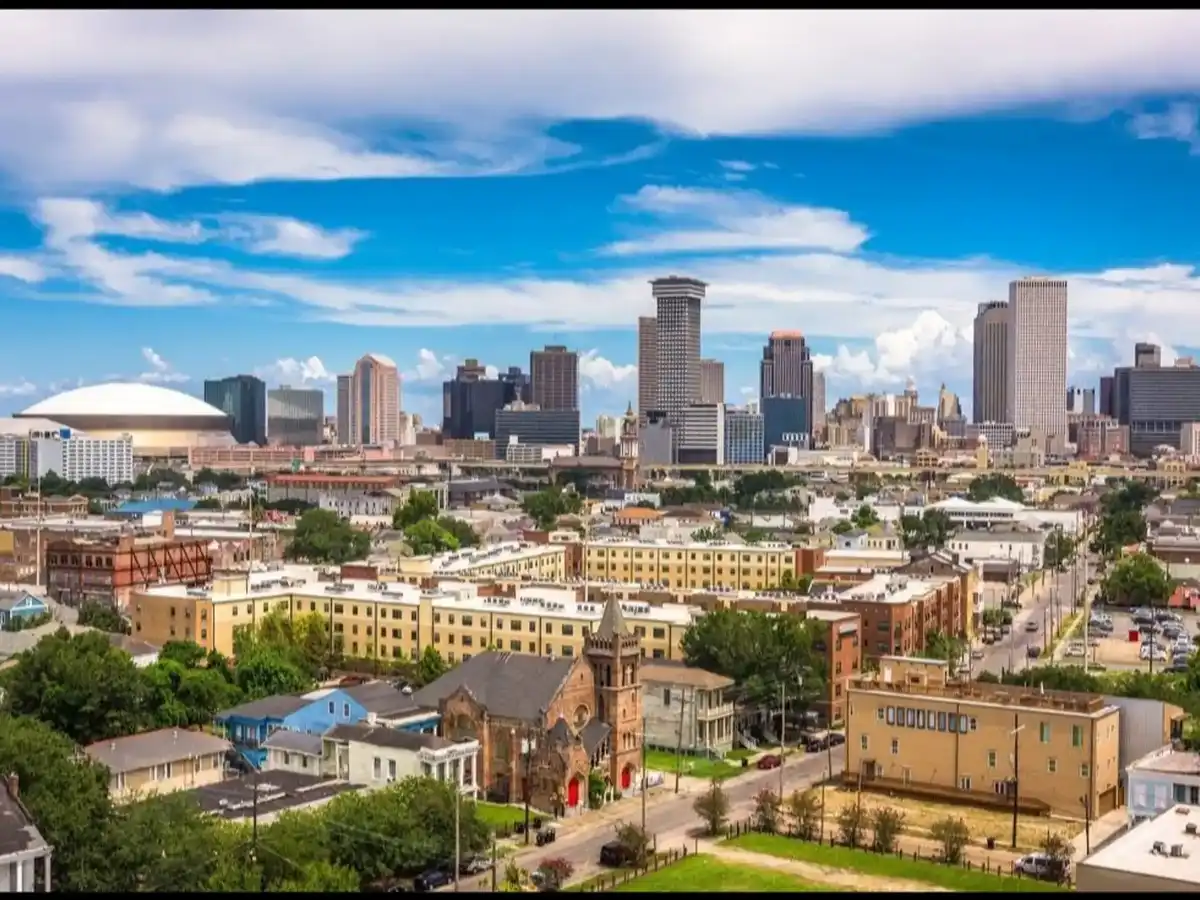
- French Quarter (New Orleans) — Historic streets, Creole cornerstones and non-stop live music that you really can’t recreate anywhere else. Wander the quieter morning streets for courtyard architecture and coffee, then head to Frenchmen Street at night for local jazz instead of the tourist circus on Bourbon.
- Barataria Preserve (Jean Lafitte National Historical Park) — Boardwalks through cypress-tupelo swamp where you’ll see herons, turtles, and often alligators; easy hikes and excellent self-guided kayak entry points make it a great way to feel the bayou without a crowded boat tour.
- Atchafalaya Basin — The largest river swamp in the U.S., full-on bayou life: floating camps, tangled waterways, oaks draped in Spanish moss and plenty of fishing or paddling. It’s messy, wild, and absolutely
- French Quarter (New Orleans) — Historic streets, Creole cornerstones and non-stop live music that you really can’t recreate anywhere else. Wander the quieter morning streets for courtyard architecture and coffee, then head to Frenchmen Street at night for local jazz instead of the tourist circus on Bourbon.
- Barataria Preserve (Jean Lafitte National Historical Park) — Boardwalks through cypress-tupelo swamp where you’ll see herons, turtles, and often alligators; easy hikes and excellent self-guided kayak entry points make it a great way to feel the bayou without a crowded boat tour.
- Atchafalaya Basin — The largest river swamp in the U.S., full-on bayou life: floating camps, tangled waterways, oaks draped in Spanish moss and plenty of fishing or paddling. It’s messy, wild, and absolutely unique to Louisiana — personal favorite for slow days on the water and real Cajun hospitality.
- Avery Island (Tabasco & Jungle Gardens) — A weirdly beautiful salt-dome island with the Tabasco factory, wandering gardens, and a great chance to see roseate spoonbills and other birds up close. A small place that mixes food history and quiet nature walks in one visit.
- Poverty Point National Monument (hidden gem) — Massive prehistoric earthworks in northeast Louisiana (UNESCO site). You can walk the mounds and trails and get a rare, tangible sense of deep Native American history you won’t find replicated elsewhere in North America.
- Tunica Hills Wildlife Management Area (hidden gem) — Unexpected sandstone bluffs, small waterfalls and dense hardwood forests on the western edge of Louisiana; great for hiking, rock scrambling and summer wildflowers. Feels more like Appalachia than the flat bayou, and locals love it.
- Vermilionville Historic Village (Lafayette) — Living-history site dedicated to Cajun and Creole culture with music demonstrations, historic buildings and local food scenes nearby. It’s one of the best places to actually hear traditional music and see crafts being made, not just read about them.
- Natchitoches Historic District & Cane River — Louisiana’s oldest settlement with a beautiful riverfront, Creole cottages, and a genuine small-town vibe. Great for slow walks, local bakeries (meat pies are a must), and dipping into Creole plantation history along the Cane River.
- Honey Island Swamp (hidden gem) — One of the most pristine bottomland hardwood swamps around, reached by small-boat tours from Slidell. Fewer souvenir stalls, more wild things — great for spotting alligators, river otters and old cypress stands.
- Bayou Teche & Breaux Bridge — Paddle-friendly, winding bayou with historic Cajun towns along the way; Breaux Bridge is small but vivid — crawfish restaurants, zydeco nights and a friendly local scene. It’s an easy route to sample real food, music and slow water travel without the crowd.
Spotted a mistake or missing something? Contact us.

Cajun Food Tour by Bus in Lafayette

Tour Historic Vermilionville

Downtown Lafayette Cajun History & Folklore Walking Tour
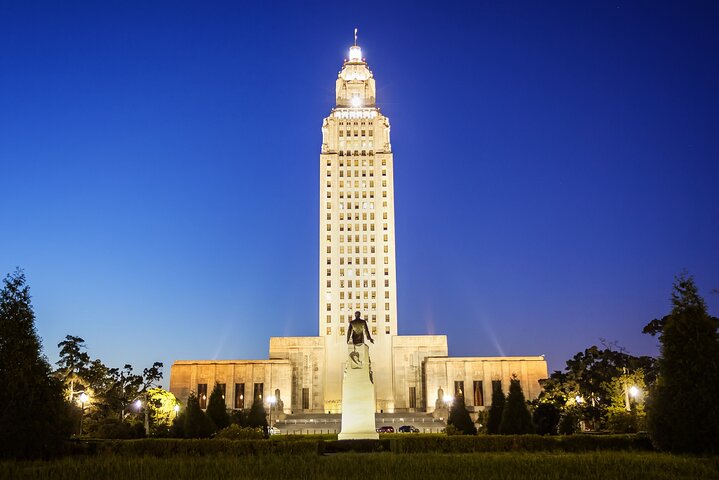
Baton Rouge Historic Downtown Self-Guided Audio Walking Tour

Amazing Scavenger Hunt: Lafayette In Full Bloom

Awesome Bar Hunt: Baton Rouge Goes Rogue

Lafayette Locomotion Scavenger Hunt
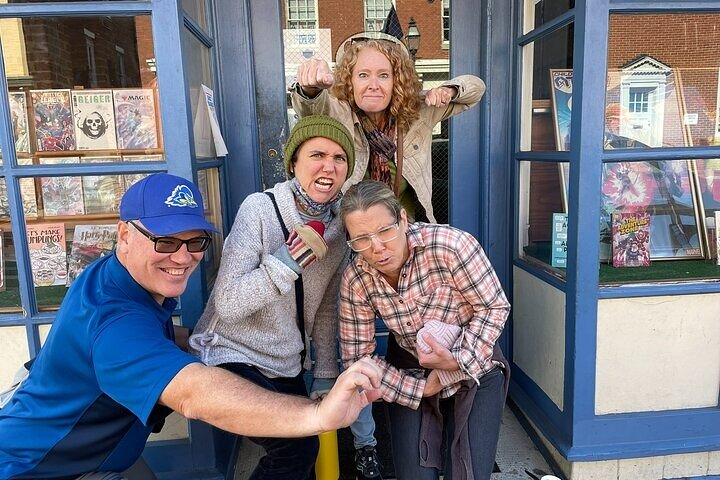
Baton Rouge Bash Scavenger Hunt
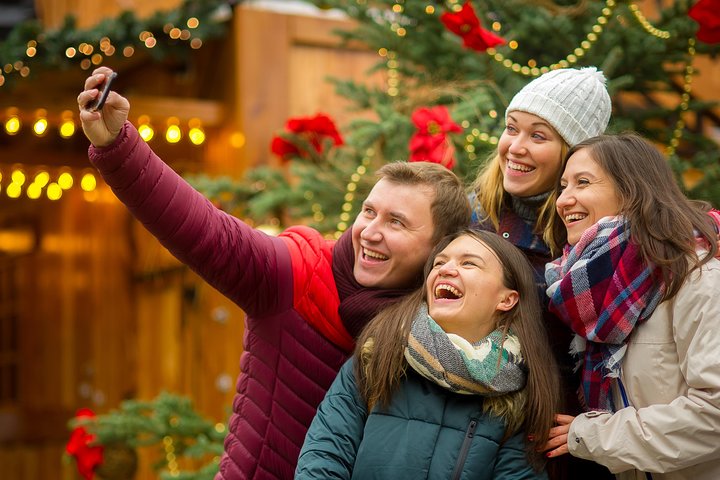
Experience the season with a scavenger hunt in Baton Rouge with Holly Jolly Hunt

 Best Backpacking
.jpg) Hi, I’m Johan (Netherlands 🇳🇱), the creator of TakeYourBackpack. Over the past decade, I’ve backpacked through 80+ countries across six continents, gaining extensive experience with independent travel, long-term trips, and overland routes.
Hi, I’m Johan (Netherlands 🇳🇱), the creator of TakeYourBackpack. Over the past decade, I’ve backpacked through 80+ countries across six continents, gaining extensive experience with independent travel, long-term trips, and overland routes.