×
Mount Rushmore National Memorial

the USA🇺🇸 | landmarksMount Rushmore National MemorialGranite presidents, Avenue of Flags, Borglum studio, evening lighting | things to do and best time to go

Explore Lake TahoeExplore Niagara Falls

Backpacking in Mount Rushmore National Memorial
👍 Recommendedunique site ranked #5
By Johan Kruseman 🇳🇱 | Updated October 20, 2026

Parking is the only thing that costs money at Mount Rushmore National Memorial, since entry itself is free, and that alone makes it an easy call for a budget traveler. It sits in the Black Hills of western South Dakota, in the north of United States’s central plains, a short drive southwest of Rapid City. I expected a mountain that dominated the horizon. What surprised me was how small the carved faces looked from the first approach, then how quickly they filled the frame once I walked the Avenue of Flags. The faces are worth a solid hour. The gift shops, fudge counters and ice cream at the visitor complex are not, unless you have a thing for bison-shaped magnets. Crowds peak in summer and you will share every photo. Compared with the Crazy Horse Memorial nearby, Mount Rushmore is finished, tidier and far quicker to see.

Discover everything you want to know in the 📖 the USA Travel Guide.


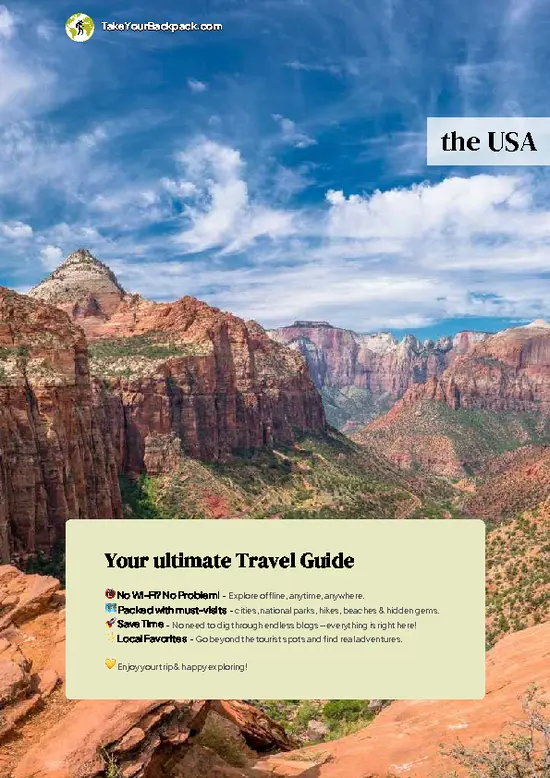
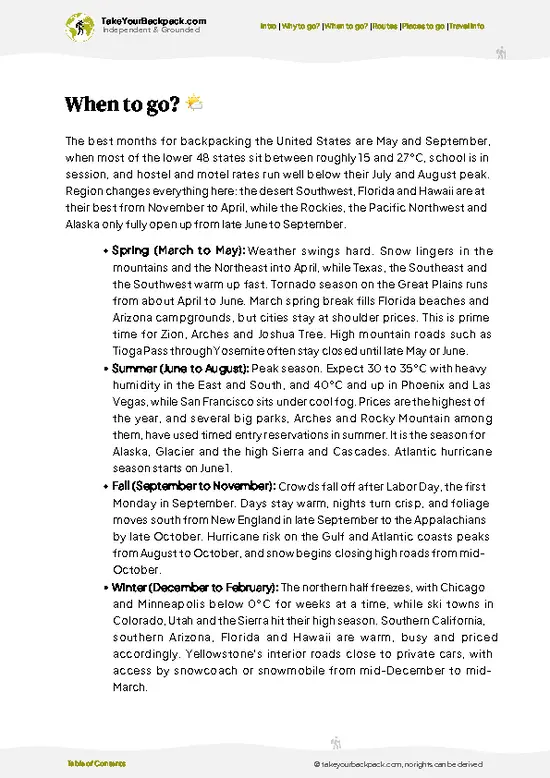
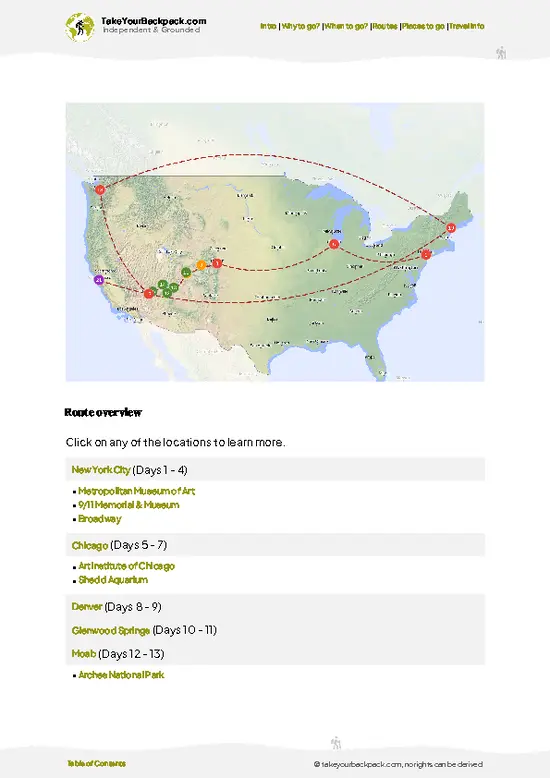
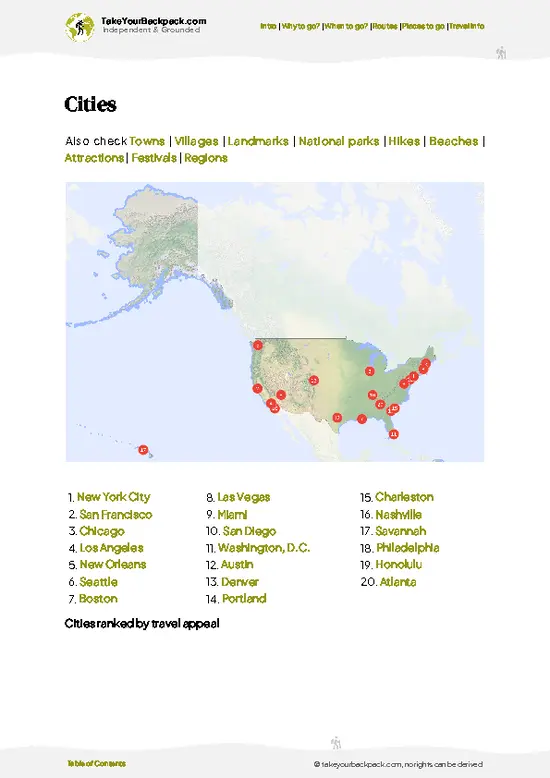
example page 0 from our offline Travel Guide for United States
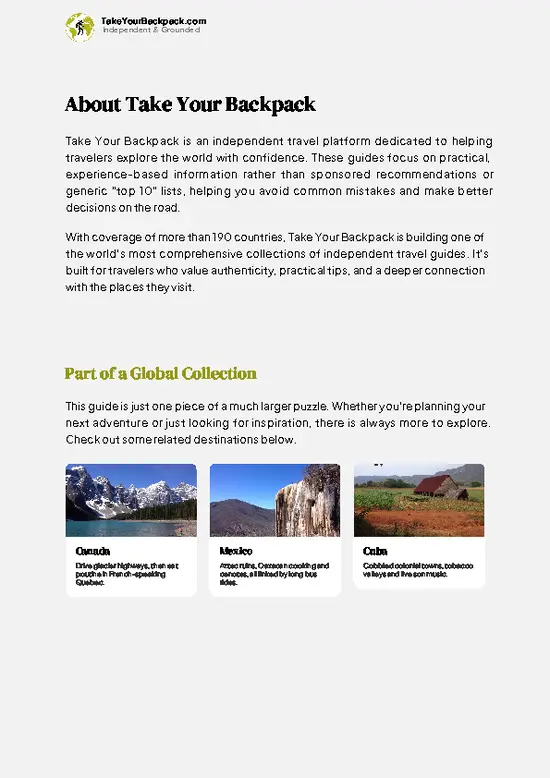
example page 1 from our offline Travel Guide for United States
example page 2 from our offline Travel Guide for United States
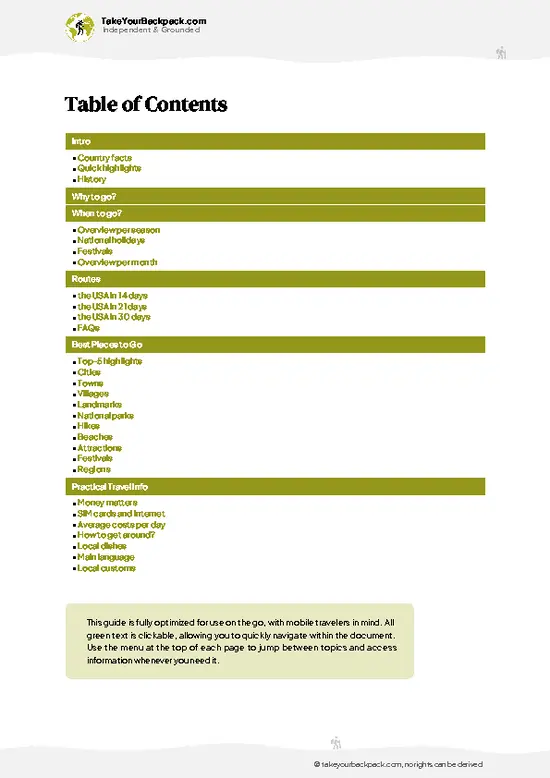
example page 3 from our offline Travel Guide for United States
example page 4 from our offline Travel Guide for United States
example page 5 from our offline Travel Guide for United States
example page 6 from our offline Travel Guide for United States
example page 7 from our offline Travel Guide for United States
Loading the map 🌍
CLICK TO FILTER
cities
towns
villages
landmarks
national parks
hikes
beaches
attractions
festivals
regions
SHOW COUNTRY’S BESTSHOW ALL

✨ Why go?
Ranked #5 unique site in the USA
What makes this unique site worth visiting

Mount Rushmore National Memorial earns a stop because the effort is small and the setting is large. The faces of four presidents, each about 60 feet (18 meters) tall, are visible from the parking structure, so even a rainy half-hour detour pays off. Entry is free, which matters when most American landmarks charge heavily. The real argument is the surrounding region. The memorial sits inside the Black Hills, where Custer State Park and its wildlife loop, the winding Needles Highway with its granite spires and tunnels, and the cave systems near Rapid City all sit within an easy drive. Pair them and you have a strong two or three day loop through western South Dakota. It also pairs naturally with Badlands National Park to the east, making a classic road trip between the plains and the hills. … read more 👉
Mount Rushmore National Memorial earns a stop because the effort is small and the setting is large. The faces of four presidents, each about 60 feet (18 meters) tall, are visible from the parking structure, so even a rainy half-hour detour pays off. Entry is free, which matters when most American landmarks charge heavily. The real argument is the surrounding region. The memorial sits inside the Black Hills, where Custer State Park and its wildlife loop, the winding Needles Highway with its granite spires and tunnels, and the cave systems near Rapid City all sit within an easy drive. Pair them and you have a strong two or three day loop through western South Dakota. It also pairs naturally with Badlands National Park to the east, making a classic road trip between the plains and the hills. Without a car the area is harder, so plan transport before you arrive.

💡 HighlightsTop highlights of Mount Rushmore National Memorial

  1. The Presidential Sculpture: The faces of Washington, Jefferson, Theodore Roosevelt and Lincoln, blasted and carved from granite in the 1930s and early 1940s under sculptor Gutzon Borglum. The scale and the detail in the eyes are the draw.
  2. Avenue of Flags: A walkway lined with the flags of every state and territory, leading to the Grand View Terrace. It gives the classic head-on photograph, framed by granite columns.
  3. Presidential Trail: A loop of roughly 0.6 miles (1 km) with about 400 stairs that takes you much closer to the base of the mountain. You see the faces from below and the rock texture up close.
  4. Sculptor’s Studio: Borglum’s working studio holds the 1:12 scale plaster model used to guide the carving, and shows how the design changed over time.
  5. Lincoln Borglum Visitor Center and Museum:
… read more 👉
  1. The Presidential Sculpture: The faces of Washington, Jefferson, Theodore Roosevelt and Lincoln, blasted and carved from granite in the 1930s and early 1940s under sculptor Gutzon Borglum. The scale and the detail in the eyes are the draw.
  2. Avenue of Flags: A walkway lined with the flags of every state and territory, leading to the Grand View Terrace. It gives the classic head-on photograph, framed by granite columns.
  3. Presidential Trail: A loop of roughly 0.6 miles (1 km) with about 400 stairs that takes you much closer to the base of the mountain. You see the faces from below and the rock texture up close.
  4. Sculptor’s Studio: Borglum’s working studio holds the 1:12 scale plaster model used to guide the carving, and shows how the design changed over time.
  5. Lincoln Borglum Visitor Center and Museum: Exhibits on the carving process, the workers who used dynamite and drills, and the Lakota history of the Black Hills, which they call Six Grandfathers.
  6. Evening Lighting Ceremony: In the summer season, a ranger talk and film are followed by the lighting of the sculpture in the amphitheater. It is atmospheric and well attended, so arrive early for a seat.
  7. Black Hills Viewpoints on Iron Mountain Road: The approach from Keystone via the highway uses pigtail bridges and tunnels that frame the faces perfectly, a rare preview before you arrive.
Mount Rushmore National Memorial itself charges no admission, so the Avenue of Flags and the visitor center cost nothing, and only parking carries a fee.
Spotted a mistake or missing something? Contact us.

Things to do around Mount Rushmore National Memorial

Ratings based on Tripadvisor reviews. When you book through this link, you support our work at no extra cost to you.

🌤️ When to go?Choosing the right time of year

  • Summer (June to August): Peak season, with highs of 27 to 32°C (80 to 90°F) and daylight stretching past 15 hours. Crowds are thickest and lodging in Keystone and Hill City costs the most. The evening lighting ceremony runs in summer only.
  • Shoulder Months (May, September, early October): Highs of 13 to 24°C (55 to 75°F), thinner crowds and lower room rates. Afternoon thunderstorms are common in May, and the Sturgis motorcycle rally in early August fills every bed in the region.
  • Winter (November to March): Highs of -4 to 5°C (25 to 41°F), with snow and ice on the Black Hills roads. Daylight drops to about 9 hours, the memorial stays open and rooms are cheapest, but many nearby attractions close.
Book summer beds months ahead, and arrive before 9 a.m. to get parking and clear views of the faces.

source: climatestotravel.comJANJanuary: below average for travelingFEBFebruary: below average for travelingMARMarch: fair for travelingAPRApril: good for travelingMAYMay: highly recommended for travelingJUNJune: highly recommended for travelingJULJuly: good for travelingAUGAugust: good for travelingSEPSeptember: highly recommended for travelingOCTOctober: highly recommended for travelingNOVNovember: fair for travelingDECDecember: below average for traveling
United States - the Mount Rushmore National Memorial

✈️ The backpacker research shortcutthe USA Travel Guide

An offline-friendly backpacking guide with optimized travel routes, ranked highlights, transport advice, and the best areas to stay.
example page 0 from our offline Travel Guide for United States
example page 1 from our offline Travel Guide for United States
example page 2 from our offline Travel Guide for United States
example page 3 from our offline Travel Guide for United States
example page 4 from our offline Travel Guide for United States
example page 5 from our offline Travel Guide for United States
example page 6 from our offline Travel Guide for United States
example page 7 from our offline Travel Guide for United States
The digital guide (451 pages) contains:
✅ 159 highlights, ranked by travel appeal
✅ Optimized 14, 21 & 30-day travel routes
✅ Cities, national parks, landmarks, beaches
✅ How to get around
✅ Offline-friendly for travel without Wi-Fi
👉 Click to see all 30+ guide features

📅 Plan smarter in minutes, not weeks
✅ Month by month travel advice
✅ Festivals & national holidays
✅ Budget expectations

🗺️ Go to the right places, skip the overrated ones
✅ Honest pros & cons of destinations
✅ Top hikes, parks & viewpoints
✅ Lesser-known places most travelers miss
✅ Clear “worth it vs skip it” guidance

🛏️ Travel smoothly without rookie mistakes
✅ Best areas to stay
✅ Transport systems explained simply
✅ Common scams & safety advice
✅ SIM cards, money & practical tips

🌍 Understand the country, not just visit it
✅ Culture & traditions
✅ Local customs
✅ Festivals worth planning around
✅ Traveler-friendly historical context
✅ Insights that make places more meaningful

📱 Built for real travel conditions
✅ Fully downloadable PDF
✅ Works completely offline
✅ Optimized for phone use
✅ Useful in remote areas & buses
✅ Everything in one place
Stop searching, start planning
Get instant access to your full guide. 30‑day money-back guarantee.
+ Add another guide for just

By proceeding you agree to our terms.
Sent to your inbox immediately after payment • 100% Secure Checkout
Best Backpacking Travel Advisor 2025 tourism awardBest Backpacking
Travel Advisor
2025
What others say about Take Your Backpack Guides:
⭐⭐⭐⭐⭐
Fantastic, amazing amount of information!
⭐⭐⭐⭐⭐
My goodness this is amazing, it's what I've been looking for hats off too you!
⭐⭐⭐⭐⭐
I think this is absolutely BRILLIANT
⭐⭐⭐⭐
Very complete and informative. It's still missing places, but I gotta to commend you
⭐⭐⭐⭐⭐
This is truly amazing, thank you, can't wait to explore it with my kids!
⭐⭐⭐⭐⭐
Awesome resource, thank you!
⭐⭐⭐⭐⭐
This is amazing! Can't wait to explore the ones I haven't seen
⭐⭐⭐⭐
I love this! Well done, great idea.
⭐⭐⭐⭐⭐
Thanks for taking the time to make this gem!
⭐⭐⭐⭐⭐
This might be the best website I've ever seen.
⭐⭐⭐⭐⭐
Congratulations, and thank you so much for your work; it's incredibly valuable.
⭐⭐⭐⭐
In all seriousness I think you did a great job pointing out the important spots
⭐⭐⭐⭐⭐
10/10 very good
⭐⭐⭐⭐⭐
As someone who's only just starting to visit regularly this is awesome, thank you.
⭐⭐⭐⭐
Thank you very much! I'm going to visit my dad, it's going to be very useful!
⭐⭐⭐⭐⭐
This is really cool! We'll be travelling for the first time and this definitely come in handy.
⭐⭐⭐⭐⭐
You are now our minister of culture, congratulations 👨‍💼
⭐⭐⭐⭐⭐
Just wanted to tell you that this is a pearl! Going to follow your recommendations.
⭐⭐⭐⭐⭐
This is so cool. I'll definitely be using the resource for my travels soon.
⭐⭐⭐⭐⭐
This is very impressive! Good work.
⭐⭐⭐⭐⭐
This is an amazing and informative site. Very well done!

🛏️ Where to stay?How to pick the right area

Keystone is the closest base, about 3 miles (5 km) from Mount Rushmore National Memorial, and the easiest for travelers without a car. It is a tourist strip of motels, diners and souvenir shops, with a few budget beds and campgrounds nearby. It is not much of a social scene after dark, but you can walk to cafes and get to the memorial in minutes.
Hill City, about 20 minutes away by road, is the better pick for solo backpackers. Its small main street has breweries, bakeries and a relaxed evening crowd, and you will meet other travelers there. Rooms are a bit pricier, so expect to share with a friend … read more 👉
Keystone is the closest base, about 3 miles (5 km) from Mount Rushmore National Memorial, and the easiest for travelers without a car. It is a tourist strip of motels, diners and souvenir shops, with a few budget beds and campgrounds nearby. It is not much of a social scene after dark, but you can walk to cafes and get to the memorial in minutes.
Hill City, about 20 minutes away by road, is the better pick for solo backpackers. Its small main street has breweries, bakeries and a relaxed evening crowd, and you will meet other travelers there. Rooms are a bit pricier, so expect to share with a friend or look at cabins.
Rapid City, roughly 25 miles (40 km) northeast, has the widest choice of hostel-style and chain budget stays, plus the airport, grocery stores and bus links. Its downtown is walkable, with murals, pubs and live music, and it feels safe in the evening. You will need a car or tour to reach the memorial from there.
For camping, national forest campgrounds in the Black Hills cost far less than any bed and put you among pine woods.

👛 Costs (as of 20 October 2026)Typical daily expenses

Plan on roughly US$95 a day at Mount Rushmore National Memorial and in the Black Hills if you camp or share a room and cook some meals.
CategoryBudget RangeLocal Reality
EntryUS$0The memorial has no entrance fee, and the parking pass is the main cost.
ParkingUS$10 to 15A pass for the lot is valid for a year. Pay by card at the gate.
Accommodation (high season)US$25 to 150Campsites run US$25 to 40 a night. Motels in Keystone and Rapid City cost US$110 to 200 in summer, less in winter.
FoodUS$20 to 40Groceries and diner meals in Keystone or Hill City. Sit-down dinners cost US$18 to 30.
TransportUS$10 to 30Public transit is very limited. Car rental costs US$45 to 90 a day plus fuel, and splitting it helps.
ActivitiesUS$0 to 25Evening lighting ceremony and ranger talks are free. Nearby sites like Crazy
… read more 👉
Plan on roughly US$95 a day at Mount Rushmore National Memorial and in the Black Hills if you camp or share a room and cook some meals.
CategoryBudget RangeLocal Reality
EntryUS$0The memorial has no entrance fee, and the parking pass is the main cost.
ParkingUS$10 to 15A pass for the lot is valid for a year. Pay by card at the gate.
Accommodation (high season)US$25 to 150Campsites run US$25 to 40 a night. Motels in Keystone and Rapid City cost US$110 to 200 in summer, less in winter.
FoodUS$20 to 40Groceries and diner meals in Keystone or Hill City. Sit-down dinners cost US$18 to 30.
TransportUS$10 to 30Public transit is very limited. Car rental costs US$45 to 90 a day plus fuel, and splitting it helps.
ActivitiesUS$0 to 25Evening lighting ceremony and ranger talks are free. Nearby sites like Crazy Horse Memorial charge about US$15 to 30.
Total Daily BudgetUS$95Based on a camping setup with parking, food and fuel.


source: nps.gov
⚠️ Prices can change and everyone travels differently, so take this as a rough guide. Hope it helps you plan your adventure!

FAQCommon questions from travelers

Mount Rushmore National Memorial is a granite mountain carving of four U.S. presidents (Washington, Jefferson, Theodore Roosevelt and Lincoln) in the Black Hills of South Dakota. Sculptor Gutzon Borglum and about 400 workers carved the 18 meter (60 foot) faces between 1927 and 1941. Entry is free, and parking costs roughly US$10 to 15.
Most people need 1 to 2 hours at Mount Rushmore National Memorial for the viewing terrace, the Presidential Trail (about 0.6 miles, 1 km) and the visitor center. Add the evening lighting ceremony in summer and it becomes a half day. With nearby Custer State Park and Crazy Horse Memorial, plan 2 to 3 days.
Most visitors drive to Mount Rushmore National Memorial, which sits about 25 miles (40 km) southwest of Rapid City and takes 30 to 45 minutes by car on Highway 16A or 244. Rapid City Regional Airport is the nearest airport, and rental cars cost about US$45 to 90 a day. Public transit is very limited, so backpackers without a car should look at seasonal tours from Rapid City or shared rides from Keystone, 3 miles (5 km) away.
⚠️ Things can change over time, so always validate details locally before you go.

Other American landmarks near Mount Rushmore National Memorial

Explore more nearby:

  • Lower Antelope Canyon—Navajo sandstone ribbons, light beams, steel staircases, guided slot canyon| 1027 km away
  • The Wave—Permit lottery, striped sandstone trough, Coyote Buttes, Second Wave| 1052 km away
  • Grand Canyon—South Rim overlooks, Trail of Time, Colter buildings, Bright Angel switchbacks| 1141 km away

💡 Not sure where to go next?
Create a personalized itinerary for the USA including Mount Rushmore National Memorial and the places that fit your trip.

Generate my itinerary

👉 Discover all landmarks

Or checkout all the USA has to offer (think cities, towns, villages, national parks, hikes, beaches, festivals)
Country photo of the USA

We 💚 feedbackParting advice and final tips

Mount Rushmore National Memorial rewards a walk down the Presidential Trail, a short loop of about 0.6 miles that puts you right beneath the granite and shows the faces from steep, odd angles the main terrace never offers. I would go on it before the crowds thicken, then finish at the sculptor’s studio, where the plaster model explains the unfinished torsos.

✈️ When did I visit the USA?
In January 2023 I visited New York. Many years before, before digital cameras existed, I discovered most of the national parks in the West.

✍️ Help improve this page!
The information on this page is based on my own backpacking experience in the USA, supplemented with up-to-date research and feedback from other travelers. Travel details can change, so if you notice anything outdated or incomplete, feel free to let me know.


🙋‍♂️ Give feedback

👋 Meet the founderWho’s Behind Take Your Backpack?

Johan, backpacker and founder of TakeYourBackpackHi, I’m Johan (Netherlands 🇳🇱), the creator of TakeYourBackpack. Over the past 3 decades, I’ve backpacked through 90+ countries across six continents, gaining extensive experience with independent travel, long-term trips, and overland routes.

This site is built on a combination of firsthand travel experience and carefully curated insights from other backpackers. Many guides are based on places I’ve personally visited, while others bring together tips, observations, and practical advice shared by trusted travelers I’ve met along the way.

The goal is to provide realistic, experience-driven guidance — not generic itineraries — so you can explore destinations with better context, clearer expectations, and more confidence.