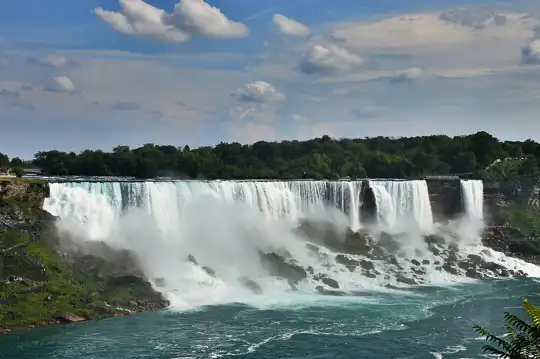
How many landmarks to visit: Plan on one or two major landmarks a day in cities and no more than one in the countryside, which works out to about 8 to 12 headline sites on a two-week trip. More than that and you are collecting photos from the car window. Distances are the reason: a single national park can eat a full day for the drive alone, and visitors who cram four or five into a week usually remember the highway better than the destinations. Fewer, longer stops cost less in fuel, parking and fees, and you are less exhausted, which makes them the best value for a backpacker.
Which kind to prioritize: Historic and civic landmarks in big cities suit travelers without a car. They sit on transit lines, many are free or cheap (US$0 to 25), and you can stack two or three in a day on foot. Natural …
read more 👉 How many landmarks to visit: Plan on one or two major landmarks a day in cities and no more than one in the countryside, which works out to about 8 to 12 headline sites on a two-week trip. More than that and you are collecting photos from the car window. Distances are the reason: a single national park can eat a full day for the drive alone, and visitors who cram four or five into a week usually remember the highway better than the destinations. Fewer, longer stops cost less in fuel, parking and fees, and you are less exhausted, which makes them the best value for a backpacker.
Which kind to prioritize: Historic and civic landmarks in big cities suit travelers without a car. They sit on transit lines, many are free or cheap (US$0 to 25), and you can stack two or three in a day on foot. Natural landmarks in the West deliver the larger payoff but demand a car, camping gear or a tour, so they cost more in money and planning. Anyone on a tight budget should anchor the trip on a handful of big parks and fill the rest with free city sites, memorials and state-park viewpoints. Fans of music and culture should pick the South, where many sites cost under US$15 and rarely need reservations. Travelers short on time should choose one region and skip the cross-country dream, because flights eat budget and hours, and comfort suffers with every connection.
What it costs per day: A frugal independent traveler can manage roughly US$80 to 130 a day: a hostel dorm or camping (US$30 to 70), groceries and cheap meals (US$20 to 35), local transport or fuel share (US$10 to 30) and landmark fees. Add a rental car and the figure rises to US$130 to 220 once insurance, gas and parking are counted. Cities such as New York, San Francisco and Boston run higher for beds, often US$60 to 100 for a dorm.
Per visit, national parks charge about US$20 to 35 per vehicle or US$10 to 20 per person on foot or bike, valid for several days. The annual America the Beautiful pass costs about US$80 and covers entry to most federal sites, so it pays off from the third or fourth park. Timed-entry reservations often add US$1 to 2 on top. Museums and historic buildings typically charge US$15 to 35, and observation decks and signature attractions in big cities can reach US$40 to 60. Many memorials, monuments and historic districts are free, and several museums run free or pay-what-you-wish days. Guided tours add US$25 to 100 and make sense mainly where access is restricted, such as slot canyons or cave systems. Elsewhere, ranger talks are free and often better than paid commentary.
Time, money and comfort trade-offs: Renting a car costs the most in money, but it saves hours and opens the West, so for rural landmarks it is usually the best use of cash, especially split between two or three travelers. Buying organized tours saves effort and adds comfort but costs two to four times as much, which seldom pays off. Booking early costs nothing except flexibility, and in peak season it is the difference between getting in and standing at a gate. Staying outside park gates adds 30 to 60 minutes of driving but can halve the lodging bill.
Safety and etiquette: Most landmark trouble is environmental, not criminal. Heat, dehydration and altitude cause the real emergencies: carry at least 3 liters of water per person for desert hikes and start early. Wildlife is not decorative. Keep 25 meters from bison and elk and 90 meters from bears, and store food as signs instruct. Cell coverage vanishes in many parks, so download offline maps. In cities, car break-ins at trailheads and tourist parking areas are common, so leave nothing visible and take valuables with you.
Cultural considerations matter at certain sites. Many landmarks sit on or near Native American land, and some are sacred; follow posted closures and photo restrictions. Memorials, cemeteries and civil rights sites call for quiet and no climbing on structures. Security screening is routine at federal buildings, so leave pocketknives behind. Tipping 18 to 20 percent at restaurants and a few dollars for guides is expected, and it adds up faster than any entry fee.




 Best Backpacking
 Hi, I’m Johan (Netherlands 🇳🇱), the creator of TakeYourBackpack. Over the past 3 decades, I’ve backpacked through 90+ countries across six continents, gaining extensive experience with independent travel, long-term trips, and overland routes.