×

the USA🇺🇸 | national parksRocky Mountain National ParkTrail Ridge Road, alpine tundra, Bear Lake, bugling elk | things to do and best time to go

Explore Olympic National ParkExplore Saguaro National Park

Backpacking in Rocky Mountain
🌟 Highlightnational park ranked #10
By Johan Kruseman 🇳🇱 | Updated October 22, 2026

Roughly a third of the park sits above treeline, and Trail Ridge Road crosses it at about 12,183 feet, so the “mountain drive” is really a tundra walk with a windshield. Rocky Mountain National Park is in the north of United States, in Colorado, northwest of Denver. Timed-entry reservations exist because the park draws millions of visitors a year, so experienced travelers book the early slot or arrive before the gate rush. The payoff is 300-plus miles of trail, elk, moose and alpine lakes. The downside is traffic, thin air and few bus options. At Bear Lake I once heard bull elk bugling across a meadow, a sound like a rusty gate with opinions. Your first day could mean an early entry, an easy lake loop, and a nap before dinner.

Discover everything you want to know in the 📖 the USA Travel Guide.


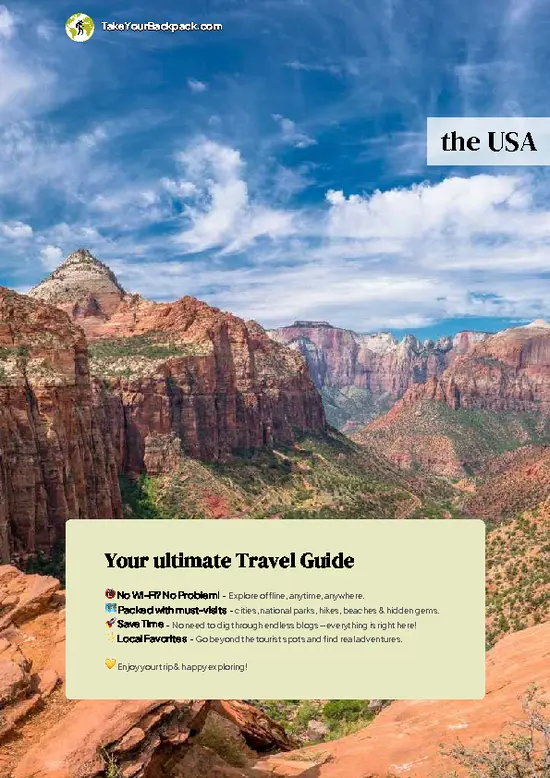
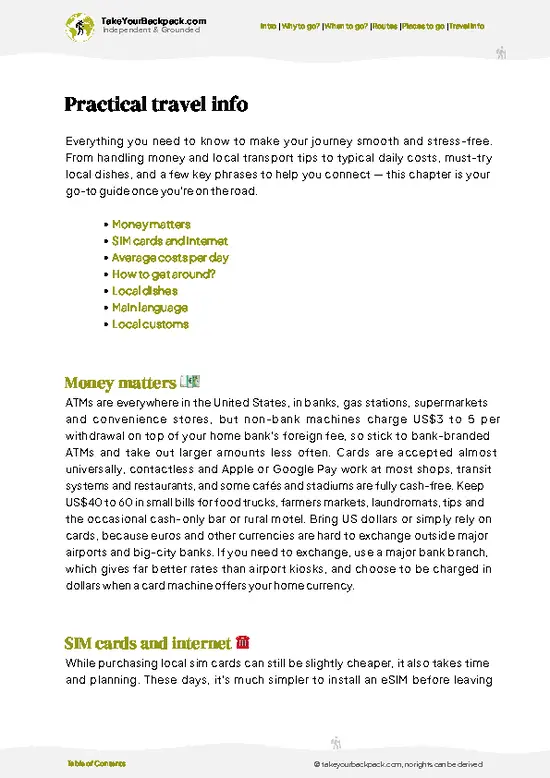
example page 0 from our offline Travel Guide for United States
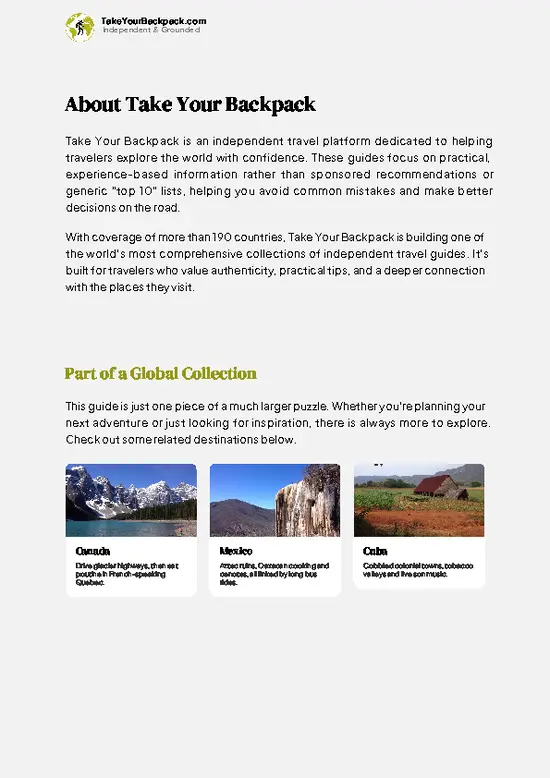
example page 1 from our offline Travel Guide for United States
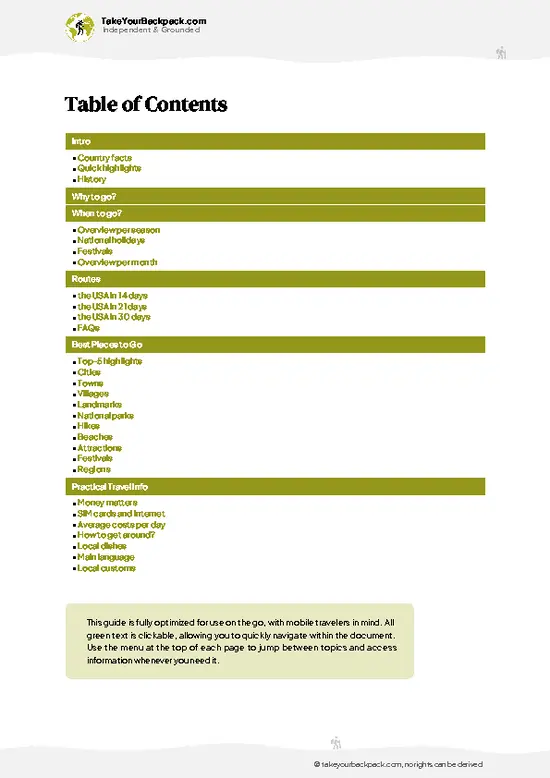
example page 2 from our offline Travel Guide for United States
example page 3 from our offline Travel Guide for United States
example page 4 from our offline Travel Guide for United States
example page 5 from our offline Travel Guide for United States
example page 6 from our offline Travel Guide for United States
example page 7 from our offline Travel Guide for United States
Loading the map 🌍
CLICK TO FILTER
cities
towns
villages
landmarks
national parks
hikes
beaches
attractions
festivals
regions
SHOW COUNTRY’S BESTSHOW ALL

✨ Why go?
Ranked #10 national park in the USA
Why visitors keep coming back

Rocky Mountain National Park suits backpackers who like making their own plans, because the trail network is dense enough to build a different route every day without hiring a guide. Permits for the wilderness campsites are cheap compared with a lodge, and the Wild Basin and Bear Lake corridors let you string together lakes, waterfalls and passes under your own steam. The scale is the other draw: Trail Ridge Road at over 12,000 feet puts you among tundra, marmots and pikas without a technical climb. Tours cover the road and little else, so the self-guided approach wins here. You set your pace, linger at a cirque lake, and skip crowds by starting before the shuttle buses begin. Altitude is the only gatekeeper, and a day of acclimatizing in Estes Park or Grand Lake handles most of it.

💡 HighlightsMust-see experiences and standout moments

  1. Trail Ridge Road: The highest continuous paved road in the country climbs above treeline for about 11 miles, with tundra, elk herds and views across the Continental Divide.
  2. Bear Lake: A flat loop under Hallett Peak and Flattop Mountain, and the jumping-off point for several longer hikes.
  3. Emerald Lake: A glacial lake in a rock bowl beneath Hallett Peak, reached past Nymph and Dream Lakes.
  4. Longs Peak: The park’s only fourteener at 14,259 feet, a long, exposed day hike that usually starts well before dawn.
  5. Alberta Falls: A short, easy walk to a rushing cascade, popular and a good first leg of a longer route.
  6. Alpine Visitor Center: At about 11,796 feet on Trail Ridge Road, with a short stair climb to a viewpoint and a chance to spot pikas and marmots.
  7. Kawuneeche Valley: The west-side valley where the
… read more 👉
  1. Trail Ridge Road: The highest continuous paved road in the country climbs above treeline for about 11 miles, with tundra, elk herds and views across the Continental Divide.
  2. Bear Lake: A flat loop under Hallett Peak and Flattop Mountain, and the jumping-off point for several longer hikes.
  3. Emerald Lake: A glacial lake in a rock bowl beneath Hallett Peak, reached past Nymph and Dream Lakes.
  4. Longs Peak: The park’s only fourteener at 14,259 feet, a long, exposed day hike that usually starts well before dawn.
  5. Alberta Falls: A short, easy walk to a rushing cascade, popular and a good first leg of a longer route.
  6. Alpine Visitor Center: At about 11,796 feet on Trail Ridge Road, with a short stair climb to a viewpoint and a chance to spot pikas and marmots.
  7. Kawuneeche Valley: The west-side valley where the Colorado River begins, good for moose at dawn and dusk.
  8. Sheep Lakes: A meadow near Horseshoe Park where bighorn sheep often gather in early summer.
Rocky Mountain National Park requires a timed-entry reservation in peak season, so book it ahead online, especially for the Bear Lake Road corridor.
Spotted a mistake or missing something? Contact us.

Things to do near Rocky Mountain National Park

Ratings based on Tripadvisor reviews. When you book through this link, you support our work at no extra cost to you.

🌤️ When to go?Seasonal considerations and timing

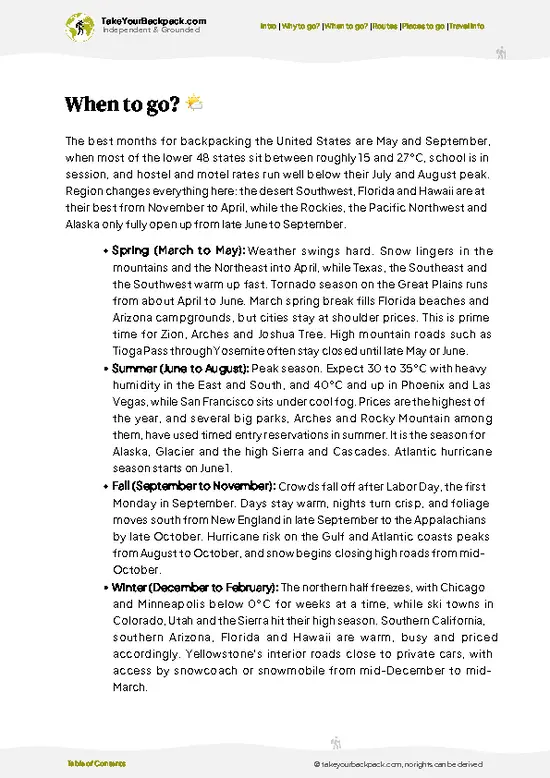
  • Summer (July to August): Trail access is at its best, with highs of 20 to 27°C (68 to 80°F) in Estes Park and 10 to 16°C (50 to 60°F) on the tundra. Afternoon thunderstorms are routine. Crowds and lodging prices peak, and Bear Lake needs a timed-entry reservation.
  • Fall (September to mid-October): Days of 10 to 18°C (50 to 65°F), golden aspens, and elk rutting in the meadows. Crowds ease after Labor Day.
  • Winter (November to April): Highs of -4 to 4°C (25 to 40°F), with Trail Ridge Road closed. Snowshoeing and skiing replace hiking, and lodging is cheapest.
  • Spring (May to June): Snow lingers above 3,000 m (10,000 ft), and Trail Ridge Road usually opens by late May. Wildflowers start in June.
Start hikes before 7 a.m. to be off exposed ridges before storms build.

source: climatestotravel.comJANJanuary: below average for travelingFEBFebruary: below average for travelingMARMarch: fair for travelingAPRApril: fair for travelingMAYMay: good for travelingJUNJune: highly recommended for travelingJULJuly: excellent for travelingAUGAugust: excellent for travelingSEPSeptember: highly recommended for travelingOCTOctober: good for travelingNOVNovember: fair for travelingDECDecember: below average for traveling
united-states-national-park-rocky-mountain-national-park
© Google | Daniel Gonzalez

✈️ The backpacker research shortcutthe USA Travel Guide

An offline-friendly backpacking guide with optimized travel routes, ranked highlights, transport advice, and the best areas to stay.
example page 0 from our offline Travel Guide for United States
example page 1 from our offline Travel Guide for United States
example page 2 from our offline Travel Guide for United States
example page 3 from our offline Travel Guide for United States
example page 4 from our offline Travel Guide for United States
example page 5 from our offline Travel Guide for United States
example page 6 from our offline Travel Guide for United States
example page 7 from our offline Travel Guide for United States
The digital guide (451 pages) contains:
✅ 159 highlights, ranked by travel appeal
✅ Optimized 14, 21 & 30-day travel routes
✅ Cities, national parks, landmarks, beaches
✅ How to get around
✅ Offline-friendly for travel without Wi-Fi
👉 Click to see all 30+ guide features

📅 Plan smarter in minutes, not weeks
✅ Month by month travel advice
✅ Festivals & national holidays
✅ Budget expectations

🗺️ Go to the right places, skip the overrated ones
✅ Honest pros & cons of destinations
✅ Top hikes, parks & viewpoints
✅ Lesser-known places most travelers miss
✅ Clear “worth it vs skip it” guidance

🛏️ Travel smoothly without rookie mistakes
✅ Best areas to stay
✅ Transport systems explained simply
✅ Common scams & safety advice
✅ SIM cards, money & practical tips

🌍 Understand the country, not just visit it
✅ Culture & traditions
✅ Local customs
✅ Festivals worth planning around
✅ Traveler-friendly historical context
✅ Insights that make places more meaningful

📱 Built for real travel conditions
✅ Fully downloadable PDF
✅ Works completely offline
✅ Optimized for phone use
✅ Useful in remote areas & buses
✅ Everything in one place
Stop searching, start planning
Get instant access to your full guide. 30‑day money-back guarantee.
+ Add another guide for just

By proceeding you agree to our terms.
Sent to your inbox immediately after payment • 100% Secure Checkout
Best Backpacking Travel Advisor 2025 tourism awardBest Backpacking
Travel Advisor
2025
What others say about Take Your Backpack Guides:
⭐⭐⭐⭐⭐
Fantastic, amazing amount of information!
⭐⭐⭐⭐⭐
My goodness this is amazing, it's what I've been looking for hats off too you!
⭐⭐⭐⭐⭐
I think this is absolutely BRILLIANT
⭐⭐⭐⭐
Very complete and informative. It's still missing places, but I gotta to commend you
⭐⭐⭐⭐⭐
This is truly amazing, thank you, can't wait to explore it with my kids!
⭐⭐⭐⭐⭐
Awesome resource, thank you!
⭐⭐⭐⭐⭐
This is amazing! Can't wait to explore the ones I haven't seen
⭐⭐⭐⭐
I love this! Well done, great idea.
⭐⭐⭐⭐⭐
Thanks for taking the time to make this gem!
⭐⭐⭐⭐⭐
This might be the best website I've ever seen.
⭐⭐⭐⭐⭐
Congratulations, and thank you so much for your work; it's incredibly valuable.
⭐⭐⭐⭐
In all seriousness I think you did a great job pointing out the important spots
⭐⭐⭐⭐⭐
10/10 very good
⭐⭐⭐⭐⭐
As someone who's only just starting to visit regularly this is awesome, thank you.
⭐⭐⭐⭐
Thank you very much! I'm going to visit my dad, it's going to be very useful!
⭐⭐⭐⭐⭐
This is really cool! We'll be travelling for the first time and this definitely come in handy.
⭐⭐⭐⭐⭐
You are now our minister of culture, congratulations 👨‍💼
⭐⭐⭐⭐⭐
Just wanted to tell you that this is a pearl! Going to follow your recommendations.
⭐⭐⭐⭐⭐
This is so cool. I'll definitely be using the resource for my travels soon.
⭐⭐⭐⭐⭐
This is very impressive! Good work.
⭐⭐⭐⭐⭐
This is an amazing and informative site. Very well done!

🛏️ Where to stay?Choosing the right base

Estes Park, on the east side, is the main base for backpackers, with hostels and motels roughly US$90 to 200 a night in summer, plus many restaurants and a free shuttle in season. Grand Lake, on the quieter west side, has cabins and small lodges at US$100 to 220. Inside the park, there are no hotels, but five campgrounds exist: Moraine Park, Glacier Basin, Aspenglen, Timber Creek and Longs Peak. Sites cost about US$30 to 35 a night, and most summer sites need reservations months ahead through recreation.gov. Backcountry camping requires a wilderness permit and a designated site, with a bear canister … read more 👉
Estes Park, on the east side, is the main base for backpackers, with hostels and motels roughly US$90 to 200 a night in summer, plus many restaurants and a free shuttle in season. Grand Lake, on the quieter west side, has cabins and small lodges at US$100 to 220. Inside the park, there are no hotels, but five campgrounds exist: Moraine Park, Glacier Basin, Aspenglen, Timber Creek and Longs Peak. Sites cost about US$30 to 35 a night, and most summer sites need reservations months ahead through recreation.gov. Backcountry camping requires a wilderness permit and a designated site, with a bear canister recommended in many zones. Granby and Allenspark offer cheaper motels and cabins within a 30 to 45 minute drive. Lyons and Loveland are further out on the east side, with budget chain motels and lower rates, though you add about an hour each way.

👛 Costs (as of 22 October 2026)Travel costs and budget guide for Rocky Mountain

Rocky Mountain National Park costs a budget backpacker roughly US$100 to 140 a day, and this estimate totals US$124 with a campsite. Most costs come from lodging and the entry fee.
CategoryBudget RangeLocal Reality
Entrance feeUS$0 to 35A 1-day vehicle pass is about US$30 to 35 and covers everyone inside. Timed-entry reservations add about US$2 in peak season. Non-US residents aged 16 or older add a US$100 fee per person. An annual America the Beautiful pass is US$80 for US residents and US$250 for nonresidents.
AccommodationUS$30 to 150Park campsites run US$30 to 35, while motels in Estes Park cost US$90 to 200 in summer and less in winter. Backcountry permits cost about US$30 to 36.
Local transportUS$0 to 25Park shuttles are free in summer. Driving from Denver, plan on about US$15 to 25 of gas.
… read more 👉
Rocky Mountain National Park costs a budget backpacker roughly US$100 to 140 a day, and this estimate totals US$124 with a campsite. Most costs come from lodging and the entry fee.
CategoryBudget RangeLocal Reality
Entrance feeUS$0 to 35A 1-day vehicle pass is about US$30 to 35 and covers everyone inside. Timed-entry reservations add about US$2 in peak season. Non-US residents aged 16 or older add a US$100 fee per person. An annual America the Beautiful pass is US$80 for US residents and US$250 for nonresidents.
AccommodationUS$30 to 150Park campsites run US$30 to 35, while motels in Estes Park cost US$90 to 200 in summer and less in winter. Backcountry permits cost about US$30 to 36.
Local transportUS$0 to 25Park shuttles are free in summer. Driving from Denver, plan on about US$15 to 25 of gas.
Food and suppliesUS$20 to 45Groceries and camp meals cost US$20 to 30 a day, and a restaurant meal in Estes Park is about US$15 to 30.
Total Daily BudgetUS$124Based on a US$35 entry fee, US$32 campsite, US$20 transport and US$37 food.


source: nps.gov
⚠️ Prices can change and everyone travels differently, so take this as a rough guide. Hope it helps you plan your adventure!

🥾 TrailsTrail guide for Rocky Mountain national park

Rocky Mountain National Park offers hiking for every level, from lakeside strolls to a serious fourteener, all above 8,000 feet where lungs work harder than maps suggest.
  • Bear Lake Loop: 0.6 miles, 20 to 30 minutes, easy. Paved and flat, with Longs Peak and Hallett Peak views.
  • Emerald Lake Trail: about 3.6 miles round trip, 2 to 3 hours, easy to moderate. Passes Nymph and Dream Lakes through spruce and granite.
  • Alberta Falls: about 1.6 miles round trip, 1 hour, easy. Gentle climb to a waterfall.
  • Sky Pond: about 9 miles round trip, 5 to 7 hours, strenuous. Passes Alberta Falls and The Loch, then a
… read more 👉
Rocky Mountain National Park offers hiking for every level, from lakeside strolls to a serious fourteener, all above 8,000 feet where lungs work harder than maps suggest.
  • Bear Lake Loop: 0.6 miles, 20 to 30 minutes, easy. Paved and flat, with Longs Peak and Hallett Peak views.
  • Emerald Lake Trail: about 3.6 miles round trip, 2 to 3 hours, easy to moderate. Passes Nymph and Dream Lakes through spruce and granite.
  • Alberta Falls: about 1.6 miles round trip, 1 hour, easy. Gentle climb to a waterfall.
  • Sky Pond: about 9 miles round trip, 5 to 7 hours, strenuous. Passes Alberta Falls and The Loch, then a scramble up Timberline Falls to a cirque lake.
  • Flattop Mountain: about 8.8 miles round trip, 5 to 7 hours, strenuous. Climbs above treeline to a broad tundra summit.
  • Longs Peak Keyhole Route: about 14.5 miles round trip, 12 to 15 hours, very strenuous. Exposed scrambling, with an alpine start essential and afternoon storms a real danger.
Wildlife is the bonus: elk are common in meadows, moose frequent the west side, and bighorn sheep, marmots and pikas turn up higher. Stay well back from all animals.
The park has no train service, and public transport is limited, though seasonal shuttles run within the park and a bus connects some nearby areas. Most travelers arrive by car or rental. Summer weekends are crowded, and morning is quietest. An entrance fee applies, and a timed-entry reservation is often needed in the busy months.
⚠️ Hiking info can sometimes be outdated or inaccurate. Before you hit the trail, check the latest conditions with locals. If you do spot anything that's off, I'd love to hear from you, so I can update it for fellow travelers.

🛡️ SafetySafety Tips and Common Scams in Rocky Mountain

Rocky Mountain National Park is well managed, but altitude and weather cause most trouble. Trails start at 2,400 to 3,000 m (8,000 to 10,000 ft) and Trail Ridge Road tops 3,700 m (12,000 ft), so spend a day acclimating, drink plenty of water and expect headaches if you rush. Afternoon lightning is common above treeline, so turn around by noon if clouds build. Pack layers, since snow can fall in any month. Elk and moose deserve 25 m (75 ft) of distance, especially during fall rutting and calving, and bears and coyotes need 100 m and 45 m respectively. Store food in canisters or lockers. Carry a paper map, because cell signal is patchy.

FAQTraveler FAQ

Plan on 2 to 3 days for Rocky Mountain National Park if you want the highlights. That fits Bear Lake, Trail Ridge Road and one longer hike such as Emerald Lake or Sky Pond. Backpackers doing a Wild Basin or Longs Peak route usually need 3 to 5 days.
Yes, though the car-free option is partial. A free summer shuttle runs from the Estes Park Visitor Center to Bear Lake and Moraine Park, and the Hiker Shuttle serves trailheads. Denver is about 1.5 to 2 hours away, and Estes Park Shuttle runs seasonal service from Denver International Airport for roughly US$50 to 70 one way. Trail Ridge Road itself is hard to reach without a vehicle.
Yes, Rocky Mountain National Park charges about US$30 to 35 per vehicle for one day, or US$15 to 20 per person on foot or bike, and nonresidents aged 16 and over also pay a US$100 nonresident fee each unless they hold an annual pass. Timed-entry reservations are required in peak months, costing about US$2, and book out fast. Overnight backcountry camping needs a wilderness permit, about US$30 to 36, and a reservation for popular zones.
⚠️ Things can change over time, so always validate details locally before you go.

Other American national parks near Rocky Mountain

Explore more nearby:


💡 Not sure where to go next?
Create a personalized itinerary for the USA including Rocky Mountain and the places that fit your trip.

Generate my itinerary

👉 Discover all national parks

Or checkout all the USA has to offer (think cities, towns, villages, national parks, hikes, beaches, festivals)
Country photo of the USA

We 💚 feedbackSumming up the experience

Rocky Mountain National Park pairs well with a loop through Boulder and the Indian Peaks to the south, or a push over Trail Ridge Road to Grand Lake and on toward Steamboat Springs. I would give it three days, keep one for a big hike, and skip rushing the whole route.

✈️ When did I visit the USA?
In January 2023 I visited New York. Many years before, before digital cameras existed, I discovered most of the national parks in the West.

✍️ Help improve this page!
The information on this page is based on my own backpacking experience in the USA, supplemented with up-to-date research and feedback from other travelers. Travel details can change, so if you notice anything outdated or incomplete, feel free to let me know.


🙋‍♂️ Give feedback

👋 Meet the founderWho’s Behind Take Your Backpack?

Johan, backpacker and founder of TakeYourBackpackHi, I’m Johan (Netherlands 🇳🇱), the creator of TakeYourBackpack. Over the past 3 decades, I’ve backpacked through 90+ countries across six continents, gaining extensive experience with independent travel, long-term trips, and overland routes.

This site is built on a combination of firsthand travel experience and carefully curated insights from other backpackers. Many guides are based on places I’ve personally visited, while others bring together tips, observations, and practical advice shared by trusted travelers I’ve met along the way.

The goal is to provide realistic, experience-driven guidance — not generic itineraries — so you can explore destinations with better context, clearer expectations, and more confidence.