×

the USA🇺🇸 | citiesSeattlePike Place fish, Space Needle, glass garden, Sound ferries | things to do and best time to go

Explore PortlandExplore Boston

Backpacking in Seattle
🏆 Top pickcity ranked #6
By Johan Kruseman 🇳🇱 | Updated October 22, 2026

The fishmonger winds up, the crowd goes quiet, and a whole salmon sails over the counter to a loud, synchronized shout. That clatter and the smell of cold brine and fresh coffee still say Seattle to me. The city sits in the northwest corner of the United States, squeezed between Puget Sound and Lake Washington. It suits travelers who like water views, strong coffee, big food and a good record store, and it suits less anyone chasing cheap beds or sunshine. Hills are steep and sights spread out, which is why locals ride the light rail and buses instead of walking everything. Buy an ORCA card or tap a contactless card on transit, and expect the drizzle to arrive without warning, so carry a light shell rather than an umbrella.

Discover everything you want to know in the 📖 the USA Travel Guide.


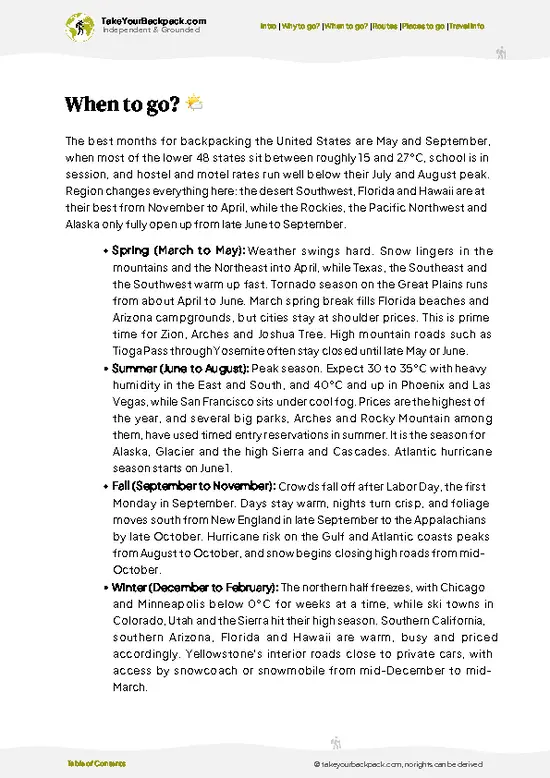
example page 0 from our offline Travel Guide for United States
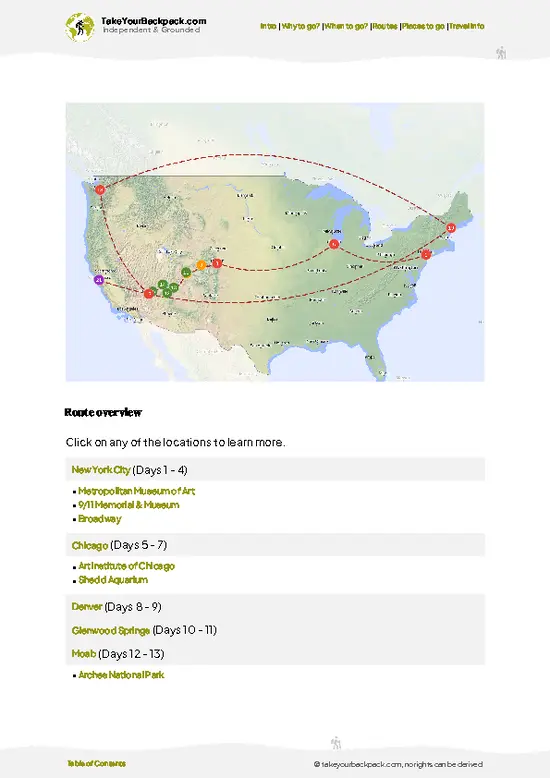
example page 1 from our offline Travel Guide for United States
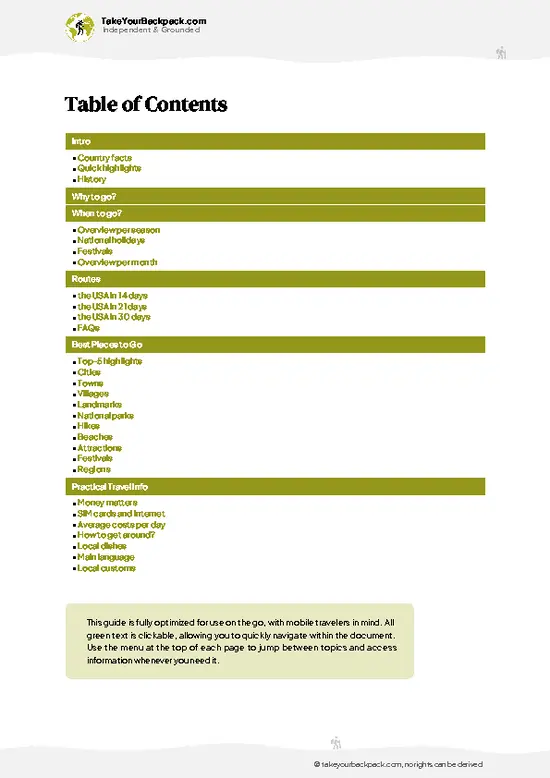
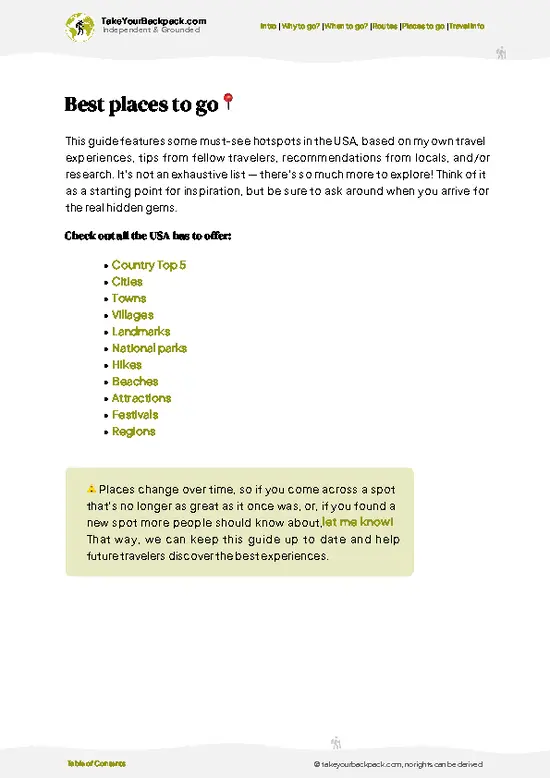
example page 2 from our offline Travel Guide for United States
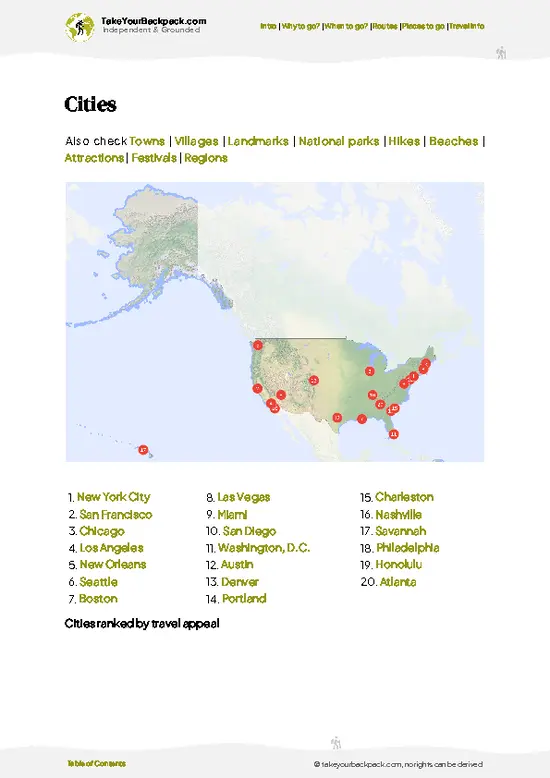
example page 3 from our offline Travel Guide for United States
example page 4 from our offline Travel Guide for United States
example page 5 from our offline Travel Guide for United States
example page 6 from our offline Travel Guide for United States
example page 7 from our offline Travel Guide for United States
Loading the map 🌍
CLICK TO FILTER
cities
towns
villages
landmarks
national parks
hikes
beaches
attractions
festivals
regions
SHOW COUNTRY’S BESTSHOW ALL

✨ Why go?
Ranked #6 city in the USA
What makes it a must-see city

Seattle works for backpackers because it packs a dozen real attractions into a compact downtown, so you can see a lot without renting a car. The city also makes a strong base for the Pacific Northwest: ferries leave from the waterfront, and the Link light rail runs straight from the airport to downtown and the university district. Hostels cluster near Pike Place and Capitol Hill, so you can walk to food and nightlife after dropping your pack. Food is the other draw. Fresh seafood, Vietnamese in the International District and serious coffee in nearly every block give you variety even on a thin budget. Capitol Hill carries the nightlife, with live music rooms, dive bars and late-night dumpling spots. Seattle is pricey by American standards, so most travelers settle in for two or three days and … read more 👉
Seattle works for backpackers because it packs a dozen real attractions into a compact downtown, so you can see a lot without renting a car. The city also makes a strong base for the Pacific Northwest: ferries leave from the waterfront, and the Link light rail runs straight from the airport to downtown and the university district. Hostels cluster near Pike Place and Capitol Hill, so you can walk to food and nightlife after dropping your pack. Food is the other draw. Fresh seafood, Vietnamese in the International District and serious coffee in nearly every block give you variety even on a thin budget. Capitol Hill carries the nightlife, with live music rooms, dive bars and late-night dumpling spots. Seattle is pricey by American standards, so most travelers settle in for two or three days and then head out to the mountains or islands. As a first stop on a West Coast loop it is hard to beat, and as a long stay it gets expensive.

💡 HighlightsPlaces and moments you shouldn't skip

  1. Pike Place Market: The 1907 market is where the fish-throwing happens, plus produce stalls, flower sellers and tiny diners. Go on a weekday morning to beat crowds. Entry is free, and you will want 2 to 3 hours.
  2. Space Needle: The 1962 tower has a rotating glass floor and 360-degree views of Rainier on clear days. Go near opening or late afternoon. Tickets run about US$40 to 45, and the visit takes 1 to 1.5 hours.
  3. Museum of Pop Culture (MoPOP): Frank Gehry’s warped metal building holds Nirvana and Hendrix exhibits and sci-fi collections. Weekday afternoons are quieter. Admission is about US$32 to 36, and you need 2 to 3 hours.
  4. Chihuly Garden and Glass: Dale Chihuly’s glasswork glows in indoor galleries and a garden beside the Needle. Evening light is best. Tickets cost around US$35 to 40, for 1
… read more 👉
  1. Pike Place Market: The 1907 market is where the fish-throwing happens, plus produce stalls, flower sellers and tiny diners. Go on a weekday morning to beat crowds. Entry is free, and you will want 2 to 3 hours.
  2. Space Needle: The 1962 tower has a rotating glass floor and 360-degree views of Rainier on clear days. Go near opening or late afternoon. Tickets run about US$40 to 45, and the visit takes 1 to 1.5 hours.
  3. Museum of Pop Culture (MoPOP): Frank Gehry’s warped metal building holds Nirvana and Hendrix exhibits and sci-fi collections. Weekday afternoons are quieter. Admission is about US$32 to 36, and you need 2 to 3 hours.
  4. Chihuly Garden and Glass: Dale Chihuly’s glasswork glows in indoor galleries and a garden beside the Needle. Evening light is best. Tickets cost around US$35 to 40, for 1 to 1.5 hours.
  5. Seattle Waterfront and Ferry Ride: Walk the pier, then ride a Washington State Ferry to Bainbridge Island for skyline views. Sunset sailings are best. The round trip costs about US$10 to 12 for walk-on passengers, and takes 2 to 3 hours.
  6. Kerry Park: This small Queen Anne viewpoint frames the skyline, the Sound and Rainier. Come at dusk. It is free, and 30 to 45 minutes is plenty.
  7. Gas Works Park: Rusting gasification towers stand on a hill over Lake Union, popular for picnics and kite flying. Go in the late afternoon. It is free, and 1 to 2 hours works.
  8. Hiram M. Chittenden Locks: Boats climb between lake and sound here, and a fish ladder window shows salmon in summer and early fall. Mornings are quiet. Entry is free, and you will spend 1 to 2 hours.
Seattle also makes an easy base for day trips to Mount Rainier National Park, Snoqualmie Falls, the Olympic Peninsula and the San Juan Islands. The Space Needle, MoPOP and Chihuly Garden and Glass sell timed tickets that are cheaper and safer booked ahead in summer.
Spotted a mistake or missing something? Contact us.

Things to do in Seattle

Ratings based on Tripadvisor reviews. When you book through this link, you support our work at no extra cost to you.

🏘️ NeighborhoodsNeighborhood guide to Seattle

Seattle sprawls across hills, water and a stubborn grid that stops making sense the moment you cross a bridge, so pick two or three areas per day and stop pretending you’ll do it all. Hills are steeper than maps suggest, which is why locals treat a bus pass like a pair of hiking boots.
  • Downtown and Pike Place: The market sits on a bluff above the waterfront, and the fish-throwing crowd clogs the main arcade by late morning. Go at opening time, eat a piroshky or chowder standing up, and wander the side arcades where the crowds thin. Fully walkable, though the climb back from the water is a thigh workout.
  • Capitol Hill: The nightlife and queer-culture center, with dive bars, vinyl shops and late-night pizza by the slice. Weekend streets get loud after 10 p.m., so arrive for dinner and stay out.
… read more 👉
Seattle sprawls across hills, water and a stubborn grid that stops making sense the moment you cross a bridge, so pick two or three areas per day and stop pretending you’ll do it all. Hills are steeper than maps suggest, which is why locals treat a bus pass like a pair of hiking boots.
  • Downtown and Pike Place: The market sits on a bluff above the waterfront, and the fish-throwing crowd clogs the main arcade by late morning. Go at opening time, eat a piroshky or chowder standing up, and wander the side arcades where the crowds thin. Fully walkable, though the climb back from the water is a thigh workout.
  • Capitol Hill: The nightlife and queer-culture center, with dive bars, vinyl shops and late-night pizza by the slice. Weekend streets get loud after 10 p.m., so arrive for dinner and stay out. Very walkable, and the light rail drops you right in the middle.
  • Belltown: Dense with bars, cheap happy hours and live music venues, a short walk north of downtown. It’s grittier than the brochures hint, so come for the 4 to 6 p.m. deals rather than a midnight stroll.
  • Fremont and Ballard: Fremont has the quirky troll under a bridge and Sunday market; Ballard has breweries, a salmon-viewing locks area and Nordic history. The Burke-Gilman Trail links them, so rent a bike instead of waiting on buses.
  • International District: Dim sum, pho, bubble tea and a Japanese-American history museum packed into a flat, walkable grid. Go hungry and in a group so you can order more dishes.

⌛️ 1 dayWhat you can realistically do in a day

8:00 AM: Pike Place Market
This is a market morning, so arrive before the cruise-ship crowds thicken. Walk past the fish throwers, grab a pastry at a bakery counter, and wander the lower arcades where the stalls are quieter. Entry is free, and you can graze for a modest sum. Then stroll north along the waterfront stairs toward the Olympic Sculpture Park.

10:00 AM: Olympic Sculpture Park
This free outdoor park zigzags down to Elliott Bay, with big steel pieces framed by ferries and mountains on a clear day. Give it 45 minutes. Then walk back up through Belltown toward the Monorail at Westlake, about 25 minutes on foot or a short bus ride.

12:00 PM: Seattle Center
Ride the Monorail across, then look up at the Space Needle without paying for the elevator if your budget is tight. The International … read more 👉
8:00 AM: Pike Place Market
This is a market morning, so arrive before the cruise-ship crowds thicken. Walk past the fish throwers, grab a pastry at a bakery counter, and wander the lower arcades where the stalls are quieter. Entry is free, and you can graze for a modest sum. Then stroll north along the waterfront stairs toward the Olympic Sculpture Park.

10:00 AM: Olympic Sculpture Park
This free outdoor park zigzags down to Elliott Bay, with big steel pieces framed by ferries and mountains on a clear day. Give it 45 minutes. Then walk back up through Belltown toward the Monorail at Westlake, about 25 minutes on foot or a short bus ride.

12:00 PM: Seattle Center
Ride the Monorail across, then look up at the Space Needle without paying for the elevator if your budget is tight. The International Fountain is a fun spot to eat lunch, and the food hall at Armory has plenty of choices. Spend about 90 minutes here.

2:30 PM: Fremont Troll
This one sits off the standard circuit. Take a bus to Fremont and find the huge concrete troll crouched under the Aurora Bridge, clutching a real Volkswagen Beetle. It is free, takes 20 minutes, and kids climb all over it. Wander the neighborhood afterward and look for the Lenin statue and the quirky shops.

4:30 PM: Gas Works Park
Walk along the Burke-Gilman Trail, about 25 minutes, to this old coal gasification plant turned hilltop park. The rusted towers make a great backdrop, and the lawn looks across Lake Union to the downtown skyline. Stay for the evening light.

7:00 PM: Capitol Hill
Catch a bus south to Capitol Hill for dinner and a drink. Pizza slices, ramen and dive bars line Pike and Pine, and live music is easy to find. Finish here, with plenty of late buses back downtown.

🌤️ When to go?Best time to visit Seattle

July through September is the driest and sunniest stretch, and that is when to go for views and hiking.
  • Summer (Jul to Sep): Highs of 22 to 27°C (72 to 81°F), almost no rain and daylight past 9 p.m. in July. Mount Rainier is visible, ferries are packed, and hostel rates peak.
  • Spring (Apr to Jun): Highs of 13 to 20°C (55 to 68°F), with cherry blossoms in the University of Washington quad and lingering drizzle. Crowds are lighter and prices softer, though June can stay gray.
  • Fall (Oct to Nov): Highs of 9 to 16°C (48 to 61°F), leaves turning and rain returning. Salmon run through the locks and lodging gets cheaper.
  • Winter (Dec to Feb): Highs of 6 to 9°C (43 to 48°F), long gray drizzle and only about 8 hours of daylight. Beds are cheapest, and snow sports at nearby passes are the draw.
Book beds early … read more 👉
July through September is the driest and sunniest stretch, and that is when to go for views and hiking.
  • Summer (Jul to Sep): Highs of 22 to 27°C (72 to 81°F), almost no rain and daylight past 9 p.m. in July. Mount Rainier is visible, ferries are packed, and hostel rates peak.
  • Spring (Apr to Jun): Highs of 13 to 20°C (55 to 68°F), with cherry blossoms in the University of Washington quad and lingering drizzle. Crowds are lighter and prices softer, though June can stay gray.
  • Fall (Oct to Nov): Highs of 9 to 16°C (48 to 61°F), leaves turning and rain returning. Salmon run through the locks and lodging gets cheaper.
  • Winter (Dec to Feb): Highs of 6 to 9°C (43 to 48°F), long gray drizzle and only about 8 hours of daylight. Beds are cheapest, and snow sports at nearby passes are the draw.
Book beds early for July and August, since cruise ships and festivals fill them quickly.


source: climatestotravel.comJANJanuary: fair for travelingFEBFebruary: fair for travelingMARMarch: good for travelingAPRApril: good for travelingMAYMay: highly recommended for travelingJUNJune: excellent for travelingJULJuly: excellent for travelingAUGAugust: excellent for travelingSEPSeptember: highly recommended for travelingOCTOctober: good for travelingNOVNovember: fair for travelingDECDecember: fair for traveling
when-to-go

✈️ The backpacker research shortcutthe USA Travel Guide

An offline-friendly backpacking guide with optimized travel routes, ranked highlights, transport advice, and the best areas to stay.
example page 0 from our offline Travel Guide for United States
example page 1 from our offline Travel Guide for United States
example page 2 from our offline Travel Guide for United States
example page 3 from our offline Travel Guide for United States
example page 4 from our offline Travel Guide for United States
example page 5 from our offline Travel Guide for United States
example page 6 from our offline Travel Guide for United States
example page 7 from our offline Travel Guide for United States
The digital guide (451 pages) contains:
✅ 159 highlights, ranked by travel appeal
✅ Optimized 14, 21 & 30-day travel routes
✅ Cities, national parks, landmarks, beaches
✅ How to get around
✅ Offline-friendly for travel without Wi-Fi
👉 Click to see all 30+ guide features

📅 Plan smarter in minutes, not weeks
✅ Month by month travel advice
✅ Festivals & national holidays
✅ Budget expectations

🗺️ Go to the right places, skip the overrated ones
✅ Honest pros & cons of destinations
✅ Top hikes, parks & viewpoints
✅ Lesser-known places most travelers miss
✅ Clear “worth it vs skip it” guidance

🛏️ Travel smoothly without rookie mistakes
✅ Best areas to stay
✅ Transport systems explained simply
✅ Common scams & safety advice
✅ SIM cards, money & practical tips

🌍 Understand the country, not just visit it
✅ Culture & traditions
✅ Local customs
✅ Festivals worth planning around
✅ Traveler-friendly historical context
✅ Insights that make places more meaningful

📱 Built for real travel conditions
✅ Fully downloadable PDF
✅ Works completely offline
✅ Optimized for phone use
✅ Useful in remote areas & buses
✅ Everything in one place
Stop searching, start planning
Get instant access to your full guide. 30‑day money-back guarantee.
+ Add another guide for just

By proceeding you agree to our terms.
Sent to your inbox immediately after payment • 100% Secure Checkout
Best Backpacking Travel Advisor 2025 tourism awardBest Backpacking
Travel Advisor
2025
What others say about Take Your Backpack Guides:
⭐⭐⭐⭐⭐
Fantastic, amazing amount of information!
⭐⭐⭐⭐⭐
My goodness this is amazing, it's what I've been looking for hats off too you!
⭐⭐⭐⭐⭐
I think this is absolutely BRILLIANT
⭐⭐⭐⭐
Very complete and informative. It's still missing places, but I gotta to commend you
⭐⭐⭐⭐⭐
This is truly amazing, thank you, can't wait to explore it with my kids!
⭐⭐⭐⭐⭐
Awesome resource, thank you!
⭐⭐⭐⭐⭐
This is amazing! Can't wait to explore the ones I haven't seen
⭐⭐⭐⭐
I love this! Well done, great idea.
⭐⭐⭐⭐⭐
Thanks for taking the time to make this gem!
⭐⭐⭐⭐⭐
This might be the best website I've ever seen.
⭐⭐⭐⭐⭐
Congratulations, and thank you so much for your work; it's incredibly valuable.
⭐⭐⭐⭐
In all seriousness I think you did a great job pointing out the important spots
⭐⭐⭐⭐⭐
10/10 very good
⭐⭐⭐⭐⭐
As someone who's only just starting to visit regularly this is awesome, thank you.
⭐⭐⭐⭐
Thank you very much! I'm going to visit my dad, it's going to be very useful!
⭐⭐⭐⭐⭐
This is really cool! We'll be travelling for the first time and this definitely come in handy.
⭐⭐⭐⭐⭐
You are now our minister of culture, congratulations 👨‍💼
⭐⭐⭐⭐⭐
Just wanted to tell you that this is a pearl! Going to follow your recommendations.
⭐⭐⭐⭐⭐
This is so cool. I'll definitely be using the resource for my travels soon.
⭐⭐⭐⭐⭐
This is very impressive! Good work.
⭐⭐⭐⭐⭐
This is an amazing and informative site. Very well done!

🛏️ Where to stay?How to pick the right area

Capitol Hill and the area around downtown and Pike Place are the best budget bases, with the University District as a cheaper fallback. Hostels and budget beds cluster downtown near the market and waterfront, with dorms in the roughly US$40 to 65 range in summer, and it is the one place where beds are plentiful.
Downtown works for first-timers because Link light rail, buses and the ferry terminal are all within a short walk. The area is lively by day, but a few blocks near Third Avenue and Pioneer Square can feel rough after dark, so choose places on the market or waterfront side and walk back … read more 👉
Capitol Hill and the area around downtown and Pike Place are the best budget bases, with the University District as a cheaper fallback. Hostels and budget beds cluster downtown near the market and waterfront, with dorms in the roughly US$40 to 65 range in summer, and it is the one place where beds are plentiful.
Downtown works for first-timers because Link light rail, buses and the ferry terminal are all within a short walk. The area is lively by day, but a few blocks near Third Avenue and Pioneer Square can feel rough after dark, so choose places on the market or waterfront side and walk back along busy streets.
Capitol Hill has fewer dorm beds but plenty of budget guesthouses and shared rentals, plus a light rail station and endless late-night food. Expect noise on Friday and Saturday nights, so bring earplugs.
The University District is quieter, cheaper for food and on the rail line, though it feels sleepy in summer when students leave. Book early for July and August, since beds fill weeks ahead.

🚌 Getting aroundMoving around without the hassle

Seattle is easiest on foot plus the Link light rail, which runs from the airport through downtown, Capitol Hill and the University of Washington without ever touching traffic. Downtown is compact, but hills are steep, and the city’s traffic jams on I-5 are legendary, so a car is more problem than solution for a backpacker.
  • Walking: Free and the best way to see downtown, Pike Place, Belltown and the waterfront. Hills are the catch, because streets run uphill from the water like a staircase built by a mischievous giant. Plan routes along the cross streets, which are gentler.
  • Link light rail: Fares are a flat US$3, and trains come every 8 to 15 minutes from around 5 a.m. until about 1 a.m. The airport to downtown ride takes about 40 minutes and costs under US$4, far less than a US$40 to 50 rideshare.
… read more 👉
Seattle is easiest on foot plus the Link light rail, which runs from the airport through downtown, Capitol Hill and the University of Washington without ever touching traffic. Downtown is compact, but hills are steep, and the city’s traffic jams on I-5 are legendary, so a car is more problem than solution for a backpacker.
  • Walking: Free and the best way to see downtown, Pike Place, Belltown and the waterfront. Hills are the catch, because streets run uphill from the water like a staircase built by a mischievous giant. Plan routes along the cross streets, which are gentler.
  • Link light rail: Fares are a flat US$3, and trains come every 8 to 15 minutes from around 5 a.m. until about 1 a.m. The airport to downtown ride takes about 40 minutes and costs under US$4, far less than a US$40 to 50 rideshare.
  • King County Metro buses: The fare is US$3, and the system reaches Ballard, Fremont and West Seattle where rail does not. Tap an ORCA card, which makes transfers free for two hours, rather than hunting for exact change because drivers do not give it. A Regional Day Pass in the ORCA app costs US$6 for unlimited rides that day.
  • Ferries and water taxi: The Bainbridge Island ferry costs about US$10 to 11 round trip for walk-on passengers (paid one direction), takes 35 minutes and doubles as the cheapest harbor cruise in town. The West Seattle water taxi runs about US$5 to 6.
  • Bikes and scooters: Rentals and shared e-bikes cost roughly US$1 to 2 to unlock plus per-minute fees. They work on flat waterfront trails like the Burke-Gilman and badly on hills.
Smart move: buy an ORCA card at a Link station or load it into your phone wallet as soon as you land, because paying cash per ride costs more and slows boarding.

👛 Costs (as of 22 October 2026)What things cost and how to budget

Seattle costs a backpacker roughly US$135 a day in high season, and that is with a dorm bed, cooked or cheap meals and a transit-first routine. Seattle is pricey by U.S. standards, mostly because of beds. Everything is paid in US dollars, and sales tax of about 10% is added at the register, so menu and shelf prices rise at checkout.
CategoryBudget RangeLocal Reality
Dorm bed (high season, June to September)US$50 to 70Downtown and Capitol Hill beds sell out early in summer. Budget US$60 for the total.
Dorm bed (off-season, October to April)US$35 to 50Rates drop noticeably in the wet months, and walk-up availability is easy.
MealsUS$30 to 45Teriyaki, pho, tacos and bakery breakfasts run US$8 to 15 each. Tipping of 15 to 20% applies at sit-down places. Budget US$38.
Local transportUS$6 to 12Bus and
… read more 👉
Seattle costs a backpacker roughly US$135 a day in high season, and that is with a dorm bed, cooked or cheap meals and a transit-first routine. Seattle is pricey by U.S. standards, mostly because of beds. Everything is paid in US dollars, and sales tax of about 10% is added at the register, so menu and shelf prices rise at checkout.
CategoryBudget RangeLocal Reality
Dorm bed (high season, June to September)US$50 to 70Downtown and Capitol Hill beds sell out early in summer. Budget US$60 for the total.
Dorm bed (off-season, October to April)US$35 to 50Rates drop noticeably in the wet months, and walk-up availability is easy.
MealsUS$30 to 45Teriyaki, pho, tacos and bakery breakfasts run US$8 to 15 each. Tipping of 15 to 20% applies at sit-down places. Budget US$38.
Local transportUS$6 to 12Bus and Link light rail fares are US$3 per ride. Budget US$6 for two rides.
City transport passUS$5 to 10An ORCA card costs about US$3 to buy, and a Regional Day Pass costs US$6. Budget US$3.
Basic activities and entry feesUS$0 to 35Parks, Pike Place wandering and waterfront walks are free. Museums cost roughly US$20 to 35. Budget US$20.
MiscellaneousUS$5 to 15Coffee, laundry, snacks and a drink at a bar. Budget US$8.
Total Daily BudgetUS$135High season total: 60 + 38 + 6 + 3 + 20 + 8.
Buy groceries at a neighborhood supermarket and use the hostel kitchen for breakfast and a couple of dinners a week. That alone can save US$15 to 20 a day.
⚠️ Prices can change and everyone travels differently, so take this as a rough guide. Hope it helps you plan your adventure!

🚌 Day tripsBest day trips from Seattle

Seattle sits close to ferries, volcanoes and rainforest, so day trips are easy if you plan around public transit and daylight.
Bainbridge Island:
The ferry from the downtown waterfront takes 35 minutes and costs about US$10 to 11 round trip for walk-ons. Wander Winslow’s shops, walk to the Bloedel Reserve if you like gardens, then return on the evening boat. Summer weekends bring queues, so go on a weekday. Total cost is about US$25 to 40 with lunch.

Mount Rainier National Park:
The mountain is roughly 2 to 2.5 hours by car, and public transit is thin, so join a small-group shuttle tour (about US$100 to 150) or split a rental with others. Late July to September brings wildflowers at Paradise, and entry is US$30 per vehicle. Roads and trails close under snow in winter, which is the common first-timer … read more 👉
Seattle sits close to ferries, volcanoes and rainforest, so day trips are easy if you plan around public transit and daylight.
Bainbridge Island:
The ferry from the downtown waterfront takes 35 minutes and costs about US$10 to 11 round trip for walk-ons. Wander Winslow’s shops, walk to the Bloedel Reserve if you like gardens, then return on the evening boat. Summer weekends bring queues, so go on a weekday. Total cost is about US$25 to 40 with lunch.

Mount Rainier National Park:
The mountain is roughly 2 to 2.5 hours by car, and public transit is thin, so join a small-group shuttle tour (about US$100 to 150) or split a rental with others. Late July to September brings wildflowers at Paradise, and entry is US$30 per vehicle. Roads and trails close under snow in winter, which is the common first-timer surprise.

Snoqualmie Falls and North Bend:
The falls drop 82 meters (268 feet) and are about 45 minutes from the city by car. Rideshares work but getting back can be pricey, so share a rental. Free viewpoint access makes it a cheap half day, and trails near North Bend add hiking. Spring brings the biggest water flow.

Tacoma:
Sound Transit trains and buses run about 1 hour for roughly US$3 to 6. Glass museum, waterfront and cheap pho make it a good half day, and spring through fall is best.

🍲 FoodWhat to Eat & Drink

Seattle is built on seafood, coffee and a surprisingly serious Asian food scene. Start with Dungeness crab, salmon and oysters from Puget Sound, which show up in chowder, grilled plates and happy-hour deals of roughly US$8 to 15. Teriyaki shops are a local obsession, with cheap plates of chicken and rice around US$10 to 13 that rival any fast food. Hot dogs with cream cheese are a late-night oddity outside bars.
For coffee, skip the original chains and visit an independent roastery on Capitol Hill or in Ballard, where a latte costs about US$5 to 6. Pike Place has pastries, piroshky and fresh fruit that make a cheap lunch if you graze rather than sit down.
The International District is the best value, with dim sum, pho and noodle bowls around US$12 to 18. Craft beer is the other local habit, … read more 👉
Seattle is built on seafood, coffee and a surprisingly serious Asian food scene. Start with Dungeness crab, salmon and oysters from Puget Sound, which show up in chowder, grilled plates and happy-hour deals of roughly US$8 to 15. Teriyaki shops are a local obsession, with cheap plates of chicken and rice around US$10 to 13 that rival any fast food. Hot dogs with cream cheese are a late-night oddity outside bars.
For coffee, skip the original chains and visit an independent roastery on Capitol Hill or in Ballard, where a latte costs about US$5 to 6. Pike Place has pastries, piroshky and fresh fruit that make a cheap lunch if you graze rather than sit down.
The International District is the best value, with dim sum, pho and noodle bowls around US$12 to 18. Craft beer is the other local habit, with brewery taprooms in Ballard and Fremont pouring pints for about US$7 to 9. Happy hour, usually 3 to 6 p.m., is the smart way to eat well on a budget.

🛡️ SafetyScams, Hazards, and Annoyances

Seattle is broadly safe for backpackers, and most problems are car break-ins and petty theft rather than violence. Never leave bags visible in a parked rental, especially at trailheads, where windows are smashed regularly. Downtown near Third Avenue, parts of Pioneer Square and areas around some transit stops can feel rough after dark, with open drug use and people in crisis. Most are not threats, but keep walking, keep your phone in a pocket on the street and use main streets at night. Solo travelers do fine, especially in Capitol Hill and Fremont, and late rideshares cost US$10 to 20 across town. Crowded Pike Place draws pickpockets, so wear a bag in front. Scams are rare, though aggressive panhandling happens, and a polite no works.

FAQTraveler FAQ

Three days covers Seattle’s main sights: Pike Place and the waterfront, Capitol Hill and Fremont, plus the Space Needle area. Add a fourth day for a Bainbridge Island ferry trip (about 35 minutes each way) or a fifth for Mount Rainier, roughly 2 to 2.5 hours away by car.
Seattle is safe for solo backpackers in most areas, with petty theft and car break-ins the main issues rather than violent crime. Stick to busy streets near downtown’s Third Avenue and Pioneer Square after dark, and never leave belongings in a parked car. Capitol Hill, Fremont and Ballard are comfortable at night, and rideshares across town cost about US$10 to 20.
Seattle is known for Pike Place Market, the Space Needle, coffee culture and a strong craft beer scene. It is also the birthplace of grunge music and the home of Boeing, Amazon and Microsoft nearby. Fresh Puget Sound seafood, ferries to islands and views of Mount Rainier on clear days round out its identity.
⚠️ Things can change over time, so always validate details locally before you go.

Other American cities near Seattle

Explore more nearby:

  • Portland—Powell’s bookstore, food cart pods, rose garden, light rail| 233 km away
  • Bend—Cinder cone, river floats, lava tube, brewpubs| 402 km away
  • Boise—Basque Block, Greenbelt, sandstone prison, geothermal capitol| 651 km away

💡 Not sure where to go next?
Create a personalized itinerary for the USA including Seattle and the places that fit your trip.

Generate my itinerary

👉 Discover all cities

Or checkout all the USA has to offer (think cities, towns, villages, national parks, hikes, beaches, festivals)
Country photo of the USA

We 💚 feedbackIs it worth it?

Seattle pairs best with the Olympic Peninsula or Mount Rainier, so I would give the city two full days and then rent a car or join a tour for the mountains. Skip the Space Needle if your budget is tight, and take the ferry for the same skyline.

✈️ When did I visit the USA?
In January 2023 I visited New York. Many years before, before digital cameras existed, I discovered most of the national parks in the West.

✍️ Help improve this page!
The information on this page is based on my own backpacking experience in the USA, supplemented with up-to-date research and feedback from other travelers. Travel details can change, so if you notice anything outdated or incomplete, feel free to let me know.


🙋‍♂️ Give feedback

👋 Meet the founderWho’s Behind Take Your Backpack?

Johan, backpacker and founder of TakeYourBackpackHi, I’m Johan (Netherlands 🇳🇱), the creator of TakeYourBackpack. Over the past 3 decades, I’ve backpacked through 90+ countries across six continents, gaining extensive experience with independent travel, long-term trips, and overland routes.

This site is built on a combination of firsthand travel experience and carefully curated insights from other backpackers. Many guides are based on places I’ve personally visited, while others bring together tips, observations, and practical advice shared by trusted travelers I’ve met along the way.

The goal is to provide realistic, experience-driven guidance — not generic itineraries — so you can explore destinations with better context, clearer expectations, and more confidence.