v2.webp)
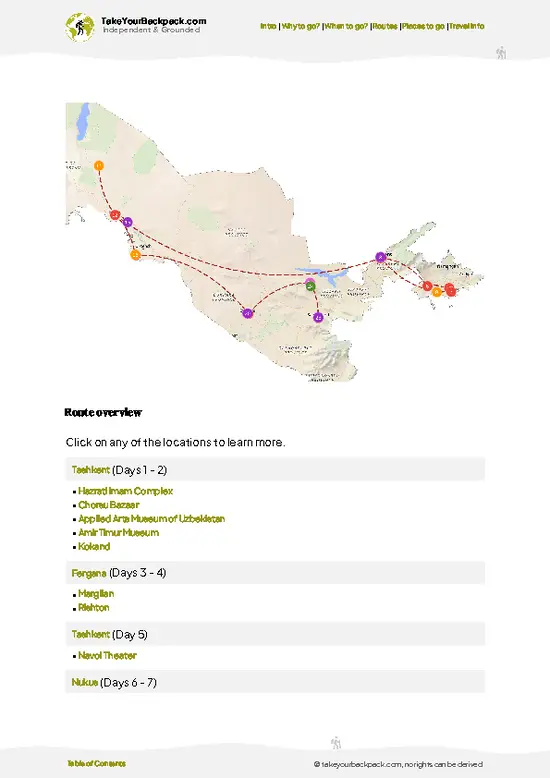
- Sumalak cauldron nights: The dish Navruz is best known for. Wheat sprouts are cooked with flour and oil in huge cauldrons for many hours, stirred in turn while neighbors sing, and stones are set in the bottom of the pot so it doesn’t burn. Eat it warm the next morning, and expect a thick, sweet, nutty taste.
- Navruz concerts in Alisher Navoi Park: Open-air stages host folk singers, dancers in bright atlas silk and drum ensembles. It is free, family-heavy and easy to reach from central Tashkent, so you can drop in for an hour.
- Craft and food fairs: Tents show regional ceramics, suzani embroidery, knives and carpets, often with makers on hand. This is the place to talk to people from Fergana, Bukhara and Khorezm without leaving the city.
- Kupkari (ulak) horse games: Riders wrestle for a goat carcass
- Sumalak cauldron nights: The dish Navruz is best known for. Wheat sprouts are cooked with flour and oil in huge cauldrons for many hours, stirred in turn while neighbors sing, and stones are set in the bottom of the pot so it doesn’t burn. Eat it warm the next morning, and expect a thick, sweet, nutty taste.
- Navruz concerts in Alisher Navoi Park: Open-air stages host folk singers, dancers in bright atlas silk and drum ensembles. It is free, family-heavy and easy to reach from central Tashkent, so you can drop in for an hour.
- Craft and food fairs: Tents show regional ceramics, suzani embroidery, knives and carpets, often with makers on hand. This is the place to talk to people from Fergana, Bukhara and Khorezm without leaving the city.
- Kupkari (ulak) horse games: Riders wrestle for a goat carcass in the traditional village game, played around Navruz in the countryside and sometimes staged as a demonstration. It is loud, dusty and surprisingly skilled, and watching from the fence line gives a taste of the steppe.
- Spring dishes at a family table: Green samsa with young herbs, halim and a spread of seven dishes are served in homes and teahouses. If you are invited in, say yes. You will likely be fed until you protest.
Spotted a mistake or missing something? Contact us.
 Best Backpacking
.jpg) Hi, I’m Johan (Netherlands 🇳🇱), the creator of TakeYourBackpack. Over the past 3 decades, I’ve backpacked through 90+ countries across six continents, gaining extensive experience with independent travel, long-term trips, and overland routes.
Hi, I’m Johan (Netherlands 🇳🇱), the creator of TakeYourBackpack. Over the past 3 decades, I’ve backpacked through 90+ countries across six continents, gaining extensive experience with independent travel, long-term trips, and overland routes.