×

Venezuela🇻🇪 | festivalsFiesta de San JuanCuriepe drum circles, culo e’ puya, June 23 and 24, Chuao cacao | things to do and best time to go

Explore Festival de la Virgen de la CandelariaExplore Parranda de San Pedro

Backpacking in Fiesta de San Juan
👍 Recommendedfestival ranked #7
By Johan Kruseman 🇳🇱 | Updated October 19, 2026

Fiesta de San Juan suits travelers who like drums more than DJs and will happily get sweaty in a crowd of strangers. It is less rewarding if you want polished stages, quiet nights or reliable schedules, because the celebration is community-run and loose. It takes place in Venezuela’s central coast region, around Afro-Venezuelan towns such as Curiepe, Barlovento and Chuao, a few hours east and west of Caracas depending on the village. The core is the feast of Saint John the Baptist on June 23 and 24. Expect drum circles of culo e’ puya, mina and curveta, rum, cocoa-country food and devotees dancing with the saint’s image. Go for the rhythm and the ritual. Skip it if you need organized tours. The drums often keep going until sunrise.

Discover everything you want to know in the 📖 Venezuela Travel Guide.
Safety warning

The current risk level for Venezuela is high. Check the advice before going.


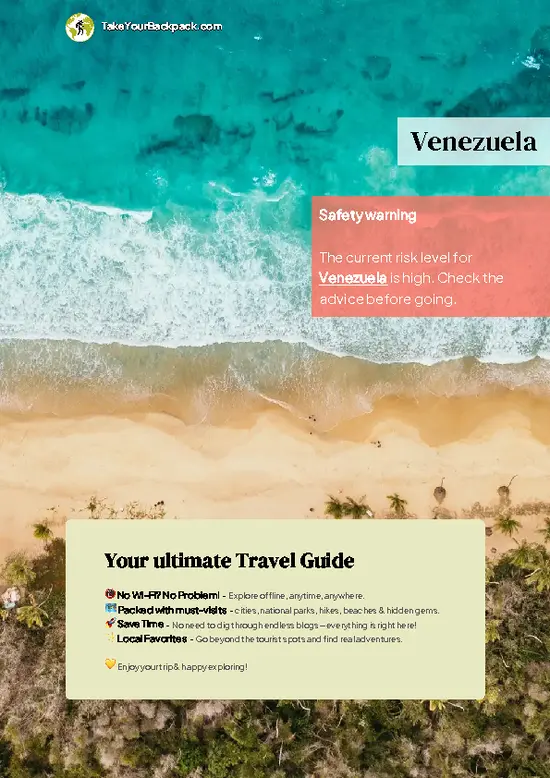
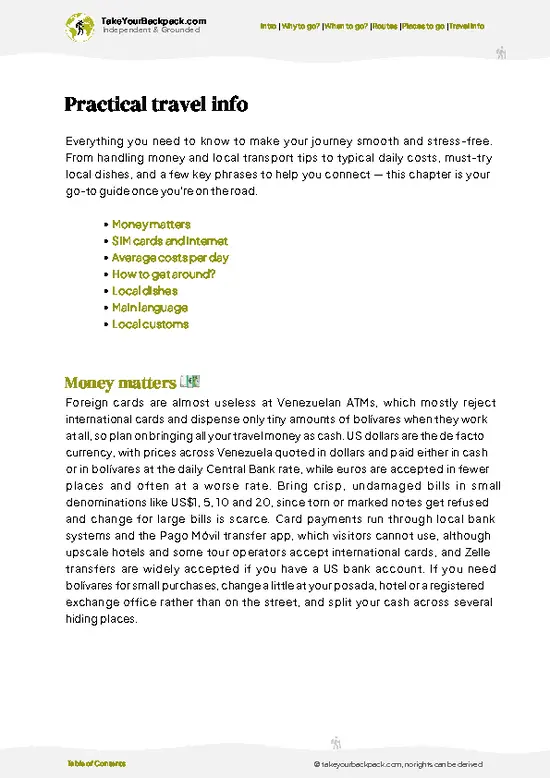
example page 0 from our offline Travel Guide for Venezuela
example page 1 from our offline Travel Guide for Venezuela
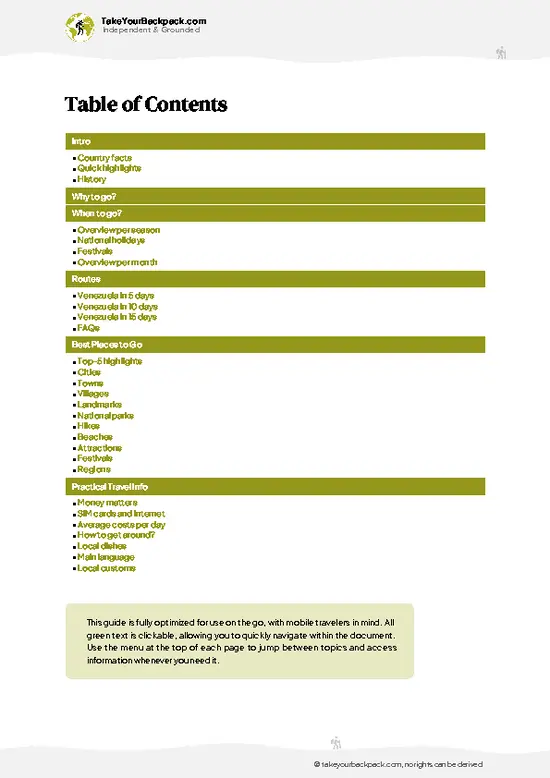
example page 2 from our offline Travel Guide for Venezuela
example page 3 from our offline Travel Guide for Venezuela
example page 4 from our offline Travel Guide for Venezuela
example page 5 from our offline Travel Guide for Venezuela
example page 6 from our offline Travel Guide for Venezuela
example page 7 from our offline Travel Guide for Venezuela
Loading the map 🌍
CLICK TO FILTER
cities
towns
villages
landmarks
national parks
hikes
beaches
attractions
festivals
regions
SHOW COUNTRY’S BESTSHOW ALL

✨ Why go?
Ranked #7 festival in Venezuela
What makes this festival worth celebrating

Fiesta de San Juan pulls backpackers because it is one of the few Venezuelan events where you join a living tradition instead of watching one. The culo e’ puya drums carry the night, and locals will pull you into the circle whether or not you know the steps. That generosity makes the temporary community feel real: you share rum, fried fish and cocoa-region sweets with families who have danced for the saint for generations.

The festival also anchors a longer route. Pair it with Chuao’s cacao plantations and the beaches along the Caribbean coast, then loop back through Caracas. Compared with large music festivals elsewhere, costs stay modest, since there are no ticket tiers, just street celebrations. Shared rides and village homestays are the usual way to manage nights that run until dawn.

💡 HighlightsWhat this place is best known for

  1. Drumming of Curiepe: The town’s drum circles are the festival’s heartbeat. Percussionists play culo e’ puya with rhythms that build for hours, and visitors are welcome to clap, sing the responses and dance.
  2. Procession of San Juan Bautista: Devotees carry the saint’s image through the streets, often with dancing and offerings. It is the clearest view of how Catholic devotion and African heritage mix here.
  3. Chuao’s drums and cacao culture: The village of Chuao celebrates its saint with its own drums and is famed for fine cacao. Tasting local chocolate puts the celebration in context.
  4. Street food and sweets: Stalls and family kitchens sell fried fish, cachapas and coconut sweets. Eat where the queue is local and the pot is busy.
  5. Night-long dancing circles: After the formal rites, the real party takes
… read more 👉
  1. Drumming of Curiepe: The town’s drum circles are the festival’s heartbeat. Percussionists play culo e’ puya with rhythms that build for hours, and visitors are welcome to clap, sing the responses and dance.
  2. Procession of San Juan Bautista: Devotees carry the saint’s image through the streets, often with dancing and offerings. It is the clearest view of how Catholic devotion and African heritage mix here.
  3. Chuao’s drums and cacao culture: The village of Chuao celebrates its saint with its own drums and is famed for fine cacao. Tasting local chocolate puts the celebration in context.
  4. Street food and sweets: Stalls and family kitchens sell fried fish, cachapas and coconut sweets. Eat where the queue is local and the pot is busy.
  5. Night-long dancing circles: After the formal rites, the real party takes over. Rum passes hand to hand, songs improvise on the spot and dancers swap in and out until dawn.
Allow two full days to see all of it, including recovering from the late nights.
Spotted a mistake or missing something? Contact us.

🌤️ When to go?When is the celebration of Fiesta de San Juan?

Fiesta de San Juan runs around June 23 to 24 each year, with drumming and dancing stretching over several days, and the heart of it sits in the Barlovento coast towns east of Caracas, such as Curiepe, Tacarigua and Higuerote, with Caracas-area events too.
  • Best day: The night of June 23 into June 24 is the peak, when villagers carry the saint and the drums (tambores) go until dawn. Quieter days before let you hear the rehearsals.
  • Weather: Expect 26 to 31°C (79 to 88°F), humid, with afternoon downpours in the early rainy season. Bring a light rain jacket, sandals that can get muddy, and insect repellent.
  • Booking: Reserve beds two to three weeks ahead. Rates in Higuerote and coastal posadas can rise 30 to 50 percent.
  • Crowds: The coastal road from Caracas clogs on June 23 afternoon and on the return
… read more 👉
Fiesta de San Juan runs around June 23 to 24 each year, with drumming and dancing stretching over several days, and the heart of it sits in the Barlovento coast towns east of Caracas, such as Curiepe, Tacarigua and Higuerote, with Caracas-area events too.
  • Best day: The night of June 23 into June 24 is the peak, when villagers carry the saint and the drums (tambores) go until dawn. Quieter days before let you hear the rehearsals.
  • Weather: Expect 26 to 31°C (79 to 88°F), humid, with afternoon downpours in the early rainy season. Bring a light rain jacket, sandals that can get muddy, and insect repellent.
  • Booking: Reserve beds two to three weeks ahead. Rates in Higuerote and coastal posadas can rise 30 to 50 percent.
  • Crowds: The coastal road from Caracas clogs on June 23 afternoon and on the return on the 24th, so leave by mid-morning.
Arrive on June 22 and sleep near the action so you never drive the road at night.


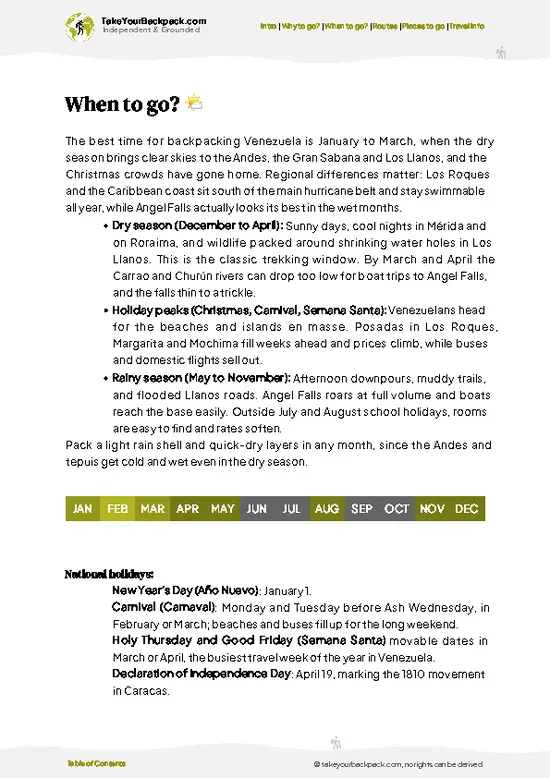
source: climatestotravel.comJANJanuary: not recommended for travelingFEBFebruary: not recommended for travelingMARMarch: not recommended for travelingAPRApril: not recommended for travelingMAYMay: not recommended for travelingJUNJune: excellent for travelingJULJuly: not recommended for travelingAUGAugust: not recommended for travelingSEPSeptember: not recommended for travelingOCTOctober: not recommended for travelingNOVNovember: not recommended for travelingDECDecember: not recommended for traveling

✈️ The backpacker research shortcutVenezuela Travel Guide

An offline-friendly backpacking guide with optimized travel routes, ranked highlights, transport advice, and the best areas to stay.
example page 0 from our offline Travel Guide for Venezuela
example page 1 from our offline Travel Guide for Venezuela
example page 2 from our offline Travel Guide for Venezuela
example page 3 from our offline Travel Guide for Venezuela
example page 4 from our offline Travel Guide for Venezuela
example page 5 from our offline Travel Guide for Venezuela
example page 6 from our offline Travel Guide for Venezuela
example page 7 from our offline Travel Guide for Venezuela
The digital guide (290 pages) contains:
✅ 91 highlights, ranked by travel appeal
✅ Optimized 5, 10 & 15-day travel routes
✅ Cities, national parks, landmarks, beaches
✅ How to get around
✅ Offline-friendly for travel without Wi-Fi
👉 Click to see all 30+ guide features

📅 Plan smarter in minutes, not weeks
✅ Month by month travel advice
✅ Festivals & national holidays
✅ Budget expectations

🗺️ Go to the right places, skip the overrated ones
✅ Honest pros & cons of destinations
✅ Top hikes, parks & viewpoints
✅ Lesser-known places most travelers miss
✅ Clear “worth it vs skip it” guidance

🛏️ Travel smoothly without rookie mistakes
✅ Best areas to stay
✅ Transport systems explained simply
✅ Common scams & safety advice
✅ SIM cards, money & practical tips

🌍 Understand the country, not just visit it
✅ Culture & traditions
✅ 52 Essential phrases & customs
✅ Festivals worth planning around
✅ Traveler-friendly historical context
✅ Insights that make places more meaningful

📱 Built for real travel conditions
✅ Fully downloadable PDF
✅ Works completely offline
✅ Optimized for phone use
✅ Useful in remote areas & buses
✅ Everything in one place
Stop searching, start planning
Get instant access to your full guide. 30‑day money-back guarantee.
+ Add another guide for just

By proceeding you agree to our terms.
Sent to your inbox immediately after payment • 100% Secure Checkout
Best Backpacking Travel Advisor 2025 tourism awardBest Backpacking
Travel Advisor
2025
What others say about Take Your Backpack Guides:
⭐⭐⭐⭐⭐
Fantastic, amazing amount of information!
⭐⭐⭐⭐⭐
My goodness this is amazing, it's what I've been looking for hats off too you!
⭐⭐⭐⭐⭐
I think this is absolutely BRILLIANT
⭐⭐⭐⭐
Very complete and informative. It's still missing places, but I gotta to commend you
⭐⭐⭐⭐⭐
This is truly amazing, thank you, can't wait to explore it with my kids!
⭐⭐⭐⭐⭐
Awesome resource, thank you!
⭐⭐⭐⭐⭐
This is amazing! Can't wait to explore the ones I haven't seen
⭐⭐⭐⭐
I love this! Well done, great idea.
⭐⭐⭐⭐⭐
Thanks for taking the time to make this gem!
⭐⭐⭐⭐⭐
This might be the best website I've ever seen.
⭐⭐⭐⭐⭐
Congratulations, and thank you so much for your work; it's incredibly valuable.
⭐⭐⭐⭐
In all seriousness I think you did a great job pointing out the important spots
⭐⭐⭐⭐⭐
10/10 very good
⭐⭐⭐⭐⭐
As someone who's only just starting to visit regularly this is awesome, thank you.
⭐⭐⭐⭐
Thank you very much! I'm going to visit my dad, it's going to be very useful!
⭐⭐⭐⭐⭐
This is really cool! We'll be travelling for the first time and this definitely come in handy.
⭐⭐⭐⭐⭐
You are now our minister of culture, congratulations 👨‍💼
⭐⭐⭐⭐⭐
Just wanted to tell you that this is a pearl! Going to follow your recommendations.
⭐⭐⭐⭐⭐
This is so cool. I'll definitely be using the resource for my travels soon.
⭐⭐⭐⭐⭐
This is very impressive! Good work.
⭐⭐⭐⭐⭐
This is an amazing and informative site. Very well done!

🛏️ Where to stay?How to pick the right area

Caracas is the safest base for most backpackers, and the best pick is the eastern side around Altamira, Los Palos Grandes and Chacao, where streets are better lit, taxis are easy to book through apps, and you meet other travelers in the few hostels and guesthouses. Stay here if you plan day trips to the Barlovento towns, and arrange a private driver or shared car for the return so you avoid the roads after dark.
If you want to be inside the celebration, sleep in the Barlovento area itself. Higuerote is the most practical town, with a beach, simple posadas and restaurants, and it is a reasonable … read more 👉
Caracas is the safest base for most backpackers, and the best pick is the eastern side around Altamira, Los Palos Grandes and Chacao, where streets are better lit, taxis are easy to book through apps, and you meet other travelers in the few hostels and guesthouses. Stay here if you plan day trips to the Barlovento towns, and arrange a private driver or shared car for the return so you avoid the roads after dark.
If you want to be inside the celebration, sleep in the Barlovento area itself. Higuerote is the most practical town, with a beach, simple posadas and restaurants, and it is a reasonable ride from Curiepe and Tacarigua. Posadas in the smaller villages are few and fill early, so a family-run room booked through a local contact is often the only option. Solo travelers get the most social atmosphere in Higuerote, where visitors gather on the waterfront in the evenings. Avoid walking between towns at night, and keep valuables in your room.

👛 Costs (as of 19 October 2026)Typical daily expenses

Budget about US$45 to 75 per day for Fiesta de San Juan, based on a high-season bed and eating at stalls.
CategoryBudget RangeLocal Reality
Festival ticketsUS$0The street celebrations and drumming in the villages are free; some organized concerts in Caracas charge a small fee.
AccommodationUS$20 to 35Simple posadas or a hostel bed in Caracas; coastal rates rise around June 23 and rooms sell out.
Local transportUS$8 to 15Shared cars and buses from Caracas to Barlovento towns, plus short local rides; a private driver costs more.
Food & drinksUS$12 to 18Stall plates cost US$2 to 5, beers about US$1 to 2.
MiscellaneousUS$5 to 7Insect repellent, rain gear, small tips for musicians and guides.
Total Daily BudgetUS$45 to 75Per person, per day, in high season.
⚠️ Prices can change and everyone travels differently, so take this as a rough guide. Hope it helps you plan your adventure!

🍲 FoodLocal Flavors for Backpackers

Expect the smell of frying before you see the stalls. Around the plazas in Curiepe and nearby villages, vendors sell arepas, empanadas and tostones alongside fried fish from the coast, plus cachapas with salty white cheese. Barlovento is cacao country, so try chocolate caliente or a bar of local cacao, and ask for dulce de lechosa or coconut sweets (dulce de coco) from home cooks.
Drinks lean cold and cheap: Polar beer, rum with cola or juice, and fresh papelón con limón, a sugarcane drink with lime that handles the heat better than soda. Locals pass around bottles of rum near the drummers, and accepting a small sip is polite.
Carry small US dollar bills and some bolívares, since card machines are unreliable in the villages and change for large notes is scarce. Lines move slowly, portions are … read more 👉
Expect the smell of frying before you see the stalls. Around the plazas in Curiepe and nearby villages, vendors sell arepas, empanadas and tostones alongside fried fish from the coast, plus cachapas with salty white cheese. Barlovento is cacao country, so try chocolate caliente or a bar of local cacao, and ask for dulce de lechosa or coconut sweets (dulce de coco) from home cooks.
Drinks lean cold and cheap: Polar beer, rum with cola or juice, and fresh papelón con limón, a sugarcane drink with lime that handles the heat better than soda. Locals pass around bottles of rum near the drummers, and accepting a small sip is polite.
Carry small US dollar bills and some bolívares, since card machines are unreliable in the villages and change for large notes is scarce. Lines move slowly, portions are generous, and a plate to share costs about US$2 to 5. Eat early if you plan to stay for the all-night drumming.

FAQFrequently asked questions about Fiesta de San Juan

Fiesta de San Juan takes place on June 23 and 24 every year, with the main night running from June 23 into the early hours of June 24. Celebrations center on the Barlovento coast towns such as Curiepe, Tacarigua and Higuerote, about two to three hours by road east of Caracas. Drumming often starts a few days earlier, so arriving on June 22 gives you extra time.
Attending Fiesta de San Juan is mostly free, since the drumming, processions and street parties happen in public plazas. Expect to spend roughly US$45 to 75 per day including a bed (US$20 to 35), transport (US$8 to 15) and food at stalls (US$2 to 5 a plate). Prices for rooms on the coast rise sharply around June 23.
No, Fiesta de San Juan does not require tickets for the main village celebrations, which are open to anyone in the streets and plazas. What you do need in advance is a bed, ideally booked two to three weeks ahead in Higuerote or nearby posadas, because they fill up. A few organized concerts in Caracas may sell entry at the door for a few dollars.
⚠️ Things can change over time, so always validate details locally before you go.

Other Venezuelan festivals near Fiesta de San Juan

Explore more nearby:


💡 Not sure where to go next?
Create a personalized itinerary for Venezuela including Fiesta de San Juan and the places that fit your trip.

Generate my itinerary

👉 Discover all festivals

Or checkout all Venezuela has to offer (think cities, towns, villages, national parks, hikes, beaches, festivals)
Country photo of Venezuela

We 💚 feedbackWhat to keep in mind

Stay two nights, ideally the 23rd and 24th, since the biggest drumming and processions cluster there and one night feels rushed. Sleep in the afternoon so you can last past midnight. Bring cash, a light rain layer and earplugs for the walk home.

✍️ Help improve this page!
The information on this page is based on in-depth research, insights shared by experienced travelers, and feedback from the local travel community in Venezuela. While every effort is made to keep the information accurate and current, conditions can change — so if you spot anything incorrect or outdated, please get in touch.


🙋‍♂️ Give feedback

👋 Meet the founderWho’s Behind Take Your Backpack?

Johan, backpacker and founder of TakeYourBackpackHi, I’m Johan (Netherlands 🇳🇱), the creator of TakeYourBackpack. Over the past 3 decades, I’ve backpacked through 90+ countries across six continents, gaining extensive experience with independent travel, long-term trips, and overland routes.

This site is built on a combination of firsthand travel experience and carefully curated insights from other backpackers. Many guides are based on places I’ve personally visited, while others bring together tips, observations, and practical advice shared by trusted travelers I’ve met along the way.

The goal is to provide realistic, experience-driven guidance — not generic itineraries — so you can explore destinations with better context, clearer expectations, and more confidence.