×

Venezuela🇻🇪 | citiesMaturínGuarapiche riverside, oil-and-cattle hub, Cueva del Guácharo route | things to do and best time to go

Explore CumanáExplore San Fernando de Apure

Backpacking in Maturín
👍 Recommendedcity ranked #11
By Johan Kruseman 🇳🇱 | Updated October 19, 2026

Steam rises off a styrofoam cup of black coffee at a roadside kiosk while motorbikes weave past and the air presses on your shoulders like a damp towel. That is Maturín, a hot oil-and-cattle city in the northeast of Venezuela, capital of Monagas state. It suits travelers heading to the Cueva del Guácharo area or the Paria Peninsula who want a working Venezuelan city without staged charm. It has little nightlife polish and few sights, so skip it as a destination and use it as a one-night hinge. Compared with coastal Cumaná, it has no beach and less history, but it gives the better road connections inland.

Discover everything you want to know in the 📖 Venezuela Travel Guide.
Safety warning

The current risk level for Venezuela is high. Check the advice before going.


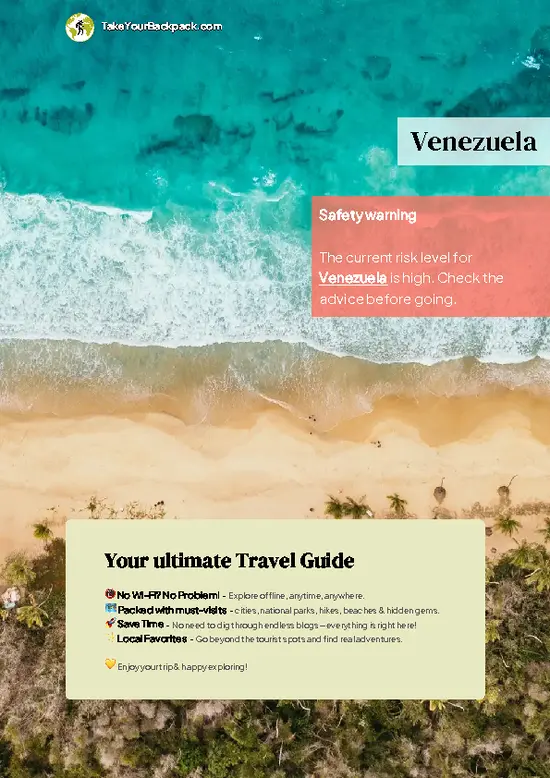
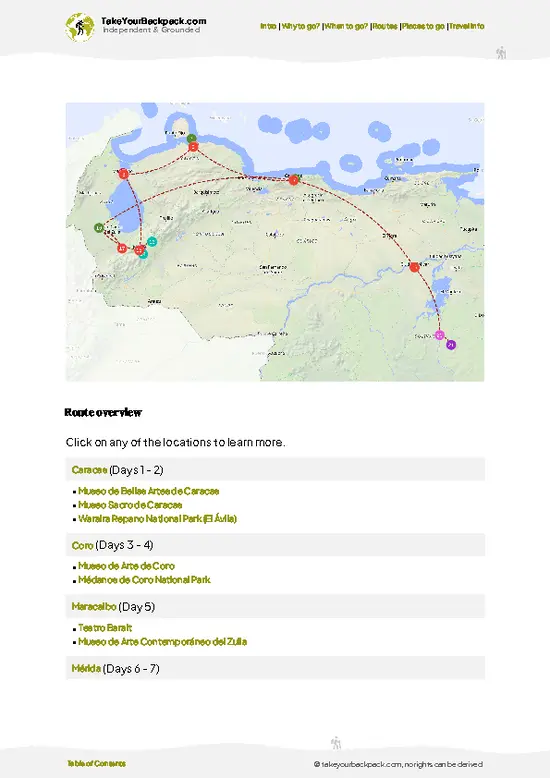
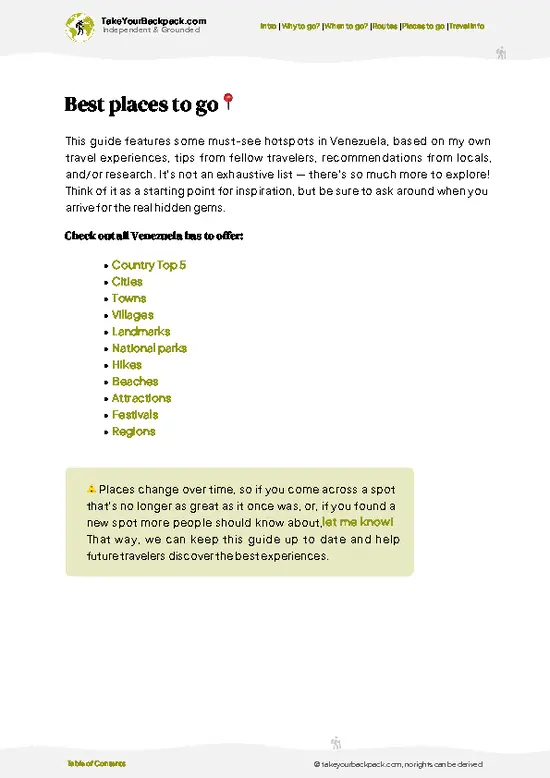
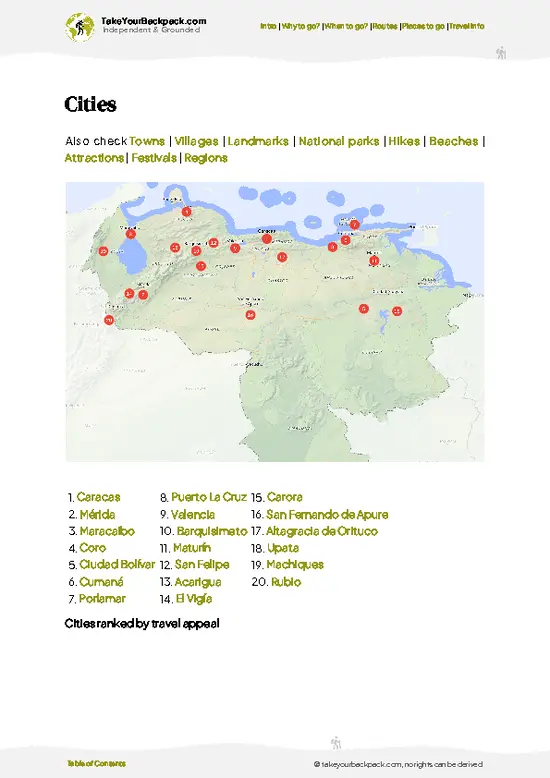
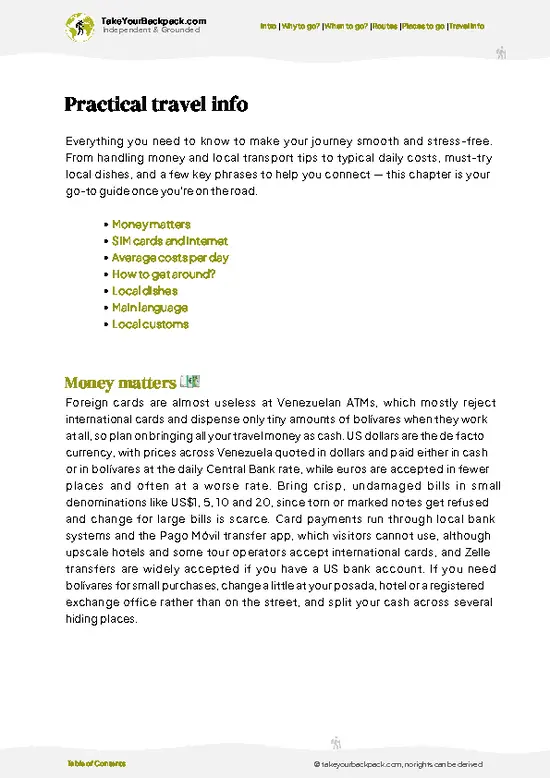
example page 0 from our offline Travel Guide for Venezuela
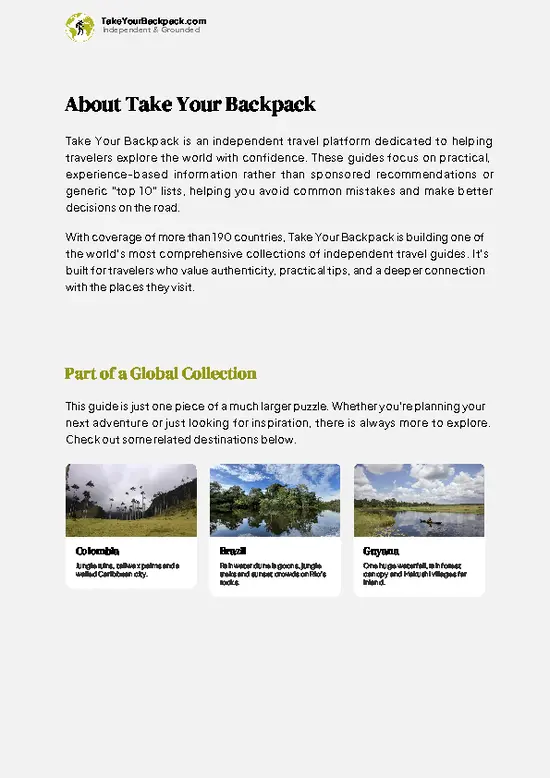
example page 1 from our offline Travel Guide for Venezuela
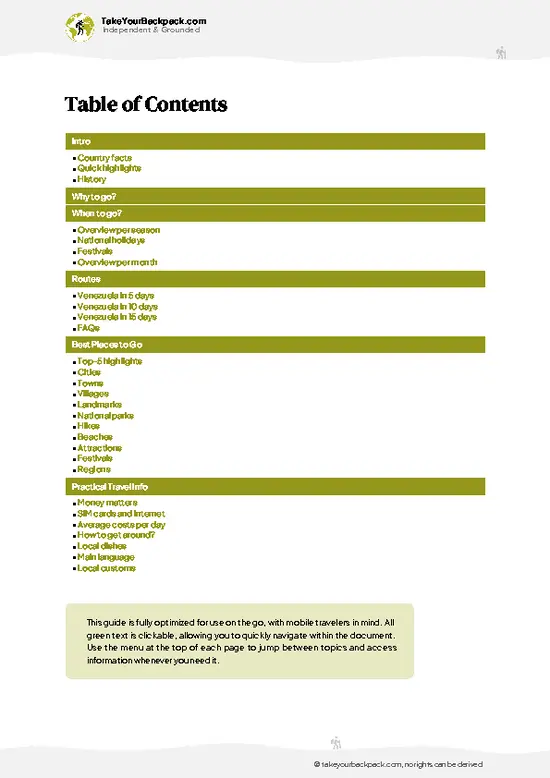
example page 2 from our offline Travel Guide for Venezuela
example page 3 from our offline Travel Guide for Venezuela
example page 4 from our offline Travel Guide for Venezuela
example page 5 from our offline Travel Guide for Venezuela
example page 6 from our offline Travel Guide for Venezuela
example page 7 from our offline Travel Guide for Venezuela
Loading the map 🌍
CLICK TO FILTER
cities
towns
villages
landmarks
national parks
hikes
beaches
attractions
festivals
regions
SHOW COUNTRY’S BESTSHOW ALL

✨ Why go?
Ranked #11 city in Venezuela
Reasons people choose to visit here

Maturín earns a place on a route because of its geography, not its sights. It sits at the junction of roads running toward the Orinoco Delta, the eastern coast and the Gran Sabana corridor, so overland travelers pass through whether they plan to or not. The city is flat and walkable in its central core, with plenty of arepa and empanada stands that make filling meals easy. A night here lets you restock cash and supplies, then use it as a launch point for the Guácharo cave country to the north. Hostels are scarce, so expect simple hotels. If you like cities with local rhythm and few other foreigners, a day is enough. If you want beaches or mountain trails, keep moving.

💡 HighlightsPlaces and moments you shouldn't skip

  1. Plaza Bolívar and the Catedral Nuestra Señora del Carmen: the colonial-era heart of the city, with shade trees, shoe-shiners and evening strollers. Go late afternoon when it cools. Free, 30 to 45 minutes.
  2. Museo Mateo Manaure: the art museum of the city’s Complejo Cultural, beside Plaza Francisco de Miranda. Open mornings and early afternoons on weekdays. Entry is free or about US$1, 45 minutes.
  3. Parque Andrés Eloy Blanco: a large green park where families gather and joggers circle at dawn. Go early or at dusk. Free, 1 hour.
  4. Mercado Municipal: a loud, working market of fruit, cheese, fish and cheap lunch counters. Mornings are best. Budget US$2 to 4 for a meal and an hour of wandering.
  5. Río Guarapiche waterfront: a riverside walk where locals fish and cool off in the evening breeze. Free, 30 to 60
… read more 👉
  1. Plaza Bolívar and the Catedral Nuestra Señora del Carmen: the colonial-era heart of the city, with shade trees, shoe-shiners and evening strollers. Go late afternoon when it cools. Free, 30 to 45 minutes.
  2. Museo Mateo Manaure: the art museum of the city’s Complejo Cultural, beside Plaza Francisco de Miranda. Open mornings and early afternoons on weekdays. Entry is free or about US$1, 45 minutes.
  3. Parque Andrés Eloy Blanco: a large green park where families gather and joggers circle at dawn. Go early or at dusk. Free, 1 hour.
  4. Mercado Municipal: a loud, working market of fruit, cheese, fish and cheap lunch counters. Mornings are best. Budget US$2 to 4 for a meal and an hour of wandering.
  5. Río Guarapiche waterfront: a riverside walk where locals fish and cool off in the evening breeze. Free, 30 to 60 minutes.
  6. Catedral Plaza evening scene: street vendors sell tequeños and fresh juice after sunset. Around US$1 to 3, 1 hour.
Day trips from here include the Cueva del Guácharo, the Caripe highlands and the Orinoco Delta around Tucupita. If time is short, skip the Museo Mateo Manaure and spend the hour at the market.
Spotted a mistake or missing something? Contact us.

🏘️ NeighborhoodsWhere things are and how it's laid out

Maturín is a flat, sprawling oil city, and the parts worth your time sit close together around the center.
  • Centro and Plaza Piar: The most useful base for a day on foot. The cathedral with its huge modern concrete spire, the Plaza Piar and the old commercial streets are all within a 15-minute walk, and cheap bakeries and empanada counters fill the blocks around them. Spend a morning here and no more.
  • Avenida Bolívar and Juanico area: The main strip for banks, pharmacies, supermarkets and mid-range restaurants. Traffic is heavy and walking is dull, so hop on a por puesto. It is the best choice for evening meals and a beer.
  • Parque Andrés Eloy Blanco: A large green space on the edge of the center with paths and shade. Come in late afternoon for a walk, not for sights, and skip it after dark.
  • Eastern
… read more 👉
Maturín is a flat, sprawling oil city, and the parts worth your time sit close together around the center.
  • Centro and Plaza Piar: The most useful base for a day on foot. The cathedral with its huge modern concrete spire, the Plaza Piar and the old commercial streets are all within a 15-minute walk, and cheap bakeries and empanada counters fill the blocks around them. Spend a morning here and no more.
  • Avenida Bolívar and Juanico area: The main strip for banks, pharmacies, supermarkets and mid-range restaurants. Traffic is heavy and walking is dull, so hop on a por puesto. It is the best choice for evening meals and a beer.
  • Parque Andrés Eloy Blanco: A large green space on the edge of the center with paths and shade. Come in late afternoon for a walk, not for sights, and skip it after dark.
  • Eastern suburbs and malls: Residential districts with shopping centers and air conditioning. Not worth a detour unless you need an ATM, a SIM card or a cold escape from the heat.

⌛️ 1 daySeeing the highlights in 24 hours

8:00 AM, Mercado Municipal: Start where the city actually eats. Order coffee and an empanada, then walk the aisles of cheese, fruit and fish. Go before the heat peaks.
10:00 AM, Plaza Bolívar and Catedral Nuestra Señora del Carmen: Walk or take a short taxi ride to the main square. Sit under the trees and watch the city move, then step inside the cathedral for a few quiet minutes.
12:00 PM, Lunch near the center: Find a local spot serving pabellón or cachapa with cheese. It is filling and cheap, and the best way to meet locals.
2:00 PM, Museo Mateo Manaure: Escape the afternoon heat among regional art. It is small, so keep it to under an hour.
4:30 PM, Río Guarapiche waterfront: Away from the standard tourist route, this is where residents fish and unwind. Stroll along the banks as the air cools. … read more 👉
8:00 AM, Mercado Municipal: Start where the city actually eats. Order coffee and an empanada, then walk the aisles of cheese, fruit and fish. Go before the heat peaks.
10:00 AM, Plaza Bolívar and Catedral Nuestra Señora del Carmen: Walk or take a short taxi ride to the main square. Sit under the trees and watch the city move, then step inside the cathedral for a few quiet minutes.
12:00 PM, Lunch near the center: Find a local spot serving pabellón or cachapa with cheese. It is filling and cheap, and the best way to meet locals.
2:00 PM, Museo Mateo Manaure: Escape the afternoon heat among regional art. It is small, so keep it to under an hour.
4:30 PM, Río Guarapiche waterfront: Away from the standard tourist route, this is where residents fish and unwind. Stroll along the banks as the air cools.
6:30 PM, Parque Andrés Eloy Blanco: Finish in the park among joggers and families, then grab juice and tequeños from a vendor on the way back.

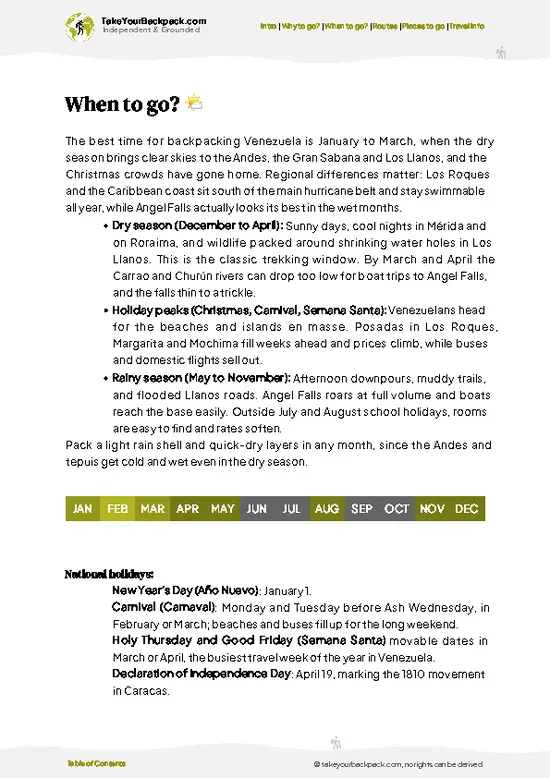
🌤️ When to go?Best time to visit Maturín

Maturín is hot all year, so timing is about rain more than temperature.
  • Dry Season (December to April): Mostly sunny, highs of 31 to 34°C (88 to 93°F), cooler nights near 22°C (72°F). Best for road trips to caves and rivers. Domestic crowds peak around Christmas, Carnival and Easter, and bus fares and rooms creep up.
  • Rainy Season (May to November): Heavy afternoon downpours, 30 to 32°C (86 to 90°F), high humidity. Rural roads turn muddy, and some river trips get canceled. Prices stay flat, and the city is quiet.
  • Daylight: Close to 12 hours daily, with little change between seasons.
Book Carnival and Holy Week transport several days ahead, or travel midweek.

source: climatestotravel.comJANJanuary: excellent for travelingFEBFebruary: excellent for travelingMARMarch: excellent for travelingAPRApril: highly recommended for travelingMAYMay: fair for travelingJUNJune: fair for travelingJULJuly: fair for travelingAUGAugust: fair for travelingSEPSeptember: fair for travelingOCTOctober: fair for travelingNOVNovember: highly recommended for travelingDECDecember: excellent for traveling
when-to-go

✈️ The backpacker research shortcutVenezuela Travel Guide

An offline-friendly backpacking guide with optimized travel routes, ranked highlights, transport advice, and the best areas to stay.
example page 0 from our offline Travel Guide for Venezuela
example page 1 from our offline Travel Guide for Venezuela
example page 2 from our offline Travel Guide for Venezuela
example page 3 from our offline Travel Guide for Venezuela
example page 4 from our offline Travel Guide for Venezuela
example page 5 from our offline Travel Guide for Venezuela
example page 6 from our offline Travel Guide for Venezuela
example page 7 from our offline Travel Guide for Venezuela
The digital guide (290 pages) contains:
✅ 91 highlights, ranked by travel appeal
✅ Optimized 5, 10 & 15-day travel routes
✅ Cities, national parks, landmarks, beaches
✅ How to get around
✅ Offline-friendly for travel without Wi-Fi
👉 Click to see all 30+ guide features

📅 Plan smarter in minutes, not weeks
✅ Month by month travel advice
✅ Festivals & national holidays
✅ Budget expectations

🗺️ Go to the right places, skip the overrated ones
✅ Honest pros & cons of destinations
✅ Top hikes, parks & viewpoints
✅ Lesser-known places most travelers miss
✅ Clear “worth it vs skip it” guidance

🛏️ Travel smoothly without rookie mistakes
✅ Best areas to stay
✅ Transport systems explained simply
✅ Common scams & safety advice
✅ SIM cards, money & practical tips

🌍 Understand the country, not just visit it
✅ Culture & traditions
✅ 52 Essential phrases & customs
✅ Festivals worth planning around
✅ Traveler-friendly historical context
✅ Insights that make places more meaningful

📱 Built for real travel conditions
✅ Fully downloadable PDF
✅ Works completely offline
✅ Optimized for phone use
✅ Useful in remote areas & buses
✅ Everything in one place
Stop searching, start planning
Get instant access to your full guide. 30‑day money-back guarantee.
+ Add another guide for just

By proceeding you agree to our terms.
Sent to your inbox immediately after payment • 100% Secure Checkout
Best Backpacking Travel Advisor 2025 tourism awardBest Backpacking
Travel Advisor
2025
What others say about Take Your Backpack Guides:
⭐⭐⭐⭐⭐
Fantastic, amazing amount of information!
⭐⭐⭐⭐⭐
My goodness this is amazing, it's what I've been looking for hats off too you!
⭐⭐⭐⭐⭐
I think this is absolutely BRILLIANT
⭐⭐⭐⭐
Very complete and informative. It's still missing places, but I gotta to commend you
⭐⭐⭐⭐⭐
This is truly amazing, thank you, can't wait to explore it with my kids!
⭐⭐⭐⭐⭐
Awesome resource, thank you!
⭐⭐⭐⭐⭐
This is amazing! Can't wait to explore the ones I haven't seen
⭐⭐⭐⭐
I love this! Well done, great idea.
⭐⭐⭐⭐⭐
Thanks for taking the time to make this gem!
⭐⭐⭐⭐⭐
This might be the best website I've ever seen.
⭐⭐⭐⭐⭐
Congratulations, and thank you so much for your work; it's incredibly valuable.
⭐⭐⭐⭐
In all seriousness I think you did a great job pointing out the important spots
⭐⭐⭐⭐⭐
10/10 very good
⭐⭐⭐⭐⭐
As someone who's only just starting to visit regularly this is awesome, thank you.
⭐⭐⭐⭐
Thank you very much! I'm going to visit my dad, it's going to be very useful!
⭐⭐⭐⭐⭐
This is really cool! We'll be travelling for the first time and this definitely come in handy.
⭐⭐⭐⭐⭐
You are now our minister of culture, congratulations 👨‍💼
⭐⭐⭐⭐⭐
Just wanted to tell you that this is a pearl! Going to follow your recommendations.
⭐⭐⭐⭐⭐
This is so cool. I'll definitely be using the resource for my travels soon.
⭐⭐⭐⭐⭐
This is very impressive! Good work.
⭐⭐⭐⭐⭐
This is an amazing and informative site. Very well done!

🛏️ Where to stay?How to pick the right area

The center around Plaza Piar and the Avenida Bolívar corridor are the two areas to sleep in, with beds from roughly US$10 to 25.
The center has the most budget guesthouses and basic posadas, and bakeries and the por puesto lines are a few minutes away. It is noisy in the daytime with traffic and street vendors but calm enough at night, and the streets near the plaza are busier and feel safer than the edges. Expect private rooms more than dorms, as Maturín has few hostels and mostly serves business travelers.
Avenida Bolívar has mid-priced hotels and better power backup, water and air conditioning, … read more 👉
The center around Plaza Piar and the Avenida Bolívar corridor are the two areas to sleep in, with beds from roughly US$10 to 25.
The center has the most budget guesthouses and basic posadas, and bakeries and the por puesto lines are a few minutes away. It is noisy in the daytime with traffic and street vendors but calm enough at night, and the streets near the plaza are busier and feel safer than the edges. Expect private rooms more than dorms, as Maturín has few hostels and mostly serves business travelers.
Avenida Bolívar has mid-priced hotels and better power backup, water and air conditioning, plus easy taxis and restaurants. It costs a little more but suits arrivals at night. Book ahead for oil-industry busy weeks, and confirm that air conditioning and a generator work.

🚌 Getting aroundHow to get around Maturín

A por puesto (shared minibus or car) ride in town costs roughly US$0.20 to 0.50, and drivers prefer cash in bolívars, small US dollar bills or sometimes mobile payment. Maturín is spread out and hot, so the center is walkable but the rest of the city is not. Public transport exists but runs irregularly and thins out after dark.
  • Walking: Free and fine inside the central grid, about 15 minutes between main sights. Don’t walk the long avenues in midday sun; it costs you energy and gains nothing.
  • Por puestos and buses: The best value for a backpacker. Routes run along Avenida Bolívar and main roads from about 6 am until early evening. They are crowded and slow in rush hour, but nothing else comes close on price.
  • Taxis: Short rides cost about US$2 to 5, and you should agree the fare before getting
… read more 👉
A por puesto (shared minibus or car) ride in town costs roughly US$0.20 to 0.50, and drivers prefer cash in bolívars, small US dollar bills or sometimes mobile payment. Maturín is spread out and hot, so the center is walkable but the rest of the city is not. Public transport exists but runs irregularly and thins out after dark.
  • Walking: Free and fine inside the central grid, about 15 minutes between main sights. Don’t walk the long avenues in midday sun; it costs you energy and gains nothing.
  • Por puestos and buses: The best value for a backpacker. Routes run along Avenida Bolívar and main roads from about 6 am until early evening. They are crowded and slow in rush hour, but nothing else comes close on price.
  • Taxis: Short rides cost about US$2 to 5, and you should agree the fare before getting in. Use them at night or with a backpack. Ride-hailing apps are patchy, so don’t rely on them.
  • Intercity buses: The terminal serves Caracas (about 8 to 9 hours, US$15 to 25), Ciudad Bolívar and Puerto La Cruz. Overnight services save a night’s bed but are cold with air conditioning, so bring a layer.

👛 Costs (as of 19 October 2026)Typical daily expenses

A backpacker in Maturín spends about US$32 to 45 a day, and US$38 with a high-season bed.
CategoryBudget RangeLocal Reality
Dorm (high season)US$10 to 15Few true dorms; a basic private room is often the cheapest option
Dorm (off-season)US$8 to 12Slightly lower midweek and in the rainy months
MealsUS$8 to 14Empanadas, set lunches and a grill dinner
Local transportUS$1 to 3Por puestos at US$0.20 to 0.50 a ride
City transport passNoneNo pass exists; pay per ride
Activities and entry feesUS$3 to 8Parks are cheap; cave day trips cost more
MiscellaneousUS$3 to 5Water, SIM data, snacks
Total Daily BudgetUS$38Using the high-season bed, midpoints
Carry small US dollar bills, since change is scarce and cash often gets better rates than cards.

source: numbeo.com
⚠️ Prices can change and everyone travels differently, so take this as a rough guide. Hope it helps you plan your adventure!

🚌 Day tripsBest day trips from Maturín

Maturín is a solid gateway for the eastern interior, with nature trips reachable in a day by shared transport or a hired car.
Cueva del Guácharo:
Venezuela’s first national monument, a long cave near Caripe full of oilbirds you hear before you see. Allow about 2 to 3 hours each way via Caripe by bus or por puesto, with a total of US$15 to 30 including the entry and guide. Go in the morning, and leave your flash at home, since it is banned.

Caripe:
A cool mountain town in coffee country, and a relief after the lowland heat. Combine it with the cave, or spend the day on its markets and viewpoints for about US$10 to 20. The common error is leaving after noon, when the last return rides get scarce.

Río Guarapiche:
Riverside spots near the city offer swimming and fried fish lunches within an hour. … read more 👉
Maturín is a solid gateway for the eastern interior, with nature trips reachable in a day by shared transport or a hired car.
Cueva del Guácharo:
Venezuela’s first national monument, a long cave near Caripe full of oilbirds you hear before you see. Allow about 2 to 3 hours each way via Caripe by bus or por puesto, with a total of US$15 to 30 including the entry and guide. Go in the morning, and leave your flash at home, since it is banned.

Caripe:
A cool mountain town in coffee country, and a relief after the lowland heat. Combine it with the cave, or spend the day on its markets and viewpoints for about US$10 to 20. The common error is leaving after noon, when the last return rides get scarce.

Río Guarapiche:
Riverside spots near the city offer swimming and fried fish lunches within an hour. Costs run US$5 to 12 with transport. The dry season is best, because rain muddies the water.

🍲 FoodWhat to Eat & Drink

Maturín sits in Monagas, where cooking leans on cassava, river fish and the heat of local chili. Look for casabe, a crisp flatbread of cassava, and cachapas stuffed with fresh cheese. Monagas is also known for morcilla and fried cazón (small shark) or river fish served with tostones.
For cheap eating, hit the bakeries and empanada counters around the center, where a filling snack is about US$1 to 2, and the covered markets for a hot set lunch around US$3 to 5. Evenings move to the grills and casual restaurants along Avenida Bolívar, where families gather over parrilla and cold Polar beer from sweating bottles.
In the heat, locals drink papelón con limón, an unrefined cane sugar and lime drink over ice, and fresh fruit juices from stands.

🛡️ SafetyScams, Hazards, and Annoyances

Maturín is manageable for travelers who use ordinary city sense, though petty theft and street robbery do occur. Keep phones and cameras out of sight on the avenues and in por puestos, carry only the cash you need, and avoid walking the outer districts after dark; take a taxi instead. Solo travelers do fine in the center by day, and women should expect some staring and catcalls. Night buses are generally fine, but arrive in daylight when possible. Taxi drivers may quote inflated fares to visitors, so agree the price first. Power cuts and water shortages are everyday annoyances, so carry a headlamp and a little extra water.

FAQTraveler FAQ

Two days cover Maturín itself, and a third or fourth day opens up the eastern interior. The city has little to see beyond its central plaza, cathedral and parks, so most travelers use it as a base. Add a day for the Cueva del Guácharo near Caripe, about 2 to 3 hours away by road, and budget US$15 to 30 for it.
Maturín is workable for solo backpackers who stay alert, mainly by day. Keep phones hidden, use taxis after dark (US$2 to 5 for short rides) and avoid outer districts at night. The center near Plaza Piar is the most comfortable area, and traveling between cities by day is wise.
Maturín is known as the capital of Monagas state and as an oil-industry hub in eastern Venezuela. Visitors recognize the modern cathedral spire and the Plaza Piar. It is also the main gateway to the Cueva del Guácharo and the cool mountain town of Caripe, roughly 2 to 3 hours away.
⚠️ Things can change over time, so always validate details locally before you go.

Other Venezuelan cities near Maturín

Explore more nearby:

  • Cumaná—Hilltop forts, Sucre museums, dawn fish landing, Playa San Luis| 135 km away
  • Porlamar—Pedestrian shopping boulevards, Conejeros market, Margarita transit hub| 155 km away
  • Puerto La Cruz—Mochima boat pier, Paseo Colón seafood, sunset promenade| 166 km away

💡 Not sure where to go next?
Create a personalized itinerary for Venezuela including Maturín and the places that fit your trip.

Generate my itinerary

👉 Discover all cities

Or checkout all Venezuela has to offer (think cities, towns, villages, national parks, hikes, beaches, festivals)
Country photo of Venezuela

We 💚 feedbackWhat to keep in mind

Maturín will please travelers who like unpolished cities, curious conversations and a base for Guácharo cave country. If you want sights, skip a second night. I would carry small bills, arrive early in the day and eat at the market.

✍️ Help improve this page!
The information on this page is based on in-depth research, insights shared by experienced travelers, and feedback from the local travel community in Venezuela. While every effort is made to keep the information accurate and current, conditions can change — so if you spot anything incorrect or outdated, please get in touch.


🙋‍♂️ Give feedback

👋 Meet the founderWho’s Behind Take Your Backpack?

Johan, backpacker and founder of TakeYourBackpackHi, I’m Johan (Netherlands 🇳🇱), the creator of TakeYourBackpack. Over the past 3 decades, I’ve backpacked through 90+ countries across six continents, gaining extensive experience with independent travel, long-term trips, and overland routes.

This site is built on a combination of firsthand travel experience and carefully curated insights from other backpackers. Many guides are based on places I’ve personally visited, while others bring together tips, observations, and practical advice shared by trusted travelers I’ve met along the way.

The goal is to provide realistic, experience-driven guidance — not generic itineraries — so you can explore destinations with better context, clearer expectations, and more confidence.