
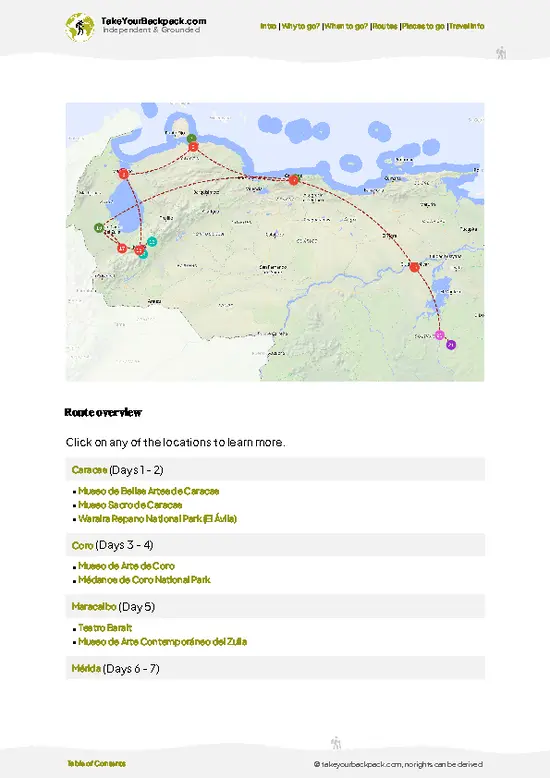
1. Basílica Menor de Nuestra Señora del Valle
Porlamar’s spiritual anchor isn’t just for the devout. This basilica is a living crossroads of faith, local identity, and architecture. The white-and-yellow neo-Gothic spires are a visual exclamation point against the Caribbean sky. Inside, you’ll find locals lighting candles and telling stories—especially during September’s festival, when the energy is palpable. Visit in the early morning for quiet reflection or late afternoon for golden light and people-watching. Entry is free, but a small donation is appreciated. Allow 30-45 minutes, longer if you linger for a service or chat with parishioners.
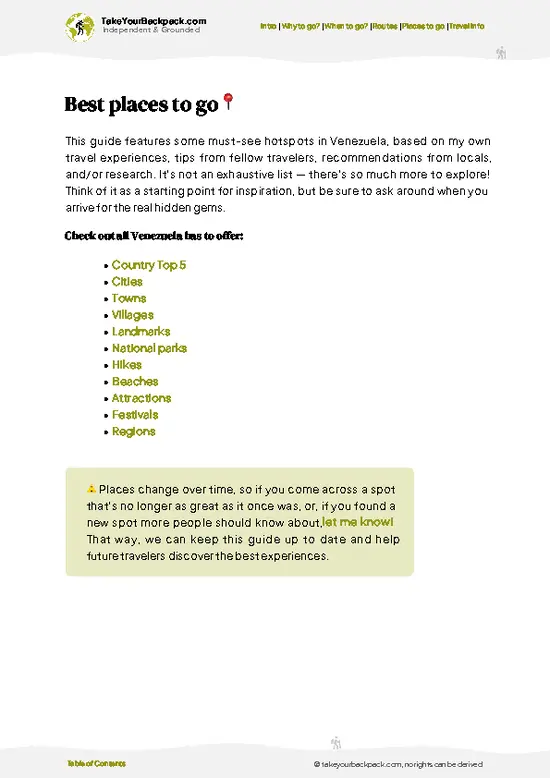
2. Paseo Guaraguao
This seaside promenade is Porlamar’s unofficial living room. It’s where families stroll, teens flirt, and fishermen haul in the day’s … read more 👉
Porlamar’s spiritual anchor isn’t just for the devout. This basilica is a living crossroads of faith, local identity, and architecture. The white-and-yellow neo-Gothic spires are a visual exclamation point against the Caribbean sky. Inside, you’ll find locals lighting candles and telling stories—especially during September’s festival, when the energy is palpable. Visit in the early morning for quiet reflection or late afternoon for golden light and people-watching. Entry is free, but a small donation is appreciated. Allow 30-45 minutes, longer if you linger for a service or chat with parishioners.
2. Paseo Guaraguao
This seaside promenade is Porlamar’s unofficial living room. It’s where families stroll, teens flirt, and fishermen haul in the day’s … read more 👉
1. Basílica Menor de Nuestra Señora del Valle
Porlamar’s spiritual anchor isn’t just for the devout. This basilica is a living crossroads of faith, local identity, and architecture. The white-and-yellow neo-Gothic spires are a visual exclamation point against the Caribbean sky. Inside, you’ll find locals lighting candles and telling stories—especially during September’s festival, when the energy is palpable. Visit in the early morning for quiet reflection or late afternoon for golden light and people-watching. Entry is free, but a small donation is appreciated. Allow 30-45 minutes, longer if you linger for a service or chat with parishioners.
2. Paseo Guaraguao
This seaside promenade is Porlamar’s unofficial living room. It’s where families stroll, teens flirt, and fishermen haul in the day’s catch. The real value here is in the rhythm of daily life: street vendors selling cocadas (coconut shakes), domino games under the shade, and the salty breeze. Go at sunset for the best atmosphere and cooler temperatures. Free to wander; budget a few dollars for snacks or a drink. Give yourself 30-60 minutes, or more if you’re drawn into a conversation or a game.
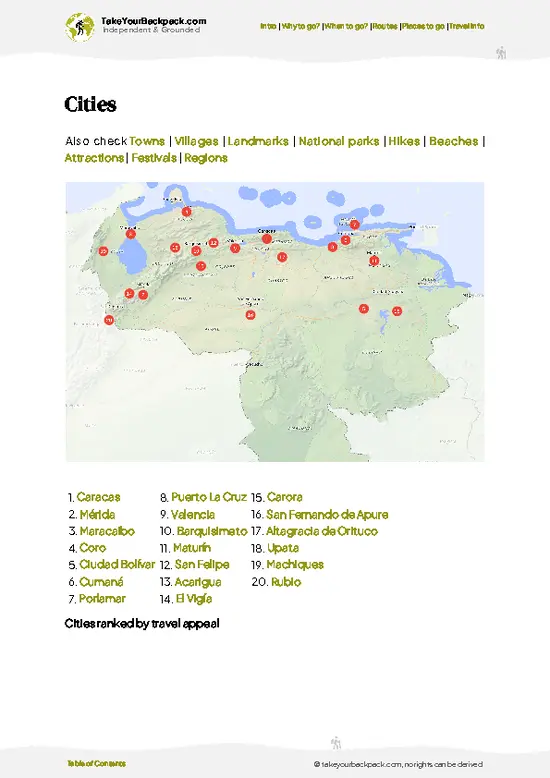
3. Museo Marino de Margarita
This isn’t your average dusty museum. The Museo Marino is a hands-on, family-friendly deep dive into the marine life and fishing heritage that define Margarita Island. Expect tanks with local sea creatures, a preserved giant squid, and exhibits on the island’s pearl-diving past. It’s a rare chance to understand the sea’s role in shaping Porlamar’s culture. Open most days, best visited in the morning to avoid school groups. Entry is modest (about $2-$3). Plan for 60-90 minutes if you want to read the displays and chat with the staff.
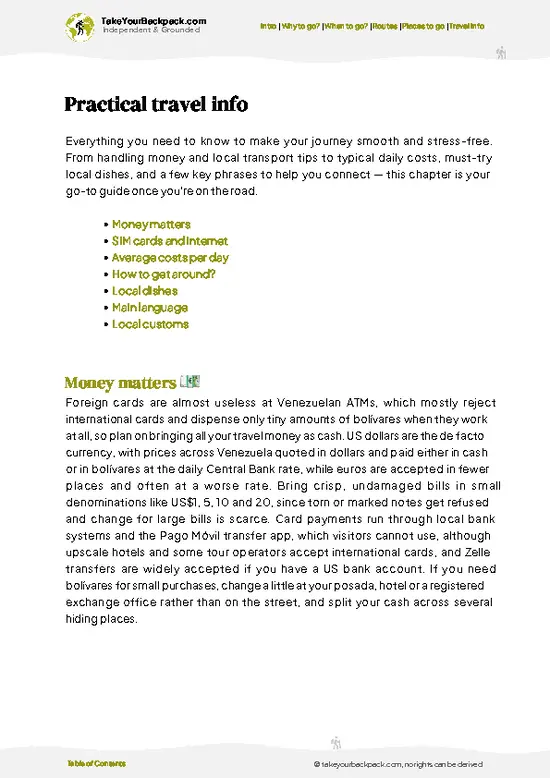
4. Plaza Bolívar de Porlamar
Every Venezuelan city has a Plaza Bolívar, but Porlamar’s is a microcosm of the city’s social life. Shaded by ancient trees and ringed by colonial-era buildings, it’s where you’ll see chess games, political debates, and the occasional impromptu concert. The statue of Simón Bolívar is a focal point, but the real draw is the people-watching. Visit mid-morning or late afternoon for peak activity. Free, and 20-40 minutes is enough unless you get swept up in the scene.
5. Mercado Municipal de Conejeros
If you want to feel the pulse of Porlamar, skip the malls and head straight to this sprawling market. It’s a sensory overload: the shouts of vendors, the scent of frying empanadas, the rainbow of tropical fruit. This is where locals actually shop, haggle, and gossip. Go early (7-10am) for the freshest produce and the liveliest atmosphere. Entry is free, but bring cash for snacks or souvenirs. Give yourself 45-90 minutes, depending on your appetite for exploration.
Porlamar is your launchpad: just outside the city, you’ll find the powdery beaches of Playa El Agua, the historic Castillo San Carlos de Borromeo in Pampatar, and the lush mangroves of La Restinga National Park—each a high-value day trip that reveals a different face of Margarita Island.
Porlamar’s spiritual anchor isn’t just for the devout. This basilica is a living crossroads of faith, local identity, and architecture. The white-and-yellow neo-Gothic spires are a visual exclamation point against the Caribbean sky. Inside, you’ll find locals lighting candles and telling stories—especially during September’s festival, when the energy is palpable. Visit in the early morning for quiet reflection or late afternoon for golden light and people-watching. Entry is free, but a small donation is appreciated. Allow 30-45 minutes, longer if you linger for a service or chat with parishioners.
2. Paseo Guaraguao
This seaside promenade is Porlamar’s unofficial living room. It’s where families stroll, teens flirt, and fishermen haul in the day’s catch. The real value here is in the rhythm of daily life: street vendors selling cocadas (coconut shakes), domino games under the shade, and the salty breeze. Go at sunset for the best atmosphere and cooler temperatures. Free to wander; budget a few dollars for snacks or a drink. Give yourself 30-60 minutes, or more if you’re drawn into a conversation or a game.
3. Museo Marino de Margarita
This isn’t your average dusty museum. The Museo Marino is a hands-on, family-friendly deep dive into the marine life and fishing heritage that define Margarita Island. Expect tanks with local sea creatures, a preserved giant squid, and exhibits on the island’s pearl-diving past. It’s a rare chance to understand the sea’s role in shaping Porlamar’s culture. Open most days, best visited in the morning to avoid school groups. Entry is modest (about $2-$3). Plan for 60-90 minutes if you want to read the displays and chat with the staff.
4. Plaza Bolívar de Porlamar
Every Venezuelan city has a Plaza Bolívar, but Porlamar’s is a microcosm of the city’s social life. Shaded by ancient trees and ringed by colonial-era buildings, it’s where you’ll see chess games, political debates, and the occasional impromptu concert. The statue of Simón Bolívar is a focal point, but the real draw is the people-watching. Visit mid-morning or late afternoon for peak activity. Free, and 20-40 minutes is enough unless you get swept up in the scene.
5. Mercado Municipal de Conejeros
If you want to feel the pulse of Porlamar, skip the malls and head straight to this sprawling market. It’s a sensory overload: the shouts of vendors, the scent of frying empanadas, the rainbow of tropical fruit. This is where locals actually shop, haggle, and gossip. Go early (7-10am) for the freshest produce and the liveliest atmosphere. Entry is free, but bring cash for snacks or souvenirs. Give yourself 45-90 minutes, depending on your appetite for exploration.
Porlamar is your launchpad: just outside the city, you’ll find the powdery beaches of Playa El Agua, the historic Castillo San Carlos de Borromeo in Pampatar, and the lush mangroves of La Restinga National Park—each a high-value day trip that reveals a different face of Margarita Island.
Spotted a mistake or missing something? Contact us.
v2.webp)

Best Backpacking
Hi, I’m Johan (Netherlands 🇳🇱), the creator of TakeYourBackpack. Over the past decade, I’ve backpacked through 80+ countries across six continents, gaining extensive experience with independent travel, long-term trips, and overland routes.