×

Venezuela🇻🇪 | attractionsMuseo de Arte Contemporáneo de Caracasmodern galleries, Latin American artists, sculpture patio | things to do and best time to go

Explore Parque Zoológico y Botánico BararidaExplore Museo de Bellas Artes de Caracas

Backpacking in Museo de Arte Contemporáneo de Caracas
🏆 Top pickattraction ranked #4
By Johan Kruseman 🇳🇱 | Updated September 4, 2026

Here’s the twist nobody tells you: Museo de Arte Contemporáneo de Caracas isn’t just a gallery for Venezuela’s elite—it’s one of the rare places in Caracas where you can see Miró, Picasso, and Soto up close, without a velvet rope or a crowd of selfie sticks. You’ll find it in Parque Central, right in the heart of the city’s concrete jungle, wedged between brutalist towers and the daily chaos of downtown. For backpackers, this isn’t your typical ‘must-see’—it’s not flashy, and the building itself is more 1970s municipal than Instagram bait. But that’s the point. The real magic is the intimacy: you can wander halls in near silence, soaking up world-class art for the price of a cheap lunch, while the rest of the city rushes by outside. Yes, the area can feel gritty and you’ll want to keep your wits about you, but compared to the tourist-heavy Angel Falls or Mérida’s cable car, this is a raw, unfiltered slice of Venezuelan culture—no filter, no hype, just art and reality colliding.

Discover everything you want to know in the 📖 Venezuela Travel Guide.
Safety warning

The current risk level for Venezuela is high. Check the advice before going.


Get your Venezuela guide
99 ranked highlights, routes & tips, works offline (369 pages)
Loading the map 🌍
CLICK TO FILTER
cities
towns
villages
landmarks
national parks
hikes
beaches
attractions
festivals
regions
SHOW COUNTRY’S BESTSHOW ALL

✨ Why go?
Ranked #4 attraction in Venezuela
Why visitors keep coming back

The Museo de Arte Contemporáneo de Caracas isn’t your typical tourist checkbox. Yes, it’s crowded—especially on weekends—and the entrance fee isn’t exactly pocket change for a backpacker. But here’s the deal: this museum is a heavyweight in Latin American art, a place where you don’t just see paintings; you feel the pulse of Venezuela’s cultural upheavals and triumphs. It’s iconic because it houses works by legends like Carlos Cruz-Diez and Jesús Rafael Soto, artists who didn’t just paint but redefined perception itself.

This isn’t about pretty pictures; it’s about confronting history, politics, and identity through art that challenges you. The building itself, a brutalist masterpiece, adds a gritty, raw edge that mirrors the city’s complex spirit. For backpackers threading through Venezuela, … read more 👉
The Museo de Arte Contemporáneo de Caracas isn’t your typical tourist checkbox. Yes, it’s crowded—especially on weekends—and the entrance fee isn’t exactly pocket change for a backpacker. But here’s the deal: this museum is a heavyweight in Latin American art, a place where you don’t just see paintings; you feel the pulse of Venezuela’s cultural upheavals and triumphs. It’s iconic because it houses works by legends like Carlos Cruz-Diez and Jesús Rafael Soto, artists who didn’t just paint but redefined perception itself.

This isn’t about pretty pictures; it’s about confronting history, politics, and identity through art that challenges you. The building itself, a brutalist masterpiece, adds a gritty, raw edge that mirrors the city’s complex spirit. For backpackers threading through Venezuela, this museum is a milestone—a moment to pause and absorb a side of the country that’s often overshadowed by headlines and hardship. The effort to navigate Caracas’s chaos and the museum’s crowds pays off with an adrenaline rush of discovery that’s hard to match anywhere else. If you want to understand Venezuela beyond the surface, this is where you start.
Want to include Museo de Arte Contemporáneo de Caracas in your Venezuela route?
Create a personalized Venezuela itinerary that includes Museo de Arte Contemporáneo de Caracas and the places that fit your trip — based on your travel style, budget, and available time. Get your route in seconds.

Generate my trip

💡 HighlightsWhat this place is best known for

Cruz-Diez’s Chromatic Labyrinth
Let’s get real: most people come here for the Instagrammable color fields, but the real punch in the gut is standing inside Carlos Cruz-Diez’s kinetic installations. This isn’t just “pretty colors on a wall.” You’re inside a shifting, immersive experiment—light, color, and your own perception all wrestling for control. You move, the art moves. It’s a rare chance to feel like you’re part of the artwork, not just a bystander. No filter needed; your retinas will be buzzing for hours.


Soto’s Penetrables
Forget “do not touch.” Jesús Rafael Soto’s Penetrables are meant to be walked through, tangled in, and experienced with your whole body. It’s a playground for adults who still remember what curiosity feels like. You’ll see locals and tourists alike grinning like … read more 👉
Cruz-Diez’s Chromatic Labyrinth
Let’s get real: most people come here for the Instagrammable color fields, but the real punch in the gut is standing inside Carlos Cruz-Diez’s kinetic installations. This isn’t just “pretty colors on a wall.” You’re inside a shifting, immersive experiment—light, color, and your own perception all wrestling for control. You move, the art moves. It’s a rare chance to feel like you’re part of the artwork, not just a bystander. No filter needed; your retinas will be buzzing for hours.


Soto’s Penetrables
Forget “do not touch.” Jesús Rafael Soto’s Penetrables are meant to be walked through, tangled in, and experienced with your whole body. It’s a playground for adults who still remember what curiosity feels like. You’ll see locals and tourists alike grinning like kids, weaving through hanging plastic tubes that blur the line between sculpture and environment. It’s interactive art that doesn’t feel forced or gimmicky—just pure, tactile joy.


The Brutalist Architecture
If you’re expecting a sterile white cube, you’re in for a surprise. The museum itself is a concrete fortress—raw, unapologetic, and full of sharp angles. It’s a statement piece in its own right, designed by architect Carlos Raúl Villanueva. The building’s maze-like corridors and dramatic light wells are as much a part of the experience as the art. You’ll find yourself lingering in the shadows, tracing the way sunlight slices through the gloom. It’s not “pretty,” but it’s unforgettable in the way a thunderstorm is unforgettable.


Latin American Heavyweights
This isn’t a museum that pads its collection with knock-offs or safe bets. You’ll see original works by the likes of Gego, Alejandro Otero, and other titans of Venezuelan and Latin American modernism. These aren’t just names on a wall—they’re the artists who redefined what art could be in the 20th century. The curation is sharp, and you’ll walk away with a sense of how radical, political, and experimental Latin American art really is. No watered-down “global contemporary” here.


The Crowd Factor—And How to Dodge It
Here’s the straight talk: weekends can get packed, especially when there’s a school group or a new exhibit. But if you time it right—weekday mornings are your best bet—you’ll have whole galleries to yourself. There’s a hush that settles over the place, broken only by your footsteps and the occasional echo of laughter from the Penetrables. It’s in these quiet moments that the museum’s magic really lands. You’re not just looking at art; you’re in a conversation with it.


The Street Art Spillover
Step outside and you’ll see the museum’s influence leaking into the city itself. The surrounding Bellas Artes district is a living gallery, with murals and graffiti that riff on the kinetic and optical art inside. It’s proof that the museum isn’t just a box for art—it’s a catalyst for creativity in the city. If you’re the type who likes your culture with a side of chaos, take a walk around the block before you leave. The energy is contagious.
Spotted a mistake or missing something? Contact us.
🌤️ When to go?Seasonal considerations and timing


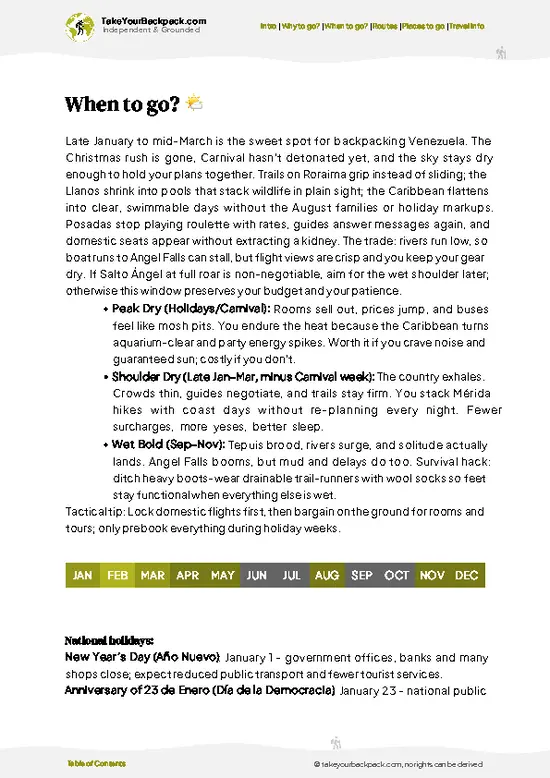
  • Topic: Weather and Temperature – Caracas enjoys a tropical climate year-round, but the best months to visit the Museo de Arte Contemporáneo are from December to April. Expect temperatures between 21°C and 28°C (70°F to 82°F), which is comfortable for wandering both inside and outside the museum. The rainy season from May to November can bring sudden downpours, making outdoor exploration less pleasant.

  • Topic: Daylight Hours – Daylight remains fairly consistent throughout the year, roughly 11 to 12 hours daily. However, visiting during the dry season means you’ll have more predictable daylight for combining museum visits with other city explorations without worrying about early nightfall or weather disruptions.

  • Topic: Crowds – The museum sees a spike in visitors during local holidays and weekends,
read more 👉

  • Topic: Weather and Temperature – Caracas enjoys a tropical climate year-round, but the best months to visit the Museo de Arte Contemporáneo are from December to April. Expect temperatures between 21°C and 28°C (70°F to 82°F), which is comfortable for wandering both inside and outside the museum. The rainy season from May to November can bring sudden downpours, making outdoor exploration less pleasant.

  • Topic: Daylight Hours – Daylight remains fairly consistent throughout the year, roughly 11 to 12 hours daily. However, visiting during the dry season means you’ll have more predictable daylight for combining museum visits with other city explorations without worrying about early nightfall or weather disruptions.

  • Topic: Crowds – The museum sees a spike in visitors during local holidays and weekends, especially in December and January when tourists and locals alike are out and about. If you want a quieter experience, aim for weekday mornings outside of major Venezuelan holidays.

  • Topic: Seasonal Activities – The dry season aligns with cultural events and art festivals in Caracas, which can add layers of excitement around your visit. These events often bring temporary exhibitions or special installations to the museum, enriching the experience beyond the permanent collection.

  • Topic: Price Fluctuations – Entry fees remain stable year-round, but travel costs to Caracas can spike during peak tourist months (December to February). Booking flights and accommodation in the shoulder months of November or April can save you money without sacrificing weather quality.


Pro-tip: Visit the Museo de Arte Contemporáneo on a weekday morning during the dry season to dodge crowds, enjoy stable weather, and catch any special exhibits tied to local art events.


source: climatestotravel.comJANJanuary: highly recommended for travelingFEBFebruary: highly recommended for travelingMARMarch: excellent for travelingAPRApril: excellent for travelingMAYMay: fair for travelingJUNJune: fair for travelingJULJuly: fair for travelingAUGAugust: fair for travelingSEPSeptember: fair for travelingOCTOctober: fair for travelingNOVNovember: good for travelingDECDecember: highly recommended for traveling
venezuela-attraction-museo-de-arte-contemporaneo-de-caracas
© Google |

✈️ The backpacker research shortcutVenezuela Travel Guide

An offline-friendly backpacking guide with optimized travel routes, ranked highlights, transport advice, and the best areas to stay.
example page 0 from our offline Travel Guide for Venezuela
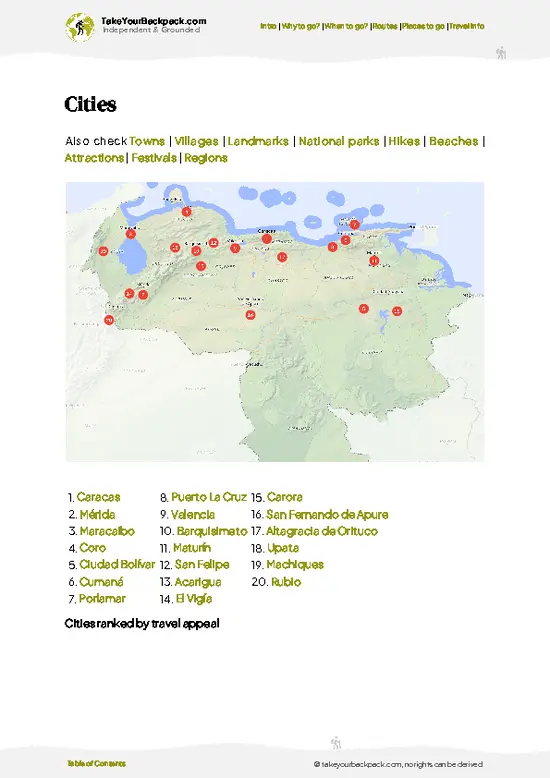
example page 1 from our offline Travel Guide for Venezuela
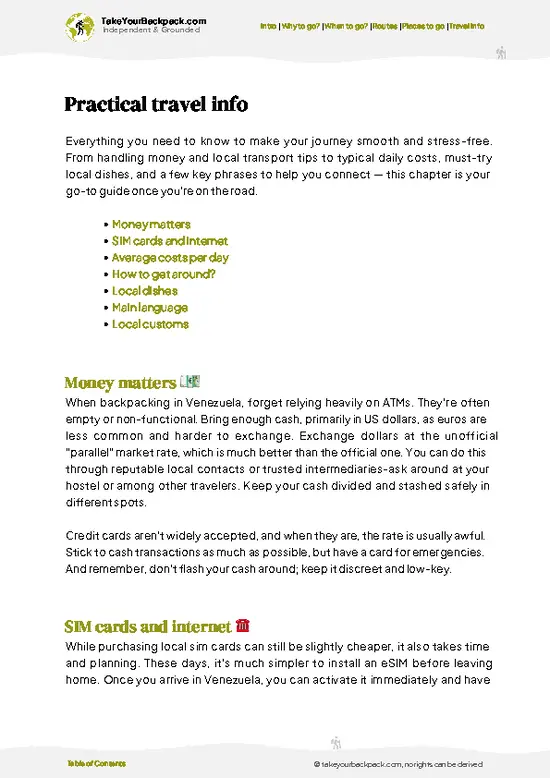
example page 2 from our offline Travel Guide for Venezuela
example page 3 from our offline Travel Guide for Venezuela
example page 4 from our offline Travel Guide for Venezuela
example page 5 from our offline Travel Guide for Venezuela
example page 6 from our offline Travel Guide for Venezuela
example page 7 from our offline Travel Guide for Venezuela
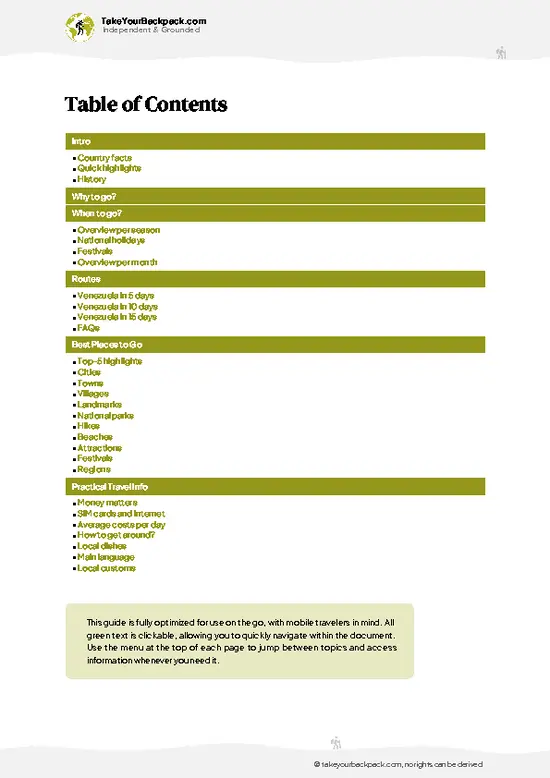
The digital guide (369 pages) contains:
99 highlights, ranked by travel appeal
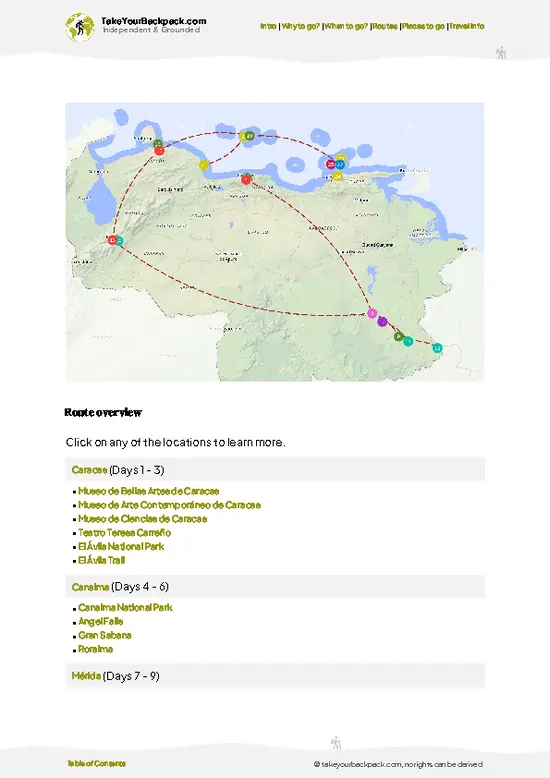
Optimized 5, 10 & 15-day travel routes
Cities, national parks, landmarks, beaches
How to get around
Offline-friendly for travel without Wi-Fi
👉 Click to see all 30+ guide features

📅 Plan smarter in minutes, not weeks
Month by month travel advice
Festivals & national holidays
Budget expectations

🗺️ Go to the right places, skip the overrated ones
Honest pros & cons of destinations
Top hikes, parks & viewpoints
Lesser-known places most travelers miss
Clear “worth it vs skip it” guidance

🛏️ Travel smoothly without rookie mistakes
Best areas to stay
Transport systems explained simply
Common scams & safety advice
SIM cards, money & practical tips

🌍 Understand the country, not just visit it
Culture & traditions
52 Essential phrases & customs
Festivals worth planning around
Traveler-friendly historical context
Insights that make places more meaningful

📱 Built for real travel conditions
Fully downloadable PDF
Works completely offline
Optimized for phone use
Useful in remote areas & buses
Everything in one place
Save weeks of stressful planning
Get instant access to your full guide. 30‑day money-back guarantee.
+ Add another guide for just US$7.80

By proceeding you agree to our terms.
Sent to your inbox immediately after payment • 100% Secure Checkout
Best Backpacking Travel Advisor 2025 tourism awardBest Backpacking
Travel Advisor
2025
What others say about Take Your Backpack Guides:
⭐⭐⭐⭐⭐
Fantastic, amazing amount of information!
⭐⭐⭐⭐⭐
My goodness this is amazing, it's what I've been looking for hats off too you!
⭐⭐⭐⭐⭐
I think this is absolutely BRILLIANT
⭐⭐⭐⭐
Very complete and informative. It's still missing places, but I gotta to commend you
⭐⭐⭐⭐⭐
This is truly amazing, thank you, can't wait to explore it with my kids!
⭐⭐⭐⭐⭐
Awesome resource, thank you!
⭐⭐⭐⭐⭐
This is amazing! Can't wait to explore the ones I haven't seen
⭐⭐⭐⭐
I love this! Well done, great idea.
⭐⭐⭐⭐⭐
Thanks for taking the time to make this gem!
⭐⭐⭐⭐⭐
This might be the best website I've ever seen.
⭐⭐⭐⭐⭐
Congratulations, and thank you so much for your work; it's incredibly valuable.
⭐⭐⭐⭐
In all seriousness I think you did a great job pointing out the important spots
⭐⭐⭐⭐⭐
10/10 very good
⭐⭐⭐⭐⭐
As someone who's only just starting to visit regularly this is awesome, thank you.
⭐⭐⭐⭐
Thank you very much! I'm going to visit my dad, it's going to be very useful!
⭐⭐⭐⭐⭐
This is really cool! We'll be travelling for the first time and this definitely come in handy.
⭐⭐⭐⭐⭐
You are now our minister of culture, congratulations 👨‍💼
⭐⭐⭐⭐⭐
Just wanted to tell you that this is a pearl! Going to follow your recommendations.
⭐⭐⭐⭐⭐
This is so cool. I'll definitely be using the resource for my travels soon.
⭐⭐⭐⭐⭐
This is very impressive! Good work.
⭐⭐⭐⭐⭐
This is an amazing and informative site. Very well done!

🛏️ Where to stay?Best areas to stay in Venezuela

If you’re backpacking to see the Museo de Arte Contemporáneo de Caracas, forget the glossy Instagram feeds that make Caracas look like a postcard-perfect paradise. The reality? The city’s got its share of challenges—crowds, noise, and yes, safety concerns. But here’s the kicker: the neighborhoods around the museum offer a gritty, authentic vibe that’s exactly what you want if you’re after real connection and not just a sanitized tourist bubble.

Start with the Sabana Grande area. It’s a bustling, chaotic hub where locals and travelers collide. It’s loud, it’s busy, but it’s also where you’ll find … read more 👉
If you’re backpacking to see the Museo de Arte Contemporáneo de Caracas, forget the glossy Instagram feeds that make Caracas look like a postcard-perfect paradise. The reality? The city’s got its share of challenges—crowds, noise, and yes, safety concerns. But here’s the kicker: the neighborhoods around the museum offer a gritty, authentic vibe that’s exactly what you want if you’re after real connection and not just a sanitized tourist bubble.

Start with the Sabana Grande area. It’s a bustling, chaotic hub where locals and travelers collide. It’s loud, it’s busy, but it’s also where you’ll find the pulse of Caracas nightlife and street culture. It’s social, affordable, and packed with budget-friendly spots where solo backpackers can meet others without the pretense. Just keep your wits about you—stick to well-lit streets and avoid wandering off after dark.

Another solid option is Chacao, a bit more upscale and safer, but still accessible for budget travelers. It’s got a more relaxed pace, with cafes and bars that attract a younger, artsy crowd. It’s not touristy in the typical sense, but it’s where you’ll find locals who actually care about art and culture, making it a perfect base to soak in the city’s creative energy.

Neither neighborhood is a walk in the park, but both offer the kind of raw, unfiltered Caracas experience that makes the Museo de Arte Contemporáneo more than just a building—it’s a gateway into the city’s soul.

👛 Costs (as of 4 September 2026)Typical daily expenses

El Museo de Arte Contemporáneo de Caracas ofrece entrada gratuita a todos los visitantes. ([101viajes.com](https://www.101viajes.com/venezuela/museo-arte-contemporaneo?utm_source=openai))
⚠️ Prices can change and everyone travels differently, so take this as a rough guide. Hope it helps you plan your adventure!

FAQCommon questions from travelers

2 to 3 hours is sufficient to visit Museo de Arte Contemporáneo de Caracas, allowing time to explore its permanent collections and temporary exhibitions thoroughly.
Yes, the entrance fee is worth it, typically around 2 to 5 USD, considering the museum's extensive collection of modern and contemporary Latin American art and its cultural significance in Caracas.
You can get to Museo de Arte Contemporáneo de Caracas by taking a taxi or public bus to the Bellas Artes area; it is located near Plaza Venezuela, about 5 km from the city center, making it accessible by a short ride from major transit points.
⚠️ Things can change over time, so always validate details locally before you go.

Other Venezuelan attractions near Museo de Arte Contemporáneo de Caracas

Explore more nearby:


💡 Not sure where to go next?
Create a personalized itinerary for Venezuela including Museo de Arte Contemporáneo de Caracas and the places that fit your trip.

Generate my itinerary

👉 Discover all attractions

Or checkout all Venezuela has to offer (think cities, towns, villages, national parks, hikes, beaches, festivals)
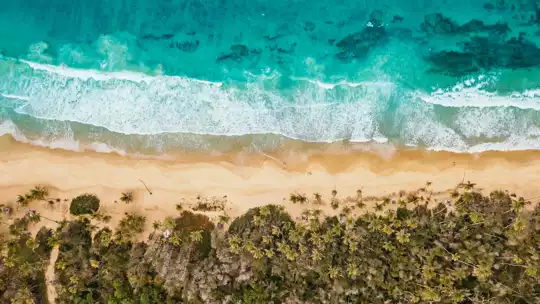
Country photo of Venezuela

We 💚 feedbackParting advice and final tips

The Museo de Arte Contemporáneo de Caracas isn’t your polished, crowd-pleasing museum. It’s rough around the edges, with a vibe that feels more like an underground art lab than a tourist stop. Expect some noise, a few curious locals, and art that challenges you rather than comforts you. The real magic is in the unexpected—pieces that make you pause and reconsider what art even means. It’s not about Instagram-perfect shots; it’s about getting under the skin of Caracas’ creative pulse. Worth the trip if you want something real.

✍️ Help improve this page!
The information on this page is based on in-depth research, insights shared by experienced travelers, and feedback from the local travel community in Venezuela. While every effort is made to keep the information accurate and current, conditions can change — so if you spot anything incorrect or outdated, please get in touch.


🙋‍♂️ Give feedback

👋 Meet the founderWho’s Behind Take Your Backpack?

Johan, backpacker and founder of TakeYourBackpackHi, I’m Johan (Netherlands 🇳🇱), the creator of TakeYourBackpack. Over the past decade, I’ve backpacked through 80+ countries across six continents, gaining extensive experience with independent travel, long-term trips, and overland routes.

This site is built on a combination of firsthand travel experience and carefully curated insights from other backpackers. Many guides are based on places I’ve personally visited, while others bring together tips, observations, and practical advice shared by trusted travelers I’ve met along the way.

The goal is to provide realistic, experience-driven guidance — not generic itineraries — so you can explore destinations with better context, clearer expectations, and more confidence.

Get full Venezuela guide •
Instant download • 99 highlights • Full Offline guide