×

Venezuela🇻🇪 | attractionsMuseo Marino de Margaritamarine life, aquarium tanks, coastal exhibits | things to do and best time to go

Explore Parque Zoológico CaricuaoExplore Museo de Arte Valencia

Backpacking in Museo Marino de Margarita
🌟 Highlightattraction ranked #6
By Johan Kruseman 🇳🇱 | Updated September 4, 2026

A child’s shriek ricochets off the fiberglass jaws of a suspended hammerhead, and the air smells faintly of salt and old varnish. Your fingers brush the cool, pitted shell of a giant sea turtle carapace, and for a second, the Caribbean sun outside feels a world away. Museo Marino de Margarita sits in Boca del Río, on Isla de Margarita’s quieter eastern edge—a far cry from Venezuela’s mainland chaos, but don’t expect solitude.

Here’s the straight deal: this isn’t some polished, Instagram-perfect aquarium. It’s a quirky, slightly faded museum with real heart and a local crowd—school groups, families, the odd backpacker dodging the beach-party circuit. The wow-factor is tactile: you get to touch, prod, and peer up close at the region’s marine life, both preserved and living. Entry is cheap, but buses are slow and signage is mostly in Spanish. You’ll dodge selfie sticks, but you’ll also get a crash course in Venezuela’s maritime soul—raw, unfiltered, and refreshingly unpretentious compared to the country’s headline-grabbing natural wonders.

Discover everything you want to know in the 📖 Venezuela Travel Guide.
Safety warning

The current risk level for Venezuela is high. Check the advice before going.


Get your Venezuela guide
99 ranked highlights, routes & tips, works offline (369 pages)
Loading the map 🌍
CLICK TO FILTER
cities
towns
villages
landmarks
national parks
hikes
beaches
attractions
festivals
regions
SHOW COUNTRY’S BESTSHOW ALL

✨ Why go?
Ranked #6 attraction in Venezuela
Why visitors keep coming back

The Museo Marino de Margarita isn’t your typical tourist checkbox. Yes, it draws crowds, especially during peak season, and the entrance fee isn’t exactly pocket change for a backpacker. But here’s the kicker: this museum is a deep dive into Venezuela’s maritime soul, a place where history isn’t just displayed—it’s felt. You’ll find yourself face-to-face with relics that tell stories of colonial conquests, pirate legends, and the relentless spirit of island life. It’s not just about old ships and artifacts; it’s about understanding how the sea shaped the culture, economy, and identity of Margarita Island and Venezuela at large.

For backpackers grinding through the country’s coastal route, this museum is a milestone—a moment to pause and connect the dots between the natural beauty outside … read more 👉
The Museo Marino de Margarita isn’t your typical tourist checkbox. Yes, it draws crowds, especially during peak season, and the entrance fee isn’t exactly pocket change for a backpacker. But here’s the kicker: this museum is a deep dive into Venezuela’s maritime soul, a place where history isn’t just displayed—it’s felt. You’ll find yourself face-to-face with relics that tell stories of colonial conquests, pirate legends, and the relentless spirit of island life. It’s not just about old ships and artifacts; it’s about understanding how the sea shaped the culture, economy, and identity of Margarita Island and Venezuela at large.

For backpackers grinding through the country’s coastal route, this museum is a milestone—a moment to pause and connect the dots between the natural beauty outside and the human stories inside. The adrenaline comes from peeling back layers of history that most travelers overlook, rewarding you with a richer, more grounded perspective. Skip the glossy postcards and dive into the gritty, authentic narrative here. That’s why, despite the crowds and cost, the Museo Marino de Margarita earns its place on any serious traveler’s itinerary. It’s not just a visit; it’s an education in resilience and heritage.
Want to include Museo Marino de Margarita in your Venezuela route?
Create a personalized Venezuela itinerary that includes Museo Marino de Margarita and the places that fit your trip — based on your travel style, budget, and available time. Get your route in seconds.

Generate my trip

💡 HighlightsThe experiences that define the visit

1. The Whale Skeleton Hall
Let’s cut through the Instagram filters: the main event here is a full blue whale skeleton, and it’s not just a prop for your feed. This thing is massive—jaw-dropping in the literal sense. You don’t just look at it; you walk beneath it, craning your neck and feeling the scale of the ocean’s true giants. It’s a rare, physical reminder that the sea is not some abstract blue on a map, but a world of monsters and mysteries. No amount of digital sparkle can replace the awe of standing under those bones.


2. The Shark Tank
Forget the overhyped “touch pools” you find in touristy aquariums. Here, the shark tank is the real deal: a dark, slightly claustrophobic tunnel where nurse sharks and rays glide just inches from your face. The glass isn’t pristine, and the lighting … read more 👉
1. The Whale Skeleton Hall
Let’s cut through the Instagram filters: the main event here is a full blue whale skeleton, and it’s not just a prop for your feed. This thing is massive—jaw-dropping in the literal sense. You don’t just look at it; you walk beneath it, craning your neck and feeling the scale of the ocean’s true giants. It’s a rare, physical reminder that the sea is not some abstract blue on a map, but a world of monsters and mysteries. No amount of digital sparkle can replace the awe of standing under those bones.


2. The Shark Tank
Forget the overhyped “touch pools” you find in touristy aquariums. Here, the shark tank is the real deal: a dark, slightly claustrophobic tunnel where nurse sharks and rays glide just inches from your face. The glass isn’t pristine, and the lighting is a little moody—this isn’t a Disney-fied experience. That’s the point. You get a raw, up-close look at creatures that are more muscle than myth. Kids press their noses to the glass; adults get a little quieter. It’s not polished, but it’s honest, and that’s what makes it stick.


3. The Sea Turtle Sanctuary
This isn’t a photo op with a baby turtle. The sanctuary is a working rescue and rehab center, and you see the scars—literally. Turtles with cracked shells, missing flippers, and the slow, stubborn will to survive. It’s not sanitized for your comfort, and that’s exactly why it matters. You leave with a gut-level respect for the animals and the volunteers patching them up. If you want to feel good about humanity for a minute, linger here.


4. The Local Fishermen’s Exhibit
Most museums skip the people who actually live with the sea. Not here. This exhibit is a crash course in the tools, boats, and folklore of Margarita’s fishing communities. You’ll see hand-carved boats, battered nets, and the kind of gear that smells faintly of salt and sweat. It’s not glamorous, but it’s real—these are the stories that don’t make it onto postcards. If you want to understand the island, start here.


5. The Caribbean Species Tanks
No, you won’t find a thousand species in high-tech tanks. What you get is a focused, up-close look at the creatures that actually live in these waters: lionfish, moray eels, spiny lobsters, and the occasional grumpy octopus. The tanks are compact, sometimes a little rough around the edges, but the staff know their stuff and will talk your ear off if you ask. It’s not about spectacle—it’s about seeing the real cast of the Caribbean, up close and personal.
Spotted a mistake or missing something? Contact us.

🌤️ When to go?When to go for the best experience


  • Weather: The Museo Marino de Margarita sits in a tropical climate, so expect warmth year-round. From May to November, the rainy season kicks in, bringing humidity and sudden showers that can dampen your museum strolls. December through April is drier and more comfortable, making it the smarter pick for clear skies and less sticky days.

  • Temperature: Temperatures hover between 27°C and 32°C (81°F to 90°F) most of the year. The hottest months are March and April, which can feel like a sauna inside the museum if you’re not used to tropical heat. Cooler evenings come around December and January, offering a slight break from the heat.

  • Daylight Hours: Daylight is pretty stable, with about 11 to 12 hours daily. From June to August, days stretch a bit longer, giving you more daylight to explore
read more 👉

  • Weather: The Museo Marino de Margarita sits in a tropical climate, so expect warmth year-round. From May to November, the rainy season kicks in, bringing humidity and sudden showers that can dampen your museum strolls. December through April is drier and more comfortable, making it the smarter pick for clear skies and less sticky days.

  • Temperature: Temperatures hover between 27°C and 32°C (81°F to 90°F) most of the year. The hottest months are March and April, which can feel like a sauna inside the museum if you’re not used to tropical heat. Cooler evenings come around December and January, offering a slight break from the heat.

  • Daylight Hours: Daylight is pretty stable, with about 11 to 12 hours daily. From June to August, days stretch a bit longer, giving you more daylight to explore the museum and nearby beaches without rushing.

  • Crowds: Peak tourist season aligns with Venezuelan holidays and the dry season, especially December through February. Expect more visitors then, which means longer lines and a less intimate experience. Off-peak months like September and October offer quieter galleries and a more relaxed vibe.

  • Seasonal Activities: The museum occasionally hosts special exhibits and marine conservation talks, mostly during the dry season when local tourism peaks. If you want to catch these, plan for late January to March, but be ready for the crowds.

  • Price Fluctuations: Entrance fees stay fairly stable year-round, but accommodation and flights spike during the dry season and holidays. Visiting in the shoulder months (April or November) can save you serious cash without sacrificing the experience.


Pro-tip: Aim for late April or early November—good weather, fewer crowds, and better prices. You’ll get the museum’s marine wonders without the tourist stampede or sweating through your shirt.


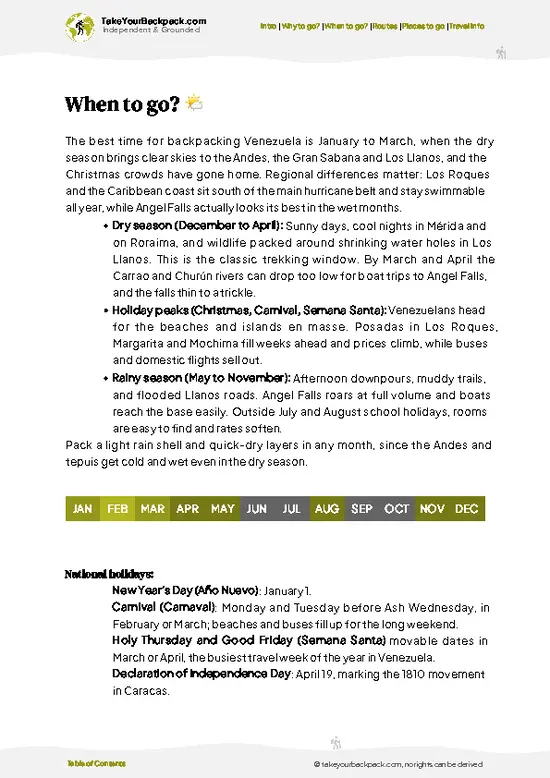
source: climatestotravel.comJANJanuary: highly recommended for travelingFEBFebruary: highly recommended for travelingMARMarch: good for travelingAPRApril: highly recommended for travelingMAYMay: fair for travelingJUNJune: fair for travelingJULJuly: fair for travelingAUGAugust: fair for travelingSEPSeptember: good for travelingOCTOctober: good for travelingNOVNovember: highly recommended for travelingDECDecember: highly recommended for traveling
venezuela-attraction-museo-marino-de-margarita
© Google |

✈️ The backpacker research shortcutVenezuela Travel Guide

An offline-friendly backpacking guide with optimized travel routes, ranked highlights, transport advice, and the best areas to stay.
example page 0 from our offline Travel Guide for Venezuela
example page 1 from our offline Travel Guide for Venezuela
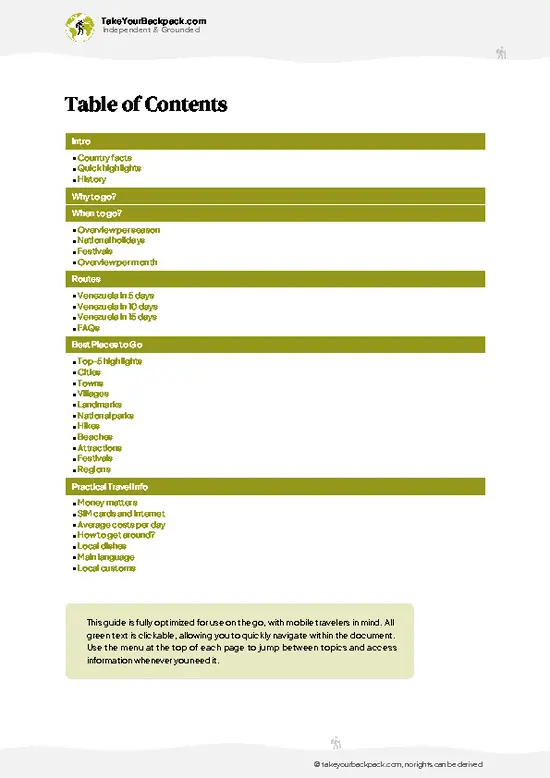
example page 2 from our offline Travel Guide for Venezuela
example page 3 from our offline Travel Guide for Venezuela
example page 4 from our offline Travel Guide for Venezuela
example page 5 from our offline Travel Guide for Venezuela
example page 6 from our offline Travel Guide for Venezuela
example page 7 from our offline Travel Guide for Venezuela
The digital guide (369 pages) contains:
99 highlights, ranked by travel appeal
Optimized 5, 10 & 15-day travel routes
Cities, national parks, landmarks, beaches
How to get around
Offline-friendly for travel without Wi-Fi
👉 Click to see all 30+ guide features

📅 Plan smarter in minutes, not weeks
Month by month travel advice
Festivals & national holidays
Budget expectations

🗺️ Go to the right places, skip the overrated ones
Honest pros & cons of destinations
Top hikes, parks & viewpoints
Lesser-known places most travelers miss
Clear “worth it vs skip it” guidance

🛏️ Travel smoothly without rookie mistakes
Best areas to stay
Transport systems explained simply
Common scams & safety advice
SIM cards, money & practical tips

🌍 Understand the country, not just visit it
Culture & traditions
52 Essential phrases & customs
Festivals worth planning around
Traveler-friendly historical context
Insights that make places more meaningful

📱 Built for real travel conditions
Fully downloadable PDF
Works completely offline
Optimized for phone use
Useful in remote areas & buses
Everything in one place
Save weeks of stressful planning
Get instant access to your full guide. 30‑day money-back guarantee.
+ Add another guide for just €6.50

By proceeding you agree to our terms.
Sent to your inbox immediately after payment • 100% Secure Checkout
Best Backpacking Travel Advisor 2025 tourism awardBest Backpacking
Travel Advisor
2025
What others say about Take Your Backpack Guides:
⭐⭐⭐⭐⭐
Fantastic, amazing amount of information!
⭐⭐⭐⭐⭐
My goodness this is amazing, it's what I've been looking for hats off too you!
⭐⭐⭐⭐⭐
I think this is absolutely BRILLIANT
⭐⭐⭐⭐
Very complete and informative. It's still missing places, but I gotta to commend you
⭐⭐⭐⭐⭐
This is truly amazing, thank you, can't wait to explore it with my kids!
⭐⭐⭐⭐⭐
Awesome resource, thank you!
⭐⭐⭐⭐⭐
This is amazing! Can't wait to explore the ones I haven't seen
⭐⭐⭐⭐
I love this! Well done, great idea.
⭐⭐⭐⭐⭐
Thanks for taking the time to make this gem!
⭐⭐⭐⭐⭐
This might be the best website I've ever seen.
⭐⭐⭐⭐⭐
Congratulations, and thank you so much for your work; it's incredibly valuable.
⭐⭐⭐⭐
In all seriousness I think you did a great job pointing out the important spots
⭐⭐⭐⭐⭐
10/10 very good
⭐⭐⭐⭐⭐
As someone who's only just starting to visit regularly this is awesome, thank you.
⭐⭐⭐⭐
Thank you very much! I'm going to visit my dad, it's going to be very useful!
⭐⭐⭐⭐⭐
This is really cool! We'll be travelling for the first time and this definitely come in handy.
⭐⭐⭐⭐⭐
You are now our minister of culture, congratulations 👨‍💼
⭐⭐⭐⭐⭐
Just wanted to tell you that this is a pearl! Going to follow your recommendations.
⭐⭐⭐⭐⭐
This is so cool. I'll definitely be using the resource for my travels soon.
⭐⭐⭐⭐⭐
This is very impressive! Good work.
⭐⭐⭐⭐⭐
This is an amazing and informative site. Very well done!

🛏️ Where to stay?Best areas and accommodation options

Museo Marino de Margarita sits on Isla Margarita, a spot that’s far from the polished tourist playgrounds you might expect. The truth? The area around the museum isn’t a backpacker’s party hub, and safety can be a concern if you stray too far off the beaten path. But that’s exactly why you want to base yourself in Porlamar or Pampatar—these towns offer a solid mix of safety, social energy, and budget options without the tourist trap feel.

Porlamar is the island’s main urban center, where you’ll find a lively local scene, street food vendors, and enough backpackers to swap stories with. It’s close … read more 👉
Museo Marino de Margarita sits on Isla Margarita, a spot that’s far from the polished tourist playgrounds you might expect. The truth? The area around the museum isn’t a backpacker’s party hub, and safety can be a concern if you stray too far off the beaten path. But that’s exactly why you want to base yourself in Porlamar or Pampatar—these towns offer a solid mix of safety, social energy, and budget options without the tourist trap feel.

Porlamar is the island’s main urban center, where you’ll find a lively local scene, street food vendors, and enough backpackers to swap stories with. It’s close enough to the museum for a day trip but also offers nightlife and markets that keep things interesting after hours. Pampatar, just a short ride away, has a more laid-back vibe with a charming waterfront and a small but friendly backpacker crowd. Both spots have enough infrastructure to feel secure but still let you experience the island’s authentic rhythm.

Skip the flashy resorts near the museum itself. They’re pricey and isolated. Instead, stay where locals live and backpackers gather—this is where you’ll find the real pulse of Margarita, not the postcard version.

👛 Costs (as of 4 September 2026)Money, prices, and spending tips

As of March 2017, the Museo Marino de Margarita in Venezuela was temporarily closed due to a significant decline in tourism and financial constraints. ([elcooperante.com](https://elcooperante.com/museo-marino-de-margarita-cerro-sus-puertas-por-falta-de-recursos/?utm_source=openai)) Consequently, there is no current information available regarding entrance fees or additional costs associated with visiting the museum.
⚠️ Prices can change and everyone travels differently, so take this as a rough guide. Hope it helps you plan your adventure!

FAQFrequently asked questions about Museo Marino de Margarita

1 to 2 hours is sufficient to visit Museo Marino de Margarita. This allows time to explore the exhibits on marine life and local maritime history without rushing. The museum is compact but informative, making it a quick yet enriching stop.
Yes, Museo Marino de Margarita is worth the entrance fee, which is typically modest, around 2 to 5 USD. The museum offers unique insights into the marine biodiversity of the region and local fishing culture, valuable for travelers interested in nature and history.
To get to Museo Marino de Margarita, take a taxi or local bus from Porlamar, the main city on Margarita Island. The museum is located near the waterfront, about 3 kilometers from the city center, making it accessible by a short 10-minute drive.
⚠️ Things can change over time, so always validate details locally before you go.

Other Venezuelan attractions near Museo Marino de Margarita

Explore more nearby:


💡 Not sure where to go next?
Create a personalized itinerary for Venezuela including Museo Marino de Margarita and the places that fit your trip.

Generate my itinerary

👉 Discover all attractions

Or checkout all Venezuela has to offer (think cities, towns, villages, national parks, hikes, beaches, festivals)
Country photo of Venezuela

We 💚 feedbackSumming up the experience

Museo Marino de Margarita isn’t your typical tourist pit stop, and that’s exactly why it’s worth your time. Yes, it’s small and can feel a bit quiet compared to the island’s beaches, but that’s the charm. The real magic is in the detailed marine exhibits—especially the interactive tanks where you can get surprisingly close to local sea life. Don’t expect crowds or flashy displays; expect a genuine dive into Margarita’s ocean story. If you’re after Instagram glam, look elsewhere. But if you want a moment of calm curiosity, this spot delivers.

✍️ Help improve this page!
The information on this page is based on in-depth research, insights shared by experienced travelers, and feedback from the local travel community in Venezuela. While every effort is made to keep the information accurate and current, conditions can change — so if you spot anything incorrect or outdated, please get in touch.


🙋‍♂️ Give feedback

👋 Meet the founderWho’s Behind Take Your Backpack?

Johan, backpacker and founder of TakeYourBackpackHi, I’m Johan (Netherlands 🇳🇱), the creator of TakeYourBackpack. Over the past decade, I’ve backpacked through 80+ countries across six continents, gaining extensive experience with independent travel, long-term trips, and overland routes.

This site is built on a combination of firsthand travel experience and carefully curated insights from other backpackers. Many guides are based on places I’ve personally visited, while others bring together tips, observations, and practical advice shared by trusted travelers I’ve met along the way.

The goal is to provide realistic, experience-driven guidance — not generic itineraries — so you can explore destinations with better context, clearer expectations, and more confidence.

Get full Venezuela guide •
Instant download • 99 highlights • Full Offline guide