×

Vietnam🇻🇳 | regionsCao Bangkarst peaks, border highlands, ethnic villages | things to do and best time to go

Explore Ba Na Hills Nature ReserveExplore Mekong Delta

Backpacking in Cao Bang
👍 Recommendedregion ranked #4
By Johan Kruseman 🇳🇱 | Updated June 8, 2026

Most people only realize on the bus out of Cao Bang that they should’ve used it as a base, not just a Ban Gioc day trip—because once you’re there, the slow, cheap local transport suddenly makes sense and you wish you’d budgeted more days.

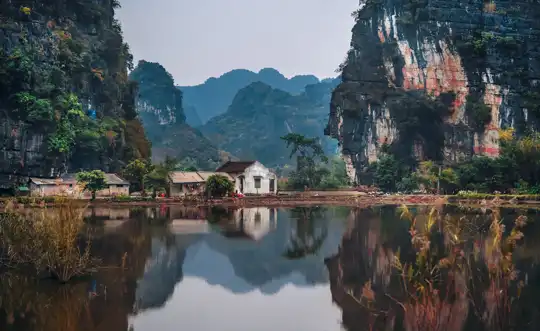
Cao Bang sits in Vietnam’s far northeast, brushing the Chinese border, and it feels like the country turned down to low volume. For backpackers, it’s a trade: you swap easy logistics for big scenery and real quiet. Karst peaks, Ban Gioc Waterfall, caves, minority villages, and Pac Bo’s history walks beat most of Ha Giang’s crowds, but buses between towns are slower and less frequent. Costs are low, English is patchy, nightlife is almost nonexistent, and the vibe is small-town sincere rather than “hostel party.” Compared with Ha Giang or Sapa, Cao Bang is less dramatic socially, but richer if you like space, patience, and actual conversations.

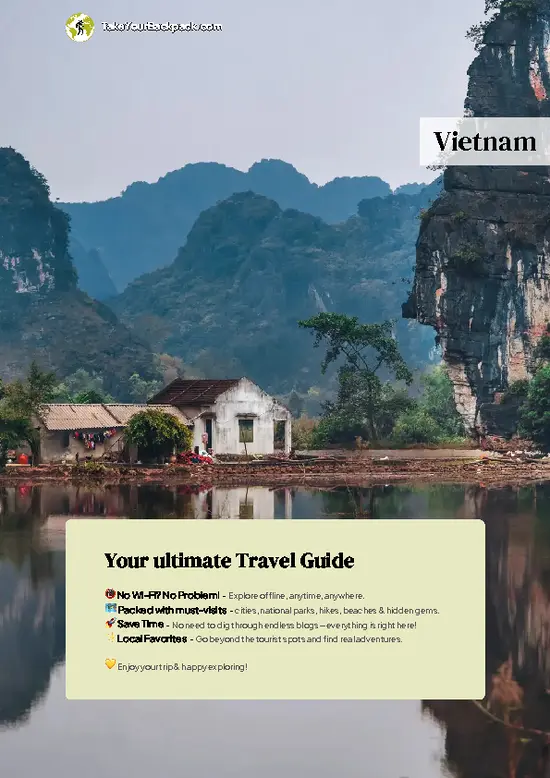
Discover everything you want to know in the 📖 Vietnam Travel Guide.


Get your Vietnam guide
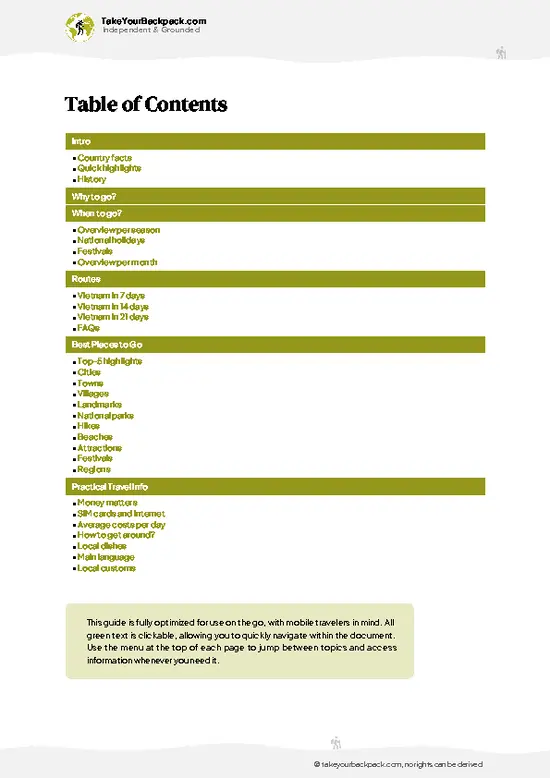
122 ranked highlights, routes & tips, works offline (437 pages)
Loading the map 🌍
CLICK TO FILTER
cities
towns
villages
landmarks
national parks
hikes
beaches
attractions
festivals
regions
SHOW COUNTRY’S BESTSHOW ALL

✨ Why go?
Ranked #4 region in Vietnam
Reasons people choose to visit here

Cao Bang is a backpacker’s paradise in Vietnam, and here’s why savvy travelers flock here. First off, the variety of landscapes is jaw-dropping. You’ve got towering limestone karsts, lush rice terraces, and cascading waterfalls all within a stone’s throw. This means you can soak in diverse scenery without the hassle of constant relocation.

Transport here is surprisingly flexible. You can hop on a local bus or rent a motorbike to explore at your own pace. This freedom lets you dive deep into the culture, whether you’re visiting a traditional village or sipping coffee with locals.

The beauty of Cao Bang lies in its ability to blend nature and culture seamlessly. You can trek through stunning trails by day and then unwind in a homestay, enjoying local cuisine and stories. This is the essence … read more 👉
Cao Bang is a backpacker’s paradise in Vietnam, and here’s why savvy travelers flock here. First off, the variety of landscapes is jaw-dropping. You’ve got towering limestone karsts, lush rice terraces, and cascading waterfalls all within a stone’s throw. This means you can soak in diverse scenery without the hassle of constant relocation.

Transport here is surprisingly flexible. You can hop on a local bus or rent a motorbike to explore at your own pace. This freedom lets you dive deep into the culture, whether you’re visiting a traditional village or sipping coffee with locals.

The beauty of Cao Bang lies in its ability to blend nature and culture seamlessly. You can trek through stunning trails by day and then unwind in a homestay, enjoying local cuisine and stories. This is the essence of slow travel—taking the time to truly connect with a place. So, if you’re after high-value experiences, Cao Bang is where you want to be.
Want to include Cao Bang in your Vietnam route?
Create a personalized Vietnam itinerary that includes Cao Bang and the places that fit your trip — based on your travel style, budget, and available time. Get your route in seconds.

Generate my trip

💡 HighlightsWhat this place is best known for

  1. Bản Giốc (Ban Gioc) Waterfall — One of Southeast Asia’s biggest and most dramatic waterfalls, tumbling over karst cliffs right on the China-Vietnam border; you can walk to viewpoints, take a short boat trip at the base in low water, and watch local farmers and fishermen working in a landscape you won’t find replicated elsewhere. (Personal favorite — nothing beats the roar and the scale at sunrise.)
  2. Hang Ngườm Ngao (Nguom Ngao Cave) — A long, well-lit limestone cave a short drive from Bản Giốc, full of intricate stalactites/stalagmites and winding chambers; it’s easy to visit and pairs perfectly with a waterfall day, plus nearby paths lead into quiet minority villages.
  3. Hang Pác Bó & Suối Lênin (Pác Bó Historical Site) — Small cave and stream where Hồ Chí Minh lived briefly after returning
read more 👉
  1. Bản Giốc (Ban Gioc) Waterfall — One of Southeast Asia’s biggest and most dramatic waterfalls, tumbling over karst cliffs right on the China-Vietnam border; you can walk to viewpoints, take a short boat trip at the base in low water, and watch local farmers and fishermen working in a landscape you won’t find replicated elsewhere. (Personal favorite — nothing beats the roar and the scale at sunrise.)
  2. Hang Ngườm Ngao (Nguom Ngao Cave) — A long, well-lit limestone cave a short drive from Bản Giốc, full of intricate stalactites/stalagmites and winding chambers; it’s easy to visit and pairs perfectly with a waterfall day, plus nearby paths lead into quiet minority villages.
  3. Hang Pác Bó & Suối Lênin (Pác Bó Historical Site) — Small cave and stream where Hồ Chí Minh lived briefly after returning to Vietnam; the place is modest and very tangible — a bamboo-lined walk to the cave, a simple stone house, and a tiny river — giving real historical context without the museum gloss.
  4. Hồ Thang Hen (Thang Hen Lake) — A mosaic of shallow, emerald karst pools and little islets tucked into Trùng Khánh district; seasonally dramatic, peaceful by boat or on foot, and far less crowded than the big-name spots — great for photography and quiet paddles.
  5. Vườn quốc gia Phja Oắc - Phja Đén (Phja Oac-Phja Den Nature Reserve) — High-elevation forest, rare flora and birds, and misty ridgelines that feel alpine; hikeable trails lead into cloud forest and ethnic hamlets. It’s proper wilderness in Cao Bằng — bring good boots and basic navigation skills.
  6. Tà Lùng Border Market — A working border-town market where goods, snacks, and cross-border trade collide; it’s noisy, local, cheap, and surprisingly authentic — the place to taste borderland cuisine and watch traders pack goods coming and going.
  7. Bảo Lạc terraced fields & hill-tribe villages — Hidden gem: real, off-the-main-route terraced rice country and ethnic villages (Tày, Nùng, Dao) where homestays are basic but genuine; the terraces and harvest rhythms here feel local and unpolished, not staged for tourists.
  8. Trùng Khánh karst valleys and pepper/tea farms — Hidden gem: the smaller karst valleys around Trùng Khánh (outside the Ban Gioc hub) host narrow lanes, pepper and tea gardens clinging to slopes, and tiny villages where the pace of life hasn’t sped up for tourism; perfect for slow cycling and talking to farmers.
  9. Phiên chợ vùng cao (weekly ethnic markets across Cao Bằng) — Hidden gem: the province’s rotating weekly markets are where you’ll meet the full range of ethnic groups, try sticky rice snacks, barter for handicrafts, and see traditional dress; times/places rotate, so ask a local where the lively one is that day.
  10. Upland village homestays and village walks — The simple but essential experience: pick a village (many are a short ride from the main roads), stay with a family, join rice-field work or a cook-along, and walk unmarked trails between hamlets — the intimacy and daily rhythm here are what make Cao Bằng feel like nowhere else.
Spotted a mistake or missing something? Contact us.

Things to do near Cao Bang

Ratings based on Tripadvisor reviews. When you book through this link, you support our work at no extra cost to you.

⌛️ 5 days5-day itinerary for Cao Bang

Day 1: Cao Bang

Cao Bang is your gateway to the stunning landscapes of northern Vietnam. Arrive early to soak in the local vibe. The bus ride from Hanoi takes about 8-10 hours, so plan for a long day. Once you’re settled, explore the bustling market. Grab some street food; the pho here is a local favorite. This sets the tone for your adventure—immersing yourself in the culture right off the bat.

Day 2: Ban Gioc Waterfall

Rise early for a 2-hour ride to Ban Gioc Waterfall. This is where the magic happens. The falls are breathtaking, and the surrounding rice paddies are a photographer’s dream. Spend the day hiking and taking in the scenery. The journey is worth it; the falls are a highlight of the region. Don’t miss the chance to take a bamboo raft ride for a unique perspective.

Day 3: … read more 👉
Day 1: Cao Bang

Cao Bang is your gateway to the stunning landscapes of northern Vietnam. Arrive early to soak in the local vibe. The bus ride from Hanoi takes about 8-10 hours, so plan for a long day. Once you’re settled, explore the bustling market. Grab some street food; the pho here is a local favorite. This sets the tone for your adventure—immersing yourself in the culture right off the bat.

Day 2: Ban Gioc Waterfall

Rise early for a 2-hour ride to Ban Gioc Waterfall. This is where the magic happens. The falls are breathtaking, and the surrounding rice paddies are a photographer’s dream. Spend the day hiking and taking in the scenery. The journey is worth it; the falls are a highlight of the region. Don’t miss the chance to take a bamboo raft ride for a unique perspective.

Day 3: Nguom Ngao Cave

After the waterfall, head to Nguom Ngao Cave, just a short drive away. The cave is an impressive natural wonder, filled with stunning rock formations. It’s less crowded than the waterfall, giving you a chance to explore in peace. Spend a few hours here, then return to Cao Bang for the night. This day is about balance—nature and tranquility.

Day 4: Off-Path Reward: Phu Linh Village

Take a detour to Phu Linh Village on your way back to Cao Bang. This hidden spot offers a glimpse into local life. Engage with the villagers, try your hand at traditional crafts, and enjoy a home-cooked meal. It’s a rewarding experience that adds depth to your trip without straying too far from your route.

Day 5: Return to Hanoi

Wrap up your adventure with a leisurely morning in Cao Bang. Grab breakfast at a local café and reflect on your journey. The bus back to Hanoi will take another 8-10 hours, so prepare for a long ride. This day is about savoring the memories you’ve created.

If you can only pick one day, make it Day 2 at Ban Gioc Waterfall. It encapsulates the beauty and spirit of Cao Bang, making the entire trip worthwhile.
Turn your Cao Bang visit into an Vietnam adventure
Build a complete Vietnam route with Cao Bang, hidden gems, must-see destinations, and realistic travel times included.

Generate my trip

🌤️ When to go?When to go for the best experience


  • Topic: Weather – The dry season from October to April is your best bet. Expect crisp air and minimal rain, perfect for trekking and exploring waterfalls without mudslides or soggy gear. The wet season (May to September) floods trails and dims views.

  • Topic: Temperature – Between November and March, temperatures hover around 15-22°C (59-72°F), cool but not freezing. Summer months can spike to 28-32°C (82-90°F), which means sweatier hikes and less comfort on the trail.

  • Topic: Daylight Hours – Around the dry season, you get roughly 11-12 hours of daylight, enough to start early and finish late without rushing. The wet season shortens daylight slightly and clouds can steal your golden hours.

  • Topic: Crowds – Cao Bang is still off the beaten path, but the dry season draws more travelers.
read more 👉

  • Topic: Weather – The dry season from October to April is your best bet. Expect crisp air and minimal rain, perfect for trekking and exploring waterfalls without mudslides or soggy gear. The wet season (May to September) floods trails and dims views.

  • Topic: Temperature – Between November and March, temperatures hover around 15-22°C (59-72°F), cool but not freezing. Summer months can spike to 28-32°C (82-90°F), which means sweatier hikes and less comfort on the trail.

  • Topic: Daylight Hours – Around the dry season, you get roughly 11-12 hours of daylight, enough to start early and finish late without rushing. The wet season shortens daylight slightly and clouds can steal your golden hours.

  • Topic: Crowds – Cao Bang is still off the beaten path, but the dry season draws more travelers. If you want solitude, aim for shoulder months like October or April when the weather’s good but the day-trippers haven’t flooded in yet.

  • Topic: Seasonal Activities – The dry months unlock access to Ban Gioc Waterfall and the surrounding karst landscapes. Local festivals, like the Khau Vai Love Market in February, add cultural spice but also bump up local prices and crowds.

  • Topic: Price Fluctuations – Expect accommodation and transport costs to rise during peak dry season and festival times. Booking ahead can save you a headache and a few bucks, especially in February and March.


Pro-tip: Arrive just before the dry season kicks in—late September to early October—when prices dip, crowds are thin, and the landscape is still lush from the rains. You get the best of both worlds.


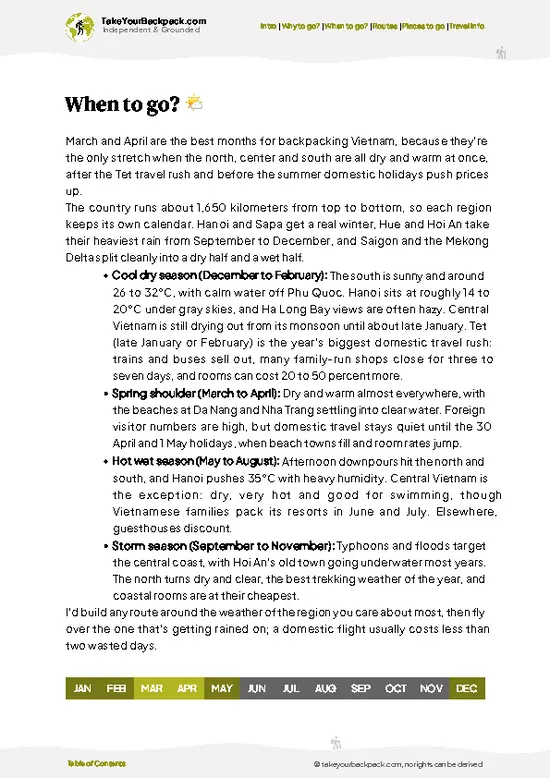
source: climatestotravel.comJANJanuary: excellent for travelingFEBFebruary: highly recommended for travelingMARMarch: highly recommended for travelingAPRApril: highly recommended for travelingMAYMay: fair for travelingJUNJune: fair for travelingJULJuly: fair for travelingAUGAugust: fair for travelingSEPSeptember: good for travelingOCTOctober: excellent for travelingNOVNovember: excellent for travelingDECDecember: excellent for traveling
when-to-go

✈️ The backpacker research shortcutVietnam Travel Guide

An offline-friendly backpacking guide with optimized travel routes, ranked highlights, transport advice, and the best areas to stay.
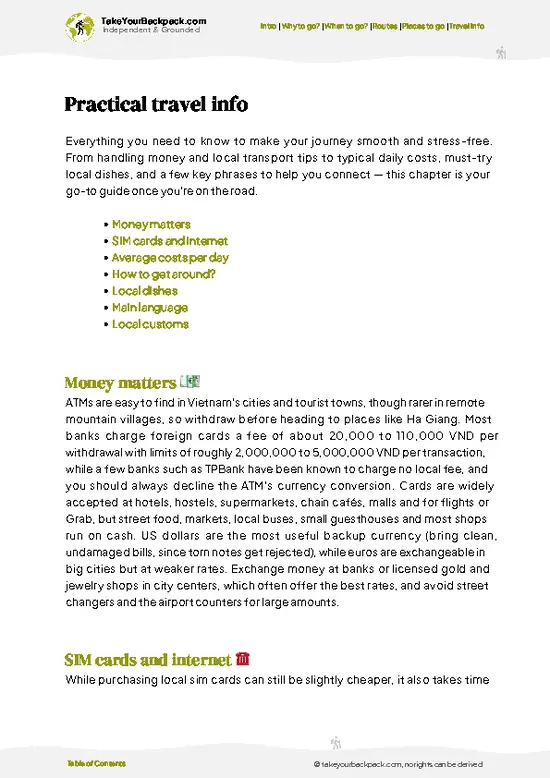
example page 0 from our offline Travel Guide for Vietnam
example page 1 from our offline Travel Guide for Vietnam
example page 2 from our offline Travel Guide for Vietnam
example page 3 from our offline Travel Guide for Vietnam
example page 4 from our offline Travel Guide for Vietnam
example page 5 from our offline Travel Guide for Vietnam
example page 6 from our offline Travel Guide for Vietnam
example page 7 from our offline Travel Guide for Vietnam
The digital guide (437 pages) contains:
122 highlights, ranked by travel appeal
Optimized 7, 14 & 21-day travel routes
Cities, national parks, landmarks, beaches
How to get around
Offline-friendly for travel without Wi-Fi
👉 Click to see all 30+ guide features

📅 Plan smarter in minutes, not weeks
Month by month travel advice
Festivals & national holidays
Budget expectations

🗺️ Go to the right places, skip the overrated ones
Honest pros & cons of destinations
Top hikes, parks & viewpoints
Lesser-known places most travelers miss
Clear “worth it vs skip it” guidance

🛏️ Travel smoothly without rookie mistakes
Best areas to stay
Transport systems explained simply
Common scams & safety advice
SIM cards, money & practical tips

🌍 Understand the country, not just visit it
Culture & traditions
52 Essential phrases & customs
Festivals worth planning around
Traveler-friendly historical context
Insights that make places more meaningful

📱 Built for real travel conditions
Fully downloadable PDF
Works completely offline
Optimized for phone use
Useful in remote areas & buses
Everything in one place
Save weeks of stressful planning
Get instant access to your full guide. 30‑day money-back guarantee.


By proceeding you agree to our terms.
Sent to your inbox immediately after payment • 100% Secure Checkout
Best Backpacking Travel Advisor 2025 tourism awardBest Backpacking
Travel Advisor
2025
What others say about Take Your Backpack Guides:
⭐⭐⭐⭐⭐
Fantastic, amazing amount of information!
⭐⭐⭐⭐⭐
My goodness this is amazing, it's what I've been looking for hats off too you!
⭐⭐⭐⭐⭐
I think this is absolutely BRILLIANT
⭐⭐⭐⭐
Very complete and informative. It's still missing places, but I gotta to commend you
⭐⭐⭐⭐⭐
This is truly amazing, thank you, can't wait to explore it with my kids!
⭐⭐⭐⭐⭐
Awesome resource, thank you!
⭐⭐⭐⭐⭐
This is amazing! Can't wait to explore the ones I haven't seen
⭐⭐⭐⭐
I love this! Well done, great idea.
⭐⭐⭐⭐⭐
Thanks for taking the time to make this gem!
⭐⭐⭐⭐⭐
This might be the best website I've ever seen.
⭐⭐⭐⭐⭐
Congratulations, and thank you so much for your work; it's incredibly valuable.
⭐⭐⭐⭐
In all seriousness I think you did a great job pointing out the important spots
⭐⭐⭐⭐⭐
10/10 very good
⭐⭐⭐⭐⭐
As someone who's only just starting to visit regularly this is awesome, thank you.
⭐⭐⭐⭐
Thank you very much! I'm going to visit my dad, it's going to be very useful!
⭐⭐⭐⭐⭐
This is really cool! We'll be travelling for the first time and this definitely come in handy.
⭐⭐⭐⭐⭐
You are now our minister of culture, congratulations 👨‍💼
⭐⭐⭐⭐⭐
Just wanted to tell you that this is a pearl! Going to follow your recommendations.
⭐⭐⭐⭐⭐
This is so cool. I'll definitely be using the resource for my travels soon.
⭐⭐⭐⭐⭐
This is very impressive! Good work.
⭐⭐⭐⭐⭐
This is an amazing and informative site. Very well done!

🛏️ Where to stay?Best areas and accommodation options

Cao Bang is a treasure trove for backpackers, and knowing where to stay can elevate your experience.

Start in Cao Bang City itself. It’s the hub for travelers, buzzing with energy. You’ll find plenty of eateries serving local dishes, and the vibe is friendly. It’s a great launchpad for day trips to stunning spots like Ban Gioc Waterfall.

Next, consider Quang Uyen. This small town offers a more laid-back atmosphere. You can mingle with locals and other travelers in cozy cafes. The scenery is breathtaking, with rice paddies and mountains surrounding you. It’s perfect for those who want a slice … read more 👉
Cao Bang is a treasure trove for backpackers, and knowing where to stay can elevate your experience.

Start in Cao Bang City itself. It’s the hub for travelers, buzzing with energy. You’ll find plenty of eateries serving local dishes, and the vibe is friendly. It’s a great launchpad for day trips to stunning spots like Ban Gioc Waterfall.

Next, consider Quang Uyen. This small town offers a more laid-back atmosphere. You can mingle with locals and other travelers in cozy cafes. The scenery is breathtaking, with rice paddies and mountains surrounding you. It’s perfect for those who want a slice of rural life without sacrificing too much comfort.

Don’t overlook Nguyen Binh. It’s lesser-known but has a charm that’s hard to resist. The community is welcoming, and you can easily connect with fellow backpackers. Plus, it’s close to some of the best trekking routes in the region.

Each of these spots has its own flavor, so choose based on what you crave: social buzz, tranquility, or a bit of both.

🚌 Getting aroundMoving around without the hassle

Cao Bang is a wild symphony of movement, where the rhythm of life dances between the chaos of motorbike horns and the serene flow of the river. Schedules? Forget them. Here, it’s all about intuition and timing. You’ll find yourself hopping on a bus that’s packed to the brim, or flagging down a motorbike taxi with a wave and a grin. The locals know the best times to travel, and you’ll pick up on that vibe quickly. It’s a place where the journey is as much a part of the experience as the destination itself.


  • Local Buses: These are your budget-friendly lifelines. They run from early morning until around 5 PM, costing about 50,000 VND ($2.20) for a ride to major towns. Expect a bumpy ride, but the views are worth it.


  • Motorbike Taxis (Xe ôm): A quick and exhilarating way to zip around. Prices
read more 👉
Cao Bang is a wild symphony of movement, where the rhythm of life dances between the chaos of motorbike horns and the serene flow of the river. Schedules? Forget them. Here, it’s all about intuition and timing. You’ll find yourself hopping on a bus that’s packed to the brim, or flagging down a motorbike taxi with a wave and a grin. The locals know the best times to travel, and you’ll pick up on that vibe quickly. It’s a place where the journey is as much a part of the experience as the destination itself.


  • Local Buses: These are your budget-friendly lifelines. They run from early morning until around 5 PM, costing about 50,000 VND ($2.20) for a ride to major towns. Expect a bumpy ride, but the views are worth it.


  • Motorbike Taxis (Xe ôm): A quick and exhilarating way to zip around. Prices vary, but you can usually negotiate around 20,000-30,000 VND ($0.90-$1.30) for short distances. Just hop on behind the driver and hold on tight; it’s a thrilling way to see the sights up close.


  • Rental Motorbikes: If you’re feeling adventurous, renting a motorbike is a game-changer. Expect to pay around 150,000-200,000 VND ($6.60-$8.80) per day. Just remember to check the bike’s condition and wear a helmet; the roads can be tricky.


  • Shared Minivans: These are a step up in comfort and speed. They leave when full, typically costing around 100,000 VND ($4.40) for longer distances. They’re faster than buses and a bit more spacious, making them a solid choice for longer hauls.


For a tactical edge, always ask locals about the best travel times. They’ll steer you clear of the rush and help you snag a seat on the bus or a ride on a motorbike when the crowds are thin. Trust me, timing is everything in Cao Bang.

🍲 FoodLocal Flavors for Backpackers

Cao Bang is a **culinary treasure** waiting to be explored. Dive into **Bánh Cuốn**, delicate rice rolls filled with minced pork and mushrooms, often served with a side of tangy dipping sauce. Don’t miss **Phở Chua**, a regional twist on the classic noodle soup, featuring a refreshing mix of herbs and a hint of sourness that dances on your palate.

Street food stalls are where the magic happens. Picture yourself at a bustling **market**, surrounded by sizzling woks and the aroma of grilled meats. Grab a bowl of **Xôi**—sticky rice topped with savory toppings—while chatting with locals. The vibe is electric, and you’ll feel like you’re part of the community.

When it comes to drinks, try **Trà Đá**, the ubiquitous iced tea that’s a staple at every meal. It’s refreshing and a perfect companion … read more 👉
Cao Bang is a **culinary treasure** waiting to be explored. Dive into **Bánh Cuốn**, delicate rice rolls filled with minced pork and mushrooms, often served with a side of tangy dipping sauce. Don’t miss **Phở Chua**, a regional twist on the classic noodle soup, featuring a refreshing mix of herbs and a hint of sourness that dances on your palate.

Street food stalls are where the magic happens. Picture yourself at a bustling **market**, surrounded by sizzling woks and the aroma of grilled meats. Grab a bowl of **Xôi**—sticky rice topped with savory toppings—while chatting with locals. The vibe is electric, and you’ll feel like you’re part of the community.

When it comes to drinks, try **Trà Đá**, the ubiquitous iced tea that’s a staple at every meal. It’s refreshing and a perfect companion to the spicy dishes. Dining here is casual; locals often share tables, so don’t hesitate to join in. Just remember, slurping your noodles is a sign of appreciation, so dig in and enjoy the flavors of Cao Bang like a true local!

Other Vietnamese regions near Cao Bang

Explore more nearby:

  • Moc Chau—tea plantations, plateau farms, misty hills| 259 km away
  • Trang An Landscape Complex—cave systems, sacred temples, karst waterways| 268 km away
  • Tam Coc—limestone outcrops, rice paddies, river caves| 269 km away

💡 Not sure where to go next?
Create a personalized itinerary for Vietnam including Cao Bang and the places that fit your trip.

Generate my itinerary

👉 Discover all regions

Or checkout all Vietnam has to offer (think cities, towns, villages, national parks, hikes, beaches, festivals)
Country photo of Vietnam

We 💚 feedbackKey takeaways before you go

Cao Bang is a treasure trove of jaw-dropping landscapes and rich culture. The waterfalls? Absolutely mesmerizing. But here’s the kicker: getting around can be a bit of a slog. Expect bumpy roads and limited transport options. It’s not a quick hop from one spot to another, but if you’re willing to embrace the journey, the rewards are worth every jolt. You’ll leave with stories that stick.

✈️ When did I visit Vietnam?
I have backpacked through the northern part of Vietnam all the way back in 1998.

✍️ Help improve this page!
The information on this page is based on my own backpacking experience in Vietnam, supplemented with up-to-date research and feedback from other travelers. Travel details can change, so if you notice anything outdated or incomplete, feel free to let me know.


🙋‍♂️ Give feedback

👋 Meet the founderWho’s Behind Take Your Backpack?

Johan, backpacker and founder of TakeYourBackpackHi, I’m Johan (Netherlands 🇳🇱), the creator of TakeYourBackpack. Over the past decade, I’ve backpacked through 80+ countries across six continents, gaining extensive experience with independent travel, long-term trips, and overland routes.

This site is built on a combination of firsthand travel experience and carefully curated insights from other backpackers. Many guides are based on places I’ve personally visited, while others bring together tips, observations, and practical advice shared by trusted travelers I’ve met along the way.

The goal is to provide realistic, experience-driven guidance — not generic itineraries — so you can explore destinations with better context, clearer expectations, and more confidence.

Get full Vietnam guide •
Instant download • 122 highlights • Full Offline guide