×

Vietnam🇻🇳 | attractionsIndependence Palacemid-century design, command bunkers, presidential chambers | things to do and best time to go

Explore Cu Chi TunnelsExplore Fine Arts Museum

Backpacking in Independence Palace
🌟 Highlightattraction ranked #6
By Johan Kruseman 🇳🇱 | Updated June 1, 2026

Forget the Instagram shots of empty, echoing halls—Independence Palace is rarely serene, and you’ll be sharing its 1960s time-capsule corridors with tour groups, selfie sticks, and the occasional school field trip. Smack in the heart of Ho Chi Minh City, this isn’t some remote relic; it’s a living, breathing symbol of Vietnam’s wild 20th-century ride. For backpackers, the draw isn’t luxury or solitude—it’s the raw, cinematic history. You’re literally walking through the rooms where the Vietnam War’s endgame played out, and yes, the bunker still smells faintly of old paper and diesel (the only time I’ll use that word, I promise). The entry fee is a bargain compared to Western museums, but don’t expect deep interpretation—bring your own curiosity. It’s crowded, sometimes chaotic, but there’s a pulse here that most “must-sees” in Vietnam can’t fake.

Discover everything you want to know in the 📖 Vietnam Travel Guide.


Get your Vietnam guide
122 ranked highlights, routes & tips, works offline (437 pages)
Loading the map 🌍
CLICK TO FILTER
cities
towns
villages
landmarks
national parks
hikes
beaches
attractions
festivals
regions
SHOW COUNTRY’S BESTSHOW ALL

✨ Why go?
Ranked #6 attraction in Vietnam
Reasons people choose to visit here

The Independence Palace in Ho Chi Minh City is not just another photo op on your Vietnam itinerary—it’s a hard stop for anyone serious about understanding the country’s tangled past. Yes, it’s crowded, and yes, the entrance fee isn’t dirt cheap by local standards, but this place delivers a punch of history that no Instagram filter can capture. This palace was the nerve center during the Vietnam War, famously stormed by tanks in 1975, marking the fall of Saigon and the end of a brutal chapter. Walking through its preserved war rooms, secret tunnels, and retro-futuristic 1960s architecture, you get a visceral sense of the tension and hope that shaped modern Vietnam. It’s a cultural milestone, a living museum that demands your attention beyond the surface. For backpackers threading through the … read more 👉
The Independence Palace in Ho Chi Minh City is not just another photo op on your Vietnam itinerary—it’s a hard stop for anyone serious about understanding the country’s tangled past. Yes, it’s crowded, and yes, the entrance fee isn’t dirt cheap by local standards, but this place delivers a punch of history that no Instagram filter can capture. This palace was the nerve center during the Vietnam War, famously stormed by tanks in 1975, marking the fall of Saigon and the end of a brutal chapter. Walking through its preserved war rooms, secret tunnels, and retro-futuristic 1960s architecture, you get a visceral sense of the tension and hope that shaped modern Vietnam. It’s a cultural milestone, a living museum that demands your attention beyond the surface. For backpackers threading through the country, it’s a reality check and a badge of understanding—an essential stop that balances effort and reward with raw, unvarnished truth. Skip it, and you miss a crucial piece of Vietnam’s soul.
Want to include Independence Palace in your Vietnam route?
Create a personalized Vietnam itinerary that includes Independence Palace and the places that fit your trip — based on your travel style, budget, and available time. Get your route in seconds.

Generate my trip

💡 HighlightsPlaces and moments you shouldn't skip

The War Command Bunker
Forget the manicured lawns and the Instagrammers posing by the fountains—if you want the real pulse of Independence Palace, head straight underground. The war command bunker is a claustrophobic, concrete maze of map rooms, rotary phones, and battered typewriters. This is where the South Vietnamese command made its last, desperate decisions as tanks rolled into Saigon. The air is thick with history and the faint whiff of mildew. It’s not pretty, but it’s the most honest room in the building. If you want to feel the tension of April 1975, this is where you stand.


The Rooftop Helipad (Personal Favorite)
You’ve seen the iconic photo: a helicopter perched on the roof, chaos below. Standing on the actual helipad, you get a jolt of déjà vu and a gut-punch of perspective. The … read more 👉
The War Command Bunker
Forget the manicured lawns and the Instagrammers posing by the fountains—if you want the real pulse of Independence Palace, head straight underground. The war command bunker is a claustrophobic, concrete maze of map rooms, rotary phones, and battered typewriters. This is where the South Vietnamese command made its last, desperate decisions as tanks rolled into Saigon. The air is thick with history and the faint whiff of mildew. It’s not pretty, but it’s the most honest room in the building. If you want to feel the tension of April 1975, this is where you stand.


The Rooftop Helipad (Personal Favorite)
You’ve seen the iconic photo: a helicopter perched on the roof, chaos below. Standing on the actual helipad, you get a jolt of déjà vu and a gut-punch of perspective. The city sprawls out in every direction, but up here, you’re eye-to-eye with history. This isn’t just a photo op—it’s a spot that changed the fate of a nation. The wind up here is real, the view is real, and the sense of urgency is still in the concrete. If you only have ten minutes, make them count up here.


The State Rooms
The palace’s main halls are a fever dream of 1960s design—think gold carpets, lacquered wood, and chandeliers that look like they belong in a Bond villain’s lair. It’s kitschy, yes, but also a time capsule of Cold War swagger. These rooms hosted coup plotters, diplomats, and generals. The decor is so over-the-top it loops back around to being cool. Don’t just breeze through—imagine the deals, betrayals, and nervous laughter echoing off those walls.


The Presidential Office
This isn’t your average desk-and-chair setup. The office is frozen in time, complete with a vintage radio set and a direct phone line to the bunker below. It’s the nerve center where power was wielded and, ultimately, surrendered. There’s a strange intimacy to seeing the personal workspace of a leader on the brink. It’s a reminder that history is made by people, not just places.


The Facade and Grounds
Yes, you’ll have to dodge wedding shoots and tour groups, but the exterior is a brutalist masterpiece. The building’s façade is all sharp lines and symbolic screens—designed to impress and intimidate. The grounds are a rare patch of green in the city’s chaos, dotted with tanks left exactly where they crashed through the gates in 1975. It’s a living diorama, not just a backdrop for selfies.

Spotted a mistake or missing something? Contact us.

Things to do around Independence Palace

Ratings based on Tripadvisor reviews. When you book through this link, you support our work at no extra cost to you.

🌤️ When to go?Best time to visit Independence Palace


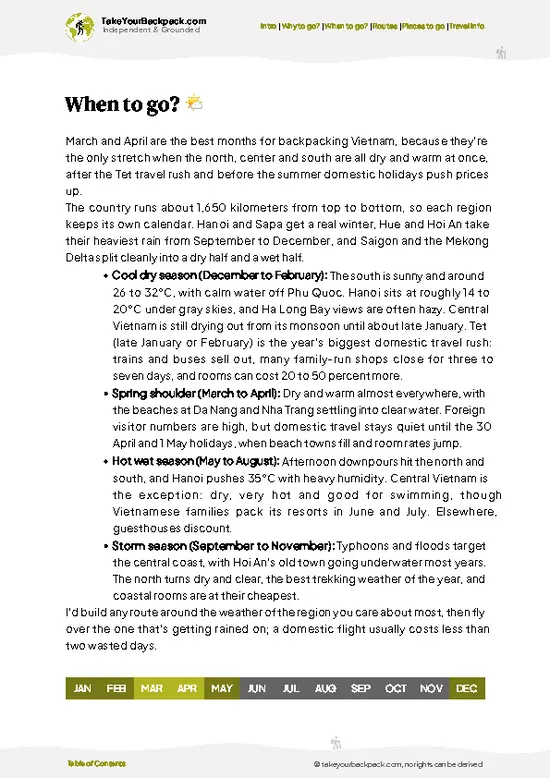
  • Weather: The best time to visit Independence Palace is during the dry season from December to April. Expect clear skies and minimal rain, making it easier to explore without the monsoon dampening your plans. Avoid May to November when heavy rains and humidity hit hard.

  • Temperature: From December to February, temperatures hover around 20-25°C (68-77°F), offering a comfortable break from the usual tropical heat. March and April heat up to 28-33°C (82-91°F), which can feel intense if you’re trekking around all day.

  • Daylight Hours: Daylight is fairly consistent year-round, roughly 11-12 hours daily. This means you have plenty of time to soak in the palace’s history without rushing, regardless of when you visit.

  • Crowds: Peak tourist season aligns with the dry months, especially December
read more 👉

  • Weather: The best time to visit Independence Palace is during the dry season from December to April. Expect clear skies and minimal rain, making it easier to explore without the monsoon dampening your plans. Avoid May to November when heavy rains and humidity hit hard.

  • Temperature: From December to February, temperatures hover around 20-25°C (68-77°F), offering a comfortable break from the usual tropical heat. March and April heat up to 28-33°C (82-91°F), which can feel intense if you’re trekking around all day.

  • Daylight Hours: Daylight is fairly consistent year-round, roughly 11-12 hours daily. This means you have plenty of time to soak in the palace’s history without rushing, regardless of when you visit.

  • Crowds: Peak tourist season aligns with the dry months, especially December and January, so expect more visitors and longer lines. If you want fewer people, aim for the shoulder months of February or April.

  • Seasonal Activities: National holidays like Reunification Day on April 30th bring ceremonies and crowds but also a unique chance to witness local patriotism firsthand. If you want the palace quiet and reflective, avoid these dates.

  • Price Fluctuations: Entrance fees remain stable year-round, but accommodation and flights spike during the dry season and holidays. Booking early can save you a headache and a few bucks.


Pro-tip: Visit early morning during the dry season to beat the heat and crowds, and catch the palace in the soft, golden light that makes the history feel alive.


source: climatestotravel.comJANJanuary: excellent for travelingFEBFebruary: highly recommended for travelingMARMarch: highly recommended for travelingAPRApril: highly recommended for travelingMAYMay: fair for travelingJUNJune: below average for travelingJULJuly: below average for travelingAUGAugust: below average for travelingSEPSeptember: below average for travelingOCTOctober: fair for travelingNOVNovember: fair for travelingDECDecember: excellent for traveling
when-to-go

✈️ The backpacker research shortcutVietnam Travel Guide

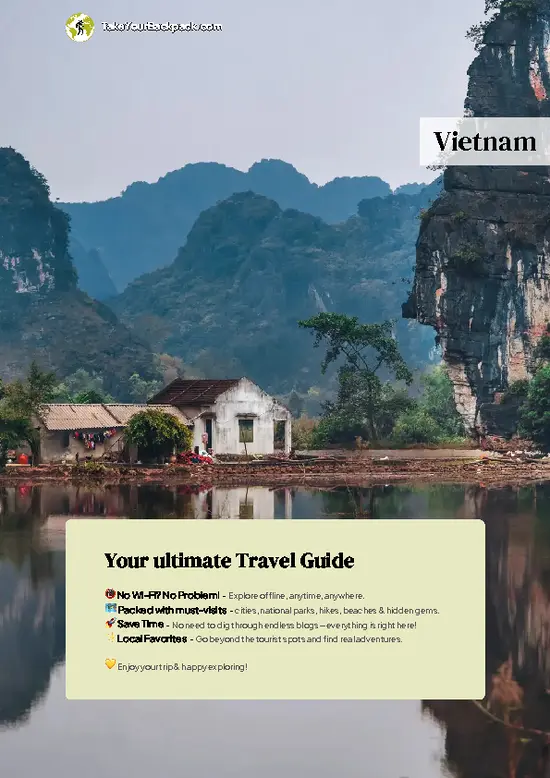
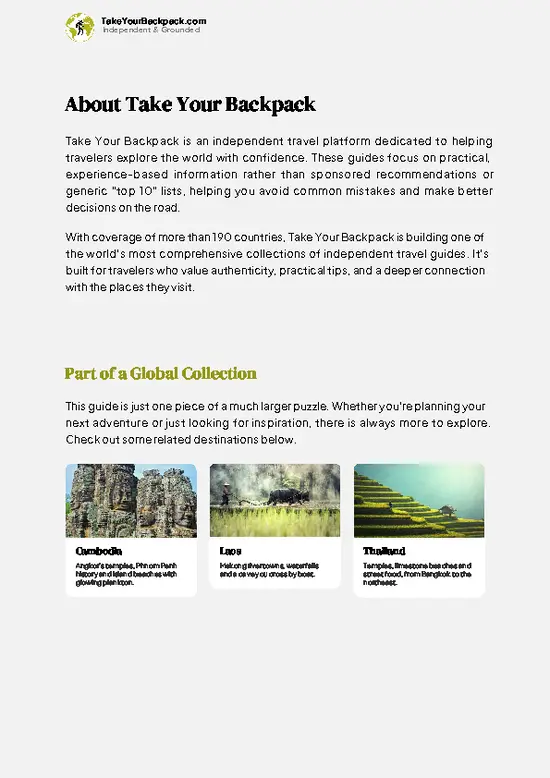
An offline-friendly backpacking guide with optimized travel routes, ranked highlights, transport advice, and the best areas to stay.
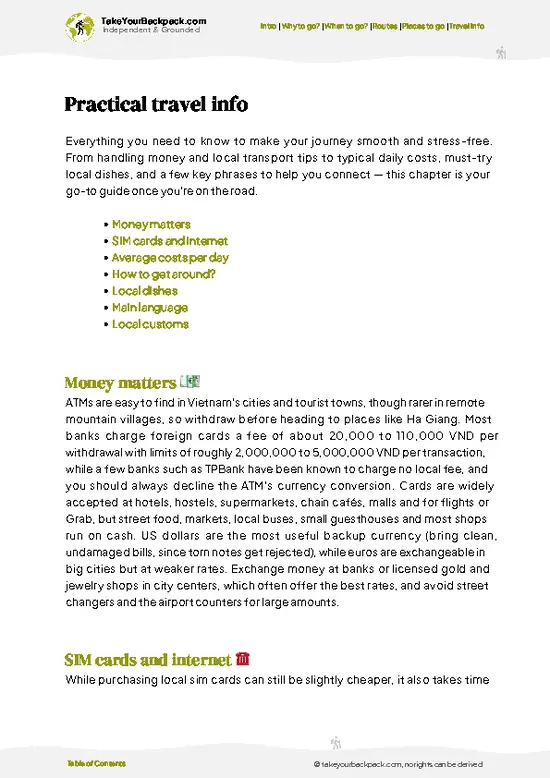
example page 0 from our offline Travel Guide for Vietnam
example page 1 from our offline Travel Guide for Vietnam
example page 2 from our offline Travel Guide for Vietnam
example page 3 from our offline Travel Guide for Vietnam
example page 4 from our offline Travel Guide for Vietnam
example page 5 from our offline Travel Guide for Vietnam
example page 6 from our offline Travel Guide for Vietnam
example page 7 from our offline Travel Guide for Vietnam
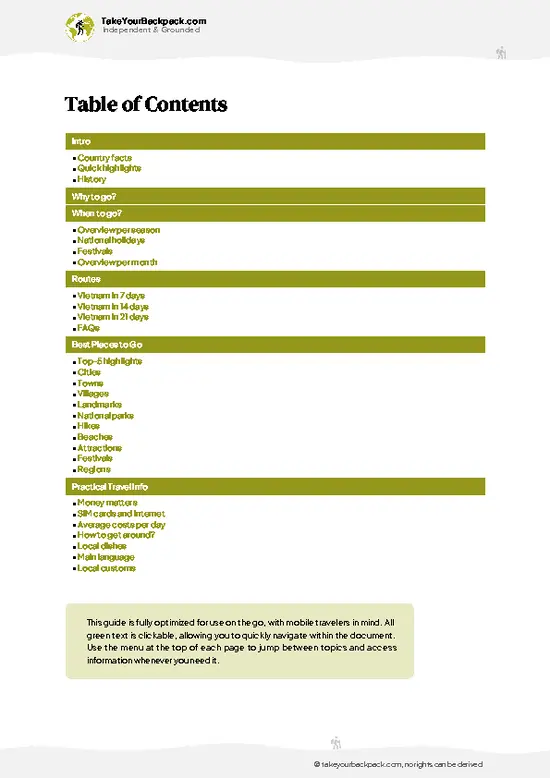
The digital guide (437 pages) contains:
122 highlights, ranked by travel appeal
Optimized 7, 14 & 21-day travel routes
Cities, national parks, landmarks, beaches
How to get around
Offline-friendly for travel without Wi-Fi
👉 Click to see all 30+ guide features

📅 Plan smarter in minutes, not weeks
Month by month travel advice
Festivals & national holidays
Budget expectations

🗺️ Go to the right places, skip the overrated ones
Honest pros & cons of destinations
Top hikes, parks & viewpoints
Lesser-known places most travelers miss
Clear “worth it vs skip it” guidance

🛏️ Travel smoothly without rookie mistakes
Best areas to stay
Transport systems explained simply
Common scams & safety advice
SIM cards, money & practical tips

🌍 Understand the country, not just visit it
Culture & traditions
52 Essential phrases & customs
Festivals worth planning around
Traveler-friendly historical context
Insights that make places more meaningful

📱 Built for real travel conditions
Fully downloadable PDF
Works completely offline
Optimized for phone use
Useful in remote areas & buses
Everything in one place
Save weeks of stressful planning
Get instant access to your full guide. 30‑day money-back guarantee.


By proceeding you agree to our terms.
Sent to your inbox immediately after payment • 100% Secure Checkout
Best Backpacking Travel Advisor 2025 tourism awardBest Backpacking
Travel Advisor
2025
What others say about Take Your Backpack Guides:
⭐⭐⭐⭐⭐
Fantastic, amazing amount of information!
⭐⭐⭐⭐⭐
My goodness this is amazing, it's what I've been looking for hats off too you!
⭐⭐⭐⭐⭐
I think this is absolutely BRILLIANT
⭐⭐⭐⭐
Very complete and informative. It's still missing places, but I gotta to commend you
⭐⭐⭐⭐⭐
This is truly amazing, thank you, can't wait to explore it with my kids!
⭐⭐⭐⭐⭐
Awesome resource, thank you!
⭐⭐⭐⭐⭐
This is amazing! Can't wait to explore the ones I haven't seen
⭐⭐⭐⭐
I love this! Well done, great idea.
⭐⭐⭐⭐⭐
Thanks for taking the time to make this gem!
⭐⭐⭐⭐⭐
This might be the best website I've ever seen.
⭐⭐⭐⭐⭐
Congratulations, and thank you so much for your work; it's incredibly valuable.
⭐⭐⭐⭐
In all seriousness I think you did a great job pointing out the important spots
⭐⭐⭐⭐⭐
10/10 very good
⭐⭐⭐⭐⭐
As someone who's only just starting to visit regularly this is awesome, thank you.
⭐⭐⭐⭐
Thank you very much! I'm going to visit my dad, it's going to be very useful!
⭐⭐⭐⭐⭐
This is really cool! We'll be travelling for the first time and this definitely come in handy.
⭐⭐⭐⭐⭐
You are now our minister of culture, congratulations 👨‍💼
⭐⭐⭐⭐⭐
Just wanted to tell you that this is a pearl! Going to follow your recommendations.
⭐⭐⭐⭐⭐
This is so cool. I'll definitely be using the resource for my travels soon.
⭐⭐⭐⭐⭐
This is very impressive! Good work.
⭐⭐⭐⭐⭐
This is an amazing and informative site. Very well done!

🛏️ Where to stay?How to pick the right area

The Independence Palace sits smack in the heart of Ho Chi Minh City’s District 1, which is the obvious place to crash if you want to be close. But let’s cut through the tourist brochure gloss: District 1 is busy, noisy, and packed with travelers and locals alike. It’s not a quiet retreat. The streets pulse with motorbikes, street vendors, and the constant hum of city life. That’s the reality, not the Instagram filter.

For backpackers, this chaos is part of the charm. Staying near the palace means you’re steps away from the city’s best street food, buzzing night markets, and a social scene that’s … read more 👉
The Independence Palace sits smack in the heart of Ho Chi Minh City’s District 1, which is the obvious place to crash if you want to be close. But let’s cut through the tourist brochure gloss: District 1 is busy, noisy, and packed with travelers and locals alike. It’s not a quiet retreat. The streets pulse with motorbikes, street vendors, and the constant hum of city life. That’s the reality, not the Instagram filter.

For backpackers, this chaos is part of the charm. Staying near the palace means you’re steps away from the city’s best street food, buzzing night markets, and a social scene that’s easy to tap into. It’s safe, with plenty of fellow travelers around, so you won’t feel isolated. The vibe is raw and real—no polished tourist traps, just authentic urban energy.

If you want to meet people, explore on foot, and soak in the city’s gritty heartbeat, District 1 is your spot. It’s not about quiet luxury; it’s about being in the thick of it, where every corner tells a story and every night offers a new adventure.

👛 Costs (as of 11 April 2026)What things cost and how to budget

As of August 1, 2025, the general admission ticket to the Independence Palace in Ho Chi Minh City costs 80,000 VND per adult, approximately €3.00. For Vietnamese university students, the ticket is 40,000 VND (€1.50), and for children, it's 20,000 VND (€0.75). An electric car tour is available for an additional 25,000 VND (€0.90) per person per ride.

source: independencepalace.gov.vn
⚠️ Prices can change and everyone travels differently, so take this as a rough guide. Hope it helps you plan your adventure!

Other Vietnamese attractions near Independence Palace

Explore more nearby:


💡 Not sure where to go next?
Create a personalized itinerary for Vietnam including Independence Palace and the places that fit your trip.

Generate my itinerary

👉 Discover all attractions

Or checkout all Vietnam has to offer (think cities, towns, villages, national parks, hikes, beaches, festivals)
Country photo of Vietnam

We 💚 feedbackWhat to keep in mind

Independence Palace isn’t some quiet, reflective spot—it’s often packed with tour groups snapping selfies, which can feel a bit like a theme park. But here’s the thing: walking through those rooms, you’re stepping into a real slice of history where decisions shaped a nation’s fate. If you can push past the crowds, the raw, unfiltered weight of that moment hits you hard—and that’s worth every minute.

✈️ When did I visit Vietnam?
I have backpacked through the northern part of Vietnam all the way back in 1998.

✍️ Help improve this page!
The information on this page is based on my own backpacking experience in Vietnam, supplemented with up-to-date research and feedback from other travelers. Travel details can change, so if you notice anything outdated or incomplete, feel free to let me know.


🙋‍♂️ Give feedback

👋 Meet the founderWho’s Behind Take Your Backpack?

Johan, backpacker and founder of TakeYourBackpackHi, I’m Johan (Netherlands 🇳🇱), the creator of TakeYourBackpack. Over the past decade, I’ve backpacked through 80+ countries across six continents, gaining extensive experience with independent travel, long-term trips, and overland routes.

This site is built on a combination of firsthand travel experience and carefully curated insights from other backpackers. Many guides are based on places I’ve personally visited, while others bring together tips, observations, and practical advice shared by trusted travelers I’ve met along the way.

The goal is to provide realistic, experience-driven guidance — not generic itineraries — so you can explore destinations with better context, clearer expectations, and more confidence.

Get full Vietnam guide •
Instant download • 122 highlights • Full Offline guide