

Ho Chi Minh’s Mausoleum
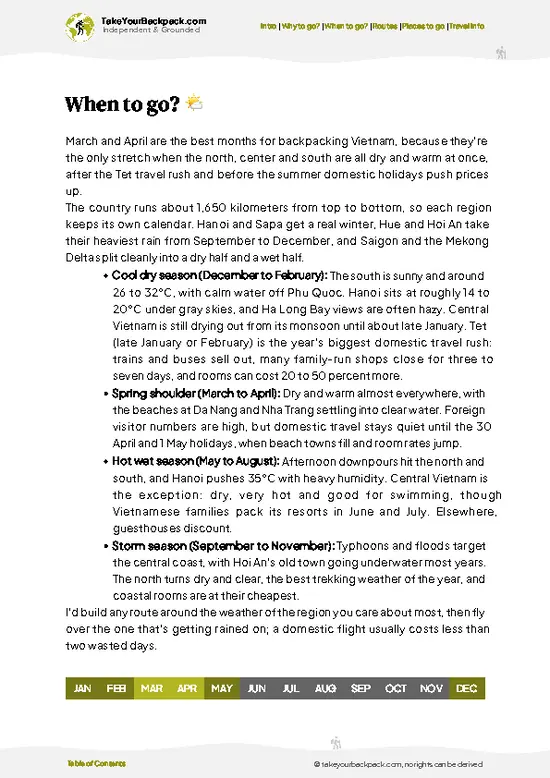
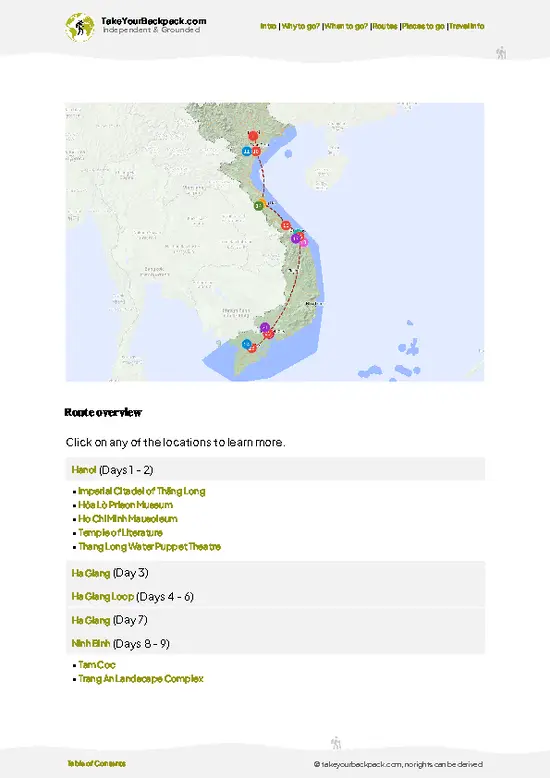
Let’s get real: this is not a quick selfie stop. The line snakes early, and the guards are strict—no hats, no hands in pockets, no giggling. But the atmosphere is electric in its own way. You’re shuffling past the preserved body of Vietnam’s most iconic leader, under the watchful eyes of soldiers in crisp white uniforms. It’s a strange, almost theatrical experience—part pilgrimage, part state ritual. The silence is heavy, and the gravity is real. If you want to understand the soul of modern Vietnam, this is the place to start. The spectacle is the point.
Ba Dinh Square
This is Vietnam’s answer to Red Square or Tiananmen, but with its own flavor. The square is massive, open, and loaded with symbolism. This is where Ho Chi Minh read the Declaration of Independence in 1945. … read more 👉
Ho Chi Minh’s Mausoleum
Let’s get real: this is not a quick selfie stop. The line snakes early, and the guards are strict—no hats, no hands in pockets, no giggling. But the atmosphere is electric in its own way. You’re shuffling past the preserved body of Vietnam’s most iconic leader, under the watchful eyes of soldiers in crisp white uniforms. It’s a strange, almost theatrical experience—part pilgrimage, part state ritual. The silence is heavy, and the gravity is real. If you want to understand the soul of modern Vietnam, this is the place to start. The spectacle is the point.
Ba Dinh Square
This is Vietnam’s answer to Red Square or Tiananmen, but with its own flavor. The square is massive, open, and loaded with symbolism. This is where Ho Chi Minh read the Declaration of Independence in 1945. Today, it’s a stage for military parades, flag-raising ceremonies, and the daily rhythm of Hanoi life. You’ll see school groups, old men playing chess, and the occasional wedding shoot. The sense of history is palpable, but so is the everyday life that pulses around it.
Presidential Palace (Viewed from Outside)
You can’t go inside, but the exterior is worth a look. This French colonial mansion, painted a defiant yellow, is a relic of Vietnam’s colonial past. Ho Chi Minh famously refused to live here, preferring a humble stilt house nearby. The palace is a visual reminder of the contradictions at the heart of Vietnamese history: grandeur versus simplicity, colonialism versus independence.
Ho Chi Minh’s Stilt House
This is my personal favorite. Forget the mausoleum’s marble and guards—this is where Uncle Ho actually lived and worked. The house is shockingly modest: two rooms, a desk, a bookshelf, and a pond full of carp. It’s the anti-palace, and it feels honest. You can almost picture him pacing the balcony, chain-smoking and plotting strategy. The simplicity is not a gimmick; it’s a statement.
One Pillar Pagoda
Tiny, quirky, and centuries older than the rest of the complex, this pagoda is a lotus-shaped Buddhist shrine perched on a single stone pillar. It’s a favorite for local worshippers and a quick detour for travelers. The real charm is in the details: incense smoke, old women praying, and the sense that this spot has survived dynasties, wars, and revolutions.
Ho Chi Minh Museum
If you’re expecting a dry, dusty museum, prepare for a curveball. This place is part history lesson, part surrealist art installation. The exhibits are bold, sometimes bizarre—think giant fruit sculptures and dramatic lighting. It’s propaganda, sure, but it’s also a fascinating window into how Vietnam wants to remember its past. If you like your museums with a side of weird, don’t skip it.
Spotted a mistake or missing something? Contact us.

Hanoi Motorbike Tour: Hanoi HIGHTLIGHTS & HIDDEN GEMS

Hanoi Motorbike Tour Led By Women: Hanoi City Half Day

Hanoi Experience by Motorbike with Female Riders

Hanoi City Tour Private Half-Day & Train Street (By MaxofHanoi)

Hanoi City Jeep Tour Half-day: Food, Culture & Fun (4 hours)

Cooking class with market visit

Flavors of Hanoi A Jeep Tour for Food Lovers

Hanoi Jeep Tours Led By Women: City & Countryside Half Day Combo

Hanoi Motorbike Tours - Most Popular Experience


 Best Backpacking
 Hi, I’m Johan (Netherlands 🇳🇱), the creator of TakeYourBackpack. Over the past 3 decades, I’ve backpacked through 90+ countries across six continents, gaining extensive experience with independent travel, long-term trips, and overland routes.