v2.webp)
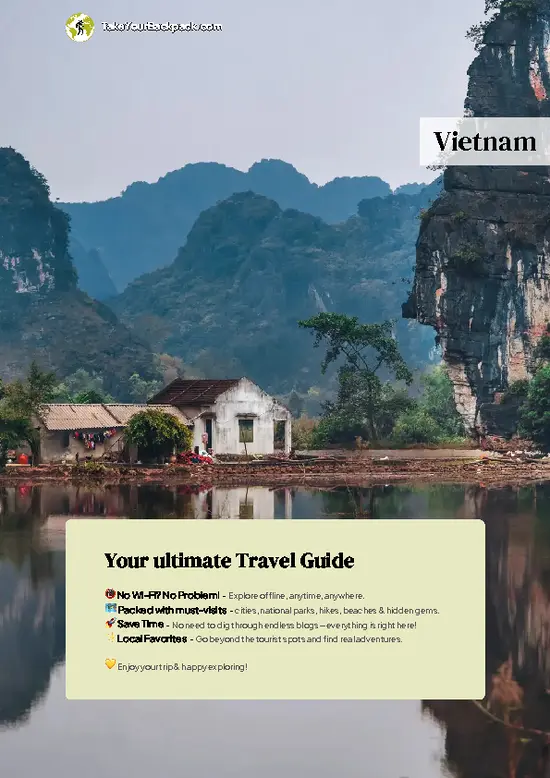
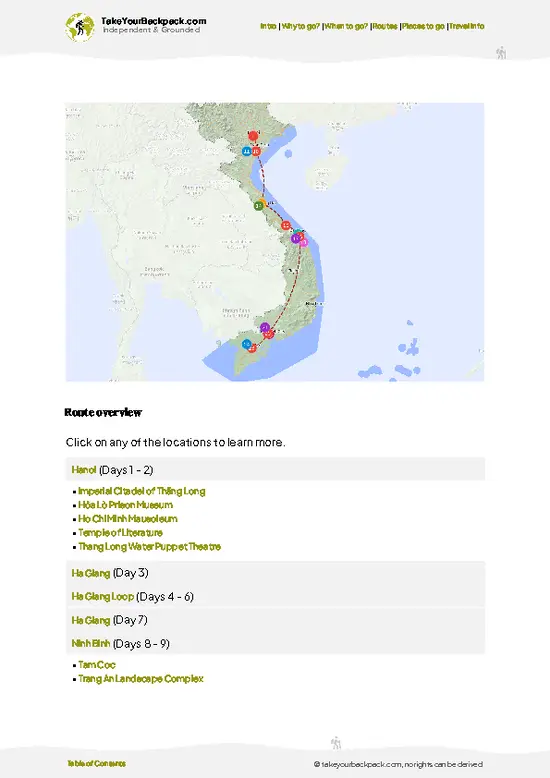
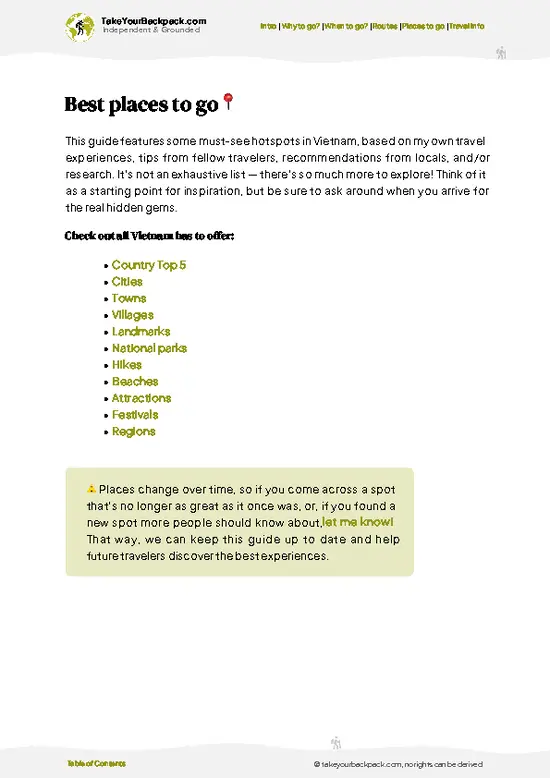
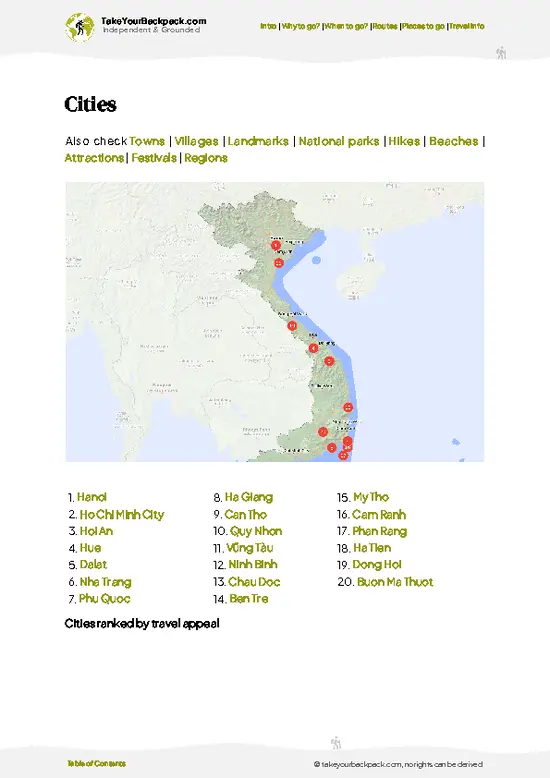
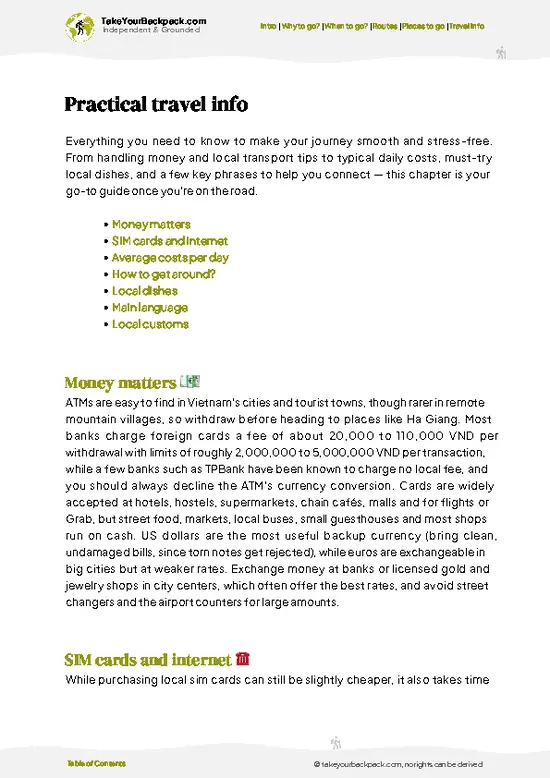
1. The Marriage and Family Gallery
Forget the sanitized, postcard version of Vietnamese culture. This gallery dives headfirst into the real, messy, and often hilarious rituals around love, matchmaking, and family life. You’ll see wedding costumes that look like they belong in a Wes Anderson film, plus blunt displays about arranged marriages, divorce, and the wild variety of courtship traditions from Vietnam’s 54 ethnic groups. It’s not a Hallmark card—it’s anthropology with a pulse.
2. The Women in History Exhibit
This is where the museum throws out the tired narrative of women as background characters. Here, you get the full-throttle stories of female warriors, revolutionaries, and everyday heroines who shaped Vietnam’s past. The displays don’t sugarcoat the grit or the sacrifice. If you want … read more 👉
Forget the sanitized, postcard version of Vietnamese culture. This gallery dives headfirst into the real, messy, and often hilarious rituals around love, matchmaking, and family life. You’ll see wedding costumes that look like they belong in a Wes Anderson film, plus blunt displays about arranged marriages, divorce, and the wild variety of courtship traditions from Vietnam’s 54 ethnic groups. It’s not a Hallmark card—it’s anthropology with a pulse.
2. The Women in History Exhibit
This is where the museum throws out the tired narrative of women as background characters. Here, you get the full-throttle stories of female warriors, revolutionaries, and everyday heroines who shaped Vietnam’s past. The displays don’t sugarcoat the grit or the sacrifice. If you want … read more 👉
1. The Marriage and Family Gallery
Forget the sanitized, postcard version of Vietnamese culture. This gallery dives headfirst into the real, messy, and often hilarious rituals around love, matchmaking, and family life. You’ll see wedding costumes that look like they belong in a Wes Anderson film, plus blunt displays about arranged marriages, divorce, and the wild variety of courtship traditions from Vietnam’s 54 ethnic groups. It’s not a Hallmark card—it’s anthropology with a pulse.
2. The Women in History Exhibit
This is where the museum throws out the tired narrative of women as background characters. Here, you get the full-throttle stories of female warriors, revolutionaries, and everyday heroines who shaped Vietnam’s past. The displays don’t sugarcoat the grit or the sacrifice. If you want to understand Vietnam beyond the war clichés, this is your ticket.
3. The Mother Goddess Worship Room
You won’t find this in your average guidebook. This immersive space is a sensory overload of color, incense, and folklore, dedicated to Đạo Mẫu—the indigenous Mother Goddess religion. The costumes, altars, and ritual objects are so vivid you can practically hear the drums. It’s a crash course in spiritual resilience and female power, and it’s my personal favorite—nothing else in Hanoi feels quite like it.
4. The Textile and Costume Collection
This isn’t just a fashion show. The museum’s collection of traditional clothing is a living archive of identity, resistance, and artistry. You’ll see hand-embroidered Hmong jackets, shimmering Ao Dai, and ceremonial garb that tells you more about Vietnam’s diversity than any map could. The craftsmanship is jaw-dropping, and the stories behind each piece are even better.
5. The Contemporary Women’s Voices Section
This rotating exhibit pulls you into the now. Expect raw, unfiltered stories from modern Vietnamese women—entrepreneurs, artists, street vendors—told through video, photography, and personal artifacts. It’s proof that the museum isn’t just about the past; it’s a living, breathing conversation about what it means to be a woman in Vietnam today.
Forget the sanitized, postcard version of Vietnamese culture. This gallery dives headfirst into the real, messy, and often hilarious rituals around love, matchmaking, and family life. You’ll see wedding costumes that look like they belong in a Wes Anderson film, plus blunt displays about arranged marriages, divorce, and the wild variety of courtship traditions from Vietnam’s 54 ethnic groups. It’s not a Hallmark card—it’s anthropology with a pulse.
2. The Women in History Exhibit
This is where the museum throws out the tired narrative of women as background characters. Here, you get the full-throttle stories of female warriors, revolutionaries, and everyday heroines who shaped Vietnam’s past. The displays don’t sugarcoat the grit or the sacrifice. If you want to understand Vietnam beyond the war clichés, this is your ticket.
3. The Mother Goddess Worship Room
You won’t find this in your average guidebook. This immersive space is a sensory overload of color, incense, and folklore, dedicated to Đạo Mẫu—the indigenous Mother Goddess religion. The costumes, altars, and ritual objects are so vivid you can practically hear the drums. It’s a crash course in spiritual resilience and female power, and it’s my personal favorite—nothing else in Hanoi feels quite like it.
4. The Textile and Costume Collection
This isn’t just a fashion show. The museum’s collection of traditional clothing is a living archive of identity, resistance, and artistry. You’ll see hand-embroidered Hmong jackets, shimmering Ao Dai, and ceremonial garb that tells you more about Vietnam’s diversity than any map could. The craftsmanship is jaw-dropping, and the stories behind each piece are even better.
5. The Contemporary Women’s Voices Section
This rotating exhibit pulls you into the now. Expect raw, unfiltered stories from modern Vietnamese women—entrepreneurs, artists, street vendors—told through video, photography, and personal artifacts. It’s proof that the museum isn’t just about the past; it’s a living, breathing conversation about what it means to be a woman in Vietnam today.
Spotted a mistake or missing something? Contact us.

Hanoi Motorbike Tour: Hanoi HIGHTLIGHTS & HIDDEN GEMS

Luxury Ninh Binh Full Day Tour From Hanoi (Trang An - Hoa Lu)

VIETNAM BACKSTREET TOURS: Explore Bat Trang Ceramic Village By Minsk Motorcycle

Noi Bai Airport transfer to Hanoi Hotel & Vice versa

Hanoi Coffee Class learning 5 famous coffee in Hanoi

Six Cups of Vietnam Coffee Workshop in Hanoi with Local Barista

L’essence Relaxation Package for Lady: 240’

Hanoi Full-day combo: Half-day city and Half-day countryside

3 Days and 2 Nights Ha Giang Loop Tour


 Best Backpacking
.jpg) Hi, I’m Johan (Netherlands 🇳🇱), the creator of TakeYourBackpack. Over the past 3 decades, I’ve backpacked through 90+ countries across six continents, gaining extensive experience with independent travel, long-term trips, and overland routes.
Hi, I’m Johan (Netherlands 🇳🇱), the creator of TakeYourBackpack. Over the past 3 decades, I’ve backpacked through 90+ countries across six continents, gaining extensive experience with independent travel, long-term trips, and overland routes.