×

Western Sahara🇪🇭 | townsMahbesborder proximity, fortified structures, sparse population | things to do and best time to go

Explore BoujdourExplore Tichla

Backpacking in Mahbes
👌 Worth visitingtown ranked #6
By Johan Kruseman 🇳🇱 | Updated June 6, 2026

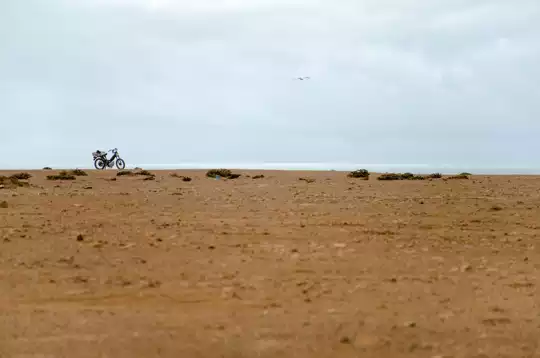
You’re squinting into the wind, sand ticking against your boots, the air dry enough to crack your lips, and the only sound is the low hum of a generator somewhere behind the squat, sun-bleached buildings. Mahbes sits in the far east of Western Sahara, closer to the Algerian border than the Atlantic, and it feels like the edge of the map—because it is. For backpackers, Mahbes is less a destination and more a checkpoint: a place where the desert’s scale hits you in the chest. There’s no old medina to wander, no bustling market, just a handful of shops and the slow rhythm of daily life. It’s practical if you’re tracing the Saharan routes or need a breather before pushing deeper into the emptiness. Getting here is a challenge—expect rough roads, rare shared taxis, and no train lines. You’ll find little in the way of hostels or backpacker cafés; evenings are quiet, and meeting fellow travelers is rare. Costs are low, but so are amenities. Compared to Dakhla’s coastal buzz or Smara’s slightly larger sprawl, Mahbes is stripped-down, raw, and honest—best for those who want to feel the desert’s reality, not just admire it from a safe distance.

Discover everything you want to know in the 📖 Western Sahara Travel Guide.
Loading the map 🌍
CLICK TO FILTER
cities
towns
villages
landmarks
hikes
beaches
festivals
regions
SHOW COUNTRY’S BESTSHOW ALL

✨ Why go?
Ranked #6 town in Western Sahara
What makes it a must-see town

Mahbes serves as a gateway for backpackers exploring the Western Sahara, blending convenience with a touch of local charm. Its walkable streets make it easy to navigate, allowing you to soak in the arid beauty and friendly atmosphere without feeling rushed. Many travelers use Mahbes as a base for nearby hikes in the Sahara, where the vast dunes and stunning sunsets offer a rewarding challenge.

The town’s small-scale hostels and guesthouses provide a cozy, intimate setting, perfect for solo travelers or those in small groups looking to connect. You’ll find local food experiences that are both authentic and affordable, with street vendors serving up hearty meals that fuel your adventures.

Most backpackers tend to stay briefly, often just a couple of nights, but those who linger find a slower … read more 👉
Mahbes serves as a gateway for backpackers exploring the Western Sahara, blending convenience with a touch of local charm. Its walkable streets make it easy to navigate, allowing you to soak in the arid beauty and friendly atmosphere without feeling rushed. Many travelers use Mahbes as a base for nearby hikes in the Sahara, where the vast dunes and stunning sunsets offer a rewarding challenge.

The town’s small-scale hostels and guesthouses provide a cozy, intimate setting, perfect for solo travelers or those in small groups looking to connect. You’ll find local food experiences that are both authentic and affordable, with street vendors serving up hearty meals that fuel your adventures.

Most backpackers tend to stay briefly, often just a couple of nights, but those who linger find a slower pace that invites deeper exploration. It’s not a party hub, but rather a place where you can unwind after a day of trekking or beachcombing. If you appreciate a social vibe without the chaos, Mahbes might just be your ideal stopover.
Want to include Mahbes in your Western Sahara route?
Create a personalized Western Sahara itinerary that includes Mahbes and the places that fit your trip — based on your travel style, budget, and available time. Get your route in seconds.

Generate my trip

💡 HighlightsTop highlights of Mahbes

  1. Mahbes souk (weekly market) — The pulse of the town: a compact, lively market where nomads and townspeople trade food, basic goods, tea, and the odd handmade rug. Best for people-watching, inexpensive local food, and seeing everyday Sahrawi commerce up close.
  2. The central Friday mosque — Not a tourist monument, but the social heart on Fridays. Observing (from a respectful distance) or timing a visit for the surrounding bustle gives real insight into local rhythms and religious life.
  3. Tea houses and communal tents — Small cafés and family tents where Sahrawi tea culture happens. Spending an hour here, drinking multiple rounds of sweet, strong tea and chatting, is the fastest route to meeting locals and learning stories you won’t find in guidebooks.
  4. Town memorial / martyrs’ cemetery — A quiet,
read more 👉
  1. Mahbes souk (weekly market) — The pulse of the town: a compact, lively market where nomads and townspeople trade food, basic goods, tea, and the odd handmade rug. Best for people-watching, inexpensive local food, and seeing everyday Sahrawi commerce up close.
  2. The central Friday mosque — Not a tourist monument, but the social heart on Fridays. Observing (from a respectful distance) or timing a visit for the surrounding bustle gives real insight into local rhythms and religious life.
  3. Tea houses and communal tents — Small cafés and family tents where Sahrawi tea culture happens. Spending an hour here, drinking multiple rounds of sweet, strong tea and chatting, is the fastest route to meeting locals and learning stories you won’t find in guidebooks.
  4. Town memorial / martyrs’ cemetery — A quiet, important place for locals to remember those lost in the long conflict. Visiting gives context to modern Sahrawi identity and the town’s recent history; bring respectful questions, not cameras first.
  5. The old well and waterpoint — Simple, practical, vital. Wells are traditional gathering places and a reminder of why settlements sit where they do. They make for good conversations with elders about how life and travel used to work here.
  6. Edge dunes and desert fringe — The sand right on Mahbes’s outskirts is easy to reach on foot and excellent for short walks, late-afternoon light, and seeing the landscape that shapes local livelihoods. Perfect for a quick sunset or a low-effort sand scramble.
  7. Local handicraft stalls — Scattered shops and stall-owners sell woven mats, simple jewelry, and nomadic tools. Not a polished bazaar — more humble, honest crafts. Good place to pick up a practical souvenir and support local makers.
  8. Community school / cultural meeting place — If events align, small cultural gatherings, poetry readings, or school events occur here. Those visits are a rare chance to see contemporary Sahrawi arts, music, and youth life — ask first and be invited in.
  9. Panorama ridge / town lookout — A short walk to a low ridge gives a wide view over the settlement, the surrounding plain, and nearby dunes. Useful for orientation, photography, and feeling how exposed and beautiful this part of the desert is.
  10. Nomad encampments on the town’s edge — Families who still live seasonally nearby may camp within visiting distance. With permission you can learn tentcraft, sample camp cooking, and hear oral history that connects Mahbes to wider Saharan routes.
A few real, visitable highlights a short trip from Mahbes: the Sahrawi towns of Tifariti and Bir Lehlu (for recent-history sites and desert scenery), nearby dune seas and caravan-route landscapes for longer desert walks, and small rock-art or archaeological spots in the region — check local permission and security conditions before heading out.
Spotted a mistake or missing something? Contact us.
🏘️ NeighborhoodsWhere things are and how it's laid out

Mahbes, a unique town in Western Sahara, offers a blend of culture and rugged beauty. Each neighborhood has its own character, making it essential to choose wisely for your stay.

City Center
This is the heartbeat of Mahbes. The vibe is bustling, with local markets and street vendors filling the air with the scent of spices and grilled meats. It’s walkable, so you can easily explore shops and cafes. Costs are moderate, making it suitable for both short and longer stays. Nightlife is low-key, with a few cafes that come alive in the evening, perfect for unwinding after a day of exploration.

Residential District
Quieter and more laid-back, this area is ideal for those seeking a peaceful retreat. The atmosphere is relaxed, with friendly locals and less tourist traffic. Accommodation here … read more 👉
Mahbes, a unique town in Western Sahara, offers a blend of culture and rugged beauty. Each neighborhood has its own character, making it essential to choose wisely for your stay.

City Center
This is the heartbeat of Mahbes. The vibe is bustling, with local markets and street vendors filling the air with the scent of spices and grilled meats. It’s walkable, so you can easily explore shops and cafes. Costs are moderate, making it suitable for both short and longer stays. Nightlife is low-key, with a few cafes that come alive in the evening, perfect for unwinding after a day of exploration.

Residential District
Quieter and more laid-back, this area is ideal for those seeking a peaceful retreat. The atmosphere is relaxed, with friendly locals and less tourist traffic. Accommodation here tends to be cheaper, and you’ll find cozy guesthouses. It’s a bit farther from the main attractions, so a bike or shared taxi is handy. This area suits longer stays, allowing you to soak in the local culture.

Outskirts
For the adventurous, the outskirts offer a taste of the desert landscape. Here, you’ll find stunning views and a sense of isolation. Costs can vary, with some budget-friendly options available. It’s less walkable, so be prepared for longer treks or arranging transport. This area is perfect for those wanting to immerse themselves in nature, making it ideal for a short, intense getaway.

Choosing the right neighborhood in Mahbes can transform your experience, making the journey as rewarding as the destination.

⌛️ 1 dayHow to make the most of one day

Mahbes, a small town in Western Sahara, offers a unique blend of culture and resilience, shaped by its history and the surrounding desert landscape. The air is often filled with the scent of spices and the distant sound of traditional music, creating an atmosphere that feels both alive and contemplative.

Start your morning with a stroll through the bustling market in the heart of town. The vibrant colors of fresh produce and handmade crafts will catch your eye. Engage with local vendors; their stories are as rich as the goods they sell. Grab a traditional breakfast of khobz (bread) and mint tea from a nearby café. The warmth of the bread and the sweetness of the tea will fuel your exploration.

As the sun climbs higher, head towards the outskirts to visit the lesser-known site of the old … read more 👉
Mahbes, a small town in Western Sahara, offers a unique blend of culture and resilience, shaped by its history and the surrounding desert landscape. The air is often filled with the scent of spices and the distant sound of traditional music, creating an atmosphere that feels both alive and contemplative.

Start your morning with a stroll through the bustling market in the heart of town. The vibrant colors of fresh produce and handmade crafts will catch your eye. Engage with local vendors; their stories are as rich as the goods they sell. Grab a traditional breakfast of khobz (bread) and mint tea from a nearby café. The warmth of the bread and the sweetness of the tea will fuel your exploration.

As the sun climbs higher, head towards the outskirts to visit the lesser-known site of the old military fort. This spot, often overlooked by tourists, offers a glimpse into the town’s past. The fort’s crumbling walls tell tales of resilience, and the panoramic views of the surrounding desert are breathtaking. Take your time here; the silence is a refreshing contrast to the market’s hustle.

In the afternoon, wander through the residential neighborhoods. The architecture reflects a blend of Berber and Sahrawi influences, with mud-brick houses that seem to rise organically from the earth. Stop by a local home if you can; many families are open to sharing their culture over a cup of tea.

As evening approaches, return to the town center. The golden light of sunset casts a warm glow, perfect for capturing photos. Enjoy dinner at a local eatery, where you can savor tagine, a slow-cooked dish bursting with flavors.

End your day by sitting under the stars, the vastness of the Sahara enveloping you. Reflect on the day’s experiences; Mahbes is more than just a stopover; it’s a place that invites you to connect deeply with its spirit.
Turn your Mahbes visit into an Western Sahara adventure
Build a complete Western Sahara route with Mahbes, hidden gems, must-see destinations, and realistic travel times included.

Generate my trip

🌤️ When to go?Choosing the right time of year


  • Weather: Mahbes sits in the Sahara’s harsh embrace, so summers scorch with highs often above 40°C (104°F), making daytime trekking brutal. Winters cool down to a more manageable 15-20°C (59-68°F), offering a much more comfortable experience for walking and camping.

  • Temperature: Nights can swing sharply, especially in winter, dropping close to freezing (0°C/32°F). Layering is essential to handle this desert chill, which contrasts sharply with the daytime heat.

  • Daylight Hours: Around winter, daylight shrinks to about 10 hours, but the sun’s lower angle softens the harsh glare, making early mornings and late afternoons prime for exploration without frying your skin.

  • Crowds: Mahbes is remote and rarely crowded year-round, but the cooler months see a slight uptick in visitors, mostly adventurous
read more 👉

  • Weather: Mahbes sits in the Sahara’s harsh embrace, so summers scorch with highs often above 40°C (104°F), making daytime trekking brutal. Winters cool down to a more manageable 15-20°C (59-68°F), offering a much more comfortable experience for walking and camping.

  • Temperature: Nights can swing sharply, especially in winter, dropping close to freezing (0°C/32°F). Layering is essential to handle this desert chill, which contrasts sharply with the daytime heat.

  • Daylight Hours: Around winter, daylight shrinks to about 10 hours, but the sun’s lower angle softens the harsh glare, making early mornings and late afternoons prime for exploration without frying your skin.

  • Crowds: Mahbes is remote and rarely crowded year-round, but the cooler months see a slight uptick in visitors, mostly adventurous souls escaping colder climates elsewhere.

  • Seasonal Activities: Winter months bring clearer skies perfect for stargazing and desert photography. Summer’s intense heat limits outdoor activity to dawn and dusk, when the desert’s colors come alive in a fleeting, fiery glow.

  • Price Fluctuations: Expect slightly higher prices in winter due to increased demand and better conditions. Off-season summer travel can save money but demands serious heat tolerance and careful planning.


Pro-tip: Aim for late autumn or early spring to catch mild temperatures, longer daylight, and the desert’s raw beauty without the extremes—this window turns the Sahara from a furnace into a playground.


source: climatestotravel.comJANJanuary: highly recommended for travelingFEBFebruary: highly recommended for travelingMARMarch: excellent for travelingAPRApril: excellent for travelingMAYMay: good for travelingJUNJune: fair for travelingJULJuly: below average for travelingAUGAugust: below average for travelingSEPSeptember: good for travelingOCTOctober: excellent for travelingNOVNovember: highly recommended for travelingDECDecember: highly recommended for traveling
when-to-go

✈️ The backpacker research shortcutWestern Sahara Travel Guide

An offline-friendly backpacking guide with optimized travel routes, ranked highlights, transport advice, and the best areas to stay.
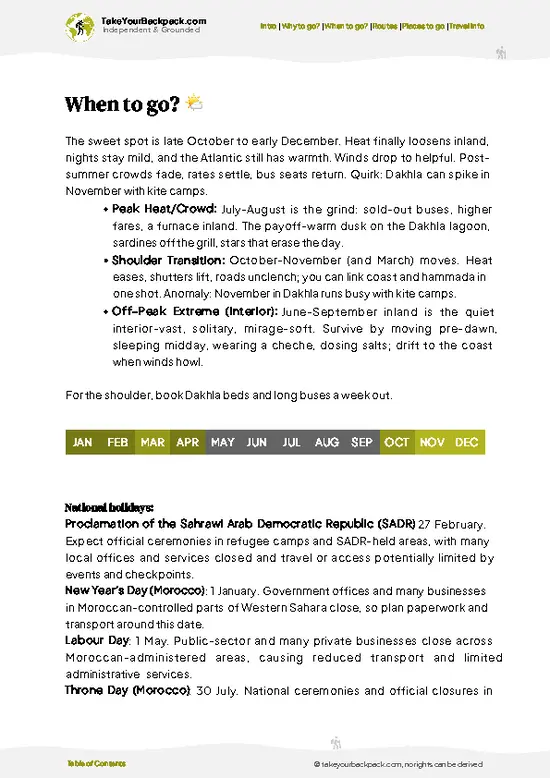
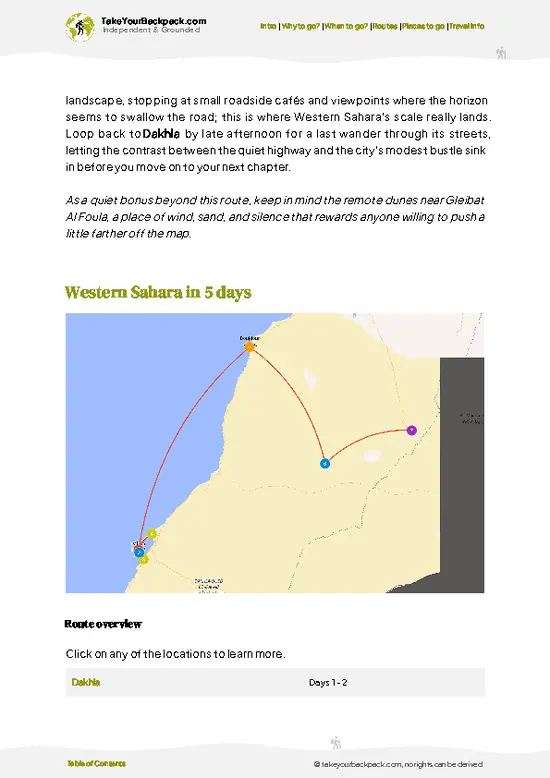
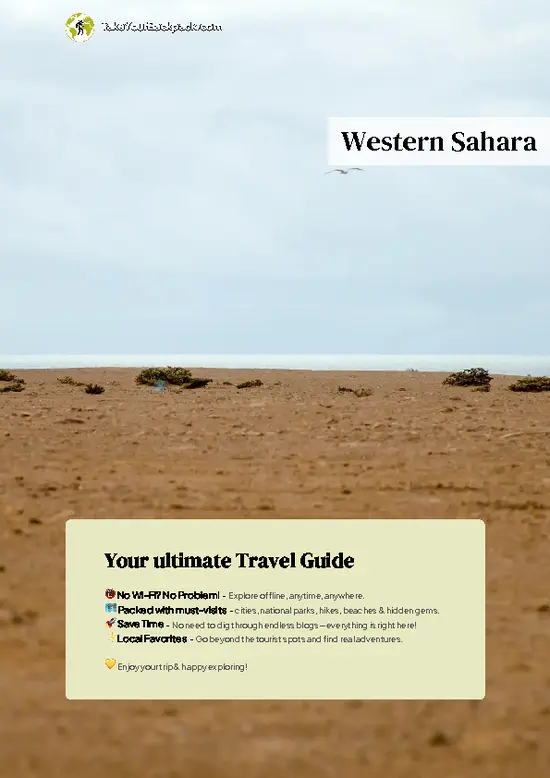
example page 0 from our offline Travel Guide for Western Sahara
example page 1 from our offline Travel Guide for Western Sahara
example page 2 from our offline Travel Guide for Western Sahara
example page 3 from our offline Travel Guide for Western Sahara
example page 4 from our offline Travel Guide for Western Sahara
example page 5 from our offline Travel Guide for Western Sahara
example page 6 from our offline Travel Guide for Western Sahara
example page 7 from our offline Travel Guide for Western Sahara
The digital guide (117 pages) contains:
22 highlights, ranked by travel appeal
Optimized 2, 3 & 5-day travel routes
Cities, national parks, landmarks, beaches
How to get around
Offline-friendly for travel without Wi-Fi
👉 Click to see all 30+ guide features

📅 Plan smarter in minutes, not weeks
Month by month travel advice
Festivals & national holidays
Budget expectations

🗺️ Go to the right places, skip the overrated ones
Honest pros & cons of destinations
Top hikes, parks & viewpoints
Lesser-known places most travelers miss
Clear “worth it vs skip it” guidance

🛏️ Travel smoothly without rookie mistakes
Best areas to stay
Transport systems explained simply
Common scams & safety advice
SIM cards, money & practical tips

🌍 Understand the country, not just visit it
Culture & traditions
52 Essential phrases & customs
Festivals worth planning around
Traveler-friendly historical context
Insights that make places more meaningful

📱 Built for real travel conditions
Fully downloadable PDF
Works completely offline
Optimized for phone use
Useful in remote areas & buses
Everything in one place
Save weeks of stressful planning
Get instant access to your full guide. 30‑day money-back guarantee.


By proceeding you agree to our terms.
Sent to your inbox immediately after payment • 100% Secure Checkout
Best Backpacking Travel Advisor 2025 tourism awardBest Backpacking
Travel Advisor
2025
What others say about Take Your Backpack Guides:
⭐⭐⭐⭐⭐
Fantastic, amazing amount of information!
⭐⭐⭐⭐⭐
My goodness this is amazing, it's what I've been looking for hats off too you!
⭐⭐⭐⭐⭐
I think this is absolutely BRILLIANT
⭐⭐⭐⭐
Very complete and informative. It's still missing places, but I gotta to commend you
⭐⭐⭐⭐⭐
This is truly amazing, thank you, can't wait to explore it with my kids!
⭐⭐⭐⭐⭐
Awesome resource, thank you!
⭐⭐⭐⭐⭐
This is amazing! Can't wait to explore the ones I haven't seen
⭐⭐⭐⭐
I love this! Well done, great idea.
⭐⭐⭐⭐⭐
Thanks for taking the time to make this gem!
⭐⭐⭐⭐⭐
This might be the best website I've ever seen.
⭐⭐⭐⭐⭐
Congratulations, and thank you so much for your work; it's incredibly valuable.
⭐⭐⭐⭐
In all seriousness I think you did a great job pointing out the important spots
⭐⭐⭐⭐⭐
10/10 very good
⭐⭐⭐⭐⭐
As someone who's only just starting to visit regularly this is awesome, thank you.
⭐⭐⭐⭐
Thank you very much! I'm going to visit my dad, it's going to be very useful!
⭐⭐⭐⭐⭐
This is really cool! We'll be travelling for the first time and this definitely come in handy.
⭐⭐⭐⭐⭐
You are now our minister of culture, congratulations 👨‍💼
⭐⭐⭐⭐⭐
Just wanted to tell you that this is a pearl! Going to follow your recommendations.
⭐⭐⭐⭐⭐
This is so cool. I'll definitely be using the resource for my travels soon.
⭐⭐⭐⭐⭐
This is very impressive! Good work.
⭐⭐⭐⭐⭐
This is an amazing and informative site. Very well done!

🛏️ Where to stay?Best areas to stay in Western Sahara

In Mahbes, the best spot for backpackers is the central district near the main market square. This area hums with life from dawn till dusk, where the scent of fresh bread mingles with the dry desert air. It’s safe because locals know each other here, and the presence of small shops and cafes means there’s always someone around. For solo travelers, this neighborhood offers a natural social hub—people gather in the evenings under strings of bare bulbs, sharing stories over mint tea.

Hostels are modest but reliable, often tucked into narrow alleys where the walls hold the heat of the day, cooling … read more 👉
In Mahbes, the best spot for backpackers is the central district near the main market square. This area hums with life from dawn till dusk, where the scent of fresh bread mingles with the dry desert air. It’s safe because locals know each other here, and the presence of small shops and cafes means there’s always someone around. For solo travelers, this neighborhood offers a natural social hub—people gather in the evenings under strings of bare bulbs, sharing stories over mint tea.

Hostels are modest but reliable, often tucked into narrow alleys where the walls hold the heat of the day, cooling just enough by nightfall. Staying here means you’re steps away from the pulse of Mahbes, not isolated in a quiet suburb where taxis are scarce and the streets empty early. Compared to the outskirts, where the silence can feel like a warning, the central district’s steady buzz is a comfort and a gateway. You’ll find it easier to connect with fellow travelers and locals alike, turning the city’s raw, sunbaked charm into a shared experience rather than a solo trek.

🚌 Getting aroundTransportation options and practical tips

Mahbes moves at its own rhythm—less a clockwork town and more a pulse you feel in the dust and chatter. The sun slants low in the afternoon, casting long shadows over cracked sidewalks where locals barter with a mix of urgency and ease. Time here isn’t about strict schedules but about catching the right moment: the bus that’s just pulling up, the shared taxi that’s almost full, or the quiet stretch before the market explodes into life. The air carries a mix of spices and dry earth, grounding you in the reality that every trip here is a dance between patience and seizing opportunity.


  • Walking: The heart of Mahbes is compact enough to explore on foot, especially the central market and nearby neighborhoods. Walking lets you soak in the scent of freshly baked flatbread and the clatter of street
read more 👉
Mahbes moves at its own rhythm—less a clockwork town and more a pulse you feel in the dust and chatter. The sun slants low in the afternoon, casting long shadows over cracked sidewalks where locals barter with a mix of urgency and ease. Time here isn’t about strict schedules but about catching the right moment: the bus that’s just pulling up, the shared taxi that’s almost full, or the quiet stretch before the market explodes into life. The air carries a mix of spices and dry earth, grounding you in the reality that every trip here is a dance between patience and seizing opportunity.


  • Walking: The heart of Mahbes is compact enough to explore on foot, especially the central market and nearby neighborhoods. Walking lets you soak in the scent of freshly baked flatbread and the clatter of street vendors, all at your own pace—free and flexible, but prepare for uneven pavement and midday heat.


  • Shared Minibuses: These are the lifeblood of local transit, running from dawn until dusk, roughly 6 AM to 7 PM. Fares hover around a dollar or less, making them unbeatable for budget travelers. They don’t run on a strict timetable; instead, they leave when full, so timing is a mix of luck and local savvy. Expect a bumpy ride with frequent stops, but it’s the fastest way to cover longer distances without breaking the bank.


  • Shared Taxis: If you’re aiming for speed and a bit more comfort, shared taxis fill up quickly and depart once full, usually between 7 AM and 9 PM. Costs are higher than minibuses but still affordable, roughly double the price. They’re a solid choice for trips outside the town center or when you want to avoid the slow crawl of minibuses, though you’ll share the ride with locals, so pack light.


  • Local Bicycles: Renting a bike is a smart move if you want to cover more ground without losing the freedom of the open air. Rentals cost a few dollars a day, and the flat terrain makes cycling manageable even in the heat. Early mornings and late afternoons are best to avoid the sun’s peak, and you’ll catch the town’s quieter moments when the streets are less crowded.


  • Motorcycle Taxis: For the bold and nimble, motorcycle taxis zip through traffic and narrow alleys, charging a bit more than shared taxis but shaving off travel time significantly. They operate from early morning until late evening, but helmets aren’t always standard, so weigh the thrill against safety. Perfect for quick hops or when you’re running late.

👛 Costs (as of 19 February 2026)Typical daily expenses

Backpacking in Mahbes, Western Sahara, is a raw, off-the-grid experience where costs stay modest but the environment demands a bit of preparation and flexibility.
  • Dorm Accommodation: Options are extremely limited here, mostly basic guesthouses or shared rooms in local homes. Expect to pay around €10-15 per night. These places are simple—think sturdy beds, minimal amenities, and a chance to connect with locals rather than luxury.
  • Meals: Food revolves around local staples—flatbreads, tagines, and fresh dates. Street food or small eateries will cost about €3-6 per meal. Cooking your own food is rare but possible if you have access to a kitchen, which can save a bit.
  • Local Transport: Public transport is sparse. Most travel happens via shared taxis or hitching rides, costing roughly €2-5 for
read more 👉
Backpacking in Mahbes, Western Sahara, is a raw, off-the-grid experience where costs stay modest but the environment demands a bit of preparation and flexibility.
  • Dorm Accommodation: Options are extremely limited here, mostly basic guesthouses or shared rooms in local homes. Expect to pay around €10-15 per night. These places are simple—think sturdy beds, minimal amenities, and a chance to connect with locals rather than luxury.
  • Meals: Food revolves around local staples—flatbreads, tagines, and fresh dates. Street food or small eateries will cost about €3-6 per meal. Cooking your own food is rare but possible if you have access to a kitchen, which can save a bit.
  • Local Transport: Public transport is sparse. Most travel happens via shared taxis or hitching rides, costing roughly €2-5 for short trips within or near town. Walking is often the best way to soak in the atmosphere and avoid extra costs.
  • Basic Activities/Entry Fees: There are no formal tourist sites with entry fees here. The real draw is wandering the desert landscapes and interacting with Sahrawi culture, which is free but requires respect and patience.
  • Miscellaneous Expenses: Budget around €2-4 daily for essentials like water, snacks, or phone credit. Keep in mind that supplies can be limited, so it’s smart to bring some basics with you.

The total daily budget for backpacking in Mahbes typically falls between €17 and €30. It’s a place where simplicity rules, and the real cost is in the effort to embrace a stark, authentic environment rather than in flashy comforts.


source: saharawi.org
⚠️ Prices can change and everyone travels differently, so take this as a rough guide. Hope it helps you plan your adventure!

🚌 Day tripsEasy escapes and nearby places

Mahbes is a fantastic launchpad for exploring the stark beauty of Western Sahara. The town itself may seem unassuming, but it’s a gateway to experiences that are as rewarding as they are varied. Here are some day trips that will elevate your adventure.

1. The Dunes of Erg Chegaga
A trip to Erg Chegaga is like stepping into another world. The golden dunes stretch endlessly, shifting with the wind, creating a landscape that feels alive. It’s about a 2.5-hour drive from Mahbes, so leave early to catch the sunrise painting the sands in hues of orange and pink. Expect to spend around €30 for a shared taxi, which is a steal for the views you’ll get. Bring plenty of water and a camera; the light here is magical. Many first-timers underestimate the chill that sets in after sunset, so pack a light … read more 👉
Mahbes is a fantastic launchpad for exploring the stark beauty of Western Sahara. The town itself may seem unassuming, but it’s a gateway to experiences that are as rewarding as they are varied. Here are some day trips that will elevate your adventure.

1. The Dunes of Erg Chegaga
A trip to Erg Chegaga is like stepping into another world. The golden dunes stretch endlessly, shifting with the wind, creating a landscape that feels alive. It’s about a 2.5-hour drive from Mahbes, so leave early to catch the sunrise painting the sands in hues of orange and pink. Expect to spend around €30 for a shared taxi, which is a steal for the views you’ll get. Bring plenty of water and a camera; the light here is magical. Many first-timers underestimate the chill that sets in after sunset, so pack a light jacket.


2. The Oasis of Figuig
Figuig is an oasis town that feels like a breath of fresh air. It’s about a 3-hour drive, but the journey is worth it for the lush palm groves and the chance to sip mint tea with locals. The cost is roughly €25 for transport, and you’ll find that the best time to visit is in spring when the flowers bloom and the air is fragrant. One common mistake is to rush through; take your time to wander the narrow alleys and soak in the atmosphere.


3. The Coastal Town of Dakhla
Dakhla offers a refreshing contrast with its stunning coastline and vibrant culture. It’s about a 4-hour drive, but the views of the Atlantic Ocean make the trip fly by. Budget around €35 for a shared taxi. The best time to visit is during the cooler months, from October to April. Many backpackers miss out on the local seafood; don’t skip the grilled fish at the market. It’s a simple meal that packs a punch.
👉 Explore Dakhla

4. The Rock Art of Tadrart
For history buffs, Tadrart is a treasure trove of ancient rock art. It’s a 2-hour drive, and you can usually find a guide for about €20. The best time to go is early morning when the light reveals the intricate carvings. A common mistake is not hiring a guide; they’ll enrich your experience with stories that breathe life into the art.


Each of these trips offers a unique slice of the Sahara’s character, making Mahbes not just a stopover, but a base for adventure.
Want to know what more Western Sahara offers?
The Western Sahara Travel Guide describes 22 highlights, from cities to national parks, from beaches to hikes

Get the Travel Guide -

🛡️ SafetySafety Tips and Common Scams in Mahbes

In Mahbes, safety is generally solid, but a few nuances can enhance your experience. The town has a laid-back vibe, yet it’s wise to stay alert in crowded areas, especially near markets. Keep your belongings close; pickpocketing can happen in busier spots.

If you’re traveling solo, embrace the daylight. The streets are quieter at night, and while it’s not inherently dangerous, it’s better to stick to well-lit areas and avoid wandering too far. A friendly smile and a respectful demeanor go a long way in connecting with locals.

Scams are rare, but be cautious of overly eager guides offering unsolicited help. Politely decline and seek out official services. Language barriers can lead to misunderstandings, so a few phrases in Arabic can help you navigate interactions smoothly.

Overall, Mahbes … read more 👉
In Mahbes, safety is generally solid, but a few nuances can enhance your experience. The town has a laid-back vibe, yet it’s wise to stay alert in crowded areas, especially near markets. Keep your belongings close; pickpocketing can happen in busier spots.

If you’re traveling solo, embrace the daylight. The streets are quieter at night, and while it’s not inherently dangerous, it’s better to stick to well-lit areas and avoid wandering too far. A friendly smile and a respectful demeanor go a long way in connecting with locals.

Scams are rare, but be cautious of overly eager guides offering unsolicited help. Politely decline and seek out official services. Language barriers can lead to misunderstandings, so a few phrases in Arabic can help you navigate interactions smoothly.

Overall, Mahbes is welcoming. By staying aware and engaging with the community, you’ll unlock a richer experience without unnecessary stress.

Other Sahrawi towns near Mahbes

Explore more nearby:

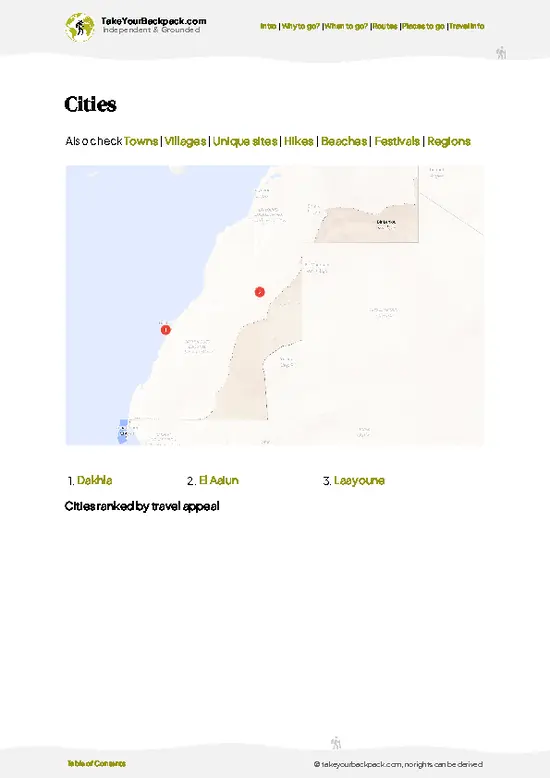
  • Tifariti—Sahrawi administration, desert art, war remnants| 204 km away
  • Boujdour—Atlantic coastline, fishing port, lighthouse| 558 km away
  • Tichla—remote settlement, desert plateau, limited infrastructure| 882 km away

💡 Not sure where to go next?
Create a personalized itinerary for Western Sahara including Mahbes and the places that fit your trip.

Generate my itinerary

👉 Discover all towns

Or checkout all Western Sahara has to offer (think cities, towns, villages, national parks, hikes, beaches, festivals)
Country photo of Western Sahara

We 💚 feedbackSumming up the experience

Mahbes has a raw, unfiltered vibe that’s hard to find elsewhere. The golden sands stretch endlessly, and the air carries a hint of salt and adventure. Don’t miss the local markets; the spices and laughter create a sensory overload that’s pure joy. Just be ready for the wind—it can whip up unexpectedly, so secure your gear. Embrace the simplicity here; it’s a reminder that beauty often lies in the unrefined. You’ll leave with stories that linger long after the dust settles.

✍️ Help improve this page!
The information on this page is based on in-depth research, insights shared by experienced travelers, and feedback from the local travel community in Western Sahara. While every effort is made to keep the information accurate and current, conditions can change — so if you spot anything incorrect or outdated, please get in touch.


🙋‍♂️ Give feedback

👋 Meet the founderWho’s Behind Take Your Backpack?

Johan, backpacker and founder of TakeYourBackpackHi, I’m Johan (Netherlands 🇳🇱), the creator of TakeYourBackpack. Over the past decade, I’ve backpacked through 80+ countries across six continents, gaining extensive experience with independent travel, long-term trips, and overland routes.

This site is built on a combination of firsthand travel experience and carefully curated insights from other backpackers. Many guides are based on places I’ve personally visited, while others bring together tips, observations, and practical advice shared by trusted travelers I’ve met along the way.

The goal is to provide realistic, experience-driven guidance — not generic itineraries — so you can explore destinations with better context, clearer expectations, and more confidence.

Get full country guide •
Instant download • 22 highlights • Full Offline guide