×

Western Sahara🇪🇭 | townsTifariti
Sahrawi administration, desert art, war remnants | things to do and best time to go

Explore TichlaExplore El Guerguerat

Backpacking in Tifariti
🌟 Highlighttown ranked #3
By Johan Kruseman 🇳🇱 | Updated April 30, 2026

Everyone’s heard that Tifariti is “famous” for its political symbolism—the de facto capital of the Sahrawi Arab Democratic Republic, a name that sounds weighty on paper but, on the ground, means you’re stepping into a place that feels more like a frontier outpost than a capital city. What actually matters for travelers isn’t the politics, but the raw, unfiltered sense of remoteness: Tifariti sits deep in the northeast of Western Sahara, far from the Atlantic’s breeze and the usual backpacker circuits. The town itself is sparse—think sand-dusted streets, a few government buildings, and the kind of silence that makes you hyper-aware of your own footsteps. There’s no bustling medina or lively market here; the draw is the access to the desert’s emptiness, the chance to meet Sahrawi locals, and the rare feeling of being somewhere that almost no one else visits. It’s a practical stopover if you’re crossing the region or seeking the solitude of the desert, not a destination for nightlife or café culture. Getting here is a challenge—no public buses, no trains, just rough tracks and the occasional shared 4x4. Costs are low, but so are amenities. Safety is generally good, but the isolation means you need to be self-reliant. Compared to busier towns like Smara or the coastal Laayoune, Tifariti is quieter, more contemplative, and far less touristic—best suited for those who find beauty in the stark, the simple, and the hard-won.

Discover everything you want to know in the 📖 Western Sahara Travel Guide.
Loading the map 🌍
CLICK TO FILTER
city
town
village
unique site
beach
festival
region
SHOW COUNTRY‘S BESTSHOW ALL

✨ Why go?
Ranked #3 town in Western Sahara
Reasons people choose to visit here

Tifariti is a gateway for backpackers seeking the raw beauty of the Western Sahara. Its convenient location makes it a perfect base for nearby hikes, like the stunning trails leading to the Sahara’s dunes. The local guesthouses offer a cozy, intimate atmosphere where you can swap stories with fellow travelers over a plate of traditional tagine. The streets are walkable, lined with friendly faces and the scent of spices wafting from street vendors.

Most travelers tend to linger a few days, soaking in the laid-back vibe and the sense of community. It’s a place where slow travelers and solo adventurers thrive, finding camaraderie in shared experiences rather than bustling nightlife. The cultural exchanges here are genuine; you might find yourself invited to a local gathering, enriching your … read more 👉
Tifariti is a gateway for backpackers seeking the raw beauty of the Western Sahara. Its convenient location makes it a perfect base for nearby hikes, like the stunning trails leading to the Sahara’s dunes. The local guesthouses offer a cozy, intimate atmosphere where you can swap stories with fellow travelers over a plate of traditional tagine. The streets are walkable, lined with friendly faces and the scent of spices wafting from street vendors.

Most travelers tend to linger a few days, soaking in the laid-back vibe and the sense of community. It’s a place where slow travelers and solo adventurers thrive, finding camaraderie in shared experiences rather than bustling nightlife. The cultural exchanges here are genuine; you might find yourself invited to a local gathering, enriching your journey.

While Tifariti isn’t a party hub, its charm lies in the quiet moments—watching the sunset over the dunes or enjoying a cup of mint tea with new friends. If you’re looking for a spot that balances adventure with authenticity, Tifariti is a worthwhile stop on your backpacking route.
Get the complete Travel Guide for Western Sahara
Everything organized for offline planning — routes, highlights, costs & tips

See what’s inside 👉

Get the Travel Guide -

💡 HighlightsThe experiences that define the visit

  • Palace of the Sahrawi National Council (Congress Palace) — The political heart of Tifariti: where the Sahrawi National Council has held sessions and big community gatherings. It’s worth seeing for the flags, murals and the sense that you’re standing in a place of living political history, not a museum piece.
  • Martyrs’ Cemetery — A simple, powerful place where people come to remember those lost in the liberation struggle. The graves, plaques and floral offerings give an unvarnished window into local memory and respect.
  • Tifariti Cultural Centre / Open-air Cinema — Modest but lively: this is where film nights, poetry readings and festivals happen when resources allow. Catch a screening or a community event and you’ll meet artists, storytellers and locals who run the cultural pulse of the village.
read more 👉
  • Palace of the Sahrawi National Council (Congress Palace) — The political heart of Tifariti: where the Sahrawi National Council has held sessions and big community gatherings. It’s worth seeing for the flags, murals and the sense that you’re standing in a place of living political history, not a museum piece.
  • Martyrs’ Cemetery — A simple, powerful place where people come to remember those lost in the liberation struggle. The graves, plaques and floral offerings give an unvarnished window into local memory and respect.
  • Tifariti Cultural Centre / Open-air Cinema — Modest but lively: this is where film nights, poetry readings and festivals happen when resources allow. Catch a screening or a community event and you’ll meet artists, storytellers and locals who run the cultural pulse of the village.
  • Museum of the Sahrawi People (local liberation exhibits) — A small community museum with photos, uniforms, tools and personal stories related to the Sahrawi struggle and daily life. It’s compact, direct, and great for grounding what you see around town in real human stories.
  • Murals and Resistance Street Art — Walk the streets and alleys to find bold murals, political art and solidarity pieces painted by Sahrawi and international artists. They’re contemporary history written on walls — colorful, opinionated and very visitable.
  • Local souk and tea-gathering spots — The village market and the handful of tea houses are where life happens: bargaining for small crafts, sampling Sahrawi mint tea, and listening to elders swap stories. It’s low-key but the most honest way to meet locals.
  • Tent camps and family compounds on the village edge — Visiting responsibly (ask first) lets you see traditional Sahrawi tents, hospitality rituals and pastoral life up close. These encounters are experiential and human — not staged tourism — so treat them with respect.
  • Viewpoint over the berm (safe, cleared vantage) — From designated, safe spots you can see the Moroccan sand berm that slices across the region. It’s a stark, visible reminder of the conflict and the geography that shapes daily life here — best visited with a local guide who knows the cleared routes.
  • Solidarity and memorial plaques — Scattered through Tifariti are small monuments and plaques commemorating international solidarity, specific battles and visits by foreign delegations. They’re a quick, readable trace of the town’s connections to the wider world.
  • Desert edges, dunes and night skies — One of the simplest highlights: walk a few minutes out of town at sunset, watch the dunes change color, then stay for an astonishingly clear, star-filled night. It’s quiet, humbling and entirely visitable without special gear.
A few real, visitable highlights a short drive from Tifariti that make good day trips are Bir Lehlou (the SADR’s former temporary capital), nearby nomad camps and dune areas for sunrise/sunset, and several small battlefield memorials and oases scattered through the liberated territories.
Spotted a mistake or missing something? Contact us.
🏘️ NeighborhoodsWhere things are and how it's laid out

Tifariti offers a unique blend of culture and adventure, making it a fascinating stop in the Western Sahara. Here’s how to navigate its neighborhoods like a pro.

Central Tifariti
This is the heart of the town, where you’ll find local markets buzzing with life. The scent of spices fills the air, and the vibrant colors of textiles catch your eye. It’s walkable, making it easy to explore on foot. Budget-friendly accommodations are plentiful, perfect for backpackers. Nightlife is low-key, with a few cafes where you can sip mint tea and chat with locals. Ideal for short stays, you can soak up the atmosphere quickly.

The Outskirts
If you’re seeking tranquility, head to the outskirts. Here, the pace slows down, and the desert landscape opens up. Accommodations are more spread out, often offering … read more 👉
Tifariti offers a unique blend of culture and adventure, making it a fascinating stop in the Western Sahara. Here’s how to navigate its neighborhoods like a pro.

Central Tifariti
This is the heart of the town, where you’ll find local markets buzzing with life. The scent of spices fills the air, and the vibrant colors of textiles catch your eye. It’s walkable, making it easy to explore on foot. Budget-friendly accommodations are plentiful, perfect for backpackers. Nightlife is low-key, with a few cafes where you can sip mint tea and chat with locals. Ideal for short stays, you can soak up the atmosphere quickly.

The Outskirts
If you’re seeking tranquility, head to the outskirts. Here, the pace slows down, and the desert landscape opens up. Accommodations are more spread out, often offering a more authentic experience. This area is less walkable, so consider renting a bike or hitching a ride. It’s quieter, making it suitable for longer stays where you can immerse yourself in the local culture. The sunsets here are breathtaking, painting the sky in hues of orange and pink.

Cultural Quarter
This area is a treasure trove of history and art. You’ll find galleries showcasing local artists and workshops where you can learn traditional crafts. The vibe is creative and inspiring, attracting those who want to connect with the local culture. While it’s not the cheapest area, the experience is worth the splurge. Walkability is decent, and it’s a great spot for both short visits and longer explorations, especially if you’re keen on cultural immersion.

Navigating Tifariti is about embracing its unique rhythm. Each area offers something distinct, so choose based on what kind of adventure you’re after.

⌛️ 1 dayWhat you can realistically do in a day

Tifariti, a small town in Western Sahara, is a canvas of resilience and culture, painted against the backdrop of endless dunes. It’s a place where the air is thick with the scent of sage and the whispers of history echo through the streets. This town, often overlooked by travelers, offers a unique glimpse into the Sahrawi way of life, making it a rewarding stop for those willing to venture off the beaten path.

Start your morning with a stroll through the vibrant streets of the El Aaiun neighborhood. The sun casts a warm glow on the adobe buildings, and the local markets come alive with the sounds of bargaining and laughter. Grab a traditional breakfast of msemen, flaky pancakes served with honey and mint tea, from a local vendor. The flavors will energize you for the day ahead.

As the sun … read more 👉
Tifariti, a small town in Western Sahara, is a canvas of resilience and culture, painted against the backdrop of endless dunes. It’s a place where the air is thick with the scent of sage and the whispers of history echo through the streets. This town, often overlooked by travelers, offers a unique glimpse into the Sahrawi way of life, making it a rewarding stop for those willing to venture off the beaten path.

Start your morning with a stroll through the vibrant streets of the El Aaiun neighborhood. The sun casts a warm glow on the adobe buildings, and the local markets come alive with the sounds of bargaining and laughter. Grab a traditional breakfast of msemen, flaky pancakes served with honey and mint tea, from a local vendor. The flavors will energize you for the day ahead.

As the sun climbs higher, head to the nearby Tifariti Cultural Center. This spot is a treasure trove of Sahrawi art and history, showcasing the region’s rich heritage. Engage with local artists and perhaps even join a workshop to create your own piece of art. This isn’t just a visit; it’s a chance to connect with the heart of the community.

In the afternoon, make your way to the outskirts of town to explore the stunning landscapes of the surrounding desert. The golden sands stretch endlessly, and the silence is punctuated only by the soft rustle of the wind. Consider a guided camel trek to truly immerse yourself in the environment. The experience is both humbling and exhilarating, offering a new perspective on the vastness of the Sahara.

As evening approaches, return to Tifariti and find a spot at a local café. The atmosphere is relaxed, with the scent of grilled meat wafting through the air. Enjoy a traditional dinner while watching the sunset paint the sky in hues of orange and pink. This is the perfect way to reflect on your day, surrounded by the warmth of the Sahrawi people and their stories.

Tifariti is not just a destination; it’s an experience that invites you to slow down and appreciate the beauty of simplicity.
Build the Right Itinerary
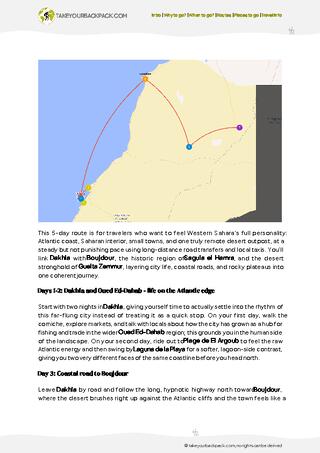
Use the Western Sahara Travel Guide’s 2, 3 & 5-day routes as a starting point to plan a trip that actually works on the ground.

Get the Travel Guide -

🌤️ When to go?When to go for the best experience


  • Weather: Tifariti sits in the Sahara’s embrace, so summers scorch with highs often above 40°C (104°F). Winters cool down to a comfortable 15-20°C (59-68°F), making the dry season from November to February the sweet spot for hiking and exploring without melting into the sand.

  • Temperature: Daytime heat in summer can be relentless, pushing past 40°C (104°F), while nights barely drop below 30°C (86°F), which drains energy fast. Winter days hover around 20°C (68°F), with chilly nights near 5°C (41°F), so pack layers for dawn and dusk.

  • Daylight Hours: The Sahara’s daylight is steady year-round, roughly 11 to 13 hours. Winter days are shorter but offer softer light, perfect for photography and long walks without the harsh midday glare.

  • Crowds: Tifariti is remote and rarely crowded. Visiting
read more 👉

  • Weather: Tifariti sits in the Sahara’s embrace, so summers scorch with highs often above 40°C (104°F). Winters cool down to a comfortable 15-20°C (59-68°F), making the dry season from November to February the sweet spot for hiking and exploring without melting into the sand.

  • Temperature: Daytime heat in summer can be relentless, pushing past 40°C (104°F), while nights barely drop below 30°C (86°F), which drains energy fast. Winter days hover around 20°C (68°F), with chilly nights near 5°C (41°F), so pack layers for dawn and dusk.

  • Daylight Hours: The Sahara’s daylight is steady year-round, roughly 11 to 13 hours. Winter days are shorter but offer softer light, perfect for photography and long walks without the harsh midday glare.

  • Crowds: Tifariti is remote and rarely crowded. Visiting in the cooler months means you’ll likely have the vast desert to yourself, enhancing the sense of solitude and raw landscape connection.

  • Seasonal Activities: Winter months allow for trekking and cultural encounters without the risk of heat exhaustion. Summer’s extreme heat limits outdoor activity to early mornings or late evenings, which can disrupt plans.

  • Price Fluctuations: Given Tifariti’s remoteness and limited tourism infrastructure, prices remain relatively stable year-round. However, travel costs can spike slightly in winter due to increased demand from those escaping colder climates elsewhere.


Pro-tip: Aim for late autumn or early spring to catch mild temperatures and clear skies—this window balances comfort and atmosphere, letting you savor Tifariti’s stark beauty without the Sahara’s brutal extremes.


source: climatestotravel.comJANJanuary: excellent for travelingFEBFebruary: excellent for travelingMARMarch: highly recommended for travelingAPRApril: good for travelingMAYMay: fair for travelingJUNJune: below average for travelingJULJuly: below average for travelingAUGAugust: below average for travelingSEPSeptember: fair for travelingOCTOctober: highly recommended for travelingNOVNovember: excellent for travelingDECDecember: excellent for traveling
when-to-go

✈️ The backpacker research shortcutWestern Sahara Travel Guide

An offline-friendly backpacking guide with optimized travel routes, ranked highlights, transport advice, and the best areas to stay.
example page 0 from our offline Travel Guide for Western Saharaexample page 1 from our offline Travel Guide for Western Saharaexample page 2 from our offline Travel Guide for Western Saharaexample page 3 from our offline Travel Guide for Western Saharaexample page 4 from our offline Travel Guide for Western Saharaexample page 5 from our offline Travel Guide for Western Sahara
The digital guide (106 pages) contains:
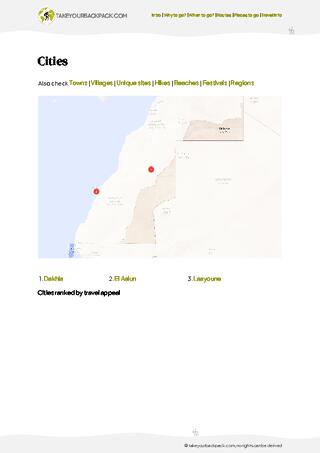
22 highlights, ranked by travel appeal
Optimized 2, 3 & 5-day travel routes
Best neighborhoods to stay
How to get around
Offline-friendly for travel without Wi-Fi
👉 See all 30+ guide features

📅 Plan smarter in minutes, not weeks
Month by month travel advice
Festivals & national holidays
Budget expectations

🗺️ Go to the right places, skip the overrated ones
Honest pros & cons of destinations
Top hikes, parks & viewpoints
Lesser-known places most travelers miss
Clear “worth it vs skip it” guidance

🛏️ Travel smoothly without rookie mistakes
Best areas to stay
Transport systems explained simply
Common scams & safety advice
SIM cards, money & practical tips

🌍 Understand the country, not just visit it
Culture & traditions
52 Essential phrases & customs
Festivals worth planning around
Traveler-friendly historical context
Insights that make places more meaningful

📱 Built for real travel conditions
Fully downloadable PDF
Works completely offline
Optimized for phone use
Useful in remote areas & buses
Everything in one place
Save weeks of stressful planning
Get instant access to the full guide directly. 30-day money-back guarantee.


Sent to your inbox immediately after payment • 100% Secure Checkout
Best Backpacking Travel Advisor 2025 tourism awardBest Backpacking
Travel Advisor
2025
What others say about Take Your Backpack Guides:
⭐⭐⭐⭐⭐
Fantastic, amazing amount of information!
⭐⭐⭐⭐⭐
My goodness this is amazing, it's what I've been looking for hats off too you!
⭐⭐⭐⭐⭐
I think this is absolutely BRILLIANT
⭐⭐⭐⭐
Very complete and informative. It's still missing places, but I gotta to commend you
⭐⭐⭐⭐⭐
This is truly amazing, thank you, can't wait to explore it with my kids!
⭐⭐⭐⭐⭐
Awesome resource, thank you!
⭐⭐⭐⭐⭐
This is amazing! Can't wait to explore the ones I haven't seen
⭐⭐⭐⭐
I love this! Well done, great idea.
⭐⭐⭐⭐⭐
Thanks for taking the time to make this gem!
⭐⭐⭐⭐⭐
This might be the best website I've ever seen.
⭐⭐⭐⭐⭐
Congratulations, and thank you so much for your work; it's incredibly valuable.
⭐⭐⭐⭐
In all seriousness I think you did a great job pointing out the important spots
⭐⭐⭐⭐⭐
10/10 very good
⭐⭐⭐⭐⭐
As someone who's only just starting to visit regularly this is awesome, thank you.
⭐⭐⭐⭐
Thank you very much! I'm going to visit my dad, it's going to be very useful!
⭐⭐⭐⭐⭐
This is really cool! We'll be travelling for the first time and this definitely come in handy.
⭐⭐⭐⭐⭐
You are now our minister of culture, congratulations 👨‍💼
⭐⭐⭐⭐⭐
Just wanted to tell you that this is a pearl! Going to follow your recommendations.
⭐⭐⭐⭐⭐
This is so cool. I'll definitely be using the resource for my travels soon.
⭐⭐⭐⭐⭐
This is very impressive! Good work.
⭐⭐⭐⭐⭐
This is an amazing and informative site. Very well done!

🛏️ Where to stay?Where staying makes the most sense

Tifariti isn’t your typical backpacker hotspot, but that’s exactly why its central district is the smart choice for anyone rolling in on a budget or flying solo. This area is where the pulse of the town beats strongest—dusty streets lined with simple cafés and communal spaces where locals and travelers naturally gravitate. Staying here means you’re plugged into the social rhythm, with easy access to informal meetups and the chance to swap stories over mint tea under the sharp Saharan sun.

Safety isn’t just about low crime here; it’s about being where people know each other and watch out for newcomers. … read more 👉
Tifariti isn’t your typical backpacker hotspot, but that’s exactly why its central district is the smart choice for anyone rolling in on a budget or flying solo. This area is where the pulse of the town beats strongest—dusty streets lined with simple cafés and communal spaces where locals and travelers naturally gravitate. Staying here means you’re plugged into the social rhythm, with easy access to informal meetups and the chance to swap stories over mint tea under the sharp Saharan sun.

Safety isn’t just about low crime here; it’s about being where people know each other and watch out for newcomers. The central district’s compact layout makes it easy to navigate on foot, so you won’t waste energy or money on transport. Hostels, while sparse, cluster here because it’s the logical hub—offering basic but clean accommodations that encourage interaction rather than isolation.

Venture outside this core, and you’ll find the outskirts less welcoming—more isolated, with fewer services and a heavier military presence that can feel intimidating rather than protective. The central district’s lively, grounded atmosphere is your best bet to soak in Tifariti’s unique blend of resilience and community without the hassle of feeling like an outsider.

🚌 Getting aroundHow to get around Tifariti

Tifariti moves at its own pace, a rhythm shaped by the desert’s vast silence and the slow pulse of a town rebuilding itself amid shifting sands and history. There’s no rush here, no strict timetables etched in stone. Instead, you’ll find a flow that leans on intuition and local cues—like the way the sun hits the dusty streets or the distant hum of a lone pickup truck kicking up dust. It’s a place where the day’s light fades gently into evening, and your best moves come from reading the subtle signs around you, not from a printed schedule. This isn’t a city of buses arriving on the dot; it’s a place where patience and a keen eye unlock smoother travel.

Walking: The heart of Tifariti is compact enough to explore on foot. Walking lets you soak in the dry, sun-baked air, the cracked earth underfoot, … read more 👉
Tifariti moves at its own pace, a rhythm shaped by the desert’s vast silence and the slow pulse of a town rebuilding itself amid shifting sands and history. There’s no rush here, no strict timetables etched in stone. Instead, you’ll find a flow that leans on intuition and local cues—like the way the sun hits the dusty streets or the distant hum of a lone pickup truck kicking up dust. It’s a place where the day’s light fades gently into evening, and your best moves come from reading the subtle signs around you, not from a printed schedule. This isn’t a city of buses arriving on the dot; it’s a place where patience and a keen eye unlock smoother travel.

Walking: The heart of Tifariti is compact enough to explore on foot. Walking lets you soak in the dry, sun-baked air, the cracked earth underfoot, and the quiet hum of daily life. It’s free, flexible, and the best way to catch the small details—the scent of sagebrush, the rough texture of adobe walls, the way shadows stretch across the sand as the sun dips. Expect to cover most of the town’s key spots within 30 to 45 minutes on foot.

Shared Taxis (Grand Taxis): These are the workhorses of local transit. They don’t run on a strict schedule but leave when full, which means you’ll wait, sometimes under the hot sun, until enough passengers gather. Fares are cheap, usually a few dollars for short trips, but comfort is basic—think hard seats and a tight squeeze. They’re your best bet for hopping between Tifariti and nearby villages or checkpoints, especially if you’re traveling light and patient.

Private Car Hire: For a bit more cash, you can rent a car with a driver. This option is faster and more comfortable, letting you set your own schedule and explore beyond the town’s edges without waiting. Prices vary, but expect to pay significantly more than shared taxis. The trade-off is worth it if you want to chase the sunset over the desert or reach remote spots where public transport doesn’t dare go.

Bicycle Rental: If you’re up for a bit of physical effort, renting a bike is a solid middle ground. The terrain is mostly flat but sandy, so a sturdy mountain bike is essential. Riding lets you cover more ground than walking, with the freedom to stop wherever the light catches your eye. Rentals are affordable, and the breeze cutting through the dry heat is a welcome relief on a sunny day.

Occasional Minibus Services: Less frequent and less reliable, minibuses sometimes run between Tifariti and larger towns on market days or special occasions. They’re cheap and can be faster than shared taxis but require flexibility and a willingness to wait. If your timing aligns, they offer a glimpse into the local hustle, packed with traders and travelers sharing stories as the vehicle bumps along dusty roads.

Mastering Tifariti’s transit means embracing its unhurried tempo. The payoff is a travel experience that feels earned—each journey a small adventure through a landscape that demands you slow down, look closer, and move with the town’s natural rhythm.

👛 Costs (as of 17 February 2026)Travel costs and budget guide for Tifariti

Backpacking in Tifariti, Western Sahara, is a raw, off-the-grid experience where every euro or dollar stretches differently than in more touristy spots. The town’s sparse infrastructure means costs are modest but expect to pay a premium for the few available services.
  • Dorm Accommodation: Options are extremely limited, mostly basic guesthouses or local homestays rather than formal hostels. Prices hover around €10-15 per night. Expect simple rooms with minimal amenities—think a bed, a fan, and a shared bathroom.
  • Meals: Food is straightforward and local. A meal at a small eatery or from street vendors typically costs €3-5. Fresh bread, tagines, and simple stews dominate. Western-style or imported foods are rare and pricier, so sticking to local fare is both economical and authentic.
  • Local
read more 👉
Backpacking in Tifariti, Western Sahara, is a raw, off-the-grid experience where every euro or dollar stretches differently than in more touristy spots. The town’s sparse infrastructure means costs are modest but expect to pay a premium for the few available services.
  • Dorm Accommodation: Options are extremely limited, mostly basic guesthouses or local homestays rather than formal hostels. Prices hover around €10-15 per night. Expect simple rooms with minimal amenities—think a bed, a fan, and a shared bathroom.
  • Meals: Food is straightforward and local. A meal at a small eatery or from street vendors typically costs €3-5. Fresh bread, tagines, and simple stews dominate. Western-style or imported foods are rare and pricier, so sticking to local fare is both economical and authentic.
  • Local Transport: Tifariti is small, so most movement is on foot. For longer trips, shared taxis or minibuses to nearby towns cost around €2-5. Renting a bike is an option but not widespread, and fuel for private vehicles is relatively expensive given the remote location.
  • Basic Activities/Entry Fees: The main draw is exploring the desert landscape and historical sites related to the Sahrawi conflict. Entry fees are minimal or non-existent, but hiring a local guide for €10-20 can enrich the experience and ensure safety in this politically sensitive area.
  • Miscellaneous Expenses: Water, snacks, and occasional phone credit top up will add about €2-4 daily. Internet access is patchy and often requires buying local SIM cards, which can cost around €5-10 upfront.

The total daily budget for backpacking in Tifariti typically falls between €22 and €40. This range reflects the balance between basic living and occasional guided experiences, with the understanding that the town’s remoteness means fewer conveniences but a deeply grounded, authentic encounter with the Sahara’s stark beauty.


source: saharawi.org
⚠️ Prices can change and everyone travels differently, so take this as a rough guide. Hope it helps you plan your adventure!

🚌 Day tripsWhere to go beyond the main area

Tifariti is a unique base for exploring the rugged beauty of Western Sahara. With its rich history and stunning landscapes, you can easily embark on day trips that reveal the heart of this region. Here are some worthwhile adventures that will elevate your experience.

Chott el Jerid
This vast salt flat is a surreal sight, especially at sunrise when the light dances across the crust, creating a shimmering mirage. The drive takes about two hours, and the cost is minimal—just a few dirhams for transport. Bring plenty of water and snacks; the desolation can be deceptive. Many first-timers underestimate the sun’s intensity, so wear a hat and sunscreen. The stark beauty of the salt flats will leave you in awe, a perfect backdrop for photography.


Oasis of Figuig
About three hours from Tifariti, … read more 👉
Tifariti is a unique base for exploring the rugged beauty of Western Sahara. With its rich history and stunning landscapes, you can easily embark on day trips that reveal the heart of this region. Here are some worthwhile adventures that will elevate your experience.

Chott el Jerid
This vast salt flat is a surreal sight, especially at sunrise when the light dances across the crust, creating a shimmering mirage. The drive takes about two hours, and the cost is minimal—just a few dirhams for transport. Bring plenty of water and snacks; the desolation can be deceptive. Many first-timers underestimate the sun’s intensity, so wear a hat and sunscreen. The stark beauty of the salt flats will leave you in awe, a perfect backdrop for photography.


Oasis of Figuig
About three hours from Tifariti, this lush oasis is a refreshing contrast to the surrounding desert. The journey is worth it for the date palms and flowing water that create a serene atmosphere. Expect to spend around 100 dirhams for transport. The best time to visit is in spring when the flowers bloom, adding color to the landscape. A common mistake is to rush through; take your time to wander the narrow paths and soak in the tranquility.


Erg Chebbi Dunes
These iconic sand dunes are a must-see, just a short drive of about two and a half hours. The golden sands shift with the wind, creating an ever-changing landscape. Costs are reasonable, around 150 dirhams for a shared taxi. Aim for late afternoon to catch the sunset; the colors are breathtaking. Many travelers forget to bring a good camera or even a simple picnic. Trust me, you’ll want to savor this moment.


Laayoune
A bustling city about three hours away, Laayoune offers a glimpse into local life. Explore the markets filled with spices and textiles, and enjoy a meal of fresh fish by the coast. Budget around 200 dirhams for transport and lunch. The best time to visit is during the cooler months, from October to March. First-timers often miss the local eateries; don’t settle for tourist traps. Dive into the authentic flavors instead.
👉 Explore Laayoune

Each of these trips offers a unique perspective on the region, making Tifariti an ideal launchpad for your Saharan adventures.
Want to know what more Western Sahara offers?
The Western Sahara Travel Guide describes 22 highlights, from cities to national parks, from beaches to hikes

Get the Travel Guide -

🛡️ SafetySafety Tips and Common Scams in Tifariti

Tifariti is generally safe, but like any place, a little awareness goes a long way. The atmosphere is relaxed, but keep your eyes peeled in crowded areas, especially near markets. That’s where pickpockets might lurk, so wear a crossbody bag and keep your valuables close.

If you’re traveling solo, the daylight hours are your best friend. The sun sets early, and while the town feels calm at night, it’s wise to stick to well-lit areas. A stroll under the stars can be magical, but avoid wandering too far off the beaten path after dark.

Scams are rare, but be cautious of overly friendly locals offering unsolicited help. Politely decline and trust your instincts. Everyday annoyances might include the occasional stray dog or a vendor who’s a bit too persistent. A firm but friendly “no, thank you” … read more 👉
Tifariti is generally safe, but like any place, a little awareness goes a long way. The atmosphere is relaxed, but keep your eyes peeled in crowded areas, especially near markets. That’s where pickpockets might lurk, so wear a crossbody bag and keep your valuables close.

If you’re traveling solo, the daylight hours are your best friend. The sun sets early, and while the town feels calm at night, it’s wise to stick to well-lit areas. A stroll under the stars can be magical, but avoid wandering too far off the beaten path after dark.

Scams are rare, but be cautious of overly friendly locals offering unsolicited help. Politely decline and trust your instincts. Everyday annoyances might include the occasional stray dog or a vendor who’s a bit too persistent. A firm but friendly “no, thank you” usually does the trick.

Overall, embrace the experience with confidence, and you’ll find Tifariti rewarding.

Other Sahrawi towns near Tifariti

Explore more nearby:

  • Mahbes—border proximity, fortified structures, sparse population| 204 km away
  • Boujdour—Atlantic coastline, fishing port, lighthouse| 392 km away
  • Tichla—remote settlement, desert plateau, limited infrastructure| 678 km away

👉 Discover all towns

Or checkout all Western Sahara has to offer (think cities, towns, villages, national parks, hikes, beaches, festivals)
Country photo of Western Sahara

We 💚 feedbackSumming up the experience

Tifariti is raw and real, a place where the desert whispers secrets. The golden dunes stretch endlessly, and the air carries a hint of sage. You’ll find warmth in the people, who share stories over sweet mint tea. The best surprise? The night sky—it’s a blanket of stars that feels almost touchable. Just a heads-up: the heat can be relentless, so pace yourself. Embrace the grit; it’s part of the charm. This isn’t just a destination; it’s a journey into the heart of the Sahara.

✍️ Help improve this page!
The information on this page is based on in-depth research, insights shared by experienced travelers, and feedback from the local travel community in Western Sahara. While every effort is made to keep the information accurate and current, conditions can change — so if you spot anything incorrect or outdated, please get in touch.


🙋‍♂️ Give feedback

👋 Meet the founderWho’s Behind Take Your Backpack?

Johan, backpacker and founder of TakeYourBackpackHi, I’m Johan (Netherlands 🇳🇱), the creator of TakeYourBackpack. Over the past decade, I’ve backpacked through 80+ countries across six continents, gaining extensive experience with independent travel, long-term trips, and overland routes.

This site is built on a combination of firsthand travel experience and carefully curated insights from other backpackers. Many guides are based on places I’ve personally visited, while others bring together tips, observations, and practical advice shared by trusted travelers I’ve met along the way.

The goal is to provide realistic, experience-driven guidance — not generic itineraries — so you can explore destinations with better context, clearer expectations, and more confidence.

Get Full Country Guide |
Instant download • 22 highlights • Full Offline guide