
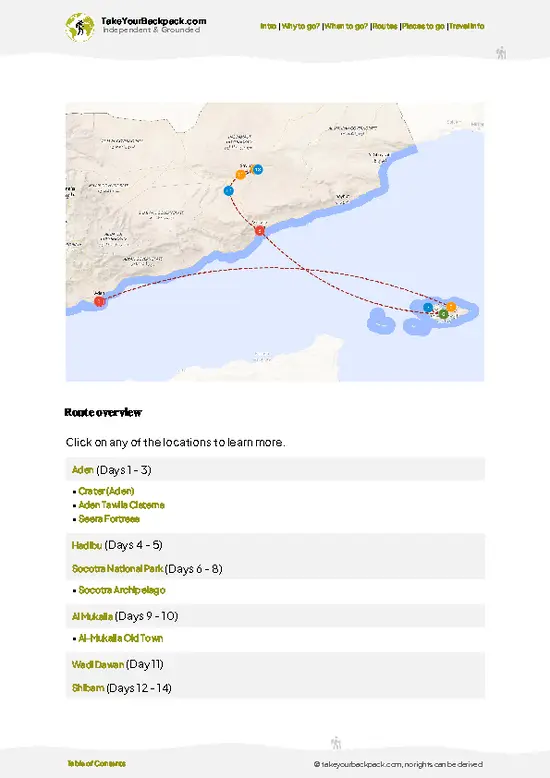
The Fishermen’s Morning Market
Forget the Instagram fantasy of empty, sun-drenched docks. At sunrise, Al-Mukalla’s port is a living, breathing engine. You’ll see barefoot fishermen hauling in the night’s catch—tuna, grouper, and the occasional shark—straight from battered wooden dhows. The bargaining is loud, the air thick with salt and diesel, and the spectacle is pure, unscripted theater. This is not a curated show for tourists; it’s the city’s pulse, and you’re in the front row.
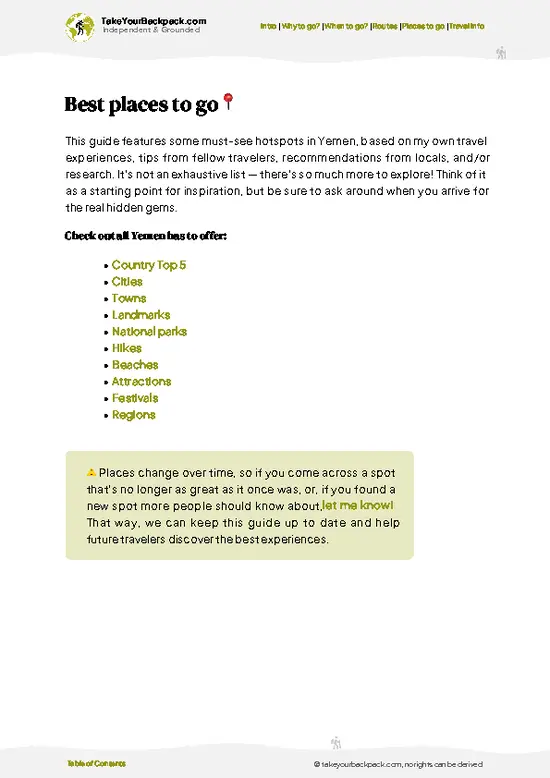
The Ottoman-Era Seafront Houses
The waterfront’s row of crumbling, pastel-washed mansions is a lesson in faded grandeur. These aren’t museum pieces—they’re lived-in, patched up, and sometimes half-collapsed. Look for the mashrabiya (latticework balconies) and the carved doors, each battered by monsoon winds and … read more 👉
The Fishermen’s Morning Market
Forget the Instagram fantasy of empty, sun-drenched docks. At sunrise, Al-Mukalla’s port is a living, breathing engine. You’ll see barefoot fishermen hauling in the night’s catch—tuna, grouper, and the occasional shark—straight from battered wooden dhows. The bargaining is loud, the air thick with salt and diesel, and the spectacle is pure, unscripted theater. This is not a curated show for tourists; it’s the city’s pulse, and you’re in the front row.
The Ottoman-Era Seafront Houses
The waterfront’s row of crumbling, pastel-washed mansions is a lesson in faded grandeur. These aren’t museum pieces—they’re lived-in, patched up, and sometimes half-collapsed. Look for the mashrabiya (latticework balconies) and the carved doors, each battered by monsoon winds and decades of salt spray. The beauty here isn’t in perfection, but in the stubborn survival of history against the odds.
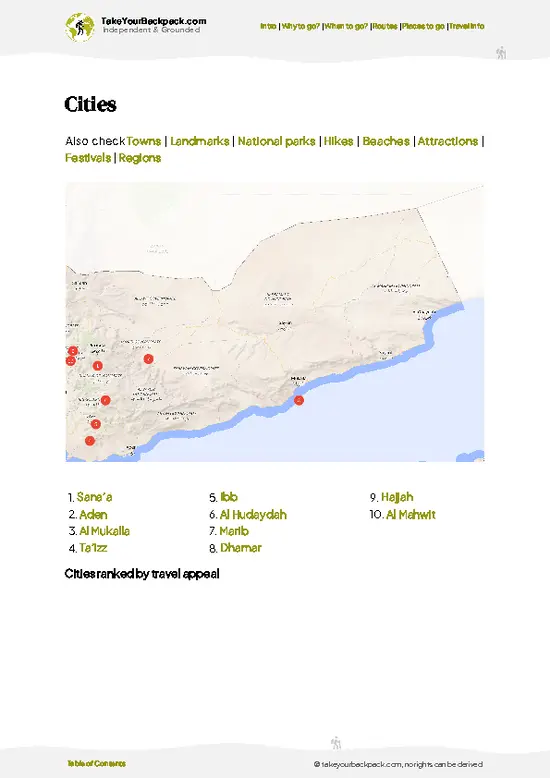
Al-Ghwayzi Fortress
Perched above the port, this 19th-century fortress is the city’s stone guardian. The climb is hot and dusty, but the payoff is a panoramic view that puts the city’s geography in perspective: the turquoise Arabian Sea, the maze of alleyways, and the stark, ochre cliffs that hem in the old town. It’s a reminder that Mukalla has always been a crossroads—of trade, of cultures, of ambitions.
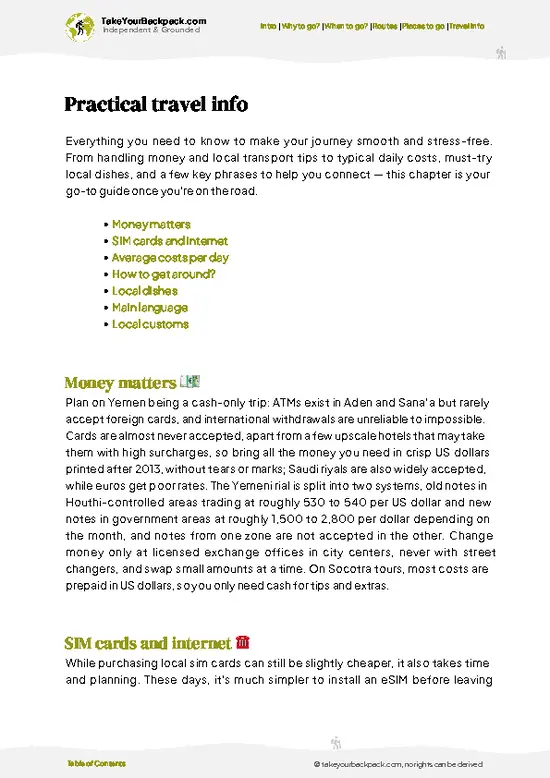
The Old Souq (Market)
This is not a sanitized bazaar for cruise ship crowds. The souq is a labyrinth of alleys where you’ll find everything from frankincense and dried fish to knockoff electronics and qat. The chaos is real, the scents are overwhelming, and the shopkeepers are direct. If you want a souvenir with a story, this is where you earn it—by haggling, laughing, and getting a little lost.
Evening on the Corniche
When the sun drops, locals reclaim the waterfront. Families stroll, teens flirt, and old men play dominoes under flickering streetlights. The sea breeze finally cools the air, and the city’s edge softens. There’s no show here—just the quiet, communal pleasure of being outside, together, in a place that’s endured more than its share of storms.
Spotted a mistake or missing something? Contact us.

 Best Backpacking

 Hi, I’m Johan (Netherlands 🇳🇱), the creator of TakeYourBackpack. Over the past 3 decades, I’ve backpacked through 90+ countries across six continents, gaining extensive experience with independent travel, long-term trips, and overland routes.