
1. The Living Room Where History Was Made
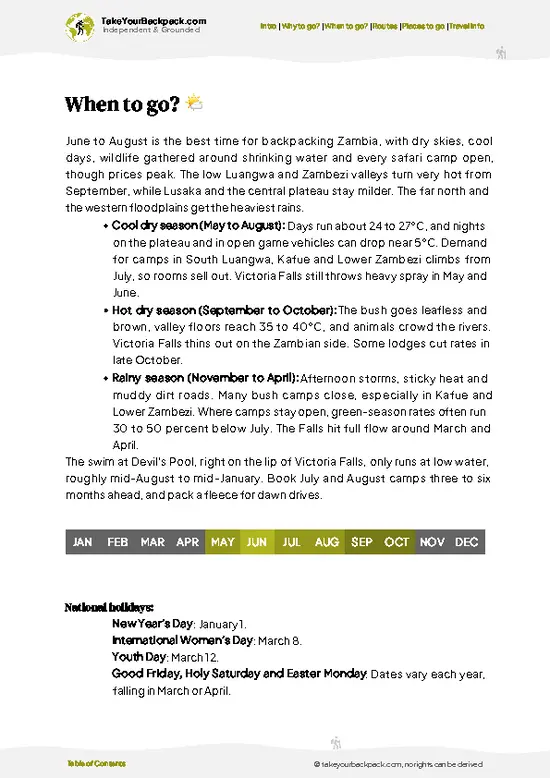
Forget the sterile museum vibe—Chilenje House 394 is a time capsule with real soul. This is where Dr. Kenneth Kaunda, Zambia’s first president, lived and plotted the country’s independence. The furniture isn’t roped off or staged for Instagram. It’s the actual, slightly worn stuff he used. You’re standing in the room where Zambia’s future was debated over chipped mugs and battered notebooks. It’s intimate, a little claustrophobic, and absolutely electric if you let your imagination do its job. No velvet ropes, no glass cases—just the echo of real decisions that changed a nation.
2. The Kitchen That Fed a Revolution
This isn’t your average “period kitchen.” It’s a cramped, utilitarian space where meals were cooked for activists, family, and the occasional … read more 👉
Forget the sterile museum vibe—Chilenje House 394 is a time capsule with real soul. This is where Dr. Kenneth Kaunda, Zambia’s first president, lived and plotted the country’s independence. The furniture isn’t roped off or staged for Instagram. It’s the actual, slightly worn stuff he used. You’re standing in the room where Zambia’s future was debated over chipped mugs and battered notebooks. It’s intimate, a little claustrophobic, and absolutely electric if you let your imagination do its job. No velvet ropes, no glass cases—just the echo of real decisions that changed a nation.
2. The Kitchen That Fed a Revolution
This isn’t your average “period kitchen.” It’s a cramped, utilitarian space where meals were cooked for activists, family, and the occasional … read more 👉
1. The Living Room Where History Was Made
Forget the sterile museum vibe—Chilenje House 394 is a time capsule with real soul. This is where Dr. Kenneth Kaunda, Zambia’s first president, lived and plotted the country’s independence. The furniture isn’t roped off or staged for Instagram. It’s the actual, slightly worn stuff he used. You’re standing in the room where Zambia’s future was debated over chipped mugs and battered notebooks. It’s intimate, a little claustrophobic, and absolutely electric if you let your imagination do its job. No velvet ropes, no glass cases—just the echo of real decisions that changed a nation.
2. The Kitchen That Fed a Revolution
This isn’t your average “period kitchen.” It’s a cramped, utilitarian space where meals were cooked for activists, family, and the occasional undercover visitor. The pots and utensils are original, and you can almost smell the stews that fueled late-night strategy sessions. It’s a reminder that revolutions aren’t just fought in parliament—they’re built over shared meals and whispered conversations in the next room.
3. The Modest Bedroom—A Study in Sacrifice
Kaunda’s bedroom is shockingly humble. No presidential luxury, just a simple bed and a battered wardrobe. It’s a gut-check for anyone who thinks leadership is about perks. The room is small, the mattress thin, and the atmosphere heavy with the weight of responsibility. It’s a visual slap in the face to the Instagram fantasy of “living like a president.” Here, you see the cost of conviction.
4. The Neighboring House for Contrast
Chilenje House isn’t a one-hit wonder. The adjacent house, preserved in its original 1960s state, shows how ordinary Zambians lived at the time. The contrast is sharp and honest—no airbrushing, no nostalgia filter. It’s a rare chance to see the difference between the leader’s life and the average citizen’s, side by side. You get context, not just hero worship.
5. The Unfiltered Neighborhood Setting
This isn’t some manicured monument dropped in a tourist bubble. Chilenje House sits in a real, working-class Lusaka neighborhood. You’ll hear kids playing, smell street food, and dodge the occasional rooster. The monument’s authenticity is amplified by its surroundings—this is living history, not a sanitized diorama. If you want a selfie with a perfect backdrop, look elsewhere. If you want to feel the pulse of Zambia’s past and present colliding, you’re in the right place.
6. The Staff’s Stories—Oral History in Action
Skip the pamphlet and talk to the caretakers. Many have family ties to the independence era and will share stories you won’t find in any guidebook. Their pride is contagious, their honesty refreshing. If you’re lucky, you’ll get a firsthand account of what it meant to live through those years—raw, unscripted, and far more powerful than any plaque on the wall.
Forget the sterile museum vibe—Chilenje House 394 is a time capsule with real soul. This is where Dr. Kenneth Kaunda, Zambia’s first president, lived and plotted the country’s independence. The furniture isn’t roped off or staged for Instagram. It’s the actual, slightly worn stuff he used. You’re standing in the room where Zambia’s future was debated over chipped mugs and battered notebooks. It’s intimate, a little claustrophobic, and absolutely electric if you let your imagination do its job. No velvet ropes, no glass cases—just the echo of real decisions that changed a nation.
2. The Kitchen That Fed a Revolution
This isn’t your average “period kitchen.” It’s a cramped, utilitarian space where meals were cooked for activists, family, and the occasional undercover visitor. The pots and utensils are original, and you can almost smell the stews that fueled late-night strategy sessions. It’s a reminder that revolutions aren’t just fought in parliament—they’re built over shared meals and whispered conversations in the next room.
3. The Modest Bedroom—A Study in Sacrifice
Kaunda’s bedroom is shockingly humble. No presidential luxury, just a simple bed and a battered wardrobe. It’s a gut-check for anyone who thinks leadership is about perks. The room is small, the mattress thin, and the atmosphere heavy with the weight of responsibility. It’s a visual slap in the face to the Instagram fantasy of “living like a president.” Here, you see the cost of conviction.
4. The Neighboring House for Contrast
Chilenje House isn’t a one-hit wonder. The adjacent house, preserved in its original 1960s state, shows how ordinary Zambians lived at the time. The contrast is sharp and honest—no airbrushing, no nostalgia filter. It’s a rare chance to see the difference between the leader’s life and the average citizen’s, side by side. You get context, not just hero worship.
5. The Unfiltered Neighborhood Setting
This isn’t some manicured monument dropped in a tourist bubble. Chilenje House sits in a real, working-class Lusaka neighborhood. You’ll hear kids playing, smell street food, and dodge the occasional rooster. The monument’s authenticity is amplified by its surroundings—this is living history, not a sanitized diorama. If you want a selfie with a perfect backdrop, look elsewhere. If you want to feel the pulse of Zambia’s past and present colliding, you’re in the right place.
6. The Staff’s Stories—Oral History in Action
Skip the pamphlet and talk to the caretakers. Many have family ties to the independence era and will share stories you won’t find in any guidebook. Their pride is contagious, their honesty refreshing. If you’re lucky, you’ll get a firsthand account of what it meant to live through those years—raw, unscripted, and far more powerful than any plaque on the wall.
Spotted a mistake or missing something? Contact us.
v2.webp)

Best Backpacking
Hi, I’m Johan (Netherlands 🇳🇱), the creator of TakeYourBackpack. Over the past decade, I’ve backpacked through 80+ countries across six continents, gaining extensive experience with independent travel, long-term trips, and overland routes.