
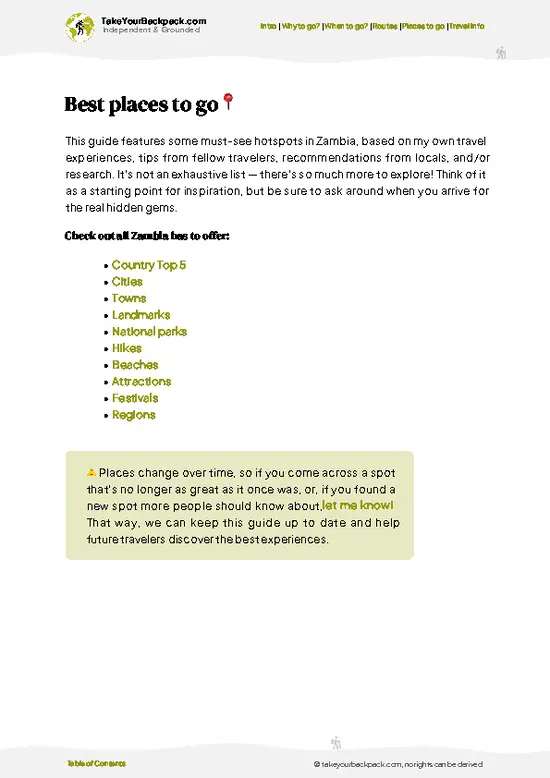
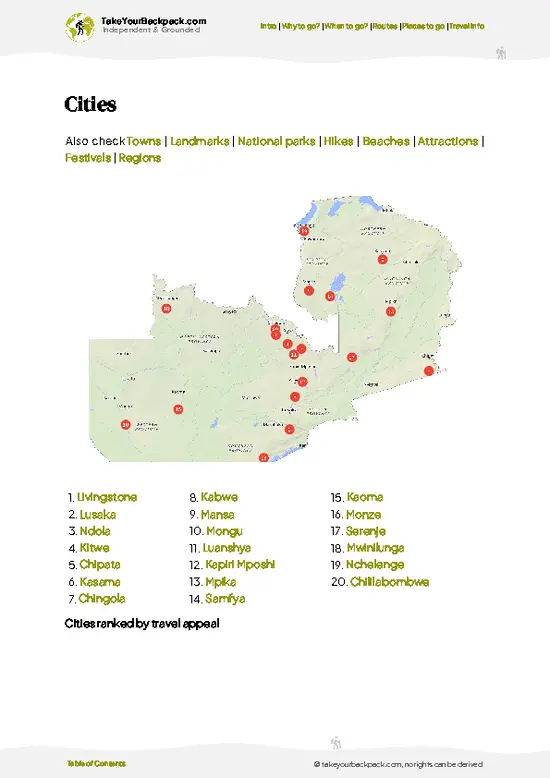
The Social History Gallery
Forget the sanitized, glass-case version of Zambian history. This gallery throws you into the thick of it—colonial-era propaganda posters, battered radios, and the kind of everyday objects that tell the real story of how people lived, hustled, and survived. You’ll see the rise of independence not as a textbook date, but as a lived, messy, and deeply human process. If you want to understand Zambia beyond the safari-brochure clichés, this is where you start.
The Contemporary Art Collection
This isn’t a dusty parade of “tribal” masks. Lusaka National Museum’s upper floor is a riot of color, politics, and personality. Modern Zambian artists don’t pull punches—expect bold canvases, sharp social commentary, and a sense of humor that’s both sly and subversive. The art … read more 👉
Forget the sanitized, glass-case version of Zambian history. This gallery throws you into the thick of it—colonial-era propaganda posters, battered radios, and the kind of everyday objects that tell the real story of how people lived, hustled, and survived. You’ll see the rise of independence not as a textbook date, but as a lived, messy, and deeply human process. If you want to understand Zambia beyond the safari-brochure clichés, this is where you start.
The Contemporary Art Collection
This isn’t a dusty parade of “tribal” masks. Lusaka National Museum’s upper floor is a riot of color, politics, and personality. Modern Zambian artists don’t pull punches—expect bold canvases, sharp social commentary, and a sense of humor that’s both sly and subversive. The art … read more 👉
The Social History Gallery
Forget the sanitized, glass-case version of Zambian history. This gallery throws you into the thick of it—colonial-era propaganda posters, battered radios, and the kind of everyday objects that tell the real story of how people lived, hustled, and survived. You’ll see the rise of independence not as a textbook date, but as a lived, messy, and deeply human process. If you want to understand Zambia beyond the safari-brochure clichés, this is where you start.
The Contemporary Art Collection
This isn’t a dusty parade of “tribal” masks. Lusaka National Museum’s upper floor is a riot of color, politics, and personality. Modern Zambian artists don’t pull punches—expect bold canvases, sharp social commentary, and a sense of humor that’s both sly and subversive. The art here is alive, sometimes confrontational, and always a conversation starter. If you think African art is all wood carvings and beadwork, prepare to have your expectations detonated.
The Freedom Statue Replica
You’ll see the real Freedom Statue in downtown Lusaka, but the museum’s replica and accompanying exhibits dig into the symbolism and the stories behind it. This isn’t just a photo op—it’s a crash course in the grit and sacrifice that fueled Zambia’s fight for independence. The context here matters: you get the backstory, the controversy, and the pride, all in one punchy package.
Children’s Corner
This isn’t a throwaway kids’ zone. It’s a hands-on, interactive space that actually respects young curiosity. Think puzzles, tactile exhibits, and storytelling sessions that pull in local folklore and real-life heroes. If you’re traveling with kids—or just want to see how Zambia teaches its own history—this corner is a breath of fresh air in a world of “do not touch” signs.
Temporary Exhibitions
Here’s where the museum shakes off any whiff of being stuck in the past. The rotating exhibits are where you’ll catch the pulse of contemporary Zambia—whether it’s a showcase of up-and-coming photographers, a deep dive into copper mining culture, or a pop-up about urban street fashion. These shows are unpredictable, sometimes raw, and often more revealing than the permanent collection. If you want to see what Lusaka is thinking about right now, this is your window.
The Museum Grounds
Yes, you’ll see school groups and the occasional tour bus, but step outside and you’ll find locals using the grounds as a meeting spot, a shortcut, or just a place to catch a breeze. The vibe is relaxed, unpretentious, and a reminder that this museum isn’t just for tourists—it’s woven into the city’s daily life. Grab a bench, watch the world go by, and you’ll get a taste of Lusaka’s real rhythm—no filter, no hype.
Forget the sanitized, glass-case version of Zambian history. This gallery throws you into the thick of it—colonial-era propaganda posters, battered radios, and the kind of everyday objects that tell the real story of how people lived, hustled, and survived. You’ll see the rise of independence not as a textbook date, but as a lived, messy, and deeply human process. If you want to understand Zambia beyond the safari-brochure clichés, this is where you start.
The Contemporary Art Collection
This isn’t a dusty parade of “tribal” masks. Lusaka National Museum’s upper floor is a riot of color, politics, and personality. Modern Zambian artists don’t pull punches—expect bold canvases, sharp social commentary, and a sense of humor that’s both sly and subversive. The art here is alive, sometimes confrontational, and always a conversation starter. If you think African art is all wood carvings and beadwork, prepare to have your expectations detonated.
The Freedom Statue Replica
You’ll see the real Freedom Statue in downtown Lusaka, but the museum’s replica and accompanying exhibits dig into the symbolism and the stories behind it. This isn’t just a photo op—it’s a crash course in the grit and sacrifice that fueled Zambia’s fight for independence. The context here matters: you get the backstory, the controversy, and the pride, all in one punchy package.
Children’s Corner
This isn’t a throwaway kids’ zone. It’s a hands-on, interactive space that actually respects young curiosity. Think puzzles, tactile exhibits, and storytelling sessions that pull in local folklore and real-life heroes. If you’re traveling with kids—or just want to see how Zambia teaches its own history—this corner is a breath of fresh air in a world of “do not touch” signs.
Temporary Exhibitions
Here’s where the museum shakes off any whiff of being stuck in the past. The rotating exhibits are where you’ll catch the pulse of contemporary Zambia—whether it’s a showcase of up-and-coming photographers, a deep dive into copper mining culture, or a pop-up about urban street fashion. These shows are unpredictable, sometimes raw, and often more revealing than the permanent collection. If you want to see what Lusaka is thinking about right now, this is your window.
The Museum Grounds
Yes, you’ll see school groups and the occasional tour bus, but step outside and you’ll find locals using the grounds as a meeting spot, a shortcut, or just a place to catch a breeze. The vibe is relaxed, unpretentious, and a reminder that this museum isn’t just for tourists—it’s woven into the city’s daily life. Grab a bench, watch the world go by, and you’ll get a taste of Lusaka’s real rhythm—no filter, no hype.
Spotted a mistake or missing something? Contact us.
v2.webp)


Best Backpacking
Hi, I’m Johan (Netherlands 🇳🇱), the creator of TakeYourBackpack. Over the past decade, I’ve backpacked through 80+ countries across six continents, gaining extensive experience with independent travel, long-term trips, and overland routes.