×

Zambia🇿🇲 | townsMfuweSouth Luangwa gate, leopard drives, walking safaris, Kawaza village | things to do and best time to go

Explore LukuluExplore Kalabo

Backpacking in Mfuwe
🏆 Top picktown ranked #1
By Johan Kruseman 🇳🇱 | Updated October 22, 2026

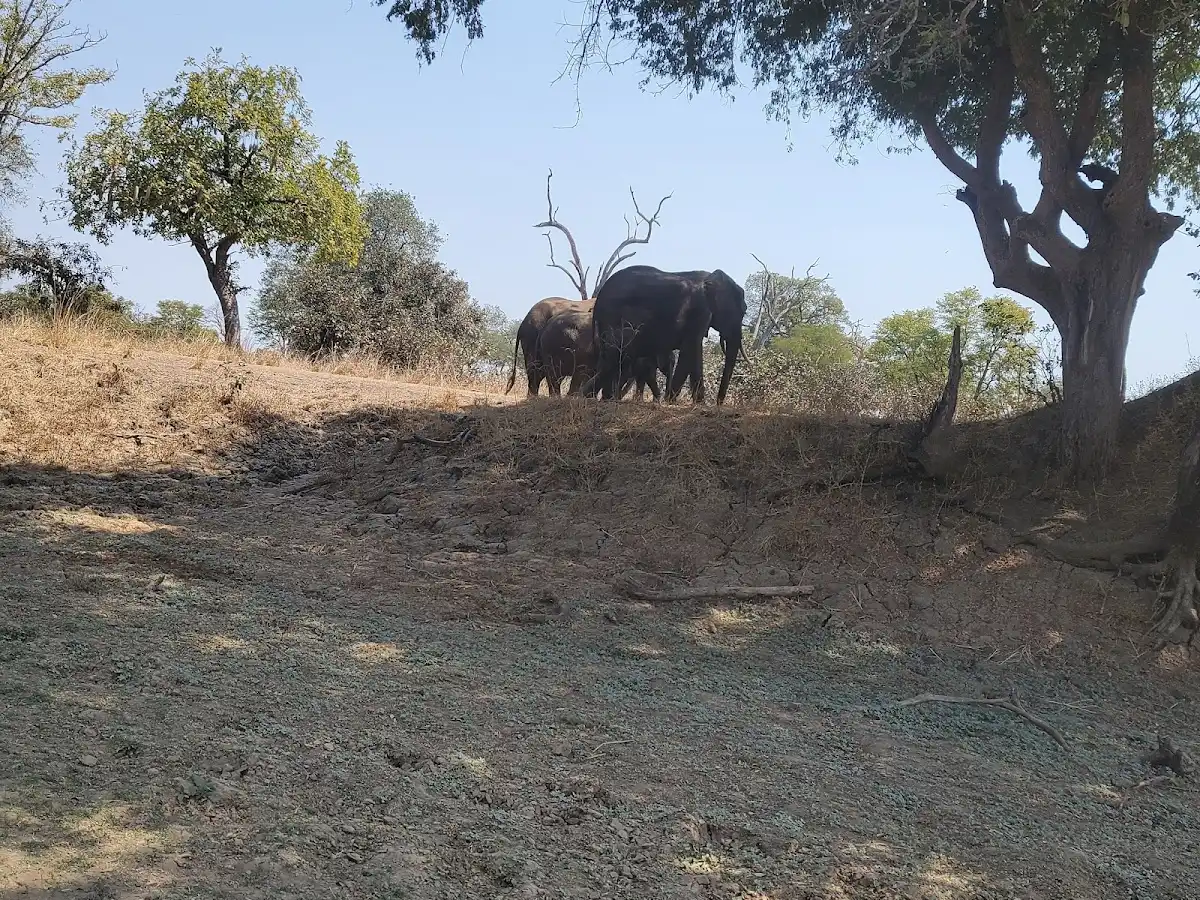
Every November and December, wild elephants stroll through the open lobby of a Mfuwe lodge to reach a fruiting mango tree, and animals wander the roads here all year. Mfuwe sits in the east of Zambia, in Eastern Province, at the gate of South Luangwa National Park. Don’t expect a town to explore. You get roadside shops, a small market, riverside camps and an airstrip with international flights, so skip the settlement and head straight for the river. Game drives, guided walks and hippo-watching from a camp deck are the whole point. Getting here takes effort, by plane or a long road, but campsites and dorm-style camps make it easy to meet other travelers around a fire and split vehicle costs. Evenings are quiet and early because dawn drives start early. Unlike Chipata, the supply town to the south-east with banks and big markets but no wildlife, Mfuwe is where you come to see animals.

Discover everything you want to know in the 📖 Zambia Travel Guide.


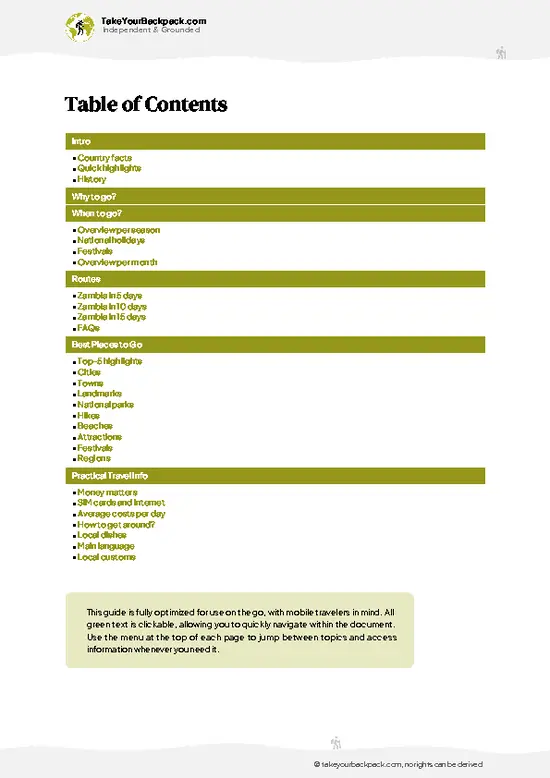
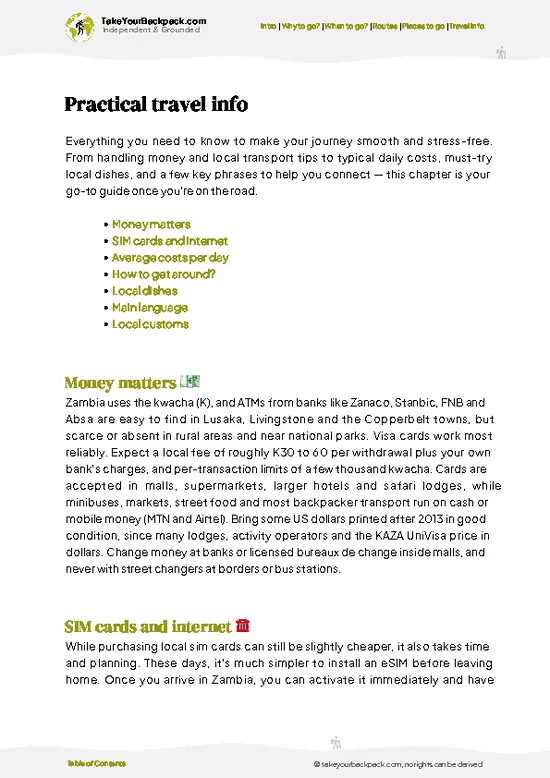
example page 0 from our offline Travel Guide for Zambia
example page 1 from our offline Travel Guide for Zambia
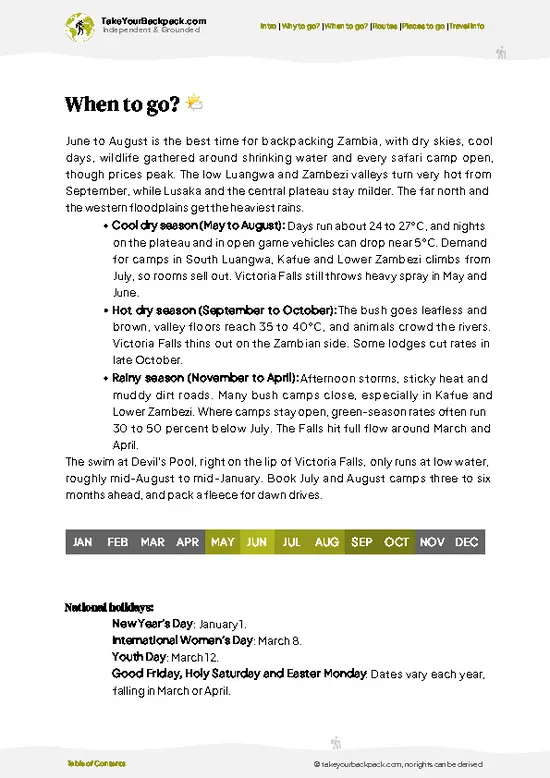
example page 2 from our offline Travel Guide for Zambia
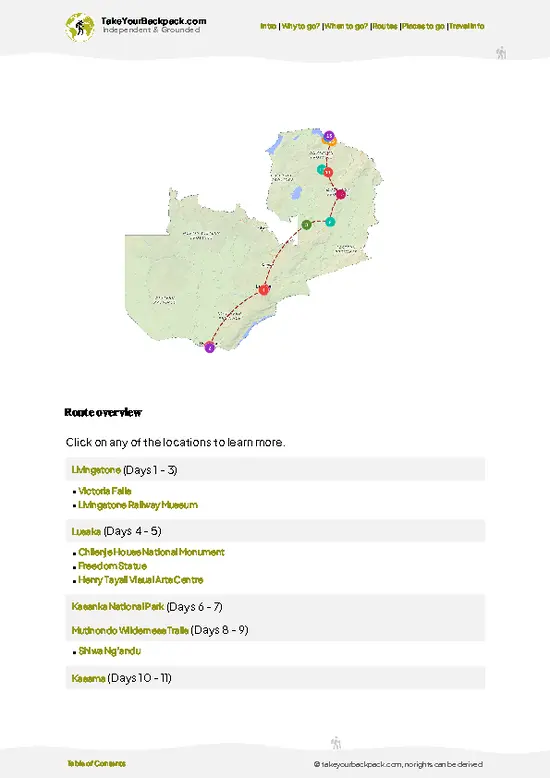
example page 3 from our offline Travel Guide for Zambia
example page 4 from our offline Travel Guide for Zambia
example page 5 from our offline Travel Guide for Zambia
example page 6 from our offline Travel Guide for Zambia
example page 7 from our offline Travel Guide for Zambia
Loading the map 🌍
CLICK TO FILTER
cities
towns
landmarks
national parks
hikes
beaches
attractions
festivals
regions
SHOW COUNTRY’S BESTSHOW ALL

✨ Why go?
Ranked #1 town in Zambia
The unique appeal for travelers

Mfuwe is the doorway to South Luangwa, and that single fact justifies the detour. Leopards, wild dogs, giraffe and huge herds of buffalo and elephant live along the Luangwa River, and the valley is known for sightings that smaller parks rarely match. The place also has a safari history that shows: walking safaris with armed guides were pioneered in this valley, and you can still cover the bush on foot, hearing the grass rustle and tracking spoor.

Most backpackers stay three or four nights. That is long enough for two or three drives, one walk and a cultural visit, such as a village tour at Kawaza. The social scene is campfire-based, with shared tables, shared vehicles and easy chat about yesterday’s sightings. It suits solo travelers who want company without nightlife, hikers who prefer bush … read more 👉
Mfuwe is the doorway to South Luangwa, and that single fact justifies the detour. Leopards, wild dogs, giraffe and huge herds of buffalo and elephant live along the Luangwa River, and the valley is known for sightings that smaller parks rarely match. The place also has a safari history that shows: walking safaris with armed guides were pioneered in this valley, and you can still cover the bush on foot, hearing the grass rustle and tracking spoor.

Most backpackers stay three or four nights. That is long enough for two or three drives, one walk and a cultural visit, such as a village tour at Kawaza. The social scene is campfire-based, with shared tables, shared vehicles and easy chat about yesterday’s sightings. It suits solo travelers who want company without nightlife, hikers who prefer bush walking to summits, and slow travelers who like watching a river from a chair. If you are on a tight schedule or dislike early starts, this is a hard stop to justify. Everything good happens at dawn and dusk, so the middle of the day is for napping.

💡 HighlightsDon't-miss highlights and experiences

  1. South Luangwa National Park: The reason Mfuwe exists. Morning and evening game drives cover floodplain, mopane woodland and lagoons, with leopard sightings among the best in Africa. Dry months from roughly June to October concentrate animals at the river; the green season is quiet and lush but muddy. Foreign visitors pay about US$25 a day at the gate plus vehicle fees, and shared drives run about US$40 to 70 per person for 3 to 4 hours.
  2. Walking safari in South Luangwa: Guided walks led by a scout and a guide teach you tracks, dung, birds and insects, and put you at ground level with elephants at a safe distance. Start early to beat the heat. Expect about US$50 to 80 per person including park fees, for 3 to 4 hours.
  3. Kawaza Village: A community tour of a Kunda village near the park boundary, taking
… read more 👉
  1. South Luangwa National Park: The reason Mfuwe exists. Morning and evening game drives cover floodplain, mopane woodland and lagoons, with leopard sightings among the best in Africa. Dry months from roughly June to October concentrate animals at the river; the green season is quiet and lush but muddy. Foreign visitors pay about US$25 a day at the gate plus vehicle fees, and shared drives run about US$40 to 70 per person for 3 to 4 hours.
  2. Walking safari in South Luangwa: Guided walks led by a scout and a guide teach you tracks, dung, birds and insects, and put you at ground level with elephants at a safe distance. Start early to beat the heat. Expect about US$50 to 80 per person including park fees, for 3 to 4 hours.
  3. Kawaza Village: A community tour of a Kunda village near the park boundary, taking in a school, a traditional healer and a home. Income helps local projects. Go in the morning when the school is in session. Tours cost roughly US$25 to 40 and last 2 to 3 hours.
  4. Tribal Textiles: A studio where local artists hand-paint and print cotton with animal designs. You can watch the work and shop at the on-site store. Visit in the late morning when staff are working. It is free to browse, and an hour is plenty.
  5. Luangwa River at Mfuwe Bridge: Hippos wallow below the bridge, crocodiles bask on sandbanks and carmine bee-eaters nest in the banks in the dry season. Stop in the late afternoon for the best light and activity. It is free and takes 30 to 45 minutes.
The bridge viewpoint costs nothing, and Tribal Textiles is free too unless you buy something. For day trips from Mfuwe, look at the Nsefu sector of South Luangwa, quiet Luambe National Park and the villages of the Lupande Game Management Area.
Spotted a mistake or missing something? Contact us.

Things to do near Mfuwe

Ratings based on Tripadvisor reviews. When you book through this link, you support our work at no extra cost to you.

🏘️ NeighborhoodsHow different areas shape the experience

Mfuwe is a scatter of small clusters along one tarmac road, so pick your pockets carefully and skip the rest.
  • Mfuwe Town and the Market Strip is where you go for real life. Vendors sell tomatoes, dried kapenta, airtime and plastic basins beside the main road, and you can grab nshima with beef stew or chicken for a few dollars at simple eateries. Walk it in an hour. There is no nightlife to speak of, and that is fine.
  • Mfuwe Airport and Junction Area deserves a quick look only because this is where transfers arrive and fuel, ATMs and a few shops cluster. Keep moving, there is nothing to linger over.
  • Road to the South Luangwa Gate is the stretch to explore on foot with your eyes up. Baboons, vervet monkeys and the odd elephant cross it, and the roadside craft stalls near the bridge sell carvings
… read more 👉
Mfuwe is a scatter of small clusters along one tarmac road, so pick your pockets carefully and skip the rest.
  • Mfuwe Town and the Market Strip is where you go for real life. Vendors sell tomatoes, dried kapenta, airtime and plastic basins beside the main road, and you can grab nshima with beef stew or chicken for a few dollars at simple eateries. Walk it in an hour. There is no nightlife to speak of, and that is fine.
  • Mfuwe Airport and Junction Area deserves a quick look only because this is where transfers arrive and fuel, ATMs and a few shops cluster. Keep moving, there is nothing to linger over.
  • Road to the South Luangwa Gate is the stretch to explore on foot with your eyes up. Baboons, vervet monkeys and the odd elephant cross it, and the roadside craft stalls near the bridge sell carvings and baskets worth haggling over. It is long, so hitch a ride between bits.
  • Riverfront Lodge Belt along the Luangwa River is where the action is after dark, because the bars and restaurants here serve cold Mosi lager while hippos grunt below. Eat here, but expect safari-lodge prices. Walking at night is a bad idea since wildlife roams freely.
  • Kawaza Village is the one to prioritize if you care about culture. Local guides lead you through homes, a school and a clinic, and you can taste home-brewed beer and sit in on a class. Go in the morning, ask what the fee supports, and carry small bills.

⌛️ 1 day1-day itinerary for Mfuwe

The day is paced around the heat: wildlife viewing at either end, a long rest at midday, and short taxi or camp-vehicle hops in between, with walking only inside camps and with guides in the park.

5:30 AM, Park gate and game drive: Join a shared morning drive from your camp. Cool air makes animals active, and you will likely see elephants, giraffe, puku and possibly lions or leopard near the river. Bring a jacket, because open vehicles are cold before the sun climbs.

10:00 AM, Camp breakfast: Return to a riverside deck for a big meal and a lazy look at hippos. This is a good moment to compare notes with other travelers and arrange tomorrow’s walk.

11:30 AM, Tribal Textiles: Take a short taxi or camp transfer to the studio. Watch artists paint on cotton, then browse the shop. It is quiet, … read more 👉
The day is paced around the heat: wildlife viewing at either end, a long rest at midday, and short taxi or camp-vehicle hops in between, with walking only inside camps and with guides in the park.

5:30 AM, Park gate and game drive: Join a shared morning drive from your camp. Cool air makes animals active, and you will likely see elephants, giraffe, puku and possibly lions or leopard near the river. Bring a jacket, because open vehicles are cold before the sun climbs.

10:00 AM, Camp breakfast: Return to a riverside deck for a big meal and a lazy look at hippos. This is a good moment to compare notes with other travelers and arrange tomorrow’s walk.

11:30 AM, Tribal Textiles: Take a short taxi or camp transfer to the studio. Watch artists paint on cotton, then browse the shop. It is quiet, shaded and a good use of the late morning.

1:00 PM, Midday rest: Nap, read or swim if your camp has a pool. Animals rest too, and the afternoon drive is worth saving energy for.

3:30 PM, Kawaza Village: Visit this village, which sits off the main safari circuit. A local guide walks you through homes, a school and a healer’s compound, and explains how tourism income reaches families. It adds context that a drive cannot.

5:30 PM, Luangwa River at Mfuwe Bridge: Stand on the bridge as hippos grunt in the pools below and crocodiles slide off the banks. Light is warm and birds crowd the trees.

6:30 PM, Camp dinner: Eat by the fire, listen for lions and hyenas, and be in bed early.

🌤️ When to go?Weather, crowds, and seasonal trade-offs

  • Cool Dry Season (May to August): Days reach 25 to 29°C (77 to 84°F) and early mornings on game drives drop to 10 to 14°C (50 to 57°F), so bring a fleece. Roads are firm, the grass is short and animals gather at the river. Daylight runs about 11 hours. Lodge rates climb a little and camps fill up in July and August.
  • Hot Season (September to November): Afternoons hit 35 to 40°C (95 to 104°F). Wildlife viewing is at its best as pools shrink and elephants and hippos crowd the Luangwa. Carmine bee-eaters nest in the riverbanks from about August to November. Expect high prices and busy sightings.
  • Green Season (December to April): Temperatures sit at 24 to 32°C (75 to 90°F) with humidity and heavy downpours. Dirt tracks turn to mud, some camps close, and walking safaris pause. Birdlife is spectacular,
… read more 👉
  • Cool Dry Season (May to August): Days reach 25 to 29°C (77 to 84°F) and early mornings on game drives drop to 10 to 14°C (50 to 57°F), so bring a fleece. Roads are firm, the grass is short and animals gather at the river. Daylight runs about 11 hours. Lodge rates climb a little and camps fill up in July and August.
  • Hot Season (September to November): Afternoons hit 35 to 40°C (95 to 104°F). Wildlife viewing is at its best as pools shrink and elephants and hippos crowd the Luangwa. Carmine bee-eaters nest in the riverbanks from about August to November. Expect high prices and busy sightings.
  • Green Season (December to April): Temperatures sit at 24 to 32°C (75 to 90°F) with humidity and heavy downpours. Dirt tracks turn to mud, some camps close, and walking safaris pause. Birdlife is spectacular, newborn impala appear and rates drop sharply, often by 30 to 50 percent.
Aim for late September or October if you want peak animal action and can handle the heat, or June for comfortable weather.


source: climatestotravel.comJANJanuary: fair for travelingFEBFebruary: fair for travelingMARMarch: fair for travelingAPRApril: good for travelingMAYMay: excellent for travelingJUNJune: highly recommended for travelingJULJuly: excellent for travelingAUGAugust: excellent for travelingSEPSeptember: excellent for travelingOCTOctober: highly recommended for travelingNOVNovember: fair for travelingDECDecember: fair for traveling
zambia-city-mfuwe
© Google |

✈️ The backpacker research shortcutZambia Travel Guide

An offline-friendly backpacking guide with optimized travel routes, ranked highlights, transport advice, and the best areas to stay.
example page 0 from our offline Travel Guide for Zambia
example page 1 from our offline Travel Guide for Zambia
example page 2 from our offline Travel Guide for Zambia
example page 3 from our offline Travel Guide for Zambia
example page 4 from our offline Travel Guide for Zambia
example page 5 from our offline Travel Guide for Zambia
example page 6 from our offline Travel Guide for Zambia
example page 7 from our offline Travel Guide for Zambia
The digital guide (351 pages) contains:
✅ 89 highlights, ranked by travel appeal
✅ Optimized 5, 10 & 15-day travel routes
✅ Cities, national parks, landmarks, beaches
✅ How to get around
✅ Offline-friendly for travel without Wi-Fi
👉 Click to see all 30+ guide features

📅 Plan smarter in minutes, not weeks
✅ Month by month travel advice
✅ Festivals & national holidays
✅ Budget expectations

🗺️ Go to the right places, skip the overrated ones
✅ Honest pros & cons of destinations
✅ Top hikes, parks & viewpoints
✅ Lesser-known places most travelers miss
✅ Clear “worth it vs skip it” guidance

🛏️ Travel smoothly without rookie mistakes
✅ Best areas to stay
✅ Transport systems explained simply
✅ Common scams & safety advice
✅ SIM cards, money & practical tips

🌍 Understand the country, not just visit it
✅ Culture & traditions
✅ 52 Essential phrases & customs
✅ Festivals worth planning around
✅ Traveler-friendly historical context
✅ Insights that make places more meaningful

📱 Built for real travel conditions
✅ Fully downloadable PDF
✅ Works completely offline
✅ Optimized for phone use
✅ Useful in remote areas & buses
✅ Everything in one place
Stop searching, start planning
Get instant access to your full guide. 30‑day money-back guarantee.
+ Add another guide for just

By proceeding you agree to our terms.
Sent to your inbox immediately after payment • 100% Secure Checkout
Best Backpacking Travel Advisor 2025 tourism awardBest Backpacking
Travel Advisor
2025
What others say about Take Your Backpack Guides:
⭐⭐⭐⭐⭐
Fantastic, amazing amount of information!
⭐⭐⭐⭐⭐
My goodness this is amazing, it's what I've been looking for hats off too you!
⭐⭐⭐⭐⭐
I think this is absolutely BRILLIANT
⭐⭐⭐⭐
Very complete and informative. It's still missing places, but I gotta to commend you
⭐⭐⭐⭐⭐
This is truly amazing, thank you, can't wait to explore it with my kids!
⭐⭐⭐⭐⭐
Awesome resource, thank you!
⭐⭐⭐⭐⭐
This is amazing! Can't wait to explore the ones I haven't seen
⭐⭐⭐⭐
I love this! Well done, great idea.
⭐⭐⭐⭐⭐
Thanks for taking the time to make this gem!
⭐⭐⭐⭐⭐
This might be the best website I've ever seen.
⭐⭐⭐⭐⭐
Congratulations, and thank you so much for your work; it's incredibly valuable.
⭐⭐⭐⭐
In all seriousness I think you did a great job pointing out the important spots
⭐⭐⭐⭐⭐
10/10 very good
⭐⭐⭐⭐⭐
As someone who's only just starting to visit regularly this is awesome, thank you.
⭐⭐⭐⭐
Thank you very much! I'm going to visit my dad, it's going to be very useful!
⭐⭐⭐⭐⭐
This is really cool! We'll be travelling for the first time and this definitely come in handy.
⭐⭐⭐⭐⭐
You are now our minister of culture, congratulations 👨‍💼
⭐⭐⭐⭐⭐
Just wanted to tell you that this is a pearl! Going to follow your recommendations.
⭐⭐⭐⭐⭐
This is so cool. I'll definitely be using the resource for my travels soon.
⭐⭐⭐⭐⭐
This is very impressive! Good work.
⭐⭐⭐⭐⭐
This is an amazing and informative site. Very well done!

🛏️ Where to stay?Best areas to stay in Zambia

The best budget stays sit along the Luangwa River near the park gate, where camps with dorms and campsites cluster within a short ride of the safari action. Beds here start at about US$15 to 30 for a dorm or tent space, though they fill fast from June to October, so book ahead. Many of these places serve meals and arrange game drives and transfers, which saves you hunting around a spread-out town. Noise is light, mostly hippos and night birds, and the lodge grounds are fenced or monitored, so wildlife visits are normal. Walk to your room with a torch and stay put after dark.
The second option is … read more 👉
The best budget stays sit along the Luangwa River near the park gate, where camps with dorms and campsites cluster within a short ride of the safari action. Beds here start at about US$15 to 30 for a dorm or tent space, though they fill fast from June to October, so book ahead. Many of these places serve meals and arrange game drives and transfers, which saves you hunting around a spread-out town. Noise is light, mostly hippos and night birds, and the lodge grounds are fenced or monitored, so wildlife visits are normal. Walk to your room with a torch and stay put after dark.
The second option is the junction area and the stretch of road through Mfuwe town, where basic guesthouses charge less, often US$12 to 25 for a private room. This is closer to the market, shops, ATMs and minibus pick-ups for Chipata, so it suits travelers moving through on a tight budget. The trade-off is distance from the park, which means paying for transfers each day. Nights are quiet and the community is calm, but streetlights are sparse, so arrive before dusk. For first-timers, the river camps give better value because transport, food and guided drives are on site.

🚌 Getting aroundHow to get from A to B

From the Mfuwe airport area, most arrivals ride a lodge transfer or a shared taxi along the tarmac to the main junction and onward to the park gate, a drive of about 20 to 30 minutes. Mfuwe is spread out, wildlife crosses the road and public transport is thin, so plan your moves before you set off. Here is what works for a budget traveler.
  • Walking works well during the day around the junction, the market strip and the craft stalls. Stay alert, because elephants and hippos wander the roads and lodge grounds, especially at dawn and dusk. Do not walk after dark, and do not walk the long stretch toward the park gate in the heat. It is too far and too exposed.
  • Minibuses and shared taxis run along the main road between the junction, nearby villages and Chipata town. A short local hop costs US$1 to
… read more 👉
From the Mfuwe airport area, most arrivals ride a lodge transfer or a shared taxi along the tarmac to the main junction and onward to the park gate, a drive of about 20 to 30 minutes. Mfuwe is spread out, wildlife crosses the road and public transport is thin, so plan your moves before you set off. Here is what works for a budget traveler.
  • Walking works well during the day around the junction, the market strip and the craft stalls. Stay alert, because elephants and hippos wander the roads and lodge grounds, especially at dawn and dusk. Do not walk after dark, and do not walk the long stretch toward the park gate in the heat. It is too far and too exposed.
  • Minibuses and shared taxis run along the main road between the junction, nearby villages and Chipata town. A short local hop costs US$1 to 3. Vehicles leave when full, usually between early morning and mid-afternoon, and rarely run after dark. Chipata takes about 2.5 to 3.5 hours by road for US$8 to 12.
  • Motorbike and tuk-tuk taxis cover short distances around the junction and villages for US$2 to 6. Agree the fare first. They are the fastest way to reach Kawaza Village or a stall you spot from the road.
  • Lodge and camp transfers are the practical choice for reaching the park gate and river camps, usually US$10 to 30 per person depending on distance and group size. Book through your accommodation and split the cost with other travelers. It beats any other option on time and safety.
  • Safari vehicles and guided drives are the only sensible way to see wildlife inside South Luangwa National Park. Joining a shared game drive costs around US$40 to 80 per person plus park fees, and it is worth the money since self-driving requires a high-clearance 4x4 and fuel at inflated prices.
Self-drive is possible but fuel stops are scarce, so top up in Chipata before the long road in. Cash in hand is useful, because card machines in the junction area can be unreliable.

👛 Costs (as of 22 October 2026)Travel costs and budget guide for Mfuwe

Mfuwe costs about US$15 to 30 a day for a backpacker who includes safari activities, with a total daily budget of US$127 in high season. Park fees and game drives are the big spenders, while food and beds remain modest.
CategoryBudget RangeLocal Reality
Dorm accommodationUS$15 to 30 (high season), US$10 to 20 (low season)Dorms and campsites are found at river camps, with private rooms in basic guesthouses from about US$12 to 25.
MealsUS$8 to 20Nshima with relish at local eateries costs US$2 to 4, while camp dinners run US$10 to 20.
Local transportUS$5 to 15Shared minibuses cost US$1 to 3 per hop, and camp transfers to the gate cost US$10 to 30.
Basic activities/entry feesUS$60 to 100One shared game drive costs US$40 to 80 plus a daily park fee of about US$25 to 30, and village visits cost US$15
… read more 👉
Mfuwe costs about US$15 to 30 a day for a backpacker who includes safari activities, with a total daily budget of US$127 in high season. Park fees and game drives are the big spenders, while food and beds remain modest.
CategoryBudget RangeLocal Reality
Dorm accommodationUS$15 to 30 (high season), US$10 to 20 (low season)Dorms and campsites are found at river camps, with private rooms in basic guesthouses from about US$12 to 25.
MealsUS$8 to 20Nshima with relish at local eateries costs US$2 to 4, while camp dinners run US$10 to 20.
Local transportUS$5 to 15Shared minibuses cost US$1 to 3 per hop, and camp transfers to the gate cost US$10 to 30.
Basic activities/entry feesUS$60 to 100One shared game drive costs US$40 to 80 plus a daily park fee of about US$25 to 30, and village visits cost US$15 to 30.
Miscellaneous expensesUS$4 to 8Bottled water, a Mosi lager at US$2 to 4, mobile data and small tips.
Total Daily BudgetUS$127Based on one dorm bed, local meals, one shared drive and park fees.
Split a shared game drive and transfer with other travelers at your camp, and cook with market produce if your camp has a kitchen, which cuts costs noticeably.


source: zambiatourism.com
⚠️ Prices can change and everyone travels differently, so take this as a rough guide. Hope it helps you plan your adventure!

🚌 Day tripsExploring the surroundings

Mfuwe works well as a base because every worthwhile trip starts at the park gate or on a village track within an hour. Skip anything that needs an overnight and you still fill several days.South Luangwa Game Drive: Morning or night drives in South Luangwa National Park are the main draw. Expect leopards, lions, elephants, hippos, Thornicroft’s giraffe and Crawshay’s zebra, found only in this valley. A shared drive of 3 to 4 hours costs roughly US$40 to 80 plus park fees of about US$25 to 30 per day for foreigners. Go in the dry months from June to October when animals concentrate at the river. First-timers often book only an afternoon drive and miss the dawn activity.
👉 Explore South Luangwa National ParkKawaza Village Visit: A half-day walk with a local guide through homes, a school and a … read more 👉
Mfuwe works well as a base because every worthwhile trip starts at the park gate or on a village track within an hour. Skip anything that needs an overnight and you still fill several days.South Luangwa Game Drive: Morning or night drives in South Luangwa National Park are the main draw. Expect leopards, lions, elephants, hippos, Thornicroft’s giraffe and Crawshay’s zebra, found only in this valley. A shared drive of 3 to 4 hours costs roughly US$40 to 80 plus park fees of about US$25 to 30 per day for foreigners. Go in the dry months from June to October when animals concentrate at the river. First-timers often book only an afternoon drive and miss the dawn activity.
👉 Explore South Luangwa National ParkKawaza Village Visit: A half-day walk with a local guide through homes, a school and a clinic costs about US$15 to 30 and the money supports the community. It takes about 20 to 30 minutes by road from the junction. Go in the morning, when classes and daily chores are underway. Visitors often arrive with sweets for children, which is discouraged, so give a donation through the guide instead.
Walking Safari Along the Luangwa: South Luangwa is famed for walking safaris, led by an armed ranger and a guide who read tracks and dung rather than chase big animals. A morning walk of 3 to 4 hours costs around US$60 to 100 including park fees. It runs best from May to October. Bring closed shoes in neutral colors and a liter of water, and follow the guide’s instructions exactly.
Luangwa River Bird Colony: From roughly August to November, carmine bee-eaters nest in vertical riverbanks along the Luangwa, creating clouds of pink and red. Many camps run half-day outings costing US$35 to 70, usually combined with a game drive. Bring a telephoto lens and go early, since midday heat drives the birds and animals into shade.

🛡️ SafetyStaying Safe: What Travelers Should Know

Mfuwe is calm for people, and the real hazard is wildlife. Elephants, hippos and buffalo wander through camps, along roads and past the market, so walking after dark is the one rule to follow without exception. Use a torch, wait for a staff escort at your camp and keep a good distance from any animal, especially hippos near water and elephants with calves. Do not feed baboons or monkeys, as they grab food and bags quickly.
Petty crime is low. Solo travelers, women included, report few problems, though a taxi or lodge transfer is wiser than a night walk. Keep valuables out of sight in vehicles and tents, and lock your door. Some touts offer cheap guided drives near the junction, and unlicensed guides can overpromise, so book through a registered camp or operator. Roadside craft sellers can be … read more 👉
Mfuwe is calm for people, and the real hazard is wildlife. Elephants, hippos and buffalo wander through camps, along roads and past the market, so walking after dark is the one rule to follow without exception. Use a torch, wait for a staff escort at your camp and keep a good distance from any animal, especially hippos near water and elephants with calves. Do not feed baboons or monkeys, as they grab food and bags quickly.
Petty crime is low. Solo travelers, women included, report few problems, though a taxi or lodge transfer is wiser than a night walk. Keep valuables out of sight in vehicles and tents, and lock your door. Some touts offer cheap guided drives near the junction, and unlicensed guides can overpromise, so book through a registered camp or operator. Roadside craft sellers can be persistent but friendly, and a polite no works. Malaria is present all year, so bring repellent and talk to a doctor about prophylaxis before you travel.

FAQTraveler FAQ

Mfuwe is worth a dedicated trip, as it is the gateway to South Luangwa National Park, one of Africa’s richest wildlife areas. You can see leopards, lions, elephants and the valley’s own Thornicroft’s giraffe, and walking safaris are among the best on the continent. Park fees run about US$25 to 30 a day and shared game drives US$40 to 80.
Mfuwe needs three to five days to do the area justice. That allows at least two game drives (one morning, one night), a walking safari, and a half-day at Kawaza Village. Anyone visiting from July to October and wanting the bee-eater colonies or peak river action should push toward five days.
Mfuwe is not a good day trip from a nearby city, since Chipata is about 2.5 to 3.5 hours by road each way. That leaves little time for a dawn or dusk drive, and public transport is limited after mid-afternoon. A flight from Lusaka takes about 1.5 hours, but staying at least two nights at a camp gives far better wildlife viewing.
⚠️ Things can change over time, so always validate details locally before you go.

Other Zambian towns near Mfuwe

Explore more nearby:

  • Katete—Great East Road strip, mission hospital, kapenta stalls, dusty football| 90 km away
  • Petauke—Halfway point, bus-window snacks, Nsenga farmland, groundnut market| 128 km away
  • Chitambo—Livingstone memorial, Mpundu tree, miombo footpaths, silent pilgrimage| 147 km away

💡 Not sure where to go next?
Create a personalized itinerary for Zambia including Mfuwe and the places that fit your trip.

Generate my itinerary

👉 Discover all towns

Or checkout all Zambia has to offer (think cities, towns, villages, national parks, hikes, beaches, festivals)
Country photo of Zambia

We 💚 feedbackWhat to keep in mind

Mfuwe pairs best with a long road trip through Zambia’s east, whether you come from Lusaka by air or arrive from Lake Malawi by way of Chipata. Give it at least three nights, pick a camp with a riverside deck, and book your walking safari on day one so you have time to repeat what you liked.

✍️ Help improve this page!
The information on this page is based on in-depth research, insights shared by experienced travelers, and feedback from the local travel community in Zambia. While every effort is made to keep the information accurate and current, conditions can change — so if you spot anything incorrect or outdated, please get in touch.


🙋‍♂️ Give feedback

👋 Meet the founderWho’s Behind Take Your Backpack?

Johan, backpacker and founder of TakeYourBackpackHi, I’m Johan (Netherlands 🇳🇱), the creator of TakeYourBackpack. Over the past 3 decades, I’ve backpacked through 90+ countries across six continents, gaining extensive experience with independent travel, long-term trips, and overland routes.

This site is built on a combination of firsthand travel experience and carefully curated insights from other backpackers. Many guides are based on places I’ve personally visited, while others bring together tips, observations, and practical advice shared by trusted travelers I’ve met along the way.

The goal is to provide realistic, experience-driven guidance — not generic itineraries — so you can explore destinations with better context, clearer expectations, and more confidence.