×

Zambia🇿🇲 | festivalsN’cwalaNgoni first fruits, Mtenguleni, shields and spears, February rains | things to do and best time to go

Explore Likumbi Lya MizeExplore Lwiindi Gonde Ceremony

Backpacking in N’cwala
🏆 Top pickfestival ranked #3
By Johan Kruseman 🇳🇱 | Updated October 22, 2026

Drums thud against your ribs before you see a single shield, then a line of Ngoni warriors in animal skins stamps through the red dust, spears flashing, voices rolling out a deep Nguni chant you pick up through your boots. That is N’cwala. It happens at Mtenguleni, close to Chipata in the Eastern Province of Zambia, each February at the height of the rains. The Ngoni mark the first fruits of the harvest and honor the long march north that brought them here from southern Africa. Wander the grounds, squeeze toward the dance arena, grab roasted maize from a smoky stall, and swap greetings with families in their best cloth, many of them traveling in from Malawi and Mozambique. Unlike the Chewa Kulamba ceremony, also in the Eastern Province, which centers on masked Gule Wamkulu dancers, N’cwala is a martial, regimental affair of shields, spears and royal ritual.

Discover everything you want to know in the 📖 Zambia Travel Guide.


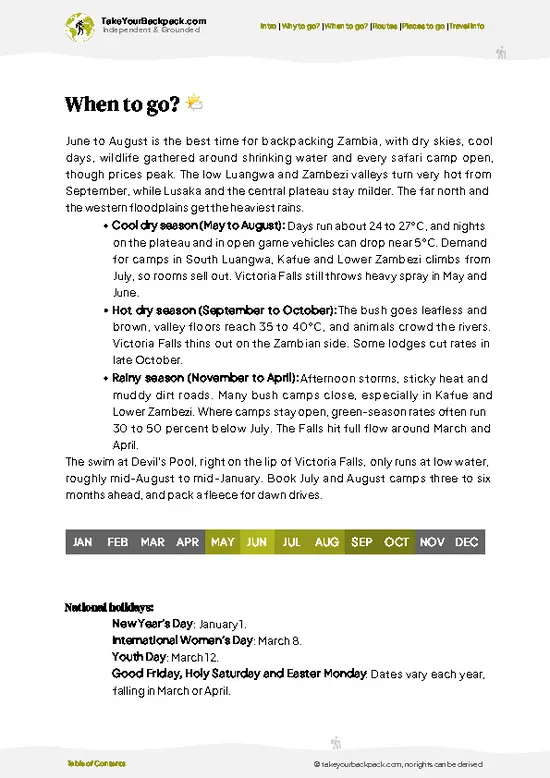
example page 0 from our offline Travel Guide for Zambia
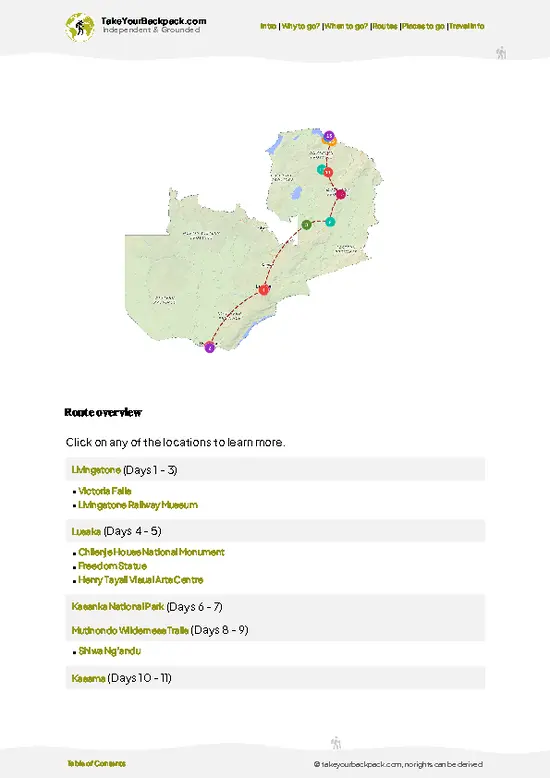
example page 1 from our offline Travel Guide for Zambia
example page 2 from our offline Travel Guide for Zambia
example page 3 from our offline Travel Guide for Zambia
example page 4 from our offline Travel Guide for Zambia
example page 5 from our offline Travel Guide for Zambia
example page 6 from our offline Travel Guide for Zambia
example page 7 from our offline Travel Guide for Zambia
Loading the map 🌍
CLICK TO FILTER
cities
towns
landmarks
national parks
hikes
beaches
attractions
festivals
regions
SHOW COUNTRY’S BESTSHOW ALL

✨ Why go?
Ranked #3 festival in Zambia
What makes it a must-see festival

N’cwala pulls backpackers in because it is a living ceremony, not a staged show. The Ngoni people gather around Paramount Chief Mpezeni, and you watch a royal ritual unfold in front of thousands of locals rather than a few tour groups. That makes the crowd your biggest draw. You end up shoulder to shoulder with villagers, civil servants home from Lusaka and visiting Ngoni from neighboring countries, and strangers will happily explain which regiment is which and why the songs sound a little like Zulu.

The date matters for route planning too. The ceremony falls around 24 February, in the middle of the green season, so you can pair it with a push through the Eastern Province, with Chipata as your gateway to South Luangwa and the border into Malawi. Compared with the big festivals in Europe or … read more 👉
N’cwala pulls backpackers in because it is a living ceremony, not a staged show. The Ngoni people gather around Paramount Chief Mpezeni, and you watch a royal ritual unfold in front of thousands of locals rather than a few tour groups. That makes the crowd your biggest draw. You end up shoulder to shoulder with villagers, civil servants home from Lusaka and visiting Ngoni from neighboring countries, and strangers will happily explain which regiment is which and why the songs sound a little like Zulu.

The date matters for route planning too. The ceremony falls around 24 February, in the middle of the green season, so you can pair it with a push through the Eastern Province, with Chipata as your gateway to South Luangwa and the border into Malawi. Compared with the big festivals in Europe or Southeast Asia, entry is free or very low, nobody sells wristbands, and you aren’t competing with a hundred other foreigners for a photo. You come away with a real sense of how migration, kingship and harvest still tie a community together.

💡 HighlightsKey sights and experiences for travelers

  1. The Ceremony at Mtenguleni: The sacred grounds where the Ngoni gather are the heart of everything. The ritual here is the reason the festival exists, and you can feel the weight of it as the crowd goes quiet when the chief’s party arrives.
  2. The Regimental War Dances: Ngoni men in animal skins, ox-hide shields and spears stamp and chant in tight formations. The rhythm comes from southern African roots, and the dance is loud, physical and impossible to look away from.
  3. The First Fruits Ritual: The festival marks the tasting of the new harvest, and the chief takes part before the people may eat from it. Watching this ritual explains the whole point of the gathering, a thank-you to the ancestors and the land.
  4. Paramount Chief Mpezeni’s Appearance: The Ngoni king is the center of attention, arriving
… read more 👉
  1. The Ceremony at Mtenguleni: The sacred grounds where the Ngoni gather are the heart of everything. The ritual here is the reason the festival exists, and you can feel the weight of it as the crowd goes quiet when the chief’s party arrives.
  2. The Regimental War Dances: Ngoni men in animal skins, ox-hide shields and spears stamp and chant in tight formations. The rhythm comes from southern African roots, and the dance is loud, physical and impossible to look away from.
  3. The First Fruits Ritual: The festival marks the tasting of the new harvest, and the chief takes part before the people may eat from it. Watching this ritual explains the whole point of the gathering, a thank-you to the ancestors and the land.
  4. Paramount Chief Mpezeni’s Appearance: The Ngoni king is the center of attention, arriving in full regalia while praise singers and regiments surround him. The scale of the procession and the way the crowd responds says more about Ngoni identity than any museum label.
  5. The Crowd, Cloth and Food Stalls: Around the arena, families spread out in colorful chitenge, vendors grill maize and sell cold drinks, and conversations start easily. This is where you meet people, hear migration stories and learn how Ngoni ties reach into Malawi and Mozambique.
N’cwala can be seen well in a single full day on the grounds, though adding the day before and after for arrivals and the buildup gives you a calmer experience.
Spotted a mistake or missing something? Contact us.

🌤️ When to go?When is the celebration of N’cwala?

N’cwala is held every year on the last Saturday of February, at Mutenguleni village near Chipata in Eastern Province, and the ceremony of the Ngoni people runs over a few days of build-up with the main public day on that Saturday.
  • Best day: The Saturday is the main event, when the Paramount Chief Mpezeni, wearing regalia, leads the procession and the ritual tasting of the first fruits. Arrive early, because the arena fills by mid-morning. Earlier days have rehearsals and dancing, with far fewer people.
  • Weather: February is the middle of the rainy season. Expect warm, humid days of 24 to 29°C (75 to 84°F), with heavy afternoon downpours and muddy ground. Bring a light rain jacket, sturdy shoes, a hat and sunscreen.
  • Booking: Chipata rooms fill 2 to 4 weeks ahead, and prices can rise 30 to 50 percent.
… read more 👉
N’cwala is held every year on the last Saturday of February, at Mutenguleni village near Chipata in Eastern Province, and the ceremony of the Ngoni people runs over a few days of build-up with the main public day on that Saturday.
  • Best day: The Saturday is the main event, when the Paramount Chief Mpezeni, wearing regalia, leads the procession and the ritual tasting of the first fruits. Arrive early, because the arena fills by mid-morning. Earlier days have rehearsals and dancing, with far fewer people.
  • Weather: February is the middle of the rainy season. Expect warm, humid days of 24 to 29°C (75 to 84°F), with heavy afternoon downpours and muddy ground. Bring a light rain jacket, sturdy shoes, a hat and sunscreen.
  • Booking: Chipata rooms fill 2 to 4 weeks ahead, and prices can rise 30 to 50 percent. Book early.
  • Roads: Dirt tracks to the village turn slick after rain. Leave Chipata by early morning and plan to leave before dusk, when vehicles jam the exit.
Sleep in Chipata the night before so you start fresh and dry.


source: climatestotravel.comJANJanuary: not recommended for travelingFEBFebruary: not recommended for travelingMARMarch: excellent for travelingAPRApril: not recommended for travelingMAYMay: not recommended for travelingJUNJune: not recommended for travelingJULJuly: not recommended for travelingAUGAugust: not recommended for travelingSEPSeptember: not recommended for travelingOCTOctober: not recommended for travelingNOVNovember: not recommended for travelingDECDecember: not recommended for traveling

✈️ The backpacker research shortcutZambia Travel Guide

An offline-friendly backpacking guide with optimized travel routes, ranked highlights, transport advice, and the best areas to stay.
example page 0 from our offline Travel Guide for Zambia
example page 1 from our offline Travel Guide for Zambia
example page 2 from our offline Travel Guide for Zambia
example page 3 from our offline Travel Guide for Zambia
example page 4 from our offline Travel Guide for Zambia
example page 5 from our offline Travel Guide for Zambia
example page 6 from our offline Travel Guide for Zambia
example page 7 from our offline Travel Guide for Zambia
The digital guide (351 pages) contains:
✅ 89 highlights, ranked by travel appeal
✅ Optimized 5, 10 & 15-day travel routes
✅ Cities, national parks, landmarks, beaches
✅ How to get around
✅ Offline-friendly for travel without Wi-Fi
👉 Click to see all 30+ guide features

📅 Plan smarter in minutes, not weeks
✅ Month by month travel advice
✅ Festivals & national holidays
✅ Budget expectations

🗺️ Go to the right places, skip the overrated ones
✅ Honest pros & cons of destinations
✅ Top hikes, parks & viewpoints
✅ Lesser-known places most travelers miss
✅ Clear “worth it vs skip it” guidance

🛏️ Travel smoothly without rookie mistakes
✅ Best areas to stay
✅ Transport systems explained simply
✅ Common scams & safety advice
✅ SIM cards, money & practical tips

🌍 Understand the country, not just visit it
✅ Culture & traditions
✅ 52 Essential phrases & customs
✅ Festivals worth planning around
✅ Traveler-friendly historical context
✅ Insights that make places more meaningful

📱 Built for real travel conditions
✅ Fully downloadable PDF
✅ Works completely offline
✅ Optimized for phone use
✅ Useful in remote areas & buses
✅ Everything in one place
Stop searching, start planning
Get instant access to your full guide. 30‑day money-back guarantee.
+ Add another guide for just

By proceeding you agree to our terms.
Sent to your inbox immediately after payment • 100% Secure Checkout
Best Backpacking Travel Advisor 2025 tourism awardBest Backpacking
Travel Advisor
2025
What others say about Take Your Backpack Guides:
⭐⭐⭐⭐⭐
Fantastic, amazing amount of information!
⭐⭐⭐⭐⭐
My goodness this is amazing, it's what I've been looking for hats off too you!
⭐⭐⭐⭐⭐
I think this is absolutely BRILLIANT
⭐⭐⭐⭐
Very complete and informative. It's still missing places, but I gotta to commend you
⭐⭐⭐⭐⭐
This is truly amazing, thank you, can't wait to explore it with my kids!
⭐⭐⭐⭐⭐
Awesome resource, thank you!
⭐⭐⭐⭐⭐
This is amazing! Can't wait to explore the ones I haven't seen
⭐⭐⭐⭐
I love this! Well done, great idea.
⭐⭐⭐⭐⭐
Thanks for taking the time to make this gem!
⭐⭐⭐⭐⭐
This might be the best website I've ever seen.
⭐⭐⭐⭐⭐
Congratulations, and thank you so much for your work; it's incredibly valuable.
⭐⭐⭐⭐
In all seriousness I think you did a great job pointing out the important spots
⭐⭐⭐⭐⭐
10/10 very good
⭐⭐⭐⭐⭐
As someone who's only just starting to visit regularly this is awesome, thank you.
⭐⭐⭐⭐
Thank you very much! I'm going to visit my dad, it's going to be very useful!
⭐⭐⭐⭐⭐
This is really cool! We'll be travelling for the first time and this definitely come in handy.
⭐⭐⭐⭐⭐
You are now our minister of culture, congratulations 👨‍💼
⭐⭐⭐⭐⭐
Just wanted to tell you that this is a pearl! Going to follow your recommendations.
⭐⭐⭐⭐⭐
This is so cool. I'll definitely be using the resource for my travels soon.
⭐⭐⭐⭐⭐
This is very impressive! Good work.
⭐⭐⭐⭐⭐
This is an amazing and informative site. Very well done!

🛏️ Where to stay?How to pick the right area

Chipata is the place to stay for N’cwala, and it is the only base that makes sense for a backpacker. It is the provincial capital of Eastern Province, with the biggest choice of budget guesthouses, lodges and a few backpacker-style dorms, and it sits roughly 30 to 45 minutes by road from the ceremony ground at Mutenguleni. Rooms fill fast in the last weeks of February, so reserve early.
The center around the main market and the Great East Road is the most practical spot. You can walk to food stalls, ATMs, minibus stands and shops, and the streets stay busy and lively into the evening, which feels … read more 👉
Chipata is the place to stay for N’cwala, and it is the only base that makes sense for a backpacker. It is the provincial capital of Eastern Province, with the biggest choice of budget guesthouses, lodges and a few backpacker-style dorms, and it sits roughly 30 to 45 minutes by road from the ceremony ground at Mutenguleni. Rooms fill fast in the last weeks of February, so reserve early.
The center around the main market and the Great East Road is the most practical spot. You can walk to food stalls, ATMs, minibus stands and shops, and the streets stay busy and lively into the evening, which feels safer than isolated outskirts. Solo travelers meet others at the central bus area and in the small cafes, where festival chatter and shared taxi plans come easily. Use taxis rather than walking after dark.
The quieter residential edges of town suit those who want sleep after a long day in the sun. Prices there are a little lower, but you will pay for taxis to the center, so check the distance first.
For a different experience, a few lodges near the Malawi border or toward South Luangwa offer camping, though they add extra hours of travel on the festival weekend. Many travelers also hop across from Lilongwe in Malawi, about 2 to 3 hours away.

👛 Costs (as of 22 October 2026)Money, prices, and spending tips

N’cwala costs a backpacker about US$0 to 10 a day, and the Total Daily Budget below comes to US$62 once you count a high-season room in Chipata.
CategoryBudget RangeLocal Reality
Festival ticketsUS$0 to 10The public arena is generally open with little or no fee, though seating areas or special enclosures may charge a small amount at the gate.
AccommodationUS$15 to 30 (low season), US$25 to 40 (high season)Chipata guesthouses and lodges rise sharply around the last Saturday of February. Dorms and camping are rare, so book ahead.
Local transportUS$4 to 12Minibuses and shared taxis run from Chipata to the village, and a private taxi for the day costs more. Return fares can climb after the ceremony.
Food & drinksUS$6 to 12Stall meals of nshima with relish cost about US$2 to 4, and a carton of beer
… read more 👉
N’cwala costs a backpacker about US$0 to 10 a day, and the Total Daily Budget below comes to US$62 once you count a high-season room in Chipata.
CategoryBudget RangeLocal Reality
Festival ticketsUS$0 to 10The public arena is generally open with little or no fee, though seating areas or special enclosures may charge a small amount at the gate.
AccommodationUS$15 to 30 (low season), US$25 to 40 (high season)Chipata guesthouses and lodges rise sharply around the last Saturday of February. Dorms and camping are rare, so book ahead.
Local transportUS$4 to 12Minibuses and shared taxis run from Chipata to the village, and a private taxi for the day costs more. Return fares can climb after the ceremony.
Food & drinksUS$6 to 12Stall meals of nshima with relish cost about US$2 to 4, and a carton of beer or a soft drink costs under US$2. Pay in cash.
MiscellaneousUS$2 to 5Rain gear, sunscreen, a small donation or craft purchase, and mobile data cover most extras.
Total Daily BudgetUS$62Based on one day in high season with accommodation at the higher end.


source: zambiatourism.com
⚠️ Prices can change and everyone travels differently, so take this as a rough guide. Hope it helps you plan your adventure!

🍲 FoodLocal Flavors for Backpackers

Food at N’cwala revolves around the ceremony itself. The star is nshima, the thick maize porridge, served with relishes such as beef, goat, chicken, beans, okra and pumpkin leaves. Roasted meat is common, and as the festival honors the first fruits of the harvest, fresh maize, roasted or boiled on the cob, appears in abundance. Sweet potatoes, groundnuts and fried cassava turn up from stalls in the crowd.
For drinks, look for chibuku, the cloudy sorghum beer sold in cartons, and homemade maize beer in village corners. Bottled soft drinks, water and Mosi lager are sold around the grounds and in Chipata. Shake the carton of chibuku before you open it, as locals do.
Eat the way people around you do. Nshima is eaten by hand, so wash first, roll a small ball, press a dent with your thumb and scoop … read more 👉
Food at N’cwala revolves around the ceremony itself. The star is nshima, the thick maize porridge, served with relishes such as beef, goat, chicken, beans, okra and pumpkin leaves. Roasted meat is common, and as the festival honors the first fruits of the harvest, fresh maize, roasted or boiled on the cob, appears in abundance. Sweet potatoes, groundnuts and fried cassava turn up from stalls in the crowd.
For drinks, look for chibuku, the cloudy sorghum beer sold in cartons, and homemade maize beer in village corners. Bottled soft drinks, water and Mosi lager are sold around the grounds and in Chipata. Shake the carton of chibuku before you open it, as locals do.
Eat the way people around you do. Nshima is eaten by hand, so wash first, roll a small ball, press a dent with your thumb and scoop up relish. Sharing from one plate is normal and polite, and refusing an offered bite can feel odd.
Stalls take cash only, in kwacha, so carry small notes, as vendors often lack change. Portions are generous and a plate is often US$2 to 4. Lines form quickly at midday, so eat early. Bring your own water bottle, since the sun and the crowd are tiring.

FAQTraveler FAQ

N’cwala takes place every year on the last Saturday of February at Mutenguleni village near Chipata in Eastern Province. Ceremonies and rehearsals start a few days earlier, but the main public day is that Saturday. The village lies about 30 to 45 minutes by road from Chipata, so most visitors sleep in town.
Attending N’cwala costs little for the event itself, usually US$0 to 10 for entry or seating, depending on the area. The bigger expenses are a Chipata room at around US$25 to 40 in high season and transport at roughly US$4 to 12 for the day. Budget about US$40 to 70 per day in total, with stall meals at US$2 to 4.
N’cwala generally does not require advance tickets for the main arena, since the public can enter on the day with little or no fee. Reserved or VIP seating, when offered, is arranged through local organizers or the chief’s office. The real advance booking is accommodation, as Chipata rooms fill 2 to 4 weeks before the last Saturday of February.
⚠️ Things can change over time, so always validate details locally before you go.

Other Zambian festivals near N’cwala

Explore more nearby:

  • Kulamba Ceremony—Chewa paramount chief, Gule Wamkulu masks, Katete, cross-border delegations| 52 km away
  • Malaila Ceremony—Eastern chiefdom, dance-troupe rivalry, heirloom regalia, village brew| 72 km away
  • Chibwela Kumushi Ceremony—Lenje homecoming, bark-cloth dancers, Mumbwa and Kabwe area, village chicken| 305 km away

💡 Not sure where to go next?
Create a personalized itinerary for Zambia including N’cwala and the places that fit your trip.

Generate my itinerary

👉 Discover all festivals

Or checkout all Zambia has to offer (think cities, towns, villages, national parks, hikes, beaches, festivals)
Country photo of Zambia

We 💚 feedbackIs it worth it?

N’cwala is best met in the cool of the morning, before the February sun and the rain clouds build. I would arrive early to claim a spot with a clear view of the dance arena, wear shoes you don’t mind caking in red mud, and carry a light rain jacket. Stay for the afternoon, when the crowd loosens up and conversation flows.

✍️ Help improve this page!
The information on this page is based on in-depth research, insights shared by experienced travelers, and feedback from the local travel community in Zambia. While every effort is made to keep the information accurate and current, conditions can change — so if you spot anything incorrect or outdated, please get in touch.


🙋‍♂️ Give feedback

👋 Meet the founderWho’s Behind Take Your Backpack?

Johan, backpacker and founder of TakeYourBackpackHi, I’m Johan (Netherlands 🇳🇱), the creator of TakeYourBackpack. Over the past 3 decades, I’ve backpacked through 90+ countries across six continents, gaining extensive experience with independent travel, long-term trips, and overland routes.

This site is built on a combination of firsthand travel experience and carefully curated insights from other backpackers. Many guides are based on places I’ve personally visited, while others bring together tips, observations, and practical advice shared by trusted travelers I’ve met along the way.

The goal is to provide realistic, experience-driven guidance — not generic itineraries — so you can explore destinations with better context, clearer expectations, and more confidence.