×

Zambia🇿🇲 | national parksSioma Ngwezi National ParkKalahari sand tracks, elephant corridor, seasonal pans, Ngonye Falls | things to do and best time to go

Explore Blue Lagoon National ParkExplore Isangano National Park

Backpacking in Sioma Ngwezi
👍 Recommendednational park ranked #7
By Johan Kruseman 🇳🇱 | Updated October 22, 2026

Sioma Ngwezi has no developed trails, no signposts and almost no visitors, and the park runs on sand tracks that swallow ordinary cars. That is the fact to plan around. The park sits in the southwest of Zambia, west of the Zambezi near Sioma village, bordering Namibia and Angola. Expect dry woodland, sandy ridges, elephants and roan antelope, plus real solitude. Expect no shops and patchy phone signal too. Costs and delays bite here: bring a high-clearance 4x4 (a saloon car gets stuck, so hire one in Livingstone), carry all fuel, water and food, and ask rangers about track conditions before you commit. Roads turn to soup in the rains, so travel when tracks are firm. A first day could mean reaching the gate, registering with scouts, then rolling slowly along a sand track at dawn, binoculars up.

Discover everything you want to know in the 📖 Zambia Travel Guide.


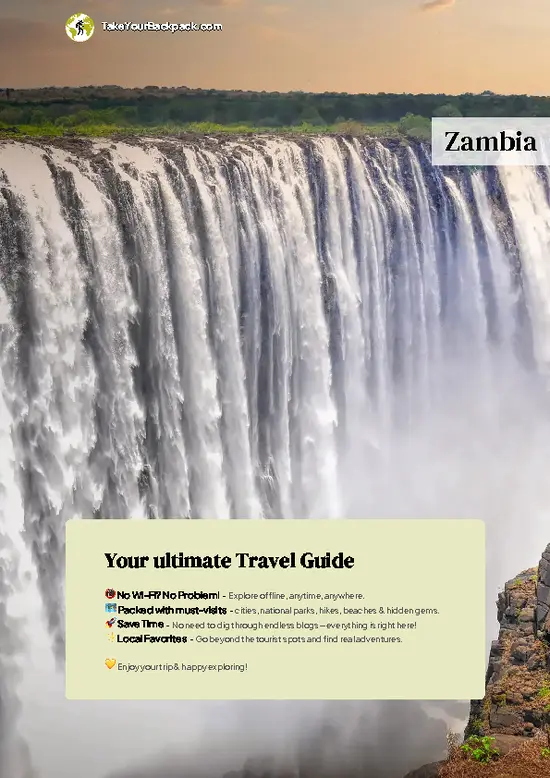
example page 0 from our offline Travel Guide for Zambia
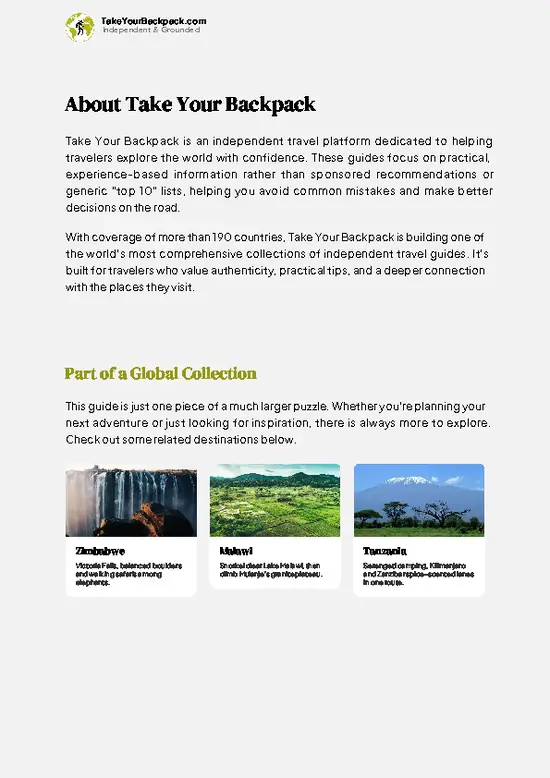
example page 1 from our offline Travel Guide for Zambia
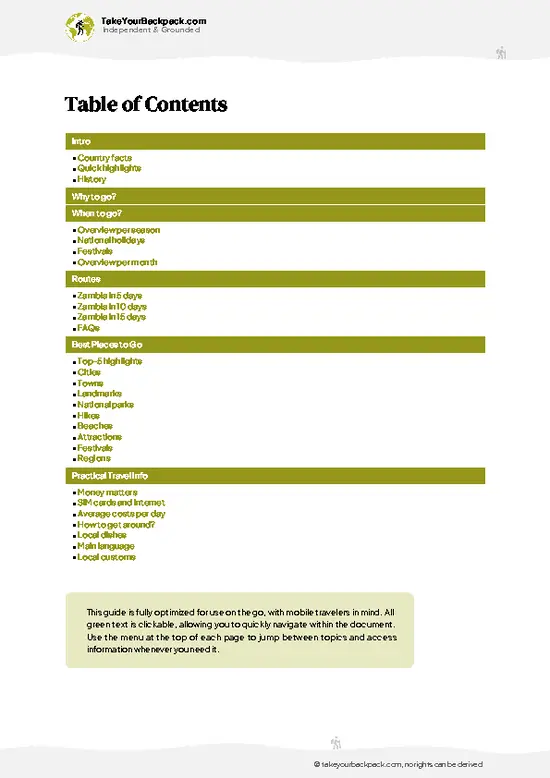
example page 2 from our offline Travel Guide for Zambia
example page 3 from our offline Travel Guide for Zambia
example page 4 from our offline Travel Guide for Zambia
example page 5 from our offline Travel Guide for Zambia
example page 6 from our offline Travel Guide for Zambia
example page 7 from our offline Travel Guide for Zambia
Loading the map 🌍
CLICK TO FILTER
cities
towns
landmarks
national parks
hikes
beaches
attractions
festivals
regions
SHOW COUNTRY’S BESTSHOW ALL

✨ Why go?
Ranked #7 national park in Zambia
Why visitors keep coming back

Sioma Ngwezi National Park suits backpackers who prefer self-reliance over a guided circuit. With no lodges inside the park and almost no other vehicles, you set your own pace, stop where tracks reach a pan or a stand of Kalahari woodland, and camp in real quiet. That is the whole appeal. Elephants cross here on ancient routes linking the Zambezi region with neighboring Angola and Namibia, and roan antelope and sable are sought-after sightings you rarely get elsewhere without a crowd. The park also sits near the Ngonye Falls and the Sioma village area, so you can pair raw bush with a river stop on the same trip. Tours barely operate here, so this is a destination for people who read maps, carry spares and enjoy the problem-solving. Come prepared and the empty tracks become the main attraction.

💡 HighlightsDon't-miss highlights and experiences

  1. Elephant movements: Elephants use this park as a corridor between the Zambezi region and neighboring countries, and fresh dung and trampled sand tell you where they have been before you see them.
  2. Roan and sable antelope: Tall, horned and shy, these antelope favor open woodland here and make the best wildlife targets for patient drivers.
  3. Kalahari sand woodland: Teak, mopane and sandy ridges create a dry, quiet landscape unlike the green floodplains to the east.
  4. Seasonal pans: Water gathers in shallow depressions, drawing game and birds, and these are the best places to sit with binoculars.
  5. Birdlife: Woodland species and raptors are easy to spot when the tracks are silent and you stop the engine.
  6. Sand track drives: The unmarked tracks themselves are an experience, slow, technical and rewarding for
… read more 👉
  1. Elephant movements: Elephants use this park as a corridor between the Zambezi region and neighboring countries, and fresh dung and trampled sand tell you where they have been before you see them.
  2. Roan and sable antelope: Tall, horned and shy, these antelope favor open woodland here and make the best wildlife targets for patient drivers.
  3. Kalahari sand woodland: Teak, mopane and sandy ridges create a dry, quiet landscape unlike the green floodplains to the east.
  4. Seasonal pans: Water gathers in shallow depressions, drawing game and birds, and these are the best places to sit with binoculars.
  5. Birdlife: Woodland species and raptors are easy to spot when the tracks are silent and you stop the engine.
  6. Sand track drives: The unmarked tracks themselves are an experience, slow, technical and rewarding for anyone who likes bush driving.
  7. Ngonye Falls: Just outside the park, this wide, horseshoe-shaped cascade on the Zambezi is the easy scenic reward after dry bush days.
Sioma Ngwezi National Park deserves two full days for the drives and pans, plus a half day if you add the falls.
Spotted a mistake or missing something? Contact us.

🌤️ When to go?Weather, crowds, and seasonal trade-offs

  • Cool Dry Season (May to August): Mornings can drop to 5-10°C (41-50°F) and afternoons reach 24-28°C (75-82°F). Sand tracks are firmest, grass thins out and game is easier to spot. Daylight runs about 11 hours.
  • Hot Dry Season (September to October): Daytime highs of 32-38°C (90-100°F) push animals toward the few remaining pans and the Kwando-side water. Tracks are at their loosest and driest, and you will see almost no other visitors.
  • Rains (November to March): Expect 28-33°C (82-91°F), heavy downpours and humid air. Sandy tracks turn to slop, parts of the park can become unreachable, and the bush is thick and green. Birding peaks, but wildlife viewing and driving are hard.
  • Shoulder (April): Water is draining, tracks are drying and lodges often cost less.
Aim for June or July, and book transport … read more 👉
  • Cool Dry Season (May to August): Mornings can drop to 5-10°C (41-50°F) and afternoons reach 24-28°C (75-82°F). Sand tracks are firmest, grass thins out and game is easier to spot. Daylight runs about 11 hours.
  • Hot Dry Season (September to October): Daytime highs of 32-38°C (90-100°F) push animals toward the few remaining pans and the Kwando-side water. Tracks are at their loosest and driest, and you will see almost no other visitors.
  • Rains (November to March): Expect 28-33°C (82-91°F), heavy downpours and humid air. Sandy tracks turn to slop, parts of the park can become unreachable, and the bush is thick and green. Birding peaks, but wildlife viewing and driving are hard.
  • Shoulder (April): Water is draining, tracks are drying and lodges often cost less.
Aim for June or July, and book transport and camps ahead since the few options here are small.


source: climatestotravel.comJANJanuary: below average for travelingFEBFebruary: below average for travelingMARMarch: below average for travelingAPRApril: fair for travelingMAYMay: highly recommended for travelingJUNJune: highly recommended for travelingJULJuly: highly recommended for travelingAUGAugust: excellent for travelingSEPSeptember: excellent for travelingOCTOctober: excellent for travelingNOVNovember: fair for travelingDECDecember: below average for traveling
when-to-go

✈️ The backpacker research shortcutZambia Travel Guide

An offline-friendly backpacking guide with optimized travel routes, ranked highlights, transport advice, and the best areas to stay.
example page 0 from our offline Travel Guide for Zambia
example page 1 from our offline Travel Guide for Zambia
example page 2 from our offline Travel Guide for Zambia
example page 3 from our offline Travel Guide for Zambia
example page 4 from our offline Travel Guide for Zambia
example page 5 from our offline Travel Guide for Zambia
example page 6 from our offline Travel Guide for Zambia
example page 7 from our offline Travel Guide for Zambia
The digital guide (351 pages) contains:
✅ 89 highlights, ranked by travel appeal
✅ Optimized 5, 10 & 15-day travel routes
✅ Cities, national parks, landmarks, beaches
✅ How to get around
✅ Offline-friendly for travel without Wi-Fi
👉 Click to see all 30+ guide features

📅 Plan smarter in minutes, not weeks
✅ Month by month travel advice
✅ Festivals & national holidays
✅ Budget expectations

🗺️ Go to the right places, skip the overrated ones
✅ Honest pros & cons of destinations
✅ Top hikes, parks & viewpoints
✅ Lesser-known places most travelers miss
✅ Clear “worth it vs skip it” guidance

🛏️ Travel smoothly without rookie mistakes
✅ Best areas to stay
✅ Transport systems explained simply
✅ Common scams & safety advice
✅ SIM cards, money & practical tips

🌍 Understand the country, not just visit it
✅ Culture & traditions
✅ 52 Essential phrases & customs
✅ Festivals worth planning around
✅ Traveler-friendly historical context
✅ Insights that make places more meaningful

📱 Built for real travel conditions
✅ Fully downloadable PDF
✅ Works completely offline
✅ Optimized for phone use
✅ Useful in remote areas & buses
✅ Everything in one place
Stop searching, start planning
Get instant access to your full guide. 30‑day money-back guarantee.
+ Add another guide for just

By proceeding you agree to our terms.
Sent to your inbox immediately after payment • 100% Secure Checkout
Best Backpacking Travel Advisor 2025 tourism awardBest Backpacking
Travel Advisor
2025
What others say about Take Your Backpack Guides:
⭐⭐⭐⭐⭐
Fantastic, amazing amount of information!
⭐⭐⭐⭐⭐
My goodness this is amazing, it's what I've been looking for hats off too you!
⭐⭐⭐⭐⭐
I think this is absolutely BRILLIANT
⭐⭐⭐⭐
Very complete and informative. It's still missing places, but I gotta to commend you
⭐⭐⭐⭐⭐
This is truly amazing, thank you, can't wait to explore it with my kids!
⭐⭐⭐⭐⭐
Awesome resource, thank you!
⭐⭐⭐⭐⭐
This is amazing! Can't wait to explore the ones I haven't seen
⭐⭐⭐⭐
I love this! Well done, great idea.
⭐⭐⭐⭐⭐
Thanks for taking the time to make this gem!
⭐⭐⭐⭐⭐
This might be the best website I've ever seen.
⭐⭐⭐⭐⭐
Congratulations, and thank you so much for your work; it's incredibly valuable.
⭐⭐⭐⭐
In all seriousness I think you did a great job pointing out the important spots
⭐⭐⭐⭐⭐
10/10 very good
⭐⭐⭐⭐⭐
As someone who's only just starting to visit regularly this is awesome, thank you.
⭐⭐⭐⭐
Thank you very much! I'm going to visit my dad, it's going to be very useful!
⭐⭐⭐⭐⭐
This is really cool! We'll be travelling for the first time and this definitely come in handy.
⭐⭐⭐⭐⭐
You are now our minister of culture, congratulations 👨‍💼
⭐⭐⭐⭐⭐
Just wanted to tell you that this is a pearl! Going to follow your recommendations.
⭐⭐⭐⭐⭐
This is so cool. I'll definitely be using the resource for my travels soon.
⭐⭐⭐⭐⭐
This is very impressive! Good work.
⭐⭐⭐⭐⭐
This is an amazing and informative site. Very well done!

🛏️ Where to stay?Best areas to stay in Zambia

Sioma Ngwezi has no lodges inside it, so most travelers sleep in Sioma, the small town near the Sioma Falls, or in Livingstone, which is a long day’s drive away. Inside the park there are only basic, unmanaged bush spots, so you must be fully self-sufficient with water, fuel and food. Ask the Department of National Parks and Wildlife at Sioma about current camping arrangements before you enter.

Sioma has a handful of simple riverside camps and guesthouses near the Zambezi, with tent pitches around US$8 to 15 and basic rooms from about US$25 to 60. They suit anyone wanting a base with river views, … read more 👉
Sioma Ngwezi has no lodges inside it, so most travelers sleep in Sioma, the small town near the Sioma Falls, or in Livingstone, which is a long day’s drive away. Inside the park there are only basic, unmanaged bush spots, so you must be fully self-sufficient with water, fuel and food. Ask the Department of National Parks and Wildlife at Sioma about current camping arrangements before you enter.

Sioma has a handful of simple riverside camps and guesthouses near the Zambezi, with tent pitches around US$8 to 15 and basic rooms from about US$25 to 60. They suit anyone wanting a base with river views, a bar and boat trips to the falls. Expect few shops, so bring supplies.

Mongu and Kalomo are alternatives on the longer road routes, offering more services. Livingstone has the widest choice, with hostels from about US$10 to 20 for a dorm bed. Stock up there on groceries and fuel before heading west.

👛 Costs (as of 22 October 2026)What things cost and how to budget

Sioma Ngwezi National Park costs about US$55 to 90 per person per day for a self-drive visit with camping. Costs run higher than in busier parks because fuel, food and water all must be carried in.
CategoryBudget RangeLocal Reality
Park entryUS$5 to 15Per person fee, paid at the park office, with an extra vehicle charge. Rates vary for foreign visitors.
Accommodation (high season)US$8 to 25Basic camping in Sioma or the park. Rooms nearby cost more, around US$25 to 60.
Vehicle hire and fuelUS$25 to 40A 4x4 is needed. Fuel is scarce near Sioma, so fill up in Livingstone or Mongu first.
Food and suppliesUS$8 to 15Self-catering, as the shops in Sioma stock only staples. Bring most food with you.
Guide or scoutUS$5 to 15Often required for walks and arranged through the park office or camps.
Total Daily
… read more 👉
Sioma Ngwezi National Park costs about US$55 to 90 per person per day for a self-drive visit with camping. Costs run higher than in busier parks because fuel, food and water all must be carried in.
CategoryBudget RangeLocal Reality
Park entryUS$5 to 15Per person fee, paid at the park office, with an extra vehicle charge. Rates vary for foreign visitors.
Accommodation (high season)US$8 to 25Basic camping in Sioma or the park. Rooms nearby cost more, around US$25 to 60.
Vehicle hire and fuelUS$25 to 40A 4x4 is needed. Fuel is scarce near Sioma, so fill up in Livingstone or Mongu first.
Food and suppliesUS$8 to 15Self-catering, as the shops in Sioma stock only staples. Bring most food with you.
Guide or scoutUS$5 to 15Often required for walks and arranged through the park office or camps.
Total Daily BudgetUS$55 to 90Based on camping, self-catering and shared vehicle costs.


source: zambiatourism.com
⚠️ Prices can change and everyone travels differently, so take this as a rough guide. Hope it helps you plan your adventure!

🥾 TrailsPlan your hike in Sioma Ngwezi: routes, terrain, and sights

Sioma Ngwezi National Park has no marked, named hiking trails, so walking here means following sand tracks and game paths from wherever you park. Scouts at the gate can point out safe areas, and walking without them is unwise because elephants and other big game roam freely.
  • Track walks: Short strolls from your vehicle or camp along sandy tracks, usually one to two hours, easy underfoot but tiring in soft sand and midday heat.
  • Pan watching: Walk or drive to a seasonal pan and sit quietly for an hour or two at dawn or dusk. Flat and simple, with the best chances of antelope and elephants.
  • Woodland
… read more 👉
Sioma Ngwezi National Park has no marked, named hiking trails, so walking here means following sand tracks and game paths from wherever you park. Scouts at the gate can point out safe areas, and walking without them is unwise because elephants and other big game roam freely.
  • Track walks: Short strolls from your vehicle or camp along sandy tracks, usually one to two hours, easy underfoot but tiring in soft sand and midday heat.
  • Pan watching: Walk or drive to a seasonal pan and sit quietly for an hour or two at dawn or dusk. Flat and simple, with the best chances of antelope and elephants.
  • Woodland ridges: Gentle sandy rises with teak and mopane. Navigation is by compass or GPS, since there are no signposts, and difficulty is moderate to hard for that reason.
  • Ngonye Falls area: Outside the park, short paths lead along the rocks to viewpoints over the Zambezi. Easy, with slippery rock near the water.
Reaching the park is the hard part. Public transport stops at Sioma village, so most travelers arrive in a high-clearance 4x4 and bring everything they need. Crowds are essentially nonexistent, and you may not meet another visitor. Entry fees are modest and paid at the gate or through the wildlife authority, but carry cash since card machines are unlikely.
⚠️ Hiking info can sometimes be outdated or inaccurate. Before you hit the trail, check the latest conditions with locals. If you do spot anything that's off, I'd love to hear from you, so I can update it for fellow travelers.

🛡️ SafetyScams, Hazards, and Annoyances

Sioma Ngwezi is remote, so your main risks are self-reliance problems rather than crime. Deep sand tracks bog down vehicles quickly, so go with a high-clearance 4x4, recovery gear, spare tires and extra fuel. Phone signal is patchy to absent, so carry a satellite messenger or tell someone your route. Navigation relies on offline maps because signposting is minimal.

Elephants are the animals you are most likely to meet, along with buffalo and lions in low numbers. Keep your distance, never camp on game trails and keep food sealed. Walk only with a licensed guide, and do not approach animals at water.

Heat is a bigger issue from September to November, so carry at least 5 liters of water per person daily. In the rains, tracks can flood and become impassable. Malaria is present year-round, so … read more 👉
Sioma Ngwezi is remote, so your main risks are self-reliance problems rather than crime. Deep sand tracks bog down vehicles quickly, so go with a high-clearance 4x4, recovery gear, spare tires and extra fuel. Phone signal is patchy to absent, so carry a satellite messenger or tell someone your route. Navigation relies on offline maps because signposting is minimal.

Elephants are the animals you are most likely to meet, along with buffalo and lions in low numbers. Keep your distance, never camp on game trails and keep food sealed. Walk only with a licensed guide, and do not approach animals at water.

Heat is a bigger issue from September to November, so carry at least 5 liters of water per person daily. In the rains, tracks can flood and become impassable. Malaria is present year-round, so take prophylaxis, repellent and cover up at dusk.

FAQCommon questions from travelers

Two to three days is enough for Sioma Ngwezi National Park, though you need an extra day each way for the long drive from Livingstone. Most visitors pair it with a night or two at Sioma Falls, about 20 km from the town, on the Zambezi. Remoteness means a slower, self-sufficient trip suits it best.
Reaching Sioma Ngwezi National Park without a car is hard, because tracks inside are deep sand and there is no public transport into the park. Buses run from Livingstone to Sesheke and Sioma town, roughly 5 to 7 hours depending on the road, but you would still need a hired vehicle or guide to get in. A 4x4 with a driver, arranged in Livingstone or Sioma, is the realistic option.
Yes, Sioma Ngwezi National Park charges entry fees, usually in the range of US$5 to 15 per person plus a vehicle fee, paid at the park office or the Sioma ranger post. Camping or guide fees are separate, often US$5 to 15 for a scout. No special permit is typically required beyond these fees, but check current rates with the Department of National Parks and Wildlife before you go.
⚠️ Things can change over time, so always validate details locally before you go.

Other Zambian national parks near Sioma Ngwezi

Explore more nearby:


💡 Not sure where to go next?
Create a personalized itinerary for Zambia including Sioma Ngwezi and the places that fit your trip.

Generate my itinerary

👉 Discover all national parks

Or checkout all Zambia has to offer (think cities, towns, villages, national parks, hikes, beaches, festivals)
Country photo of Zambia

We 💚 feedbackParting advice and final tips

Sioma Ngwezi National Park punishes travelers who show up in a normal car or with half a tank. Hire a proper 4x4, fill every container before leaving Sioma, and pack extra water. Then slow down, stop often and let the silence work for you.

✍️ Help improve this page!
The information on this page is based on in-depth research, insights shared by experienced travelers, and feedback from the local travel community in Zambia. While every effort is made to keep the information accurate and current, conditions can change — so if you spot anything incorrect or outdated, please get in touch.


🙋‍♂️ Give feedback

👋 Meet the founderWho’s Behind Take Your Backpack?

Johan, backpacker and founder of TakeYourBackpackHi, I’m Johan (Netherlands 🇳🇱), the creator of TakeYourBackpack. Over the past 3 decades, I’ve backpacked through 90+ countries across six continents, gaining extensive experience with independent travel, long-term trips, and overland routes.

This site is built on a combination of firsthand travel experience and carefully curated insights from other backpackers. Many guides are based on places I’ve personally visited, while others bring together tips, observations, and practical advice shared by trusted travelers I’ve met along the way.

The goal is to provide realistic, experience-driven guidance — not generic itineraries — so you can explore destinations with better context, clearer expectations, and more confidence.