×

Zimbabwe🇿🇼 | national parksChewore Safari AreaEscarpment ridges, roadless interior, wild dog tracking, fly camps | things to do and best time to go

Explore Chipinge Safari AreaExplore Charara Safari Area

Backpacking in Chewore Safari Area
👌 Worth visitingnational park ranked #15
By Johan Kruseman 🇳🇱 | Updated October 22, 2026

Chewore Safari Area is best known for the Zambezi escarpment wilderness that drops toward Mana Pools, with elephants, lions and wild dogs roaming country that has no roads. It sits in the north of Zimbabwe, a few hours' drive from Kariba and Harare. Hiking here means guided walks, rugged and remote, with sharp ridges and mopane woodland. Mistakes cost you: arrive without a booked operator and you will be turned back, so book ahead. A camp cook once told me, 'Walk slowly, the bush talks.' Unlike Mana Pools, Chewore has no self-drive tracks and almost no crowds.

Discover everything you want to know in the 📖 Zimbabwe Travel Guide.


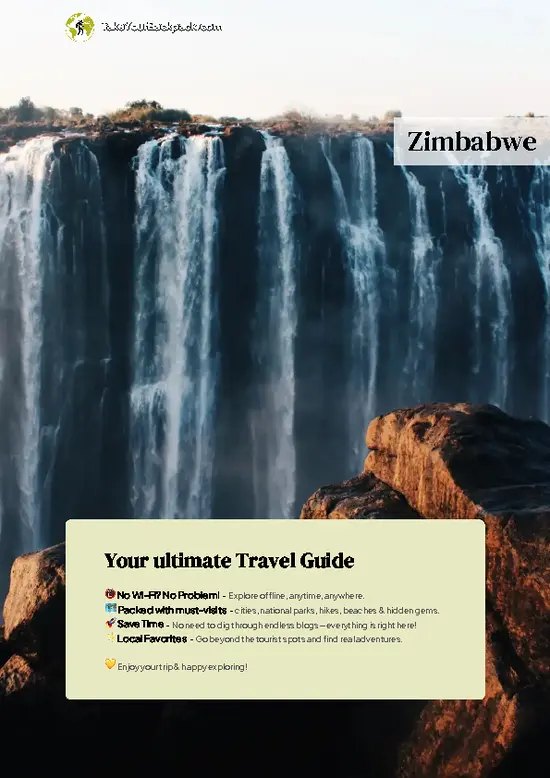
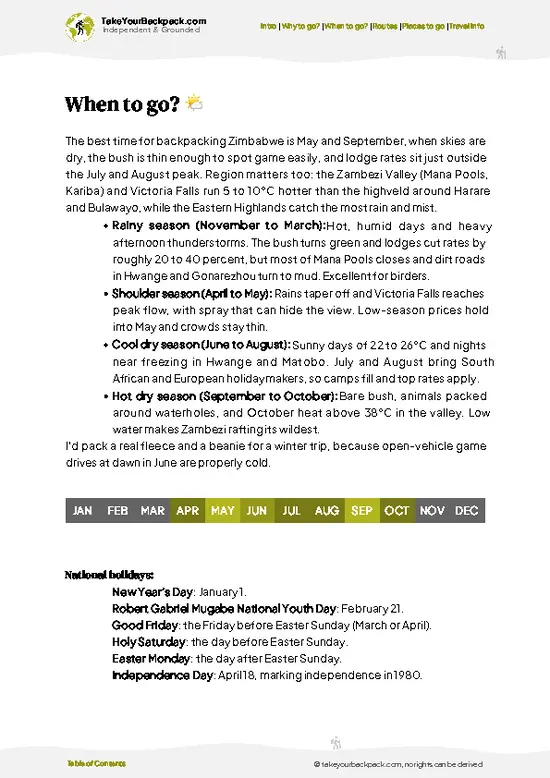
example page 0 from our offline Travel Guide for Zimbabwe
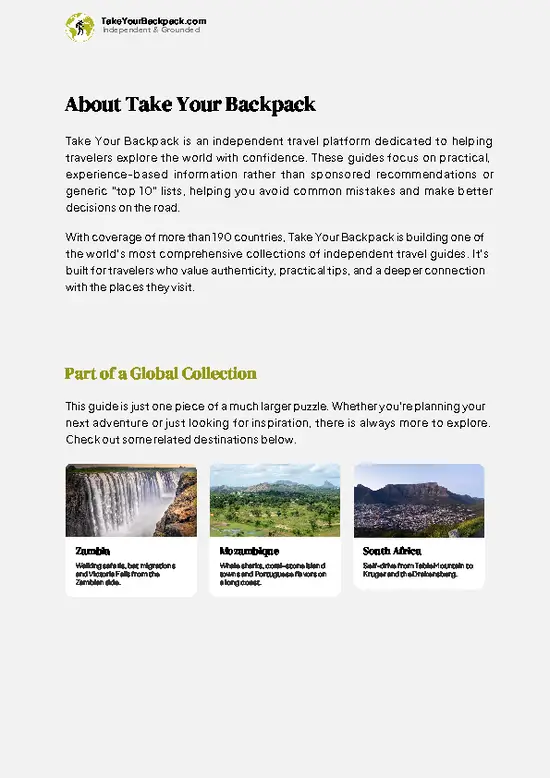
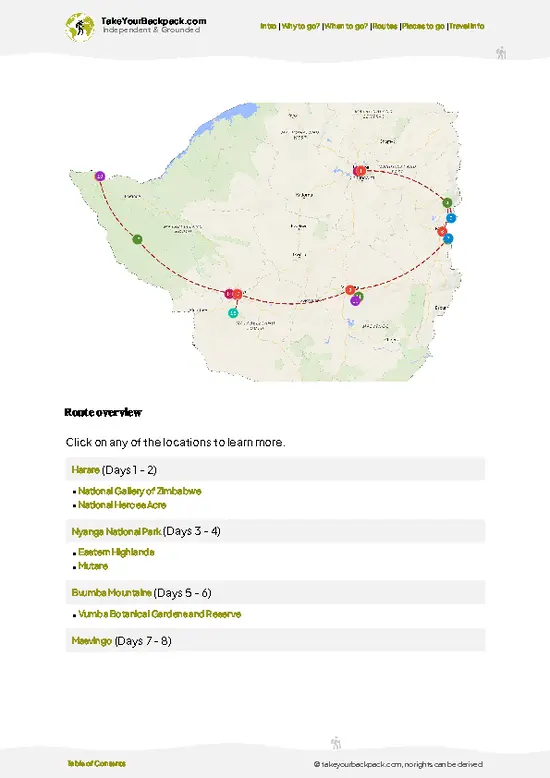
example page 1 from our offline Travel Guide for Zimbabwe
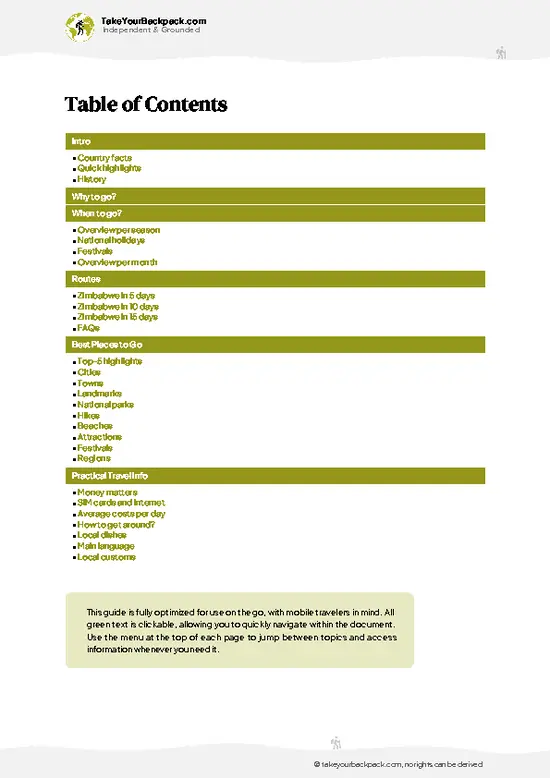
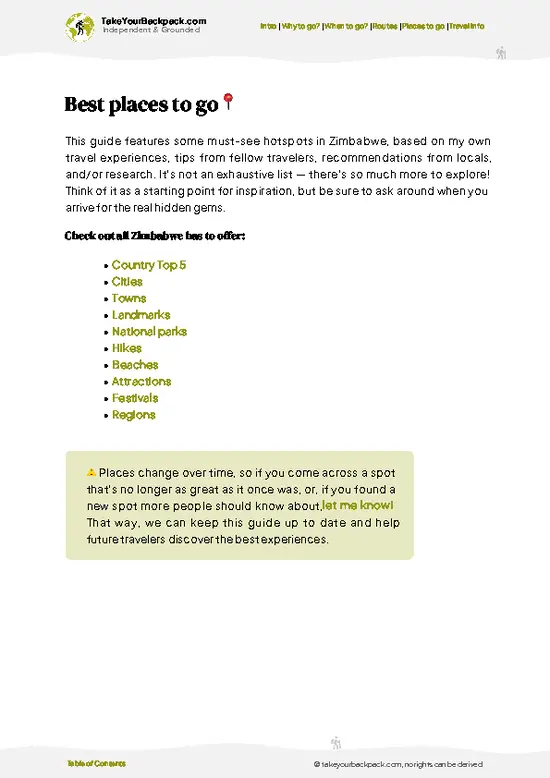
example page 2 from our offline Travel Guide for Zimbabwe
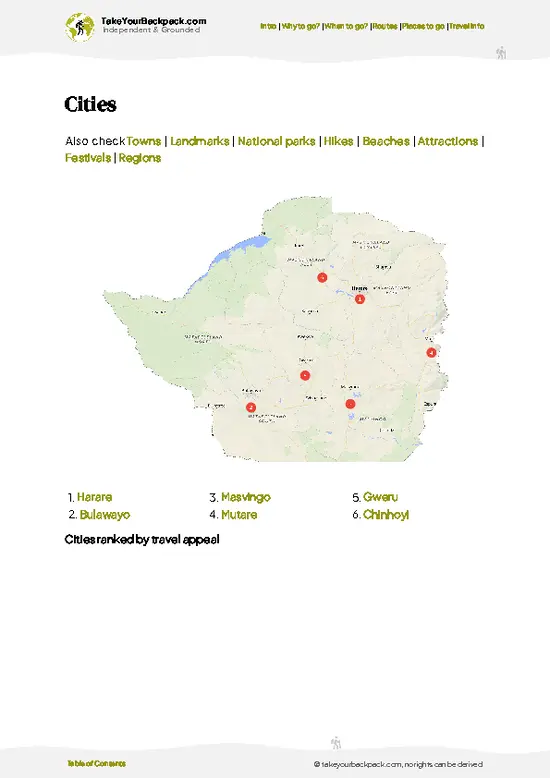
example page 3 from our offline Travel Guide for Zimbabwe
example page 4 from our offline Travel Guide for Zimbabwe
example page 5 from our offline Travel Guide for Zimbabwe
example page 6 from our offline Travel Guide for Zimbabwe
example page 7 from our offline Travel Guide for Zimbabwe
Loading the map 🌍
CLICK TO FILTER
cities
towns
landmarks
national parks
hikes
beaches
attractions
festivals
regions
SHOW COUNTRY’S BESTSHOW ALL

✨ Why go?
Ranked #15 national park in Zimbabwe
The unique appeal for travelers

Chewore Safari Area suits backpackers who want wilderness without a queue. The big draw is no public roads inside the area, so every sighting happens on foot or by boat with a guide, and you share the bush with almost nobody. Its neighbor Mana Pools offers the famous walking safaris, while Chewore gives you the rougher, quieter version along the Zambezi escarpment. Independent exploring is not allowed, so this is not a self-guided park, but a small group with a licensed guide gets close to elephants, buffalo and the occasional leopard track, at a pace you set by how far you can walk.

💡 HighlightsMust-see experiences and standout moments

  1. Zambezi escarpment walks: Guided hikes climb steep ridges of mopane and baobab with long views over the valley floor.
  2. Elephant encounters: Big herds gather along the riverine strips, and a guide reads their mood on foot.
  3. Sapi and Chewore river valleys: Dry sandy riverbeds act as wildlife highways, ideal for tracking spoor.
  4. Lion and wild dog tracking: Predators roam the remote interior, and fresh tracks in the sand tell the story.
  5. Zambezi river frontage: Canoe or boat trips bring you past hippos and crocodiles at eye level.
  6. Birdwatching: Carmine bee-eaters nest in river banks and fish eagles call from the big trees.
  7. Wilderness camping: Fly camps under the stars with no fences and no lights beyond your own fire.
Chewore Safari Area has no standalone sights to pay for, so a walk along a dry riverbed with your guide costs the least.
Spotted a mistake or missing something? Contact us.

Things to do near Chewore Safari Area

Ratings based on Tripadvisor reviews. When you book through this link, you support our work at no extra cost to you.

🌤️ When to go?Weather, crowds, and seasonal trade-offs

  • Dry Season (May to October): Chewore is only practical for most travelers from late May to October, when roads are passable and animals gather along the Zambezi escarpment and river. Days run 25-33°C (77-91°F), nights 8-15°C (46-59°F) in June and July. Daylight lasts about 11 hours.
  • Late Dry Heat (September to October): Highs reach 35-40°C (95-104°F). Game viewing peaks, and operator rates are at their highest.
  • Rainy Season (November to April): Temperatures of 30-38°C (86-100°F), washed-out tracks and closed camps. Operators mostly shut and rates drop.
Book your guide or operator months ahead for July to September, since access is limited and permits are tied to operators.

source: climatestotravel.comJANJanuary: fair for travelingFEBFebruary: fair for travelingMARMarch: fair for travelingAPRApril: good for travelingMAYMay: highly recommended for travelingJUNJune: highly recommended for travelingJULJuly: excellent for travelingAUGAugust: excellent for travelingSEPSeptember: highly recommended for travelingOCTOctober: highly recommended for travelingNOVNovember: fair for travelingDECDecember: fair for traveling
when-to-go

✈️ The backpacker research shortcutZimbabwe Travel Guide

An offline-friendly backpacking guide with optimized travel routes, ranked highlights, transport advice, and the best areas to stay.
example page 0 from our offline Travel Guide for Zimbabwe
example page 1 from our offline Travel Guide for Zimbabwe
example page 2 from our offline Travel Guide for Zimbabwe
example page 3 from our offline Travel Guide for Zimbabwe
example page 4 from our offline Travel Guide for Zimbabwe
example page 5 from our offline Travel Guide for Zimbabwe
example page 6 from our offline Travel Guide for Zimbabwe
example page 7 from our offline Travel Guide for Zimbabwe
The digital guide (265 pages) contains:
✅ 67 highlights, ranked by travel appeal
✅ Optimized 5, 10 & 15-day travel routes
✅ Cities, national parks, landmarks, beaches
✅ How to get around
✅ Offline-friendly for travel without Wi-Fi
👉 Click to see all 30+ guide features

📅 Plan smarter in minutes, not weeks
✅ Month by month travel advice
✅ Festivals & national holidays
✅ Budget expectations

🗺️ Go to the right places, skip the overrated ones
✅ Honest pros & cons of destinations
✅ Top hikes, parks & viewpoints
✅ Lesser-known places most travelers miss
✅ Clear “worth it vs skip it” guidance

🛏️ Travel smoothly without rookie mistakes
✅ Best areas to stay
✅ Transport systems explained simply
✅ Common scams & safety advice
✅ SIM cards, money & practical tips

🌍 Understand the country, not just visit it
✅ Culture & traditions
✅ 52 Essential phrases & customs
✅ Festivals worth planning around
✅ Traveler-friendly historical context
✅ Insights that make places more meaningful

📱 Built for real travel conditions
✅ Fully downloadable PDF
✅ Works completely offline
✅ Optimized for phone use
✅ Useful in remote areas & buses
✅ Everything in one place
Stop searching, start planning
Get instant access to your full guide. 30‑day money-back guarantee.
+ Add another guide for just

By proceeding you agree to our terms.
Sent to your inbox immediately after payment • 100% Secure Checkout
Best Backpacking Travel Advisor 2025 tourism awardBest Backpacking
Travel Advisor
2025
What others say about Take Your Backpack Guides:
⭐⭐⭐⭐⭐
Fantastic, amazing amount of information!
⭐⭐⭐⭐⭐
My goodness this is amazing, it's what I've been looking for hats off too you!
⭐⭐⭐⭐⭐
I think this is absolutely BRILLIANT
⭐⭐⭐⭐
Very complete and informative. It's still missing places, but I gotta to commend you
⭐⭐⭐⭐⭐
This is truly amazing, thank you, can't wait to explore it with my kids!
⭐⭐⭐⭐⭐
Awesome resource, thank you!
⭐⭐⭐⭐⭐
This is amazing! Can't wait to explore the ones I haven't seen
⭐⭐⭐⭐
I love this! Well done, great idea.
⭐⭐⭐⭐⭐
Thanks for taking the time to make this gem!
⭐⭐⭐⭐⭐
This might be the best website I've ever seen.
⭐⭐⭐⭐⭐
Congratulations, and thank you so much for your work; it's incredibly valuable.
⭐⭐⭐⭐
In all seriousness I think you did a great job pointing out the important spots
⭐⭐⭐⭐⭐
10/10 very good
⭐⭐⭐⭐⭐
As someone who's only just starting to visit regularly this is awesome, thank you.
⭐⭐⭐⭐
Thank you very much! I'm going to visit my dad, it's going to be very useful!
⭐⭐⭐⭐⭐
This is really cool! We'll be travelling for the first time and this definitely come in handy.
⭐⭐⭐⭐⭐
You are now our minister of culture, congratulations 👨‍💼
⭐⭐⭐⭐⭐
Just wanted to tell you that this is a pearl! Going to follow your recommendations.
⭐⭐⭐⭐⭐
This is so cool. I'll definitely be using the resource for my travels soon.
⭐⭐⭐⭐⭐
This is very impressive! Good work.
⭐⭐⭐⭐⭐
This is an amazing and informative site. Very well done!

🛏️ Where to stay?How to pick the right area

Nobody camps independently in Chewore Safari Area; you stay in a fly camp or lodge run by a licensed operator, usually booked as a guided walking or canoe safari. Chewore is a wilderness hunting and photographic area with no public campsites, so your bed is a tent set up by your guide, often on the Zambezi or Sapi riverbanks. Most backpackers base themselves in Harare, then continue to Chirundu or Kariba for supplies. Lake Kariba town has guesthouses and backpacker-style lodging, and Mana Pools, next door, has Nyamepi campsite and lodges. Chirundu offers basic lodges along the highway. Expect … read more 👉
Nobody camps independently in Chewore Safari Area; you stay in a fly camp or lodge run by a licensed operator, usually booked as a guided walking or canoe safari. Chewore is a wilderness hunting and photographic area with no public campsites, so your bed is a tent set up by your guide, often on the Zambezi or Sapi riverbanks. Most backpackers base themselves in Harare, then continue to Chirundu or Kariba for supplies. Lake Kariba town has guesthouses and backpacker-style lodging, and Mana Pools, next door, has Nyamepi campsite and lodges. Chirundu offers basic lodges along the highway. Expect to arrange transfers through your operator, as the area has no public access roads.

👛 Costs (as of 22 October 2026)How expensive it really is

Chewore Safari Area costs around US$250 to 450 per person per day, since access is only through guided operators. The table gives typical daily figures for the dry season.
CategoryBudget RangeLocal Reality
Park fees and permitsUS$20-40Usually folded into the operator’s package, which also covers a ranger or guide.
Accommodation (high season)US$120-250Fly camps or tented camps. Rates drop sharply in the rainy months, when most camps close.
Guiding and activitiesUS$60-120Walking, canoe or vehicle safaris with a licensed guide are mandatory.
Local transportUS$30-60Shared transfers from Chirundu or Kariba. Harare to Chirundu is about 4 to 5 hours by road.
Food and suppliesUS$20-40Meals are normally included, so you mainly buy water and snacks in Chirundu or Kariba.
Total Daily BudgetUS$250-510Per person, per day, in high season.
⚠️ Prices can change and everyone travels differently, so take this as a rough guide. Hope it helps you plan your adventure!

🥾 TrailsDiscover Chewore Safari Area's top trails and natural wonders

Chewore Safari Area has no marked trails, so every walk is led by a licensed guide who chooses the route each morning based on animal movement.
  • Riverbed walks: Easy to moderate, two to four hours on soft sand along dry channels, good for elephants and antelope.
  • Escarpment climbs: Hard, half a day, steep rocky slopes with loose stones and thorny scrub, rewarded by wide valley views.
  • Zambezi shoreline: Flat and gentle, one to two hours, hippos and crocodiles close to the bank, birds everywhere.
  • Multi-day treks: Demanding, with fly camps and carried water, best for fit walkers used to heat.
Access is … read more 👉
Chewore Safari Area has no marked trails, so every walk is led by a licensed guide who chooses the route each morning based on animal movement.
  • Riverbed walks: Easy to moderate, two to four hours on soft sand along dry channels, good for elephants and antelope.
  • Escarpment climbs: Hard, half a day, steep rocky slopes with loose stones and thorny scrub, rewarded by wide valley views.
  • Zambezi shoreline: Flat and gentle, one to two hours, hippos and crocodiles close to the bank, birds everywhere.
  • Multi-day treks: Demanding, with fly camps and carried water, best for fit walkers used to heat.
Access is the hurdle. Public transport does not reach the area, so most people go by road to the Mana Pools region and join an operator for the final transfer by 4x4 or boat. Crowds are almost nonexistent. Entry requires a permit organized through your operator, and fees are paid with the safari package. Always carry plenty of water, sun protection and sturdy boots, and obey your guide completely around elephants and buffalo.
⚠️ Hiking info can sometimes be outdated or inaccurate. Before you hit the trail, check the latest conditions with locals. If you do spot anything that's off, I'd love to hear from you, so I can update it for fellow travelers.

🛡️ SafetyStaying Safe: What Travelers Should Know

Chewore is true wilderness, so the main risks come from elephants, buffalo, lions, hippos and crocodiles, and you should only walk with a licensed guide. Follow your guide’s pace, stay in single file and never approach animals or set up camp near water edges. Heat is intense from September, so carry at least 3 to 4 liters of water per day and wear a hat and sturdy boots. Malaria is present year-round, so take prophylaxis and cover up at dusk. Tsetse flies are common, so wear neutral colors. There is no phone signal in most of the area, and help is hours away, so bring a satellite communicator and first aid kit.

FAQFrequently asked questions about Chewore Safari Area

Plan on 4 to 7 days for Chewore Safari Area, since transfers and guided walks or canoe trips eat up time. Most operators run 3 to 5 night packages, often combined with Mana Pools, which adds 2 to 3 days. Allow another day or two to reach it from Harare.
Chewore Safari Area is nearly impossible to visit without a car or an operator, because it has no public roads, lodges or transport. Your operator collects you from Chirundu, Kariba or Harare, and Harare to Chirundu is about 4 to 5 hours by road. Buses run Harare to Chirundu for roughly US$10 to 15, but you still need a transfer into the area.
Yes, Chewore Safari Area requires a permit and fees, normally arranged by your licensed operator. Expect roughly US$20 to 40 per person per day in park fees, usually bundled into the package price. Independent entry is not permitted, and guides must accompany all walks.
⚠️ Things can change over time, so always validate details locally before you go.

Other Zimbabwean national parks near Chewore Safari Area

Explore more nearby:

  • Sapi Safari Area—Sapi River sand, unfenced Mana Pools link, mopane woodland, lion spoor| 40 km away
  • Mana Pools National Park—Walking among elephants, Ana tree groves, Long Pools, Zambezi canoes| 65 km away
  • Charara Safari Area—Kariba south shore, night hippos, guided bush walks, sandy tracks| 123 km away

💡 Not sure where to go next?
Create a personalized itinerary for Zimbabwe including Chewore Safari Area and the places that fit your trip.

Generate my itinerary

👉 Discover all national parks

Or checkout all Zimbabwe has to offer (think cities, towns, villages, national parks, hikes, beaches, festivals)
Country photo of Zimbabwe

We 💚 feedbackKey takeaways before you go

Most first-timers fixate on Mana Pools and overlook that Chewore's silence is the point. I would book a guide with a small group, pack strong boots, and plan one early walk when the bush is quietest. Chewore Safari Area is rough, remote and worth the effort.

✈️ When did I visit Zimbabwe?
I have backpacked Zimbabwe all the way back in 2001.

✍️ Help improve this page!
The information on this page is based on my own backpacking experience in Zimbabwe, supplemented with up-to-date research and feedback from other travelers. Travel details can change, so if you notice anything outdated or incomplete, feel free to let me know.


🙋‍♂️ Give feedback

👋 Meet the founderWho’s Behind Take Your Backpack?

Johan, backpacker and founder of TakeYourBackpackHi, I’m Johan (Netherlands 🇳🇱), the creator of TakeYourBackpack. Over the past 3 decades, I’ve backpacked through 90+ countries across six continents, gaining extensive experience with independent travel, long-term trips, and overland routes.

This site is built on a combination of firsthand travel experience and carefully curated insights from other backpackers. Many guides are based on places I’ve personally visited, while others bring together tips, observations, and practical advice shared by trusted travelers I’ve met along the way.

The goal is to provide realistic, experience-driven guidance — not generic itineraries — so you can explore destinations with better context, clearer expectations, and more confidence.