If you love
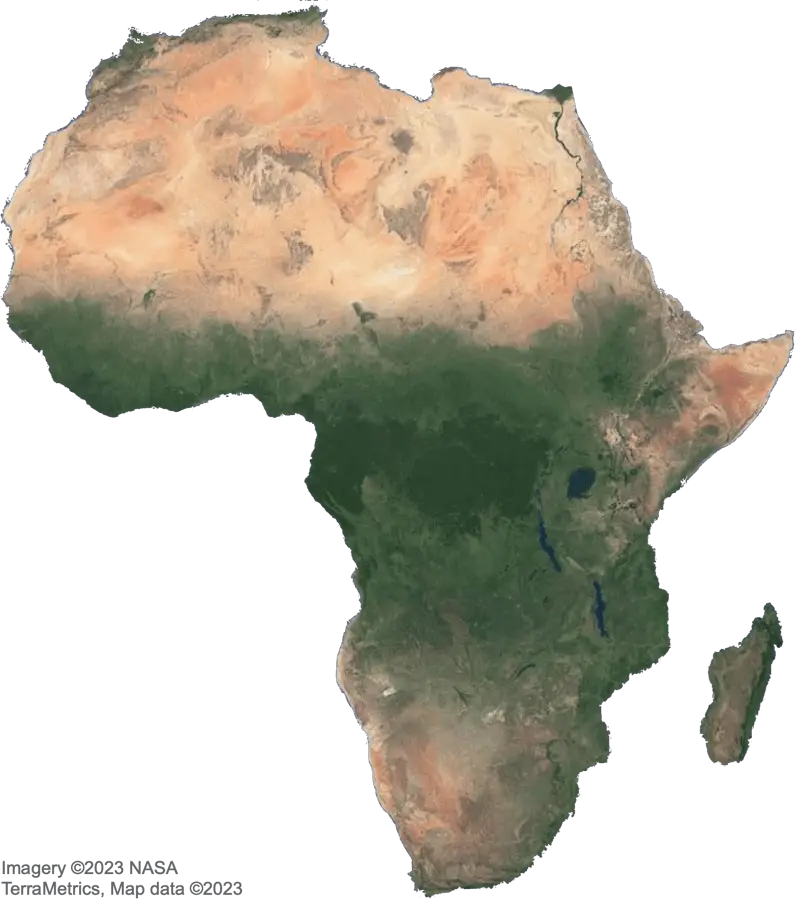
| | | | | | | | | | Africa is an incredible continent to explore, especially for budget travelers. However, not all regions are created equal when it comes to affordability. Generally, East and West Africa tend to offer better deals for backpackers, while North and Southern Africa can be pricier in comparison.
West Africa is a hotspot for budget travelers. Countries like Ghana, Senegal, and Burkina Faso have a vibrant local culture, affordable street food, and reasonably priced accommodations. The transportation options, like shared taxis and buses, are budget-friendly, making it easy to hop from one spot to another without breaking the bank. Plus, the welcoming nature of the locals often means you’ll find good deals and insider tips.
East Africa is another fantastic region for affordability. Nations like Uganda, Tanzania, and Kenya not only offer stunning landscapes and wildlife but also cater well to budget travelers. Hostels and guesthouses are common, and local markets provide inexpensive meals. Just keep in mind that some tourist activities, especially safaris, can be a bit pricey, so plan accordingly.
In contrast,
North Africa, including Egypt and Morocco, can be a mixed bag. While you can find budget options, the popular tourist sites often come with higher price tags. You might end up spending more than you'd like on tours or accommodations, especially in tourist-heavy areas. However, if you venture off the beaten path, you can still find some good deals.
Lastly,
Southern Africa has countries like South Africa and Zimbabwe, which can also be a bit on the pricier side. While there are budget options available, especially in less touristy regions, the costs can add up quickly if you’re not careful.
Overall, if you’re keen on keeping your budget in check, focus on West and East Africa for a richer experience without the hefty price tag.
⚠️ Select affordability in the filters below on the right to find your perfect match.
When it comes to architectural wonders, Africa boasts a rich tapestry of styles and histories that vary dramatically across its regions. For backpackers drawn to the beauty of architecture, some areas stand out as must-visit spots, while others may not offer the same level of interest.
The
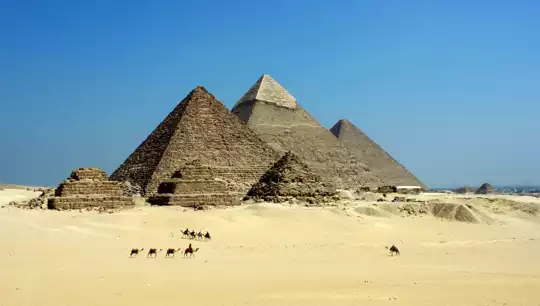
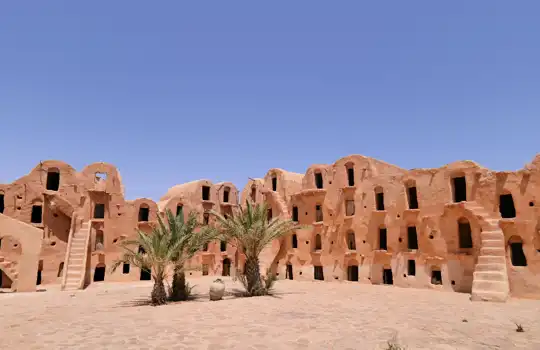
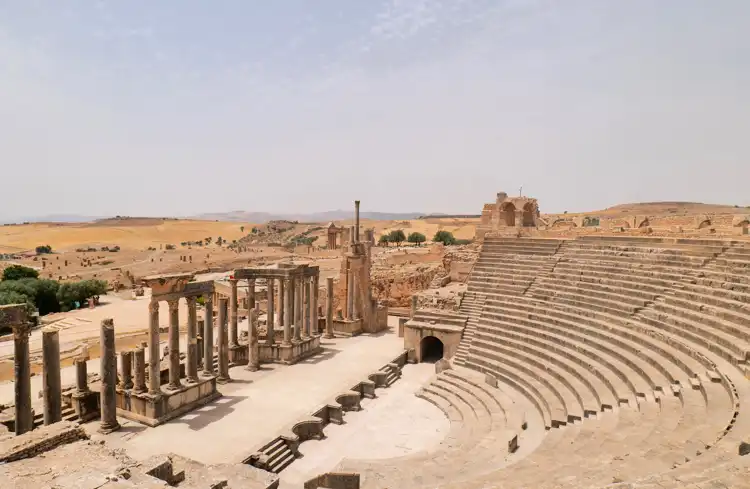
North Africa region is a treasure trove for architecture enthusiasts. Countries like Egypt and Morocco showcase ancient wonders and vibrant urban designs. In Egypt, the Pyramids and temples of Luxor reveal the grandeur of ancient civilizations, while Morocco's medinas and stunning riads showcase intricate Islamic architecture. Tunisia also offers a captivating blend of Roman ruins and traditional Islamic structures, making it a fantastic stop for those curious about architectural evolution.
Moving to the
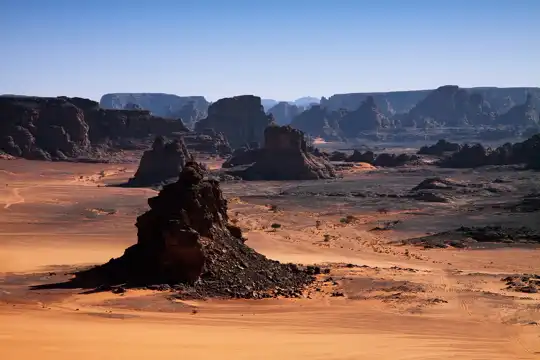
Saharan Africa, countries like Algeria and Libya have their own unique architectural styles, characterized by a mix of Ottoman influences and Berber heritage. Algeria's Casbah of Algiers is a UNESCO World Heritage site, rich in historical significance and stunning architecture. Meanwhile, Libya’s ancient cities like Sabratha feature impressive Roman ruins that transport you back in time.
In the
Horn of Africa, Ethiopia and Eritrea stand out for their distinctive styles that reflect their unique histories and cultures. Ethiopia’s rock-hewn churches in Lalibela are a marvel of engineering and devotion, while Eritrea’s Asmara showcases beautiful Italian colonial architecture, a testament to its complex past.
On the other hand,
West Africa may be less ideal for those primarily focused on architecture, as while it has historical sites, they tend to be less concentrated and varied compared to the other regions mentioned. However, Mali’s ancient city of Timbuktu does offer some fascinating historical architecture, though it may not be as easily accessible for backpackers.
Overall, if you’re passionate about architecture, North Africa and the Horn of Africa should be at the top of your list, while other regions might require a more specific focus on certain sites to fully satisfy your architectural curiosity.
⚠️ Select architecture in the filters below on the right to find your perfect match.
When it comes to vibrant backpacker scenes in Africa, certain regions stand out as hotspots for budget travelers looking for lively atmospheres, social interactions, and unique experiences. Generally, East and Southern Africa offer the most appealing options, while some areas in North and West Africa can be a bit more challenging for backpackers seeking that energetic vibe.
East Africa is a prime destination for backpackers. Countries like Kenya and Tanzania boast bustling cities like Nairobi and Dar es Salaam, filled with hostels, cafes, and nightlife. The region is also home to stunning nature, from the Serengeti to Mount Kilimanjaro, providing plenty of opportunities for adventure. The backpacker community here is robust, making it easy to meet fellow travelers and share experiences. Plus, the relatively affordable transport options between countries make it a breeze to explore.
Moving over to
Southern Africa, countries like South Africa, Zambia, and Mozambique offer a mix of vibrant cities and breathtaking landscapes. Cape Town is a major hub for backpackers, with its lively social scene and stunning views. Meanwhile, places like Livingstone near Victoria Falls attract adventure seekers and those looking for a fun atmosphere. Mozambique’s beautiful beaches and laid-back vibe also draw a crowd, perfect for those wanting to unwind after a few days of trekking.
On the flip side,
North Africa can be a mixed bag for backpackers. While Morocco has a growing backpacker scene, especially in cities like Marrakech and Essaouira, the overall vibe may not be as vibrant as in East or Southern Africa. The culture is rich and diverse, but the social scene can be less geared towards budget travelers.
West Africa, particularly Ghana, is emerging as a backpacker-friendly spot, especially in Accra and Cape Coast, where there are fun hostels and a friendly atmosphere. However, this region may not yet have the same level of infrastructure or community as its Eastern and Southern counterparts, although it’s definitely worth exploring for those looking for something a bit different.
In summary, if you're after that lively backpacker vibe, stick to East and Southern Africa. They offer the best mix of social opportunities, adventure, and affordability, making for an unforgettable travel experience.
⚠️ Select backpackers in the filters below on the right to find your perfect match.
When it comes to beach life in Africa, you've got some fantastic options depending on which region you decide to explore. The continent boasts stunning coastlines and diverse cultures, but some areas are definitely more backpacker-friendly than others. Let’s break it down by regions.
The
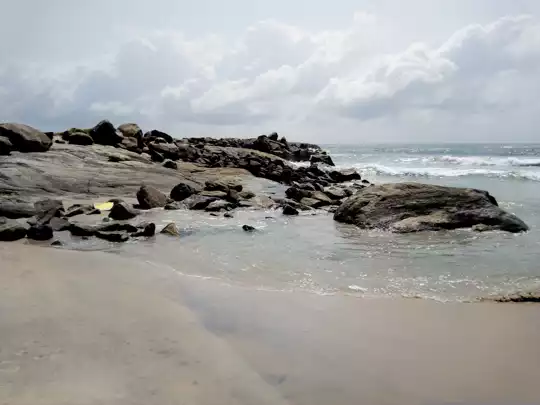
East Africa coast is a standout for beach lovers. Countries like Kenya and Tanzania offer beautiful sandy beaches along with vibrant marine life. Places like Zanzibar in Tanzania are known for their stunning beaches and rich cultural experiences, making them perfect for those wanting to relax and explore local traditions. Mozambique is also a gem in this region, with its pristine beaches and laid-back vibe, ideal for budget travelers looking to soak in the sun without breaking the bank.
Moving south,
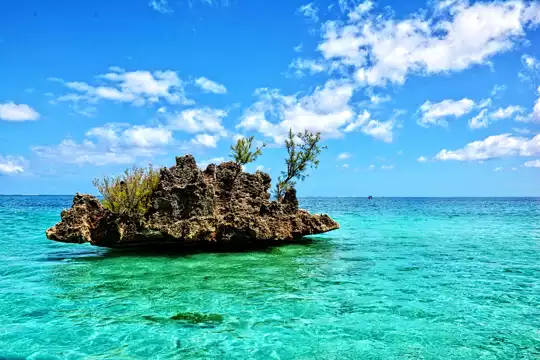
Southern Africa has some breathtaking beaches as well. South Africa is famous for its diverse coastline—from the vibrant beaches of Cape Town to the more tranquil options in the Eastern Cape. Mauritius and Madagascar are also in the mix, offering stunning landscapes, crystal-clear waters, and plenty of opportunities for adventure—all while being relatively affordable if you plan wisely.
In the
North Africa region, Egypt and Morocco provide a different beach experience. While Egypt is known for its resorts along the Red Sea, it can be a bit pricier in touristy areas. However, if you venture to places like Dahab, you can find more budget-friendly options. Morocco’s beach towns like Essaouira offer a unique blend of beach life and local culture, though the beaches can be windy and cooler than those in other regions.
Lastly, the
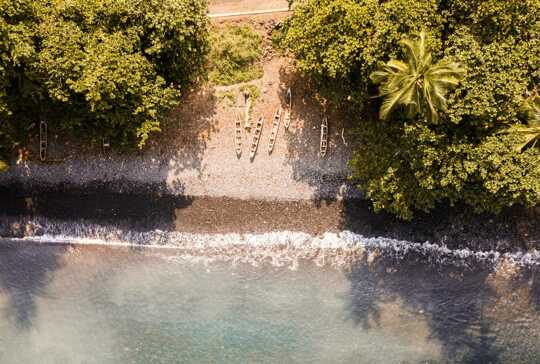
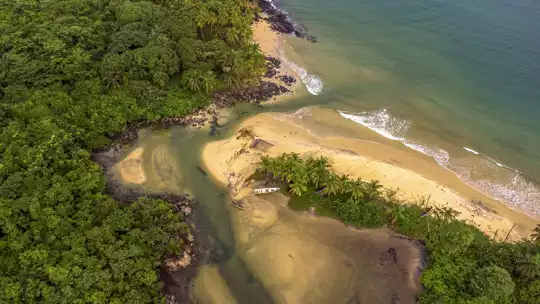
West Africa region features a mix of options, though it’s less frequented by beach lovers. Angola and São Tomé and Príncipe offer stunning beaches but can be more challenging to access and a bit pricier in terms of travel logistics. Cabo Verde also has beautiful beaches, and it’s becoming more popular among backpackers, but you might need to watch your budget as some islands can get a bit touristy.
Overall, if beach life is your priority, stick to the East and Southern parts of Africa for the best mix of affordability, accessibility, and stunning coastlines.
⚠️ Select beach life in the filters below on the right to find your perfect match.
When it comes to exploring Africa for delicious food, certain regions stand out for their diverse and rich culinary traditions. In contrast, some areas may not be as appealing to food enthusiasts. If you're a backpacker with a taste for authentic flavors, here's a breakdown of the regions that are a must-visit.
The
Northern Africa region, particularly countries like Egypt and Morocco, is fantastic for food lovers. You'll find a blend of spices, fresh ingredients, and a rich history reflected in every dish. From tagines and couscous in Morocco to koshari and falafel in Egypt, the flavors are vibrant and varied. Street food is also a big deal here, making it easy to sample local fare without breaking the bank.
Moving down to
West Africa, countries like Senegal and Nigeria offer a food scene that’s both hearty and flavorful. Senegal's national dish, thieboudienne (fish and rice), is a must-try, while Nigeria is famous for its jollof rice and pepper soup. The communal dining culture in these countries means you can often share meals with locals, adding to the experience. Mali, with its unique twists on traditional dishes, further enriches the culinary landscape of this region.
In
East Africa, Ethiopia stands out with its distinctive communal dining style and injera, a spongy flatbread that accompanies almost every meal. The spices used in Ethiopian cuisine create an explosion of flavors that are hard to forget. Kenya also brings a diverse culinary scene, influenced by various cultures, with dishes like ugali and fresh seafood along the coast.
Lastly,
Southern Africa is a melting pot of flavors, especially in South Africa, where you can enjoy everything from braai (barbecue) to a variety of dishes influenced by indigenous, Dutch, and Indian cuisines. The wine regions also offer great pairings with local foods. Seychelles adds a tropical twist with Creole influences that make for some refreshing seafood dishes.
While these regions are food havens, some areas in Africa may not be as developed in terms of culinary tourism or may have limited options for adventurous eaters. Stick to the regions mentioned, and you'll find plenty of delicious experiences that won’t break the bank.
⚠️ Select food in the filters below on the right to find your perfect match.
When it comes to exploring mountains in Africa, certain regions stand out for their diverse landscapes, breathtaking views, and a variety of trekking opportunities. The continent is home to some of the highest peaks and most stunning mountain ranges, especially in East and Southern Africa. However, not every area is equally suited for mountain exploration, with some regions being less ideal for backpackers seeking high-altitude adventures.
East Africa is a hotspot for mountain lovers. Countries like Kenya and Tanzania boast iconic peaks, including Mount Kilimanjaro, Africa's tallest mountain, and the stunning Rwenzori Mountains that straddle the Uganda-Democratic Republic of the Congo border. Ethiopia is also noteworthy, with the Simien and Bale Mountains offering unique treks and endemic wildlife. These areas are well-equipped for travelers, with established trails, local guides, and accommodations catering to various budgets.
Moving to
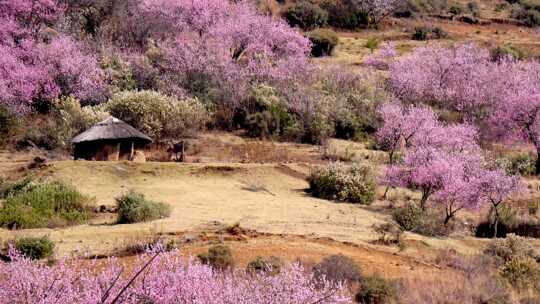
Southern Africa, you'll find countries like Lesotho and South Africa providing dramatic mountain landscapes. The Drakensberg Mountains in South Africa offer a range of hiking options, while Lesotho, often referred to as the "Kingdom in the Sky," presents rugged terrains and rewarding vistas. Malawi's mountains, including the Mulanje Massif, are less crowded and provide a more off-the-beaten-path experience, perfect for those looking to escape the tourist trail.
In contrast,
North Africa, particularly Algeria and Morocco, offers the Atlas Mountains, which are rich in culture and stunning scenery. However, the infrastructure for trekking can be less developed than in East and Southern Africa, making it a bit trickier for independent backpackers. While beautiful, these regions might require more planning and preparation for a successful mountain adventure.
Lastly,
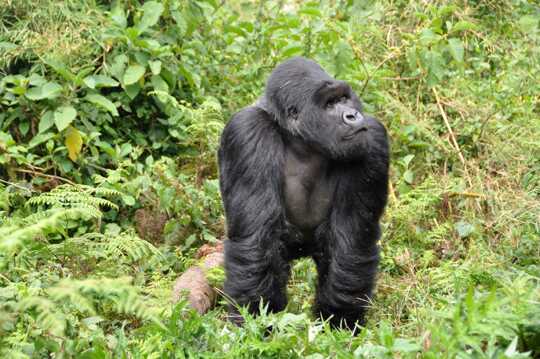
Central Africa is often overlooked for mountain exploration, and while Rwanda's Virunga Mountains are famous for gorilla trekking, the overall mountain experience is less varied compared to its eastern and southern neighbors.
In summary, East and Southern Africa are the go-to regions for mountain exploration, offering well-established trails and diverse landscapes. North Africa has some great options but may require more effort to navigate, while Central Africa has potential but is less ideal for mountain-focused trips.
⚠️ Select mountains in the filters below on the right to find your perfect match.
When it comes to meeting people in Africa, some regions stand out as particularly welcoming and vibrant, while others might be a bit more challenging for social interactions. For those backpackers looking to connect with locals and immerse themselves in the culture, certain areas are definitely more favorable.
The
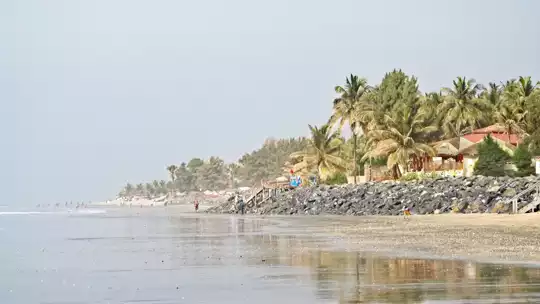
West Africa region is a hotspot for socializing. Countries like Ghana, Senegal, and Gambia are known for their friendly locals and communal lifestyles. You’ll find plenty of festivals, markets, and street gatherings where you can easily strike up a conversation. The rich traditions and openness make it a great place for travelers who want to engage with the community.
Moving over to
East Africa, you’ll find Kenya and Tanzania offering a lively mix of cultures and experiences. Both countries have vibrant cities and rural areas where you can meet people through local tours, community projects, or simply by visiting local cafes. The warmth of the people here can make your travel experience truly memorable.
In
Southern Africa, Namibia and Zimbabwe have their own unique charm. While Namibia is more known for its stunning landscapes, the locals are generally friendly, especially in towns like Swakopmund. Zimbabwe, particularly in places like Harare, has a community-focused vibe where travelers can connect with locals over shared interests.
On the other hand, regions like
North Africa, while culturally rich and fascinating, can sometimes feel less accessible for spontaneous interactions. Countries like Morocco and Tunisia tend to have a more structured social scene, which might require a bit more effort to break the ice.
Overall, if meeting people is a priority, stick to West and East Africa for the most engaging experiences, and don’t overlook the friendly faces of Southern Africa.
⚠️ Select people in the filters below on the right to find your perfect match.
When it comes to exploring Africa while keeping safety in mind, some regions stand out as particularly traveler-friendly. While many areas offer unforgettable experiences, certain regions have a better reputation for safety, making them more appealing for those who prioritize it.
Starting with
North Africa, countries like Morocco and Egypt are popular among travelers and generally have well-trodden paths for tourists. These places boast rich histories, stunning landscapes, and vibrant cultures. However, be mindful of the occasional political unrest and local customs, which can vary significantly. Overall, North Africa tends to have a decent infrastructure for tourists, making it relatively safe for backpackers.
Moving south to
West Africa, you’ll find a mix of safety levels. Countries like Ghana and Senegal are known for their welcoming atmospheres and are often favored by backpackers. They offer a blend of cultural experiences and beautiful scenery, but some areas may have higher crime rates, so staying alert is key. On the other hand, places like Guinea and Liberia can present more challenges, so it’s wise to do thorough research before venturing into less-traveled areas.
In
East Africa, Kenya and Tanzania are popular choices, particularly for those interested in wildlife safaris and stunning natural landscapes. Tourist hubs are generally safe, but it’s essential to stay informed about your surroundings and avoid less populated areas after dark. Rwanda stands out for its safety record and eco-friendly tourism, making it a fantastic option for travelers focused on security.
Finally, in
Southern Africa, countries like Namibia and Botswana are celebrated for their stunning landscapes and relatively low crime rates in tourist areas. South Africa, while rich in experiences, has varying safety levels depending on where you are; stick to well-known areas and always stay vigilant.
Overall, while many African countries can be enjoyed safely with the right precautions, focusing on these regions can help ensure a more secure and enjoyable backpacking experience. Always stay updated on local conditions, and trust your instincts as you explore this diverse continent.
⚠️ Select safety in the filters below on the right to find your perfect match.
When it comes to stunning landscapes and breathtaking views, Africa has a lot to offer, but some regions really stand out for those seeking incredible scenery. On the flip side, a few areas might not be as appealing for those focused primarily on natural beauty.
The
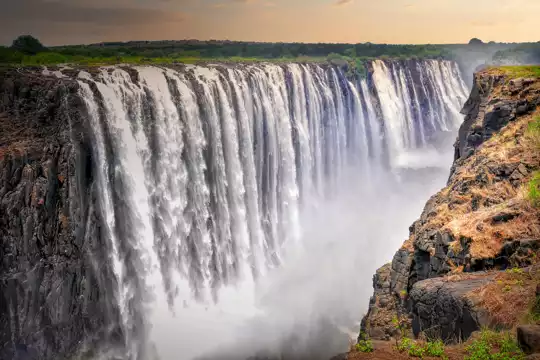
Southern Africa region is a treasure trove for scenery lovers. Think dramatic coastlines, vast deserts, and impressive wildlife. Countries like Namibia and Botswana are famous for their stunning landscapes, including the Namib Desert and the Okavango Delta, while South Africa offers everything from Table Mountain to the Garden Route. Plus, the diverse ecosystems in places like Zambia and Zimbabwe provide fantastic opportunities for adventure and photography.
Moving to
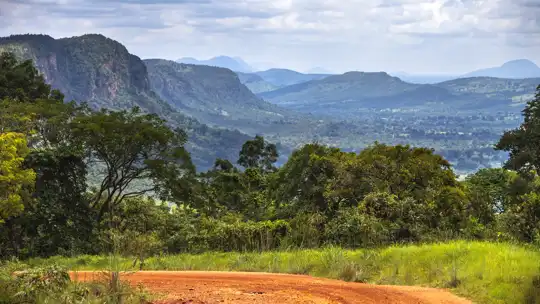
East Africa, this area is another hot spot for amazing scenery. Kenya and Tanzania are renowned for their iconic savannahs and the majestic Mount Kilimanjaro. The Great Rift Valley and the Serengeti will take your breath away. Uganda also deserves a mention with its lush landscapes and unique wildlife experiences, especially around the Bwindi Impenetrable Forest.
In
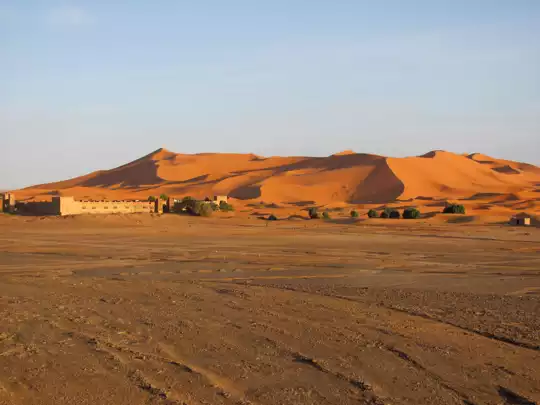
North Africa, the scenery can be quite diverse, ranging from the Sahara Desert to the Nile River. Egypt’s ancient monuments set against the backdrop of desert landscapes are visually striking. Morocco offers the Atlas Mountains and beautiful coastlines, making it a fantastic destination for those who appreciate varied terrains. However, some areas may be more urbanized and less focused on untamed nature.
Lastly,
Central Africa has its own charm, particularly with countries like the Democratic Republic of the Congo and Cameroon offering dense rainforests and volcanic landscapes. However, accessibility and infrastructure can be more challenging here, which might deter some backpackers looking for easy travel routes.
In summary, if you’re chasing incredible scenery, Southern and East Africa are your best bets. North Africa has its highlights, but may not always cater to nature lovers, while Central Africa is beautiful but can be a bit tricky. Happy travels!
⚠️ Select scenery in the filters below on the right to find your perfect match.
When it comes to exploring Africa's unique offerings, certain regions stand out for backpackers looking for distinctive cultures, landscapes, and experiences. Generally, West and East Africa are particularly favorable for those seeking a sense of uniqueness, while North and Central Africa might offer fewer options in terms of off-the-beaten-path adventures.
West Africa is a treasure trove of diversity, with countries like Benin, Burkina Faso, Ghana, and Sierra Leone showcasing rich histories, vibrant music scenes, and unique traditions. The region is known for its colorful markets, lively festivals, and some of the most hospitable locals you’ll ever meet. Each country has its own distinct flavor, from the voodoo culture in Benin to the historical significance of the slave trade in Ghana. Expect to encounter a range of languages, cuisines, and landscapes that provide an engaging backdrop for any backpacker.
In
East Africa, countries like Ethiopia, Uganda, and Madagascar offer an eclectic mix of experiences. Ethiopia's ancient history and unique customs, including its own calendar and language, set it apart from the rest of the continent. Uganda’s stunning national parks and diverse wildlife provide a unique adventure, while Madagascar is home to flora and fauna found nowhere else on Earth. This region is great for those who enjoy both cultural immersion and natural beauty.
On the other hand,
North Africa tends to be more touristy, with Egypt and Morocco attracting a lot of visitors. While they certainly have their own unique charms, they might not offer the same level of authentic experiences as the West and East.
Central Africa, including countries like Cameroon and the Democratic Republic of the Congo, can be a mixed bag. While they have potential for unique experiences, logistical challenges and safety concerns can make travel less appealing for budget backpackers.
In summary, for those passionate about exploring Africa's uniqueness, West and East Africa are your best bets. They deliver a rich tapestry of cultures, stunning landscapes, and memorable interactions that make for an unforgettable backpacking experience.
⚠️ Select uniqueness in the filters below on the right to find your perfect match.
When it comes to wildlife watching in Africa, certain regions stand out as hotspots for those looking to immerse themselves in nature. The continent is home to an incredible diversity of ecosystems, from savannas to rainforests, each offering unique opportunities to spot wildlife. However, some areas are more accessible and rewarding for budget travelers than others.
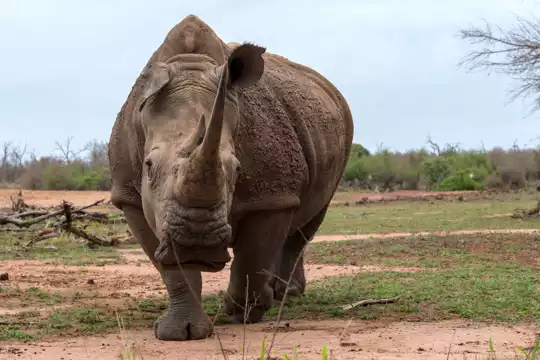
East Africa is arguably the most renowned for wildlife enthusiasts. Countries like Kenya and Tanzania host iconic national parks like the Serengeti and Maasai Mara, where you can witness the Great Migration and see the Big Five in their natural habitats. Rwanda, known for its mountain gorillas, adds another layer of adventure for those interested in primate watching. The well-established tourism infrastructure in this region makes it easier for backpackers to find budget-friendly accommodations and guided tours.
Moving to
Southern Africa, countries like Botswana, Namibia, and Zambia offer stunning landscapes and diverse wildlife. Botswana's Okavango Delta is a must-visit for its unique ecosystem, while Namibia's Etosha National Park provides excellent game viewing opportunities. Zambia is known for its walking safaris, which give you a different perspective on the bush. While these countries can be a bit pricier, especially Botswana, there are affordable options if you plan carefully and look for shared tours or campsites.
In
Central Africa, places like the Central African Republic and Gabon present less-trodden paths for wildlife watching. These regions are more remote, often making travel logistics tricky and potentially more costly. However, they offer unparalleled experiences with species like forest elephants and lowland gorillas, attracting the more adventurous backpacker willing to navigate the challenges for unique encounters.
Lastly,
West Africa is often overlooked for wildlife watching, but countries like Benin and Sierra Leone offer distinct experiences, including diverse bird species and coastal wildlife. The infrastructure might not be as developed as in East or Southern Africa, so travelers should be prepared for a more rugged experience, but for those seeking to explore off the beaten path, it's worth considering.
In summary, if you're serious about wildlife watching in Africa, East and Southern Africa are your best bets for accessibility and variety. Central Africa offers unique experiences for the adventurous, while West Africa can surprise those willing to explore its lesser-known offerings.
⚠️ Select wildlife in the filters below on the right to find your perfect match.
If you travel in
| | | | | | | | | | | April is an interesting month to explore Africa, as the continent showcases a diverse range of climates and landscapes. While some regions are basking in warm, pleasant weather, others may be experiencing heavy rains or extreme heat, which can affect your travel experience. Understanding these variations can help you choose the best destinations for your April adventure.
In the
North Africa region, countries like Morocco, Algeria, and Libya enjoy mild, pleasant weather during April, making it an excellent time to explore the rich history and vibrant culture. The temperatures are comfortable, allowing for enjoyable sightseeing without the sweltering heat of summer. However, be mindful that some areas may become crowded with tourists during this time, so plan your itineraries accordingly.
Moving down to
West Africa, countries like Ghana, Senegal, and The Gambia are also favorable in April. The weather is warm but manageable, and you can experience local festivals and cultural events. It's a great time to hit the beaches or explore bustling markets. However, be aware that some regions may start to experience the onset of the rainy season, so check local forecasts before planning your trip.
In
East Africa, Ethiopia and Eritrea are appealing in April as the weather is generally dry and mild, perfect for trekking and exploration. However, as you venture further south, places like Madagascar might be experiencing sporadic rain, which can affect travel plans but also means greener landscapes and fewer tourists.
The
Southern Africa region, especially South Africa and Lesotho, offers pleasant conditions for outdoor activities in April. The days are usually sunny and cool, ideal for hiking and exploring national parks. However, be cautious in regions like South Sudan, where the weather can be unpredictable and may pose challenges for travel.
Overall, April can be a fantastic time to explore Africa if you choose the right regions. Make sure to consider the weather patterns and local events to maximize your travel experience!
⚠️ Select April in the filters below on the right to find your perfect match.
August is a fantastic month to explore Africa, as the continent showcases a variety of climates and conditions that can make your trip memorable. While some regions are basking in dry and pleasant weather, others might experience wet conditions that can put a damper on travel plans. Understanding the climate nuances is key for budget travelers looking to make the most of their adventure.
Starting with
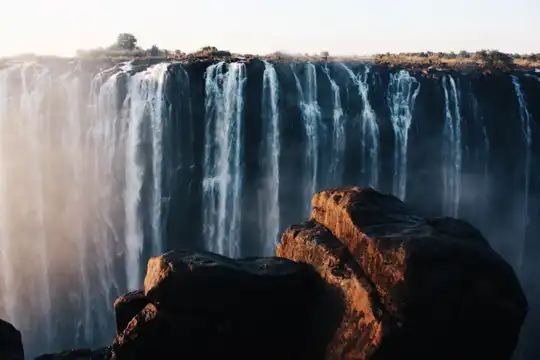
Southern Africa, countries like Namibia and Botswana are prime spots in August. This time of year is part of the dry season, offering excellent wildlife viewing opportunities and comfortable temperatures. It’s also a great time for hiking and exploring national parks without the sweltering heat. Conversely, Zimbabwe and Zambia are also favorable, especially for budget travelers looking to experience iconic sites like Victoria Falls, where water levels are lower but the scenery is still stunning.
In
East Africa, countries such as Kenya and Tanzania are particularly appealing in August due to the Great Migration, where millions of wildebeest and zebras move through the Serengeti. The weather is generally dry and cooler, perfect for trekking and safari adventures. Uganda and Rwanda are also solid choices for those keen on gorilla trekking, with less rain and more manageable hiking conditions.
Moving to
Central Africa, places like Gabon and the Republic of the Congo offer lush landscapes and unique wildlife experiences. However, August can be a mixed bag as it falls within the dry season, making it a decent time to visit, though some areas might still be hard to access due to lingering rain effects.
Lastly, in
island regions, the Seychelles and Madagascar are stunning options during August, presenting dry and sunny weather ideal for beach lounging or hiking. Meanwhile, Mayotte and Réunion can also be explored, but be mindful of potential humidity, which can be a bit uncomfortable for some.
Ultimately, August can be a great month to traverse Africa, with many regions offering favorable conditions for a variety of activities. Just keep an eye on the weather and plan accordingly to ensure an unforgettable adventure!
⚠️ Select August in the filters below on the right to find your perfect match.
December is an intriguing time to explore Africa, as the continent boasts a wide array of climates and conditions. While some regions are basking in warm, sunny weather, others might be experiencing rain or unpredictable temperatures. For budget travelers, understanding these variations can help you choose the best spots to visit during this month.
In the
North Africa region, countries like Egypt see a delightful drop in temperature, making it much more pleasant for exploring ancient sites without the scorching heat. This is peak tourist season, so budget travelers should book accommodations in advance to avoid inflated prices.
Moving south to
West Africa, countries such as Ghana and Senegal experience dry, cooler weather in December, making it a great time for backpackers to enjoy local festivals and vibrant cultures. Just keep in mind that some places may be crowded during the holidays, so plan accordingly. Meanwhile, nations like Burkina Faso and Mali offer unique cultural experiences, though be cautious of security concerns in certain areas.
In the
East Africa region, places like Rwanda and Uganda are pleasant in December, perfect for trekking and wildlife spotting, especially since it’s a dry season for many areas. However, be prepared for higher prices and more tourists, particularly around popular national parks.
Lastly, in the
Southern Africa region, countries like Lesotho and Mauritania can be quite chilly in December, particularly at night, while others like Mauritius offer beautiful beach weather. Just be mindful of varying costs and availability, as some areas may see a surge in visitors during the holiday season.
Overall, December is a fantastic month to explore Africa, but the key is to choose regions that match your travel style and budget.
⚠️ Select December in the filters below on the right to find your perfect match.
Africa in February offers a diverse range of climates and travel experiences, making it a fascinating time to explore the continent. While some regions are basking in warm, dry weather, others might be experiencing the wet season, which can affect accessibility and comfort for travelers. Understanding which areas are favorable can help budget backpackers make the most of their trip.
In
North Africa, countries like Egypt and Sudan are generally pleasant in February, with milder temperatures perfect for exploring ancient sites and bustling markets. This region’s dry climate means you can hike through the Sahara or visit the pyramids without the sweltering heat of summer. However, be prepared for potential crowds at popular tourist spots, especially in Egypt.
Moving down to
West Africa, this region is typically warm and dry during February, making it a great time to visit countries such as Ghana, Senegal, and The Gambia. Cultural festivals often take place at this time, providing a vibrant atmosphere. However, parts of Sierra Leone and Liberia may still experience some rain, so it's wise to check local forecasts if you're planning to venture there.
In
East Africa, countries like Ethiopia and Uganda are fantastic options in February, as the weather is generally dry and cooler. This is ideal for trekking and wildlife safaris, particularly in national parks. However, parts of Somalia and South Sudan can be less ideal due to ongoing instability, so it's important to stay informed and exercise caution.
Finally, in
Central Africa, areas like Cameroon and the Central African Republic can be hit-or-miss in February. While some parts may enjoy dry conditions, others might be experiencing rain, which can limit travel options. It's best to research specific regions if you're considering a visit here.
Overall, February can be a great month to explore Africa, especially in the northern and western regions, where the weather is more cooperative for outdoor adventures. Just remember to stay flexible and keep an eye on local conditions as you plan your backpacking journey!
⚠️ Select February in the filters below on the right to find your perfect match.
Traveling to Africa in January presents a unique opportunity, as the continent’s diverse climates offer a range of experiences. January is generally a great time to visit many parts of Africa, with pleasant weather prevailing in several regions. However, it’s important to consider that conditions can vary widely, with some areas experiencing the height of the dry season while others may face rain.
In the
West Africa region, countries like Ghana, Senegal, and Côte d'Ivoire are quite welcoming in January. The dry season means less humidity and plenty of sunshine, making it ideal for exploring vibrant cities, local markets, and stunning coastal areas. However, keep in mind that some areas may be a bit crowded with tourists, especially around popular festivals.
Head further north to
North Africa, where Egypt and Sudan shine in January. The cooler temperatures make it a perfect time to explore ancient sites like the Pyramids or the Nile River. While the desert regions can get chilly at night, the days are usually comfortable for sightseeing. Just be prepared for a mix of tourist crowds in major hotspots.
Moving to the
East Africa region, countries such as Ethiopia and Uganda are also great choices. January is typically dry, which is perfect for trekking and wildlife watching, especially in places like Uganda's national parks. However, be aware that certain high-altitude areas can be quite cold, so layer up if you’re heading into the mountains.
In
Central Africa, places like Cameroon and the Central African Republic offer unique experiences, but conditions can be a bit more unpredictable. January may bring some dry weather, but be prepared for possible rain, particularly in forested regions. This means fewer tourists, which could be a bonus if you prefer a quieter travel experience.
Finally, the
Southern Africa region, including Lesotho and South Africa's neighboring areas, is generally warm and dry in January, making it a fantastic time for outdoor adventures. However, some countries, such as Madagascar, can be trickier due to potential cyclones, so check local forecasts if you plan to venture that way.
Overall, January is a solid month for exploring Africa, but being mindful of regional weather patterns will help you plan the best adventure possible.
⚠️ Select January in the filters below on the right to find your perfect match.
July in Africa presents a mixed bag of climates and experiences, making it a great time for backpackers to explore various regions. As the continent transitions through its winter months, many areas enjoy milder temperatures and less rain, while others can be quite dry or even chilly. Understanding the different regional climates can help you make the most of your travel plans.
Starting with
East Africa, countries like Kenya, Tanzania, Uganda, and Rwanda are quite appealing in July. This is peak dry season, perfect for wildlife viewing in national parks and enjoying outdoor activities. The weather is generally warm, and the landscapes are vibrant, making it a fantastic time for trekking, especially if you're eyeing the gorillas in Rwanda or the savannas of the Serengeti.
In
Southern Africa, Namibia, Botswana, and Zimbabwe are also in their prime. July offers cool, dry weather, ideal for safaris and exploring the stunning landscapes, from the deserts of Namibia to the Okavango Delta. The cooler temperatures during the day make long treks and wildlife spotting much more enjoyable, and you'll find that the wildlife is more active and visible.
Moving to
Central Africa, countries like Gabon and the Republic of the Congo can be a mixed experience in July. While you might encounter fewer tourists and enjoy lush landscapes, the humidity can be high, and rain is still a possibility. If you’re up for some jungle adventures and less-traveled paths, it could be worth it, but be prepared for potential downpours.
Finally, in
Island Nations like Madagascar, Seychelles, and São Tomé and Príncipe, July is generally dry and pleasant. The cooler temperatures make it a great time for beach lounging or exploring unique wildlife and ecosystems. Just keep in mind that these islands can be more expensive compared to mainland options, so budget accordingly.
In summary, focus your travels in July on East and Southern Africa for the best conditions, while Central Africa offers a more adventurous, albeit humid, experience. The islands will charm you with their beauty, but be ready for potentially higher costs. Happy travels!
⚠️ Select July in the filters below on the right to find your perfect match.
June is a great time to explore Africa, as the continent experiences a variety of climates and conditions that can greatly influence your travel plans. In general, many regions are transitioning into dry season, making it an ideal time for outdoor adventures. However, some areas can be quite chilly or rainy, so it's good to know where to go for the best experience.
In southern Africa, particularly in
Namibia and
Botswana, June marks the start of the dry season, which means cooler temperatures and excellent wildlife viewing opportunities. You’ll find that the parks are less crowded, and animals are easier to spot as they gather around water sources. If you're into safaris, this is prime time!
Moving up to
East Africa, countries like
Tanzania and
Kenya are also favorable in June. The weather is generally mild, making it perfect for trekking, especially if you’re planning to hike Mount Kilimanjaro or go on a safari in the Serengeti. Just keep in mind that June is part of the migration season, so expect some crowds, but it’s worth it for the incredible wildlife sightings.
In
Central Africa, such as the
Democratic Republic of the Congo and
Rwanda, June can be a bit unpredictable. While it’s technically the dry season in some areas, it can still be rainy, which might affect gorilla trekking or other activities. If you're up for some adventure and don’t mind the possibility of wet weather, these countries offer unique experiences.
On the other hand, the islands in
the Indian Ocean, like
Madagascar,
Mauritius, and
Seychelles, are generally pleasant in June. You can expect warm, dry weather perfect for beach lounging or exploring the unique flora and fauna. They might be a bit pricier, but if your budget allows, they offer stunning scenery and rich cultural experiences.
Overall, while some regions are more favorable than others in June, Africa has a lot to offer. Just be sure to plan according to the specific climate conditions and activities you’re interested in, and you’ll have an incredible experience!
⚠️ Select June in the filters below on the right to find your perfect match.
Africa in March offers a diverse range of climates and experiences, making it a fascinating time to explore the continent. Generally, you’ll find that northern regions are warming up after winter, while southern areas are transitioning into autumn. This means some regions are particularly inviting for budget travelers, while others may not be as ideal due to heat or rainy seasons.
Starting with
North Africa, countries like Morocco and Libya are typically warm and dry in March, making them great for exploring cities, deserts, and historical sites. The temperatures are manageable, and it's a perfect time to avoid the summer heat. However, the political climate in some parts can be unpredictable, so staying updated on local news is wise.
Moving to
West Africa, nations such as Senegal, Ghana, and Côte d’Ivoire generally enjoy pleasant weather this time of year. March falls just before the rainy season kicks in, meaning you can experience vibrant local cultures, bustling markets, and beautiful coastal areas without the humidity and downpours that come later. This is also a great time for festivals and community events, which can be a highlight for travelers.
In
Central Africa, conditions can vary significantly. Countries like Cameroon and the Central African Republic might be less favorable for backpackers in March due to heavy rains and humidity. While there are stunning landscapes and wildlife to see, the travel challenges may not make it worth it if you're on a tight schedule or budget.
Down in
Southern Africa, places like South Africa and Lesotho start to cool down as autumn approaches. March is an excellent time for wildlife viewing in national parks, as animals are often more active. Additionally, the landscapes are lush from the summer rains, creating stunning scenery for hikes and adventures. Lesser-known destinations like Lesotho offer a chance to experience unique cultures and breathtaking mountain views without the tourist crowds.
Lastly,
East Africa, with countries like Ethiopia and Eritrea, can be hit or miss in March. While some areas are dry and perfect for trekking or cultural visits, others may be experiencing the onset of the rainy season, making travel tricky. Always check local conditions before planning your route.
In summary, March is a varied month for travel in Africa, with the best experiences often found in the north and west, while central and some eastern regions may pose challenges. Always keep an eye on local conditions, and you’ll have a fulfilling adventure!
⚠️ Select March in the filters below on the right to find your perfect match.
May marks a transitional period in Africa as the continent shifts from the wet season to the dry season in many regions. This month can offer great opportunities for backpackers, but climate conditions vary significantly across the continent. While some areas are basking in pleasant weather, others may be experiencing heavy rains or extreme heat, which can impact your travel plans. Let’s break down the regions to help you decide where to go this May.
In
North Africa, countries like Morocco and Tunisia are quite favorable. Temperatures are generally moderate, making it a great time to explore vibrant markets, ancient ruins, and stunning landscapes without the sweltering heat of summer. However, the interior desert areas might be heating up, so stick to the coastal regions for a more enjoyable experience.
Moving down to
East Africa, countries such as Kenya and Ethiopia are also appealing in May. While some areas may experience short rains, this often leads to lush scenery and fewer tourists. It’s a fantastic time for wildlife enthusiasts, especially in Kenya, where the landscapes are vibrant and the animal sightings are still good before the peak dry season kicks in.
The
Southern Africa region, including nations like Namibia, Botswana, and South Africa, is generally excellent in May. The weather tends to be cooler and dry, ideal for outdoor activities like hiking, exploring national parks, or embarking on a safari. This is also the start of the dry season, which means better game viewing as animals congregate around water sources.
In contrast,
West Africa can be a bit tricky in May. While countries like Senegal and Gambia might still be manageable, many areas experience significant rainfall, which can make travel more challenging. If you opt for this region, be prepared for potential delays and plan your activities accordingly.
Lastly,
Central Africa, with countries like Angola and the Republic of the Congo, is less predictable in May. Though you might find some pockets of good weather, heavy rains can make transportation difficult, so keep an eye on local conditions before heading out.
In summary, May can be a great time to visit Africa if you choose your regions wisely. Stick to North, East, and Southern Africa for the best weather and travel experiences, while weighing your options carefully in West and Central Africa. Happy travels!
⚠️ Select May in the filters below on the right to find your perfect match.
November is an interesting time to explore Africa, as the continent boasts a variety of climates and conditions that can greatly influence your travel plans. While some regions are basking in pleasant weather, others may face rainy seasons or extreme heat. For budget travelers, understanding these nuances is key to making the most of your trip.
Starting with
North Africa, countries like Morocco and Egypt are fantastic in November. The temperatures are mild, making it perfect for exploring historical sites without the sweltering heat of summer. This is also a great time to check out the Sahara Desert, as days are warm but nights cool down nicely. Tunisia and Algeria offer similar advantages, allowing for a comfortable journey through their rich cultural landscapes.
Moving to
West Africa, November marks the end of the rainy season in many countries like Ghana, Senegal, and The Gambia. These places become vibrant and lush, ideal for experiencing local festivals and markets. However, be mindful that some areas may still have scattered showers, so packing a light rain jacket is a good idea. Countries like Burkina Faso and Ivory Coast can also offer some good experiences, but it can be a bit hotter and more humid, so plan your activities accordingly.
In
East Africa, Kenya and Ethiopia are solid choices in November. The weather is generally dry, making it suitable for wildlife spotting and hiking. The landscapes are typically lush from the recent rains, especially around the Rift Valley and in national parks. However, do check specific regions as some can still experience unexpected rain.
For those considering
Southern Africa, South Africa and Lesotho are ideal in November. The spring season is in full swing, with beautiful blooms and comfortable temperatures for outdoor adventures. Mauritius and Réunion also offer stunning beaches and lush landscapes, perfect for relaxation after some trekking.
On the flip side, if you're looking at
Central Africa, countries like Chad and Cameroon may not be the best choice, as they can experience heavy rainfall and challenging travel conditions. While they have their unique attractions, the weather can be a significant factor to consider.
In summary, November can be a great month to explore many parts of Africa, but sticking to the right regions will enhance your experience. Enjoy the diverse cultures, landscapes, and climates that this vast continent has to offer!
⚠️ Select November in the filters below on the right to find your perfect match.
October is an exciting month for traveling in Africa, as it marks the transition into drier and cooler weather in many areas. This time of year offers an excellent opportunity for backpackers to explore diverse landscapes, wildlife, and cultures across the continent. However, Africa’s vastness means that conditions can vary significantly from one region to another, so knowing where to go is key to making the most of your trip.
In
North Africa, countries like Morocco and Tunisia are particularly inviting in October. With milder temperatures and less humidity than the summer months, you can comfortably explore bustling cities, ancient ruins, and stunning coastlines. Just be mindful that some areas may still be a bit crowded due to lingering tourist season, but overall, it's a great time to soak in the local culture without the sweltering heat.
Moving south, the
Southern Africa region, including countries like South Africa, Namibia, and Botswana, shines in October. This is prime time for wildlife viewing as animals gather around water sources. The weather is generally dry and pleasant, making it perfect for camping and hiking adventures. Just be aware that some parks can get busy, especially during school holiday periods, so booking accommodations in advance is wise.
In the
East Africa region, October is a mixed bag. While Kenya and Tanzania offer good weather for safaris and beach time, it’s also the start of the short rainy season, particularly towards the end of the month. Expect some rain, especially in coastal areas, but it’s still a fantastic time for wildlife enthusiasts. Just pack for the possibility of showers and enjoy the lush landscapes.
Over in
Central Africa, you’ve got countries like Angola and Zambia, where October can be quite hot. However, it's a good time for exploring the natural beauty, especially in Zambia’s national parks, which start to dry out. Just keep in mind that some remote areas may be challenging to access due to the heat.
Finally, along the
Indian Ocean, Mauritius and Réunion offer lovely weather in October, with plenty of sunshine and less humidity, making it ideal for beach lovers and hikers alike. You can enjoy stunning landscapes and vibrant local culture without the intense heat of the summer months.
In summary, October is a great time to explore Africa, but your experience will depend on the region you choose. Whether you’re drawn to the deserts of the south, the beaches of the east, or the cultural richness of the north, there’s plenty to see and do — just be prepared for varying weather conditions.
⚠️ Select October in the filters below on the right to find your perfect match.
September is a fantastic time to explore Africa, as the continent features a diverse range of climates and landscapes. As the dry season begins to take hold in many regions, you'll find that wildlife viewing is prime, and temperatures are often more manageable. However, not all areas are equally inviting, so it's worth knowing which regions shine during this month and which might be a bit tricky for travel.
In the
Southern Africa region, countries like Namibia, Botswana, and South Africa are particularly appealing in September. The dry weather makes wildlife easier to spot, especially in national parks like Etosha and Chobe. Plus, the temperatures are warm but not overwhelming, making it ideal for outdoor adventures. Just be cautious of potential cold snaps in the evenings in some areas, especially in the desert.
Moving to
East Africa, places like Kenya, Tanzania, and Rwanda are also hot spots in September. This is prime time for the Great Migration in the Serengeti, and the weather is generally dry and sunny. Although it can get crowded at popular sites, the vibrant wildlife and stunning landscapes make it worth it. Just keep in mind that some areas can be pricey, so budgeting wisely is key.
In
North Africa, Morocco and Tunisia are still warm but starting to cool down, making it a pleasant time to wander through cities like Marrakech or Tunis. The coastal regions are particularly nice, with beaches becoming more enjoyable as summer crowds thin out. On the downside, the inland areas can still be quite hot, so it's best to plan your travels around cooler times of the day.
The
Central Africa region, including the Democratic Republic of the Congo and Gabon, may present challenges in September due to ongoing rainy seasons. While the lush landscapes can be beautiful, the mud and potential for heavy downpours can complicate travel plans. If you’re keen on exploring these countries, just be prepared for wetter conditions and some logistical hurdles.
Lastly,
island destinations like Madagascar, Mauritius, and Seychelles offer tropical vibes in September, with generally warm and pleasant weather. It's a great time for beach activities and exploring unique wildlife, as the islands tend to be less humid compared to other months. However, keep in mind that these locations can be more expensive, so it's good to plan ahead.
In summary, September is a great month for traveling across various regions in Africa, with Southern and East Africa taking the lead for wildlife viewing and pleasant weather. Just be mindful of the less favorable conditions in Central Africa and plan accordingly to make the most of your trip!
⚠️ Select September in the filters below on the right to find your perfect match.
v2.webp)