×

Best countries in Africa to visit in April

Discover the best countries to go backpacking in April, based on weather, festivals, wildlife, and seasonal highlights. Drawing on firsthand travel experiences, this guide helps you find destinations that match your interests—whether it’s scenic landscapes, cultural events, or unique adventures. Refine your search to plan the perfect April journey.”
Africa
Explore Asia in April
Preferences
WHEN DO YOU GO?


WHAT DO YOU LIKE?


How does it work?

show best time to go
Morocco
1

Morocco

Move from souks to deserts within days.


Move from souks to deserts, mountains, and coastlines, experiencing culture, landscapes, and local life for adventurous, culturally curious travelers.
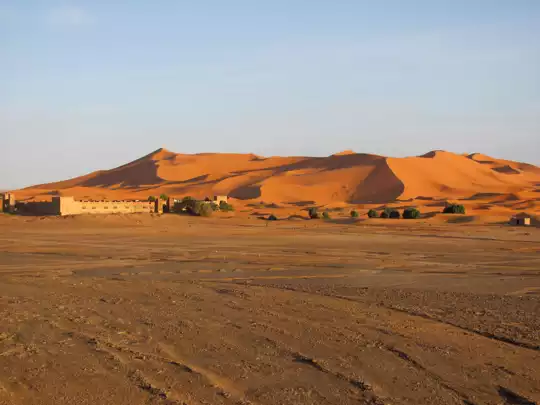
The sweet spot for Morocco backpacking is late April to early June and late September to early November. Spring and autumn split the difference: coastal breezes actually cool, not punish; the Sahara shifts from oven to walkable; High Atlas passes open without turning you into a crampon mule. Light is clean, not bleached. Guides have time for you, not just volume. Buses run full enough to be frequent, but not so packed you’re standing. Rooms in medinas don’t demand holiday rates, yet hammams still fire hot. Wildflowers pop in spring; olive presses work in autumn. You get mountain mornings that need a fleece and desert nights that don’t require bravery.
  • Peak Heat & Holidays: July–August and festive weeks make prices spike and alleys throb. You sweat through bargaining, then earn the payoff: Jemaa el‑Fna roaring at midnight and Atlantic sunsets that feel like applause.
  • Spring/Autumn Shoulder: Awnings lift, shopkeepers unstack rugs, and crowds thin just enough. Trains hit their stride, guides deal, trails dry, and the country moves with you instead of against you.
  • Winter Low: Medinas hush, air turns bone‑cold indoors, mountains wear real snow. Wear a beanie to bed, book south‑facing rooms, ride midday buses, and use hammams as your heater.
  • Summer Furnace: Interiors bake, streets nap at noon, desert shimmers. Start before dawn, siesta hard, cover skin, add electrolytes, and aim for night buses and rooftop breakfasts.
Pack one light down layer year‑round and book mountain refuges or desert camps a couple weeks ahead of the shoulder window; everything else, buy as you move.
Best known for:Known for: backpackers | food | mountains
Best time to visit: March - June, September - November
Daily cost: US$30 to 45 [visitmorocco.com]
Cabo Verde
2

Cabo Verde

Hike volcanic paths between ocean winds and musical nights.


Hike volcanic paths, drift through coastal towns, and explore beaches, experiencing music, culture, and tropical landscapes for travelers seeking active island adventures.
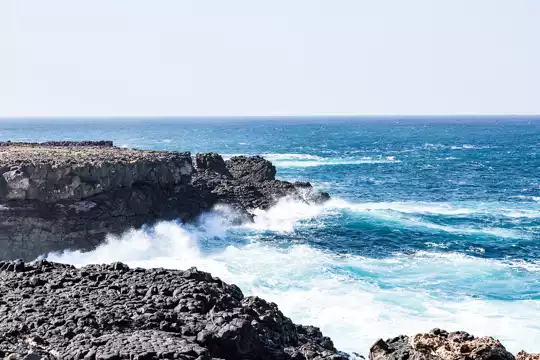
Late November to mid-December and late March through June are the sweet spot. The weather sits in that dry, forgiving lane; the trade winds back off just enough for calmer inter-island crossings; Santo Antão’s ridges are still green from earlier showers; and the holiday/Carnival surge has bled out of room rates. You move without elbows in your ribs, but you still get energy on the streets and reliable hiking conditions. Hit this window and you buy time: fewer sold‑out ferries, more choice in hospedarias, and clear mornings before the ocean breath really kicks.
  • Peak (Holidays & Trade-winds): Mid-December to Easter spikes prices and patience. Ferries fill, kites crowd the line-up. The payoff: Mindelo Carnival, bulletproof wind sessions, and long, cool ridge walks without heat-bonk.
  • Shoulder (Reset & Flow): Late Nov–mid Dec, late Mar–Jun. Winds ease, seas calm, shopkeepers have time, and trails feel yours. You cover islands fast and cheap by moving early and light.
  • Off-Peak (Rain & Heat): Aug–Oct turns valleys lush and empty. Squalls pop, humidity sits. Wear mesh trail runners, line your pack, start at dawn, and pad a day for weather-tossed boats.
Tactical tip: Book inter-island flights first, then fit lodgings and hikes around those fixed wings.
Best known for:Known for: scenery | mountains | safety
Best time to visit: March - July, November - December
Daily cost: €40 to €60
Tunisia
3

Tunisia

Move Roman ruins to desert towns quickly.


Move from Roman ruins to desert towns and coastal villages, experiencing history, landscapes, and culture for adventurous travelers.
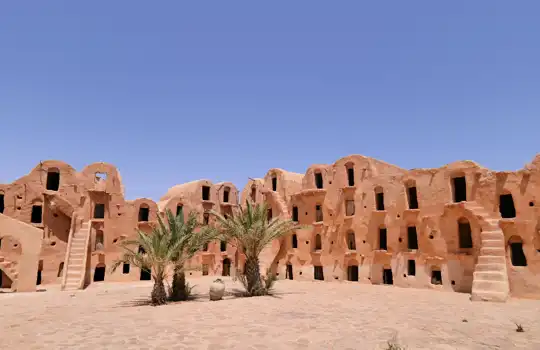
The sweet spot for Tunisia backpacking is mid‑April to late May and late September to late October. Spring gives you green hills and Roman ruins without the school-holiday stampede; autumn hands you a still‑warm sea and a Sahara you can actually walk in after breakfast. Prices ease back from summer’s package-tour surge, but buses, louages, and museums still run on full rhythm. Up north, rains haven’t started bullying the backroads; down south, nights are cool enough for a blanket, not a parka. You trade a few capricious winds and shorter daylight for room to breathe in medinas, saner hostel rates, and guides with time to talk.
  • Peak Heat (Jul–Aug): Expect sticker shock on the coast and elbows at the louage rank; sunrise swims in glassy water and late‑night promenades are the payoff. Inland, midday feels like opening an oven—start at dawn, siesta hard, move again at sunset.
  • Shoulder Shift (Apr–May & Sep–Oct): Markets spill pomegranates and herbs, cafés drag chairs into the sun, and guides drift back to ksar trails. Trains and louages run often, beaches have space, and ruins like Dougga echo again. Spring’s wildcard is the sandy ghibli: a hot wind that smears the sky and can stall desert tracks for a day—pack a buff and wait it out.
  • Winter Lull (Nov–Mar): The interior goes quiet in the best way—oases hum, dunes whisper, and you get entire ksour to yourself. Coastal rain can snarl roads; some beach hotels hibernate; evening louages thin out. Survival hack: sleep in merino, chase the sun at midday, and accept that tea is a heat source.
Tactical tip: For the shoulder months, reserve desert 4x4/camp spots two weeks ahead and pack one item that punches above its weight—a light buff—for wind, sun, and impromptu mosque-appropriate face coverage.
Best known for:Known for: low cost | people | architecture
Best time to visit: March - June, September - November
Daily cost: US$28 to 45
Liberia
4

Liberia

Move slowly through coastal forest towns and markets.


Move slowly along beaches, forests, and towns, experiencing local culture and landscapes for travelers seeking immersive, offbeat West African experiences.
Late November to mid‑December and late February to early April are the sweet spots for Liberia. The rains have stepped back, roads bake hard instead of dissolving into red porridge, and bush taxis actually leave close to when drivers promise. Harmattan dust softens by March, so the Atlantic turns blue again and the horizon stops looking like a sepia postcard. Holiday pricing cools after New Year, expat traffic thins, and guesthouses have beds without the festive markup. Rivers still carry enough water for clean swimming holes, mosquitoes slack off compared to the monsoon, and you can reach inland towns without chaining your day to a stuck truck.
  • Holiday Dry Peak (Dec–Jan): Prices climb, the sun bites by 10 a.m., and harmattan powders your teeth. The payoff: fast overland days, glowing beach evenings at Robertsport, and grilled barracuda with an ice-cold Club Beer while the generator hums.
  • Dust‑Lift Shoulder (Mar–Apr): Skies clear, dust settles, and markets surge back to life. Roads stay firm, rooms drop, mangoes hit the stalls, and you can move—early starts, long strides, coast to forest in one clean push.
  • Monsoon Core (Jun–Sep): The country turns inward. Tin roofs drum, forest breathes, and tracks melt. Survival hack: line your pack with a contractor bag and ride at first light; storms build after lunch.
  • Early Dry Reset (Oct–Nov): Rains taper, everything steams green, and backroads reopen one by one. Best narrow window: night turtle patrols around Grand Cape Mount beaches, peaking late Nov–Jan, only when the sand is firm and dark.
Tactical tip: For the Dec–Jan holiday peak, book coastal beds and long‑haul seats a week ahead; outside that window, walk in and negotiate.
Best known for:Known for: people | uniqueness | low cost
Best time to visit: October - May
Daily cost: US$45 to 60
Seychelles
5

Seychelles

Hop granite islands at unhurried island pace.


Hop granite islands, beaches, and reefs, experiencing tropical beauty and local life for travelers seeking immersive, relaxing island adventures.
April and late September through early November are the sweet spots. Here’s why: the trade winds slacken, the sea goes calm and clear, and operators sharpen prices before and after the school-holiday spikes. You still get warm water and reef visibility without the ferry chaos of July–August or the holiday premiums of late December. Showers roll through, but they move on fast; trails dry quickly; beaches aren’t buried in seaweed on the windward coasts. Add whale sharks around October–November and roomy dive boats, and the math tilts your way.
  • The Crowd/Heat Peak: December holidays and mid-year European break turn the islands into a checkout line. You’ll pay for it—full ferries, sold-out bikes on La Digue, sun that pins you to the shade. The high is real: glassy morning bays, turtle nesting on quiet stretches, and wind sports firing on the south coasts.
  • The Transition/Shoulder: April and October breathe out. Winds ease, fishermen slide pirogues off the sand, dive skippers linger at sites because they can. Guesthouses deal, buses feel human, and you can choose beaches by mood, not survival.
  • The Off-Peak/Extreme: June–September brings the southeast trades. Trails empty, coves feel private, and evenings come with that salt-and-aloe hush. Hack it by hugging leeward shores, packing a dry bag for ferries, and expecting last-minute schedule shuffles—the wind cancels crossings more than people admit.
Book island hops first, then let lodging follow; in shoulder months, lock ferries two weeks out and carry a mask strap and reef-safe rash guard so you can pivot to any calm bay you find.
Best known for:Known for: beach life | safety | scenery
Best time to visit: January - May, September - November
Daily cost: €30 to €70 [seychelles.travel]
Algeria
6

Algeria

Cross Mediterranean cities before drifting deep into the Saharan silence.


Cross Mediterranean cities before drifting deep into Saharan deserts, experiencing vast landscapes, ancient history, and traditional life for travelers seeking adventure and solitude.
Aim for late March through May, then late October into November. Spring shakes off the coastal rains; pavements dry warm, salt hangs in the air, and bus stations hum without the crush of summer families. The Sahara eases from furnace to workable—sand cool enough to walk at dawn, nights crisp rather than biting—so multi-day dune routes and Tassili walks feel human. Up in Kabylie and the Aurès, trails are open without snow, and you’re not post-holing through slush. Prices sit below the August spike, but guesthouses and cafés keep full hours; you dodge winter closures and summer price creep in one move. Light lingers, winds are kinder, and you can cross the country without bleeding water or warmth every hour.
  • Peak Summer (July–August): Asphalt shimmers, the sirocco lifts dust into your teeth, and coastal rooms jump in price as Algerian families pack the beaches. You pay in sweat and dinars, then earn it at dusk: iced lemonades clinking in Oran, raï floating over the corniche, sea still warm under a purple sky. Trains and buses run, but they’re rammed; the ignored risk is heat-struck delays when old air-con gives up—start pre-dawn, nap at noon, move again at sunset.
  • Shoulder Spring/Autumn (Mar–May, late Oct–Nov): The country shifts gears. Markets spill dates and oranges, cafés drag chairs into the light, and the Sahara breathes—wind enough to cool, not enough to flay. You can link Algiers to Ghardaïa to Djanet without fighting the elements. Prices ease, doors stay open. Overlooked risk: spring sandbursts that drop visibility in minutes—carry a cheche, seal zips with tape, and sit it out with tea instead of pushing blind miles.
  • Off-Peak Winter (Dec–Feb): Interior mood, big payoff. Roman stones at Djemila steam after rain; you get Timgad almost to yourself, just crows and wet grass. In the desert the stars feel close enough to burn, but nights bite hard. Survival hack: a real cold-rated bag, wool hat, and a hot-water bottle in the footbox; pitch behind rock ribs to dodge the wind. Risk most miss: flash floods after sudden coastal storms—avoid camping in dry wadis.
Book Sahara transport and guides before the shoulder hits, then pack one non-negotiable: a desert scarf and a light down layer—they solve sand, cold buses, and night wind better than any “just-in-case” gadget.
Best known for:Known for: low cost | scenery | mountains
Best time to visit: September - June
Daily cost: US$35 to 60 [algeria.com]
South Africa
7

South Africa

Drive wildlife parks to wine towns easily.


Drive wildlife parks, vineyards, and coastal towns, experiencing diverse landscapes and culture for adventurous, varied travelers.
Late August to early October is the sweet spot. The northeast is in late dry season, so Kruger’s waterholes pull game into the open, grass is down, bugs are fewer, and afternoon storms haven’t started slapping dirt roads into porridge. Meanwhile the Western Cape is shaking off winter fronts; rain eases, days warm without that sandblasting summer wind, and prices haven’t climbed into December madness. You get spring flowers in Namaqualand and whales along the Overberg without tour-bus gridlock, plus sane car-rental rates and open hostel dorms. The Drakensberg turns crisp and hikeable, snow mostly gone, rivers still running. It’s shoulder pricing, strong wildlife odds, and workable weather across two very different climates—just skip the short school-holiday spike around late September if you can.
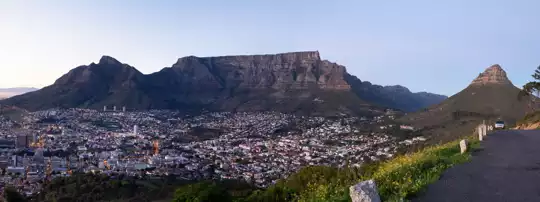
  • The Crowd/Heat Peak: December to early February is a grind: sold‑out campsites, minimum stays, rental cars disappearing, and humid storms up north. You pay for the long light and warm surf on the KZN coast, sunrise swims, beach braais, and late mountain sunsets that make you forget your budget for an hour. The risk people ignore: the Cape Doctor. That wind shreds cheap tents, shuts the Table Mountain cableway, and turns sand into projectiles—pack proper eye protection and anchor your shelter or book solid walls.
  • The Transition/Shoulder: March–May and late October–November move. Rates slide, vineyards wrap harvest, the Cape wind eases, and Kruger flips from wet to drying (or back again) with animals starting to bunch. Trails open up, booking calendars breathe, and bus timetables normalize after holidays. Watch Easter and long weekends—locals pounce on coastal cabins and Garden Route camps, so lock those dates early or route inland through the Karoo.
  • The Off-Peak/Extreme: June–July quiets the country. The Cape is wet, museums empty, and hikes feel private; the northeast is gold for game with cold, clear mornings and smoke‑blue skies. Bring a compact down layer and a hot‑water bottle; South African houses love tile floors and weak heaters. Snow and black ice can close Drakensberg passes—carry flexibility, not fixed checkout times.
I book Kruger rest camps a season ahead and keep the coast flexible; if I’m late, I aim for a lesser‑used park gate and pounce on last‑week cancellations.
Best known for:Known for: wildlife | beach life | scenery
Best time to visit: March - November
Daily cost: US$40 to 60 [southafrica.net]
Senegal
8

Senegal

Flow with music-led daily life and movement.


Flow with music, markets, and coastal towns, experiencing local culture and landscapes for immersive, active travelers.
Late November through early December, then again mid‑March into early April, is the sweet spot for Senegal. The rains are gone, the laterite roads have hardened, ferries settle into steadier schedules, and the Atlantic breeze takes the edge off Dakar while the interior hasn’t turned into a furnace yet. Bird life peaks in Djoudj, surf lines clean up, and you can actually find a bed in Saint‑Louis without paying holiday premiums. Mosquito pressure drops, humidity backs off, and sept‑places still have spare seats; you move faster and cheaper without fighting Christmas or school‑break crowds.
  • Dry Peak (Dec–Feb): Dakar’s piers jam, lodges spike rates, and every sunset taxi is a scrum. Grind. But dawn arrives cool; harmattan turns the city amber; Djoudj erupts with wings; surf runs; thieboudienne followed by an ice‑cold Gazelle tastes earned. Risk: dust shreds throats and sensors—carry a buff, and seal gear.
  • Shoulder Shift (Nov; Mar–Apr): The country picks up speed. Markets rattle open, roads clear, guides answer on the first ring; fares ease and rooms reappear. Heat creeps inland by April, but nights still workable. Risk: surprise early heat waves—start hikes at first call to prayer and drink more than you think.
  • Rains & Quiet (Jul–Sep): Tin roofs drum, earth steams, mango‑sweet air hangs heavy, and the bush goes electric green; you’ll have trails to yourself. Survival hack: dawn buses, dry bags, treated clothes, boots not flip‑flops. Risk: laterite turns to porridge—shared taxis bog down; parks and ferries halt without notice.
Tactical tip: For that shoulder window, lock first and last nights and the Dakar–Ziguinchor ferry two weeks out; wing the rest.
Best known for:Known for: people | low cost | safety
Best time to visit: October - April
Daily cost: US$33 to 50
Lesotho
9

Lesotho

Travel high-altitude roads rising above everything else.


Travel high-altitude roads, valleys, and villages, experiencing mountains, rural life, and culture for adventurous, nature-focused travelers.
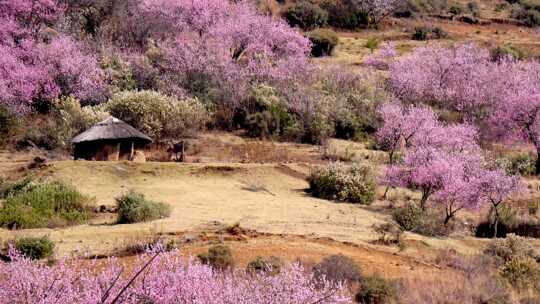
Lesotho’s sweet spot lands in late April–May and again late September to early November. The afternoon storms ease, clay tracks harden, and rivers drop from guesswork to routine. Days are walkable, nights crisp not cruel. Rates settle after holiday spikes, guides pick up the phone, and high passes give you the long, clean views you earned.
  • Peak Summer (Dec–Feb): Heat and crowds; noon thunderheads; muddy switchbacks; pricier Sani beds. The payoff: neon-green high meadows and Maletsunyane in full voice as you crack a cold Maluti.
  • Shoulder (Apr–May, Sep–Oct): Dust settles; roads dry; rivers behave; shepherds drift with flocks; shops roll open. Miles click, light stretches—easy walking, fair rates, conversations linger.
  • Deep Winter (Jun–Aug): Blue, empty. Frost bites; wind knifes exposed ridges; some passes glaze. Survival hack: sleep with filter and gas, and start late to dodge black ice.
Tactical tip: for shoulders, lock a first-night hut and any Sani shuttle, then keep plans loose for weather windows.
Best known for:Known for: low cost | mountains | safety
Best time to visit: April - May, September - February
Daily cost: US$20 to 35
Madagascar
10

Madagascar

Travel rough roads revealing unfamiliar wildlife and landscapes.


Travel rough roads, rainforests, and coastal paths, experiencing wildlife, landscapes, and local life for adventurous, nature-focused travelers.
The sweet spot lands in late May through June, and again from early September into mid‑October. Cyclones have spent themselves, the laterite tracks firm up, and park gates that were chained in March creak open. Mornings in the highlands bite just enough to make the first cup of burnt-sugar coffee taste like fuel, yet the sun has teeth by midday without boiling you. Bush‑taxis fill, but they don’t spill; you can still find a seat without standing money‑in‑hand at dawn for an hour. Prices haven’t been kicked up by the European holiday wave, and you can actually hear the wind in the baobabs because you’re not shoulder‑to‑shoulder with tour vans. Wildlife wakes up too: orchids show, lemurs court and, by September, cling with new babies. Trails are passable, ferries run on schedule-ish, and the Grand Tsingy’s rope bridges actually open—an access window you don’t get in the rains. The payoff: cool, blue evenings after a dusty RN7 ride, a THB sweating on the table, and the kind of sky that makes you unroll your mat outside.
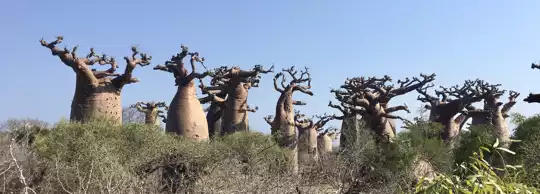
  • Peak Dry (July–August): Lines at taxi‑brousse stations before sunrise, rates bump, 4x4s get claimed, and every sunset viewpoint comes with elbows. But the air is razor‑clear, tsingy limestone grips dry underfoot, and whales throw white spray off Sainte‑Marie—your reward for the grind when you finally crack a cold beer at the Avenue of the Baobabs and watch the trunks turn ember-red.
  • Opening Shoulder (May–June): Puddles shrink, ruts harden, guides unlock sheds, and markets hang fresh trail food. You move—fast. Parks stamp permits without fuss, roadblocks wave you by, and Andringitra’s granite opens for clean, cool ascents. Crucially, Grand Tsingy’s via ferrata and rope bridges usually open in this window, a narrow door that slams shut once the rains return.
  • Wet Season Deep (January–March): The interior goes quiet. Air heavy, frogs loud, roads soft. You walk with the smell of wet leaf and diesel, alone on trails. Survival hack: line your pack with contractor bags and travel predawn, then sit out the noon deluge under a tin awning while your socks actually dry.
Book Grand Tsingy permits and a 4x4 at least two weeks ahead for June–September; everything else you can keep flexible.
Best known for:Known for: uniqueness | scenery | people
Best time to visit: April - December
Daily cost: US$35 to 90 [madagascar-tourisme.com]
Egypt
11

Egypt

Move along the Nile where history anchors every journey.


Move along the Nile, desert landscapes, and ancient cities, experiencing history, culture, and dramatic scenery for curious, historically minded travelers.
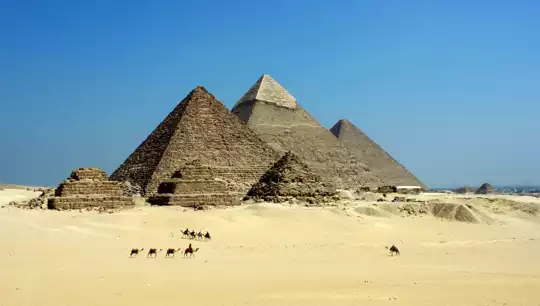
The sweet spot for Egypt backpacking is mid‑October to early December. The summer furnace has dumped its heat, so Luxor and Aswan become “warm and workable” instead of “melt-your-shoes.” The Red Sea is still swimmable without a wetsuit, Cairo’s evenings are walkable, and desert nights stop biting. Tour buses haven’t hit their holiday surge, so lines at Giza and Karnak move, and Nile cruise markups soften compared to the December–January spike. You also dodge spring’s khamsin winds that can sandblast March plans. Flights and rooms sit in that quiet trough after summer but before year‑end tours, which means you keep cash for dives, trains, and one proper splurge in the south.
  • Peak (Cool‑Winter Crowds): December–February is easy on your body and hard on your wallet. Giza packs up by mid‑morning, cruises stack two or three deep in Luxor, and room rates jump. The trade: you can walk the West Bank at noon without wilting and watch Abu Simbel light up in crisp air. Pay in patience or pay in cash; you pay either way.
  • Shoulder (Autumn Lift): October–early December is Egypt shifting gears—reef boats run without feeling like school buses, shopkeepers roll open without the hard sell, and trains still have seats. You move fast at sunrise, linger at tea, and catch sites with space to breathe. Late February into April can feel similar, but a dust day can flip the script.
  • Off‑Peak (Summer Furnace): May–September turns the country inward. Stone radiates, tomb corridors go quiet, and the Nile glows at dusk like a slow exhale. Survival hack: run a split‑shift day—temples at first call to prayer, blackout from late morning to late afternoon, then come alive again at sunset with frozen bottles and salt tabs.
  • Wildcards (Ramadan & Khamsin): Ramadan reshapes timing more than access: daytime food thins in conservative towns, site hours tighten, prices can dip, nights bloom. March–May khamsin winds can cancel desert runs, mute views, and coat everything—carry a buff and don’t stake your only sunrise on those weeks.
Tactical tip: For the autumn shoulder, lock Cairo and Luxor beds two weeks out and secure your Aswan–Luxor seat a week ahead; leave everything else flexible.
Best known for:Known for: architecture | beach life | scenery
Best time to visit: April, October - February
Daily cost: US$25 to 40 [egymonuments.gov.eg]
Zimbabwe
12

Zimbabwe

Travel wildlife plains anchored by stone-built cities.


Travel wildlife plains, mountains, and towns, experiencing landscapes, culture, and adventure for travelers seeking immersive, scenic journeys.
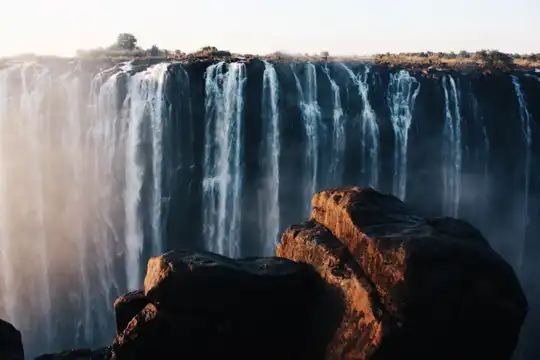
Aim for May or September. In May the rains release their grip, dirt roads set firm, mosquitoes ease, and nights cool; the bush thins just enough for game-spotting while Victoria Falls still roars without blinding you in spray. Rates hover below safari-peak, buses run cleaner schedules, and camps reopen with space to spare. September flips the script: waterholes pull wildlife in tight, rafting on the Zambezi hits its stride, mornings stay crisp, and the heat hasn’t turned punitive yet. Prices sag after mid-year holiday surges, crowds thin, and veteran guides move fast—track, glass, walk—before the October furnace.
  • Dry Peak (Aug–Oct): You pay more and queue earlier. The sun hits hard, dust coats your teeth, and camps fill. The trade: Hwange’s pumped pans stack with elephants at noon, lions hug the last shade, and Mana Pools serves those electric, on-foot encounters on the Zambezi flats.
  • Early-Dry Shoulder (Apr–Jun): Roads harden, potholes quit swallowing minibuses, seasonal tracks reopen, and rates stay forgiving. Grass drops, visibility climbs, and Victoria Falls still thunders without total whiteout. You move fast and cover ground while the country shifts from soggy to go-time.
  • Green Season (Nov–Mar): Thunderheads build, heat presses, and mud tests your patience; in exchange you get empty ruins at Great Zimbabwe, emerald hills, and outrageous birdlife. Survival hack: line your pack with a trash bag—sideways rain beats fancy covers every time.
I book May or September park stays and intercity seats about a month out, then buy Vic Falls activities on arrival when operators bargain to fill boats.
Best known for:Known for: wildlife | scenery | people
Best time to visit: April - October
Daily cost: US$35 to 85
Mozambique
13

Mozambique

Follow coastal routes lined with color and warmth.


Follow coastal roads, beaches, and fishing villages, experiencing tropical scenery, culture, and ocean life for travelers seeking immersive, relaxed journeys.
The sweet spot hits twice: late May through June, then again in September. Rains are gone, roads firm up, and chapas stop dying in puddles. Air runs cooler, but not cold; you can hike coastal dunes without frying and sleep under a light sheet. Water clears for Tofo and Bazaruto dives, whales start drifting past, and parks open without the churned mud of mid-season. Prices still act local—beach shacks negotiate, park camps have space—and the big regional holiday crowds haven’t landed yet. September repeats the trick after winter breaks end, with just a hint of heat returning to nudge you up at dawn.
  • Festive Heat Peak: December–January crowds slam the coast and cities. Buses jam, ATMs cough, and the sun cooks you flat by midday. Then you hit Tofo, slide into warm water with whale sharks, and the first 2M beer after sundown feels earned right down to your toes.
  • Early-Dry Shoulder: May–June moves. Potholes dry, ferries keep better rhythm, shutters lift on island guesthouses. You cover ground fast, snag walk-in rates, and watch the country switch from sticky to breathable as you go north.
  • Cyclone Wet Low: February–March turns inward. Rivers swell, horizons blur, and you’ll have beaches to yourself, plus mangoes for breakfast. Survival hack: line your pack with a heavy-duty trash bag—staying dry inside keeps your head straight when the sky won’t.
  • Late-Dry Wildcard: September–October runs hot, clear, and—oddly—October can go quiet after school holidays vanish. Start hikes pre-dawn, nap hard at noon, then chase breeze and grilled peixe at dusk.
Tactical tip: For the shoulder months, book only your first and last nights; walk in everywhere else and negotiate—availability favors patience.
Best known for:Known for: beach life | uniqueness | low cost
Best time to visit: April - November
Daily cost: US$35 to 50
Malawi
14

Malawi

Live lakeside days shaped by warmth and kindness.


Live lakeside days, hills, and villages, experiencing warm culture, landscapes, and local life for travelers seeking immersive, serene journeys.
Mid-May through June is the sweet spot. The rains have rinsed the dust from the air, tracks firm up, and the hills gleam with that last wash of green before the burn begins. Nights on the lake are cool enough for a light fleece, mosquitoes drop, and bus timetables stop fighting puddles. Lodges haven’t flipped to peak rates yet, and you can actually pick your bed. Wildlife isn’t at its tightest concentration, but visibility is clean and the bush still has color. A short second window sits in early September—post-holiday calm, animals edging to water—though smoke from field burns can mute the long views and afternoons carry a dry heat.
  • Peak Dry (July–Aug + late Dec): You’ll pay more, queue longer, and share sunsets, but the highs land hard: elephants stacked on Liwonde’s open banks, glassy night water and a cold green lager after a bone-rattling matola ride. Oddly, the lakeshore pops again in December with local holidays, even as thunderheads patrol the horizon.
  • Early Dry Shoulder (May–June): Malawi shakes itself dry. Roads harden, shops restock, ferries run clean, and the air smells like split pine and charcoal. Prices lag behind the weather, and trails still hold a forgiving spring underfoot.
  • Rains/Off-Peak (Jan–Mar): The country turns inward: slate light on the lake, frogs drumming all night, hills alone except for you and a shepherd. Survival hack: move at dawn, buy market gumboots, line your pack with a maize sack, and ride the big buses when storms build.
  • Heat Edge (Sep–Oct): Quiet, hot, and honest. Haze softens the horizons, but the lake goes calm for long swims and cheap dives; siesta hard, chase shade, sip rehydration salts, and hunt breezes on the plateaus at dusk.
Tactical tip: For June you can walk in most lake lodges; for July–August, lock beds a few weeks ahead and carry a light fleece plus a real sun hat.
Best known for:Known for: people | uniqueness | low cost
Best time to visit: April - December
Daily cost: US$25 to 45
Gambia
15

Gambia

Follow riverbanks shaping villages and everyday movement.


Follow riverbanks, coastal towns, and villages, experiencing local culture, music, and landscapes for travelers seeking immersive West African journeys.
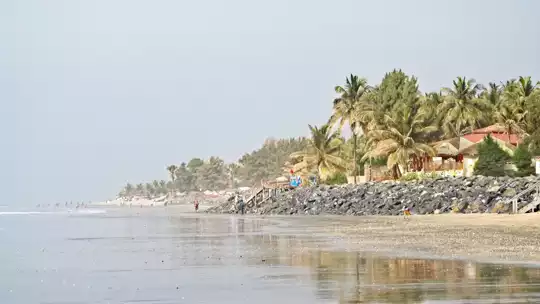
Late Nov–early Dec and late Feb–March are the sweet spot in The Gambia. The rains have rinsed the dust, nights cool enough for a sheet, and the Harmattan’s bite has eased. The Banjul–Barra queues shrink, sandy tracks firm up, and package crowds fade after the holiday spike, so rooms stop charging London prices. Heat builds inland but hasn’t turned cruel; you can still move at noon. Birdlife explodes along the bolongs, and that first cold Julbrew after a river run tastes earned.
  • Peak Dry Season: Dec–Feb slams your wallet and the Senegambia strip, but you get orange Atlantic sunsets, crisp dawn birding on the river, and ladyfish grilled at Tanji while the pier roars.
  • Shoulder Dry: Nov and late Feb–March shift into gear—guesthouses reopen, prices soften, dust settles, and you glide coast–mangroves without waiting.
  • Monsoon Lull: Jul–Sep turns inward: wet-earth smell, quiet villages, tea-brown river. Survival hack: line your pack with a trash bag and move at first light; storms ambush afternoons.
  • Pre-Rains Furnace: Apr–Jun runs cheap and sparse; inland feels lunar at noon, but dawn on the river is yours alone.
Tactical tip: For the shoulder window, lock a coastal base a month out and leave upcountry nights open to pivot with transport and heat.
Best known for:Known for: people | low cost | scenery
Best time to visit: November - April
Daily cost: US$15 to 35 [visitthegambia.gm]
Ghana
16

Ghana

Flow with market rhythms and lively coastal routes.


Flow through markets, coastal towns, and forests, experiencing music, culture, and landscapes for travelers seeking immersive West African experiences.
Mid‑November to early December is the sweet spot: the long rains have let go in the south, the north’s laterite roads have firmed, waterfalls still roar, and the bush hasn’t crisped to straw. You move fast without fighting mud, but you’re not paying December party prices yet. The air carries woodsmoke, not the full chalky bite of Harmattan, so sunsets still carry color and the canopy walkway at Kakum isn’t socked in by haze. If you crave cooler nights and don’t mind milky horizons, late January into mid‑February works too—holiday crowds thin, wildlife packs tighter around water, and bargaining starts to mean something again.
  • Crowd/Heat Peak (Dec–Mar): You earn every sight—full buses, spiky holiday rates, queues at Cape Coast Castle, and the heat that climbs off the asphalt by noon. The payoff is loud and immediate: drumming by the surf, warm midnight air on Labadi, Mole’s elephants shuffling to the last pools. Seasonal risk most people shrug off: Harmattan can ground domestic flights and turn “sunrise hike” into gray.
  • Shoulder Shift (Nov & Apr): Roads dry, shutters go up, guides answer their phones again. Markets restock, dust calms, and you slide through towns without elbows. April flips the switch—first storms pop and the country exhales; plan for sudden squalls that shut forest trails for an hour, then everything hums again.
  • Rains/Off‑Peak (May–Oct): The country goes interior—tin roofs drum, cocoa hills glow, trails empty. Tro‑tros thin on the worst roads and drivers refuse certain routes after lunch downpours. Survival hack: ride at dawn and line your pack with a heavy trash bag; you’ll arrive dry when bridges burp brown water.
Carry a lightweight neck gaiter; it’s your dust mask in Harmattan, your sweat rag on buses, and your clean pillowcase in the cheapest room.
Best known for:Known for: people | uniqueness | low cost
Best time to visit: November - April
Daily cost: US$35 to 60 [ghana.travel]
Namibia
17

Namibia

Drive horizons where roads nearly disappear.


Drive horizons, deserts, and coastal plains, experiencing wildlife, landscapes, and remote adventure for travelers seeking dramatic natural scenery.
May to early June is the sweet spot. The last storms have rinsed the air clean and moved on; gravel roads firm up, pans start shrinking, and the country smells like sun-warmed dust and acacia. Days sit in that easy band where you can hike in a light shirt and still feel your coffee steaming in the dawn cold. Wildlife begins to funnel to water yet the big tour buses haven’t arrived, so you get patient sightings without the chorus of idling engines. Car hires and camps are still shoulder-priced before winter school holidays crank up. You move farther on less money, with clearer skies and fewer gate queues.
  • Peak Dry (Jul–Sep): This is the grind and the high. Camps fill, prices jump, and you’ll wait at park gates in a frosty line, breath hanging in the blue. But Etosha’s waterholes turn into living dioramas and Sossusvlei’s dunes hold firm under your boots at sunrise. If you’ve got patience and a warm bag, the density of life within one field of view is worth the elbowing.
  • Shoulder Shift (May–early Jun): Namibia is shrugging into clarity. Graders smooth the C-roads, grass lies down, and operators reopen tracks. Crowds thin, rates sit kinder, and you can string long, quiet drives with time to stop when the light turns copper. Momentum is on your side; the map loosens up without yet feeling busy.
  • Rains & Heat (Nov–Mar): The country turns inward. Thunderheads stack, the first raindrops hit hot gravel and lift that earthy smell, and you may have a whole campsite to yourself. Birds arrive, plains go green, and storms rework your plans. Survival hack: start before dawn, sleep through the white-hot noon, and stick to known gravel after rain—black-cotton clay will swallow your rig.
Book a high-clearance vehicle and inside-Etosha camps a couple of months ahead for May–early June so you wake inside the gates with the first light, not outside with a line of tail-lights.
Best known for:Known for: scenery | wildlife | safety
Best time to visit: April - October
Daily cost: US$45 to 60
Guinea-Bissau
18

Guinea-Bissau

Island-hop where tides shape everyday routines.


Island-hop along tidal islands, villages, and forests, experiencing local life and calm island rhythms for travelers seeking remote tropical journeys.
Late November to early February is the sweet spot. Rains are done; laterite sets hard; humidity backs off. Harmattan cools nights and dries laundry fast. Seas calm, so pirogues to the Bijagós ride kinder and mosquitoes thin. Guesthouses stay modest pre-carnival; you’re drinking with fishermen, not tour groups. Heat hasn’t turned March-fierce.
  • The Crowd/Heat Peak (Feb–May): Midday slams you, carnival week spikes rates, and rides cram. Payoff: glassy island channels, street drums, and the first cold beer.
  • The Transition/Shoulder (Nov–early Dec): Roads firm, ferries regain rhythm, markets refill. Momentum builds; boats have space, prices breathe. Spring tides in the Bijagós can stall boats a day.
  • The Off-Peak/Extreme (Jun–Sep): Rain drums tin roofs; villages go inward. You’ll walk alone. Mud grabs ankles; transport stalls. Survival hack: move at first light and trash-bag line your pack.
In Dec–Feb, reserve Bijagós beds and the mainland–islands ferry 10–14 days out.
Best known for:Known for: wildlife | low cost | scenery
Best time to visit: October - May
Daily cost: US$30 to 45
Botswana
19

Botswana

Travel with wildlife rhythms shaping every movement and overnight stay.


Travel with wildlife rhythms through savannahs and riverine landscapes, experiencing nature and local culture for adventurous, nature-focused travelers.
Late May through mid-June is the cleanest win. The rains are done, the mud has baked hard, and mosquitoes taper off. Okavango floodwater is rising from the north, so mokoro channels open while roads remain passable. Days run mild, nights crisp enough for sleep without hauling arctic gear. Wildlife starts pulling toward permanent water, but the safari convoy hasn’t fully arrived and prices still sit in the shoulder band. Basing in Maun or Kasane works: public transport runs predictably, day trips are cheaper, and you can cherry‑pick a few 4x4 park days without paying peak-season tax.
  • Dry Peak (Jul–Oct): You pay in dust and early alarms, but predators stack along shrinking water and elephants pack the Chobe riverfront. Campsites sell out, gate queues get real, and October heat slaps. Ignored risk: strict park gate curfews—misjudge distance and you’re bivvying outside the fence.
  • Shoulder Rise (May–Jun): Grasses slump, tracks firm, boats return to dugout channels, and rates lag behind demand. The country exhales; you move faster, spend less, see more. Ignored risk: cold dawns—without a real mid‑layer and beanie, those game drives are misery.
  • Green Off‑Peak (Dec–Mar): Thunderheads, neon plains, birds everywhere, and long stretches where it’s just you and a road rinsed clean. Take the solitude; plan around storms. Survival hack: pitch on slight rises and carry a small tarp to rig a dry porch—keeps gear off the mud and spirits intact. Ignored risk: black‑cotton soil turns to glue; a 2WD will bury to the axle fast.
Book core park campsites a season ahead, but keep gateway nights flexible so you can pivot with water levels and road reports.
Best known for:Known for: wildlife | scenery | people
Best time to visit: April - November
Daily cost: US$35 to 55 [botswanatourism.co.bw]
Eswatini
20

Eswatini

Move gently through culture-led rural landscapes and traditions.


Move through cultural villages, mountains, and forests, experiencing local traditions, landscapes, and wildlife for travelers seeking immersive, off-the-beaten-path experiences.
Target May–early June. Rains switch off, trails firm, rivers still move, and days stay mild. Shoulder rates
Best known for:Known for: low cost | scenery | mountains
Best time to visit: March - October
Daily cost: US$25 to 38 [thekingdomofeswatini.com]
Sierra Leone
21

Sierra Leone

Move between wide beaches and forest roads.


Move between wide beaches, forests, and towns, experiencing local culture and tropical landscapes for adventurous, immersive travelers.
Late January to early March is the sweet spot. The rains have rinsed the red clay clean and firmed the roads, but the real furnace of April hasn’t switched on. Harmattan haze eases by February, so sunsets go from gauzy orange to sharp gold, and the Atlantic loses its murk. Diaspora crowds and holiday markups fall away; drivers start bargaining again; you get space on the poda-poda bench instead of a knee in your ribs. Trails around the Peninsula dry enough for grip, Tacugama’s hills stop sliding, and river crossings are still lively without being angry. Evenings settle at fan-level cool. You earn the first cold Star beer with salt still on your skin, and it tastes like you timed it right.
  • Peak Dry (mid-Dec–early Jan, plus Easter): Prices jump, Freetown traffic snarls toward the Peninsula, and beach bars thump till late; you put up with it because the surf’s clean at dawn, the drums are live, and a cold beer on Lumley comes with fire-orange light refracted through harmattan.
  • Shoulder Dry (Nov–mid Dec; late Jan–Mar): Tarps roll up, ferries calm down, and shop shutters clatter open earlier; you move faster, rooms come back to earth, and the country exhales as the dust literally settles and the sea turns glassy in the mornings.
  • Monsoon/Green (May–Sep; heaviest Jul–Aug): Tin roofs drum, hills glow electric green, and beaches go quiet; walk at first light between squalls, double-bag electronics, switch to sandals in mud then back to dry shoes, and plan interior travel right after a solid pause in the rain—oddly, October can pop busy on Bureh’s surf even while towns feel empty.
Tactical tip: For the late Jan–early Mar window, lock Peninsula weekends and the Lungi boat a few days ahead, and carry one light long-sleeve that does triple duty for sun, mosquitoes, and dusty rides.
Best known for:Known for: low cost | scenery | wildlife
Best time to visit: October - April
Daily cost: US$30 to 45
Eritrea
22

Eritrea

Walk elegant streets where time seems preserved.


Walk elegant streets, mountains, and coastal towns, experiencing preserved history and local life for culturally curious travelers.
Late October–November and February–March are the clean hit. Highland rains have quit, roads firm up, and Asmara’s altitude gives you cool, dry walking weather while the Red Sea coast finally drops from blast-furnace to workable afternoons. You sidestep the late-December/early-January and Independence-week price spikes, so flights and rooms run calmer. Permit desks move faster when the diaspora isn’t in town. Winds ease on the Red Sea, which means day boats to the Dahlak actually run, and you’re not diving in a hair dryer. One window that lets you split a day between crisp hills and a swim without punishment.
  • Peak (Holidays & Independence): Late Dec–early Jan and the week of May 24 push prices up and rooms tight. The grind is real. The high: candlelit church processions, streets humming past midnight, and perfect sea temps on the coast.
  • Shoulder (Oct–Nov, Feb–Mar): Rains drain, dust settles, shops extend hours, buses make time, and permits stamp same-day. Heat relents. Dive boats restart; Dahlak liveaboard schedules cluster Nov–Feb when seas calm and visibility pops.
  • Off-Peak/Extreme (Jun–Sep): Coastal towns bake, highlands get soaked. Mood turns inward: empty noons, thunderheads over terraces. Survival hack: ride down to Massawa pre-dawn, swim, then climb back to Asmara before noon; freeze water bottles overnight for the bus.
Tactical tip: Pack for two climates—light fleece for Asmara nights plus a sun hoody for the coast—so you can pivot altitude-to-sea without misery.
Best known for:Known for: architecture | low cost | scenery
Best time to visit: February - April, October - November
Daily cost: US$15 to 30
Togo
23

Togo

Move market towns to quiet sandy coastlines.


Move from market towns to sandy coasts, experiencing local culture and landscapes for immersive, culturally curious travelers.
Late November and February are the sweet spot. Roads have hardened after the long rains, waterfalls around Kpalimé still run, and the Harmattan hangs light—softening the sun without sanding your throat. Holiday surges fade, room rates calm, and drivers stop padding fares. Wait too long and the north bakes; go earlier and you’re wading mud. In this window you ride quicker, sleep cooler, and drink that first cold beer in Lomé with the sea breeze cutting the sweat.
  • Dry Peak (Dec–Jan): Crowds and prices climb, taxis pack tight, horizons haze. But trails hold, nights breathe, and grilled fish, smoke, and a big beer make the dust worth it.
  • Shoulder Shift (Nov & Feb): Markets crank up, dust settles, schedules stretch. Waterfalls still speak, beaches open, and you cover distance without bleeding time.
  • Rains/Off‑Peak (May–Jul, Sep–Oct): Tin roofs drum, laterite turns to peanut butter. Move at first light, poncho up, keep weight low. Solitude sings at Womé or Tomegbe falls; July pops in Kara for Evala despite showers.
Tactical tip: Line your pack with a trash‑compactor bag—dust‑proof in Harmattan, watertight when the sky drops.
Best known for:Known for: uniqueness | low cost | scenery
Best time to visit: July - August, November - April
Daily cost: US$15 to 40
Djibouti
24

Djibouti

Cross alien landscapes shaped by intense heat and salt.


Cross alien landscapes, salt lakes, and desert paths, experiencing extreme terrain and local life for adventurous travelers seeking offbeat experiences.
The sweet spot runs late November to mid‑December and late January through February. Coastal heat backs off, inland hikes become survivable, short showers have tamped dust, and whale sharks feed in the Gulf of Tadjoura. Holiday inflation eases outside late December, guides answer the phone, and boats run more reliably. Roads to Lake Assal and the Goda highlands stay passable, and mornings turn blue and quiet before the wind wakes.
  • Cool‑Season Peak: Late Dec–mid Jan. Rooms and boats cost more and book out, but whale shark days and cool Assal sunsets erase the sting.
  • Shoulder Shift: Nov and March. Crowds thin, prices ease a notch, ferries feel human again, and guides hustle—momentum returns to the streets.
  • Heat Hammer Low: May–Sep. Towns go silent; salt pans shimmer. Survive with pre‑dawn starts, frozen water, loose sun gear, and a Day Forest base.
  • Short Rains Flicker: October. Quick squalls rinse the dust; trails breathe; seas get choppy afternoons—cheap beds open, whale sharks not fully in.
Tactical tip: For whale sharks, book flights 6–8 weeks out but keep two flex days for wind cancellations.
Best known for:Known for: scenery | uniqueness | safety
Best time to visit: October - April
Daily cost: US$40 to 70
Equatorial Guinea
25

Equatorial Guinea

Explore quiet islands far removed from usual travel routes.


Explore quiet islands, forests, and coastal towns, experiencing local culture and isolated landscapes for travelers seeking remote, offbeat adventures.
Mid‑January to early March is the sweet spot. Dry enough on Bioko for Basile and Ureka, and mainland tracks into Monte Alén still hold. Holiday surges fade, business travel hasn’t spiked, and prices ease. Heat stays heavy but manageable; insects drop; domestic flights and bush taxis behave better than in the rains.
  • Dry Core (Dec–Feb): Malabo beds fill for late‑Dec holidays and oil meetings; rates jump. Grind through for clear Basile views and rare dry, midnight turtle walks at Ureka—still worth the extra cash and sweat.
  • Early Rains (Mar–May): Clouds build by late morning; markets pull tarps; bush taxis reshuffle and push. Waterfalls swell, trails cool, prices ease. Start at dawn; be under a tin roof by the first clap.
  • Long Rains (Sep–Nov): The country turns inward. Roads liquefy, mosquitoes bloom, and you often hike alone. Hack: quick‑dry shoes, plastic sandals, a pack liner; move at first light. Anomaly: October spikes for Independence Day—rooms vanish despite the deluge.
Tactical tip: Reserve domestic flights and Malabo rooms 2–4 weeks ahead for Jan–Mar.
Best known for:Known for: wildlife | uniqueness | low cost
Best time to visit: December - May
Daily cost: US$60 to 90 [guineaecuatorialpress.com]
Mauritius
26

Mauritius

Circle coastal roads blending cultures effortlessly.


Circle coastal roads, mountains, and villages, experiencing culture, beaches, and tropical landscapes for travelers seeking scenic, diverse journeys.
The sweet spot is late May–June and September–October: summer heat breaks, trade winds relax, and prices slide between school holidays. Trails firm, coastal traffic eases, lagoons stay warm and clear. You get diving without cyclone roulette and breezes for boards without sandblasting. Rooms and cars open up.
  • The Crowd/Heat Peak: December’s peak is a grind—rates spike, tables book out, beaches jam. The payoff: pre-dawn baths in glassy lagoons, sega on the sand, fruit so ripe it drips.
  • The Transition/Shoulder: May–June and September move. Humidity drops, winds even out, buses breathe. Guesthouses answer fast, reefs settle by late morning, trails stop sucking at your shoes.
  • The Off‑Peak/Extreme: January–March turns inward. Forests steam, waterfalls punch, crowds vanish. Survival hack: base west, start at first light, stash a dry bag. Ignored risk: cyclone alerts halt buses and boats; cash and ATMs get flaky.
Shoulder months: book coast stays about a month out.
Best known for:Known for: beach life | safety | low cost
Best time to visit: April - November
Daily cost: US$35 to 50 [mauritiusnow.com]
Côte d’Ivoire
27

Côte d’Ivoire

Move between forest towns and energetic Atlantic coastlines.


Move between forest towns, beaches, and markets, experiencing local culture, traditions, and landscapes for adventurous, culturally curious travelers.
Late January through early March is the sweet spot. The big rains are long gone; harmattan still cools the dawn, but the chalky haze thins so horizons return. Dirt roads into Man and Korhogo bake firm; gbakas make time instead of fishtailing. Coastal swell softens compared to midyear, and beach flags drop more days than they rise. Holiday travelers are back at work; prices ease from their December high. You move, you sweat less, and that first beer in a maquis actually cools you instead of just rinsing heat from your throat.
  • The Crowd/Heat Peak: December holidays and March–April. Prices jump in Abidjan and Assinie, gbakas jam, and the sun slams your shoulders. The trade: festivals crackle, northern paths stay bone-dry, and an ice-cold Flag by the lagoon hits like a reset button.
  • The Transition/Shoulder: Late November–mid December, and late February. Shops roll up shutters, dust settles, guides answer calls again. Roads firm, beaches behave, and rooms ease midweek if you show up with cash and patience.
  • The Off-Peak/Extreme: May–June (plus October in the south). Tin roofs thunder, clay turns to grease, and parks sit empty. Survival hack: line your pack with a contractor bag, switch to rubber sandals in town, and ride dawn buses before ruts deepen.
  • The Little Dry/Overcast: July–August. Cooler air, slate light, rougher surf; trekking breathes easier. Cheaper stays and long coffees under zinc awnings while the city slows to a humid murmur.
For that window, book coastal weekends about a week ahead; inland guesthouses are easiest to negotiate same-day around the main gare routière.
Best known for:Known for: low cost | safety
Best time to visit: July - September, November - April
Daily cost: US$40 to 60 [cotedivoiretourisme.ci]
Réunion
28

Réunion

Climb volcanic trails above tropical coastlines.


Climb volcanic trails, forests, and coastlines, experiencing tropical landscapes, culture, and adventure for active, scenic travelers.
Late May to mid-June and September are the sweet spot on Réunion. Rains have scrubbed the air, the tracks set firm, waterfalls still run, and the alizé keeps sweat from pooling under your pack. Nights in the cirques are cool without biting, mornings clear enough to earn a Piton des Neiges sunrise, and prices slip between French holiday spikes. Whale blows drift off Saint‑Gilles, lychee scent rides the breeze, buses feel breathable, gîtes actually answer.
  • The Crowd/Heat Peak: July–August and late December. The grind is queues in Cilaos, booked gîtes, and cars priced like Paris. The high is razor‑edge light on Mafate ridgelines, or, in December, that first ice‑cold Dodo after a furnace‑hot coastal slog, salt crust on your forearms.
  • The Transition/Shoulder: May–June, September–early October. Trails dry, clouds lift, shop shutters roll up earlier, and you move—ridge to ridge—without jostling. Anomaly: October looks quiet but spikes hard during Grand Raid week; beds vanish in Cilaos and Saint‑Pierre.
  • The Off‑Peak/Extreme: January–March. Cyclone rain drums on tin roofs, valleys go inward‑quiet, and you get Mafate to yourself. Survival hack: start at dawn, stay leeward (Maïdo, Hauts de l’Ouest), pack dry bags and respect swollen ravines.
Book mountain gîtes first—two weeks out in the shoulder, a month or more for July–August and Grand Raid week—and let everything else bend around that.
Best known for:Known for: scenery | safety
Best time to visit: April - November
Daily cost: €55 to €70 [reunion.fr]
Western Sahara
29

Western Sahara

Cross open sands where borders blur into horizon.


Cross open sands, desert towns, and coastal areas, experiencing remote landscapes and culture for adventurous, offbeat travelers.
The sweet spot is late October to early December. Heat finally loosens inland, nights stay mild, and the Atlantic still has warmth. Winds drop to helpful. Post-summer crowds fade, rates settle, bus seats return. Quirk: Dakhla can spike in November with kite camps.
  • Peak Heat/Crowd: July–August is the grind: sold-out buses, higher fares, a furnace inland. The payoff—warm dusk on the Dakhla lagoon, sardines off the grill, stars that erase the day.
  • Shoulder Transition: October–November (and March) moves. Heat eases, shutters lift, roads unclench; you can link coast and hammada in one shot. Anomaly: November in Dakhla runs busy with kite camps.
  • Off-Peak Extreme (Interior): June–September inland is the quiet interior—vast, solitary, mirage-soft. Survive by moving pre-dawn, sleeping midday, wearing a cheche, dosing salts; drift to the coast when winds howl.
For the shoulder, book Dakhla beds and long buses a week out.
Best known for:Known for: low cost | safety
Best time to visit: October - April
Daily cost: US$25 to 40 [saharawi.org]
Mayotte
30

Mayotte

Live quiet island days shaped by reefs.


Live quiet island days, reefs, and forests, experiencing calm, tropical landscapes for travelers seeking immersive, remote island experiences.
Hit Mayotte in late May–June and again September. The southeast trades scrub the haze; seas calm, visibility pops, trails dry. Humidity backs off so you sleep under a fan, not a wet towel. Boats have space, bungalows drop from August’s French‑holiday markups, and car hires become sane. Cyclones are months away; the rains have either finished or not yet loaded their punches. September adds whales without August’s surcharge.
  • Peak (Holidays/Whales): Prices spike; boats brim. You grind up Choungui, legs barking—then the lagoon gleams and whales punch holes in it.
  • Shoulder (May–June, September): Winds settle, clouds lift, prices soften. Ferries relax. Reefs feel private; trails bite just enough to keep you honest.
  • Wet Season (Jan–Mar): Heat presses; red mud slicks the ylang‑ylang hills. Between squalls, the island is yours. Survival hack: move at dawn, nap at noon.
For June or September, reserve a car early and pack a rash guard.
Best known for:Known for: safety
Best time to visit: April - December
Daily cost: €55 to €70

Best countries in Africa to visit in April

Loading the map 🌍

What do you like when backpacking Africa?

🎞️ Grouped per categoryMy photos made while backpacking Africa

Some personal tips for visiting Africa

If you love

affordability | architecture | backpackers | beach life | food | mountains | people | safety | scenery | uniqueness | wildlife
Africa is an incredible continent to explore, especially for budget travelers. However, not all regions are created equal when it comes to affordability. Generally, East and West Africa tend to offer better deals for backpackers, while North and Southern Africa can be pricier in comparison.

West Africa is a hotspot for budget travelers. Countries like Ghana, Senegal, and Burkina Faso have a vibrant local culture, affordable street food, and reasonably priced accommodations. The transportation options, like shared taxis and buses, are budget-friendly, making it easy to hop from one spot to another without breaking the bank. Plus, the welcoming nature of the locals often means you’ll find good deals and insider tips.

East Africa is another fantastic region for affordability. Nations like Uganda, Tanzania, and Kenya not only offer stunning landscapes and wildlife but also cater well to budget travelers. Hostels and guesthouses are common, and local markets provide inexpensive meals. Just keep in mind that some tourist activities, especially safaris, can be a bit pricey, so plan accordingly.

In contrast, North Africa, including Egypt and Morocco, can be a mixed bag. While you can find budget options, the popular tourist sites often come with higher price tags. You might end up spending more than you'd like on tours or accommodations, especially in tourist-heavy areas. However, if you venture off the beaten path, you can still find some good deals.

Lastly, Southern Africa has countries like South Africa and Zimbabwe, which can also be a bit on the pricier side. While there are budget options available, especially in less touristy regions, the costs can add up quickly if you’re not careful.

Overall, if you’re keen on keeping your budget in check, focus on West and East Africa for a richer experience without the hefty price tag.

⚠️ Select affordability in the filters below on the right to find your perfect match.
When it comes to architectural wonders, Africa boasts a rich tapestry of styles and histories that vary dramatically across its regions. For backpackers drawn to the beauty of architecture, some areas stand out as must-visit spots, while others may not offer the same level of interest.

The North Africa region is a treasure trove for architecture enthusiasts. Countries like Egypt and Morocco showcase ancient wonders and vibrant urban designs. In Egypt, the Pyramids and temples of Luxor reveal the grandeur of ancient civilizations, while Morocco's medinas and stunning riads showcase intricate Islamic architecture. Tunisia also offers a captivating blend of Roman ruins and traditional Islamic structures, making it a fantastic stop for those curious about architectural evolution.

Moving to the Saharan Africa, countries like Algeria and Libya have their own unique architectural styles, characterized by a mix of Ottoman influences and Berber heritage. Algeria's Casbah of Algiers is a UNESCO World Heritage site, rich in historical significance and stunning architecture. Meanwhile, Libya’s ancient cities like Sabratha feature impressive Roman ruins that transport you back in time.

In the Horn of Africa, Ethiopia and Eritrea stand out for their distinctive styles that reflect their unique histories and cultures. Ethiopia’s rock-hewn churches in Lalibela are a marvel of engineering and devotion, while Eritrea’s Asmara showcases beautiful Italian colonial architecture, a testament to its complex past.

On the other hand, West Africa may be less ideal for those primarily focused on architecture, as while it has historical sites, they tend to be less concentrated and varied compared to the other regions mentioned. However, Mali’s ancient city of Timbuktu does offer some fascinating historical architecture, though it may not be as easily accessible for backpackers.

Overall, if you’re passionate about architecture, North Africa and the Horn of Africa should be at the top of your list, while other regions might require a more specific focus on certain sites to fully satisfy your architectural curiosity.

⚠️ Select architecture in the filters below on the right to find your perfect match.
When it comes to vibrant backpacker scenes in Africa, certain regions stand out as hotspots for budget travelers looking for lively atmospheres, social interactions, and unique experiences. Generally, East and Southern Africa offer the most appealing options, while some areas in North and West Africa can be a bit more challenging for backpackers seeking that energetic vibe.

East Africa is a prime destination for backpackers. Countries like Kenya and Tanzania boast bustling cities like Nairobi and Dar es Salaam, filled with hostels, cafes, and nightlife. The region is also home to stunning nature, from the Serengeti to Mount Kilimanjaro, providing plenty of opportunities for adventure. The backpacker community here is robust, making it easy to meet fellow travelers and share experiences. Plus, the relatively affordable transport options between countries make it a breeze to explore.

Moving over to Southern Africa, countries like South Africa, Zambia, and Mozambique offer a mix of vibrant cities and breathtaking landscapes. Cape Town is a major hub for backpackers, with its lively social scene and stunning views. Meanwhile, places like Livingstone near Victoria Falls attract adventure seekers and those looking for a fun atmosphere. Mozambique’s beautiful beaches and laid-back vibe also draw a crowd, perfect for those wanting to unwind after a few days of trekking.

On the flip side, North Africa can be a mixed bag for backpackers. While Morocco has a growing backpacker scene, especially in cities like Marrakech and Essaouira, the overall vibe may not be as vibrant as in East or Southern Africa. The culture is rich and diverse, but the social scene can be less geared towards budget travelers.

West Africa, particularly Ghana, is emerging as a backpacker-friendly spot, especially in Accra and Cape Coast, where there are fun hostels and a friendly atmosphere. However, this region may not yet have the same level of infrastructure or community as its Eastern and Southern counterparts, although it’s definitely worth exploring for those looking for something a bit different.

In summary, if you're after that lively backpacker vibe, stick to East and Southern Africa. They offer the best mix of social opportunities, adventure, and affordability, making for an unforgettable travel experience.

⚠️ Select backpackers in the filters below on the right to find your perfect match.
When it comes to beach life in Africa, you've got some fantastic options depending on which region you decide to explore. The continent boasts stunning coastlines and diverse cultures, but some areas are definitely more backpacker-friendly than others. Let’s break it down by regions.

The East Africa coast is a standout for beach lovers. Countries like Kenya and Tanzania offer beautiful sandy beaches along with vibrant marine life. Places like Zanzibar in Tanzania are known for their stunning beaches and rich cultural experiences, making them perfect for those wanting to relax and explore local traditions. Mozambique is also a gem in this region, with its pristine beaches and laid-back vibe, ideal for budget travelers looking to soak in the sun without breaking the bank.

Moving south, Southern Africa has some breathtaking beaches as well. South Africa is famous for its diverse coastline—from the vibrant beaches of Cape Town to the more tranquil options in the Eastern Cape. Mauritius and Madagascar are also in the mix, offering stunning landscapes, crystal-clear waters, and plenty of opportunities for adventure—all while being relatively affordable if you plan wisely.

In the North Africa region, Egypt and Morocco provide a different beach experience. While Egypt is known for its resorts along the Red Sea, it can be a bit pricier in touristy areas. However, if you venture to places like Dahab, you can find more budget-friendly options. Morocco’s beach towns like Essaouira offer a unique blend of beach life and local culture, though the beaches can be windy and cooler than those in other regions.

Lastly, the West Africa region features a mix of options, though it’s less frequented by beach lovers. Angola and São Tomé and Príncipe offer stunning beaches but can be more challenging to access and a bit pricier in terms of travel logistics. Cabo Verde also has beautiful beaches, and it’s becoming more popular among backpackers, but you might need to watch your budget as some islands can get a bit touristy.

Overall, if beach life is your priority, stick to the East and Southern parts of Africa for the best mix of affordability, accessibility, and stunning coastlines.

⚠️ Select beach life in the filters below on the right to find your perfect match.
When it comes to exploring Africa for delicious food, certain regions stand out for their diverse and rich culinary traditions. In contrast, some areas may not be as appealing to food enthusiasts. If you're a backpacker with a taste for authentic flavors, here's a breakdown of the regions that are a must-visit.

The Northern Africa region, particularly countries like Egypt and Morocco, is fantastic for food lovers. You'll find a blend of spices, fresh ingredients, and a rich history reflected in every dish. From tagines and couscous in Morocco to koshari and falafel in Egypt, the flavors are vibrant and varied. Street food is also a big deal here, making it easy to sample local fare without breaking the bank.

Moving down to West Africa, countries like Senegal and Nigeria offer a food scene that’s both hearty and flavorful. Senegal's national dish, thieboudienne (fish and rice), is a must-try, while Nigeria is famous for its jollof rice and pepper soup. The communal dining culture in these countries means you can often share meals with locals, adding to the experience. Mali, with its unique twists on traditional dishes, further enriches the culinary landscape of this region.

In East Africa, Ethiopia stands out with its distinctive communal dining style and injera, a spongy flatbread that accompanies almost every meal. The spices used in Ethiopian cuisine create an explosion of flavors that are hard to forget. Kenya also brings a diverse culinary scene, influenced by various cultures, with dishes like ugali and fresh seafood along the coast.

Lastly, Southern Africa is a melting pot of flavors, especially in South Africa, where you can enjoy everything from braai (barbecue) to a variety of dishes influenced by indigenous, Dutch, and Indian cuisines. The wine regions also offer great pairings with local foods. Seychelles adds a tropical twist with Creole influences that make for some refreshing seafood dishes.

While these regions are food havens, some areas in Africa may not be as developed in terms of culinary tourism or may have limited options for adventurous eaters. Stick to the regions mentioned, and you'll find plenty of delicious experiences that won’t break the bank.

⚠️ Select food in the filters below on the right to find your perfect match.
When it comes to exploring mountains in Africa, certain regions stand out for their diverse landscapes, breathtaking views, and a variety of trekking opportunities. The continent is home to some of the highest peaks and most stunning mountain ranges, especially in East and Southern Africa. However, not every area is equally suited for mountain exploration, with some regions being less ideal for backpackers seeking high-altitude adventures.

East Africa is a hotspot for mountain lovers. Countries like Kenya and Tanzania boast iconic peaks, including Mount Kilimanjaro, Africa's tallest mountain, and the stunning Rwenzori Mountains that straddle the Uganda-Democratic Republic of the Congo border. Ethiopia is also noteworthy, with the Simien and Bale Mountains offering unique treks and endemic wildlife. These areas are well-equipped for travelers, with established trails, local guides, and accommodations catering to various budgets.

Moving to Southern Africa, you'll find countries like Lesotho and South Africa providing dramatic mountain landscapes. The Drakensberg Mountains in South Africa offer a range of hiking options, while Lesotho, often referred to as the "Kingdom in the Sky," presents rugged terrains and rewarding vistas. Malawi's mountains, including the Mulanje Massif, are less crowded and provide a more off-the-beaten-path experience, perfect for those looking to escape the tourist trail.

In contrast, North Africa, particularly Algeria and Morocco, offers the Atlas Mountains, which are rich in culture and stunning scenery. However, the infrastructure for trekking can be less developed than in East and Southern Africa, making it a bit trickier for independent backpackers. While beautiful, these regions might require more planning and preparation for a successful mountain adventure.

Lastly, Central Africa is often overlooked for mountain exploration, and while Rwanda's Virunga Mountains are famous for gorilla trekking, the overall mountain experience is less varied compared to its eastern and southern neighbors.

In summary, East and Southern Africa are the go-to regions for mountain exploration, offering well-established trails and diverse landscapes. North Africa has some great options but may require more effort to navigate, while Central Africa has potential but is less ideal for mountain-focused trips.

⚠️ Select mountains in the filters below on the right to find your perfect match.
When it comes to meeting people in Africa, some regions stand out as particularly welcoming and vibrant, while others might be a bit more challenging for social interactions. For those backpackers looking to connect with locals and immerse themselves in the culture, certain areas are definitely more favorable.

The West Africa region is a hotspot for socializing. Countries like Ghana, Senegal, and Gambia are known for their friendly locals and communal lifestyles. You’ll find plenty of festivals, markets, and street gatherings where you can easily strike up a conversation. The rich traditions and openness make it a great place for travelers who want to engage with the community.

Moving over to East Africa, you’ll find Kenya and Tanzania offering a lively mix of cultures and experiences. Both countries have vibrant cities and rural areas where you can meet people through local tours, community projects, or simply by visiting local cafes. The warmth of the people here can make your travel experience truly memorable.

In Southern Africa, Namibia and Zimbabwe have their own unique charm. While Namibia is more known for its stunning landscapes, the locals are generally friendly, especially in towns like Swakopmund. Zimbabwe, particularly in places like Harare, has a community-focused vibe where travelers can connect with locals over shared interests.

On the other hand, regions like North Africa, while culturally rich and fascinating, can sometimes feel less accessible for spontaneous interactions. Countries like Morocco and Tunisia tend to have a more structured social scene, which might require a bit more effort to break the ice.

Overall, if meeting people is a priority, stick to West and East Africa for the most engaging experiences, and don’t overlook the friendly faces of Southern Africa.

⚠️ Select people in the filters below on the right to find your perfect match.
When it comes to exploring Africa while keeping safety in mind, some regions stand out as particularly traveler-friendly. While many areas offer unforgettable experiences, certain regions have a better reputation for safety, making them more appealing for those who prioritize it.

Starting with North Africa, countries like Morocco and Egypt are popular among travelers and generally have well-trodden paths for tourists. These places boast rich histories, stunning landscapes, and vibrant cultures. However, be mindful of the occasional political unrest and local customs, which can vary significantly. Overall, North Africa tends to have a decent infrastructure for tourists, making it relatively safe for backpackers.

Moving south to West Africa, you’ll find a mix of safety levels. Countries like Ghana and Senegal are known for their welcoming atmospheres and are often favored by backpackers. They offer a blend of cultural experiences and beautiful scenery, but some areas may have higher crime rates, so staying alert is key. On the other hand, places like Guinea and Liberia can present more challenges, so it’s wise to do thorough research before venturing into less-traveled areas.

In East Africa, Kenya and Tanzania are popular choices, particularly for those interested in wildlife safaris and stunning natural landscapes. Tourist hubs are generally safe, but it’s essential to stay informed about your surroundings and avoid less populated areas after dark. Rwanda stands out for its safety record and eco-friendly tourism, making it a fantastic option for travelers focused on security.

Finally, in Southern Africa, countries like Namibia and Botswana are celebrated for their stunning landscapes and relatively low crime rates in tourist areas. South Africa, while rich in experiences, has varying safety levels depending on where you are; stick to well-known areas and always stay vigilant.

Overall, while many African countries can be enjoyed safely with the right precautions, focusing on these regions can help ensure a more secure and enjoyable backpacking experience. Always stay updated on local conditions, and trust your instincts as you explore this diverse continent.

⚠️ Select safety in the filters below on the right to find your perfect match.
When it comes to stunning landscapes and breathtaking views, Africa has a lot to offer, but some regions really stand out for those seeking incredible scenery. On the flip side, a few areas might not be as appealing for those focused primarily on natural beauty.

The Southern Africa region is a treasure trove for scenery lovers. Think dramatic coastlines, vast deserts, and impressive wildlife. Countries like Namibia and Botswana are famous for their stunning landscapes, including the Namib Desert and the Okavango Delta, while South Africa offers everything from Table Mountain to the Garden Route. Plus, the diverse ecosystems in places like Zambia and Zimbabwe provide fantastic opportunities for adventure and photography.

Moving to East Africa, this area is another hot spot for amazing scenery. Kenya and Tanzania are renowned for their iconic savannahs and the majestic Mount Kilimanjaro. The Great Rift Valley and the Serengeti will take your breath away. Uganda also deserves a mention with its lush landscapes and unique wildlife experiences, especially around the Bwindi Impenetrable Forest.

In North Africa, the scenery can be quite diverse, ranging from the Sahara Desert to the Nile River. Egypt’s ancient monuments set against the backdrop of desert landscapes are visually striking. Morocco offers the Atlas Mountains and beautiful coastlines, making it a fantastic destination for those who appreciate varied terrains. However, some areas may be more urbanized and less focused on untamed nature.

Lastly, Central Africa has its own charm, particularly with countries like the Democratic Republic of the Congo and Cameroon offering dense rainforests and volcanic landscapes. However, accessibility and infrastructure can be more challenging here, which might deter some backpackers looking for easy travel routes.

In summary, if you’re chasing incredible scenery, Southern and East Africa are your best bets. North Africa has its highlights, but may not always cater to nature lovers, while Central Africa is beautiful but can be a bit tricky. Happy travels!

⚠️ Select scenery in the filters below on the right to find your perfect match.
When it comes to exploring Africa's unique offerings, certain regions stand out for backpackers looking for distinctive cultures, landscapes, and experiences. Generally, West and East Africa are particularly favorable for those seeking a sense of uniqueness, while North and Central Africa might offer fewer options in terms of off-the-beaten-path adventures.

West Africa is a treasure trove of diversity, with countries like Benin, Burkina Faso, Ghana, and Sierra Leone showcasing rich histories, vibrant music scenes, and unique traditions. The region is known for its colorful markets, lively festivals, and some of the most hospitable locals you’ll ever meet. Each country has its own distinct flavor, from the voodoo culture in Benin to the historical significance of the slave trade in Ghana. Expect to encounter a range of languages, cuisines, and landscapes that provide an engaging backdrop for any backpacker.

In East Africa, countries like Ethiopia, Uganda, and Madagascar offer an eclectic mix of experiences. Ethiopia's ancient history and unique customs, including its own calendar and language, set it apart from the rest of the continent. Uganda’s stunning national parks and diverse wildlife provide a unique adventure, while Madagascar is home to flora and fauna found nowhere else on Earth. This region is great for those who enjoy both cultural immersion and natural beauty.

On the other hand, North Africa tends to be more touristy, with Egypt and Morocco attracting a lot of visitors. While they certainly have their own unique charms, they might not offer the same level of authentic experiences as the West and East. Central Africa, including countries like Cameroon and the Democratic Republic of the Congo, can be a mixed bag. While they have potential for unique experiences, logistical challenges and safety concerns can make travel less appealing for budget backpackers.

In summary, for those passionate about exploring Africa's uniqueness, West and East Africa are your best bets. They deliver a rich tapestry of cultures, stunning landscapes, and memorable interactions that make for an unforgettable backpacking experience.

⚠️ Select uniqueness in the filters below on the right to find your perfect match.
When it comes to wildlife watching in Africa, certain regions stand out as hotspots for those looking to immerse themselves in nature. The continent is home to an incredible diversity of ecosystems, from savannas to rainforests, each offering unique opportunities to spot wildlife. However, some areas are more accessible and rewarding for budget travelers than others.

East Africa is arguably the most renowned for wildlife enthusiasts. Countries like Kenya and Tanzania host iconic national parks like the Serengeti and Maasai Mara, where you can witness the Great Migration and see the Big Five in their natural habitats. Rwanda, known for its mountain gorillas, adds another layer of adventure for those interested in primate watching. The well-established tourism infrastructure in this region makes it easier for backpackers to find budget-friendly accommodations and guided tours.

Moving to Southern Africa, countries like Botswana, Namibia, and Zambia offer stunning landscapes and diverse wildlife. Botswana's Okavango Delta is a must-visit for its unique ecosystem, while Namibia's Etosha National Park provides excellent game viewing opportunities. Zambia is known for its walking safaris, which give you a different perspective on the bush. While these countries can be a bit pricier, especially Botswana, there are affordable options if you plan carefully and look for shared tours or campsites.

In Central Africa, places like the Central African Republic and Gabon present less-trodden paths for wildlife watching. These regions are more remote, often making travel logistics tricky and potentially more costly. However, they offer unparalleled experiences with species like forest elephants and lowland gorillas, attracting the more adventurous backpacker willing to navigate the challenges for unique encounters.

Lastly, West Africa is often overlooked for wildlife watching, but countries like Benin and Sierra Leone offer distinct experiences, including diverse bird species and coastal wildlife. The infrastructure might not be as developed as in East or Southern Africa, so travelers should be prepared for a more rugged experience, but for those seeking to explore off the beaten path, it's worth considering.

In summary, if you're serious about wildlife watching in Africa, East and Southern Africa are your best bets for accessibility and variety. Central Africa offers unique experiences for the adventurous, while West Africa can surprise those willing to explore its lesser-known offerings.

⚠️ Select wildlife in the filters below on the right to find your perfect match.

If you travel in

April | August | December | February | January | July | June | March | May | November | October | September
April is an interesting month to explore Africa, as the continent showcases a diverse range of climates and landscapes. While some regions are basking in warm, pleasant weather, others may be experiencing heavy rains or extreme heat, which can affect your travel experience. Understanding these variations can help you choose the best destinations for your April adventure.

In the North Africa region, countries like Morocco, Algeria, and Libya enjoy mild, pleasant weather during April, making it an excellent time to explore the rich history and vibrant culture. The temperatures are comfortable, allowing for enjoyable sightseeing without the sweltering heat of summer. However, be mindful that some areas may become crowded with tourists during this time, so plan your itineraries accordingly.

Moving down to West Africa, countries like Ghana, Senegal, and The Gambia are also favorable in April. The weather is warm but manageable, and you can experience local festivals and cultural events. It's a great time to hit the beaches or explore bustling markets. However, be aware that some regions may start to experience the onset of the rainy season, so check local forecasts before planning your trip.

In East Africa, Ethiopia and Eritrea are appealing in April as the weather is generally dry and mild, perfect for trekking and exploration. However, as you venture further south, places like Madagascar might be experiencing sporadic rain, which can affect travel plans but also means greener landscapes and fewer tourists.

The Southern Africa region, especially South Africa and Lesotho, offers pleasant conditions for outdoor activities in April. The days are usually sunny and cool, ideal for hiking and exploring national parks. However, be cautious in regions like South Sudan, where the weather can be unpredictable and may pose challenges for travel.

Overall, April can be a fantastic time to explore Africa if you choose the right regions. Make sure to consider the weather patterns and local events to maximize your travel experience!

⚠️ Select April in the filters below on the right to find your perfect match.
August is a fantastic month to explore Africa, as the continent showcases a variety of climates and conditions that can make your trip memorable. While some regions are basking in dry and pleasant weather, others might experience wet conditions that can put a damper on travel plans. Understanding the climate nuances is key for budget travelers looking to make the most of their adventure.

Starting with Southern Africa, countries like Namibia and Botswana are prime spots in August. This time of year is part of the dry season, offering excellent wildlife viewing opportunities and comfortable temperatures. It’s also a great time for hiking and exploring national parks without the sweltering heat. Conversely, Zimbabwe and Zambia are also favorable, especially for budget travelers looking to experience iconic sites like Victoria Falls, where water levels are lower but the scenery is still stunning.

In East Africa, countries such as Kenya and Tanzania are particularly appealing in August due to the Great Migration, where millions of wildebeest and zebras move through the Serengeti. The weather is generally dry and cooler, perfect for trekking and safari adventures. Uganda and Rwanda are also solid choices for those keen on gorilla trekking, with less rain and more manageable hiking conditions.

Moving to Central Africa, places like Gabon and the Republic of the Congo offer lush landscapes and unique wildlife experiences. However, August can be a mixed bag as it falls within the dry season, making it a decent time to visit, though some areas might still be hard to access due to lingering rain effects.

Lastly, in island regions, the Seychelles and Madagascar are stunning options during August, presenting dry and sunny weather ideal for beach lounging or hiking. Meanwhile, Mayotte and Réunion can also be explored, but be mindful of potential humidity, which can be a bit uncomfortable for some.

Ultimately, August can be a great month to traverse Africa, with many regions offering favorable conditions for a variety of activities. Just keep an eye on the weather and plan accordingly to ensure an unforgettable adventure!

⚠️ Select August in the filters below on the right to find your perfect match.
December is an intriguing time to explore Africa, as the continent boasts a wide array of climates and conditions. While some regions are basking in warm, sunny weather, others might be experiencing rain or unpredictable temperatures. For budget travelers, understanding these variations can help you choose the best spots to visit during this month.

In the North Africa region, countries like Egypt see a delightful drop in temperature, making it much more pleasant for exploring ancient sites without the scorching heat. This is peak tourist season, so budget travelers should book accommodations in advance to avoid inflated prices.

Moving south to West Africa, countries such as Ghana and Senegal experience dry, cooler weather in December, making it a great time for backpackers to enjoy local festivals and vibrant cultures. Just keep in mind that some places may be crowded during the holidays, so plan accordingly. Meanwhile, nations like Burkina Faso and Mali offer unique cultural experiences, though be cautious of security concerns in certain areas.

In the East Africa region, places like Rwanda and Uganda are pleasant in December, perfect for trekking and wildlife spotting, especially since it’s a dry season for many areas. However, be prepared for higher prices and more tourists, particularly around popular national parks.

Lastly, in the Southern Africa region, countries like Lesotho and Mauritania can be quite chilly in December, particularly at night, while others like Mauritius offer beautiful beach weather. Just be mindful of varying costs and availability, as some areas may see a surge in visitors during the holiday season.

Overall, December is a fantastic month to explore Africa, but the key is to choose regions that match your travel style and budget.

⚠️ Select December in the filters below on the right to find your perfect match.
Africa in February offers a diverse range of climates and travel experiences, making it a fascinating time to explore the continent. While some regions are basking in warm, dry weather, others might be experiencing the wet season, which can affect accessibility and comfort for travelers. Understanding which areas are favorable can help budget backpackers make the most of their trip.

In North Africa, countries like Egypt and Sudan are generally pleasant in February, with milder temperatures perfect for exploring ancient sites and bustling markets. This region’s dry climate means you can hike through the Sahara or visit the pyramids without the sweltering heat of summer. However, be prepared for potential crowds at popular tourist spots, especially in Egypt.

Moving down to West Africa, this region is typically warm and dry during February, making it a great time to visit countries such as Ghana, Senegal, and The Gambia. Cultural festivals often take place at this time, providing a vibrant atmosphere. However, parts of Sierra Leone and Liberia may still experience some rain, so it's wise to check local forecasts if you're planning to venture there.

In East Africa, countries like Ethiopia and Uganda are fantastic options in February, as the weather is generally dry and cooler. This is ideal for trekking and wildlife safaris, particularly in national parks. However, parts of Somalia and South Sudan can be less ideal due to ongoing instability, so it's important to stay informed and exercise caution.

Finally, in Central Africa, areas like Cameroon and the Central African Republic can be hit-or-miss in February. While some parts may enjoy dry conditions, others might be experiencing rain, which can limit travel options. It's best to research specific regions if you're considering a visit here.

Overall, February can be a great month to explore Africa, especially in the northern and western regions, where the weather is more cooperative for outdoor adventures. Just remember to stay flexible and keep an eye on local conditions as you plan your backpacking journey!

⚠️ Select February in the filters below on the right to find your perfect match.
Traveling to Africa in January presents a unique opportunity, as the continent’s diverse climates offer a range of experiences. January is generally a great time to visit many parts of Africa, with pleasant weather prevailing in several regions. However, it’s important to consider that conditions can vary widely, with some areas experiencing the height of the dry season while others may face rain.

In the West Africa region, countries like Ghana, Senegal, and Côte d'Ivoire are quite welcoming in January. The dry season means less humidity and plenty of sunshine, making it ideal for exploring vibrant cities, local markets, and stunning coastal areas. However, keep in mind that some areas may be a bit crowded with tourists, especially around popular festivals.

Head further north to North Africa, where Egypt and Sudan shine in January. The cooler temperatures make it a perfect time to explore ancient sites like the Pyramids or the Nile River. While the desert regions can get chilly at night, the days are usually comfortable for sightseeing. Just be prepared for a mix of tourist crowds in major hotspots.

Moving to the East Africa region, countries such as Ethiopia and Uganda are also great choices. January is typically dry, which is perfect for trekking and wildlife watching, especially in places like Uganda's national parks. However, be aware that certain high-altitude areas can be quite cold, so layer up if you’re heading into the mountains.

In Central Africa, places like Cameroon and the Central African Republic offer unique experiences, but conditions can be a bit more unpredictable. January may bring some dry weather, but be prepared for possible rain, particularly in forested regions. This means fewer tourists, which could be a bonus if you prefer a quieter travel experience.

Finally, the Southern Africa region, including Lesotho and South Africa's neighboring areas, is generally warm and dry in January, making it a fantastic time for outdoor adventures. However, some countries, such as Madagascar, can be trickier due to potential cyclones, so check local forecasts if you plan to venture that way.

Overall, January is a solid month for exploring Africa, but being mindful of regional weather patterns will help you plan the best adventure possible.

⚠️ Select January in the filters below on the right to find your perfect match.
July in Africa presents a mixed bag of climates and experiences, making it a great time for backpackers to explore various regions. As the continent transitions through its winter months, many areas enjoy milder temperatures and less rain, while others can be quite dry or even chilly. Understanding the different regional climates can help you make the most of your travel plans.

Starting with East Africa, countries like Kenya, Tanzania, Uganda, and Rwanda are quite appealing in July. This is peak dry season, perfect for wildlife viewing in national parks and enjoying outdoor activities. The weather is generally warm, and the landscapes are vibrant, making it a fantastic time for trekking, especially if you're eyeing the gorillas in Rwanda or the savannas of the Serengeti.

In Southern Africa, Namibia, Botswana, and Zimbabwe are also in their prime. July offers cool, dry weather, ideal for safaris and exploring the stunning landscapes, from the deserts of Namibia to the Okavango Delta. The cooler temperatures during the day make long treks and wildlife spotting much more enjoyable, and you'll find that the wildlife is more active and visible.

Moving to Central Africa, countries like Gabon and the Republic of the Congo can be a mixed experience in July. While you might encounter fewer tourists and enjoy lush landscapes, the humidity can be high, and rain is still a possibility. If you’re up for some jungle adventures and less-traveled paths, it could be worth it, but be prepared for potential downpours.

Finally, in Island Nations like Madagascar, Seychelles, and São Tomé and Príncipe, July is generally dry and pleasant. The cooler temperatures make it a great time for beach lounging or exploring unique wildlife and ecosystems. Just keep in mind that these islands can be more expensive compared to mainland options, so budget accordingly.

In summary, focus your travels in July on East and Southern Africa for the best conditions, while Central Africa offers a more adventurous, albeit humid, experience. The islands will charm you with their beauty, but be ready for potentially higher costs. Happy travels!

⚠️ Select July in the filters below on the right to find your perfect match.
June is a great time to explore Africa, as the continent experiences a variety of climates and conditions that can greatly influence your travel plans. In general, many regions are transitioning into dry season, making it an ideal time for outdoor adventures. However, some areas can be quite chilly or rainy, so it's good to know where to go for the best experience.

In southern Africa, particularly in Namibia and Botswana, June marks the start of the dry season, which means cooler temperatures and excellent wildlife viewing opportunities. You’ll find that the parks are less crowded, and animals are easier to spot as they gather around water sources. If you're into safaris, this is prime time!

Moving up to East Africa, countries like Tanzania and Kenya are also favorable in June. The weather is generally mild, making it perfect for trekking, especially if you’re planning to hike Mount Kilimanjaro or go on a safari in the Serengeti. Just keep in mind that June is part of the migration season, so expect some crowds, but it’s worth it for the incredible wildlife sightings.

In Central Africa, such as the Democratic Republic of the Congo and Rwanda, June can be a bit unpredictable. While it’s technically the dry season in some areas, it can still be rainy, which might affect gorilla trekking or other activities. If you're up for some adventure and don’t mind the possibility of wet weather, these countries offer unique experiences.

On the other hand, the islands in the Indian Ocean, like Madagascar, Mauritius, and Seychelles, are generally pleasant in June. You can expect warm, dry weather perfect for beach lounging or exploring the unique flora and fauna. They might be a bit pricier, but if your budget allows, they offer stunning scenery and rich cultural experiences.

Overall, while some regions are more favorable than others in June, Africa has a lot to offer. Just be sure to plan according to the specific climate conditions and activities you’re interested in, and you’ll have an incredible experience!

⚠️ Select June in the filters below on the right to find your perfect match.
Africa in March offers a diverse range of climates and experiences, making it a fascinating time to explore the continent. Generally, you’ll find that northern regions are warming up after winter, while southern areas are transitioning into autumn. This means some regions are particularly inviting for budget travelers, while others may not be as ideal due to heat or rainy seasons.

Starting with North Africa, countries like Morocco and Libya are typically warm and dry in March, making them great for exploring cities, deserts, and historical sites. The temperatures are manageable, and it's a perfect time to avoid the summer heat. However, the political climate in some parts can be unpredictable, so staying updated on local news is wise.

Moving to West Africa, nations such as Senegal, Ghana, and Côte d’Ivoire generally enjoy pleasant weather this time of year. March falls just before the rainy season kicks in, meaning you can experience vibrant local cultures, bustling markets, and beautiful coastal areas without the humidity and downpours that come later. This is also a great time for festivals and community events, which can be a highlight for travelers.

In Central Africa, conditions can vary significantly. Countries like Cameroon and the Central African Republic might be less favorable for backpackers in March due to heavy rains and humidity. While there are stunning landscapes and wildlife to see, the travel challenges may not make it worth it if you're on a tight schedule or budget.

Down in Southern Africa, places like South Africa and Lesotho start to cool down as autumn approaches. March is an excellent time for wildlife viewing in national parks, as animals are often more active. Additionally, the landscapes are lush from the summer rains, creating stunning scenery for hikes and adventures. Lesser-known destinations like Lesotho offer a chance to experience unique cultures and breathtaking mountain views without the tourist crowds.

Lastly, East Africa, with countries like Ethiopia and Eritrea, can be hit or miss in March. While some areas are dry and perfect for trekking or cultural visits, others may be experiencing the onset of the rainy season, making travel tricky. Always check local conditions before planning your route.

In summary, March is a varied month for travel in Africa, with the best experiences often found in the north and west, while central and some eastern regions may pose challenges. Always keep an eye on local conditions, and you’ll have a fulfilling adventure!

⚠️ Select March in the filters below on the right to find your perfect match.
May marks a transitional period in Africa as the continent shifts from the wet season to the dry season in many regions. This month can offer great opportunities for backpackers, but climate conditions vary significantly across the continent. While some areas are basking in pleasant weather, others may be experiencing heavy rains or extreme heat, which can impact your travel plans. Let’s break down the regions to help you decide where to go this May.

In North Africa, countries like Morocco and Tunisia are quite favorable. Temperatures are generally moderate, making it a great time to explore vibrant markets, ancient ruins, and stunning landscapes without the sweltering heat of summer. However, the interior desert areas might be heating up, so stick to the coastal regions for a more enjoyable experience.

Moving down to East Africa, countries such as Kenya and Ethiopia are also appealing in May. While some areas may experience short rains, this often leads to lush scenery and fewer tourists. It’s a fantastic time for wildlife enthusiasts, especially in Kenya, where the landscapes are vibrant and the animal sightings are still good before the peak dry season kicks in.

The Southern Africa region, including nations like Namibia, Botswana, and South Africa, is generally excellent in May. The weather tends to be cooler and dry, ideal for outdoor activities like hiking, exploring national parks, or embarking on a safari. This is also the start of the dry season, which means better game viewing as animals congregate around water sources.

In contrast, West Africa can be a bit tricky in May. While countries like Senegal and Gambia might still be manageable, many areas experience significant rainfall, which can make travel more challenging. If you opt for this region, be prepared for potential delays and plan your activities accordingly.

Lastly, Central Africa, with countries like Angola and the Republic of the Congo, is less predictable in May. Though you might find some pockets of good weather, heavy rains can make transportation difficult, so keep an eye on local conditions before heading out.

In summary, May can be a great time to visit Africa if you choose your regions wisely. Stick to North, East, and Southern Africa for the best weather and travel experiences, while weighing your options carefully in West and Central Africa. Happy travels!

⚠️ Select May in the filters below on the right to find your perfect match.
November is an interesting time to explore Africa, as the continent boasts a variety of climates and conditions that can greatly influence your travel plans. While some regions are basking in pleasant weather, others may face rainy seasons or extreme heat. For budget travelers, understanding these nuances is key to making the most of your trip.

Starting with North Africa, countries like Morocco and Egypt are fantastic in November. The temperatures are mild, making it perfect for exploring historical sites without the sweltering heat of summer. This is also a great time to check out the Sahara Desert, as days are warm but nights cool down nicely. Tunisia and Algeria offer similar advantages, allowing for a comfortable journey through their rich cultural landscapes.

Moving to West Africa, November marks the end of the rainy season in many countries like Ghana, Senegal, and The Gambia. These places become vibrant and lush, ideal for experiencing local festivals and markets. However, be mindful that some areas may still have scattered showers, so packing a light rain jacket is a good idea. Countries like Burkina Faso and Ivory Coast can also offer some good experiences, but it can be a bit hotter and more humid, so plan your activities accordingly.

In East Africa, Kenya and Ethiopia are solid choices in November. The weather is generally dry, making it suitable for wildlife spotting and hiking. The landscapes are typically lush from the recent rains, especially around the Rift Valley and in national parks. However, do check specific regions as some can still experience unexpected rain.

For those considering Southern Africa, South Africa and Lesotho are ideal in November. The spring season is in full swing, with beautiful blooms and comfortable temperatures for outdoor adventures. Mauritius and Réunion also offer stunning beaches and lush landscapes, perfect for relaxation after some trekking.

On the flip side, if you're looking at Central Africa, countries like Chad and Cameroon may not be the best choice, as they can experience heavy rainfall and challenging travel conditions. While they have their unique attractions, the weather can be a significant factor to consider.

In summary, November can be a great month to explore many parts of Africa, but sticking to the right regions will enhance your experience. Enjoy the diverse cultures, landscapes, and climates that this vast continent has to offer!

⚠️ Select November in the filters below on the right to find your perfect match.
October is an exciting month for traveling in Africa, as it marks the transition into drier and cooler weather in many areas. This time of year offers an excellent opportunity for backpackers to explore diverse landscapes, wildlife, and cultures across the continent. However, Africa’s vastness means that conditions can vary significantly from one region to another, so knowing where to go is key to making the most of your trip.

In North Africa, countries like Morocco and Tunisia are particularly inviting in October. With milder temperatures and less humidity than the summer months, you can comfortably explore bustling cities, ancient ruins, and stunning coastlines. Just be mindful that some areas may still be a bit crowded due to lingering tourist season, but overall, it's a great time to soak in the local culture without the sweltering heat.

Moving south, the Southern Africa region, including countries like South Africa, Namibia, and Botswana, shines in October. This is prime time for wildlife viewing as animals gather around water sources. The weather is generally dry and pleasant, making it perfect for camping and hiking adventures. Just be aware that some parks can get busy, especially during school holiday periods, so booking accommodations in advance is wise.

In the East Africa region, October is a mixed bag. While Kenya and Tanzania offer good weather for safaris and beach time, it’s also the start of the short rainy season, particularly towards the end of the month. Expect some rain, especially in coastal areas, but it’s still a fantastic time for wildlife enthusiasts. Just pack for the possibility of showers and enjoy the lush landscapes.

Over in Central Africa, you’ve got countries like Angola and Zambia, where October can be quite hot. However, it's a good time for exploring the natural beauty, especially in Zambia’s national parks, which start to dry out. Just keep in mind that some remote areas may be challenging to access due to the heat.

Finally, along the Indian Ocean, Mauritius and Réunion offer lovely weather in October, with plenty of sunshine and less humidity, making it ideal for beach lovers and hikers alike. You can enjoy stunning landscapes and vibrant local culture without the intense heat of the summer months.

In summary, October is a great time to explore Africa, but your experience will depend on the region you choose. Whether you’re drawn to the deserts of the south, the beaches of the east, or the cultural richness of the north, there’s plenty to see and do — just be prepared for varying weather conditions.

⚠️ Select October in the filters below on the right to find your perfect match.
September is a fantastic time to explore Africa, as the continent features a diverse range of climates and landscapes. As the dry season begins to take hold in many regions, you'll find that wildlife viewing is prime, and temperatures are often more manageable. However, not all areas are equally inviting, so it's worth knowing which regions shine during this month and which might be a bit tricky for travel.

In the Southern Africa region, countries like Namibia, Botswana, and South Africa are particularly appealing in September. The dry weather makes wildlife easier to spot, especially in national parks like Etosha and Chobe. Plus, the temperatures are warm but not overwhelming, making it ideal for outdoor adventures. Just be cautious of potential cold snaps in the evenings in some areas, especially in the desert.

Moving to East Africa, places like Kenya, Tanzania, and Rwanda are also hot spots in September. This is prime time for the Great Migration in the Serengeti, and the weather is generally dry and sunny. Although it can get crowded at popular sites, the vibrant wildlife and stunning landscapes make it worth it. Just keep in mind that some areas can be pricey, so budgeting wisely is key.

In North Africa, Morocco and Tunisia are still warm but starting to cool down, making it a pleasant time to wander through cities like Marrakech or Tunis. The coastal regions are particularly nice, with beaches becoming more enjoyable as summer crowds thin out. On the downside, the inland areas can still be quite hot, so it's best to plan your travels around cooler times of the day.

The Central Africa region, including the Democratic Republic of the Congo and Gabon, may present challenges in September due to ongoing rainy seasons. While the lush landscapes can be beautiful, the mud and potential for heavy downpours can complicate travel plans. If you’re keen on exploring these countries, just be prepared for wetter conditions and some logistical hurdles.

Lastly, island destinations like Madagascar, Mauritius, and Seychelles offer tropical vibes in September, with generally warm and pleasant weather. It's a great time for beach activities and exploring unique wildlife, as the islands tend to be less humid compared to other months. However, keep in mind that these locations can be more expensive, so it's good to plan ahead.

In summary, September is a great month for traveling across various regions in Africa, with Southern and East Africa taking the lead for wildlife viewing and pleasant weather. Just be mindful of the less favorable conditions in Central Africa and plan accordingly to make the most of your trip!

⚠️ Select September in the filters below on the right to find your perfect match.

Check the other continents

If you outplayed Africa, check out the best backpacking countries in the other parts of the world which are best in April.

We 💚 feedbackDo you like this website?

Share this page with a fellow-backpacker. Did you spot a mistake, or you have any tip for improving, please let me know!


🙋‍♂️ Give feedback