×

Best countries in Europe to visit in April

Discover the best countries to go backpacking in April, based on weather, festivals, wildlife, and seasonal highlights. Drawing on firsthand travel experiences, this guide helps you find destinations that match your interests—whether it’s scenic landscapes, cultural events, or unique adventures. Refine your search to plan the perfect April journey.”
Europe
Explore North America in April
Preferences
WHEN DO YOU GO?


WHAT DO YOU LIKE?


How does it work?

show best time to go
Portugal
1

Portugal

Drift slowly through sunlit coastal towns.


Drift slowly through sunlit coastal towns, vineyards, and mountains, experiencing culture, food, and landscapes for travelers seeking relaxed, scenic adventures.
Late May to June and late September to mid-October are the clean hit for backpackers in Portugal. The air runs warm without the slap of inland heat, mornings smell like wet stone and coffee, and the Atlantic is friendlier—especially in autumn, when the sea holds summer’s warmth. Hostels haven’t cranked to July prices, buses still have empty seats, and you feel the country open—lifeguards on beaches, ferries on fuller schedules—without the queue fatigue. Spring gives wildflowers in the Alentejo and jacaranda dropping purple confetti in Lisbon; early autumn brings grape pickers in the Douro and quieter lanes in Sintra after school resumes. Rain is brief, wind is tamer than winter, and you still get long evenings to actually use the day.
  • Peak Summer: Heat presses inland, queues stack at Belém and Benagil, and dorm beds can cost roughly double what you’d pay in November. The trade: saint-day street parties, sardine smoke drifting through alleys, and warm midnight air on Atlantic cliffs. Move at dawn, nap at noon, then chase the blue hour. Seasonal risk: wildfire alerts can shut interior trails without notice.
  • Late Spring Shoulder: Awnings roll up, boards get waxed, grills flare with first sardines. Crowds thin enough to breathe, trains feel spacious, and towns shake off winter dust. Surf softens, paths firm up, and cafes stretch onto cobbles. Momentum without mayhem.
  • Winter Off-Peak: Granite glistens, river valleys fog, and you hear bootsteps echo in empty alleys. It’s damp-cold more than icy; pick tiled cafes with heaters and slow down. Survival hack: stuff boots with newspaper overnight—every barista has yesterday’s paper.
Book the sweet-spot months two to three weeks out for trains and your first and last hostel nights; keep the middle loose to follow the weather window.
Best known for:Known for: safety | people | architecture
Best time to visit: March - November
Daily cost: €45 to €65 [visitportugal.com]
United Kingdom
2

United Kingdom

Hop cultures quickly using trains and ferries.


Hop between cities, villages, and coasts, experiencing history, culture, and scenic landscapes for travelers seeking accessible, immersive journeys.
Aim for late May to mid‑June and early to mid‑September in the UK. You get long daylight without the July–August stampede, mild temps that actually let you walk hills without melting on the Tube, and beds priced for humans rather than corporate cards. Spring shoulder brings wildflowers and freshly reopened coastal kiosks; autumn shoulder keeps the sea tolerably swimmable, turns the moors purple, and knocks Scottish midges down once the nights cool. Trains are easier to board without elbows, and weather swings are still in “carry a real shell and keep moving” territory instead of “horizontal rain at 3 pm dark.” The logic is simple: go just before or just after school holidays when supply is up, demand is sane, and the sky still gives you enough light to chase a ridge and a pub before last orders.
  • Peak Summer (Jul–Aug): The Grind: sold‑out hostels, heat‑trap carriages, coastal queues. The High: 16‑hour days that let you tag two Lakeland ridges and still eat chips by a late sunset, or tumble out of a festival into warm night air. Worth it if you plan like a quartermaster and book beds early; otherwise your budget leaks faster than an Edinburgh Fringe pint.
  • Shoulder in Motion (Late Apr–Jun, Sep–early Oct): Ferries resume full runs, beach shacks flip signs to “open,” trails dry out, families vanish on weekdays. In September, kids go back, trains exhale, and you move faster through everything. Anomaly alert: October is weird—quiet, then a school‑break week detonates prices in the Lakes, Cornwall, and city attractions. Adjust by steering to lesser‑known coasts or booking that week early.
  • Off‑Peak Weather School (Nov–Mar): Moody skies, empty paths, cheap beds, short days. You earn your views between squalls, then own the museum wing and the pub fire. Survival hack: skip umbrellas—buy a proper hooded waterproof, pair with quick‑dry layers, and pick hostels with drying rooms; you’ll win every rainy day simply by starting dry the next morning.
Personal tactical tip: lock long‑distance trains the moment Advance fares appear; that single move saves more than any other trick on this island.
Best known for:Known for: architecture | scenery | people
Best time to visit: March - October
Daily cost: US$70 to 105
Moldova
3

Moldova

Drift rural roads and underground wine cellars.


Drift through villages, vineyards, and towns, experiencing history, wine, and culture for travelers seeking quiet, scenic journeys.
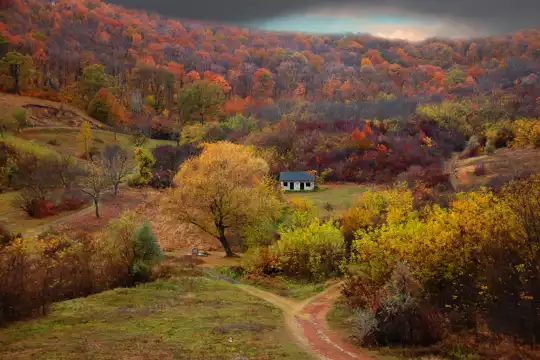
Late April–May, then September to early October is the sweet spot. Spring shakes off the chill; tracks firm, orchards bloom, beds stay weekday-priced, and the light runs long. Early autumn drops the dust and school rush; vines hang heavy, and you hike Orheiul Vechi in dry air before cool cellar whites.
  • Peak: July–August bakes. Marshrutkas pack tight, beaches thrum, rooms rise—but the payout is long golden evenings, sunflower horizons, and a cold lager on a stoop after a Dniester swim.
  • Transition/Shoulder: Late April–May and September–early October move fast: markets open, fluff drifts, trails dry, grape trucks roll. Hit the crush and National Wine Day (first October weekend) when cellars pour from the barrel.
  • Off-Peak/Winter: December–February turns inward—blue-gray light, wood smoke, empty monasteries, frost on vineyard wires. Wear wool, add a windproof shell, catch early buses; tea in a thermos buys another hour outside.
Tactical tip: For harvest weekends, reserve Chisinau beds early; otherwise arrive midweek and bargain in person.
Best known for:Known for: low cost | safety
Best time to visit: March - October
Daily cost: US$30 to 45 [moldova.travel]
Gibraltar
4

Gibraltar

Climb upward where continents visibly collide.


Climb rocky peaks, explore historic streets, and coastlines, experiencing culture, history, and Mediterranean landscapes for travelers seeking compact, scenic adventures.
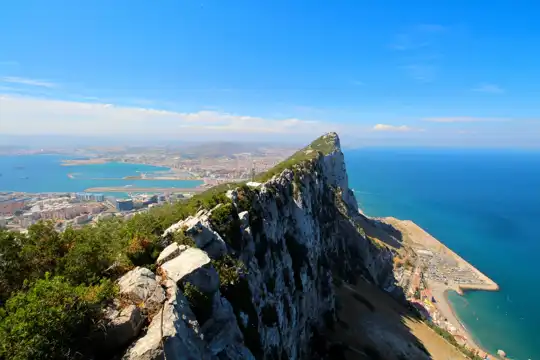
Sweet spot: late April–May and late September–October. Spring shrugs off winter squalls; autumn keeps the sea warm while school holidays fade. Temperatures land in the workable middle, poniente days strip the Rock of its cap cloud, and cruise pressure drops to sporadic pulses. Hotel rates step down from July–August, border queues soften if you move early, and the limestone trails stop cooking.
  • The Crowd/Heat Peak: July–August. Prices bite, cruise waves hit, limestone radiates. Payoff: golden-hour Mediterranean Steps, macaques, long swims.
  • The Transition/Shoulder: Apr–May, late Sep–Oct. Cafes spill out, tour groups thin by afternoon, breezes clear views, rates ease.
  • The Off-Peak/Extreme: Nov–Mar. Moody Rock under Levanter cloud; empty tunnels. Survival hack: windproof shell, soles with bite, pivot to caves.
Shoulder season: book Gibraltar rooms 1–2 weeks out; if prices spike, sleep in La Línea and cross at dawn.
Best known for:Known for: safety
Best time to visit: April - June, September - October
Daily cost: €20 to €40 [gibraltar.gov.gi]
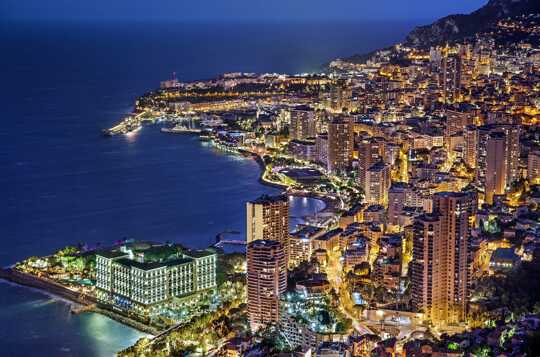
Monaco
5

Monaco

Walk luxury streets from end to end quickly.


Walk luxury streets, harbor views, and gardens, experiencing Mediterranean culture for travelers seeking compact, urban scenic journeys.
Sweet spot: late September to mid‑October and late April to early May (skip Grand Prix week). Warm, walkable days, autumn sea still swimmable, and prices loosening versus high summer. Trains breathe, terraces have tables, and basing in Nice keeps costs sane without the scramble.
  • Peak Heat & Hype: June to August plus Grand Prix week. Prices bite and bodies stack, but Larvotto at dusk turns to silk, and the tunnel roar pins your ribs if you commit to the chaos.
  • Shoulder in Motion: Late April to early May, and late September into October. Menus refresh, yachts peel away, crowds thin. Walk the circuit at dusk while barriers still stand or just coming down—a narrow, magic window.
  • Quiet Winter: November to March. Moody skies, slick stone, near‑empty lanes. Hack: ride the free public elevators and galleries to climb dry; pack a pocket shell.
For Grand Prix or Yacht Show, book a bed in Nice early and ride the first TER; shoulders book late.
Best known for:Known for: safety
Best time to visit: April - May, September - October
Daily cost: €35 to €70
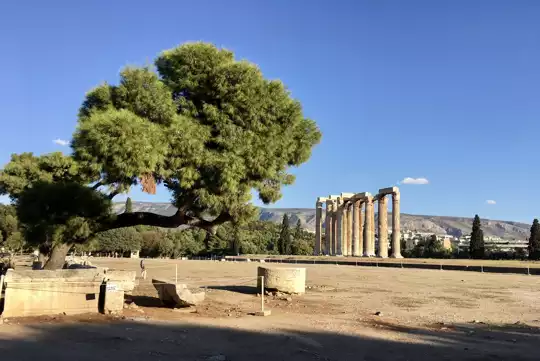
Greece
6

Greece

Island-hop slowly between history-soaked shores and villages.


Move from islands to mountains, ancient ruins to coastal towns, experiencing vibrant culture, cuisine, and landscapes for travelers seeking scenic and immersive journeys.
Late May to mid-June and mid-September to early October are the sweet-spot months for backpacking Greece. Warm days without the frying-pan glare; evenings that smell of thyme and diesel from the last bus rolling out. Ferries frequent but not frantic, prices lower than high summer, and islanders less rushed. In early June the sea shifts from bracing to comfortable; by mid-September it still holds summer’s heat while the meltemi eases and the light turns honeyed. You cover ground faster, spend less than July–August, and still swim daily without elbowing through selfie lines.
  • The Crowd/Heat Peak: July–August. The sun pounds marble steps; buses run standing-room; rooms jump in price and evaporate by sunset. The trade: bath-warm water at dusk, village festivals in full voice, every trailhead kiosk open, and the wind scrubbing the haze so islands float sharp on the horizon.
  • The Transition/Shoulder: May–June, September–early October. Greece wakes and exhales in cycles—shutters lift, timetables expand, then crowds thin. Trails dry, vines sag with fruit, and swims stretch longer each day. Note the anomaly: September stays busier than you think on Santorini and Mykonos, so book those while leaving lesser islands spontaneous.
  • The Off-Peak/Extreme: November–March. Slate skies, empty lanes, wood-smoke in mountain towns; the Acropolis feels private in a cold crosswind. Ferry schedules skeletonize and rain is a frequent guest. Survival hack: when seas look mean, pivot inland—ride KTEL buses, base in a walkable town, hike at midday, carry a windproof shell.
Personal tip: For June and September, secure ferries and island rooms roughly three weeks out, and keep the rest of your nights open to chase clear skies.
Best known for:Known for: architecture | beach life | food
Best time to visit: April - June, September - October
Daily cost: €45 to €65
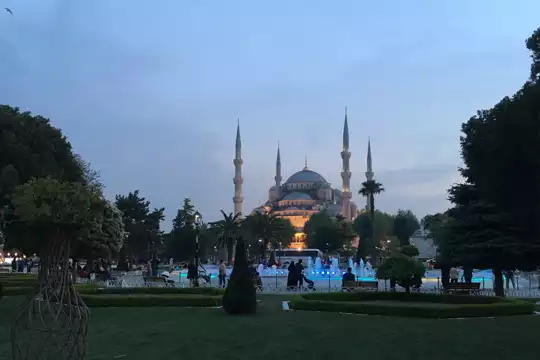
Türkiye
7

Türkiye

Move effortlessly between continents, cuisines, and histories.


Move from coasts to mountains, cities to ruins, experiencing culture, cuisine, and landscapes for travelers seeking scenic, immersive journeys.
The sweet spot is mid‑May to mid‑June and late September to mid‑October. Those weeks line up the puzzle pieces: the coasts are warm enough to swim without the July furnace; Cappadocia gives cool, flyable dawns instead of heatstroke breakfasts; inland buses don’t smell like a sock drawer; and pensions haven’t flipped the “tourist tax” switch yet. Domestic school holidays haven’t detonated the beaches in spring, and they’ve retreated by fall. You trade a few chilly evenings and the odd spring shower for cheaper rooms, sane lines at ruins, and long walking days where your water bottle isn’t a lifeline. You won’t clear Kaçkar high passes in May, and the sea cools by November, but in these shoulder windows the country feels open, functional, and priced for mortals.
  • Peak Heat (Jul–Aug): Prices puff up, buses fill, and every Aegean cove hosts three Bluetooth speakers arguing. Grind accepted, the high is real: dusk swims off Çıralı when the sea holds the day’s warmth, Efes stones bleeding heat under a red sky, and multi‑day Lycian Way legs where you finish by diving off a dock. Narrow window bonus: Kaçkar high passes and alpine camps are usually viable only late July to early September.
  • Shoulder in Motion (May–Jun, Sep–Oct): Cafes drag chairs onto sidewalks, ferries add runs, markets overflow with cherries, and the country shifts from idle to cruising speed. Trails dry out, balloon pilots in Cappadocia rack up flyable mornings, and the coast breathes—enough energy for fun, not enough for queues. Istanbul parks throw their tulips in April, then the crowds slide away and you actually get a bench.
  • Winter Interior (Dec–Feb): The coasts go sleepy, Anatolia turns steely, and you get ruins to yourself with a crow for company. Cappadocia under snow is quiet magic; the hack is layering: thin down, shell, hat, and dry socks in a zip bag. Buses stay warm, but platforms bite—hand warmers earn their pack space. Skiing at Uludağ or Erciyes beats beach weather cosplay.
I book Cappadocia balloons and coastal weekends two weeks ahead, and let everything else ride day‑by‑day, with a compressible down jacket buried in the pack for Anatolian nights.
Best known for:Known for: people | backpackers | beach life
Best time to visit: March - November
Daily cost: US$25 to 50
Italy
8

Italy

Wander endlessly through layered history woven into everyday life.


Wander endlessly from historic towns to coastlines, exploring cuisine, art, and landscapes for travelers seeking immersive cultural adventures.
The sweet spot is late May to mid June and mid September to mid October. Warm days without the asphalt bake; seas swimmable; mid‑elevation Alps open. After spring holidays and once school is back, beds drop to sane rates and lines loosen. Amalfi buses, Cinque Terre paths, the Vatican—still busy, but you can breathe. Markets brim, harvests hit menus, and ferries keep workable schedules. This window is Essential. July–August is Overrated unless you’re chasing festivals and bathtub‑warm water.
  • Peak (July–August): Lines coil at Pompeii before breakfast, dorms price like hotels, and coastal buses wheeze past full. The upside is raw: midnight swims off Sicily, piazzas alive past midnight, Dolomites huts fully open, daylight for a bonus hike. If you crave heat and buzz, take the hit.
  • Shoulder (late May–June; mid‑September–mid‑October): Momentum. Shutters lift, ferries add runs, trails dry, and the country shifts from prep to pace. Autumn exhales—grape trucks, chestnut smoke, crisp views. Late spring pops with wildflowers and warming water. Prices ease, reservations get sane, and you move instead of queueing. Best balance for miles, meals, and mood.
  • Off‑Peak (November–March): The Interior. Museums breathe; hill towns echo; you hear your footsteps. Expect rain streaks, short days, and closed passes in the north. Southern coasts stay workable and cheaper. Survival hack: wear a base layer, carry a compact umbrella, book heated rooms, and time travel legs to land before dusk.
I lock discounted high‑speed train fares early and keep lodging cancellable, but I always pack a rain shell and one warm layer—even in June.
Best known for:Known for: architecture | food | scenery
Best time to visit: March - October
Daily cost: €40 to €70 [italia.it]
Spain
9

Spain

Drift effortlessly between fiestas and long afternoons.


Drift effortlessly from beaches to mountains, historic towns, and cities, experiencing culture, cuisine, and lively landscapes for travelers seeking immersive journeys.
The sweet spot is late May to mid-June, then mid-September to mid-October. Summer timetables are running, but seats still exist without a fistfight. Coasts are swimmable, high trails are open, and inland cities aren’t yet frying pans. Dorms and intercity fares sit in the sane zone, especially midweek. Town fiestas and grape harvests add energy without mandatory price gouging. Snow has retreated from most ranges, storms are brief, and daylight lets you stack a morning hike, a lazy lunch, and a bar-hopping night without sprinting. Even the Camino breathes instead of wheezes.
  • Peak Summer (July–August): Prices climb, plazas fill, and the sun treats Andalusian cobbles like a skillet. You’ll queue for museum slots and sprint for bus seats, then remember why you came when a midnight swim in the Med resets your soul and a village fiesta keeps you dancing till dawn. Wildfires can close trails and reroute buses overnight; inland treks often pause midday when heat warnings hit. Siesta isn’t quaint here—it’s survival.
  • Shoulder Momentum (late Apr–June & Sept–Oct): Awnings unfurl, terraces multiply, seasonal buses return to trailheads, refuges unlock, and vendimia trucks grind through Rioja. You glide—cool mornings for climbs, warm afternoons for swims, golden hours that stretch. Quick hitters still happen: spring squalls in the north soak cliff paths, and autumn holiday weekends quietly sell out trains. Pack a thin shell and buy big-ticket rides a touch early; the rest you can improvise.
  • Winter Low (Nov–March): Spain turns inward. Stone plazas echo, cafés steam their windows, and Atlantic swells slap empty promenades. You get museums to yourself and long, quiet city walks. Cold sneaks up in uninsulated rooms; a light down jacket and a merino beanie change everything. Reduced rural buses—especially Sundays—can strand you; plan legs around daylight and stick to bigger hubs when storms roll through.
My move: lock the first night and any long-haul train a week or two ahead in the shoulder, and carry a silk liner plus a packable puffy so you can roll with dorm roulette and snap-temperature swings.
Best known for:Known for: architecture | beach life | mountains
Best time to visit: April - October
Daily cost: €50 to €90 [spain.info]
Kosovo
10

Kosovo

Move socially through compact cities and green landscapes.


Move socially through compact towns, mountains, and villages, experiencing culture, history, and landscapes for travelers seeking scenic, offbeat journeys.
Late May–June, then mid‑September to mid‑October. Snow pulls back from the Sharr and Accursed; trails firm up, rivers run clear, and days sit in the middle—T‑shirt hikes, fleece nights. City heat hasn’t cooked the asphalt yet, summer returnees haven’t lifted room rates, and buses keep rhythm. Autumn adds crisp air and peppers and grapes at market, and a cleaner sky over Prizren’s castle.
  • Peak Summer: Jul–Aug. Heat shimmers off Pristina’s boulevards; Dokufest packs Prizren; rooms climb. Payoff: long light on Sharr ridges and a cold Peja riverside.
  • Late Spring Shoulder: May–Jun. Snow shrinks, shepherds push flocks uphill, cafés drag chairs outside, trailheads wake. Mud dries fast; buses loosen; guesthouses say yes to walk-ins.
  • Winter Off-Peak: Dec–Feb. Quiet streets, coal and woodsmoke, mountains emptied except for skiers. Survive it with microspikes, midday buses, and rooms heated by stoves.
Reserve Prizren early for Dokufest; in shoulders, skip bookings and carry a packable down.
Best known for:Known for: people | food | low cost
Best time to visit: March - November
Daily cost: €20 to €35 [visitkosovo.org]
Romania
11

Romania

Wind through villages beneath forested mountain castles.


Wind through villages, castles, and forests, experiencing history, culture, and dramatic landscapes for travelers seeking immersive, scenic adventures.
Late June into early July, and again through September, is the clean hit for Romania on a backpacker’s budget. In late June the high snow finally pulls back from the Făgăraș and Retezat, trails firm up instead of sucking at your boots, and the Transfăgărășan opens just as prices lag behind beach season. You get long light and cool nights without trains packed to the doors. September trims the heat and the noise; families go home, room rates loosen, and the air smells like cut hay and woodsmoke. Daylength still works, storms calm down, and that first cold beer in a village bar lands like a medal after a ridge day.
  • Peak Summer: The grind is real—crowded CFR cars to Brașov, sweaty switchbacks in Piatra Craiului, selfie traffic on the Transfăgărășan, and price bumps near castles. The high is bigger—huge daylight, berry-stained fingers, thunderheads that rinse the haze clean, and an ice-cold Ursus under a Saxon tower.
  • Late-June Shoulder: Romania shifts—shutters lift, kiosks roll open, shepherds drive flocks uphill, trail paint reappears from melt. Buses breathe again. Ride or hitch the Transfăgărășan in its first quiet weeks after it opens; those dawn hairpins feel like your road.
  • Winter Off-Peak: The interior turns inward—woodsmoke, church bells, and forests holding their breath. You earn every mile. Hack it with merino layers, microspikes for icy steps, and short, blue-sky pushes right after a storm.
Tactical tip: For late June and September, reserve popular cabanas for Friday/Saturday a week out; keep the rest walk-in so you can pivot around weather.
Best known for:Known for: safety | backpackers | architecture
Best time to visit: April - July, September - October
Daily cost: €35 to €50 [romaniatourism.com]
Albania
12

Albania

Move easily between rugged mountains and quiet beaches within short distances.


Move easily between rugged mountains, quiet beaches, and historic towns, experiencing vibrant local life, unspoiled nature, and cultural layers ideal for curious, active travelers.
Mid‑September to early October is the sweet spot. Heat drains from Tirana’s asphalt, but the Ionian stays swimmable. In the Alps, crisp, dry days keep passes open before the first snow and the low light sharpens every ridge. August pricing relaxes, buses still run on summer rhythm, ferries stop choking. Figs and grapes stack the markets; hosts un‑rush. You cover distance without fighting the sun or a line.
  • Peak Summer (Jul–Aug): Heat slams the Riviera; minibuses bulge; beds run pricier than shoulder. But dusk swims go glassy, sardines hiss on grills, and a cold Korça on a stoop resets you.
  • Shoulder (May–Jun & Sep–Oct): Momentum. Shutters lift, ferries add runs, trails shed snow, beach clubs fold, dust settles. Spring briefly opens Osumi Canyon rafting on snowmelt (late Mar–Apr).
  • Winter/Deep Off‑Season (Nov–Mar): The interior exhales. Alpine villages hush under snow; castles and lagoons are yours at noon. Hack: hard shell over fleece, microspikes for icy lanes, hike short and early.
In September I book the coast days out, keep the Alps flexible, and carry light down plus shell.
Best known for:Known for: food | low cost | safety
Best time to visit: March - October
Daily cost: €35 to €45
Iceland
13

Iceland

Drive endless loops through dramatic, living geology.


Drive endless loops through geysers, glaciers, waterfalls, and volcanoes, experiencing dramatic nature for adventurous, outdoors-focused travelers.
Late August to mid-September is the sweet spot. The highland buses still run, most F-roads are open, and the ground feels firm under boots instead of thaw-soup. Daylight lingers, but night finally returns so the sky can go electric. Families have flown home, so car rates ease and campsites breathe again. The air cools just enough to hike hard without sweating through your base layers, and the moss looks hyper-saturated after the late-summer rains. You’ll still dodge a tour bus on the South Coast, but you can find empty wind-scoured ridges by dinner, then eat hot noodles in a wool hat while sheep call from the hills and the steam smells faintly of sulfur.
  • Peak Summer: June–August. Prices jump, trailheads clog, and you’ll queue for a photo at Skógafoss. The trade is raw abundance: midnight light on rhyolite in Landmannalaugar, puffin cliffs roaring, the option to hike at 11 pm and outlast the buses. If you book months ahead and accept the diesel-and-drones soundtrack, the long light gives you extra miles that feel stolen.
  • Late-Summer Shoulder: Late August–September. The country exhales—shops shorten hours, lamb roundups kick off, aurora flickers on. Crowds thin, though early September stays busier than you’d expect as photographers chase color and clear roads. Momentum favors you: keep moving and you’ll stack quiet camps with warm pools and gulls for company.
  • Deep Winter Off-Peak: November–March. The interior mood is lunar and private; towns smell of wet wool and wood smoke. Storms rule, so survive by planning around wind, not rain—if the gusts spike, shelve the waterfall run and hole up by a pool, then pounce when the isobars relax. Microspikes turn treacherous ice into a sidewalk.
Personal tip: for the late-August window, book your car six weeks out and spend your saved weight on a true windproof shell plus extra guylines—wind, not cold, is the real tax.
Best known for:Known for: scenery | uniqueness | safety
Best time to visit: April - October
Daily cost: US$120 to 150
Bosnia and Herzegovina
14

Bosnia and Herzegovina

Follow river valleys where cultures still meet naturally today.


Follow river valleys, mountains, and old towns, experiencing layered history and cultural contrasts for travelers seeking scenic, culturally rich journeys.
Late May to mid‑June and mid‑September to early October is Bosnia and Herzegovina’s sweet spot. Heat backs off in Mostar, but rivers still hold summer warmth; mountain snow has retreated from Bjelašnica and Prenj’s main trails, yet nights keep the bugs and sweat at bay. Guesthouses haven’t flipped to high‑summer pricing, buses and the Sarajevo–Mostar train have spare seats, and crowds thin enough that sevdah from a courtyard carries down the lane. Spring rains taper, autumn storms haven’t set in, and the light turns crisp—the kind that makes limestone glow and the first cold Sarajevsko taste earned.
  • Peak Summer: Streets radiate heat; Stari Most goes shoulder‑to‑shoulder by noon; beds jump and you queue for everything. Then sunset drops, stone cools, and you plunge into the Neretva or nurse a cold beer in a shady han as the call to prayer skims the bridge.
  • Shoulder: Shutters lift, markets brim with peppers and plums, trails dry fast. Huts unlock, room rates dip, buses run full not frantic, and train windows crack to the river’s clean scent. You move—city to ridge to water—in a day without rushing.
  • Winter Off‑Peak: Short days, blue smoke in Sarajevo’s valley, rain slicking Old Town stone, high country snowed deep and quiet. Locals linger over thick coffee; you walk empty alleys and own every museum. Survival hack: pocket microspikes for Sarajevo’s glassy sidewalks.
For the shoulder window, book rooms roughly a week ahead to keep flexibility while dodging last‑minute price bumps.
Best known for:Known for: uniqueness | low cost | scenery
Best time to visit: March - October
Daily cost: €35 to €55 [visitbih.ba]
Bulgaria
15

Bulgaria

Move between mountain villages and Black Sea coastlines easily.


Move between mountain villages, Black Sea coasts, and historic towns, experiencing diverse landscapes and traditions for adventurous, culturally curious travelers.
Late May to mid-June and early to mid-September are the sweet spot in Bulgaria. Spring pushes snowlines back in Rila and Pirin just as huts unlock and buses add departures; wildflowers still show in June, but the thunderheads are more bark than bite. On the Black Sea, the water warms by June without the towel-to-towel chaos, then September keeps the sea bath‑warm while prices quietly drop after August’s frenzy. Days are long enough for a ridge plus a town stroll, nights cool enough to sleep, and the big tour groups have either not yet arrived or already gone home.
  • Peak Summer (Jul–Aug): The heat and crowds punch first. Sofia hostels fill, seaside prices climb, and there’s a queue to pose at the Seven Rila Lakes. The high: endless daylight, every lift running, huts stocked, and a golden hour on Pirin’s granite that makes you forget the bus station sauna you survived.
  • Shoulder Shift (Late May–June, Sept): Bulgaria stretches awake. Chairs scrape onto sidewalks, trail signs reappear from snowmelt, grapes sag on trucks, and beaches exhale as families leave in September. Anomaly: early May holiday weekends spike domestic crowds in monasteries and eco‑trails—looks like July for 72 hours, then it’s quiet again.
  • Deep Off‑Peak (Nov–Mar): Interiors rule. Sofia goes soft and steamy in mehanas while the Black Sea turns steel. Mountain bowls empty out, wind bites, and streets glaze. Survival hack: carry microspikes—Sofia sidewalks and trailheads turn to polished glass after a thaw‑freeze.
Tactical tip: For July–August weekends, reserve mountain huts about two weeks ahead or sleep outside.
Best known for:Known for: safety | backpackers | low cost
Best time to visit: April - July, September - October
Daily cost: €30 to €45 [bulgariatravel.org]
Hungary
16

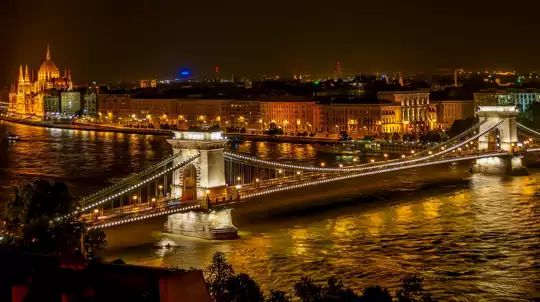
Hungary

Soak slowly between walking-heavy city days.


Soak slowly between historic streets, thermal baths, and villages, experiencing culture, architecture, and cuisine for travelers seeking relaxed, immersive journeys.
The clean window is mid-September to mid-October. Summer’s stampede has stepped off the trams, hostel beds fall back to sane rates, and the heat breaks into sweater weather that’s kind to a daypack. Vineyards glow, forest paths in the Börzsöny and Bükk carry that dry-leaf crunch, and Budapest’s baths steam in cool air without a queue curling around the gates. Rain comes, but in passable bursts. You earn space on the Danube embankment at dusk, you smell grapes on village roads, and your money stretches just far enough to add a slow intercity detour instead of a rushed one.
  • High Summer Peak: July–August bakes the pavement and spikes prices, Balaton’s beaches and Budapest’s ruin bars jammed shoulder-to-shoulder. The grind is real. The high is real too: late-night swims off Balaton’s piers and the August Sziget blowout when the island hums like a generator.
  • Autumn Shoulder: September slides open. School’s back, patios stay out, trains breathe again. Trails clear, cellars open, and Tokaj’s harvest weekends hit a tight window where you can taste must straight from the press and hear buckets clatter in the lanes.
  • Winter Off-Peak: December–February turns inward. Streets thin, the Great Plain feels lunar, and thermal courtyards billow like kettles. Survive it by living like a local: merino base layer, wool socks, and long thaw sessions in public baths before dark.
Tactical tip: For the autumn shoulder, lock Tokaj or Eger beds two weeks ahead, but keep city nights flexible so you can chase clear forecasts.
Best known for:Known for: backpackers | architecture | safety
Best time to visit: March - November
Daily cost: €45 to €70
Ireland
17

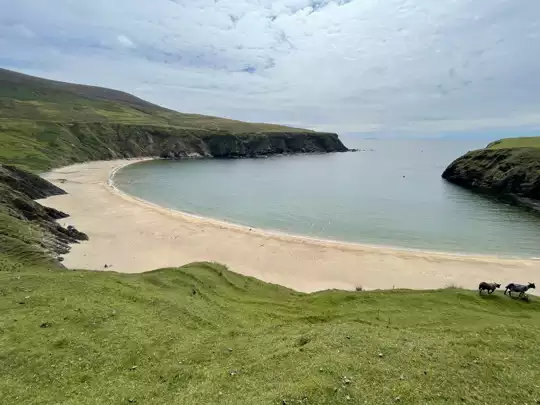
Ireland

Follow winding roads and pub-lit village evenings.


Follow winding roads, villages, and coasts, experiencing music, pubs, and lush landscapes for travelers seeking scenic, culturally rich journeys.
Late May to late June—and again in September—is Ireland’s sweet spot for backpackers. Daylight stretches without the full July-August price hike, ferries and rural buses run their summer schedules, and you’ll share trails with walkers instead of tour coaches. The weather tilts toward workable: showers pass, grass dries in the wind, and you get enough clear windows to commit to longer ridgelines without gambling your whole day. Midges haven’t fully mobilized in May–June and lose their nerve by September, which matters on west-coast bog and lakes. Kids are still in school (or just back), so accommodation doesn’t vanish by 4 p.m., and bar sessions feel local rather than staged. It’s the rare window where your budget, patience, and rain shell stay intact.
  • Peak (Jul–Aug): Prices jump, dorms fill, and the Ring of Kerry becomes a metal centipede. You queue for coffee like it’s a festival. But then you crest the ridge on Slieve League, catch sun on skin you forgot you owned, and your pint at dusk tastes earned because the light hangs around like an old friend.
  • Shoulder (Late May–Jun, Sep): Ferries resume, trails firm up, beer gardens drag out benches, and crowds thin week by week. You move—coast to hill to trad session—without friction. Narrow window: boat landings to Skellig Michael are most reliable now; calm seas and active permits line up if you plan ahead.
  • Off-Peak (Nov–Feb): Grey moods, empty hostels, Atlantic tantrums. The land feels private—peat smoke, silent lanes, ruins to yourself. Survival hack: wool next to skin, a real rain shell, and short-loop hikes you can bail from when gusts turn sidewalks into slipways.
Book key rural beds in the shoulder a few weeks out and bring a pack liner—Irish rain treats “waterproof” as a dare.
Best known for:Known for: safety | people | scenery
Best time to visit: March - October
Daily cost: €70 to €100
France
18

France

Move confidently between regions using effortless transport links.


Move confidently between regions, cities, and countryside, experiencing history, cuisine, and scenic landscapes for travelers seeking cultural and culinary journeys.
The sweet spot for backpacking France is mid-May to late June and mid-September to early October. Essential. Here’s why: the weather is steady without the scorched sidewalks, the Med is swimmable, mid-altitude trails are open without rotten snow fields, and you’re not jousting every bakery line with bus tours. Hostels run weekday rates instead of “every day is Saturday” pricing, long-distance trains still have sane fares, and you can actually hear the church bells in small towns without a convoy of coaches idling nearby. In June, alpine valleys wake up—lifts start, cows head uphill, and the GR paths feel alive. In late September, grape harvest hums, the Atlantic keeps its warmth, and Paris breathes again after the exodus. July–August? Overrated unless you’re chasing festivals, high-alpine mileage, or pure beach heat—then commit hard and build your days at dawn and after 7 p.m.
  • Peak Summer (Jul–Aug): The grind is real: lines at Versailles snake, dorms without AC turn into slow cookers, and the “cheap” menu du jour crawls up in price. The high is also real: 10 p.m. golden hours on alpine ridgelines, late-night swims off Marseille, village fêtes that run on accordion and rosé. If you go, hit museums at opening, nap through the furnace, climb high or escape west to the breezy Atlantic.
  • Shoulder (mid-May–Jun, mid-Sep–early Oct): France shifts under your boots—terraces roll out chairs, markets pile up cherries or figs, trail signage gets re-bolted, ferry schedules expand, then later the crowds thin, vines droop with fruit, and coastal paths feel roomy. You move faster, spend less, and stack more experiences per day because nothing fights you.
  • Off-Peak/Cold & Wet (Nov–Mar): The country turns inward. Gray seas, empty lanes, steam curling off zinc bars. Paris museums are suddenly yours; Brittany’s cliffs boom with winter swell; the Alps flip from hikers to skins and crampons. Survival hack: run a strict heat-dry cycle—merino base, packable shell, and rotate socks on radiators every night so your core stays warm and your feet don’t quit.
Personal tip: For the sweet-spot months, pounce on long-distance train tickets the moment they’re released and only lock your first night’s bed—mobility beats over-planning.
Best known for:Known for: architecture | mountains | beach life
Best time to visit: April - October
Daily cost: €70 to €90 [france.fr]
North Macedonia
19

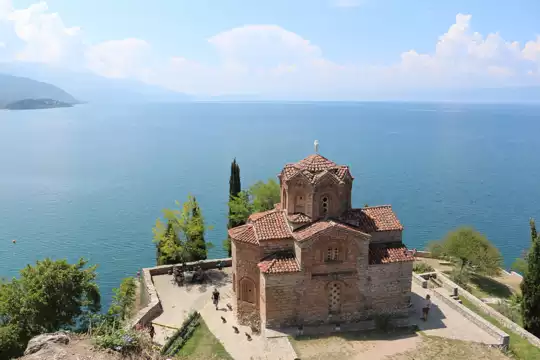
North Macedonia

Circle deep lakes where borders seem irrelevant.


Circle lakes, mountains, and towns, experiencing history, culture, and local life for travelers seeking scenic, culturally rich journeys.
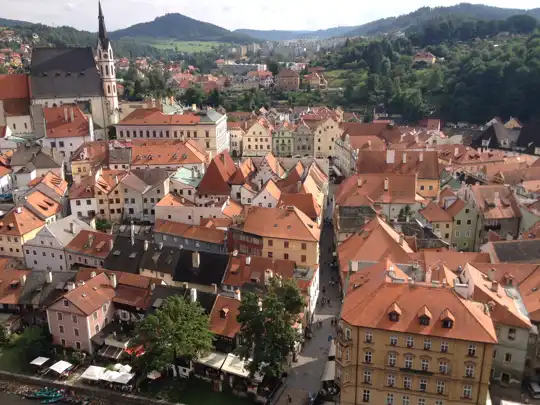
Sweet spot in North Macedonia lands in late May–mid June and again mid‑September–early October: high trails shed snow,
Best known for:Known for: safety | architecture | low cost
Best time to visit: April - October
Daily cost: €25 to €40
Poland
20

Poland

Move across plains linking resilient historic cities.


Move across plains, lakes, and historic towns, experiencing culture, history, and landscapes for travelers seeking scenic, immersive journeys.
Late May to June and early September to early October are the sweet spot for Poland. Daylight stretches without the broil, you can walk cities and still have legs for an evening tram ride, and beds don’t vanish behind “event pricing.” Trails in the Tatras have shaken off most snow by June; Baltic beaches trade boom-box Saturdays for wind, space, and a decent sunset. Beer gardens and museums run full hours, ferries and mountain huts are open, and trains have seats without a bidding war. Prices sit below the summer spike and crowds thin once Polish schools resume. Watch out for the early-May holiday week—domestic travel surges.
  • Summer Peak: July–August is a grind—full dorms, busy trains, and heat bouncing off Kraków’s cobbles. The payoff is real: long golden evenings on Baltic dunes, mountain ridges buzzing with life, festivals every weekend. Start pre-dawn in the Tatras; storms roll in fast.
  • Shoulder Season: May–June and September press forward—benches slide onto squares, ferries restart, trail mud firms up, then crowds drop as school bells ring. Apples and mushrooms hit markets. Ignore this and you miss value. Hidden risk: ticks in forests—treat socks and do a nightly check.
  • Winter Off-Peak: December–February turns inward: quiet streets, steam on tram windows, forests hushed. Go for solitude and hearty food. Survival hack: microspikes for icy pavements, merino layers, and trains over buses when snow stacks up. Watch winter smog in the south.
Tactical tip: For July–August, reserve intercity trains and Tatra huts about two weeks ahead to keep your plan intact.
Best known for:Known for: safety | mountains | backpackers
Best time to visit: March - October
Daily cost: €38 to €55 [poland.travel]
Montenegro
21

Montenegro

Climb from fjord-like bays into rugged peaks.


Climb fjord-like bays, mountains, and historic towns, experiencing dramatic landscapes and culture for travelers seeking scenic, immersive journeys.
Mid‑September to early October is the clean hit in Montenegro. The sea keeps its summer warmth while the sun steps down a notch; you swim without that cooked‑asphalt haze chasing you back to shade. In the mountains, the last thunderheads have usually burned off, high passes stay open, and evenings cool enough to sleep without a fan. School’s back, cruise‑ship days thin, and room rates slip from their August peak while buses still run useful schedules. Trails clear of selfie queues, grape must perfumes village lanes, and the Adriatic light goes honey‑low by late afternoon—easy on skin, kind on photos. A backup window is late May to mid‑June: wildflowers on Durmitor meadows, calmer coast, lower prices—just mind lingering snow on north‑facing ridges and a few still‑sleepy services inland.
  • Peak Summer (Jul–Aug): The grind: noon heat baking Kotor’s stones, scooters whining, boat touts circling, beds priced like mini‑holidays. The high: 10 p.m. swims off Budva rocks, fully open alpine routes, Tara Canyon light turning copper at long dusk—if you move at dawn and nap at noon, it sings.
  • Autumn Shoulder (mid‑Sep–mid‑Oct): Montenegro exhales. Beach bars turn the volume down, shop shutters lift without rush, buses still hum, prices relax. You climb the Ladder of Kotor into clean air and walk Durmitor circuits in quiet, with figs soft in the pocket.
  • Winter/Off‑Peak (Nov–Mar): Interior mood. Kotor’s alleys slick with rain and woodsmoke, Žabljak under a hard blue sky and deep snow. Survival hack: waterproof boots plus microspikes—ice hides on shaded stone and trail steps long after noon.
Personal tip: For the September window, reserve weekend beds in Kotor and Žabljak about a week out; leave everything else flexible so you can chase clear skies.
Best known for:Known for: safety | low cost | scenery
Best time to visit: April - October
Daily cost: €40 to €55 [montenegro.travel]
Austria
22

Austria

Glide between alpine villages on trains shaping relaxed mountain journeys.


Glide between alpine villages, lakes, and cities, experiencing scenic landscapes, classical culture, and outdoor adventures ideal for travelers seeking balance of nature and history.
Austria pays out best in June and September. Snow has pulled back from the high passes, huts unlock their doors, and thunderstorms behave like clockwork rather than chaos. Trains have seats, prices slide back from ski-town levels and August markups, and you get clear mornings that turn into long, workable days. I walk early, nap through the afternoon pop-up showers, and close with a view from a ridge that would’ve been buried a month earlier.
  • Spring: Friction: high passes hold snow and melt turns trails to soup; some bridges are out. Reward: roaring waterfalls, cheap valley rooms, orchard and lakeside paths in full swing. Stick mid-elevation and carry gaiters.
  • Summer: Friction: August crowds spike hut bunks and festival weeks jack city rates; afternoon thunder rules. Reward: all lifts running, via ferrata dry, big itineraries link cleanly. Start at dawn and book classic huts.
  • Autumn: Friction: lifts pause for maintenance and the first dusting bites ridgelines. Reward: cold, clear air, quiet huts, golden larch weeks that flare briefly in late October. That narrow window is worth a detour. Pack microspikes and a warmer bag.
  • Winter: Friction: icy closures and storm hiccups on buses; resort towns price for skiers. Reward: snowshoe loops on groomed tracks and empty valleys one stop from the lifts. Traction and avalanche awareness are non‑negotiable.
My tactic: lock the cheap long‑distance train early, keep hut nights flexible in June and September, and carry a featherweight shell plus microspikes for the shoulder pivots.
Best known for:Known for: mountains | safety | scenery
Best time to visit: March - October
Daily cost: €70 to €90 [austria.info]
Czechia
23

Czechia

Drift through storybook towns between long beer-filled evenings.


Drift through storybook towns, forests, and historic cities, experiencing architecture, culture, and lively traditions for travelers seeking accessible, culturally rich exploration.
The sweet spot: mid-May to mid-June and mid-September to early October. Spring has long days, steady sunshine, and trails that have finally dried after the thaw; beer gardens drag their benches outside, and hostels still price like they remember winter. By autumn, the heat and stag parties have bled off, harvest kicks in across South Moravia, and forests in Šumava and the Krkonoše go copper without closing the paths. In both windows, trains and dorms are gettable without wrestling apps at midnight, and you’ll actually hear your boots on Prague’s cobbles instead of a tour group’s megaphone.
  • Peak Summer (Jul–Aug): Prices swell compared to May/Sept, lines stretch at Prague Castle, and day-trip trains to Český Krumlov hit standing-room. The payoff is real: warm river days on the Sázava, live music in squares, and clear, late light on ridgelines above Špindlerův Mlýn.
  • Shoulder in Motion (May–Jun, Sep–early Oct): Cities wake—chairs scrape onto cobbles, kiosks unroll awnings, trailheads hum. September adds grape presses and cool evenings; weekdays feel roomy, weekends tighten around cheap-flight city breaks, so hop to secondary towns or hills then.
  • Deep Off-Peak (late Oct–Mar): Mornings come blue and quiet; castles sit empty; forests belong to you and the crows. It’s cold, not cruel—wear merino, waterproof your boots, and use cafés as radiators. Anomaly: December spikes busy for Christmas markets despite the freeze.
Tactical tip: in the sweet spot, book Prague weekends and mountain huts a couple weeks ahead; everywhere else, stay flexible and carry a packable rain shell.
Best known for:Known for: backpackers | safety | architecture
Best time to visit: April - October, December
Daily cost: €36 to €52 [czechtourism.com]
Norway
24

Norway

Ride ferries through dramatic fjords and islands.


Ride ferries, fjords, and coastal roads, experiencing mountains, wildlife, and culture for adventurous, nature-focused travelers.
Late August to mid-September is the sweet spot. Days are still long enough for a full ridge, but July’s fever has broken. The snowpack has pulled back; trails firm, bogs dry out. Ferries keep summer hours; huts are staffed. Cool nights hush the mosquitoes. Prices ease, and you can finally hear the river. The coast smells of kelp and diesel; birch leaves begin to bronze. You earn the light, and at sunset the fjords go copper.
  • High Summer Peak (July–early Aug): The country runs loud. Queues for ferries, full bunks, prices at their sharpest. But climb at 11 p.m. above the Arctic Circle and walk in amber daylight that won’t quit; that glow wipes out the grind.
  • Autumn Shoulder (late Aug–Sept): Crowds thin, buses breathe, costs soften. Huts still ladle stew; boats still churn wakes. Birch turns honey, weather shifts but rarely bites. Move far, then sit with warm bread and quiet. This is the safe unguided window for Trolltunga.
  • Winter/Off-Peak (Nov–Mar): Deep blue noon, snow hiss, towns wrapped in woodsmoke. You own the trail and the silence. Survival hack: carry microspikes; Norwegian ice turns sidewalks and trailheads into traps. Aurora and stormlight repay the effort.
I book the Oslo–Bergen train and my first DNT hut about a month ahead for late August, and let the forecast dictate everything else.
Best known for:Known for: safety | scenery | mountains
Best time to visit: April - October
Daily cost: €85 to €115
Serbia
25

Serbia

Drift from nightlife into nature with ease.


Drift from nightlife to mountains, rivers, and villages, experiencing culture, history, and landscapes for travelers seeking varied, scenic journeys.
Late May to June, then mid‑September into early October is the clean hit. Serbia exhales after winter and before heatstroke: buses run often enough to keep you moving without elbows, guesthouses and kafanas swing open but don’t gouge, and trails in Tara, Zlatibor, and Kopaonik are firm instead of slushy or baked. Belgrade’s river bars float back into action, markets pile with strawberries or peppers, and you can actually see Kalemegdan’s sunset without climbing a human pyramid. Rivers are swimmable by June, harvest kicks in by September, and storms are the brief, theatrical kind. You work for the views, not for the privilege of shade.
  • Peak Summer: July–August turns up the volume. Heat sticks to buses, EXIT packs Novi Sad’s fortress, and Belgrade prices creep. The payoff: 2 a.m. on a splav, sunrise over Petrovaradin, a cold Zaječarsko, grill smoke drifting off the Danube.
  • Spring Shoulder: May–June shakes awake. Shutters lift, terraces get hosed down, strawberries stack high, and buses add mountain runs. Trails dry out, rivers muscle past, and you move fast without paying festival tax.
  • Winter Low: December–February folds inward. Fog on the Sava, quiet monasteries, empty ridgelines. Survival hack: wool layers, waterproof boots, warm up in pekaras, travel midday, book rooms with real heat. The reward is silence—and hot sarma and rakija after.
  • Autumn Shoulder – Harvest: September–October slows sweetly. Grapes hauled in Fruška Gora, peppers roasting, soft light on Uvac. Crowds thin, quotes soften, and hikes feel like you’re walking through someone’s pantry.
Tactical tip: For June and September, lock weekend beds in Belgrade/Novi Sad a week or two ahead; keep the rest flexible and pack one light rain shell plus a warm layer for the hills.
Best known for:Known for: safety | uniqueness | low cost
Best time to visit: March - November
Daily cost: €30 to €45 [serbia.travel]
Malta
26

Malta

Walk centuries of history within island-sized distances.


Walk centuries of history, coastal towns, and villages, experiencing culture, architecture, and Mediterranean landscapes for travelers seeking compact, scenic journeys.
Late May–mid June and late Sept–mid Oct are the Malta sweet spot. The sea’s warm, buses and ferries run full schedules, but school crowds lag or fade. Heat stays workable, dive shops cut deals, hostel rates ease, and cruise-day spikes are patchy enough to dodge.
  • The Heat/Crowd Peak: August cranks prices, packs buses; you’ll drip in Valletta alleys. Payoff: bath-warm night swims, festa fireworks over bastions, and Blue Lagoon solitude if you take the first boat.
  • The Shoulder Shift: May and October move—shutters lift, kiosks restock, hours stretch; heat breaks while the sea holds. Catch Valletta Fireworks Festival late April at Upper Barrakka—blink and you miss it.
  • The Quiet/Wind Season: Nov–March turns inward: green trails, empty ramparts, quick squalls and hard wind. Ditch umbrellas; wear a hooded windproof and pick leeward coves by forecast to keep swims sane.
For the sweet spot, lock beds 2–3 weeks out; book boats only 24 hours after checking wind.
Best known for:Known for: safety | architecture | beach life
Best time to visit: April - October
Daily cost: €35 to €60 [visitmalta.com]
Switzerland
27

Switzerland

Glide mountains to cities smoothly by train.


Glide smoothly by train between mountains, lakes, and cities, experiencing culture, landscapes, and alpine adventure for travelers seeking scenic, structured journeys.
Early to mid-September is the cleanest play. Snow has retreated from the big passes, the violent afternoon storms of midsummer calm down, and the air cools enough that long climbs waste less water and energy. Summer lift and hut schedules still hold, but local holidays end, so beds open and prices stop flexing upward. Trails dry quickly after showers; daylight stays long enough to stack ridges without running a headlamp, and lakes keep July’s warmth for an honest swim. You might wake to a decorative dusting above 3,000 m, but tread stays firm. It’s the window where access, cost, and calm finally line up.
  • Peak Summer: You’ll queue for cable cars, watch dorm prices spike, and dodge selfie traffic on famous traverses—but the trade buys late light on wildflower meadows, every lift spinning, every hut kitchen stocked, and the highest circuits fully in reach.
  • Shoulder (Transition): June thaws and roars—waterfalls surge, huts unlock, and mid-altitude ridges come alive while high passes still hold patches; September exhales—crowds thin, cattle descend, prices ease, and the network keeps running as the country shifts into a cooler, faster rhythm.
  • Off‑Peak/Extreme: Valleys go quiet, fog sits on lakes, and snow turns footsteps into the only sound; survive it by starting at first light for firm snow, sticking to signed winter trails and south-facing tracks, and carrying light traction plus a hot flask.
Tactical tip: For September, reserve weekend hut bunks 10–14 days out and leave weekdays flexible to chase weather without paying panic rates.
Best known for:Known for: mountains | safety | scenery
Best time to visit: March - October
Daily cost: US$100 to 135 [myswitzerland.com]
Cyprus
28

Cyprus

Drive coastal loops linking ancient layers and shared cultures.


Drive coastal loops, explore mountains, beaches, and towns, experiencing history, landscapes, and culture for travelers seeking varied Mediterranean journeys.
The sweet spot is late September into October, with May close behind. Sea stays warm, days run dry without the July furnace, and rates calm once schools restart. Trails breathe in Akamas and Troodos; boats still run; buses aren’t skeletal yet. Spring adds wildflowers and crisp air, but the water can bite and Easter distorts prices.
  • Peak Heat: Everything costs more and everyone shows up. You chase shade, buses groan, cars vanish. The payoff: bathtub-warm surf, long evenings, turtle nights at Lara.
  • Shoulder Shift: Shutters lift, beach bars hum, grapes come in, trails invite a stride. Prices ease, boat trips run. Watch Sahara dust that dulls views for a day.
  • Winter Quiet: Valleys green up, fireplaces earn their keep, Troodos snows, coast turns moody. Tours pause, buses thin, tracks flood; rent a car and time hikes between squalls.
Tactical tip: In shoulder season, reserve a car a month ahead; beds stay flexible.
Best known for:Known for: safety | beach life | low cost
Best time to visit: March - June, September - November
Daily cost: €30 to €55
Germany
29

Germany

Travel efficiently while landscapes subtly transform along the way.


Travel efficiently through cities, forests, and alpine landscapes, experiencing culture, history, and natural beauty for travelers seeking structured yet scenic journeys.
Late May to mid‑June, then again mid‑September (skipping Munich during its beer weeks) is the sweet spot. Here’s the logic: daylight runs long, mid‑elevation Alpine trails and huts open as snow retreats, and beer gardens switch to daily hours—yet German school holidays haven’t fully detonated train loads or hostel prices. Storms pop, but less violently than July’s convective fireworks, so you keep mileage without sprinting for shelter every afternoon. By mid‑September, schools are back, the air turns crisp, and harvest towns hum without tour‑bus choke points. Long‑distance fares and beds drift back toward shoulder rates, campsites still accept late walk‑ins, and you’re not playing standing‑room roulette on the fast trains.
  • Peak Summer: It’s a grind—school breaks pack the ICE corridors, beds can double compared to May, and city stone radiates heat into the night. But the payoff is real: full hut‑to‑hut access and the longest trail days of the year. River swims wash off the sweat, lifts run, kiosks are open on passes, and the alpine is fully “on.” Narrow window: high routes like the Heilbronner Weg usually go snow‑free only in July–August.
  • Early Autumn Shoulder: The country downshifts; grape bins roll out, day‑tripper volume relaxes, and you move faster—shorter queues, easier train seating, cheaper walk‑up beds. Trails dry, wasps fade, and the light gets sharp without killing warmth. Ferries on the lakes still run regular schedules, and you can string valley towns without timetable gymnastics. For a few weeks, Federweißer stalls appear along the Rhine and Mosel—hike, then sip the cloudy new wine with onion tart the locals inhale while it lasts.
  • Winter Off‑Peak: Germany turns inward. Forests go quiet, half‑empty hostels become reading rooms, and city museums are yours. Cold tests your systems more than your legs; plan short daylight, bundle windproof over wool, and aim for sauna hostels when you can. Survival hack: pack microspikes—thaw‑freeze cycles glaze cobbles and castle steps even when streets look cleared.
Personal tip: I book July–August long‑distance trains and any Alpine huts early, then carry a compressible down layer year‑round so I can pivot into September’s chill without rebuying gear.
Best known for:Known for: architecture | safety | mountains
Best time to visit: March - October
Daily cost: €60 to €80 [germany.travel]
Belgium
30

Belgium

Drift between compact cities by train and long beer-filled evenings.


Drift between compact cities, canals, and chocolate-filled towns, experiencing history, culture, and cuisine for travelers seeking accessible, culturally immersive trips.
Belgium pays out best in late May–June and September. Days run long enough to stack a museum, a canal wander, and a beer without sprinting; temps sit in the “hike in a shirt, dine in a sweater” zone; rain shows up, but mostly as quick-handed showers. Prices haven’t hit the festival surge, and hostel dorms aren’t auctioned to the highest bachelor party. Universities sit exams in June, so Ghent and Leuven exhale. Trails in the Ardennes are green and firm, bike paths hum, terraces are open, and you can actually hear the cobbles under your boots.
  • Peak Summer (Jul–Aug): The grind is real—hostel rates jump, lines snake in Bruges, and some trains pant without A/C—but golden 10 pm light, canal buskers, and big-beer festival nights earn their keep.
  • Shoulder (late Apr–Jun, Sep): Streets unclench; terraces spill chairs; timetables stretch; you cover ground fast, spend less, and still catch breweries, markets, and dry forest singletrack.
  • Off‑Peak (Nov–Mar): Grey days sharpen the brick and silence the alleys; museums become your living room; survive with a hooded rain shell, wool socks, and café stops as weather windows.
I book shoulder beds two weeks out, July–August a month, and carry a light rain shell plus quick-dry socks to avoid negotiating with Belgian drizzle.
Best known for:Known for: safety | architecture | food
Best time to visit: April - October
Daily cost: €55 to €75 [visitflanders.com]
Finland
31

Finland

Drift between lakes where silence feels entirely intentional.


Drift between lakes, forests, and northern towns, experiencing calm landscapes, aurora light, and local culture for travelers seeking serenity and nature immersion.
Late August to mid-September is the sweet spot for Finland on a backpacker’s budget. The light turns honeyed, evenings smell of woodsmoke from lakeside saunas, and the birch edges go yellow without the skies sulking for days. Trails firm up after summer storms, mosquitoes fade to a tolerable whine, and families retreat from the national parks back to school. Summer ferry and bus schedules still run, but beds and night-train berths stop vanishing the second you blink. Daylight is long enough to move without headlamps, short enough to sleep, and in Lapland the first aurora flickers begin while the ground still gives berries and mushrooms underfoot. Prices ease from peak, not bargain-basement, just fair.
  • High Summer Peak: You pay in queues and markups, and you share every grill shelter with ten others—but the payoff is real: warm lake swims at midnight, ridge walks under a sun that refuses to set, archipelago ferries reaching out to the last skerries. Above the Arctic Circle, true midnight-sun hikes only happen in late June–July. Bring a headnet and patience; you’ll earn the glow.
  • Autumn Shoulder: The country exhales. Families empty cabins, shops pivot to shorter hours, trails get crunchy with leaves. You move faster, pick blueberries by the fistful, and camp without the insect chorus. Trains and huts free up, and the first fires feel justified.
  • Deep Winter Off-Peak: The land goes quiet enough to hear snow squeak under your boots. Long, dark hours mean real solitude and sky shows when the aurora walks overhead. Survival hack: keep batteries and a soft flask inside your base layer; cold kills both faster than pride.
Book the northbound sleeper first and early; I carry a bug headnet in June, then swap it for microspikes and a thin down skirt by late September.
Best known for:Known for: safety | scenery | wildlife
Best time to visit: March - November
Daily cost: €65 to €95
Luxembourg
32

Luxembourg

Commute casually between borders, valleys, and villages.


Commute casually between borders, valleys, and villages, experiencing culture, history, and landscapes for travelers seeking accessible, scenic journeys.
Sweet spot: late May–mid June and mid September–early October. Comfortable temps, long days, and rates under summer highs. Trails are firm, forests either lush or turning, and the Moselle is working—lively without gridlock. You dodge school-holiday swells and still get real trail time.
  • Peak Summer: Beds vanish; prices jump vs spring; midday queues and heat. The high: late sunsets, festivals, river swims, bone-dry limestone.
  • Spring Shoulder: Momentum clicks: terraces open, trails shed mud, blossom pops, crowds still thin. Cheaper beds and free buses fuel flexible hops.
  • Off-Peak/Winter: Short days, fog, slick rock—silence. Survival hack: waterproof boots plus gaiters, hot flask, and bail-outs via free buses. December weekends spike; weekdays empty.
  • Autumn Shoulder: Harvest hum on the Moselle, crisp air, sure footing. Families depart; walkers linger. Color builds; midweeks stay calm; early starts win.
Reserve May/September weekends 2–3 weeks out; pack a featherweight rain shell and spare socks to pivot fast.
Best known for:Known for: safety | scenery | architecture
Best time to visit: March - June, September - November
Daily cost: €55 to €75 [visitluxembourg.com]
Latvia
33

Latvia

Transition quietly from forests into understated old towns.


Transition quietly from forests to medieval towns, lakes, and rivers, experiencing calm, cultural, and scenic landscapes for travelers seeking peaceful adventures.
Sweet spot: late May–mid June and early September. You get mild days, long light, and full transport schedules without July–August rates or beach crowding. Trails in Gauja and bog boardwalks dry after the spring thaw; by September the mosquitoes mostly quit. Baltic water is brisk but lakes are swimmable, and city prices slide back to normal. You trade peak festivals for space and cheaper beds.
  • Peak Summer: Prices jump, Riga and Jūrmala swell, trains fill. You still get long dusk, warm lakes, Jāņi bonfires. Sudden showers.
  • Shoulder: May opens terraces and ferries; trails firm. September cools and thins crowds. Easy buses, steady prices. Ticks linger in forests.
  • Winter Off-Peak: Short light, deep quiet. Frosted bogs, empty castles. Survival hack: wool base, windproof shell, microspikes; confirm return buses.
Tip: For late May–mid June and early September, reserve Jūrmala/Riga weekends about two weeks ahead.
Best known for:Known for: safety | low cost
Best time to visit: April - October
Daily cost: €40 to €55 [latvia.travel]
Netherlands
34

Netherlands

Cycle between canals and cities where everything feels close and easy.


Cycle between canals, towns, and countryside, experiencing Dutch culture, windmills, and scenic landscapes for travelers seeking active, accessible adventures.
The sweet spot is mid-May to mid-June and again early to late September in The Netherlands. Prices ease off the family-holiday spike, hostel availability loosens, and the weather hits the move-all-day band: cool mornings, mild afternoons, long light. Spring buses thin once the tulip frenzy fades after early May; autumn keeps terraces alive while Atlantic storms mostly bide their time until later. You get fewer queues, drier days by Dutch standards, and bike paths you can actually cruise.
  • Peak Summer: The grind is sticker shock, packed dorms, and vanishing museum slots. The high is long golden evenings, beach bonfires, open-air gigs, and a cold North Sea dunk after riding the dunes.
  • Shoulder: The country shifts gears. Terraces spill out, markets hum, evenings stretch; then families peel off and lines collapse. Ride the bulb fields late April–early May for peak bloom—one tight window, totally different landscape.
  • Off-Peak Winter: Streets glow, canals quiet, and the wind tests your resolve. Wear a windproof shell over wool and skip umbrellas; crosswinds shred them. Move café-to-museum in short, warming hops.
Personal tip: If you want that bloom window, lock a bed and Keukenhof transport about six weeks out; everything else rides fine on short notice.
Best known for:Known for: architecture | safety
Best time to visit: March - June, September - October
Daily cost: €75 to €95 [holland.com]
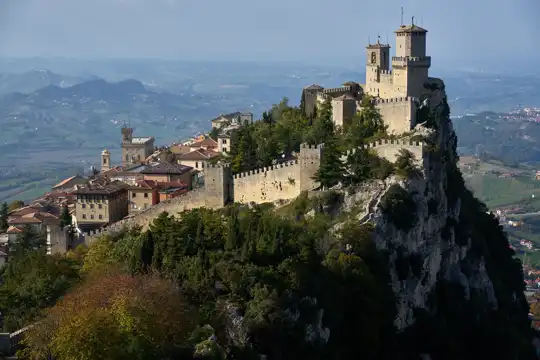
San Marino
35

San Marino

Climb hilltop streets within a single morning.


Climb hilltop streets, historic walls, and villages, experiencing medieval culture and landscapes for travelers seeking compact, scenic journeys.
San Marino’s sweet spot is late May–June and mid-September to mid-October: warm, dry-enough ridge days without the August crush, rooms priced back from holiday highs, and just enough daylight to hike the Three Towers and still catch dusk from Guaita before dinner. Spring showers ease, summer heat hasn’t glazed the limestone yet, and in autumn the air clears after beach season in Rimini—day‑tripper buses thin, cable‑car queues shrink, and old‑town hotels actually negotiate midweek. Trails are firm, views reach to the Adriatic, and you don’t burn your budget on shade and bottled water.
  • The Crowd/Heat Peak: July–August is hot stone, long cable‑car lines, and steep room rates—but climb the ridge for blue hour and you’ll watch the towers glow while the coast dissolves in haze. Sleep inside the walls or be at the gate by sunrise to flip the script.
  • The Transition/Shoulder: May–June and September–October crack open the day: shutters lift, terraces spread, buses extend, and trails dry. You move—tower to tower—without stopping to dodge tour flags, and dinner tables appear without a bribe of patience.
  • The Off‑Peak/Extreme: November–February goes inward: fog muffles bells, alleys empty, and the ridge feels monastic. Survival hack: grippy soles and a windproof shell; the limestone slicks fast and gusts can pause the cable car, so plan loops that don’t rely on a ride down.
Book a weekday night inside the citadel in shoulder season 1–2 weeks out; otherwise base in Borgo Maggiore and ride the first cable car up with a light wind layer and sticky‑soled shoes.
Best known for:Known for: architecture | safety
Best time to visit: March - June, September - October
Daily cost: €40 to €90
Denmark
36

Denmark

Pedal calmly through cities built for balance and livability.


Pedal through cities, coastlines, and forests, experiencing balanced urban planning, culture, and landscapes for travelers seeking easygoing, scenic journeys.
Late May to mid‑June and late August to mid‑September are the sweet spots. Daylight runs long, temperatures sit in the “hike all day, hoodie at night” zone, and almost all summer services (island ferries, harbor baths, late museum hours) are fully switched on. Danish school holidays either haven’t hit or have just eased, so dorm beds and intercity tickets pull back from peak pricing without slipping into winter closures. Trails are dry enough for bikepacking the gravel backroads, coastal winds keep the midges honest, and you still get that golden, slow evening light that makes a cheap picnic feel like a proper meal.
  • Peak Summer (July–early August): Prices jump, hostel kitchens get elbow‑to‑elbow, and every train to the coast feels full. The payoff is raw summer: diving platforms in Copenhagen’s harbor, music spilling into courtyards, island ferries on max frequency. Watch for post‑storm bacteria spikes that temporarily close harbor baths.
  • Shoulder Shift (late May–mid June, early September): Cafés roll out tables, ferries extend timetables, fields green up, and crowds thin by the day. You move faster—museum lines vanish, bike lanes breathe, campgrounds have choice pitches—while the country quietly ramps up (or winds down) behind you.
  • Deep Off‑Peak (November–March): Low sky, empty dunes, rooms priced to move. Denmark turns inward: candles, galleries, hot soup. Ride the solitude if you can hack wind and sleet; survival hack: a tight windproof shell over wool beats bulk, and plan ferries—North Sea storms cancel sailings.
Tactical tip: For July, book dorms and long‑distance trains about a month out; otherwise pack a windproof shell and let the shoulder season’s flexibility save you money.
Best known for:Known for: safety
Best time to visit: April - October
Daily cost: €67 to €94
Guernsey
37

Guernsey

Wander coastal paths wrapped tightly around island life.


Wander coastal paths, villages, and historic streets, experiencing island life and local culture for travelers seeking calm, scenic journeys.
Late May–mid June and early–mid September are the sweet spot. Long light, firm cliff paths, full transport schedules, and most cafés open. School terms hold crowds, so beds price below high summer. June brings bloom; September keeps warm sea. You trade the odd fog or shower for space and better value.
  • Peak Summer: The grind: packed beaches, sold-out ferries, school-holiday pricing. The high: swimmable seas and long golden cliff walks—win by booking early and starting earlier.
  • Shoulder Season: Momentum: kiosks wake, paths dry, timetables stretch, kids in school. June builds; September exhales. Beware early-summer sea fog grounding flights; ferries usually run.
  • Winter Off-Peak: The interior: empty cliffs, slate seas, pubs humming. Gales bite. Hack: pick leeward coves, wear windproofs, dry socks; buses double as warm shelters.
For late May–mid June and early September, book ferry and first/last nights 6–8 weeks out; go midweek, carry a compact windproof.
Best time to visit: April - October
Daily cost: €60 to €85 [visitguernsey.com]
Jersey
38

Jersey

Walk coastal loops connecting calm villages and cliffs.


Walk coastal paths, historic towns, and beaches, experiencing calm island life for travelers seeking scenic, compact journeys.
Late May to late June, and the first half of September are the sweet spot. Jersey’s trails are dry, days run long, and transport is still frequent without the school-holiday crush. Campsites and beach kiosks are open, but rooms and ferries aren’t charging peak rates. June gives wildflowers on the cliff paths and clean light; September swaps that for warmer water and quieter beaches once families leave.
  • Peak Summer: July–August is the grind—busy buses to St Ouen’s, prices jump compared to spring, queues everywhere. The payoff is max daylight and the island at full tilt: evening surfs, late swims at Beauport, sunset grills on the sand.
  • Shoulder: Late May–June and September move with purpose—kiosks opening, timetables ramped, crowds thinning. Trails feel yours. Seasonal risk most people miss: huge spring/equinox tides can cut off causeways and reef walks; carry tide times and don’t gamble.
  • Winter Quiet: November–February is mood and weather—gales, squalls, short days, sparse Sunday buses, many campsites shut. Walk leeward south-coast coves, wear a hard windproof, and plan out-and-backs to dodge stranded waits.
Book ferries/flights and a campsite 4–6 weeks ahead for June or September; peak needs months, winter needs flexible tickets.
Best time to visit: March - October
Daily cost: €75 to €100
Liechtenstein
39

Liechtenstein

Walk an entire country between mountain stops.


Walk the entire country, exploring mountains, villages, and valleys, experiencing alpine culture and landscapes for travelers seeking compact, scenic adventures.
Early September to early October is the sweet spot: August’s stampede fades, rates ease, and high paths are dry but not icy. Crisp mornings, steady afternoons; storms calm compared to July, yet lifts and huts keep running. Larches glow, daylight holds, and you move without elbows.
  • Peak Summer (Jul–Aug): Prices bite, buses jam, Rhine Valley bakes. Payoff: longest days, all huts staffed, wildflowers and ridge scrambles bone‑dry if you start early and nap high.
  • Shoulder Shift (Early Sep–Early Oct): Shops exhale, trail chatter thins, timetables unclench. Cool air sharpens views; weekend lifts still spin. Ideal for Fürstensteig–Pfälzerhütte without elbows or surge pricing.
  • Off‑Peak/Cold (Late Oct–Apr): Quiet spreads. Frost rims beech woods, fog seals the Rhine. Carry microspikes, favor south‑facing paths, start late so ice softens; buses match posted times even in slush.
Tactical: September—reserve huts 10–14 days out for weekends.
Best known for:Known for: safety
Best time to visit: April - October
Daily cost: €40 to €70 [tourismus.li]

Best countries in Europe to visit in April

Loading the map 🌍

What do you like when backpacking Europe?

🎞️ Grouped per categoryMy photos made while backpacking Europe

Some personal tips for visiting Europe

If you love

affordability | architecture | backpackers | beach life | food | mountains | people | safety | scenery | uniqueness | wildlife
When it comes to budget travel in Europe, some regions stand out more than others for their affordability. Eastern Europe, in particular, is a haven for backpackers looking to stretch their euros while enjoying rich culture and stunning landscapes. Meanwhile, certain parts of Southern and Central Europe can be more expensive, but there are still plenty of affordable spots to explore.

Eastern Europe is where you'll find some of the most wallet-friendly destinations. Countries like Bulgaria, Romania, and Serbia offer low prices on food, accommodation, and transport, making it easy to experience vibrant cities and beautiful nature without breaking the bank. The culture is diverse and fascinating, and the locals are often welcoming to budget travelers. Plus, with plenty of historical sites, you won't run out of things to see and do.

In Southern Europe, you can find affordable options, especially in places like Albania and North Macedonia. While tourist hotspots like Greece and Croatia can be pricey, venturing off the beaten path leads to charming towns and stunning landscapes that won’t drain your wallet. Keep an eye out for local eateries and accommodations that offer great value.

Central Europe is a mixed bag. Countries like Hungary and Poland can be quite budget-friendly, especially if you stick to local markets and public transport. However, places like Czechia and Slovakia may have higher prices in their more touristy areas, so it's worth exploring smaller towns and rural areas for better deals.

Overall, while some regions in Europe can be a bit pricey, many countries offer fantastic opportunities for budget travelers. Just remember to do your research and look for local options to make the most of your trip!

⚠️ Select affordability in the filters below on the right to find your perfect match.
When it comes to exploring Europe for its architectural wonders, certain regions really stand out, while others may not be as captivating for those with a keen eye for design. The blend of historical significance, diverse styles, and innovative modern designs make some areas a must-visit for architecture enthusiasts.

The Western Europe region is a top pick, featuring countries like France, Belgium, and the Netherlands. Here, you can wander through medieval towns, admire Gothic cathedrals, and marvel at contemporary structures. Cities like Paris and Amsterdam offer a rich tapestry of architecture, from the opulent palaces to cutting-edge museums. This region often has well-maintained infrastructure, making it easier for backpackers to explore on a budget.

Moving a bit east, Central and Eastern Europe shines with its unique blend of styles, particularly in countries like Czechia, Hungary, and Poland. The mix of baroque, Renaissance, and socialist-era architecture tells the story of the region’s tumultuous history. Cities like Prague and Budapest are not only stunning but also offer affordable accommodation and food options, making them great stops for budget travelers who appreciate history and design.

In the Southern Europe region, countries like Italy, Greece, and Croatia boast some of the most iconic architectural sites, from ancient ruins to stunning Renaissance buildings. The blend of history and stunning landscapes can be a dream for any architecture lover. However, keep in mind that tourist hotspots can get pricey, so seek out smaller towns where you can find authentic architecture without the crowds and high costs.

Lastly, Northern Europe brings a different flavor with countries like Estonia and Finland. Here, you’ll find a mix of medieval architecture and modern design, particularly in cities like Tallinn and Helsinki. Although these locations may be less frequented than their southern counterparts, they offer a unique perspective on architectural trends and are often more budget-friendly.

In summary, while regions like Western and Central Europe are ideal for architecture lovers, Southern Europe offers iconic sights at a premium during peak seasons, and Northern Europe provides a fresh take on the architectural scene. Happy travels!

⚠️ Select architecture in the filters below on the right to find your perfect match.
For backpackers looking for a lively scene in Europe, certain regions stand out as hotspots for adventure, culture, and community. The eastern and southern parts of the continent tend to be more vibrant and budget-friendly, while some northern and western areas can be pricier and less backpacker-centric.

The Eastern Europe region is a goldmine for budget travelers. Countries like Poland, Czechia, and Hungary offer a mix of rich history, buzzing nightlife, and affordable accommodations. Cities like Kraków and Budapest are particularly popular among backpackers, thanks to their thriving hostel scenes and plenty of opportunities to meet fellow travelers. Plus, the ease of getting around via trains or buses makes it a breeze to explore multiple destinations.

Moving to the Southern Europe region, countries like Croatia, Greece, and Serbia are equally appealing. The stunning coastlines, delicious food, and laid-back vibes draw in a diverse backpacker crowd. Cities like Dubrovnik and Belgrade are known for their vibrant nightlife and social atmosphere, while places like Albania offer an emerging scene that’s both cheap and welcoming.

In contrast, the Western Europe region, while iconic and rich in history, can be a bit less backpacker-friendly. Countries like Ireland and Spain offer great experiences, but they often come with a higher price tag for accommodations and activities. The hostels might be more expensive, and the overall travel costs can add up quickly, which may deter some budget travelers.

Lastly, Scandinavia, including Iceland, is breathtaking but is generally not ideal for those on a tight budget. The high cost of living and limited backpacker infrastructure can make it tough to enjoy the vibrant social scene without breaking the bank.

Overall, if you’re seeking a lively backpacker experience, stick to Eastern and Southern Europe where your money goes further and the scene is buzzing.

⚠️ Select backpackers in the filters below on the right to find your perfect match.
When it comes to beach life in Europe, certain regions really stand out for their stunning coastlines, vibrant beach culture, and affordable options for backpackers. For those craving sun, sand, and surf, the Mediterranean is your best bet. However, some areas are less ideal if you're looking to soak up the sun without breaking the bank.

The Southern Mediterranean is a hotspot for beach lovers. Countries like Greece and Italy offer not only beautiful sandy beaches but also rich history and delicious cuisine. The islands in Greece, like Crete and Santorini, are particularly famous for their picturesque beaches, while the Amalfi Coast in Italy boasts stunning views and charming seaside towns. Plus, places like Albania and Croatia are becoming increasingly popular for their stunning coastlines and affordable lodging, making them perfect for budget travelers.

On the Iberian Peninsula, Spain and Portugal are hard to beat. The Algarve in Portugal is known for its amazing beaches and laid-back vibe, while Spain's Costa del Sol is a classic choice for sun-seekers. Both countries have a range of budget accommodations, from hostels to guesthouses, making it easy to stay without spending a fortune.

The Central Mediterranean offers a unique mix of cultures and stunning seaside experiences. Malta is a great option for those looking for beautiful beaches combined with historical sites. Cyprus also provides a blend of beach life and rich history, though it can be pricier in some areas.

In contrast, the Northern Mediterranean, while beautiful, can be less ideal for beach life. Countries like France have stunning coastal areas, especially the French Riviera, but they can be more expensive, especially in peak season. So, if you're on a budget, you might want to stick to the southern regions.

Overall, if beach life is your priority, focus on the Southern Mediterranean and the Iberian Peninsula. These areas not only provide stunning landscapes and vibrant cultures but also affordable options that won't burn a hole in your wallet.

⚠️ Select beach life in the filters below on the right to find your perfect match.
If you’re a backpacker with a serious appetite, Europe is a fantastic playground for food lovers. Generally, the Mediterranean region and parts of Western Europe shine when it comes to delicious local cuisine. These areas boast a rich culinary heritage, fresh ingredients, and vibrant street food scenes that are sure to satisfy your taste buds. On the flip side, some Eastern European countries might not have the same culinary reputation, but they often surprise with hearty, traditional dishes that reflect their cultural history.

Starting with the Southern Europe region, think about places like Italy and Greece. You’ll find a treasure trove of flavors here, from savory pastas and pizzas in Italy to fresh seafood and aromatic herbs in Greece. Both countries offer bustling markets and local eateries where you can dive into authentic dishes without breaking the bank. Plus, the outdoor dining culture in these countries makes every meal feel like a special occasion.

Moving to Western Europe, countries like France, Belgium, and Spain are culinary heavyweights. France is known for its pastries and fine dining, while Belgium brings you mouthwatering chocolates and waffles. Spain’s tapas culture lets you sample a variety of flavors in one go, making it perfect for budget travelers who want to taste a bit of everything. Eating in these countries can be a bit pricier, but street food and local bistros often provide affordable options that won’t skimp on flavor.

Lastly, the Eastern Europe region, including Albania, Kosovo, and Ukraine, might not always be on the foodie radar, but they offer hearty, traditional meals that reflect local customs and ingredients. You can find amazing comfort food here, like hearty stews and fresh bread, at very reasonable prices. While you might not find the same gourmet experiences as in the West, the authenticity and warmth of these cuisines can be quite rewarding.

In summary, if food is your travel focus, stick to Southern and Western Europe for the most recognized culinary experiences, while also keeping an open mind about the hearty offerings in Eastern Europe. Each region has its own unique flavors that are worth exploring on a budget!

⚠️ Select food in the filters below on the right to find your perfect match.
When it comes to exploring mountains in Europe, some regions truly stand out for their breathtaking landscapes and diverse hiking opportunities. The best spots are often in Central and Northern Europe, where the scenery is stunning and the trails are plentiful. On the other hand, regions with flatter terrain or less accessible mountain ranges might not be as appealing for mountain enthusiasts.

The Alps in Central Europe are a top choice, encompassing parts of Austria, France, Germany, Italy, and Switzerland. This region offers iconic peaks and well-marked trails suitable for all levels of hikers. Whether you're into serious climbs or leisurely walks with stunning views, the Alps have it all. Plus, the infrastructure is excellent, with plenty of budget accommodation options and public transport to get you to trailheads.

Moving to the Balkan Mountains, countries like Albania, Bulgaria, Kosovo, Montenegro, and North Macedonia provide a more rugged, off-the-beaten-path experience. These areas are less crowded than the Alps, offering a chance to explore pristine nature and local cultures. While you might find fewer amenities, the scenery is just as breathtaking, and the warmth of the locals makes up for it.

In Northern Europe, Scandinavia—particularly Norway and Sweden—offers dramatic fjords and expansive wilderness. The hiking trails here range from well-trodden paths to remote adventures. Just be prepared for more rugged conditions and a higher cost of living. Iceland also fits into this region, boasting unique volcanic landscapes that attract adventurous hikers. However, it's worth noting that accessibility can be a bit tricky depending on the season.

Finally, the Carpathians in Romania and parts of Poland offer beautiful, less-explored mountain ranges that are perfect for those looking to escape the crowds. The hikes here are often rewarded with stunning views and rich wildlife, plus they tend to be friendlier on the budget.

In summary, stick to the Alps for classic mountain experiences, explore the Balkans for adventure and culture, embrace the wild beauty of Scandinavia, and don’t overlook the Carpathians for a more tranquil experience. Each region has its own charm and challenges, so pick based on your style and comfort level!

⚠️ Select mountains in the filters below on the right to find your perfect match.
When it comes to meeting people in Europe, certain regions stand out as particularly welcoming and vibrant for backpackers. The social dynamics can vary widely, so if you’re looking to connect with locals and fellow travelers, some areas will be more favorable than others.

The Southern Europe region, including countries like Greece, Italy, Portugal, and Spain, is a hotspot for social interaction. The warm climate and laid-back lifestyle encourage outdoor gatherings, beach parties, and lively festivals. You’ll find bustling hostels where travelers share stories over tapas or gelato, and locals are usually eager to invite you into their culture through food and festivities. Plus, the café culture here makes it easy to strike up conversations.

Moving north, the Central Europe region, featuring Hungary, Poland, and Slovenia, has a rich tapestry of history and culture that naturally draws people together. Cities like Budapest and Warsaw are known for their lively nightlife, where you can easily meet both locals and fellow travelers. The mix of history, arts, and affordable prices means you’ll often find events and gatherings that foster connections.

The Western Europe region, particularly Ireland and the United Kingdom, is renowned for its friendly locals and pub culture. Whether you're in a cozy Irish pub or a trendy London café, striking up a conversation is almost a given. The people here are generally open and love sharing their stories, making it easy to feel at home and meet new friends.

Lastly, the Nordic region represented by Sweden, while beautiful and advanced, can be a bit more reserved in social settings. Although cities like Stockholm may offer plenty of opportunities to meet other travelers, locals might take a while to warm up. However, once you break the ice, the connections can be meaningful.

In summary, if making connections is your priority, aim for the vibrant atmospheres of Southern and Central Europe, where the culture thrives on social interactions. Western Europe is also a solid choice with its friendly pubs and gatherings, while the Nordic countries, though lovely, might require a bit more patience in building relationships.

⚠️ Select people in the filters below on the right to find your perfect match.
When it comes to safety in Europe, some regions stand out as particularly welcoming for travelers who prioritize their security. Generally, Western and Northern Europe tend to be the safest, offering well-maintained infrastructure, low crime rates, and a strong sense of community. On the flip side, parts of Eastern Europe might present some challenges, though many travelers still find them to be quite safe with the right precautions.

The Northern Europe region, including countries like Finland, Sweden, and Denmark, is often hailed for its overall safety. These countries boast low crime rates, efficient public services, and friendly locals who are usually eager to help. Plus, the stunning natural landscapes and vibrant cities make it a fantastic region for backpackers looking to explore without the stress of safety concerns.

In Western Europe, countries such as Germany, Austria, and the Netherlands offer a similar sense of security. The stable political climate, excellent healthcare systems, and reliable public transportation make it easy to travel around. While major cities can have their share of petty crime, sticking to well-trodden paths and staying alert will keep you safe.

Moving south to Southern Europe, you’ll find places like Portugal, Spain, and Italy. These destinations are generally safe, especially in tourist areas, but it's wise to stay cautious during busy times and in crowded spots. While you might encounter some pickpockets in tourist-heavy locations, the warmth and hospitality of the locals make these countries enjoyable to explore.

Lastly, Central and Eastern Europe, which includes countries like Poland, Hungary, and Croatia, can vary in safety. While many cities are quite safe, some areas might require a bit more awareness, especially when it comes to scams or navigating the nightlife. But with a little common sense and research, you can still have a fantastic time exploring these rich cultures.

In summary, if safety is your top priority, stick to Northern and Western Europe for a worry-free adventure. Southern Europe is also a solid choice, while Central and Eastern Europe can be rewarding with a bit of caution.

⚠️ Select safety in the filters below on the right to find your perfect match.
Europe is a haven for travelers seeking incredible scenery, with various regions offering diverse landscapes, from rugged mountains to stunning coastlines. Some areas are particularly favorable for those who love breathtaking views, while others may not be as ideal for scenery-focused backpackers.

The Nordic Region—comprising the Faroe Islands, Finland, Iceland, Norway, and Svalbard—delivers some of the most dramatic landscapes in Europe. Expect fjords, glaciers, and untouched wilderness. The Faroe Islands are known for their steep cliffs and lush green valleys, while Iceland’s geothermal wonders and volcanic landscapes are simply unmatched. Norway's fjords are iconic, and Svalbard offers a unique Arctic experience. Just keep in mind that travel here can be pricey and the weather unpredictable, so pack appropriately.

Over in Southern Europe, countries like Greece, Italy, and Croatia boast stunning coastlines and charming countryside. The cliffs of Amalfi in Italy are picture-perfect, while Croatia’s national parks, like Plitvice Lakes, are incredibly scenic. Greece offers the beauty of its islands, but be wary of the tourist crowds during peak seasons. Montenegro also fits here, providing dramatic mountain ranges and stunning coastal views.

In Central Europe, Austria, Switzerland, and Slovenia shine with their majestic Alps and picturesque lakes. This region is ideal for hiking and outdoor activities, with Austria's Tyrol and Switzerland's lakes offering postcard-perfect views. Slovenia, often overlooked, has beautiful alpine scenery and a charming capital, Ljubljana, that should not be missed.

Lastly, Western Europe, including Ireland and parts of the UK, presents lush green landscapes and rugged coastlines. The Cliffs of Moher in Ireland and the Scottish Highlands offer breathtaking scenery that feels straight out of a fairy tale. While Luxembourg is smaller, its hilly terrain and quaint villages provide a charming backdrop for those looking to explore off the beaten path.

While all these regions have incredible scenery, remember that accessibility and costs can vary. Some areas, like the Nordic countries, are less budget-friendly, while others may offer more affordable options. Plan accordingly, and you’ll find stunning views without breaking the bank!

⚠️ Select scenery in the filters below on the right to find your perfect match.
Europe is a treasure trove for travelers seeking unique experiences, with some regions standing out more than others for their distinct cultures, landscapes, and histories. Generally, Eastern Europe and the Balkans are fantastic for those looking to dive into something different, while Western Europe, while beautiful, can often feel more homogenized due to its popularity.

The Balkans are a top pick for uniqueness. Countries like Bosnia and Herzegovina, Kosovo, North Macedonia, and Serbia boast rich histories, diverse cultures, and stunning natural landscapes. You’ll find a mix of Ottoman, Austro-Hungarian, and Slavic influences, which makes for a fascinating cultural tapestry. Plus, the affordability here is a big bonus for budget travelers.

Moving on to Eastern Europe, countries like Ukraine and Romania offer a blend of rustic charm and urban energy. Explore medieval castles, vibrant cities, and local traditions that are often overlooked by mainstream tourism. The food scene is also worth mentioning, with unique local dishes that can satisfy any foodie’s cravings.

In Scandinavia, Iceland and the Faroe Islands deliver jaw-dropping landscapes and a strong sense of identity. They might be a bit pricier, but the unique geography, culture, and outdoor activities can make it worth the splurge.

Then there's Southern Europe, with Greece and Slovenia offering a different flavor. Greece is often celebrated for its ancient history and stunning islands, while Slovenia is a smaller, less crowded alternative with breathtaking nature and a vibrant café culture.

On the other hand, Western Europe—while undeniably beautiful—can sometimes feel too familiar with its well-trodden tourist paths and higher costs. While Italy and Ireland have their quirks, they often cater to a more conventional travel experience.

Overall, if you're on the hunt for uniqueness, stick to the Balkans and Eastern Europe, and don't overlook the hidden wonders in Scandinavia and Southern Europe. Each region has its own flavor, ready to be discovered by adventurous backpackers.

⚠️ Select uniqueness in the filters below on the right to find your perfect match.
When it comes to wildlife watching in Europe, certain regions stand out for their rich biodiversity and accessibility, especially for backpackers looking to connect with nature. The northern parts of Europe, particularly the Nordic countries, are prime spots for spotting unique wildlife and breathtaking landscapes. In contrast, areas that are more urbanized or heavily agricultural tend to offer fewer opportunities for wildlife enthusiasts, so it’s best to steer clear of those if your primary goal is to observe animals in their natural habitats.

The Nordic region is a haven for wildlife lovers. Countries like Finland, Sweden, and Norway boast vast wilderness areas, national parks, and pristine lakes. Here, you can catch a glimpse of iconic species like reindeer, moose, and even the elusive lynx. The northern lights in winter and the midnight sun in summer add an extra layer of adventure to your wildlife encounters. Many of these countries have well-marked trails and budget-friendly options for camping, making it easier for backpackers to immerse themselves in nature without breaking the bank.

Moving on to Eastern Europe, Romania stands out as a fantastic option for wildlife enthusiasts. The Carpathian Mountains and the Danube Delta are teeming with diverse flora and fauna, including bears, wolves, and a variety of bird species. While not as expansive as the Nordic wilds, Romania offers a mix of accessible trails and local guides who can enhance your experience. It’s an affordable destination, perfect for those looking to explore the great outdoors without the high costs often associated with wildlife tourism.

Lastly, Iceland is a unique spot that deserves mention, particularly for those interested in marine wildlife. While it may seem more geared toward geology and landscapes, the waters surrounding Iceland are rich in marine life. You can spot whales, seals, and a myriad of seabirds, especially during the summer months. The rugged terrain also means plenty of hiking opportunities, though you’ll want to plan your route carefully to maximize your chances of seeing wildlife.

In summary, if you're passionate about wildlife watching in Europe, focus on the Nordic region and Eastern Europe for the best experiences. Each area offers its own unique charm and opportunities, making them well worth the visit for any budget backpacker.

⚠️ Select wildlife in the filters below on the right to find your perfect match.

If you travel in

April | August | December | February | January | July | June | March | May | November | October | September
April in Europe can be a bit of a mixed bag when it comes to weather and travel conditions. As spring takes hold, some regions start to bloom with vibrant colors and milder temperatures, while others might still be dragging their feet in winter’s chill. For backpackers, this month can offer a great balance between avoiding the heavy tourist crowds of summer and enjoying more temperate weather.

In Southern Europe, countries like Greece, Italy, and Portugal are particularly inviting in April. Temperatures are generally mild, making it perfect for exploring ancient ruins or enjoying the beautiful coastlines without the scorching summer heat. Plus, you’ll find fewer tourists compared to the peak months, which means better prices on accommodation and a more authentic experience. Just keep an eye on the weather, as some coastal areas might still be a bit unpredictable.

Moving to Western Europe, countries like France, Belgium, and the Netherlands also see a rise in pleasant weather during April. You can expect charming spring festivals, blooming gardens, and a lively atmosphere in cities. However, it’s best to be prepared for the occasional rain shower, especially in places like Belgium. Still, it’s a great time to enjoy outdoor cafes and local markets.

In Eastern Europe, countries like Bulgaria and Romania start to warm up, but they can be hit or miss. While you might catch some lovely days, there’s a chance of lingering cold snaps. Still, if you’re willing to brave the variable weather, you can discover vibrant culture and stunning landscapes without the tourist hordes.

Lastly, in Northern Europe, countries like Denmark and Lithuania are still quite chilly in April. While spring is on the horizon, you might encounter a mix of cold days and occasional sunny ones. This region is less favorable for those looking for warm weather, but if you’re into cozy cafes and cultural experiences, it still has its charm. Just be sure to pack layers and a sturdy umbrella.

Overall, April can be a fantastic time to explore Europe, but it’s all about choosing the right region for your travel style and weather preferences.

⚠️ Select April in the filters below on the right to find your perfect match.
August in Europe can be a mixed bag, with some regions basking in pleasant weather while others can be a bit extreme. Generally, it's peak summer, so expect warmer temperatures and crowded tourist spots. If you're backpacking, knowing where to go can make all the difference, especially regarding budget and comfort.

For those looking for a warm and enjoyable experience, the Scandinavia region, including countries like Norway, Sweden, and Denmark, offers long days and stunning natural beauty. This is an excellent time to explore the fjords, hiking trails, and vibrant cities. Just keep in mind that prices can be on the higher side, so budgeting is key.

Moving east, the Baltic States — including Estonia, Latvia, and Lithuania — offer a unique blend of culture and history with a milder climate. August is ideal for enjoying local festivals and outdoor events, plus accommodation prices tend to be more backpacker-friendly compared to Western Europe.

In Central Europe, the Alpine region (Austria and Switzerland) is gorgeous in August, perfect for hiking and enjoying stunning landscapes. Just be prepared for some tourist crowds, especially in popular spots. The weather is generally pleasant, but accommodation can get pricey, so book ahead if you can.

Head south to the Balkans (Albania, Montenegro, Kosovo, and Serbia) for a different vibe. The beaches along the Adriatic Sea are buzzing in August, and prices are typically lower than in Western Europe. The heat can be intense, so plan your activities for early mornings or late afternoons, and don't miss out on the local cuisine.

Finally, the UK and Ireland can be a hit or miss in August. While you might find some decent weather, it's also a time for unpredictable rain. Still, this is when festivals are in full swing, making it a vibrant time to visit. Just budget for some potential rainfall and keep your plans flexible.

Overall, August offers diverse experiences across Europe, so pick your region wisely based on your interests and budget.

⚠️ Select August in the filters below on the right to find your perfect match.
December in Europe brings a mix of winter wonderland vibes and festive cheer, but the experience can vary widely depending on where you are. While some regions are perfect for holiday markets, cozy cafés, and snow-covered landscapes, others might be a bit dreary with less appeal for budget travelers.

Starting with Northern Europe, countries like Sweden and Finland can be magical with their snowy landscapes and Christmas spirit. Expect winter activities like skiing and ice skating, plus stunning views of the Northern Lights in more remote areas. However, prepare for frigid temperatures and shorter daylight hours, which can limit your exploration time. Budget travelers should keep an eye on accommodation prices, as they can spike during the holiday season.

Moving to Western Europe, cities like Germany and Austria are renowned for their Christmas markets, where you can snag affordable gifts, warm drinks, and tasty treats. The festive atmosphere is unbeatable, and many cities are accessible by train, making it easy to bounce from one market to another. Just be mindful of the crowds — especially in popular tourist spots. The weather can be chilly and rainy, so pack your layers!

In Southern Europe, countries like Spain and Italy offer milder weather, which can be a refreshing change from the cold up north. While you won't find snow in most places, you can enjoy festive decorations and local celebrations without the harsh winter chill. Prices may be more budget-friendly, but do check local holidays as some attractions might close or have limited hours.

Lastly, Eastern Europe is an interesting mix. While places like Poland and the Czech Republic have stunning architecture, cozy vibes, and affordable prices, the weather can be quite cold and unpredictable. Snowfall can add charm, but be prepared for icy conditions and plan your activities accordingly to avoid the chill.

Overall, December in Europe is about finding the right balance between festive cheer, weather conditions, and budget-friendly options. Whether you're after winter sports or vibrant markets, there's something for every backpacker if you choose the right region!

⚠️ Select December in the filters below on the right to find your perfect match.
February in Europe can be a mixed bag, with winter still holding sway in many parts while others start to hint at the first signs of spring. If you're planning a budget backpacking trip, it’s vital to consider both the climate and the local events happening during this month to get the most out of your travels.

The Southern Europe region, including places like Italy and Spain, can be quite pleasant in February. While it’s still chilly, particularly in the evenings, you’ll find milder temperatures compared to the north. Plus, the crowds are much thinner, which means cheaper accommodation and a more laid-back experience at popular sites. February also coincides with various local festivals, which can add a vibrant cultural touch to your trip without breaking the bank.

In contrast, the Northern Europe region tends to be pretty frosty during this time. Countries like Sweden and Norway can be stunning, with snow-covered landscapes and winter activities, but this also means higher costs for accommodation and gear rentals, not to mention shorter days. If you’re up for the cold and have a solid plan for winter sports or cozy indoor activities, it can still be a rewarding experience.

The Central Europe region, encompassing countries like Germany and Austria, often sees chilly weather with a mix of snow and rain. This can lead to slippery sidewalks and less than ideal sightseeing conditions. However, this area often boasts beautiful winter markets and cultural events that can make it worthwhile for budget travelers. Just be prepared for the weather and pack accordingly.

Ultimately, the best choice in February really depends on what you’re after. If you’re looking for milder weather and cultural experiences, Southern Europe is your best bet. For those who thrive in winter wonderlands, Northern and Central Europe can offer a unique charm—just be ready for the cold and potentially higher costs.

⚠️ Select February in the filters below on the right to find your perfect match.
January in Europe can be a mixed bag, with some regions offering winter wonderlands and others feeling a bit dreary. It’s all about where you choose to go. Northern and Central Europe can be quite chilly, with temperatures plunging and shorter daylight hours, while Southern Europe generally offers milder weather, making it a more attractive option for backpackers looking to explore without the crowds.

Northern Europe can be beautiful in January, especially if you're a fan of snow and winter sports. Destinations like Norway and Sweden provide stunning snowy landscapes and opportunities for activities like skiing and dog sledding. However, keep in mind that daylight is limited, and temperatures can dip well below freezing, which might not suit everyone. If you can handle the cold, the scenery is magical, and prices for hostels and flights tend to be lower this time of year.

Moving on to Central Europe, places like Germany and Austria can be a great experience in January. While it’s still cold, you can enjoy cozy cafés, beautiful holiday markets, and a vibrant cultural scene. Cities like Vienna and Munich offer plenty of indoor attractions, and you might snag some good deals on accommodation as this isn't peak tourist season. Just be prepared for the chill and bring plenty of layers!

Lastly, Southern Europe is where you’ll find the most favorable conditions for travel in January. Countries like Italy and Spain boast milder temperatures, making it easier to explore cities like Rome or Barcelona without the summer crowds. While it might not be beach weather, the climate is usually pleasant enough for sightseeing, and you’ll find that prices for food and lodging are often more budget-friendly this time of year, especially in the off-peak areas.

In summary, if you're looking for a winter adventure, head north or central, but for a more temperate escape, Southern Europe is your best bet in January. Just make sure to check local events or festivals, as there can often be unique experiences during this quieter travel season!

⚠️ Select January in the filters below on the right to find your perfect match.
July in Europe offers a mixed bag of climates and conditions, making it a fantastic time to explore, but also one where some regions can get a bit sweltering or crowded. Generally, the northern parts of Europe tend to be mild and pleasant, while the southern regions can experience intense heat, especially in tourist hotspots. Here’s a quick breakdown of what to expect from different regions this month.

Starting with the Nordic region, including countries like Norway, Sweden, Finland, and Iceland, July is prime time for backpackers. The weather is usually mild, perfect for hiking and exploring stunning landscapes without the biting cold. Plus, the long daylight hours mean you can make the most of your adventures. Just be mindful that some areas can be a bit pricey, especially Iceland, so budgeting is key.

Moving to Central Europe, countries like Germany, Austria, and Switzerland come alive in July. Expect warm, sunny days that are ideal for outdoor activities, beer gardens, and festivals. However, this is peak tourist season, so popular spots can be crowded. If you're looking to avoid the throngs, consider venturing into the lesser-known towns or rural areas.

In the Eastern Europe corner, countries such as Poland, Estonia, Latvia, and Lithuania offer a nice mix of warm weather and fewer tourists compared to their western counterparts. July is a great time to experience local festivals and outdoor events, while also enjoying relatively affordable prices for accommodation and food. Just keep an eye on the weather, as it can be unpredictable at times.

Lastly, the British Isles—including the United Kingdom, Ireland, and the Channel Islands—can be a bit of a toss-up in July. While you might encounter some lovely sunny days, you should also be prepared for rain. The upside? The landscapes are lush and green, and outdoor festivals are in full swing. Just pack a light rain jacket and you’ll be good to go.

In summary, July in Europe has something for everyone, but it’s all about picking the right region for your travel style. Whether you prefer the cooler northern climates or the warmer central and eastern areas, there’s plenty to explore without breaking the bank.

⚠️ Select July in the filters below on the right to find your perfect match.
June is a fantastic month to explore Europe, as the weather starts to warm up, and the crowds are generally manageable compared to peak summer months. However, Europe’s climates can vary significantly, so it’s worth knowing which regions shine in June and which might be a bit trickier for travel.

In the Southern Europe region, countries like Greece, Italy, and Spain offer warm temperatures and plenty of sunshine, making them perfect for beach days and outdoor activities. This time of year also brings vibrant festivals and local events, so you'll get a taste of authentic culture without the overwhelming summer tourist rush. Just be prepared for occasional heatwaves, especially in southern Spain and Greece.

Moving up to Central Europe, including countries like Austria, Czechia, and Hungary, you’ll find pleasant weather that’s ideal for hiking and exploring cities. June is a great time for outdoor festivals and events, and you’ll enjoy longer daylight hours. However, be mindful that some popular cities can get crowded as the month progresses, so try to book accommodations in advance if you can.

The Northern Europe region, featuring countries like Denmark, Sweden, and Finland, welcomes the return of vibrant greenery and longer days in June. This is a prime time for nature lovers, with plenty of opportunities for hiking, cycling, and even enjoying the midnight sun in places like Norway. However, keep in mind that prices can be higher in popular spots, so it may take a bit of budgeting to make the most of your trip.

Lastly, the Eastern Europe region, including countries like Poland, Ukraine, and Romania, is experiencing a warm climate in June, making it a great time to explore lesser-known cities and rural areas. You'll find better prices on food and accommodations compared to Western Europe, and the cultural experiences can be incredibly rewarding. Just make sure to stay updated on any travel advisories or local conditions, especially in places with ongoing political situations.

Overall, June is a wonderful time to backpack through Europe, with diverse experiences available across regions. Just plan accordingly for weather and crowds, and you’ll find plenty of adventures waiting for you!

⚠️ Select June in the filters below on the right to find your perfect match.
March in Europe is a bit of a mixed bag when it comes to weather and travel vibes. As winter starts to fade, some regions are warming up, while others are still dealing with chilly temps and occasional snow. If you're a backpacker looking for adventure, this month can be a great time to explore before the summer crowds roll in. Here’s a look at how different regions stack up.

The Southern Europe region, including places like Spain and Italy, begins to shake off the winter chill in March. You’ll find milder temperatures and blooming landscapes, making it an ideal time for outdoor activities and city exploration without the sweltering heat. Plus, tourist spots are less crowded, meaning you can enjoy iconic sights without feeling rushed.

In Western Europe, countries like France and Germany can be a mixed experience. While cities like Paris start to warm up, rain is quite common, so pack an umbrella. Cultural events and festivals begin ramping up, though, so you might catch some local celebrations. Just be prepared for cooler evenings, especially in northern parts.

On the flip side, Eastern Europe is still feeling the grip of winter in March. Temperatures can be quite low, and snow is still a possibility in many places. However, the off-peak travel season means you’ll find lower prices and fewer tourists in cities like Prague and Budapest. If you’re okay with bundling up, this region can be a quiet and budget-friendly option.

Lastly, Northern Europe is best left for the warmer months. Countries like Sweden and Norway are still experiencing winter conditions, making travel a bit challenging. If you’re keen on winter sports, it’s a good time to hit the slopes, but for general sightseeing, you might want to wait until later in the spring.

Overall, March offers a unique blend of opportunities across Europe, with Southern Europe leading the pack for pleasant weather, while Eastern and Northern regions offer quieter experiences, albeit with cooler temps. Plan according to your preferences, and you’ll find plenty of adventures waiting!

⚠️ Select March in the filters below on the right to find your perfect match.
May is a fantastic time to explore Europe as the weather starts to warm up, making it perfect for outdoor adventures and city strolls. However, the climate can vary quite a bit from region to region, so it’s worth considering where to go based on your travel style and preferences.

In southern Europe, the Mediterranean region shines in May. Countries like Greece, Croatia, and Portugal boast sunny skies, blooming landscapes, and fewer crowds compared to the summer months. This is prime time for beach lovers and hikers alike, as temperatures are comfortably warm but not scorching. Plus, you'll find plenty of local festivals celebrating spring, which adds to the vibrant atmosphere.

Moving northward, Central Europe offers a delightful mix of historical charm and budding spring scenery. Countries like the Czech Republic, Hungary, and Poland are particularly inviting, with pleasant temperatures ideal for sightseeing and enjoying outdoor cafés. The crowds are manageable, making it a great time to explore both urban and rural settings without the summer rush.

On the flip side, Northern Europe can be a bit tricky in May. While places like Denmark and Sweden are beautiful, temperatures can still be on the chilly side, and you might encounter some rain. If you’re prepared for unpredictable weather and want to experience longer daylight hours, this region can still be enjoyable but just be ready for layering up.

Lastly, the Balkans are emerging as a great choice for budget travelers. Countries like Serbia, Montenegro, and Bosnia and Herzegovina are not only budget-friendly but also offer stunning landscapes and rich culture. May is a lovely time to visit before the summer heat kicks in and before tourist numbers swell.

In summary, May presents a diverse range of options across Europe. Southern and Central Europe are generally more favorable for pleasant weather and activities, while Northern Europe may require some flexibility with your plans. The Balkans are a solid bet for those looking to explore off the beaten path without breaking the bank.

⚠️ Select May in the filters below on the right to find your perfect match.
November in Europe can be a mixed bag when it comes to weather and travel conditions. While many places are cooling down and entering a more wintry vibe, a few regions still offer pleasant experiences for budget travelers. Some areas are great for off-season exploration, while others might not be ideal due to dampness or chill.

Starting with the Southern Europe region, countries like Malta are a solid bet. November temperatures are mild, making it perfect for wandering around ancient sites or enjoying outdoor activities. Plus, with fewer tourists, you can soak up the local culture without the crowds. The Mediterranean vibe remains inviting, and prices for accommodation and food often drop compared to peak summer months.

On the other hand, Western Europe, including Luxembourg, can be quite chilly and damp in November. While the cities are charming and there are plenty of cozy cafés to duck into, be prepared for gray skies and the possibility of rain. If you’re okay with bundling up and enjoying indoor attractions like museums and galleries, this region still has its perks. Just keep an eye on local events, as many cities host festivals and holiday markets that can be a lot of fun.

Lastly, the Central Europe region, which includes places like Vatican City State, can be hit or miss. While daytime temperatures are cooler, the cultural richness and historical significance draw visitors year-round. You might encounter some rainy days, but exploring iconic sites with fewer people can be a rewarding experience. Plus, the festive spirit starts to kick in as Christmas approaches, adding a unique charm to the experience.

In summary, for backpackers in November, look to Southern Europe for milder weather and fewer tourists, while Western Europe and Central Europe offer a blend of culture and cozy atmospheres, albeit with a chill in the air. Just be prepared for any weather surprises and make the most of your off-peak adventure!

⚠️ Select November in the filters below on the right to find your perfect match.
October in Europe is a mixed bag when it comes to weather and travel conditions. As the summer crowds thin out, this month can offer a sweet spot for budget travelers looking to explore without the hustle and bustle. However, the climate varies widely across the continent, so it's worth noting which regions are more favorable for a visit during this time.

Starting with Southern Europe, places like Italy, Greece, and Croatia are particularly appealing. The weather is generally mild, often warm enough for comfortable sightseeing. The summer tourist rush is over, meaning you can explore the stunning coastlines, historical sites, and vibrant cities without feeling overwhelmed. Plus, accommodations often drop in price, making it a budget-friendly option for backpackers.

Moving up to Central Europe, countries like Czechia, Hungary, and Austria can be quite pleasant in October. You’ll likely experience crisp air and beautiful autumn foliage—perfect for those picturesque city strolls. However, pack a light jacket as evenings can get chilly. This region also has plenty of cultural events and festivals during the fall, adding to the travel experience.

On the other hand, Northern Europe can be less ideal in October. Countries like Denmark and Norway start to feel the chill, with shorter days and a higher chance of rain. While the landscapes can be stunning with their autumn colors, the weather might put a damper on outdoor activities. If you don’t mind bundling up and possibly dodging showers, it can still be a worthwhile experience.

Finally, Eastern Europe—think places like Bulgaria and Romania—can offer a mix of both worlds. While the weather is generally cooler, it’s often still manageable for exploring cities and nature. Plus, these countries tend to be less touristy, so you'll have a chance to dive deeper into local culture without breaking the bank.

In summary, while Southern and Central Europe shine in October for milder weather and fewer crowds, Northern Europe may require a bit more preparation for those cooler temps. Eastern Europe can be a great compromise, offering unique experiences at lower costs. Just be sure to check local weather forecasts as your travel date approaches!

⚠️ Select October in the filters below on the right to find your perfect match.
September is a fantastic time to explore Europe, as the summer crowds start to thin out, and you can enjoy milder weather in many regions. The climate varies significantly across the continent, which means some areas are perfect for backpacking adventures, while others might be a bit less appealing due to cooler temperatures or increased rainfall.

In the Southern Europe region, countries like Spain, Italy, and Greece offer warm, pleasant weather, making it ideal for outdoor activities and beach time. With the summer rush winding down, you'll find more affordable accommodation and less crowded sights, allowing for a more relaxed experience. Plus, many festivals and local events take place in September, adding a vibrant touch to your travels.

Moving towards Central Europe, countries like Austria, Germany, and Czechia also provide enjoyable weather and plenty of cultural experiences. The temperatures are generally comfortable for sightseeing, and the autumn colors start to emerge, especially in parks and countryside areas. This region is excellent for city hopping, as transportation links are strong, and you can soak in the rich history and stunning architecture without battling the peak tourist season.

On the other hand, Eastern Europe can be a mixed bag in September. Countries like Poland, Hungary, and Romania may still have decent weather, but you might encounter some rain as the month progresses. That said, the vibrant cities and rich history still make it worth a visit. Just be prepared for cooler evenings and pack accordingly.

Lastly, the Nordic and Northern Europe region, including countries like Denmark and Lithuania, starts to cool down more noticeably in September. While you'll find fewer tourists, the weather can be unpredictable, with more chances of rain and chilly days. If you're ready for some crisp air and stunning autumn scenery, this can still be a rewarding experience, especially for those who enjoy hiking and exploring nature.

Overall, September is a great month to travel across Europe, especially if you're looking to avoid crowds and enjoy more budget-friendly options. Just keep an eye on the weather based on the region you choose, and you'll have a fantastic adventure!

⚠️ Select September in the filters below on the right to find your perfect match.

Check the other continents

If you outplayed Europe, check out the best backpacking countries in the other parts of the world which are best in April.

We 💚 feedbackDo you like this website?

Share this page with a fellow-backpacker. Did you spot a mistake, or you have any tip for improving, please let me know!


🙋‍♂️ Give feedback