×

Afghanistan🇦🇫 | attractionsChicken Street Antique and Carpet Marketvintage carpets, brassware stalls, lapis jewelry | things to do and best time to go

Explore Babur’s GardensExplore Darul Aman Palace

Backpacking in Chicken Street Antique and Carpet Market
👌 Worth visitingattraction ranked #13
By Johan Kruseman 🇳🇱 | Updated September 4, 2026

You won’t see this on Instagram: Chicken Street Antique and Carpet Market is where Afghan traders haggle harder with each other than with you. This isn’t some sanitized tourist bazaar—it’s the beating heart of Kabul, Afghanistan, a place where Soviet-era binoculars and battered Persian carpets share shelf space with bootlegged Bollywood DVDs. Yes, the crowds can be thick with expats and diplomats on weekends, and prices spike if you look too eager, but the real magic is in the raw, unfiltered energy. It’s chaotic, gritty, and absolutely not curated for Western comfort. Compared to Afghanistan’s ancient ruins or Bamiyan’s serene valleys, Chicken Street is pure urban adrenaline—messy, alive, and worth every sensory overload.

Discover everything you want to know in the 📖 Afghanistan Travel Guide.
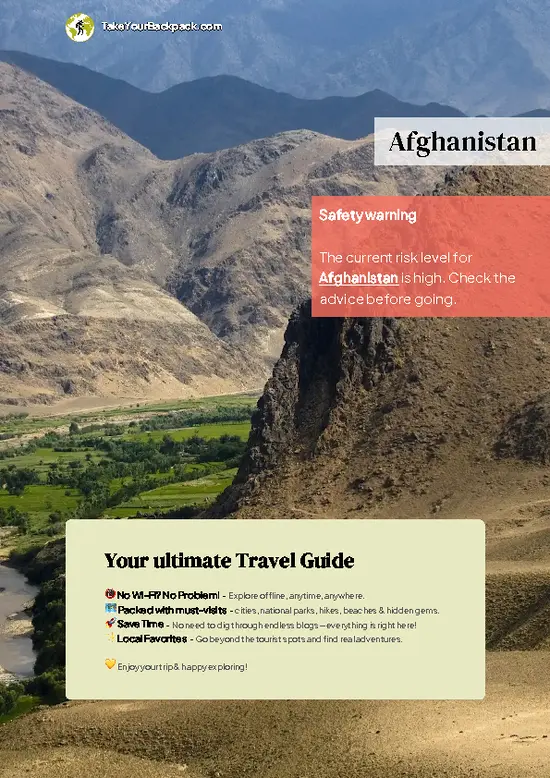
Safety warning

The current risk level for Afghanistan is high. Check the advice before going.


Get your Afghanistan guide
55 ranked highlights, routes & tips, works offline (228 pages)
Loading the map 🌍
CLICK TO FILTER
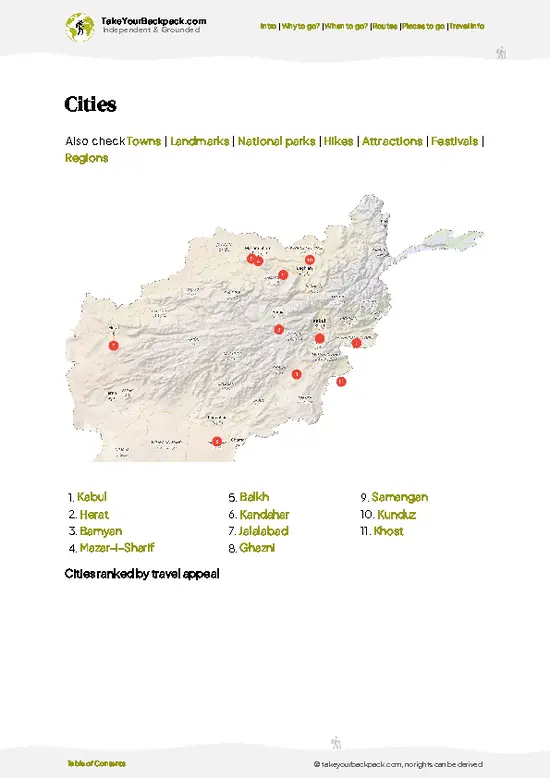
cities
towns
landmarks
national parks
hikes
attractions
festivals
regions
SHOW COUNTRY’S BESTSHOW ALL

✨ Why go?
Ranked #13 attraction in Afghanistan
Why visitors keep coming back

The Chicken Street Antique and Carpet Market in Afghanistan isn’t your typical tourist stop. Yes, it’s crowded and chaotic, and prices can feel inflated if you’re not ready to haggle hard. But that’s part of the raw, unfiltered experience. This market is a living archive of Afghan culture—each carpet and antique tells a story of centuries-old craftsmanship and survival through conflict. Backpackers come here not just for souvenirs but to witness a rare pulse of history still beating in the stalls and alleys. It’s a milestone on the overland route, a place where adrenaline meets authenticity. You’re not just buying a rug; you’re touching a piece of a country that’s been through hell and still holds onto its soul. That’s why it’s worth every second of the hustle.
Want to include Chicken Street Antique and Carpet Market in your Afghanistan route?
Create a personalized Afghanistan itinerary that includes Chicken Street Antique and Carpet Market and the places that fit your trip — based on your travel style, budget, and available time. Get your route in seconds.

Generate my trip

💡 HighlightsThe experiences that define the visit

1. The Carpet Hunt: Afghan Rug Negotiation as Blood Sport
Forget the Instagram shots of “colorful carpets in golden light.” Chicken Street is where you learn that buying a rug is a full-contact sport. You’ll be outnumbered by sellers who know their knots, their dyes, and—let’s be honest—how to spot a rookie. The real entertainment is in the negotiation: the drama, the tea, the feigned outrage, the sudden “final price.” You’re not just shopping; you’re starring in a centuries-old theater of commerce. If you walk away with a rug, you’ve earned it.


2. The Antique Maze: Real Relics, Real Fakes, Real Stories
You’ll see everything from battered Soviet binoculars to British Raj-era silverware, and half the fun is figuring out what’s legit. Some “antiques” are fresh off a Chinese assembly line, but … read more 👉
1. The Carpet Hunt: Afghan Rug Negotiation as Blood Sport
Forget the Instagram shots of “colorful carpets in golden light.” Chicken Street is where you learn that buying a rug is a full-contact sport. You’ll be outnumbered by sellers who know their knots, their dyes, and—let’s be honest—how to spot a rookie. The real entertainment is in the negotiation: the drama, the tea, the feigned outrage, the sudden “final price.” You’re not just shopping; you’re starring in a centuries-old theater of commerce. If you walk away with a rug, you’ve earned it.


2. The Antique Maze: Real Relics, Real Fakes, Real Stories
You’ll see everything from battered Soviet binoculars to British Raj-era silverware, and half the fun is figuring out what’s legit. Some “antiques” are fresh off a Chinese assembly line, but others are the real deal—rusted, storied, and heavy with history. The shopkeepers are storytellers, spinning tales that are half sales pitch, half oral history. You’ll leave with a story, even if you don’t buy a thing.


3. The Human Parade: People-Watching with a Side of Geopolitics
Chicken Street is a crossroads. You’ll spot Afghan businessmen, foreign diplomats, NGO workers, and the occasional lost backpacker. The mix is electric, and the conversations—if you’re open—can veer from carpet prices to the fate of the country in a heartbeat. This is people-watching with stakes.


4. The Smell of Cedar and Dust: Sensory Overload
This isn’t a sanitized bazaar. The air is thick with the scent of old wood, spices, and the faint tang of diesel from the street. It’s gritty, chaotic, and absolutely alive. If you want a market that feels like a movie set, look elsewhere. If you want to feel the pulse of Kabul, this is it.
Spotted a mistake or missing something? Contact us.
🌤️ When to go?Choosing the right time of year


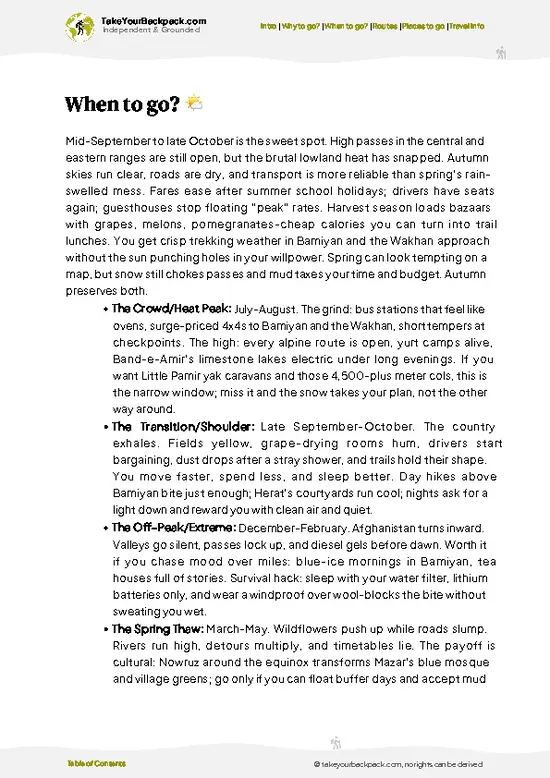
  • Weather: The market is best visited in spring (April to June) and autumn (September to October) when temperatures hover between 15-25°C (59-77°F). Summers scorch above 35°C (95°F), making wandering the dusty streets a sweat-drenched ordeal.

  • Temperature: Winters (December to February) can dip below freezing, around 0°C (32°F), which chills the experience and limits outdoor browsing comfort.

  • Daylight Hours: Longer days in spring and autumn offer 12-14 hours of light, perfect for leisurely exploration without rushing.

  • Crowds: Tourist numbers peak in spring, especially May, when the market buzzes but doesn’t overwhelm. Summer sees fewer visitors due to heat, but locals keep the market lively.

  • Seasonal Activities: Spring brings fresh carpets and antiques after winter crafting, while
read more 👉

  • Weather: The market is best visited in spring (April to June) and autumn (September to October) when temperatures hover between 15-25°C (59-77°F). Summers scorch above 35°C (95°F), making wandering the dusty streets a sweat-drenched ordeal.

  • Temperature: Winters (December to February) can dip below freezing, around 0°C (32°F), which chills the experience and limits outdoor browsing comfort.

  • Daylight Hours: Longer days in spring and autumn offer 12-14 hours of light, perfect for leisurely exploration without rushing.

  • Crowds: Tourist numbers peak in spring, especially May, when the market buzzes but doesn’t overwhelm. Summer sees fewer visitors due to heat, but locals keep the market lively.

  • Seasonal Activities: Spring brings fresh carpets and antiques after winter crafting, while autumn features harvest-related goods and vibrant local trade.

  • Price Fluctuations: Prices tend to rise in peak tourist months (April-May) due to demand. Off-season visits (late autumn) can score better deals but with fewer options.


Pro-tip: Aim for late April or early October to dodge extreme heat, avoid the thickest crowds, and catch the market at its most authentic and affordable.


source: climatestotravel.comJANJanuary: fair for travelingFEBFebruary: fair for travelingMARMarch: good for travelingAPRApril: excellent for travelingMAYMay: excellent for travelingJUNJune: highly recommended for travelingJULJuly: below average for travelingAUGAugust: below average for travelingSEPSeptember: highly recommended for travelingOCTOctober: excellent for travelingNOVNovember: good for travelingDECDecember: fair for traveling
when-to-go

✈️ The backpacker research shortcutAfghanistan Travel Guide

An offline-friendly backpacking guide with optimized travel routes, ranked highlights, transport advice, and the best areas to stay.
example page 0 from our offline Travel Guide for Afghanistan
example page 1 from our offline Travel Guide for Afghanistan
example page 2 from our offline Travel Guide for Afghanistan
example page 3 from our offline Travel Guide for Afghanistan
example page 4 from our offline Travel Guide for Afghanistan
example page 5 from our offline Travel Guide for Afghanistan
example page 6 from our offline Travel Guide for Afghanistan
example page 7 from our offline Travel Guide for Afghanistan
The digital guide (228 pages) contains:
55 highlights, ranked by travel appeal
Optimized 7, 14 & 21-day travel routes
Cities, national parks, landmarks, beaches
How to get around
Offline-friendly for travel without Wi-Fi
👉 Click to see all 30+ guide features

📅 Plan smarter in minutes, not weeks
Month by month travel advice
Festivals & national holidays
Budget expectations

🗺️ Go to the right places, skip the overrated ones
Honest pros & cons of destinations
Top hikes, parks & viewpoints
Lesser-known places most travelers miss
Clear “worth it vs skip it” guidance

🛏️ Travel smoothly without rookie mistakes
Best areas to stay
Transport systems explained simply
Common scams & safety advice
SIM cards, money & practical tips

🌍 Understand the country, not just visit it
Culture & traditions
52 Essential phrases & customs
Festivals worth planning around
Traveler-friendly historical context
Insights that make places more meaningful

📱 Built for real travel conditions
Fully downloadable PDF
Works completely offline
Optimized for phone use
Useful in remote areas & buses
Everything in one place
Save weeks of stressful planning
Get instant access to your full guide. 30‑day money-back guarantee.
+ Add another guide for just US$7.80

By proceeding you agree to our terms.
Sent to your inbox immediately after payment • 100% Secure Checkout
Best Backpacking Travel Advisor 2025 tourism awardBest Backpacking
Travel Advisor
2025
What others say about Take Your Backpack Guides:
⭐⭐⭐⭐⭐
Fantastic, amazing amount of information!
⭐⭐⭐⭐⭐
My goodness this is amazing, it's what I've been looking for hats off too you!
⭐⭐⭐⭐⭐
I think this is absolutely BRILLIANT
⭐⭐⭐⭐
Very complete and informative. It's still missing places, but I gotta to commend you
⭐⭐⭐⭐⭐
This is truly amazing, thank you, can't wait to explore it with my kids!
⭐⭐⭐⭐⭐
Awesome resource, thank you!
⭐⭐⭐⭐⭐
This is amazing! Can't wait to explore the ones I haven't seen
⭐⭐⭐⭐
I love this! Well done, great idea.
⭐⭐⭐⭐⭐
Thanks for taking the time to make this gem!
⭐⭐⭐⭐⭐
This might be the best website I've ever seen.
⭐⭐⭐⭐⭐
Congratulations, and thank you so much for your work; it's incredibly valuable.
⭐⭐⭐⭐
In all seriousness I think you did a great job pointing out the important spots
⭐⭐⭐⭐⭐
10/10 very good
⭐⭐⭐⭐⭐
As someone who's only just starting to visit regularly this is awesome, thank you.
⭐⭐⭐⭐
Thank you very much! I'm going to visit my dad, it's going to be very useful!
⭐⭐⭐⭐⭐
This is really cool! We'll be travelling for the first time and this definitely come in handy.
⭐⭐⭐⭐⭐
You are now our minister of culture, congratulations 👨‍💼
⭐⭐⭐⭐⭐
Just wanted to tell you that this is a pearl! Going to follow your recommendations.
⭐⭐⭐⭐⭐
This is so cool. I'll definitely be using the resource for my travels soon.
⭐⭐⭐⭐⭐
This is very impressive! Good work.
⭐⭐⭐⭐⭐
This is an amazing and informative site. Very well done!

🛏️ Where to stay?How to pick the right area

Chicken Street Antique and Carpet Market in Kabul is a magnet for travelers chasing history and craftsmanship, but let’s cut through the hype: this isn’t a polished tourist zone. Crowds can be intense, and prices are often inflated for foreigners. The real experience lies in the gritty, vibrant neighborhoods nearby where locals live and trade daily.

For backpackers, the best areas to base yourself are the old city districts just a few blocks from the market. These neighborhoods offer a raw, authentic vibe with narrow alleys buzzing with street vendors, chai stalls, and impromptu gatherings. It’s … read more 👉
Chicken Street Antique and Carpet Market in Kabul is a magnet for travelers chasing history and craftsmanship, but let’s cut through the hype: this isn’t a polished tourist zone. Crowds can be intense, and prices are often inflated for foreigners. The real experience lies in the gritty, vibrant neighborhoods nearby where locals live and trade daily.

For backpackers, the best areas to base yourself are the old city districts just a few blocks from the market. These neighborhoods offer a raw, authentic vibe with narrow alleys buzzing with street vendors, chai stalls, and impromptu gatherings. It’s where you’ll find safe, budget-friendly guesthouses that double as social hubs—perfect for solo travelers looking to connect with others or locals. The energy here is palpable, and the proximity means you can dive into the market early before the crowds swell or linger late when the market quiets down.

Staying here isn’t about luxury; it’s about immersion. You’ll trade comfort for character, but that’s exactly what makes the experience unforgettable.

👛 Costs (as of 4 September 2026)Typical daily expenses

Chicken Street in Kabul, Afghanistan, is a bustling market known for its antiques, carpets, and handicrafts. There is no entrance fee to visit the market; it's free to explore. While browsing, you might encounter vendors offering traditional Afghan rugs, jewelry, and other souvenirs. Prices vary widely depending on the item and its quality. For example, small prayer rugs can start around $200, while larger, more intricate carpets can cost up to $5,000. Lapis lazuli jewelry, crafted from stones mined in Badakhshan province, is also available, with prices depending on the piece's craftsmanship and size. Keep in mind that bargaining is a common practice in Afghan markets, so engaging in polite negotiation can help you secure better deals. ([koryogroup.com](https://koryogroup.com/blog/kabul-afghanistan-afghanistan-travel-guide? … read more 👉
Chicken Street in Kabul, Afghanistan, is a bustling market known for its antiques, carpets, and handicrafts. There is no entrance fee to visit the market; it's free to explore. While browsing, you might encounter vendors offering traditional Afghan rugs, jewelry, and other souvenirs. Prices vary widely depending on the item and its quality. For example, small prayer rugs can start around $200, while larger, more intricate carpets can cost up to $5,000. Lapis lazuli jewelry, crafted from stones mined in Badakhshan province, is also available, with prices depending on the piece's craftsmanship and size. Keep in mind that bargaining is a common practice in Afghan markets, so engaging in polite negotiation can help you secure better deals. ([koryogroup.com](https://koryogroup.com/blog/kabul-afghanistan-afghanistan-travel-guide?utm_source=openai))


source: koryogroup.com
⚠️ Prices can change and everyone travels differently, so take this as a rough guide. Hope it helps you plan your adventure!

FAQTraveler FAQ

2 to 3 hours is sufficient to explore Chicken Street Antique and Carpet Market thoroughly. This allows time to browse various stalls, negotiate prices, and appreciate the craftsmanship of carpets and antiques. Visiting in the morning is best to avoid crowds and get the freshest selections.
Yes, the entrance fee is generally worth it for the unique cultural experience and access to authentic Afghan antiques and handwoven carpets. Prices vary, but the market offers items not easily found elsewhere, making it valuable for collectors and enthusiasts. Bargaining is expected, so be prepared to negotiate for better deals.
Chicken Street Antique and Carpet Market is located in Kabul's old city area. The easiest way to get there is by taxi from central Kabul, which takes about 10 to 15 minutes depending on traffic. Public transportation options are limited and less reliable, so a taxi or arranged ride is recommended.
⚠️ Things can change over time, so always validate details locally before you go.

Other Afghan attractions near Chicken Street Antique and Carpet Market

Explore more nearby:


💡 Not sure where to go next?
Create a personalized itinerary for Afghanistan including Chicken Street Antique and Carpet Market and the places that fit your trip.

Generate my itinerary

👉 Discover all attractions

Or checkout all Afghanistan has to offer (think cities, towns, villages, national parks, hikes, beaches, festivals)
Country photo of Afghanistan

We 💚 feedbackSumming up the experience

Chicken Street isn’t a polished tourist trap—it’s gritty, loud, and chaotic, with vendors shouting over each other and carpets piled high like treasure chests. The real magic? The stories woven into every rug and the chance to haggle with locals who’ve been trading here for generations. Just watch your wallet and your patience—it’s a wild ride, but one worth taking.

✍️ Help improve this page!
The information on this page is based on in-depth research, insights shared by experienced travelers, and feedback from the local travel community in Afghanistan. While every effort is made to keep the information accurate and current, conditions can change — so if you spot anything incorrect or outdated, please get in touch.


🙋‍♂️ Give feedback

👋 Meet the founderWho’s Behind Take Your Backpack?

Johan, backpacker and founder of TakeYourBackpackHi, I’m Johan (Netherlands 🇳🇱), the creator of TakeYourBackpack. Over the past decade, I’ve backpacked through 80+ countries across six continents, gaining extensive experience with independent travel, long-term trips, and overland routes.

This site is built on a combination of firsthand travel experience and carefully curated insights from other backpackers. Many guides are based on places I’ve personally visited, while others bring together tips, observations, and practical advice shared by trusted travelers I’ve met along the way.

The goal is to provide realistic, experience-driven guidance — not generic itineraries — so you can explore destinations with better context, clearer expectations, and more confidence.

Get full country guide •
Instant download • 55 highlights • Full Offline guide