
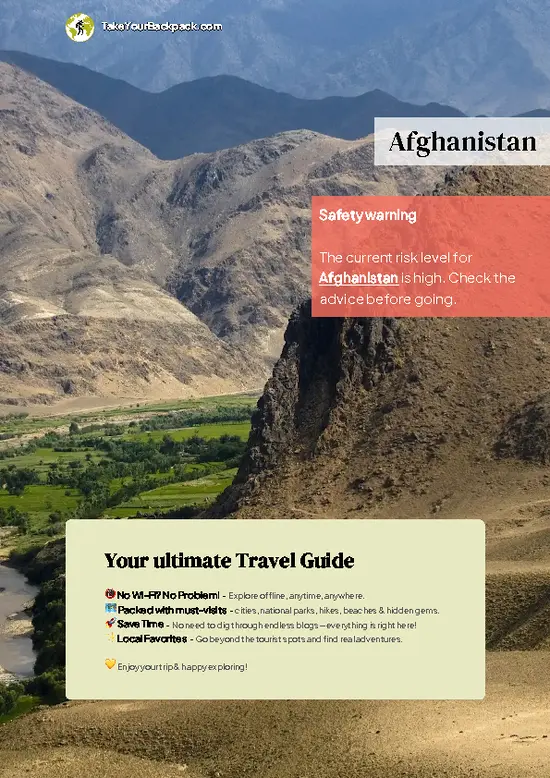
The Ruins Themselves: A Monument to Resilience
Forget the Instagram angle of “grand palace at sunset.” The real draw is the battered, bullet-riddled skeleton of Darul Aman itself. This isn’t Versailles. It’s a raw, honest monument to Afghanistan’s turbulent history—built in the 1920s as a symbol of modernity, then battered by coups, invasions, and decades of war. Every shattered window and pockmarked wall tells a story. You’re not just looking at a building; you’re staring at the stubborn will of a country that refuses to disappear.
The Rooftop Panorama: Kabul in Full, Unfiltered
Climb to the upper floors (if access is open—sometimes it’s closed for restoration or security). The view is pure, unvarnished Kabul: a sprawl of concrete, dust, and distant mountains. No filters, no curated angles. … read more 👉
The Ruins Themselves: A Monument to Resilience
Forget the Instagram angle of “grand palace at sunset.” The real draw is the battered, bullet-riddled skeleton of Darul Aman itself. This isn’t Versailles. It’s a raw, honest monument to Afghanistan’s turbulent history—built in the 1920s as a symbol of modernity, then battered by coups, invasions, and decades of war. Every shattered window and pockmarked wall tells a story. You’re not just looking at a building; you’re staring at the stubborn will of a country that refuses to disappear.
The Rooftop Panorama: Kabul in Full, Unfiltered
Climb to the upper floors (if access is open—sometimes it’s closed for restoration or security). The view is pure, unvarnished Kabul: a sprawl of concrete, dust, and distant mountains. No filters, no curated angles. You’ll see the city’s contradictions—gleaming new buildings, battered neighborhoods, and the endless churn of daily life. It’s a perspective you can’t get from a guidebook or a drone shot.
The Ghosts of Modernity: Amanullah Khan’s Dream
Darul Aman was supposed to be the beating heart of a new, progressive Afghanistan. Walking the halls, you feel the echo of that ambition—the wide staircases, the neoclassical columns, the sense of a country trying to leap into the future. It’s not just a ruin; it’s a cautionary tale and a testament to hope, all at once.
The Walk Up: The Road Less Polished
The approach to the palace is its own experience. You’ll pass Afghan soldiers, local families, and maybe a wedding party taking photos. The road is dusty, the air is thick with history, and the palace looms like a challenge. This isn’t a sanitized tourist path. It’s Afghanistan, raw and real—every step a reminder that you’re not in a theme park.
The Unofficial Museum: Layers of Graffiti and Memory
Inside, you’ll find graffiti—some angry, some poetic, some just names scrawled by those who needed to leave a mark. It’s not sanctioned art, but it’s a living record of everyone who’s passed through. In a country where official narratives are always shifting, these scribbles are a people’s history, written in spray paint and pencil.
Spotted a mistake or missing something? Contact us.

 Best Backpacking

 Hi, I’m Johan (Netherlands 🇳🇱), the creator of TakeYourBackpack. Over the past 3 decades, I’ve backpacked through 90+ countries across six continents, gaining extensive experience with independent travel, long-term trips, and overland routes.