v2.webp)
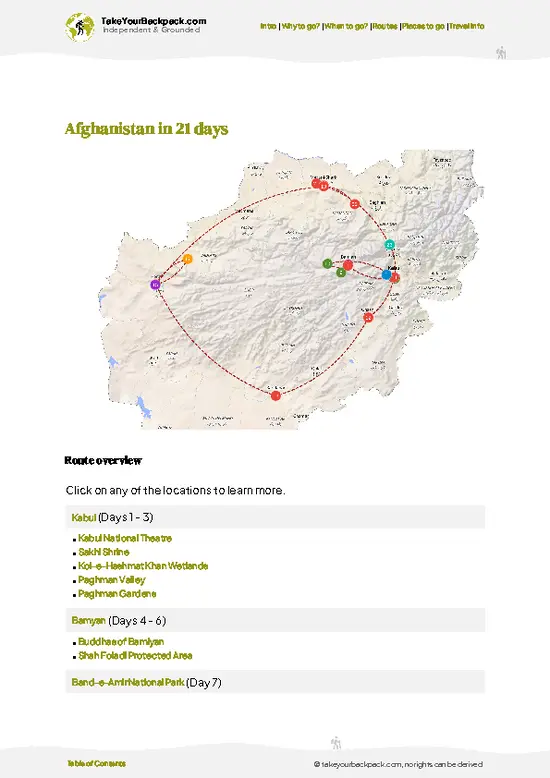
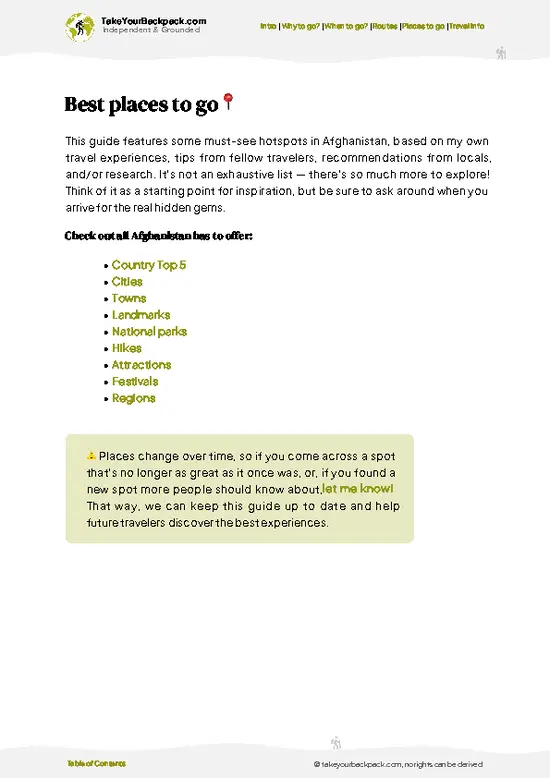
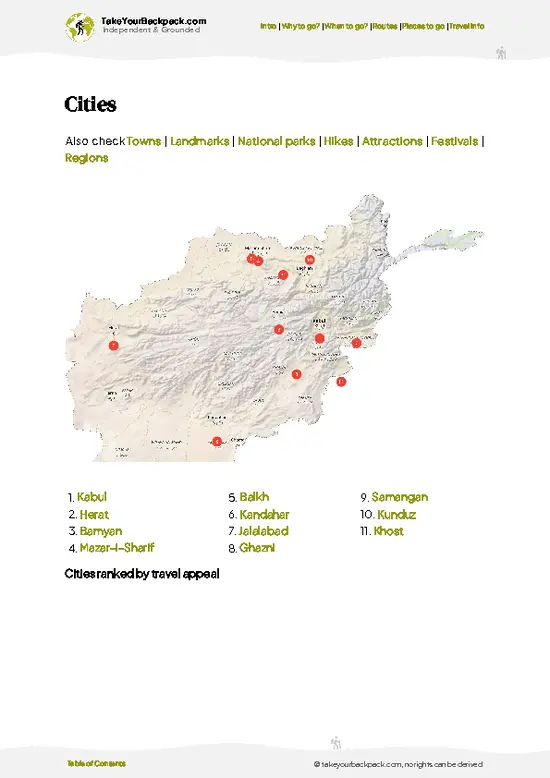
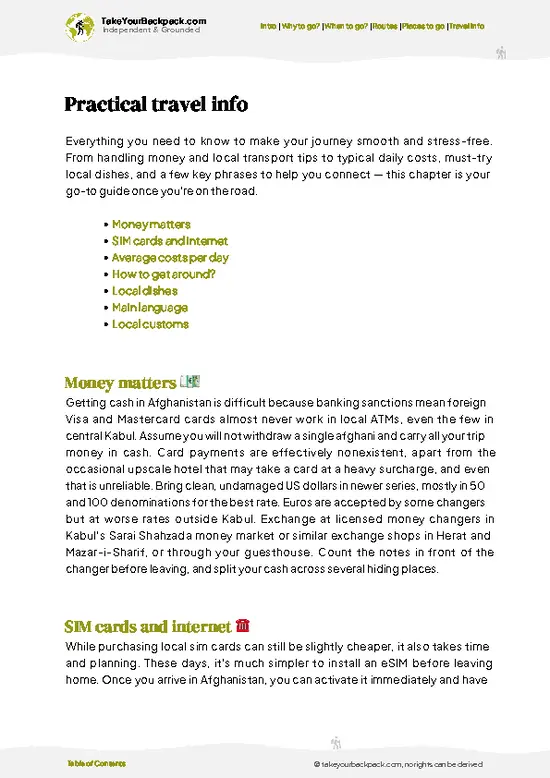
- Eid morning prayer (Salat al-Eid) — The whole day kicks off with a huge, communal prayer, often held in mosques or open fields. There’s a real sense of togetherness as families line up, elders give blessings and people exchange “Eid Mubarak” in waves; it’s civic, spiritual and very visual when whole neighborhoods show up in their best clothes.
- Zakat al-Fitr and giving to the community — Before the prayer many people give Zakat al-Fitr (food/money for the needy), and local charities and families distribute packages. That routine of visible charity is a defining part of Eid here — you’ll see neighbors dropping off parcels, communal sharing at mosques, and an emphasis on making sure everyone eats on the holiday.
- Family feasts and traditional foods — Afghans celebrate Eid with big home-cooked
- Eid morning prayer (Salat al-Eid) — The whole day kicks off with a huge, communal prayer, often held in mosques or open fields. There’s a real sense of togetherness as families line up, elders give blessings and people exchange “Eid Mubarak” in waves; it’s civic, spiritual and very visual when whole neighborhoods show up in their best clothes.
- Zakat al-Fitr and giving to the community — Before the prayer many people give Zakat al-Fitr (food/money for the needy), and local charities and families distribute packages. That routine of visible charity is a defining part of Eid here — you’ll see neighbors dropping off parcels, communal sharing at mosques, and an emphasis on making sure everyone eats on the holiday.
- Family feasts and traditional foods — Afghans celebrate Eid with big home-cooked spreads: sweet milk dishes like sheer khurma, pilaf and kebabs, plenty of nuts and pastries. Meals feel ceremonial — multiple courses, shared plates, and lots of visiting between households — so food is where the social pulse of Eid really shows.
- Attan, music and henna — Traditional music and dance, especially the circular Attan in Pashtun areas, pop up at many celebrations. Men and women join different musical moments, women get henna patterns on hands and feet, and instruments like the rubab and tabla give the day a distinct, local sound that’s hard to forget.
- Markets, new clothes and Eidi for kids — In the days around Eid bazaars swell with shoppers buying new outfits, shoes and sweets; tailors work overtime. Kids get Eidi (small gifts or money), stalls sell festive treats, and the market buzz — color, bargain-hunting and last-minute shopping — is its own kind of celebration.
Spotted a mistake or missing something? Contact us.
 Best Backpacking
.jpg) Hi, I’m Johan (Netherlands 🇳🇱), the creator of TakeYourBackpack. Over the past 3 decades, I’ve backpacked through 90+ countries across six continents, gaining extensive experience with independent travel, long-term trips, and overland routes.
Hi, I’m Johan (Netherlands 🇳🇱), the creator of TakeYourBackpack. Over the past 3 decades, I’ve backpacked through 90+ countries across six continents, gaining extensive experience with independent travel, long-term trips, and overland routes.