×

Afghanistan🇦🇫 | best festivalsBest 10 festivals in Afghanistan

Festivals in Afghanistan are vibrant expressions of culture, deeply rooted in tradition and community. They vary significantly across regions, each offering a unique glimpse into local life. From the bustling streets of Kabul during Nowruz, the Persian New Year, to the quieter, yet equally rich, Buzkashi events in the north, the choices are as diverse as the landscapes.

Timing is crucial; many festivals align with the agricultural calendar, impacting both the crowds and the vibe. Choosing the right festival can enhance your experience, affecting your budget, safety, and ease of travel. For backpackers and independent travelers, understanding these nuances is key. Some festivals attract larger crowds, which can mean higher prices and more logistical challenges, while others offer a more intimate atmosphere, perfect for cultural immersion.

Navigating these options wisely ensures you preserve your energy and funds for the moments that truly matter.

By Johan Kruseman 🇳🇱 | Updated June 4, 2026
Explore the best regions in Afghanistan

Why go?Why Travelers Love These Spots

Festivals in Afghanistan are a vibrant tapestry of cultural significance and historical depth. They offer a glimpse into the heart of a nation that has weathered centuries of change. Unlike many other countries, Afghan festivals are deeply rooted in tradition, often reflecting the diverse ethnic backgrounds and rich histories of its people. Events like Nowruz and Eid are not just celebrations; they are communal affirmations of identity and resilience.

The seasonal timing of these festivals is crucial. Spring, for instance, brings the Persian New Year, a time when the landscape bursts into color, mirroring the joy of renewal. However, this also means that festivals can attract large crowds, which may dilute the intimate experience some travelers seek. The trade-off here is between the energyread more 👉
Festivals in Afghanistan are a vibrant tapestry of cultural significance and historical depth. They offer a glimpse into the heart of a nation that has weathered centuries of change. Unlike many other countries, Afghan festivals are deeply rooted in tradition, often reflecting the diverse ethnic backgrounds and rich histories of its people. Events like Nowruz and Eid are not just celebrations; they are communal affirmations of identity and resilience.

The seasonal timing of these festivals is crucial. Spring, for instance, brings the Persian New Year, a time when the landscape bursts into color, mirroring the joy of renewal. However, this also means that festivals can attract large crowds, which may dilute the intimate experience some travelers seek. The trade-off here is between the energy of a bustling celebration and the desire for a more personal connection to the culture.

Geographically, Afghanistan’s rugged terrain can make access to festivals challenging. While this can deter some travelers, it also means that those who make the effort are often rewarded with a more immersive experience. The journey itself becomes part of the adventure, offering insights into local life that are often missed in more accessible destinations.

Logistics can be tricky. Infrastructure is still developing, and travelers should be prepared for potential delays and limited amenities. This reality requires a mindset shift: patience and flexibility become essential companions. The trade-off of investing time in travel versus the depth of exploration is significant; those who embrace it often find themselves enriched by the experience.

In summary, festivals in Afghanistan are not just events; they are profound expressions of culture and community. Understanding the unique challenges and rewards of attending these festivals is key to fully appreciating what they offer.
Evaluating the Top Choices
The list of best festivals in Afghanistan is created based on energy, traditions, crowd experience, activities, and overall excitement. If you feel a festival is missing in this list, please let us know.

When to go?When to Plan Your Trip

Seasonality and Festivals


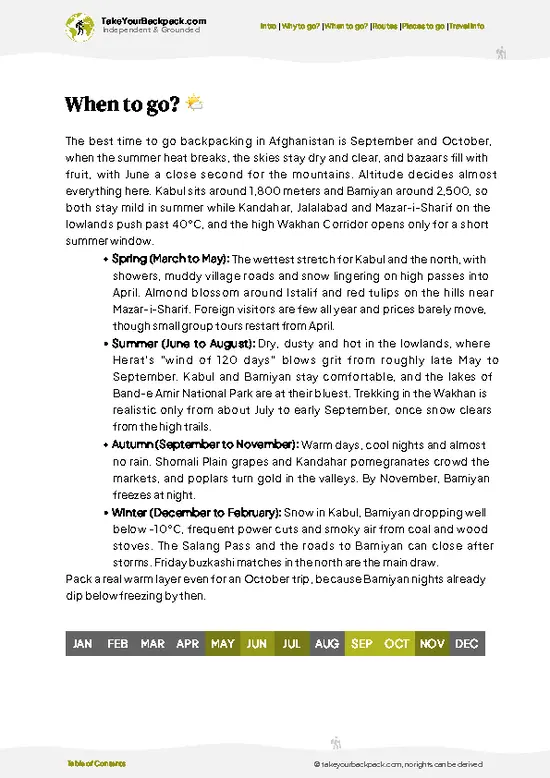
Afghanistan’s festival calendar is tightly woven into its seasonal rhythms. The best time to experience these cultural events is during spring and autumn. From March to May, the weather is mild, making it ideal for outdoor celebrations. This is when the country bursts into life, with flowers blooming and communities coming together. Expect vibrant energy, but also larger crowds.

Summer can be scorching, especially in the lowland areas. Festivals still occur, but the heat can drain the excitement. If you choose to visit during this time, be prepared for higher costs and fewer locals participating in outdoor events. The atmosphere may feel less authentic, as many people retreat indoors to escape the heat.

Autumn, particularly September to November, offers another … read more 👉

Seasonality and Festivals


Afghanistan’s festival calendar is tightly woven into its seasonal rhythms. The best time to experience these cultural events is during spring and autumn. From March to May, the weather is mild, making it ideal for outdoor celebrations. This is when the country bursts into life, with flowers blooming and communities coming together. Expect vibrant energy, but also larger crowds.

Summer can be scorching, especially in the lowland areas. Festivals still occur, but the heat can drain the excitement. If you choose to visit during this time, be prepared for higher costs and fewer locals participating in outdoor events. The atmosphere may feel less authentic, as many people retreat indoors to escape the heat.

Autumn, particularly September to November, offers another peak for festivals. The weather is pleasant, and the harvest season brings a sense of abundance. This is when many traditional celebrations take place, showcasing local customs and culinary delights. Crowds can be significant, but the experience is rich and immersive.

Shoulder seasons, like late winter and early summer, present trade-offs. While fewer festivals occur, the reduced crowds can lead to a more intimate experience. However, the weather can be unpredictable, with cold snaps in winter and rising temperatures in early summer. Costs may also be lower, but the lack of events can make the trip feel less vibrant.

Travelers should weigh the benefits of peak energy against the challenges of high crowds and costs. Understanding these seasonal dynamics is crucial for planning a trip that aligns with personal preferences and budget considerations.

festival hoppingSuggested Travel Strategies

Regional Clustering
To make the most of Afghanistan’s vibrant festivals, start by clustering events regionally. The north, south, east, and west each have their own unique celebrations. Begin in the north with events like the Nawruz festival, then head south for the vibrant Eid celebrations. This approach minimizes travel time and maximizes exposure to local culture.

Optimal Sequencing
Plan your route based on the timing of festivals. For instance, if Nawruz falls in March, follow it with the spring harvest festivals in the south. This sequencing allows for a natural flow, reducing backtracking and keeping energy levels high. Each festival has its own rhythm, so consider the local climate and travel conditions when scheduling.

Time Management
Allocate at least two to three days per festival … read more 👉
Regional Clustering
To make the most of Afghanistan’s vibrant festivals, start by clustering events regionally. The north, south, east, and west each have their own unique celebrations. Begin in the north with events like the Nawruz festival, then head south for the vibrant Eid celebrations. This approach minimizes travel time and maximizes exposure to local culture.

Optimal Sequencing
Plan your route based on the timing of festivals. For instance, if Nawruz falls in March, follow it with the spring harvest festivals in the south. This sequencing allows for a natural flow, reducing backtracking and keeping energy levels high. Each festival has its own rhythm, so consider the local climate and travel conditions when scheduling.

Time Management
Allocate at least two to three days per festival to soak in the atmosphere without feeling rushed. This pacing helps avoid burnout and allows for spontaneous experiences. Crowds can be overwhelming, especially during major events, so factor in downtime to recharge.

Common Pitfalls
Travelers often underestimate the time needed for travel between festivals. Roads can be unpredictable, and local transport may not always run on schedule. Avoid the mistake of cramming too many events into a short timeframe. Prioritize quality over quantity; a deeper experience at fewer festivals will be more rewarding than a rushed tour.

Trade-offs and Flexibility
Balance speed with depth of experience. While it’s tempting to hit as many festivals as possible, consider the comfort of your accommodations and the effort required to travel. Sometimes, staying longer in one place can lead to unexpected rewards, like connecting with locals or discovering lesser-known traditions. Flexibility is key; be prepared to adjust plans based on local advice or unforeseen circumstances.

The ListTop festivals of Afghanistan

1 Nowruz

spring equinox, Haft Mewa, open-air picnics

Welcome the new year as families gather outdoors, prepare symbolic dishes, and observe ancient customs that signal the arrival of spring.

2 Mela-e-Gul-e-Surkh

red tulip fields, Balkh province, seasonal bloom

Walk among vast wildflower carpets as locals celebrate the fleeting beauty of tulip season with music, dance, and picnics.

3 Buzkashi Season

horseback competition, goat carcass, northern plains

Watch skilled riders battle for control in a dramatic sport that draws crowds to open fields and village edges each winter.

4 Silk Road Festival

trade caravans, handicraft markets, music performances

Trace the legacy of ancient routes through artisan stalls, regional music, and cultural showcases that highlight Afghanistan’s crossroads heritage.

5 Afghan Independence Day

flag parades, Kabul gatherings, national pride

Join crowds in city squares as Afghans mark their sovereignty with public ceremonies, military displays, and a strong sense of unity.

6 Eid al-Fitr

end of Ramadan, sweets, new clothes

Celebrate the close of fasting with communal prayers, gift exchanges, and tables filled with pastries and homemade treats.

7 Eid al-Adha

animal sacrifice, family feasts, mosque prayers

Experience a day shaped by early morning prayers, ritual animal offerings, and generous meals shared among relatives and neighbors.

8 Jashn-e-Tirgan

water rituals, poetry recitals, summer solstice

Mark the height of summer with water splashing, poetic gatherings, and traditions rooted in hopes for rain and abundance.

9 Jashn-e-Sada

fire lighting, winter’s midpoint, Zoroastrian roots

Observe bonfires and communal gatherings that honor ancient beliefs and mark the gradual return of longer days.

10 Jashn-e-Mehregan

autumn harvest, gratitude rituals, fruit offerings

Participate in a festival of thanks as communities share seasonal produce, honor friendship, and reflect on the year’s bounty.

Loading the map 🌍

Expert viewInsights from Locals and Experts

Energy & Timing
Afghanistan’s festival calendar is a vibrant pulse of cultural expression, but timing is everything. The best festivals often align with the agricultural calendar, so spring and autumn are prime times. Expect a whirlwind of activity during Nowruz (Persian New Year) in March, when the whole country seems to burst into life. The harvest festivals in late summer and early fall also draw crowds, but be prepared for the heat. If you’re not a fan of sweltering temperatures, aim for the cooler months.

Plan to attend at least two to three festivals to truly soak in the atmosphere. Each festival has its own flavor, and experiencing a variety will give you a richer understanding of Afghan culture. However, don’t overextend yourself; travel can be unpredictable, and you want to preserve … read more 👉
Energy & Timing
Afghanistan’s festival calendar is a vibrant pulse of cultural expression, but timing is everything. The best festivals often align with the agricultural calendar, so spring and autumn are prime times. Expect a whirlwind of activity during Nowruz (Persian New Year) in March, when the whole country seems to burst into life. The harvest festivals in late summer and early fall also draw crowds, but be prepared for the heat. If you’re not a fan of sweltering temperatures, aim for the cooler months.

Plan to attend at least two to three festivals to truly soak in the atmosphere. Each festival has its own flavor, and experiencing a variety will give you a richer understanding of Afghan culture. However, don’t overextend yourself; travel can be unpredictable, and you want to preserve your energy for the experiences that matter.

Cultural Context
Understanding the cultural backdrop is crucial. Festivals in Afghanistan are not just events; they are deeply rooted in history and tradition. They often involve music, dance, and food that reflect the local customs. For instance, the Buzkashi festival, where horsemen compete to grab a goat carcass, is not just a sport; it’s a display of skill, bravery, and community spirit.

However, be aware that some festivals may have religious or cultural sensitivities. Dress modestly and be respectful of local customs. This isn’t just about avoiding awkward moments; it’s about showing respect for a culture that has endured much.

Crowd Management
Crowds can be overwhelming, especially during major festivals. Expect a mix of locals and tourists, and be prepared for the energy to be both exhilarating and exhausting. Arrive early to secure a good spot, and consider your exit strategy. Some festivals can turn into a sea of people, making it hard to navigate.

If you’re not comfortable in large crowds, choose smaller, regional festivals. They often offer a more intimate experience and allow for deeper connections with locals. Just remember, smaller doesn’t mean less vibrant; it can be a chance to engage more meaningfully.

Budget & Comfort Considerations
Budgeting for festivals in Afghanistan requires a bit of foresight. While many events are free to attend, costs can add up quickly with transportation, food, and accommodations. Expect to spend more in urban areas where prices can skyrocket during festival seasons.

Accommodations can range from basic guesthouses to more comfortable hotels, but availability can be hit or miss. If you’re planning to attend a popular festival, book your stay well in advance. This isn’t just about comfort; it’s about ensuring you have a place to rest after a long day of festivities.

Food is another area where you can save or splurge. Street food is often delicious and affordable, but be cautious about hygiene. If you’re unsure, opt for established vendors or eateries. Your stomach will thank you later.

Safety & Cultural Considerations
Safety is paramount. While many areas are safe for travelers, some regions can be unpredictable. Always stay updated on local conditions and heed travel advisories. Festivals can attract attention, so keep a low profile and avoid drawing unnecessary attention to yourself.

Cultural sensitivity is key. Engage with locals, but do so respectfully. If you’re invited to participate in a dance or a meal, take it as a compliment but be mindful of local customs. This isn’t just about being polite; it’s about building trust and rapport.

Planning & Prioritizing
When planning your festival itinerary, prioritize based on your interests. If you’re drawn to music, seek out festivals that showcase traditional Afghan music. If food is your passion, look for events that highlight local cuisine.

Consider the logistics of getting from one festival to another. Travel times can vary significantly, and infrastructure may not always be reliable. Factor in extra time for delays, and don’t be afraid to adjust your plans on the fly. Flexibility is your friend in Afghanistan.

In conclusion, festivals in Afghanistan offer a unique window into the soul of the country. With careful planning and a respectful approach, you can navigate the complexities and immerse yourself in experiences that resonate long after the celebrations end. Embrace the chaos, savor the moments, and let the spirit of Afghanistan leave its mark on you.

✈️ The backpacker research shortcutAfghanistan Travel Guide

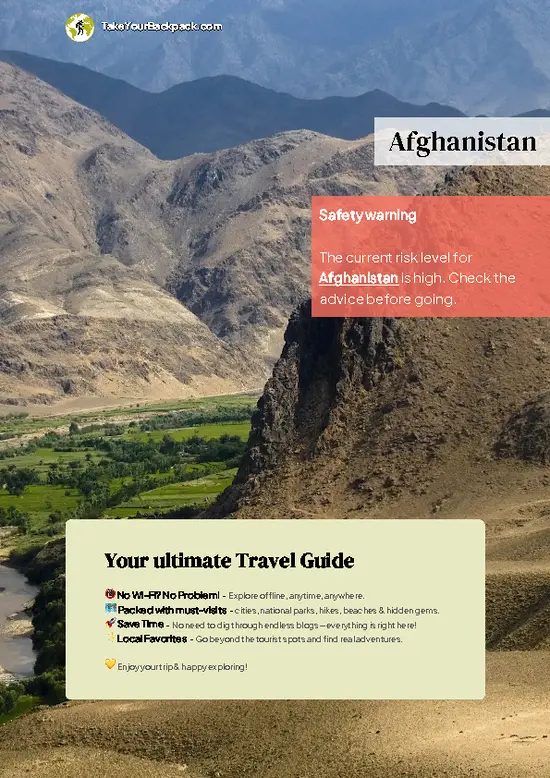
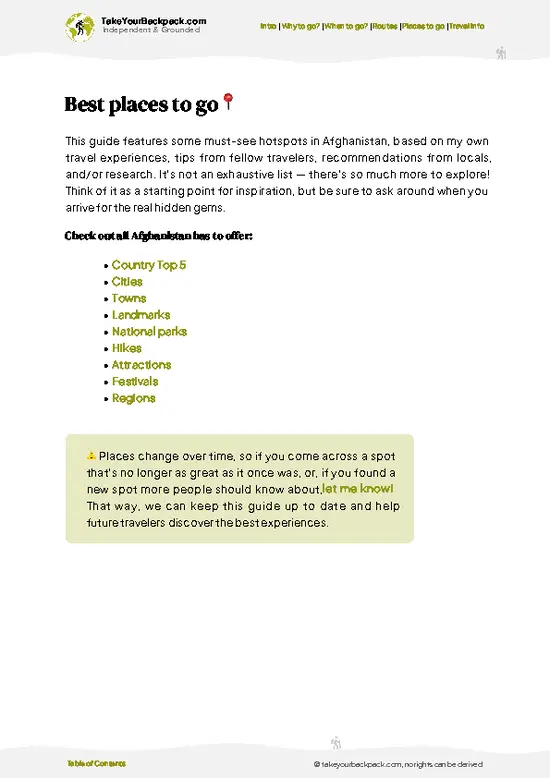
An offline-friendly backpacking guide with optimized travel routes, ranked highlights, transport advice, and the best areas to stay.
example page 0 from our offline Travel Guide for Afghanistan
example page 1 from our offline Travel Guide for Afghanistan
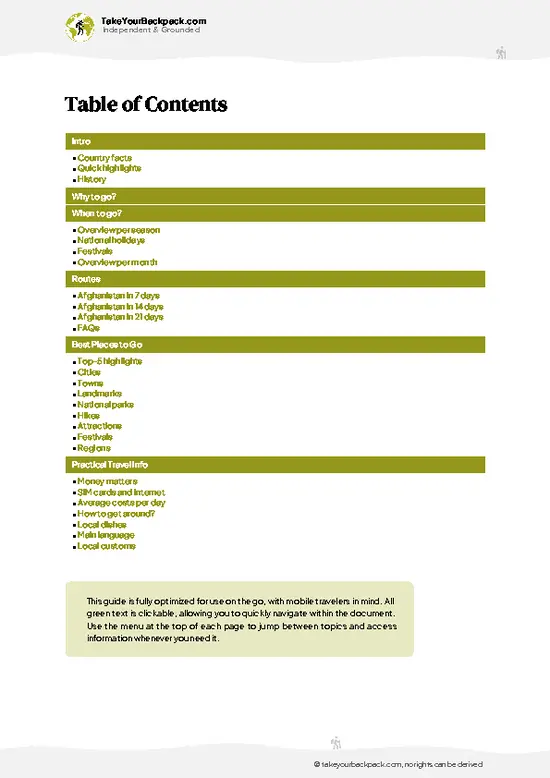
example page 2 from our offline Travel Guide for Afghanistan
example page 3 from our offline Travel Guide for Afghanistan
example page 4 from our offline Travel Guide for Afghanistan
example page 5 from our offline Travel Guide for Afghanistan
example page 6 from our offline Travel Guide for Afghanistan
example page 7 from our offline Travel Guide for Afghanistan
The digital guide (296 pages) contains:
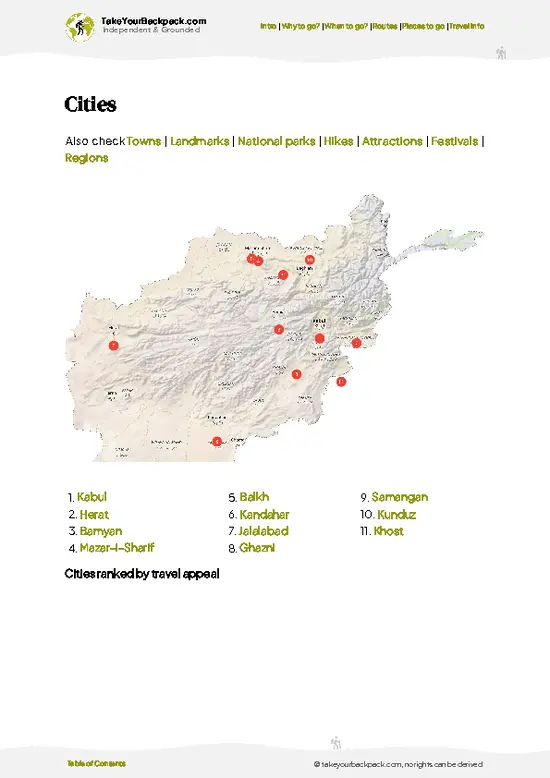
72 highlights, ranked by travel appeal
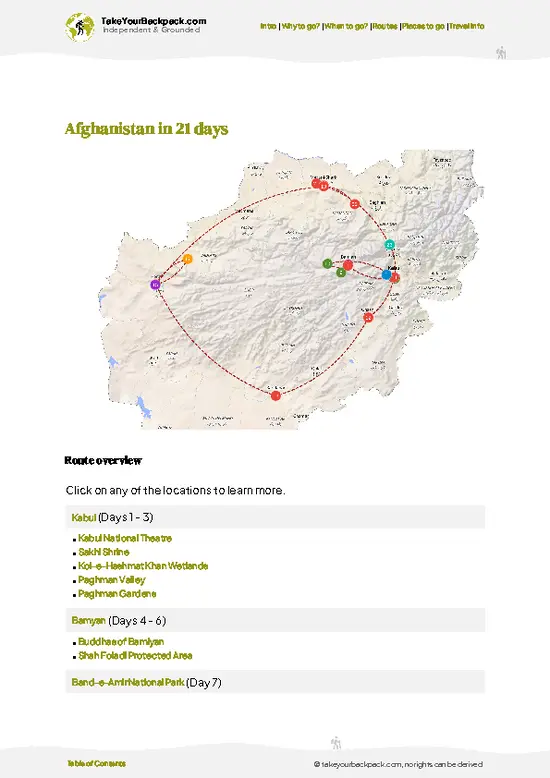
Optimized 7, 14 & 21-day travel routes
Cities, national parks, landmarks, beaches
How to get around
Offline-friendly for travel without Wi-Fi
👉 Click to see all 30+ guide features

📅 Plan smarter in minutes, not weeks
Month by month travel advice
Festivals & national holidays
Budget expectations

🗺️ Go to the right places, skip the overrated ones
Honest pros & cons of destinations
Top hikes, parks & viewpoints
Lesser-known places most travelers miss
Clear “worth it vs skip it” guidance

🛏️ Travel smoothly without rookie mistakes
Best areas to stay
Transport systems explained simply
Common scams & safety advice
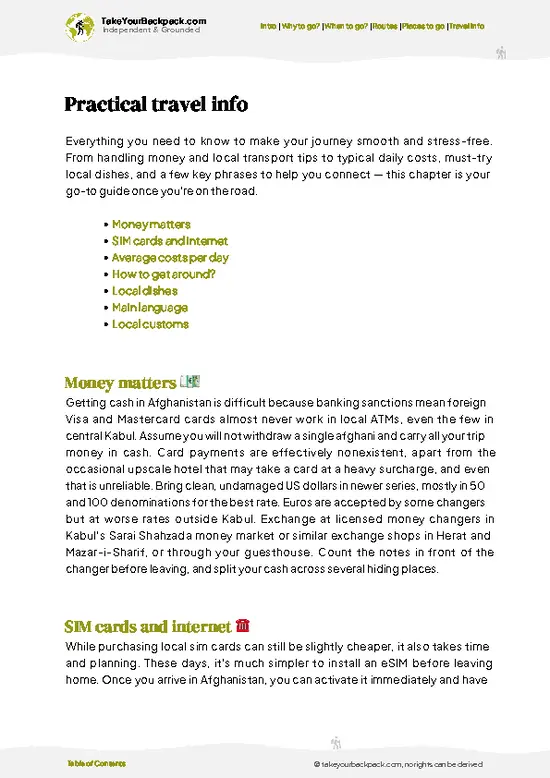
SIM cards, money & practical tips

🌍 Understand the country, not just visit it
Culture & traditions
52 Essential phrases & customs
Festivals worth planning around
Traveler-friendly historical context
Insights that make places more meaningful

📱 Built for real travel conditions
Fully downloadable PDF
Works completely offline
Optimized for phone use
Useful in remote areas & buses
Everything in one place
Save weeks of stressful planning
Get instant access to your full guide. 30‑day money-back guarantee.


By proceeding you agree to our terms.
Sent to your inbox immediately after payment • 100% Secure Checkout
Best Backpacking Travel Advisor 2025 tourism awardBest Backpacking
Travel Advisor
2025
What others say about Take Your Backpack Guides:
⭐⭐⭐⭐⭐
Fantastic, amazing amount of information!
⭐⭐⭐⭐⭐
My goodness this is amazing, it's what I've been looking for hats off too you!
⭐⭐⭐⭐⭐
I think this is absolutely BRILLIANT
⭐⭐⭐⭐
Very complete and informative. It's still missing places, but I gotta to commend you
⭐⭐⭐⭐⭐
This is truly amazing, thank you, can't wait to explore it with my kids!
⭐⭐⭐⭐⭐
Awesome resource, thank you!
⭐⭐⭐⭐⭐
This is amazing! Can't wait to explore the ones I haven't seen
⭐⭐⭐⭐
I love this! Well done, great idea.
⭐⭐⭐⭐⭐
Thanks for taking the time to make this gem!
⭐⭐⭐⭐⭐
This might be the best website I've ever seen.
⭐⭐⭐⭐⭐
Congratulations, and thank you so much for your work; it's incredibly valuable.
⭐⭐⭐⭐
In all seriousness I think you did a great job pointing out the important spots
⭐⭐⭐⭐⭐
10/10 very good
⭐⭐⭐⭐⭐
As someone who's only just starting to visit regularly this is awesome, thank you.
⭐⭐⭐⭐
Thank you very much! I'm going to visit my dad, it's going to be very useful!
⭐⭐⭐⭐⭐
This is really cool! We'll be travelling for the first time and this definitely come in handy.
⭐⭐⭐⭐⭐
You are now our minister of culture, congratulations 👨‍💼
⭐⭐⭐⭐⭐
Just wanted to tell you that this is a pearl! Going to follow your recommendations.
⭐⭐⭐⭐⭐
This is so cool. I'll definitely be using the resource for my travels soon.
⭐⭐⭐⭐⭐
This is very impressive! Good work.
⭐⭐⭐⭐⭐
This is an amazing and informative site. Very well done!

🛏️ Where to stay?Top Places to Consider Staying

Hostels in Afghanistan are rare; budget accommodation in Afghanistan mostly means basic guesthouses or cheap hotels in major cities, so expect sparse facilities, arrival security checks, and stricter procedures than typical backpacker destinations.

In Kabul the most practical neighbourhoods are Wazir Akbar Khan (more secure and quieter, close to embassies but pricier), Shahr‑e‑Now (commercial hub with the most cheap guesthouses, markets and transport links but noisy), and Karte Parwan (near museums with quieter mid‑range options); prioritize safety and access to sights over nightlife, which is minimal.

Outside Kabul, central districts of Mazar‑i‑Sharif (near the shrine and bus terminals), … read more 👉
Hostels in Afghanistan are rare; budget accommodation in Afghanistan mostly means basic guesthouses or cheap hotels in major cities, so expect sparse facilities, arrival security checks, and stricter procedures than typical backpacker destinations.

In Kabul the most practical neighbourhoods are Wazir Akbar Khan (more secure and quieter, close to embassies but pricier), Shahr‑e‑Now (commercial hub with the most cheap guesthouses, markets and transport links but noisy), and Karte Parwan (near museums with quieter mid‑range options); prioritize safety and access to sights over nightlife, which is minimal.

Outside Kabul, central districts of Mazar‑i‑Sharif (near the shrine and bus terminals), Herat (old city near the citadel, culturally rich and quiet) and Kandahar (central district with very basic lodgings and frequent security checkpoints) offer the most budget choices; carry cash, confirm local security conditions before arrival, and plan contingency transport.

If you enjoy meeting fellow travelers, consider choosing hostels with high ratings for atmosphere. On the other hand, if you prefer having your own space, a hotel might be a better option.

AfghanistanMore Places Across Afghanistan

👋 Meet the founderWho’s Behind Take Your Backpack?

Johan, backpacker and founder of TakeYourBackpackHi, I’m Johan (Netherlands 🇳🇱), the creator of TakeYourBackpack. Over the past decade, I’ve backpacked through 80+ countries across six continents, gaining extensive experience with independent travel, long-term trips, and overland routes.

This site is built on a combination of firsthand travel experience and carefully curated insights from other backpackers. Many guides are based on places I’ve personally visited, while others bring together tips, observations, and practical advice shared by trusted travelers I’ve met along the way.

The goal is to provide realistic, experience-driven guidance — not generic itineraries — so you can explore destinations with better context, clearer expectations, and more confidence.

Get full country guide •
Instant download • 72 highlights • Full Offline guide