
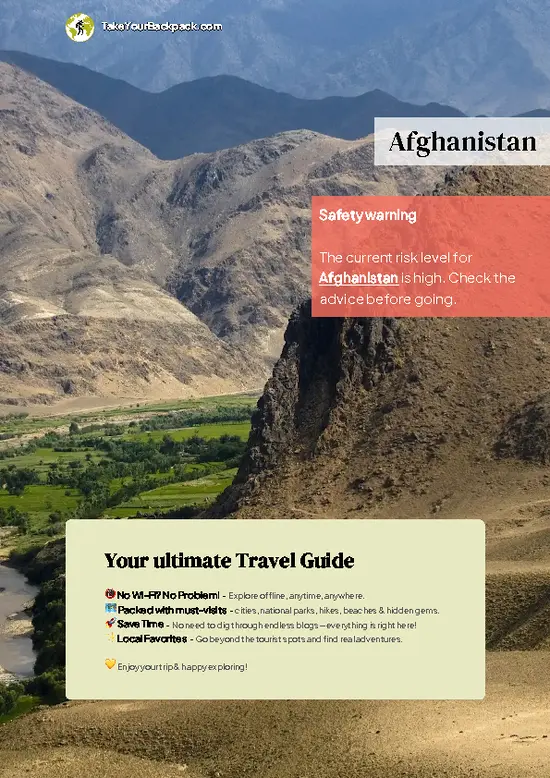
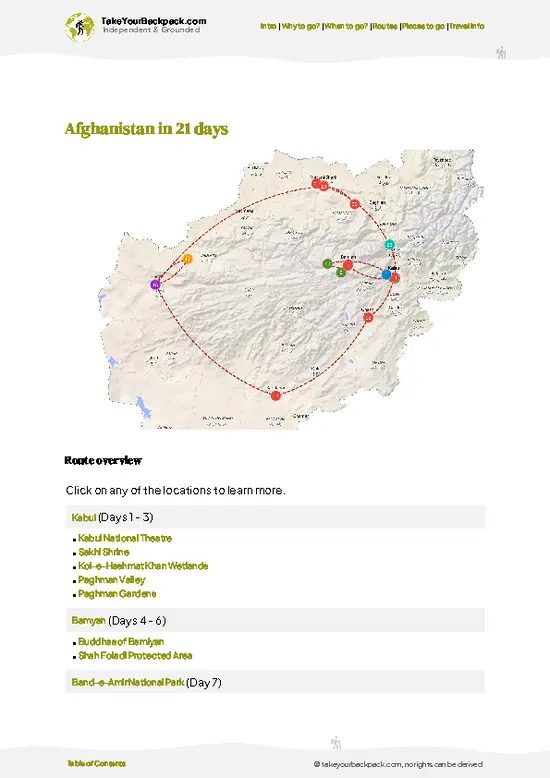
- Water rituals and communal splashing — Central to Tirgan’s symbolism is water: people take part in playful splashing, sprinkle blessed water, or gather by rivers and public fountains. It’s refreshing, symbolic of rain and renewal, and turns the festival into a tactile, joyful street-party rather than just a parade to watch.
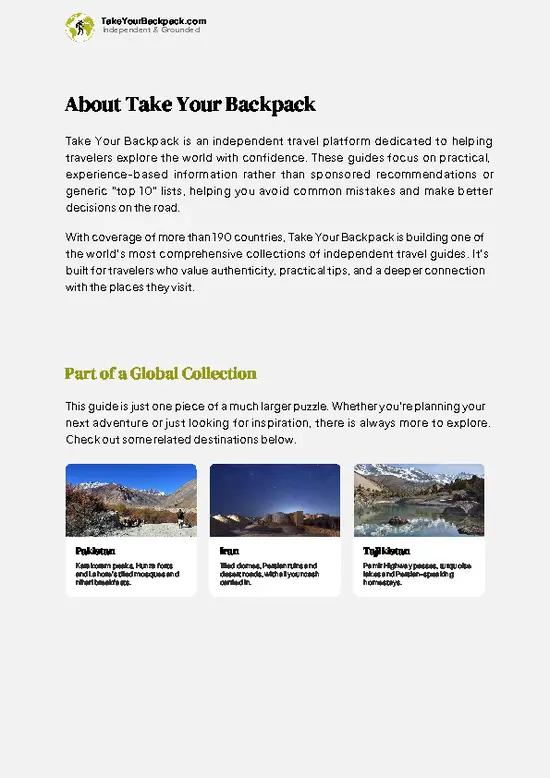
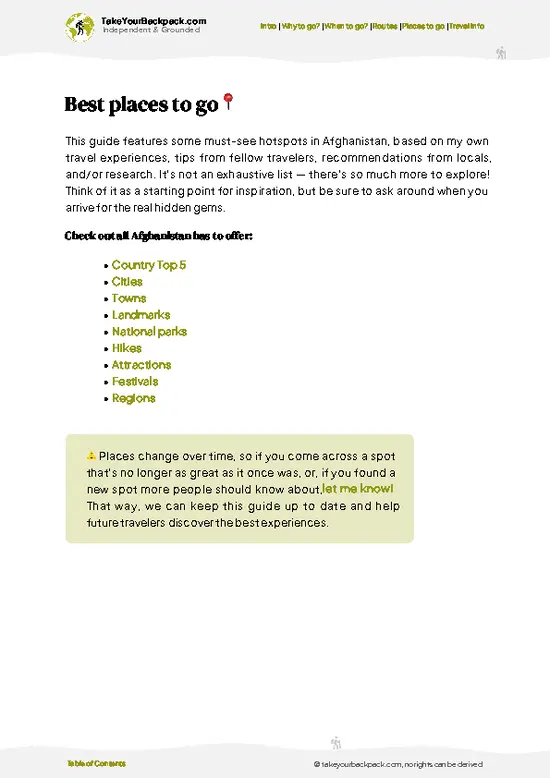
- Live folk music and dance — Expect rubab, tabla and regional melodies alongside vigorous local dances (like Attan in Pashtun areas and other regional folk steps). The sound is earthy and immediate: small ensembles, call-and-response singing, and crowds joining in make performances feel communal rather than staged.
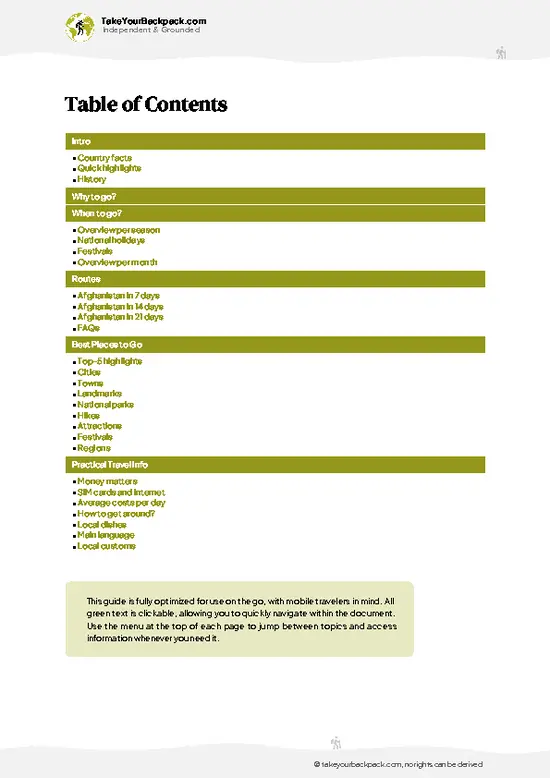
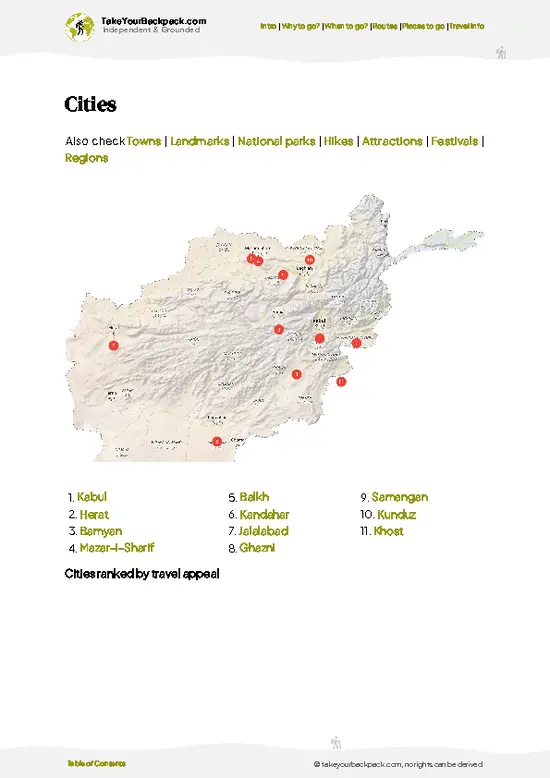
- Poetry readings and storytelling — Tirgan brings out reciters of classical Persian/Dari poetry and local storytellers who link myth, rain-prayers, and everyday
- Water rituals and communal splashing — Central to Tirgan’s symbolism is water: people take part in playful splashing, sprinkle blessed water, or gather by rivers and public fountains. It’s refreshing, symbolic of rain and renewal, and turns the festival into a tactile, joyful street-party rather than just a parade to watch.
- Live folk music and dance — Expect rubab, tabla and regional melodies alongside vigorous local dances (like Attan in Pashtun areas and other regional folk steps). The sound is earthy and immediate: small ensembles, call-and-response singing, and crowds joining in make performances feel communal rather than staged.
- Poetry readings and storytelling — Tirgan brings out reciters of classical Persian/Dari poetry and local storytellers who link myth, rain-prayers, and everyday life. These sessions are intimate and often improvised—great for anyone who likes atmosphere over big production values.
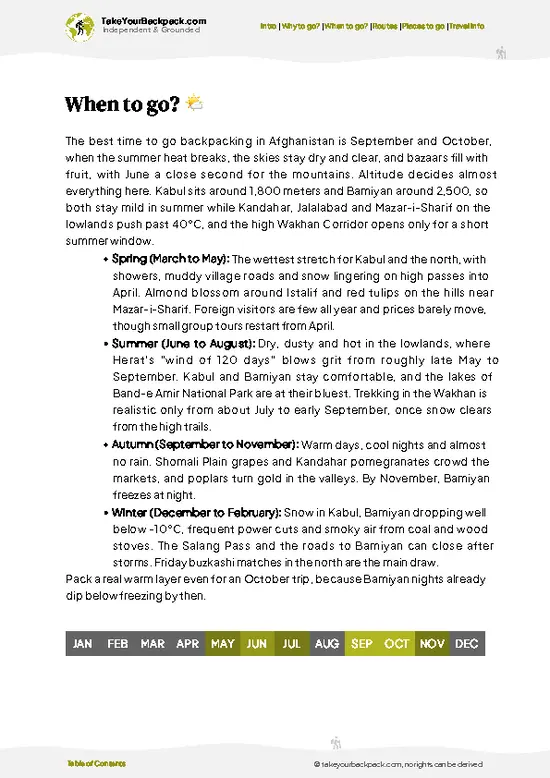
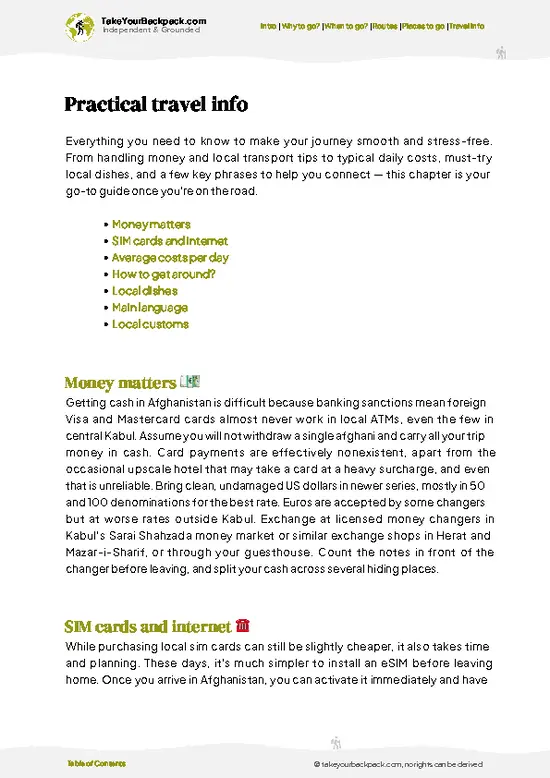
- Crafts, markets and colorful bands (band-e-Tirgan) — Pop-up bazaars sell embroidered caps, woven textiles, jewelry and the little multicolored wristbands tied for luck. It’s an easy way to shop local, watch artisans at work, and take home something handmade that actually means something to the celebration.
- Street food and communal feasting — Food stalls serve kebabs, pilau, flatbreads, sweets and lots of tea; meals are meant to be shared. Eating in the open with neighbors—often seated on communal rugs—gives the festival its warm, social vibe and is how locals celebrate together.
Spotted a mistake or missing something? Contact us.
 Best Backpacking

 Hi, I’m Johan (Netherlands 🇳🇱), the creator of TakeYourBackpack. Over the past 3 decades, I’ve backpacked through 90+ countries across six continents, gaining extensive experience with independent travel, long-term trips, and overland routes.