
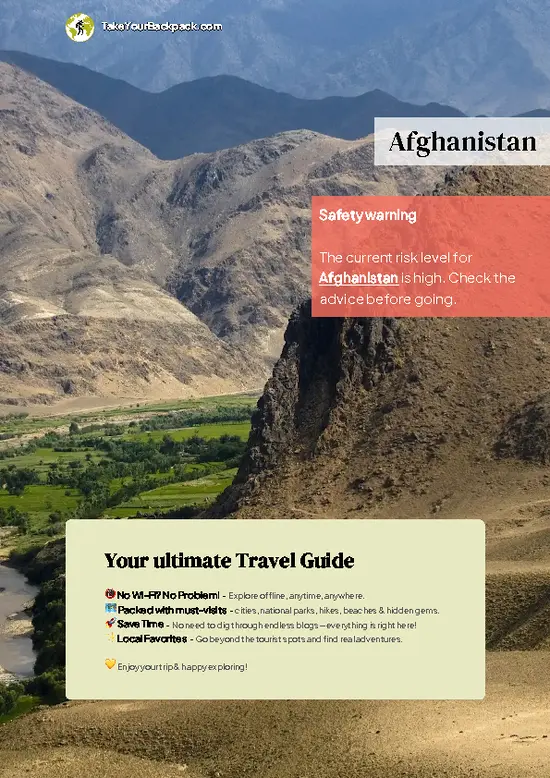
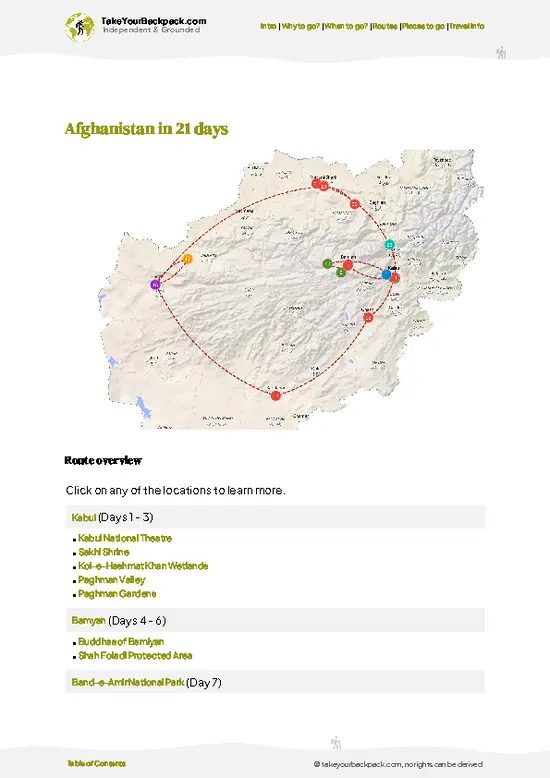
- Silk Road caravan reenactments and caravanserai bazaars — Staged processions and market setups recreate the feel of old trade routes: loaded pack animals, traders’ tents and stalls arranged like a caravanserai. It’s tactile and atmospheric — walk past bundles of spices and bolts of fabric and you can almost picture merchants bargaining centuries ago.
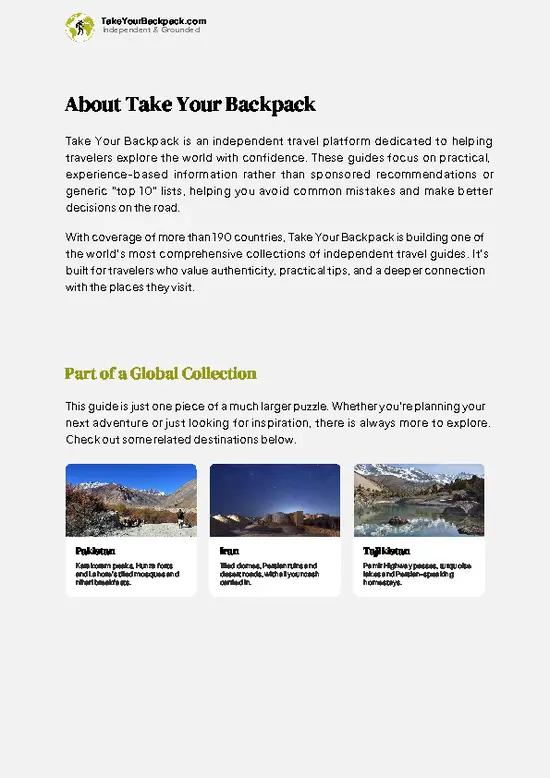
- Traditional music and communal dance — Live sets feature local instruments (think rubab, dutar and frame drums) and call-and-response singing that’s raw and immediate. Dances like the Attan or regionally rooted ritual pieces turn audiences into participants, so it’s more about shared energy than polished performance.
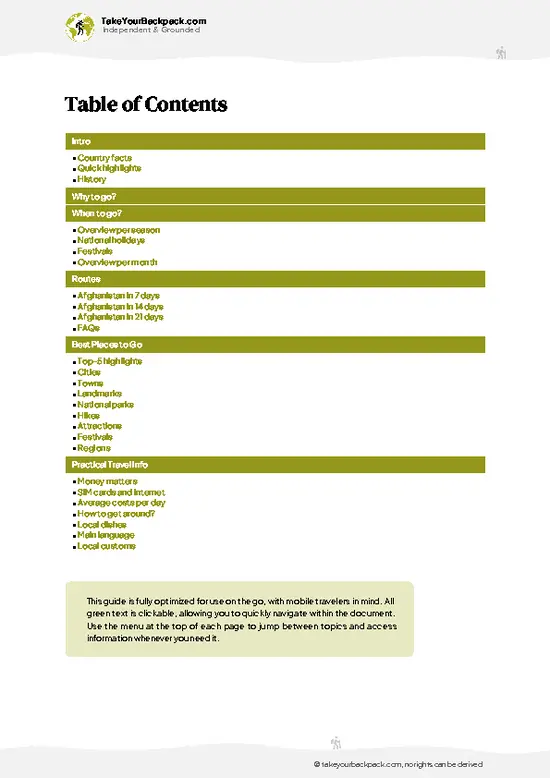
- Master weavers and carpet lore — You’ll see artisans knotting carpets and explaining the symbolism behind colors and patterns,
- Silk Road caravan reenactments and caravanserai bazaars — Staged processions and market setups recreate the feel of old trade routes: loaded pack animals, traders’ tents and stalls arranged like a caravanserai. It’s tactile and atmospheric — walk past bundles of spices and bolts of fabric and you can almost picture merchants bargaining centuries ago.
- Traditional music and communal dance — Live sets feature local instruments (think rubab, dutar and frame drums) and call-and-response singing that’s raw and immediate. Dances like the Attan or regionally rooted ritual pieces turn audiences into participants, so it’s more about shared energy than polished performance.
- Master weavers and carpet lore — You’ll see artisans knotting carpets and explaining the symbolism behind colors and patterns, sometimes working on large pieces in public. Watching a rug come together knot by knot is oddly hypnotic — and you get the full story behind designs you’d otherwise just call “pretty.”
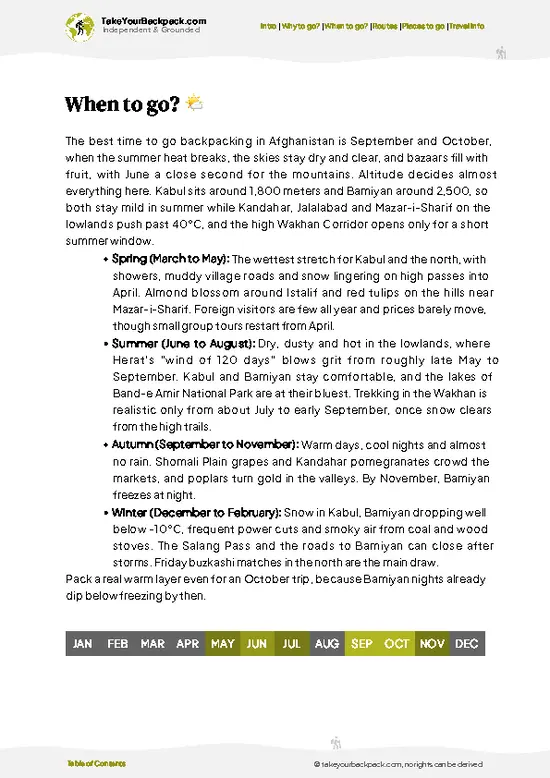
- Cross-cultural crafts and artisan stalls — The festival pulls craftspeople from across Silk Road cultures: embroidered textiles, silver filigree, carved wood and intricate calligraphy. The variety and regional mash-up is what stands out — items that show how ideas migrated along the route, not just goods.
- Food stalls and tea-house corners — A rotating assortment of regional dishes and street snacks gives you a culinary tour: pilafs, dumplings, flatbreads, sweets and strong, spiced tea. Eating in the shaded tea corners with locals is the easiest way to feel the festival’s rhythm — noisy, slow, and very communal.
Spotted a mistake or missing something? Contact us.
 Best Backpacking

 Hi, I’m Johan (Netherlands 🇳🇱), the creator of TakeYourBackpack. Over the past 3 decades, I’ve backpacked through 90+ countries across six continents, gaining extensive experience with independent travel, long-term trips, and overland routes.