×

Afghanistan🇦🇫 | attractionsShrine of Hazrat Ali Night Market Areaevening food stalls, illuminated shrine, local sweets | things to do and best time to go

Explore Blue MosqueExplore Minaret of Jam

Backpacking in Shrine of Hazrat Ali Night Market Area
By Johan Kruseman 🇳🇱 | Updated October 15, 2026

Forget the Instagram fantasy: the Shrine of Hazrat Ali Night Market isn’t some tranquil, lantern-lit bazaar where you’ll wander in solitude. It’s a chaotic, electric sprawl in the heart of Mazar-i-Sharif, northern Afghanistan, where the blue-tiled shrine glows and the market pulses with real Afghan life. Yes, you’ll dodge crowds and haggle over prices that spike for outsiders, but you’ll also get a front-row seat to the city’s soul—families picnicking, Sufi chants drifting through the air, and kebab smoke curling above the chaos. It’s not cheap or easy, but compared to Afghanistan’s other sites, nowhere else feels this alive after dark.

Discover everything you want to know in the 📖 Afghanistan Travel Guide.
Safety warning

The current risk level for Afghanistan is high. Check the advice before going.


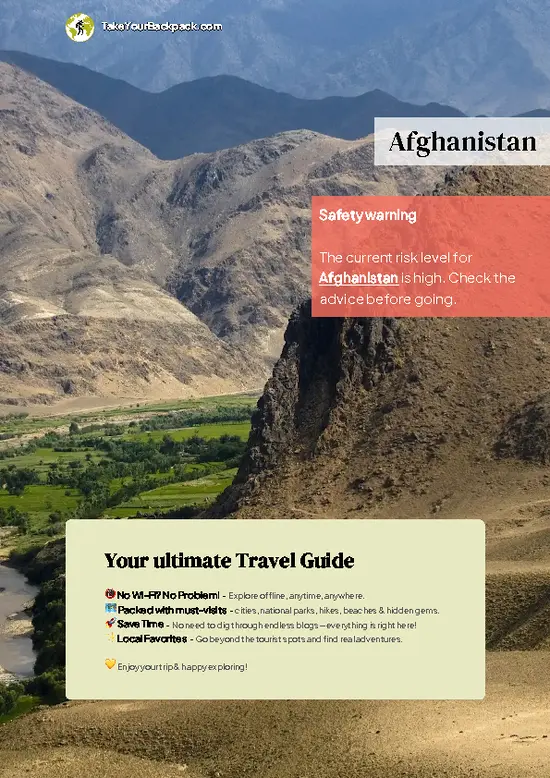
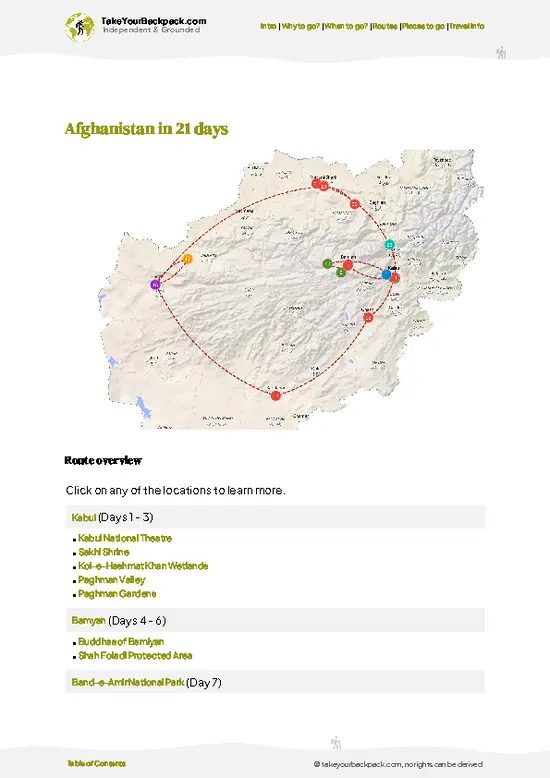
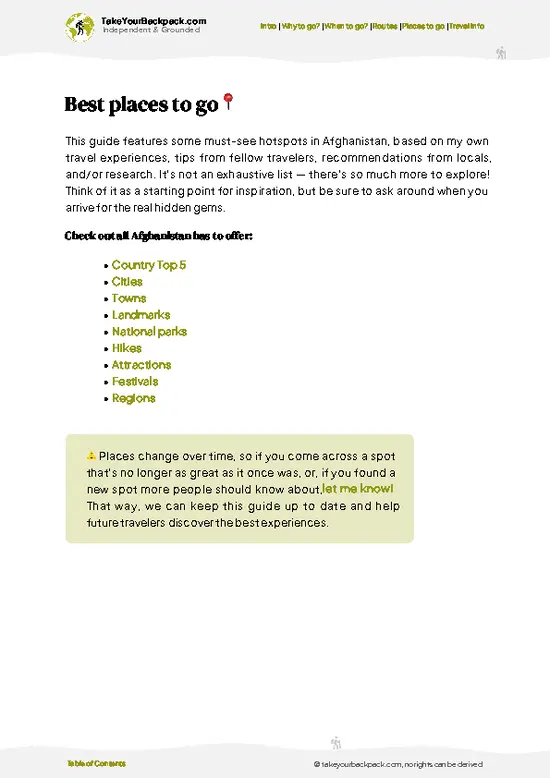
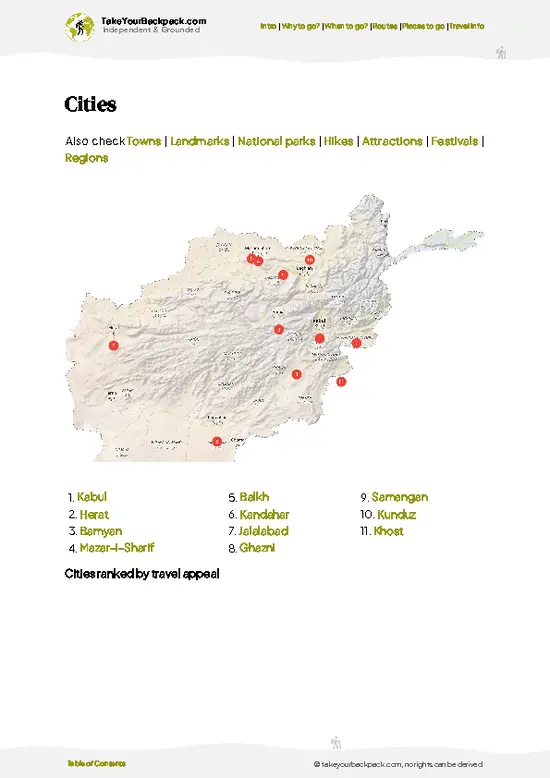
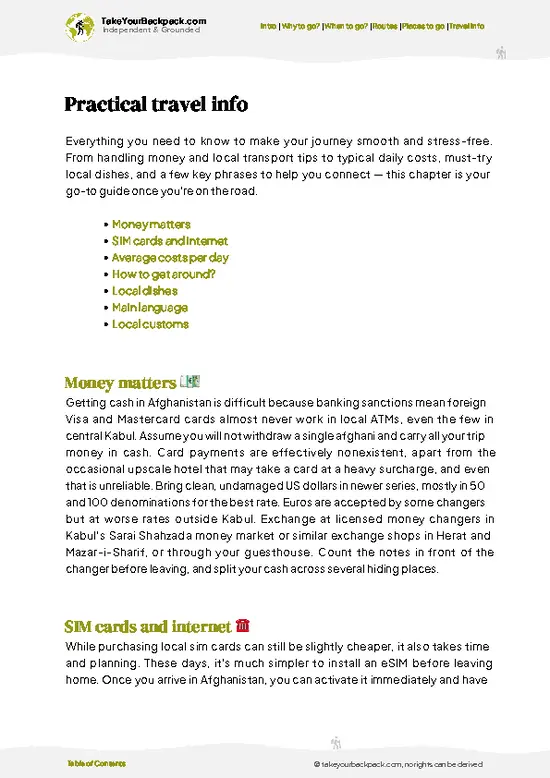
example page 0 from our offline Travel Guide for Afghanistan
example page 1 from our offline Travel Guide for Afghanistan
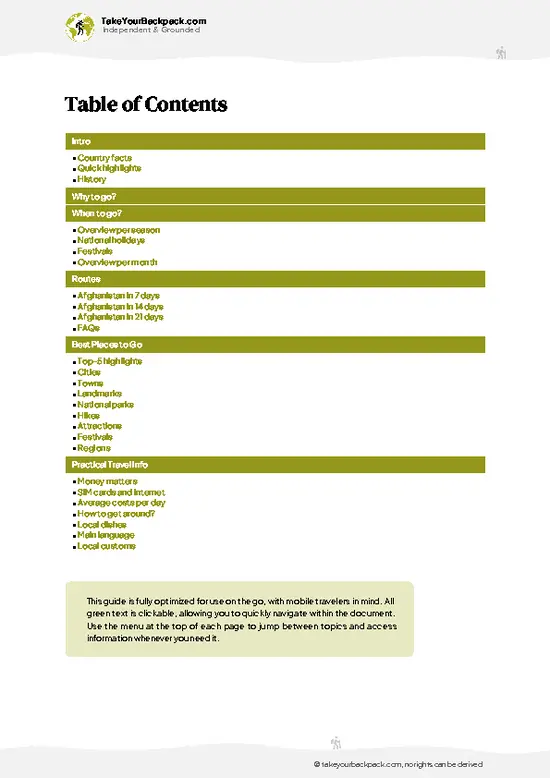
example page 2 from our offline Travel Guide for Afghanistan
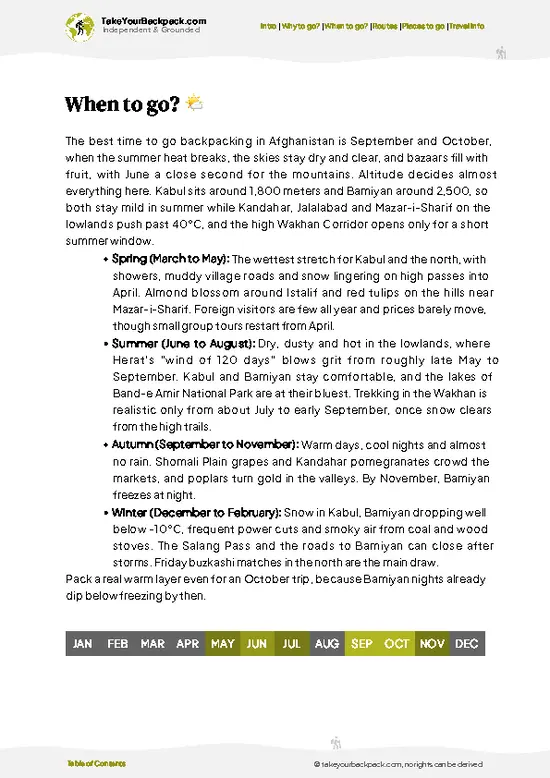
example page 3 from our offline Travel Guide for Afghanistan
example page 4 from our offline Travel Guide for Afghanistan
example page 5 from our offline Travel Guide for Afghanistan
example page 6 from our offline Travel Guide for Afghanistan
example page 7 from our offline Travel Guide for Afghanistan
Loading the map 🌍
CLICK TO FILTER
cities
towns
landmarks
national parks
hikes
attractions
festivals
regions
SHOW COUNTRY’S BESTSHOW ALL

✨ Why go?
Ranked #99 attraction in Afghanistan
The unique appeal for travelers

The Shrine of Hazrat Ali Night Market Area isn’t your typical tourist pit stop. Yes, it’s crowded and chaotic—expect a sensory overload of noise, smells, and relentless bargaining. But that’s exactly why backpackers carve out time here. This place is a living artery of Afghan culture, where history and faith collide in real-time. The shrine itself holds deep spiritual significance, believed to be the burial site of Ali ibn Abi Talib, a figure central to Shia Islam. Beyond the shrine, the night market pulses with raw energy—street vendors hawking everything from spices to handcrafted jewelry, offering a glimpse into everyday Afghan life that no guidebook can capture. It’s a milestone on the overland route, a test of nerves and curiosity that rewards you with stories and connections you won’t find anywhere else.

💡 HighlightsDon't-miss highlights and experiences

1. Shrine of Hazrat Ali Illuminations
Forget the filtered photos—nothing prepares you for the electric blue tiles of the shrine glowing under floodlights. The real show starts after sunset, when the courtyard fills with families, pilgrims, and the hum of daily life. It’s not just a monument; it’s a living, breathing gathering place. The energy is contagious, and the sense of community is impossible to fake.


2. Night Market Street Food Gauntlet
This is where your taste buds get a workout. Vendors hawk everything from sizzling kebabs to syrup-soaked jalebi, and the air is thick with the scent of cardamom and charcoal. Skip the Instagrammable shots of “local flavor”—here, you’re shoulder-to-shoulder with locals, negotiating for a skewer or a handful of roasted chickpeas. It’s messy, loud, and … read more 👉
1. Shrine of Hazrat Ali Illuminations
Forget the filtered photos—nothing prepares you for the electric blue tiles of the shrine glowing under floodlights. The real show starts after sunset, when the courtyard fills with families, pilgrims, and the hum of daily life. It’s not just a monument; it’s a living, breathing gathering place. The energy is contagious, and the sense of community is impossible to fake.


2. Night Market Street Food Gauntlet
This is where your taste buds get a workout. Vendors hawk everything from sizzling kebabs to syrup-soaked jalebi, and the air is thick with the scent of cardamom and charcoal. Skip the Instagrammable shots of “local flavor”—here, you’re shoulder-to-shoulder with locals, negotiating for a skewer or a handful of roasted chickpeas. It’s messy, loud, and absolutely worth it.


3. Open-Air Tea Stalls
Plastic stools, chipped glasses, and tea so strong it could wake the dead. These stalls are the unofficial social clubs of Mazar-i-Sharif. You’ll see old men arguing politics, young couples sharing a laugh, and travelers like you trying to blend in. The tea is cheap, the conversation is free, and the people-watching is world-class.


4. Spontaneous Music and Dance
If you’re lucky, you’ll stumble into a circle of musicians—rubab, tabla, maybe even a harmonium—playing for the sheer joy of it. Sometimes, the crowd joins in with clapping or a bit of dancing. It’s unscripted, unpolished, and a thousand times more memorable than any staged performance.


5. The Midnight Bazaar Hustle
This isn’t a sanitized “souvenir market.” It’s a maze of stalls selling everything from knockoff sneakers to prayer beads, with vendors who can spot a foreigner from a mile away. Bargaining is expected, and the pace is relentless. It’s chaotic, overwhelming, and the best kind of sensory overload.
Spotted a mistake or missing something? Contact us.

🌤️ When to go?Choosing the right time of year

  • Topic: Weather - The best months to visit are April through October when the weather is dry and warm. Winters (November to February) bring cold, often below freezing, making nights harsh and streets less inviting.
  • Topic: Temperature - Daytime highs in summer hover around 30-35°C (86-95°F), cooling to a comfortable 15-20°C (59-68°F) at night. Winter nights can dip below 0°C (32°F), which is brutal for wandering outdoor markets.
  • Topic: Daylight Hours - Long daylight in summer means more time to explore, with sunsets around 7:30-8:00 PM. Short winter days limit market hours and reduce the vibrant evening atmosphere.
  • Topic: Crowds - Expect the heaviest crowds during Ramadan and Eid festivals, typically shifting between April and June, when locals flood the market for celebrations and special
… read more 👉
  • Topic: Weather - The best months to visit are April through October when the weather is dry and warm. Winters (November to February) bring cold, often below freezing, making nights harsh and streets less inviting.
  • Topic: Temperature - Daytime highs in summer hover around 30-35°C (86-95°F), cooling to a comfortable 15-20°C (59-68°F) at night. Winter nights can dip below 0°C (32°F), which is brutal for wandering outdoor markets.
  • Topic: Daylight Hours - Long daylight in summer means more time to explore, with sunsets around 7:30-8:00 PM. Short winter days limit market hours and reduce the vibrant evening atmosphere.
  • Topic: Crowds - Expect the heaviest crowds during Ramadan and Eid festivals, typically shifting between April and June, when locals flood the market for celebrations and special foods.
  • Topic: Seasonal Activities - Spring and early autumn bring fresh produce and traditional crafts to the stalls, adding authentic local flavor that fades in the harsher winter months.
  • Topic: Price Fluctuations - Prices spike during festival seasons and summer tourist peaks. Visiting just before or after these times can score better deals and a more relaxed vibe.
Pro-tip: Aim for late April or September evenings—cool enough to enjoy the buzz without the crush or the chill, and the market’s true character shines through.


source: climatestotravel.comJANJanuary: below average for travelingFEBFebruary: below average for travelingMARMarch: good for travelingAPRApril: highly recommended for travelingMAYMay: good for travelingJUNJune: good for travelingJULJuly: highly recommended for travelingAUGAugust: highly recommended for travelingSEPSeptember: excellent for travelingOCTOctober: highly recommended for travelingNOVNovember: fair for travelingDECDecember: below average for traveling
when-to-go

✈️ The backpacker research shortcutAfghanistan Travel Guide

An offline-friendly backpacking guide with optimized travel routes, ranked highlights, transport advice, and the best areas to stay.
example page 0 from our offline Travel Guide for Afghanistan
example page 1 from our offline Travel Guide for Afghanistan
example page 2 from our offline Travel Guide for Afghanistan
example page 3 from our offline Travel Guide for Afghanistan
example page 4 from our offline Travel Guide for Afghanistan
example page 5 from our offline Travel Guide for Afghanistan
example page 6 from our offline Travel Guide for Afghanistan
example page 7 from our offline Travel Guide for Afghanistan
The digital guide (204 pages) contains:
✅ 46 highlights, ranked by travel appeal
✅ Optimized 7, 14 & 21-day travel routes
✅ Cities, national parks, landmarks, beaches
✅ How to get around
✅ Offline-friendly for travel without Wi-Fi
👉 Click to see all 30+ guide features

📅 Plan smarter in minutes, not weeks
✅ Month by month travel advice
✅ Festivals & national holidays
✅ Budget expectations

🗺️ Go to the right places, skip the overrated ones
✅ Honest pros & cons of destinations
✅ Top hikes, parks & viewpoints
✅ Lesser-known places most travelers miss
✅ Clear “worth it vs skip it” guidance

🛏️ Travel smoothly without rookie mistakes
✅ Best areas to stay
✅ Transport systems explained simply
✅ Common scams & safety advice
✅ SIM cards, money & practical tips

🌍 Understand the country, not just visit it
✅ Culture & traditions
✅ 52 Essential phrases & customs
✅ Festivals worth planning around
✅ Traveler-friendly historical context
✅ Insights that make places more meaningful

📱 Built for real travel conditions
✅ Fully downloadable PDF
✅ Works completely offline
✅ Optimized for phone use
✅ Useful in remote areas & buses
✅ Everything in one place
Stop searching, start planning
Get instant access to your full guide. 30‑day money-back guarantee.
+ Add another guide for just

By proceeding you agree to our terms.
Sent to your inbox immediately after payment • 100% Secure Checkout
Best Backpacking Travel Advisor 2025 tourism awardBest Backpacking
Travel Advisor
2025
What others say about Take Your Backpack Guides:
⭐⭐⭐⭐⭐
Fantastic, amazing amount of information!
⭐⭐⭐⭐⭐
My goodness this is amazing, it's what I've been looking for hats off too you!
⭐⭐⭐⭐⭐
I think this is absolutely BRILLIANT
⭐⭐⭐⭐
Very complete and informative. It's still missing places, but I gotta to commend you
⭐⭐⭐⭐⭐
This is truly amazing, thank you, can't wait to explore it with my kids!
⭐⭐⭐⭐⭐
Awesome resource, thank you!
⭐⭐⭐⭐⭐
This is amazing! Can't wait to explore the ones I haven't seen
⭐⭐⭐⭐
I love this! Well done, great idea.
⭐⭐⭐⭐⭐
Thanks for taking the time to make this gem!
⭐⭐⭐⭐⭐
This might be the best website I've ever seen.
⭐⭐⭐⭐⭐
Congratulations, and thank you so much for your work; it's incredibly valuable.
⭐⭐⭐⭐
In all seriousness I think you did a great job pointing out the important spots
⭐⭐⭐⭐⭐
10/10 very good
⭐⭐⭐⭐⭐
As someone who's only just starting to visit regularly this is awesome, thank you.
⭐⭐⭐⭐
Thank you very much! I'm going to visit my dad, it's going to be very useful!
⭐⭐⭐⭐⭐
This is really cool! We'll be travelling for the first time and this definitely come in handy.
⭐⭐⭐⭐⭐
You are now our minister of culture, congratulations 👨‍💼
⭐⭐⭐⭐⭐
Just wanted to tell you that this is a pearl! Going to follow your recommendations.
⭐⭐⭐⭐⭐
This is so cool. I'll definitely be using the resource for my travels soon.
⭐⭐⭐⭐⭐
This is very impressive! Good work.
⭐⭐⭐⭐⭐
This is an amazing and informative site. Very well done!

🛏️ Where to stay?Choosing the right base

The Shrine of Hazrat Ali Night Market Area in Afghanistan is a magnet for travelers, but don’t kid yourself—this isn’t a polished tourist zone. Crowds swarm in the evenings, and the chaos can be overwhelming if you’re not ready for it. Safety is a real concern here, so pick your base wisely. The best spots for backpackers are the neighborhoods just a short walk away, where the buzz is still palpable but the vibe is calmer and more manageable. These areas offer a mix of guesthouses and small inns that attract solo travelers and budget adventurers who want to dive into local life without getting … read more 👉
The Shrine of Hazrat Ali Night Market Area in Afghanistan is a magnet for travelers, but don’t kid yourself—this isn’t a polished tourist zone. Crowds swarm in the evenings, and the chaos can be overwhelming if you’re not ready for it. Safety is a real concern here, so pick your base wisely. The best spots for backpackers are the neighborhoods just a short walk away, where the buzz is still palpable but the vibe is calmer and more manageable. These areas offer a mix of guesthouses and small inns that attract solo travelers and budget adventurers who want to dive into local life without getting swallowed by the market frenzy. Here, you’ll find a social atmosphere with fellow backpackers and locals alike, making it easier to swap stories and tips. It’s gritty, it’s real, and it’s where the authentic pulse of the city beats strongest.

👛 Costs (as of 15 October 2026)How expensive it really is

As of the most recent estimates, visiting the Shrine of Hazrat Ali in Mazar-i-Sharif, Afghanistan, is free of charge. However, some guards at the southern gate may request a 'camera fee' for photography. Additionally, a short taxi ride from the city center to the shrine typically costs around 250 Afghanis (AFN), which is approximately €2.50.

source: lonelyplanet.com
⚠️ Prices can change and everyone travels differently, so take this as a rough guide. Hope it helps you plan your adventure!

FAQTraveler FAQ

1 to 2 hours is sufficient to visit the Shrine of Hazrat Ali Night Market Area, allowing time to explore the market stalls and the shrine itself. The market is most active in the evening, so plan your visit accordingly. Avoid late-night visits for safety reasons.
Yes, the entrance fee is generally low or sometimes free, making it worth the visit for the cultural experience and local crafts. The market offers unique Afghan goods and a vibrant atmosphere that justifies the cost. Keep small local currency handy for purchases.
You can get to the Shrine of Hazrat Ali Night Market Area by taxi or local bus from central Mazar-i-Sharif. It is located near the Blue Mosque, a well-known landmark, about 2 kilometers from the city center. Walking is possible if you are staying nearby, but taxis are recommended for convenience.
⚠️ Things can change over time, so always validate details locally before you go.

Other Afghan attractions near Shrine of Hazrat Ali Night Market Area

Explore more nearby:


💡 Not sure where to go next?
Create a personalized itinerary for Afghanistan including Shrine of Hazrat Ali Night Market Area and the places that fit your trip.

Generate my itinerary

👉 Discover all attractions

Or checkout all Afghanistan has to offer (think cities, towns, villages, national parks, hikes, beaches, festivals)
Country photo of Afghanistan

We 💚 feedbackKey takeaways before you go

The Shrine of Hazrat Ali Night Market isn’t your polished postcard scene—expect crowds, noise, and a sensory overload that can rattle first-timers. But if you lean into the chaos, you’ll find raw, unfiltered Afghan life: spices burning sharp, traders shouting deals, and a pulse that’s impossible to fake. Just watch your gear and dive in.

✍️ Help improve this page!
The information on this page is based on in-depth research, insights shared by experienced travelers, and feedback from the local travel community in Afghanistan. While every effort is made to keep the information accurate and current, conditions can change — so if you spot anything incorrect or outdated, please get in touch.


🙋‍♂️ Give feedback

👋 Meet the founderWho’s Behind Take Your Backpack?

Johan, backpacker and founder of TakeYourBackpackHi, I’m Johan (Netherlands 🇳🇱), the creator of TakeYourBackpack. Over the past 3 decades, I’ve backpacked through 90+ countries across six continents, gaining extensive experience with independent travel, long-term trips, and overland routes.

This site is built on a combination of firsthand travel experience and carefully curated insights from other backpackers. Many guides are based on places I’ve personally visited, while others bring together tips, observations, and practical advice shared by trusted travelers I’ve met along the way.

The goal is to provide realistic, experience-driven guidance — not generic itineraries — so you can explore destinations with better context, clearer expectations, and more confidence.